• Skip to main content
  • Skip to primary sidebar
  • Skip to footer

Chimpanzee Sanctuary Northwest

Hope. Love. Home. Sanctuary

  • Our Family
    • The Chimpanzees
    • The Cattle
  • Blog
  • About Us
    • Visiting the Sanctuary
    • Philosophy
      • FAQs
      • Mission, Vision & Goals
      • Privacy Policy
    • The Humans
      • Staff
      • Board of Directors
      • Founder
    • Annual Reports
    • The Future of CSNW
    • CSNW In The News
  • You can help
    • Donate
      • Become a Chimpanzee Pal
      • Sponsor A Day
      • Transfer Stock
      • Be A Produce Patron
      • Be a Bovine Buddy
      • Give from your IRA
      • Personalized Stones
      • Bring Them Home Campaign
    • Leave A Legacy
    • Employment Opportunities
    • Volunteer
    • See Our Wish List
    • Events
  • Resources
    • About Chimpanzees
    • Enrichment Database
    • Advocacy
      • Advocacy Action Center
      • Apes in Entertainment
        • Trainers
        • Role of the AHA
        • Greeting Cards
      • Chimpanzees as Pets
      • Roadside Zoos
      • Chimpanzees in Biomedical Research
      • Conservation
        • African Apes
        • Orangutans
  • Shop
    • Merchandise Store
  • Contact
  • DONATE NOW

northwest

Rayneception

February 21, 2022 by Anthony

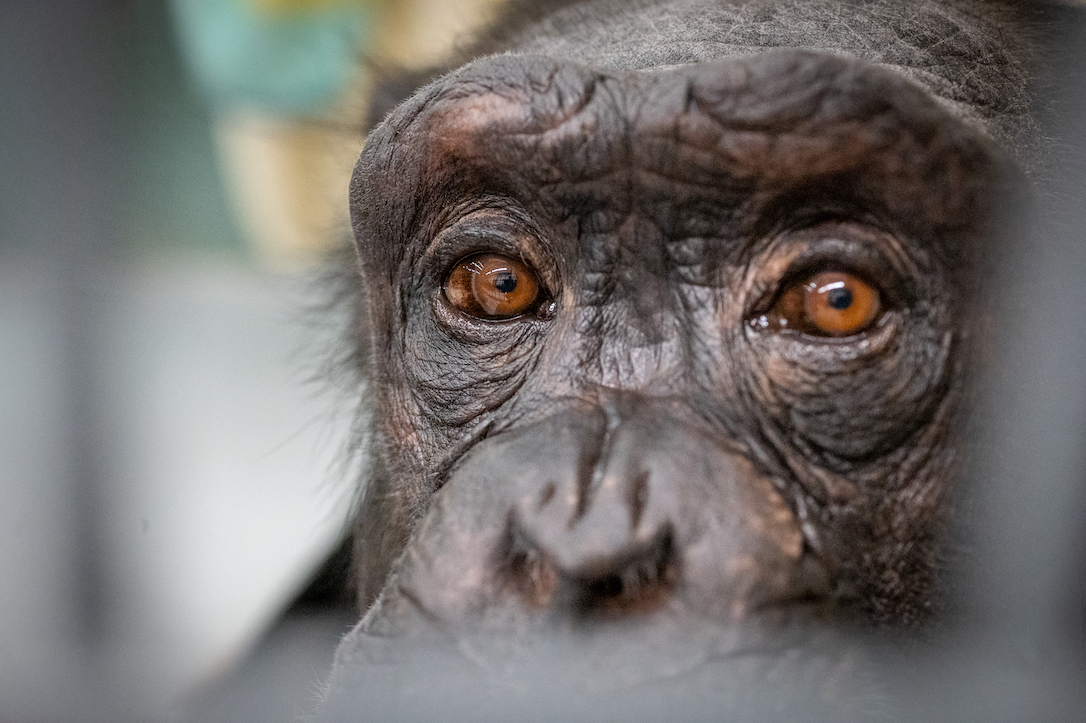
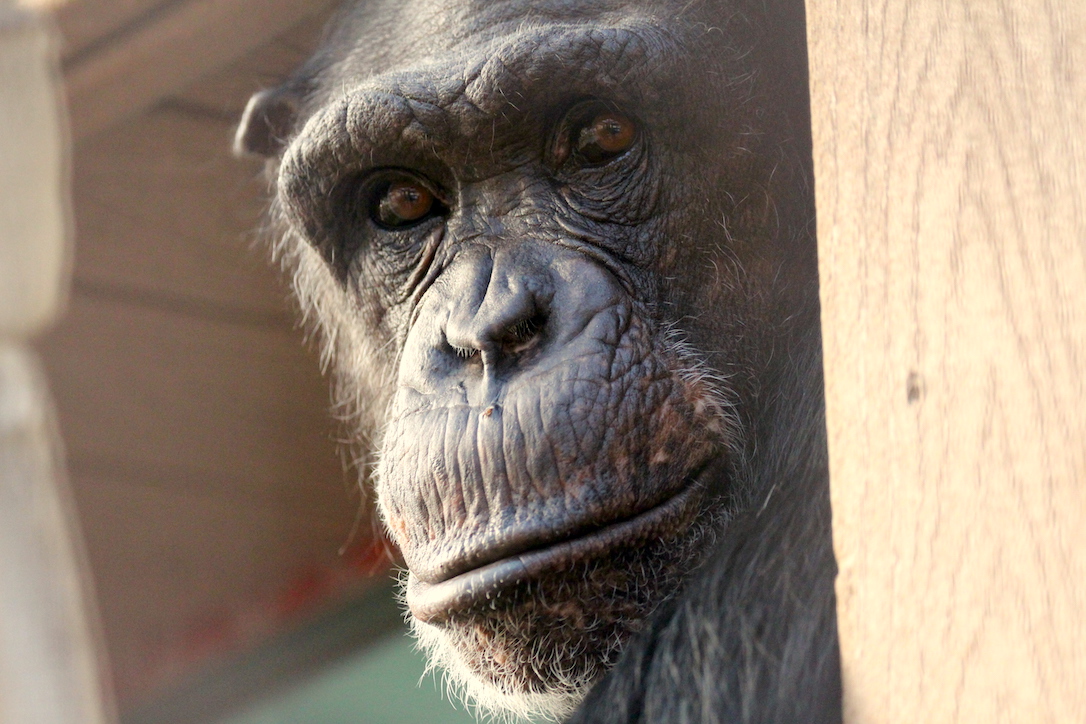
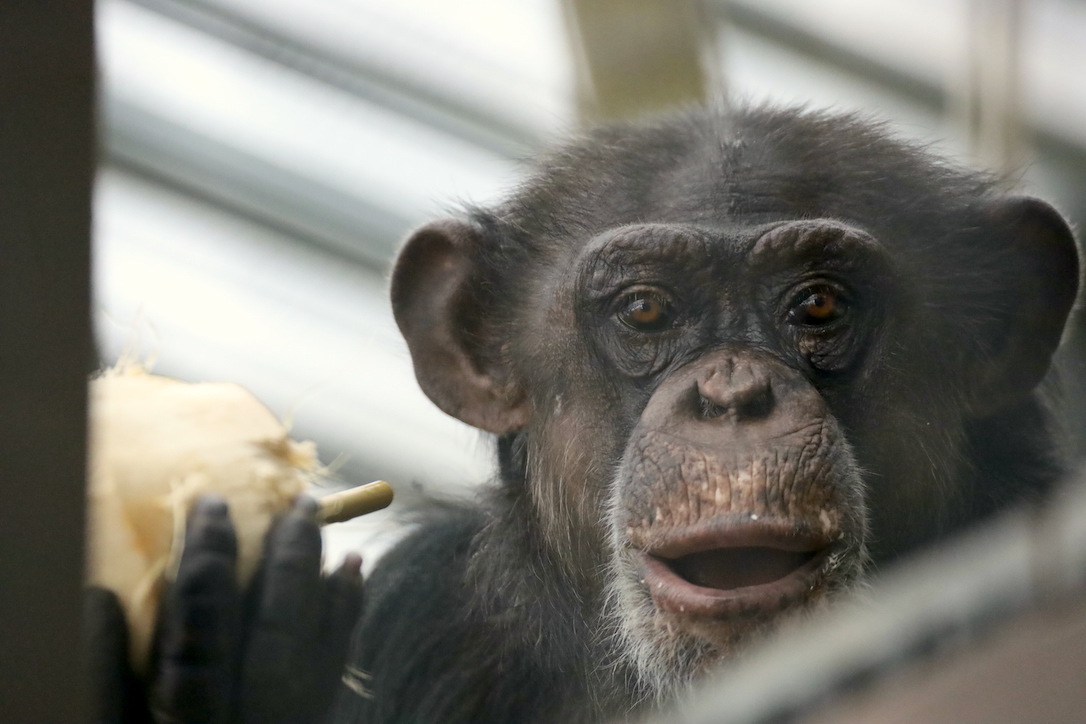
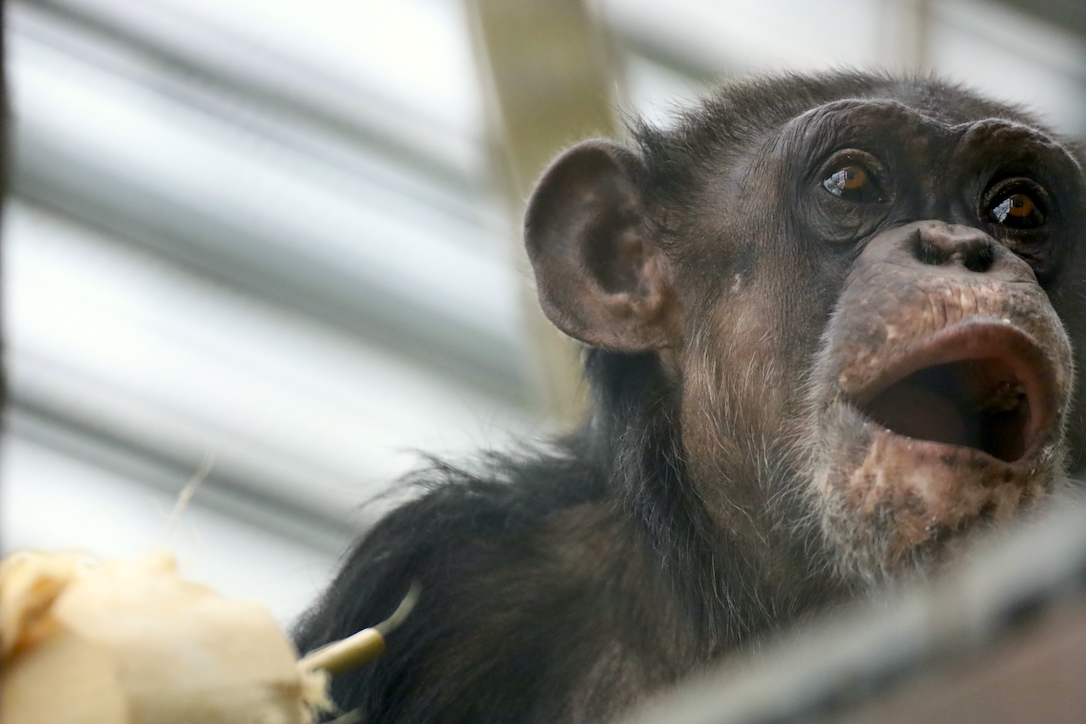
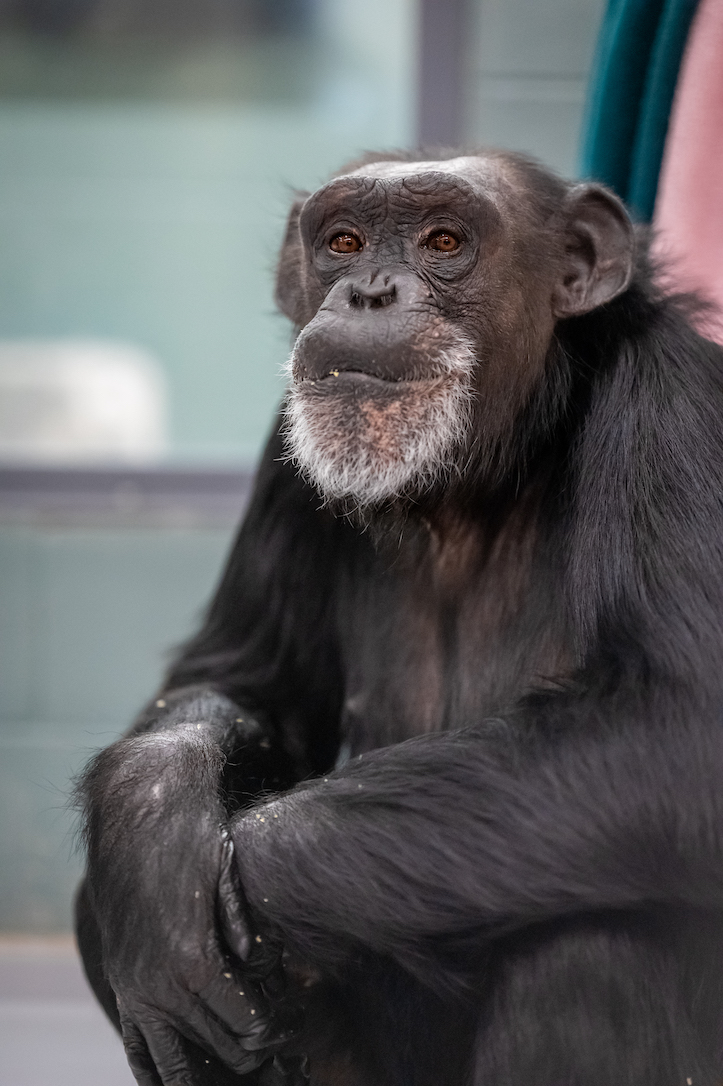
For weeks now, I’ve been bringing my camera with me when I walk between the two new greenhouses (Oakwood and Riverview) in hopes of catching someone looking through the canvas flaps that separate those areas from the indoor playrooms. The concept formed when I saw Rayne pause there a while back and thought the rectangular doorway framed her face nicely. Sadly, I did not have my camera with me at the time, but Rayney had already inspired (or incepted?) the idea into my mind.

This afternoon, Rayne unknowingly made me a happy photographer. (I’d say she made me a happy caregiver, but she does that everyday regardless.) I was walking by the greenhouses and trawling for blog material when she popped her head out to see what I was up to. Rayne calmly paused in the doorway, gently lifted the curtains, and peered out into the greenhouses to see if there was any activity worthy of her time. I cheerfully snapped a few shots, excited that my vision for a composition had actually manifested itself into a real photo. I might need to do a little editing to make the image look the way I think it should, but Rayne clearly did most of the work here.
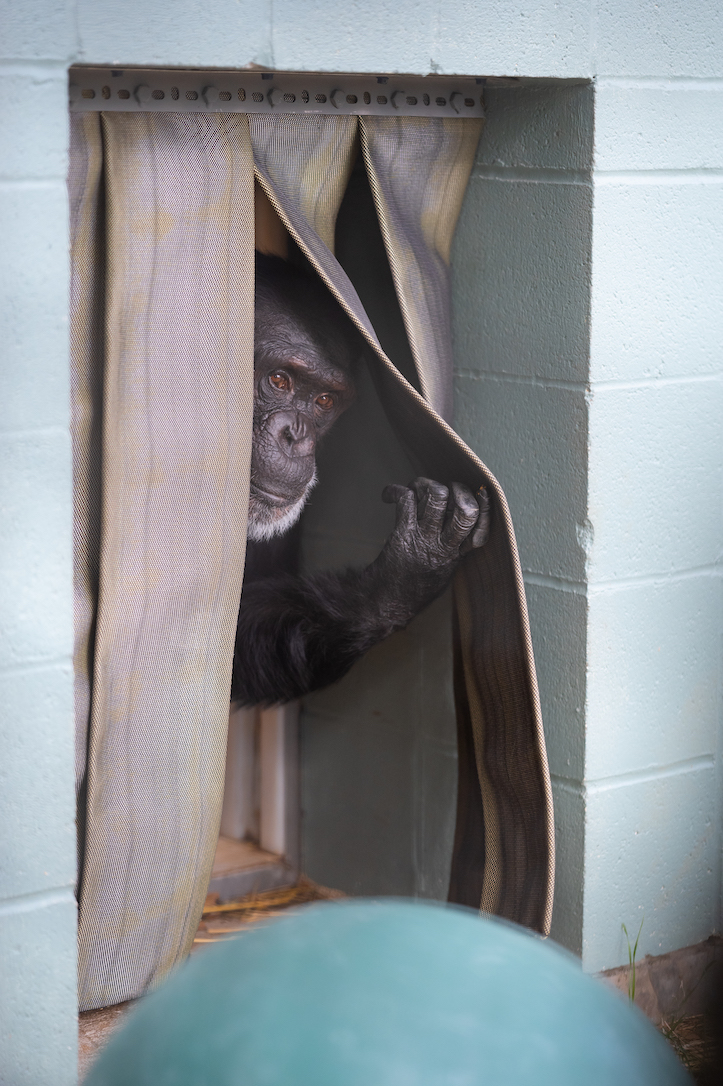
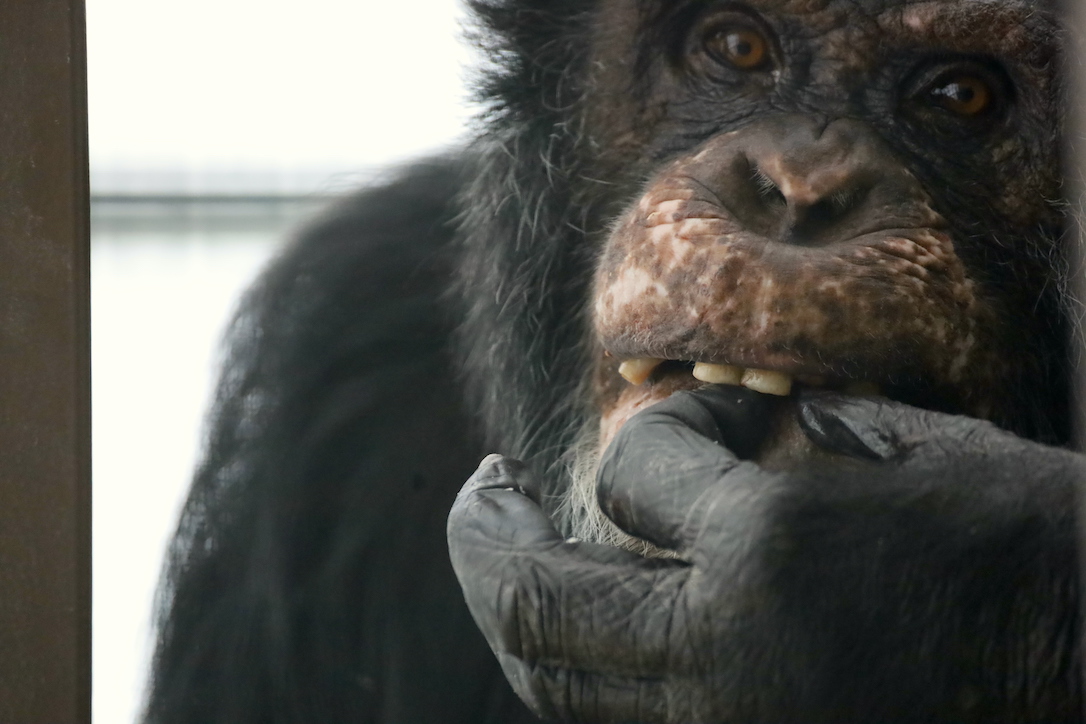
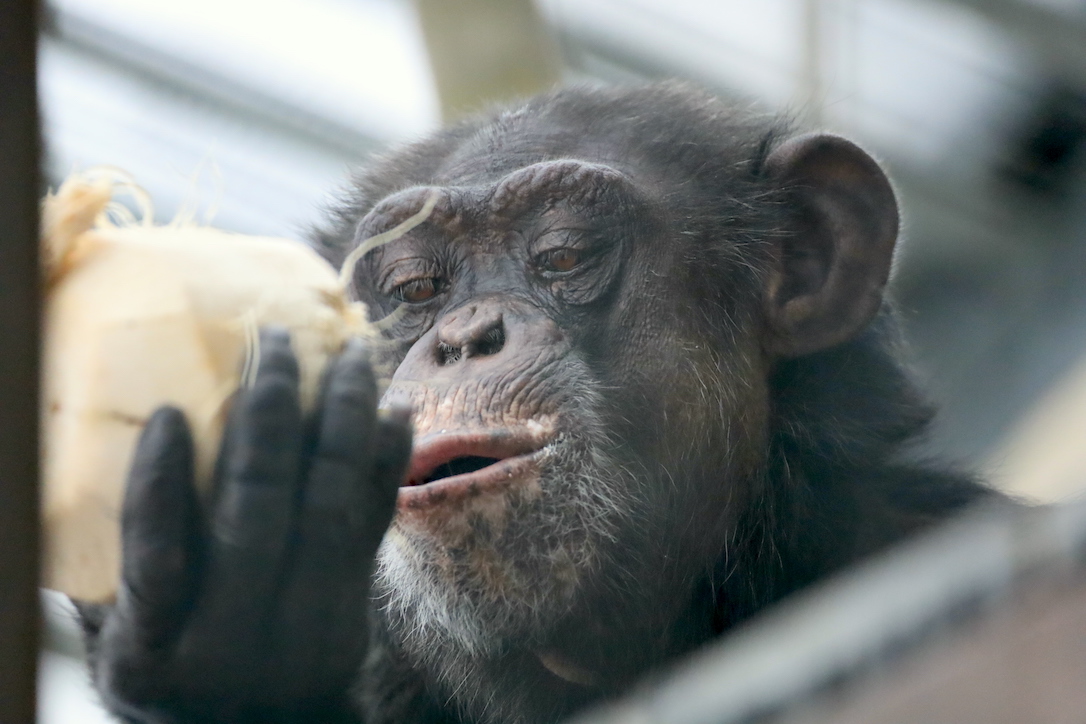
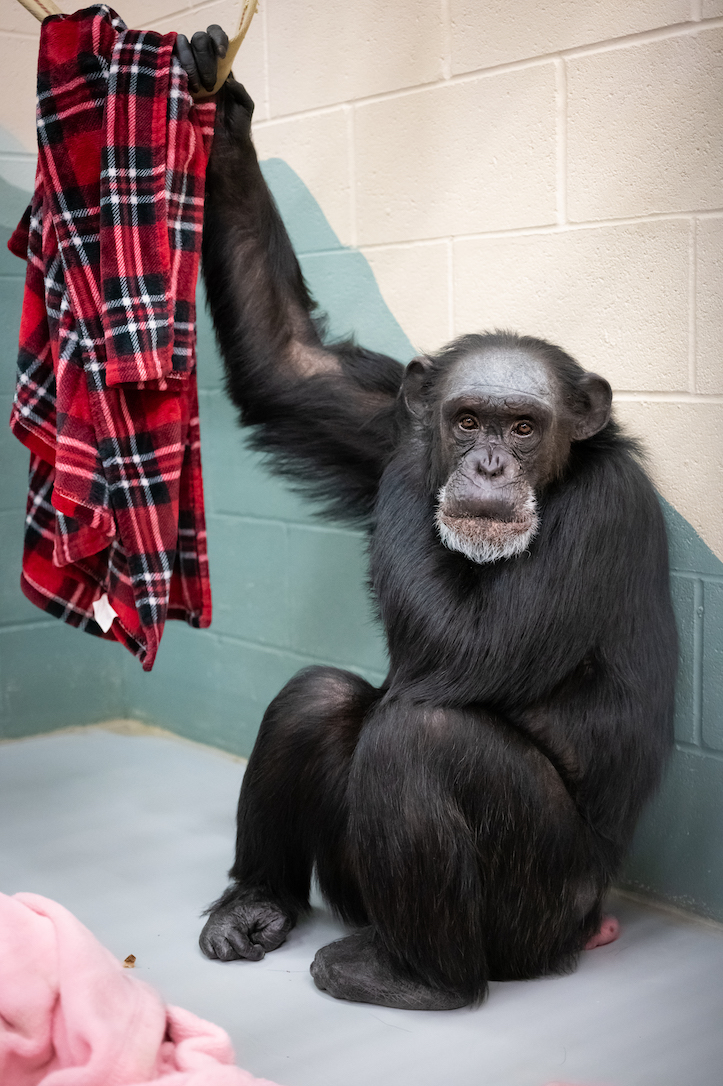
As I was transferring the image file to the desktop computer we use for blogging, I found some other photos of Rayne that I don’t remember sharing here before. I hope her tender, inquisitive demeanor comes through in the photos!
 

Filed Under: Caregivers, portrait, Rayne Tagged With: animal rights, Animal Welfare, chimp, chimpanzee, chimpanzee sanctuary, Chimpanzee Sanctuary Northwest, chimpanzees, northwest, Sanctuary

The Wednesday Weigh-In

February 17, 2022 by J.B.

In our house we have a weekly event known as the “Wednesday Weigh-In”, in which we pick up our pup, Benny, and stand with him on a scale in the kitchen. It began as part of an effort to put pounds on an underweight rescue dog and, after getting a bit carried away, now serves to help take off an extra pound or two. We all agree that putting weight on a dog was way more fun.

Keeping track of the chimps’ weights is every bit as important, if not more so, not just for overall health but also because with a moment’s notice we may have to administer medications that, for safety reasons, must be carefully dosed by weight. In the chimps’ case, however, weight must be measured remotely, because when it comes time for Cy to require anesthesia, I am not going to be the one standing on a scale with him in my arms.

We were a little behind on getting a scale installed in the new playrooms but it’s finally in and it has been officially tested for durability by Gordo and Dora and given a multi-point inspection by our resident mechanic, Rayne. Everyone but Lucky took part in yesterday’s Wednesday Weigh-In, and that’s because Lucky is the only chimp in her group that we currently have on a diet and the universe sometimes likes to play jokes on us. I’m sure she’ll get the hang of it soon enough, especially with a little positive reinforcement training.

In case you’re wondering, we record weight in kilograms because most medications are dosed in milligrams per kilogram (“migs per kig” if you want to talk like the cool kids).

Filed Under: Cy, Dora, Gordo, Rayne, Terry, Veterinary Care Tagged With: chimpanzee, health, measurement, northwest, remote, rescue, Sanctuary, scale, weigh, weight

Off to the Races

February 11, 2022 by J.B.

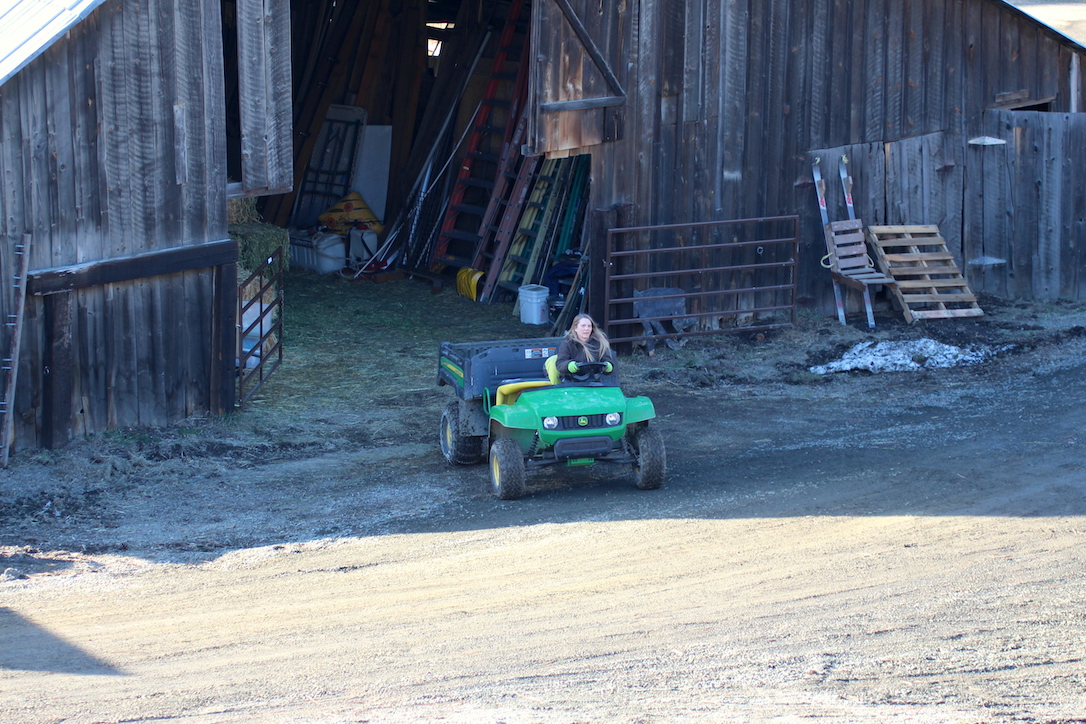
Diana thought she was going right back to the office after cattle feeding but as she was backing the Gator into the barn, Jamie flagged her down. It was time to race.

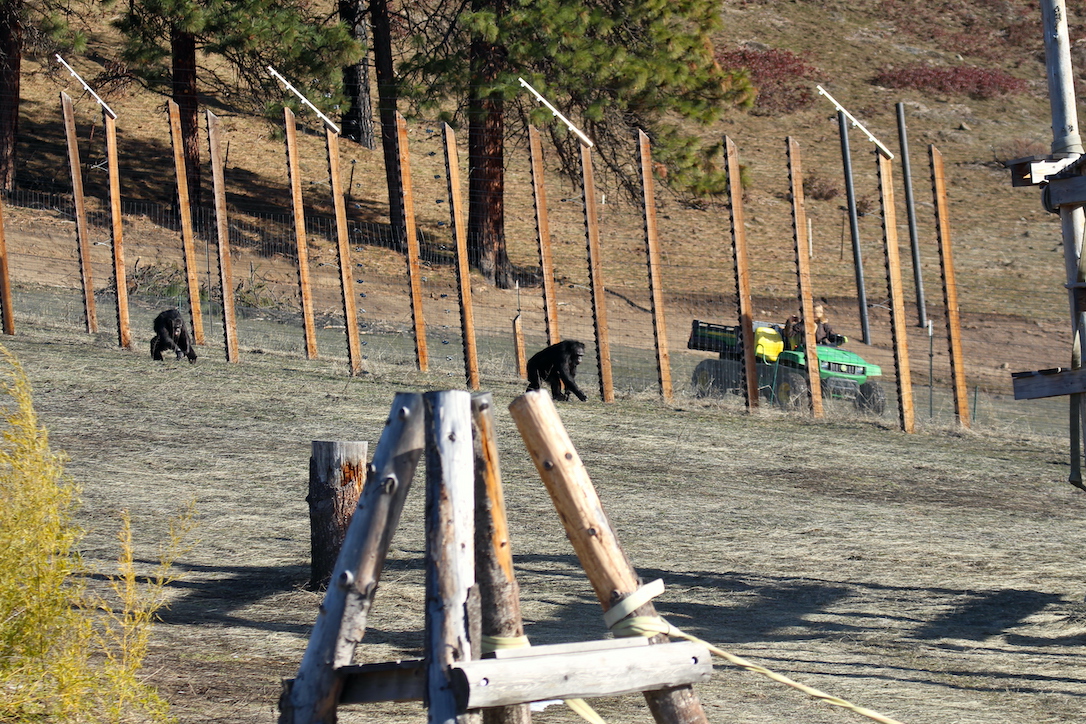
Diana put the machine back into gear and drove up the hill.

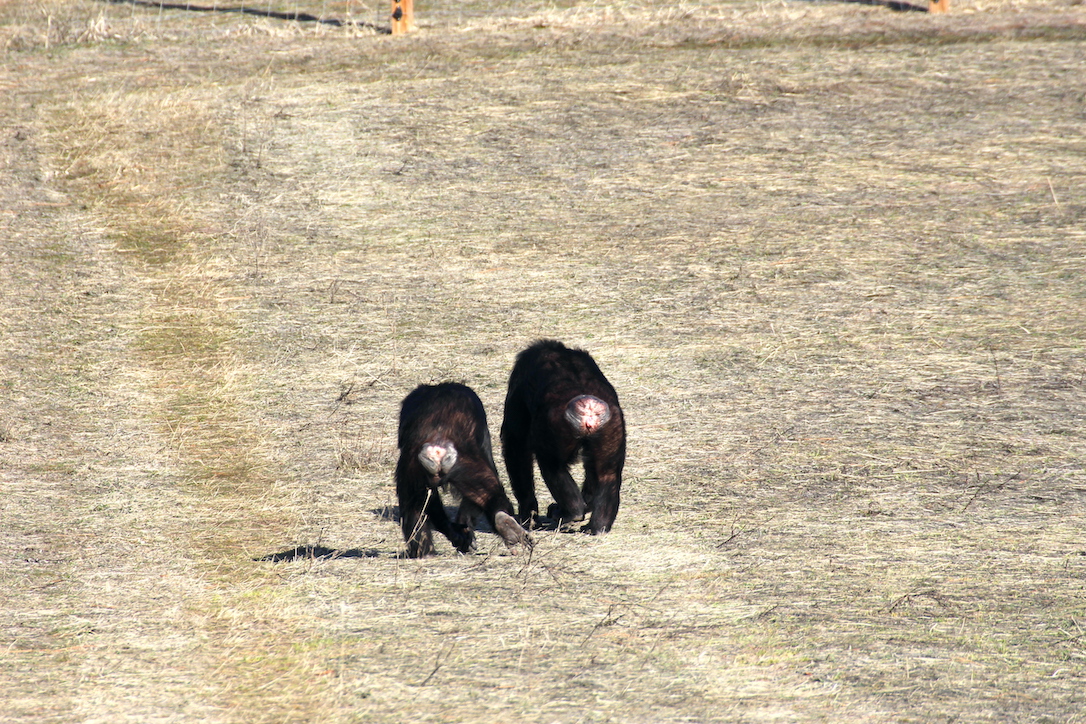
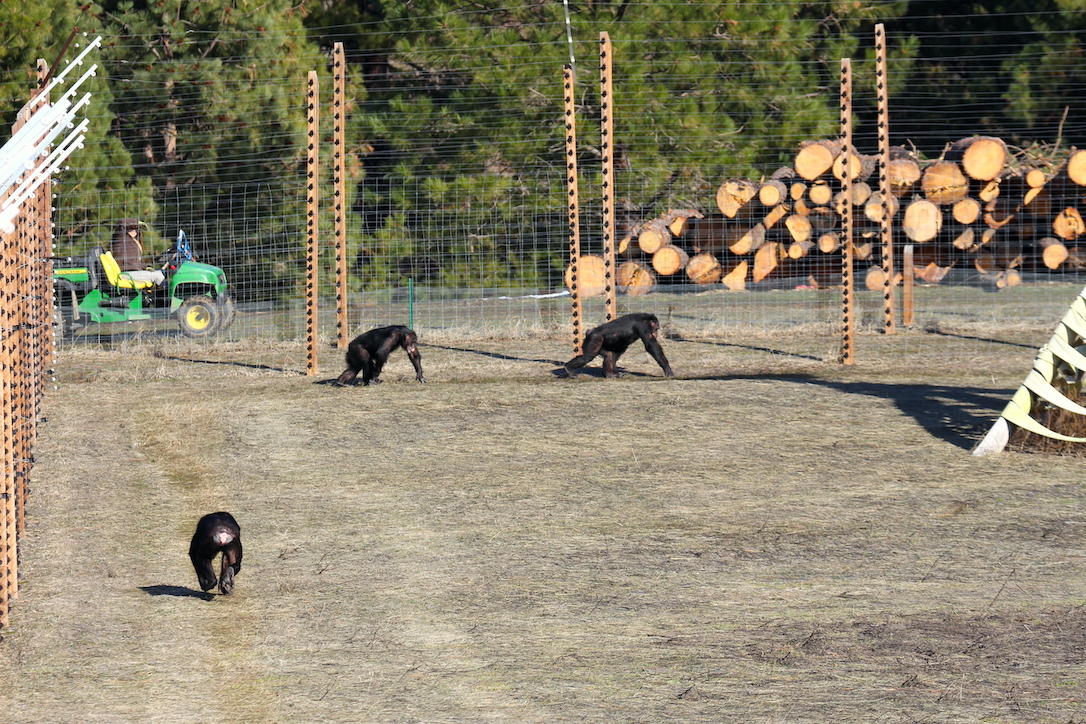
Burrito ran to catch up and they both tried to stay ahead of Diana.

Missy came storming up from behind to join in the fun.

After a long, tough winter, it was good to see the gang out racing again.

I think Jamie let Diana win this one…

Filed Under: Jamie, Young's Hill Tagged With: chimpanzee, gator, john deere, northwest, race, rescue, Sanctuary, walk

Lunchtime

February 4, 2022 by J.B.

The sights and sounds of lunchtime.

Filed Under: Food, Latest Videos Tagged With: chimpanzee, Food, lunch, meal, northwest, rescue, Sanctuary

Rayne’s Coconut Party

January 29, 2022 by J.B.

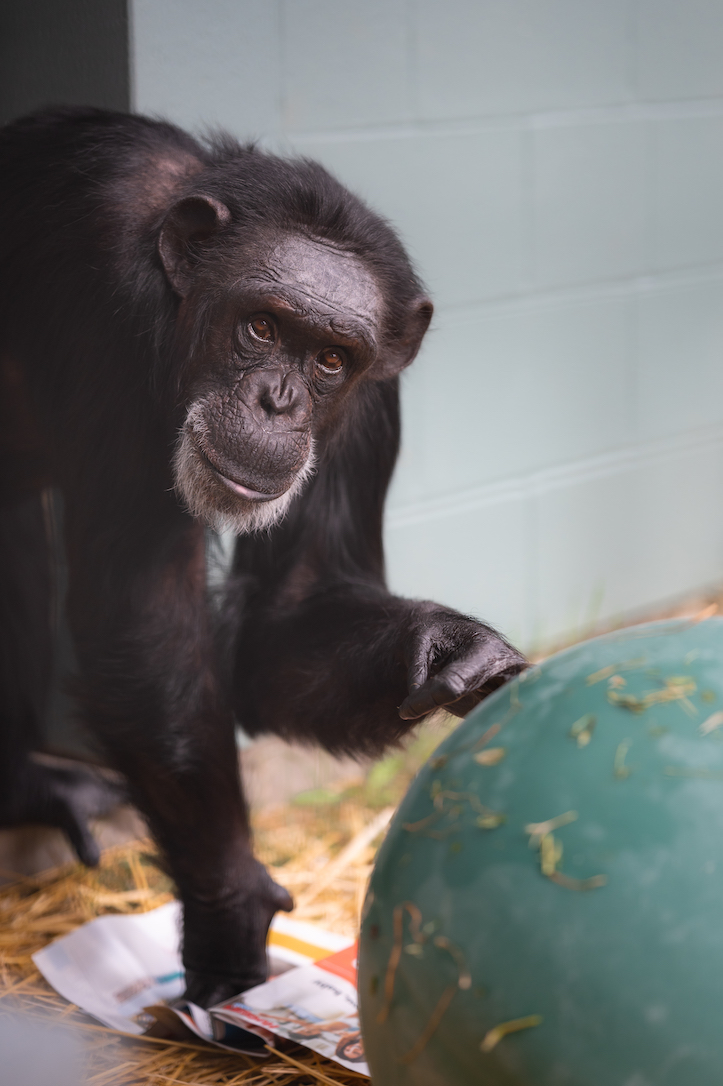
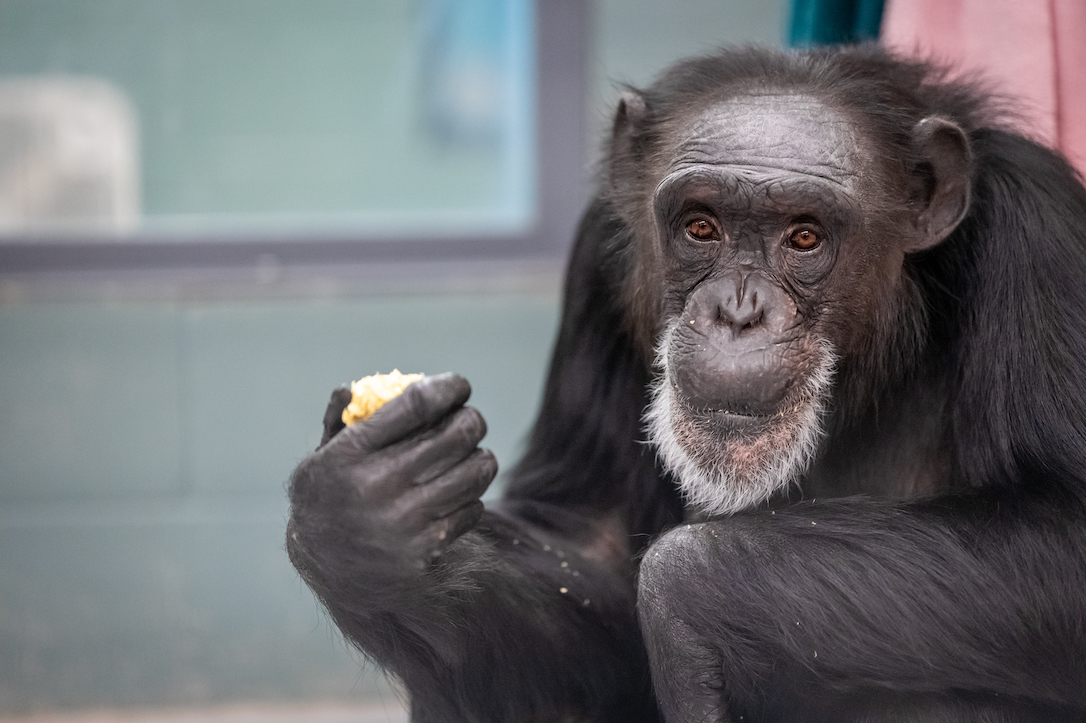
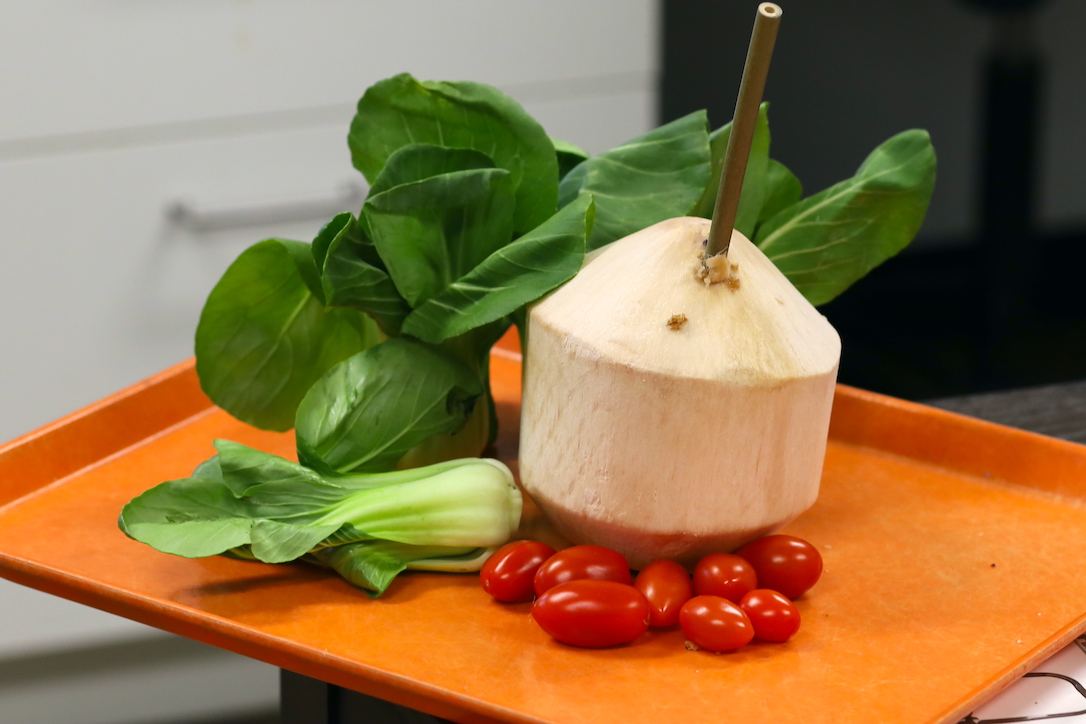
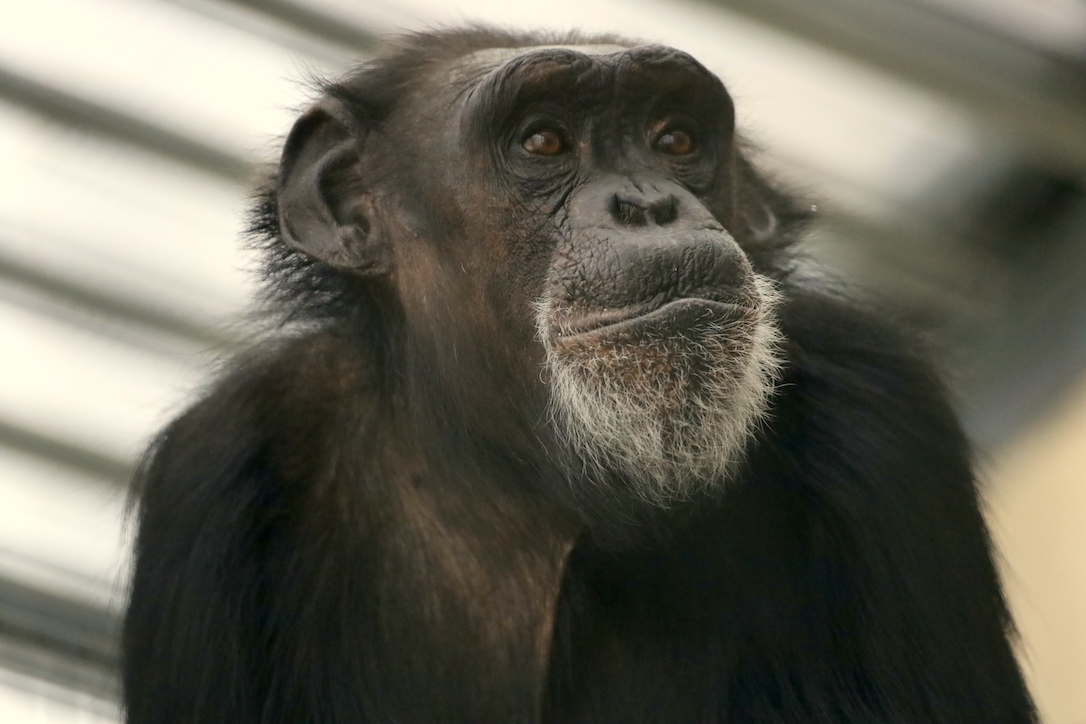
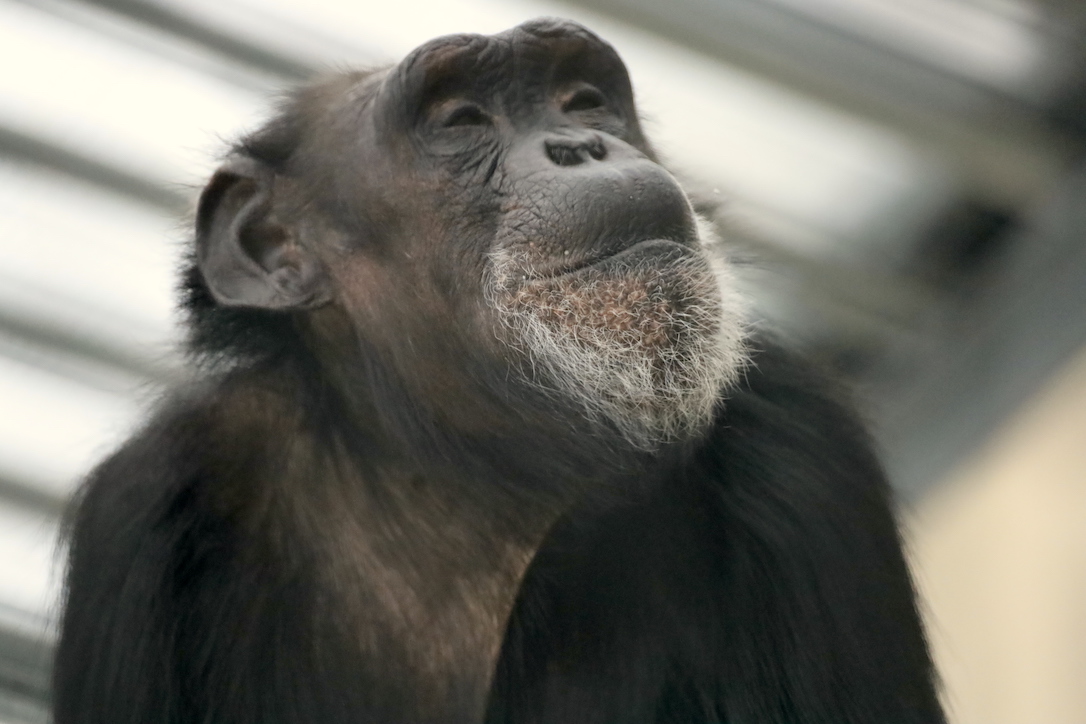
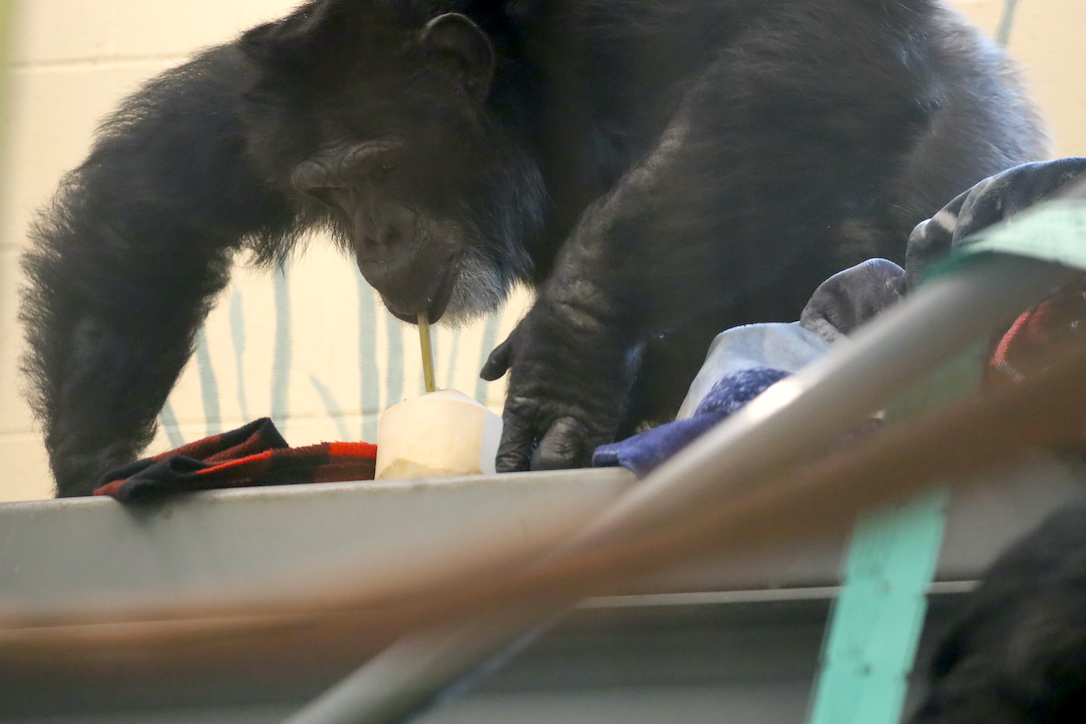
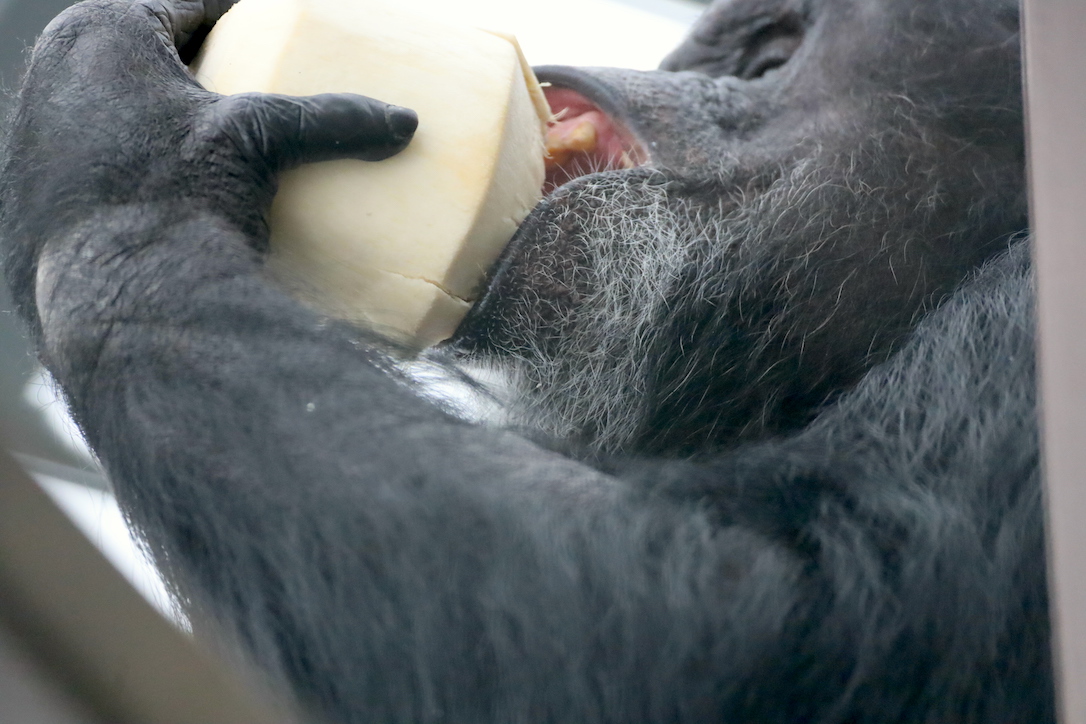
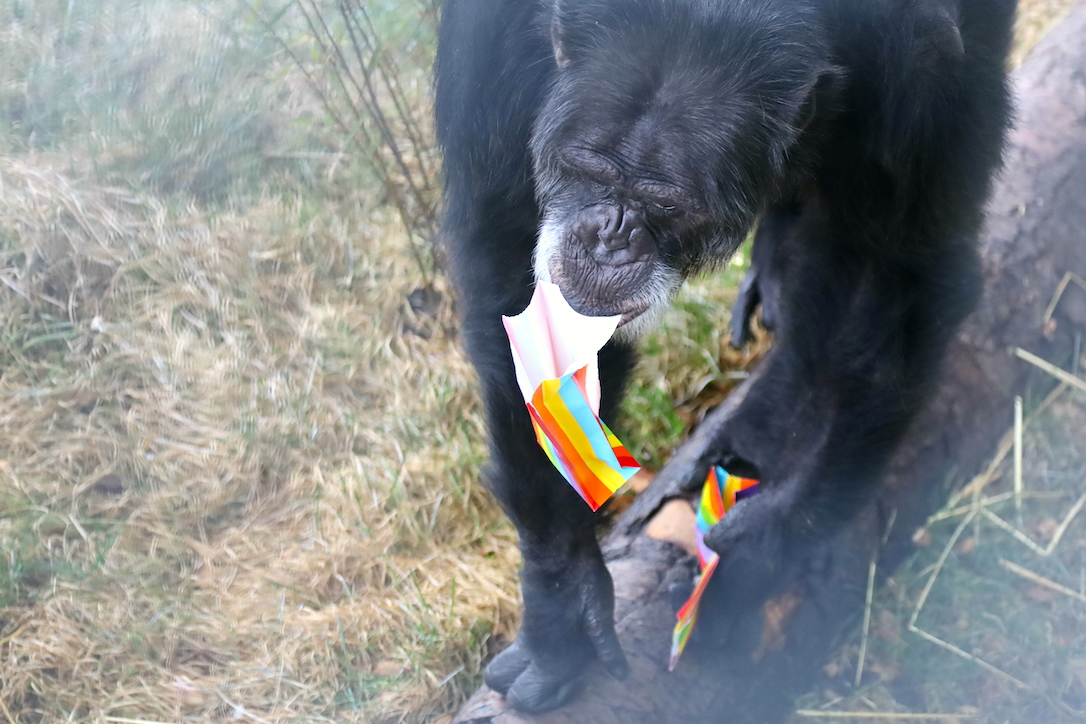
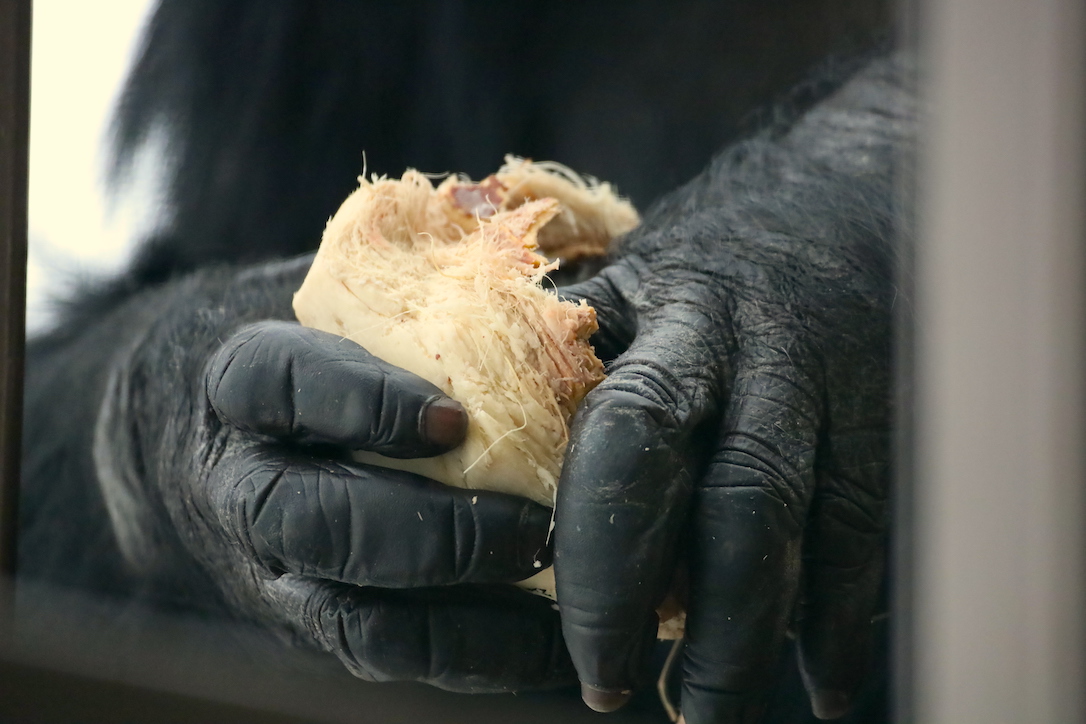
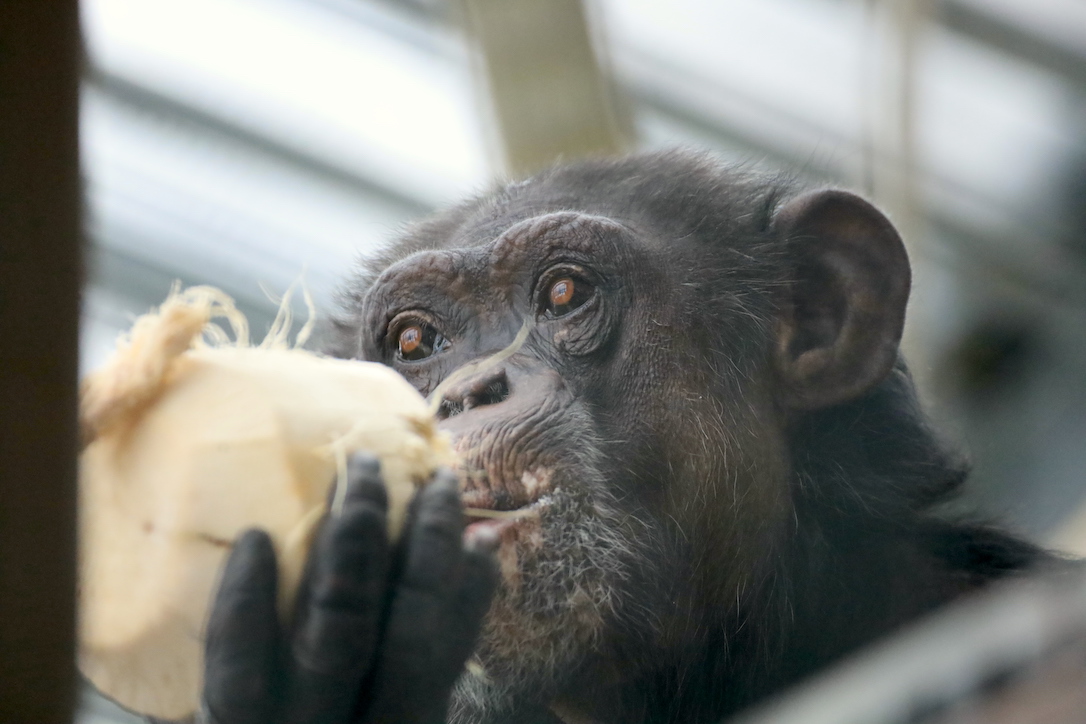
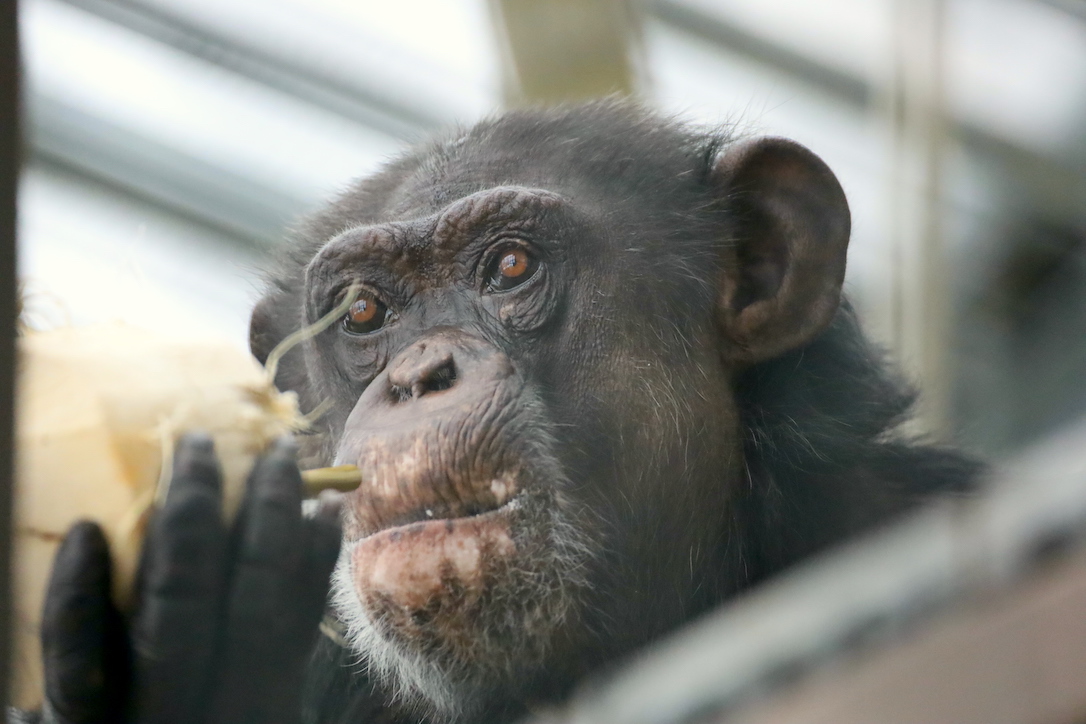
Rayne turned 32 today! We’re so grateful to Tobin, Monica, and Paulette for sponsoring this day in her honor. At breakfast we served mangoes, which are a rare treat around here since we can’t store or prepare them in the kitchen due to Annie’s allergy. They were a huge hit. Later, the playrooms and greenhouses were filled with Rayne’s favorite enrichment and a forage of fruit smoothie, bok choy, grape tomatoes, and young coconuts with bamboo straws.

This group is notoriously difficult to photograph, as they prefer to stick to the upper levels of their playroom and greenhouse enclosures, but we managed to catch a tiny bit of the action. Here’s the birthday girl:

Cy:

Gordo:

Terry (that coconut really sticks in your teeth!):


Dora, who after having her first sip of coconut, had to tell me and the group next door all about it:

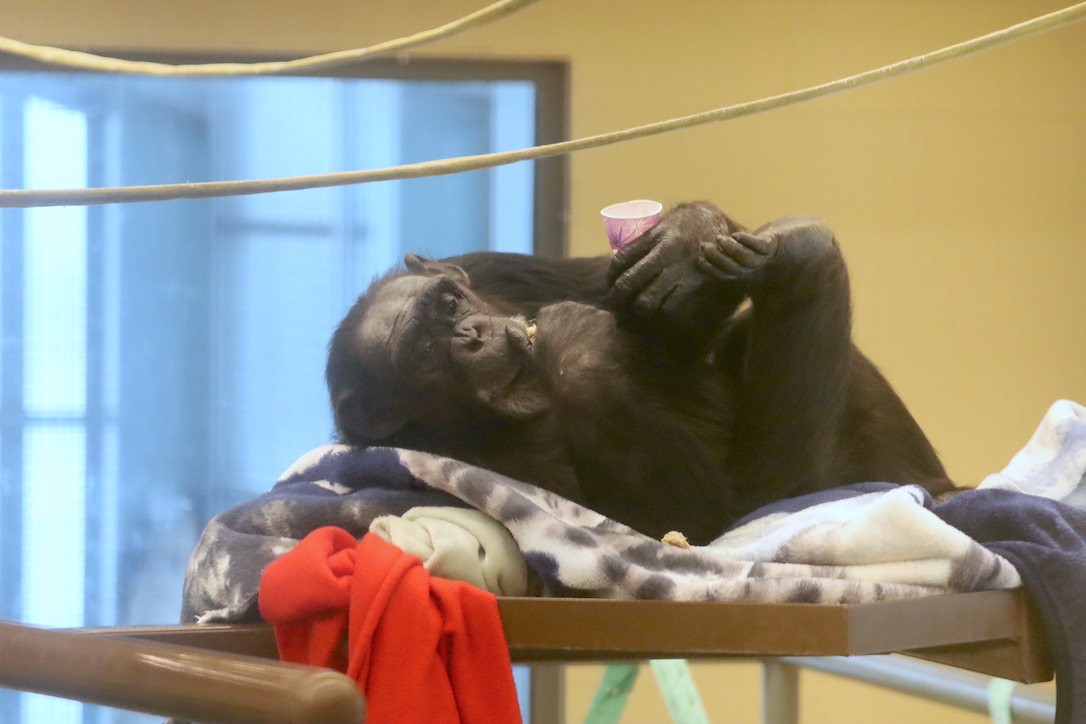
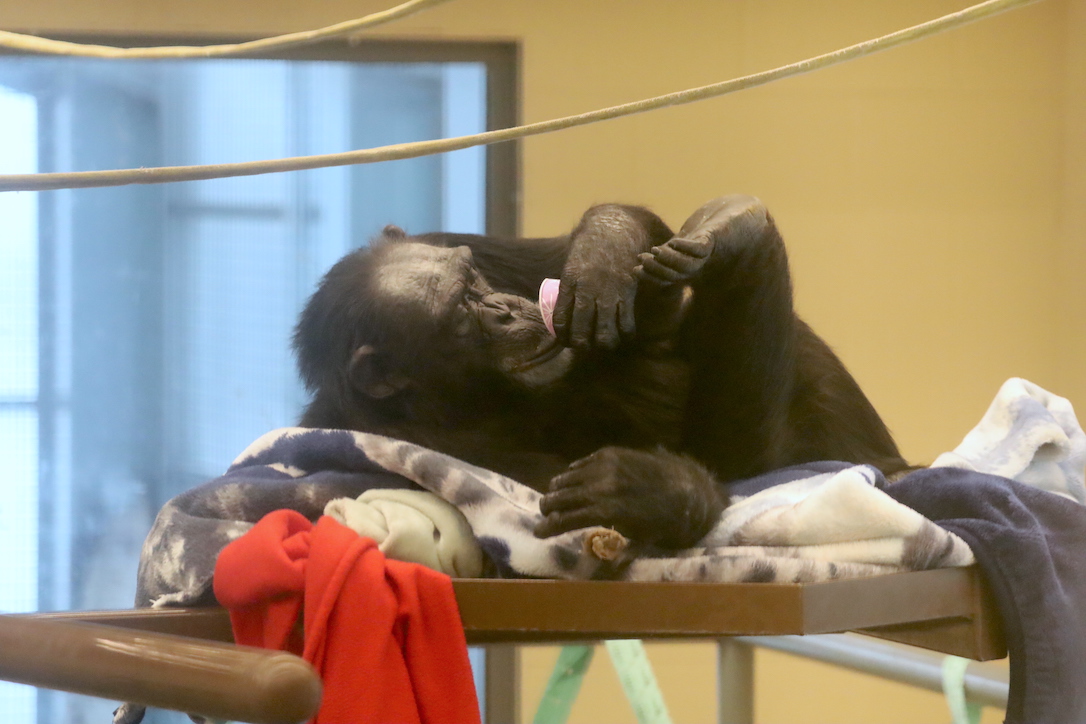
As the party wound down, Rayne gathered some smoothie and coconut, went up to the highest nest platform in the playroom (her favorite spot), and made a nice nest.

Happy Birthday, Rayne!

Filed Under: Party, Rayne Tagged With: birthday, chimpanzee, coconut, forage, northwest, Party, Rayne, rescue, Sanctuary

First, Do No Harm

January 21, 2022 by J.B.

Primum non nocere.

It’s perhaps the best-known axiom of the Hippocratic Oath, which in various forms has served as an ethical guidepost for physicians since the 5th century BCE. Though the exact phrase appears nowhere in the oath itself, and would not appear until over two thousand years later in an obscure English medical text, the principle has been at the core of western medical ethics from its inception. It’s often explained as follows: “Given an existing problem, it may be better not to do something, or even to do nothing, than to risk causing more harm than good.” While Hippocrates almost certainly did not intend for his oath to be applied to nonhuman animals, I believe his admonition is equally relevant to the medical care of captive chimpanzees.

When I teach about animal welfare, I often draw on the work of David Fraser. In a paper entitled Assessing Animal Welfare: Different Philosophies, Different Scientific Approaches, Fraser reviews the ways in which people concerned with animals have traditionally attempted to promote welfare and summarizes their work into three main objectives: (1) To ensure good physical health, (2) To minimize negative affective states (e.g., pain, distress, fear) and to allow for normal pleasures, and (3) To allow animals to live in ways that are natural for their species. As he explains, the different levels of emphasis we each place on these objectives do not necessarily arise from different sets of facts but rather from applying different sets of values. In the sanctuary world, we often find that people involved in the care of chimpanzees share the same good intentions but weight each criterion differently according to their own unique roles and perspectives. For example, a veterinarian or vet tech may be apt to focus more on the prevention of illness and disease, a caregiver may be more attuned to the emotional state of the animals they care for, and a member of the public may desire to see animals living as close to their wild state as possible above all else.

The challenge we face in attempting to reconcile these different values is that our efforts to promote welfare as judged by one criterion do not always improve welfare as judged by the others. In fact, a single-minded focus on any single objective can lead, somewhat counterintuitively, to reduced states of welfare overall. A classic example of this concerns food. If you want to make a chimpanzee happy, give them something to eat – they will grunt, squeak, and scream with delight. But focusing on this strategy alone and without reasonable limits will eventually lead to poor health in the form of diabetes, heart disease, or other potentially preventable ailments. The same is true for strategies involving natural living. If we choose to deny shelter from inclement weather to the animals in our care just because their wild counterparts don’t enjoy the same advantage, we contribute to avoidable suffering. These examples illustrate how genuine efforts to promote happiness or natural behavior without adequate concern for the other objectives can have the counterproductive effect of decreasing welfare. The same can be true, I would argue, for our attempts to promote physical health through frequent routine exams under anesthesia.

Sometimes I daydream about a world in which we can take the chimps by the hand and walk them into a clinic for a routine physical – just roll out some of that paper on the exam table, plop them down on their butts, and give them a thorough evaluation. If we don’t find anything wrong, we can give them a lollipop and send them on their way back to the sanctuary.

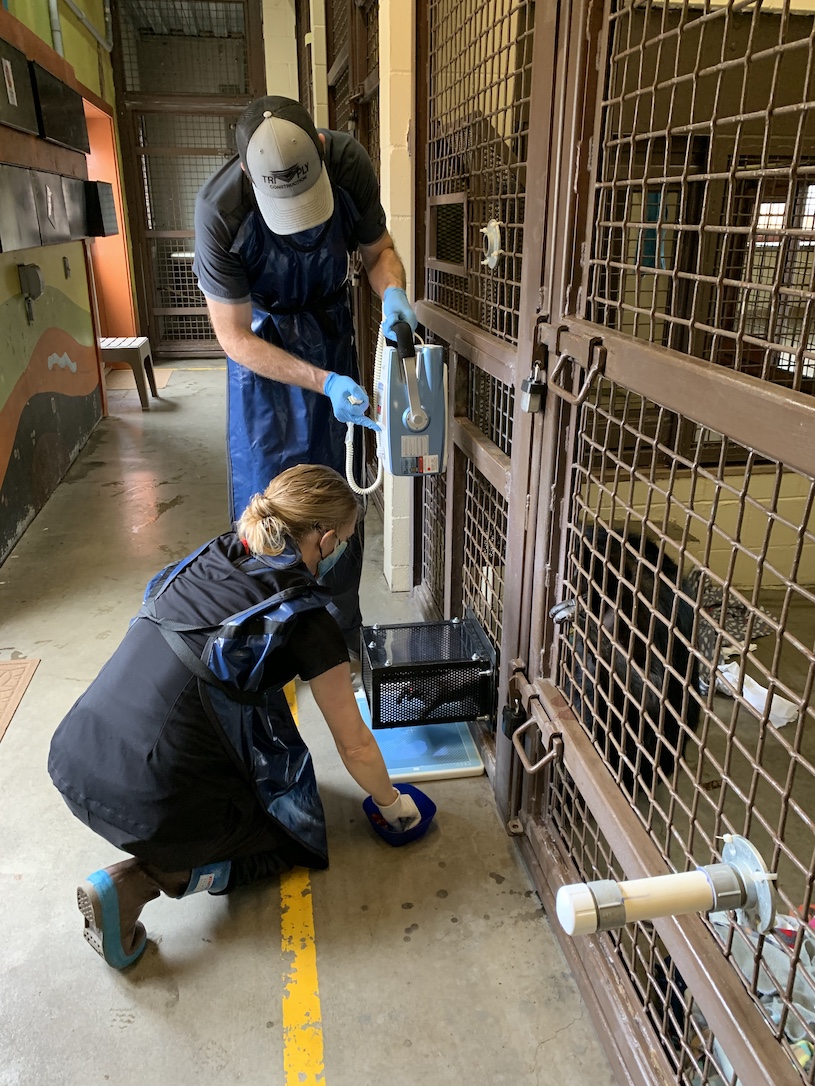
The reality of providing medical care to chimpanzees is, of course, very different. I should state at the outset that much can and should be done cooperatively through positive reinforcement training (PRT). We can treat wounds, take temperatures, collect urine for analysis – even obtain some x-rays – all while the chimpanzees are awake and safely situated on the other side of a barrier. Some captive chimpanzees are even trained to allow blood draws and cardiac ultrasounds through the mesh. But most have not been trained to such an extent, either due to their personal histories or the finite resources of the institutions in which they live. And there are some procedures that cannot be done properly through the mesh regardless of training. Sure, you can try to palpate an awake chimpanzee’s abdomen but you might not get your arm back.

Jody places her foot into the x-ray box

In order to conduct a thorough physical examination, a chimpanzee must be anesthetized. If the thought of anesthesia has you imagining yourself laying in a hospital bed with a mask over your face, attempting to count backwards from one hundred as you peacefully fade from consciousness, you are definitely not a chimpanzee, because chimpanzees have to be anesthetized before they even make it to the hospital. We accomplish this by way of intramuscular injection, which can be administered in a number of ways. Ideally, we use PRT to desensitize them to the stick of the needle and the sting of the injection. They will then learn to present a shoulder or thigh to the mesh and hold still until the injection is fully administered. Jamie and Honey B are among our resident pros at this. When chimps don’t willingly comply but don’t run away either, we can sneak an injection by hand when they aren’t paying attention. Jody can’t bear the thought of watching us inject her but she remains curiously close to the mesh as though she knows what has to happen. Still, her scream betrays her true feelings on the matter. Then there are the chimps that won’t go down without a fight – otherwise known as Burrito. When a chimpanzee must be anesthetized but won’t cooperate, we are forced to use the dart gun.

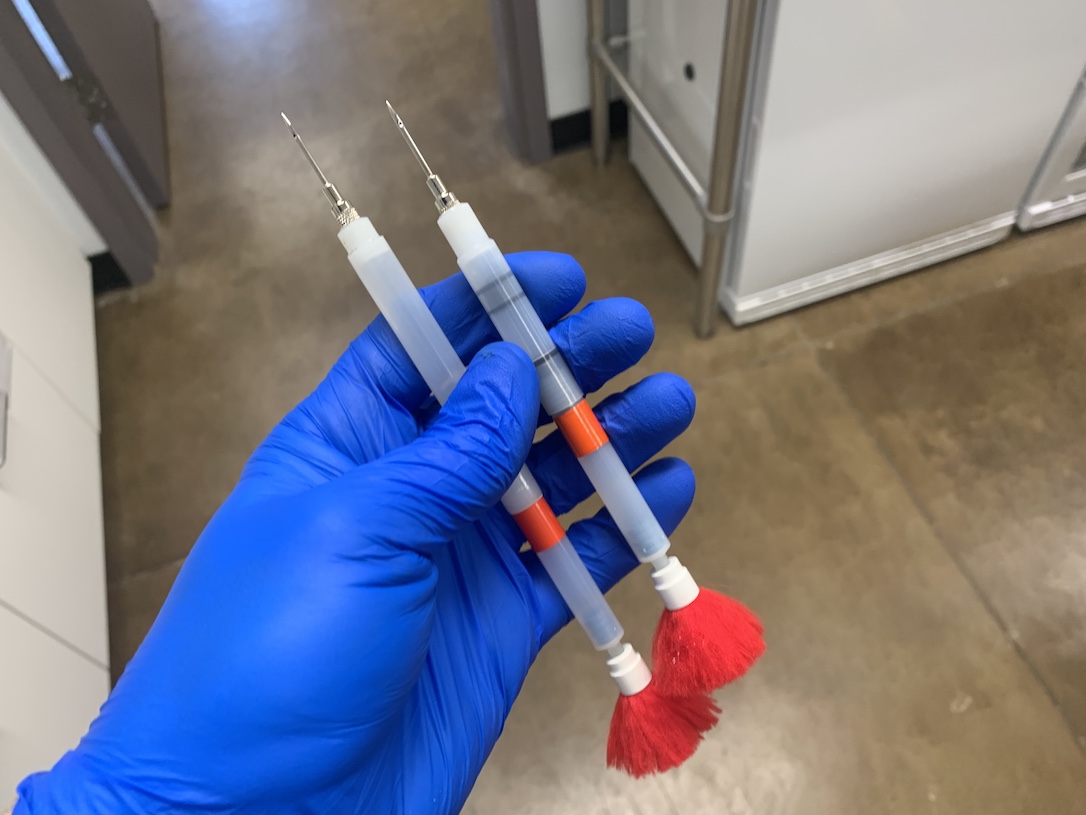
Hollywood has done a terrible job at depicting remote anesthesia. Many people think of darts as nothing more than sewing needles with red tufts on the end, but anesthetics aren’t effective in such small volumes. We pay good money to have some of our anesthetic drugs compounded at specialized pharmacies so that they are higher in concentration, and thus effective in smaller doses, but the smallest dart we can get away with is still 1cc. And some situations may still call for a 3cc dart. The needles on these darts are gauged to allow the drug to be ejected in just a fraction of a second, lest the dart bounce or be pulled out before the drug is fully delivered, which means that they are large and cause significant pain. I’m sure you know from your own visits to the doctor that injections are typically given in well-muscled parts of the body. This is partly due to the biology of drug absorption but it’s also for your safety. You definitely don’t want to get poked in a bone or major nerve. I once gave myself a needle stick injury with a clean needle in my fingertip (while demonstrating pole syringe safety…ha!) and years later I still have numbness in that finger. Safely darting a chimpanzee requires us to hit a target measured in square inches from a distance of several feet or more – all while the target moves quickly and unpredictably. You can never truly appreciate just how puny Burrito’s little butt is until you’re trying to land a dart in it. Fortunately, the majority of my darts have been on target and all appear to have caused little to no injury, though if they were to cause an injury like the one I gave myself, how would anyone know?

3cc and 1cc anesthetic darts

We employ a number of strategies to help take the edge of the process. A sip of Valium-spiked juice an hour or so before induction can ease their anxiety, and ketamine lozenges or medetomidine-laced peanut butter can even initiate the induction process prior to injection. But eventually they have to go down, and that process is itself often traumatic. We try to conduct all of our “knock downs”, as they are referred to in lab parlance, in a small room with no furniture so that they’re less likely fall and hurt themselves. But they still do on occasion. Waking up is no walk in the park, either. Some chimps experience what’s known as a “stormy recovery”, which can involve anxiety and hallucinations. These effects can usually be mitigated with the use of additional drugs, but a few chimps seem prone to them regardless. And many of the drugs in our toolkit are contraindicated based on a chimp’s age, weight, or clinical history, leaving us with fewer options.

Anesthesia has become relatively safe in human medicine, but it is rarely done without good cause and it is still dangerous enough to require a specialist. While we lack good data for other great apes, the rate of complications would appear to be far higher than in humans. I keep a document on my computer in which I note instances in the public record of great apes dying during routine examinations. Currently, the total stands at 24 great apes since 2003. I would guess the actual number is several times higher, since it’s not exactly the kind of thing you run out and advertise if you don’t have to. Of course, we must ask: out of how many in total? It’s hard to say, but there simply aren’t that many great apes in zoos and sanctuaries. In each unfortunate case, it’s noted that the ape went in for a routine physical and never woke up. Underlying heart disease is often blamed, which is probably accurate in most cases. It may be a relatively small risk overall, but it is one with a severe and irreversible consequence.

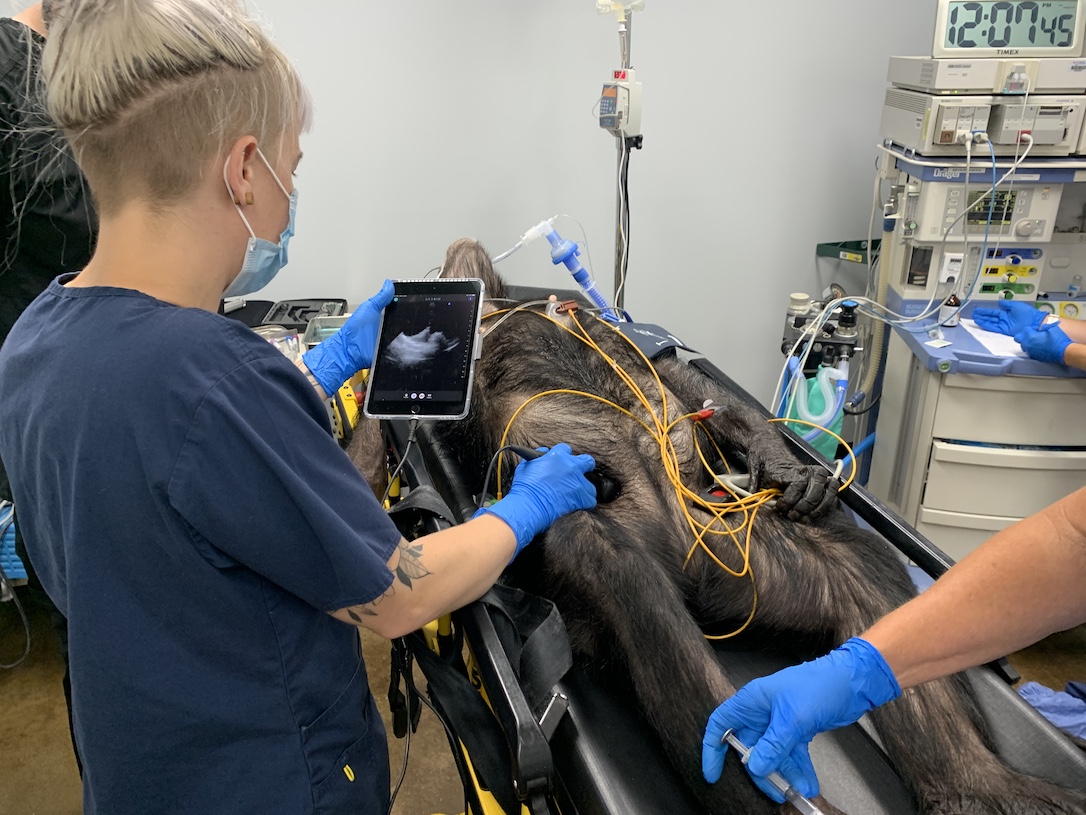
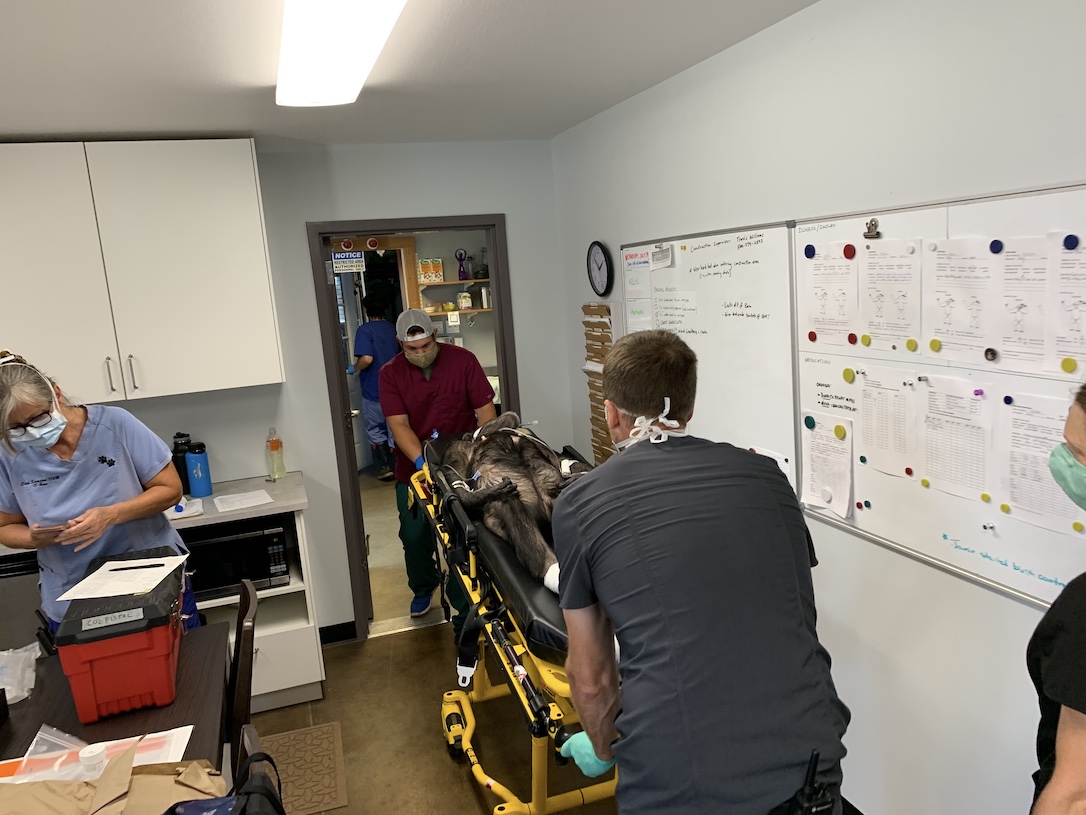
A radiologist obtains an ultrasound of Jody’s abdomen while veterinarians tend to a wound on her foot (photo from 2020)

Is it all worth it? That is, in the absence of a clinical concern, is it right to subject the chimpanzees in our care to the risks and trauma of anesthesia – and in some cases, to abuse their trust and further deny their autonomy? Are we justified in subjecting former lab chimps like Jody to more knock downs when they had already suffered through dozens, even hundreds, before ever making it to sanctuary? Would we do the same if they were not chimpanzees but instead members of our own species? According to Fraser’s framework, it would be equally misguided to forego routine examination under anesthesia solely on the basis that it causes fear and pain. It’s our responsibility as caregivers to find a point of balance. Doing good sometimes requires doing harm, as we all know. But making that calculation requires us to wrestle with the risks and benefits of all possible actions, as well as inaction.

What do we hope to achieve through routine physicals? We can gather a significant amount of information about a chimpanzee’s health through daily observation. Are they eating less? Losing weight? Chewing on only one side of their mouth? Sleeping more? Are their gums bright and pink or pale and gray? Has their respiratory rate changed? Positive reinforcement training for cooperative medical procedures further expands the amount of information we can obtain. What should concern us, then, are those things that remain outside of our ability to diagnose through cooperative means and do not yet present any clinical signs. I’ve spoken to many colleagues and asked what they’ve discovered during routine exams that was both surprising to them and, importantly, led to treatment that reduced suffering and/or prolonged life. And to be sure, there are examples – preclinical heart, kidney, and dental disease most prominent among them. It probably goes without saying that chimpanzees are less able than most humans to share what they are feeling internally when clinical signs are absent.

Let’s stipulate for a moment, then, that routine exams are a net benefit. How often should they be performed? Many Americans are accustomed to the idea of annual physicals, but the practice was largely a product of the medical insurance industry in the 1940s and by the ‘80s most medical professional groups were advocating for a less rigid and more tailored approach. After all, the earth’s orbit around the sun has little direct association with the development of disease. Clearly, other factors like age, sex, clinical history, and the rate of progression and window of opportunity for treatment for diseases of concern would be better guides. And remember, our framework for promoting welfare should caution us from thinking that if some is good, then more is necessarily better. I was once alerted to an online discussion in which someone stated proudly that their institution conducted physicals on their prosimians every three months. It’s possible given their size that the exams were not all conducted under anesthesia, but is that really beneficial under any circumstances?

What, then, is the correct interval? Two years? Five years? Or only as needed? I must acknowledge that my views are at least in part the product of my early influences. The institutions that I worked at prior to CSNW did not conduct routine exams. And one of the Cle Elum Seven’s original veterinarians, Mel Richardson, did not advocate for them either. Dr. Mel was an animal’s friend through and through. He began as a zookeeper and later became a veterinarian for several AZA-accredited zoos, including Zoo Atlanta and nearby Woodland Park Zoo in Seattle. He served as a veterinarian for wild gorillas in Uganda and directed an orphanage for rescued gorillas and bonobos in the DRC. He went on to serve as an expert and consultant in some of the most high-profile animal rescues and animal rights court cases in North and South America. Before CSNW had taken in a single chimp, I asked him, “Do you think we should conduct routine exams?” His answer? “I have never found them to be worthwhile.”

I also can’t rule out that my own personal discomfort with the process affects my views. It can often be unpleasant to inject or dart a chimp, and there’s nothing fun about listening to the various chimes and alarms of the anesthesia machine during an exam or watching them struggle to make sense of where they are and what happened to them during recovery. Of course, my own discomfort should not be relevant – we all have to do things we don’t enjoy. But if it makes me uncomfortable, I can only imagine how the chimps feel.

Today, CSNW relies on a team of veterinary professionals, led by the incomparable Dr. Erin, that includes veterinarians, vet techs, physicians, and nurses, all with impeccable credentials and unwavering dedication to the chimpanzees. And yet we continue to debate, in good faith, the value of exams in the absence of clinical concerns. Some believe, as Dr. Mel did, that we should only intervene when we have a clear reason to do so. Others feel that the risks of inaction, at least in some cases and at some intervals, outweigh the risks of complications and trauma of anesthesia, and I trust them every bit as much as I trusted Mel. Each of them is right to believe as they do. Same facts, different values. No easy answer.

The system that we settled on to help us navigate this dilemma is to conduct Annual Health and Behavior Evaluations. Anthony, CSNW’s Health and Behavior Coordinator, compiles a summary of relevant information from our medical database for each chimpanzee – age, sex, the date of their last exam, ongoing health issues or concerns, the status of their cooperative medical behavior training, health data such as weight measurements, radiographs, heart rates from PRT sessions, etc. – and sends it for review along with a survey to the staff. Survey questions are designed to solicit feedback on medical and behavioral concerns from those who know the chimpanzees best, from their relationships with other chimpanzees in their group to the presence or absence of stress-related behavior. Results are then reviewed by a medical and behavioral committee along with the chimp’s file and a health plan is formulated for the upcoming period. These plans could include changes in diet if a chimpanzee has gained too much weight, training for specific behaviors if more health data is needed, such as urine collection from an aging female chimpanzee to help monitor kidney function, or increased enrichment for a chimpanzee that exhibits boredom or inactivity. The plan may also include scheduling a physical exam if one is deemed worthwhile based on the individual’s history and clinical status. But there is no requirement for one, and no fixed timeline. We are still left to rely on judgment and consensus, albeit through a formalized process tailored to each individual.

Jody returns from the clinic (photo from 2020)

Do you ever have a strong opinion about other people’s opinions without having a strong opinion of your own?  When I hear people say that chimpanzees should be given frequent exams under anesthesia, I am convinced they are wrong. I am far more sympathetic to the idea that routine physicals without clinical concerns are never warranted, though I am plagued by doubts – what if we miss something that could have been treated? I can play devil’s advocate all day long for any argument on the subject but I can’t tell you exactly what I believe.

I want to make clear that we never hesitate to intervene when a chimpanzee is sick or injured, and any chimp that ends up in the clinic for a known illness or injury receives a detailed and thorough exam opportunistically. In the absence of clinical signs, however, we need to acknowledge the harm we cause and place it into a context that considers every aspect of a chimpanzee’s well-being – their physical health, their happiness, their sense of security, their trust, and their autonomy. We need to take stock of what we can learn through cooperative means and determine if what remains is worth the cost of anesthetic intervention. And we must somehow learn to balance the potential harms of not doing enough with the known harms of doing more than what is necessary, as Hippocrates so wisely advised. Whatever we decide, we will at times fail, because there is no perfect way to care for animals as powerful, strong-willed, intelligent, and independent as chimpanzees in captivity. Acknowledging that fact seems like a good place to start.

Filed Under: Sanctuary, Veterinary Care Tagged With: care, chimpanzee, clinic, exam, health, medical, northwest, physical, rescue, Sanctuary, veterinary

Burrito’s Birthday Dinner

January 7, 2022 by J.B.

For the last couple of days we’ve been forced to focus less of our attention on Burrito’s birthday and more on the historic snowfall that we experienced this week. According to the National Weather Service, we recorded the most snowfall ever for our area in a 24-hr period, coming in somewhere around two feet, with much more snow falling both before and after. This afternoon we watched a 6′-tall block of snow, which we dubbed “the iceberg”, slide off the roof, taking a vent pipe along with it. This snow will undoubtedly continue to demand our attention for many days and weeks to come.

But even with this unfortunate distraction, there was no way we could overlook Burrito’s birthday dinner. In fact, it was a dinner so nice we made it twice! I think he enjoyed it even more the second night.

As we dig out from this storm, we’re happy knowing that Burrito has a full stomach and lots of friends to play with, and we’ve got staff and volunteers and plenty of food and supplies. We’ll just hope to not set any more records this month.

Filed Under: Burrito, Food, Latest Videos Tagged With: birthday, Burrito, chimpanzee, dinner, northwest, pasta, rescue, Sanctuary, spaghetti

  • « Go to Previous Page
  • Page 1
  • Interim pages omitted …
  • Page 26
  • Page 27
  • Page 28
  • Page 29
  • Page 30
  • Interim pages omitted …
  • Page 200
  • Go to Next Page »

Primary Sidebar

Subscribe To the Blog and Get Notified of New Posts First!

Archives

Calendar of Blog Posts

June 2026
S M T W T F S
 123456
78910111213
14151617181920
21222324252627
282930  
« May    

Categories

SUBSCRIBE TO OUR NEWSLETTER

Footer

PO Box 952
Cle Elum, WA 98922
[email protected]
509-699-0728
501c3 registered charity
EIN: 68-0552915

Official DDAF Grantee

Menu

  • The Chimpanzees
  • Blog
  • About Us
  • You can help
  • Resources
  • Contact
  • Donate

Proud Member of

Connect With Us

Search

Copyright © 2026 Chimpanzee Sanctuary Northwest. All Rights Reserved. Site by Vegan Web Design