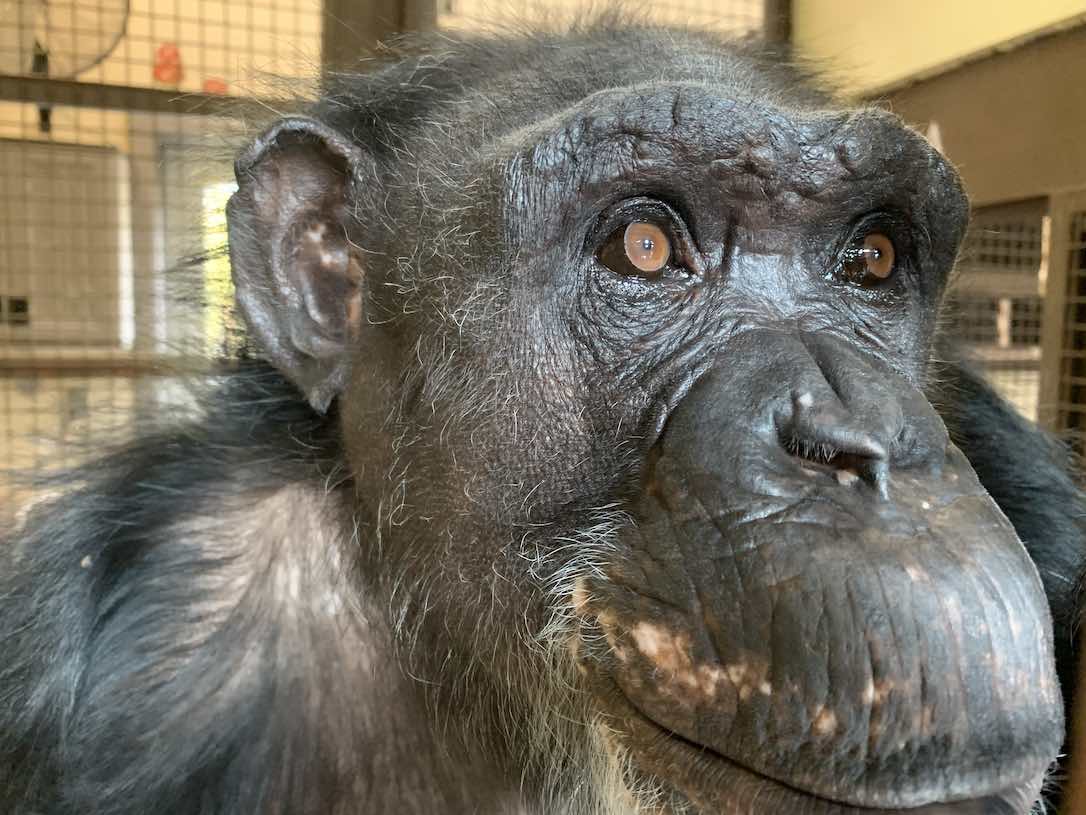
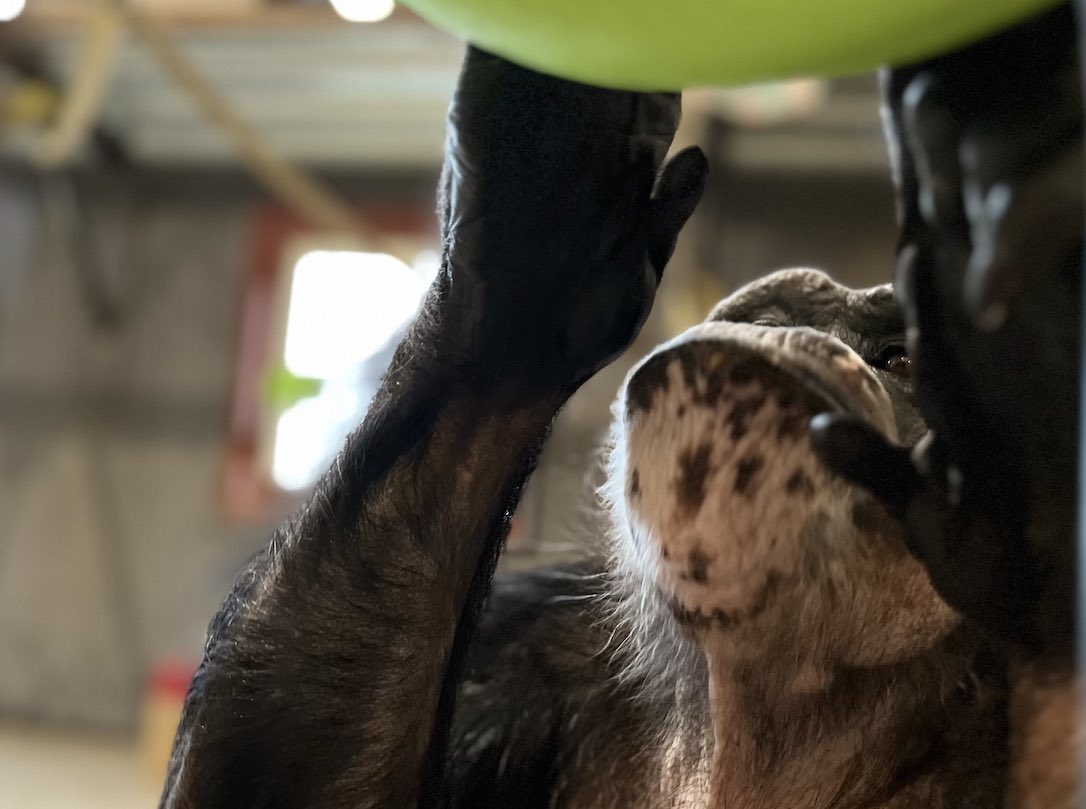
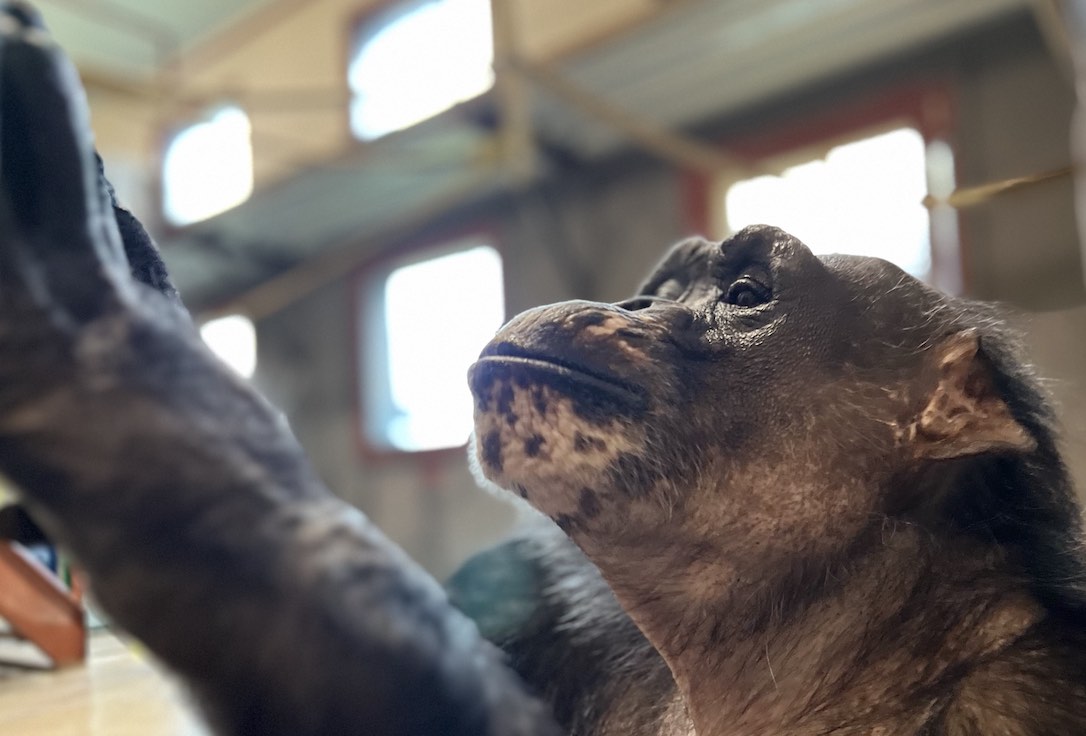
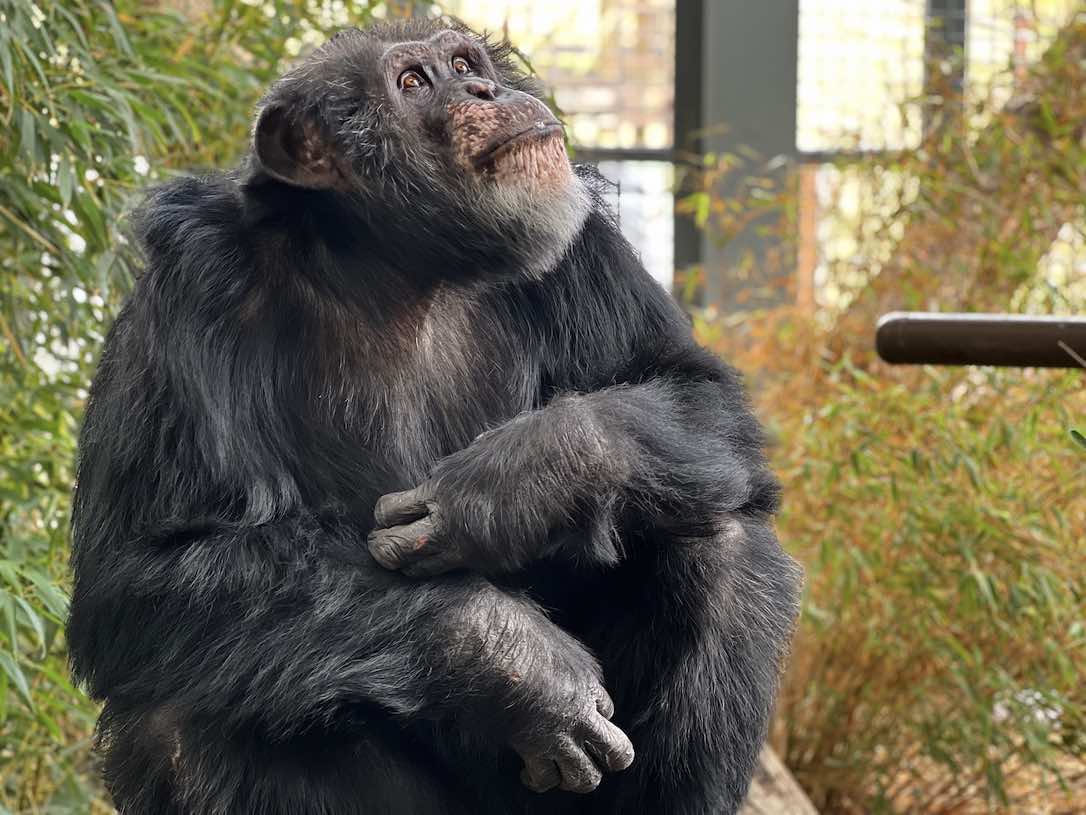
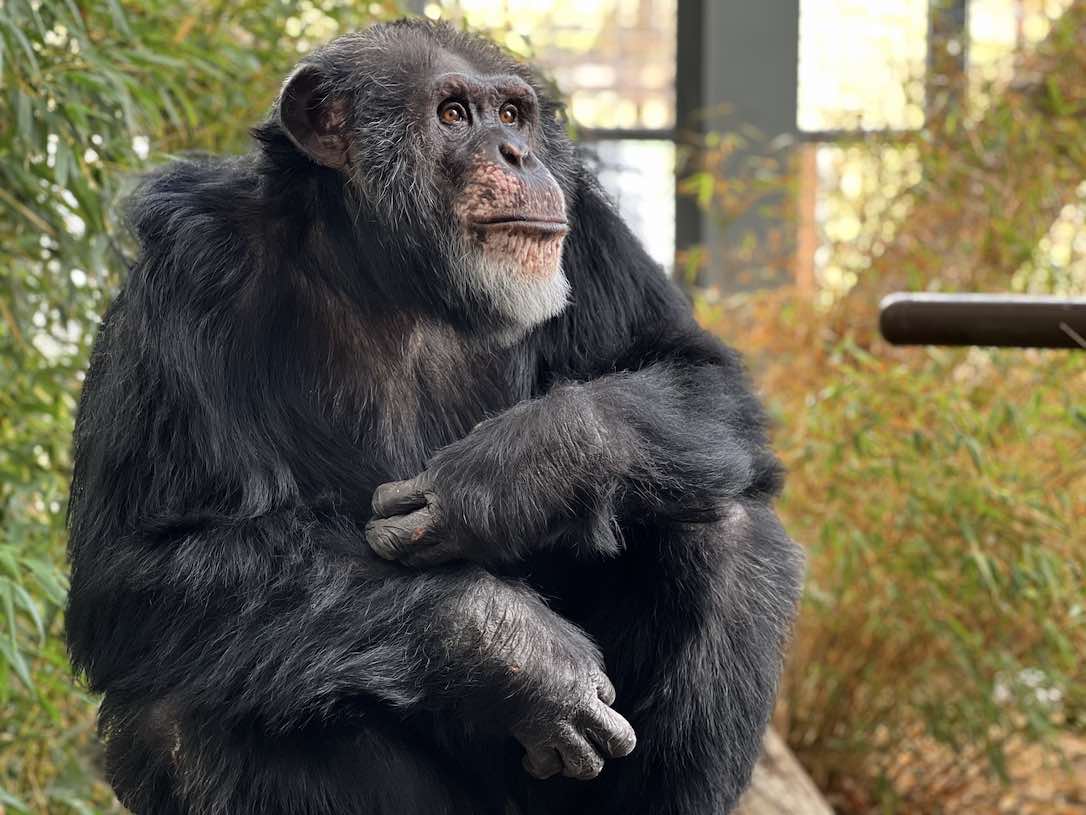
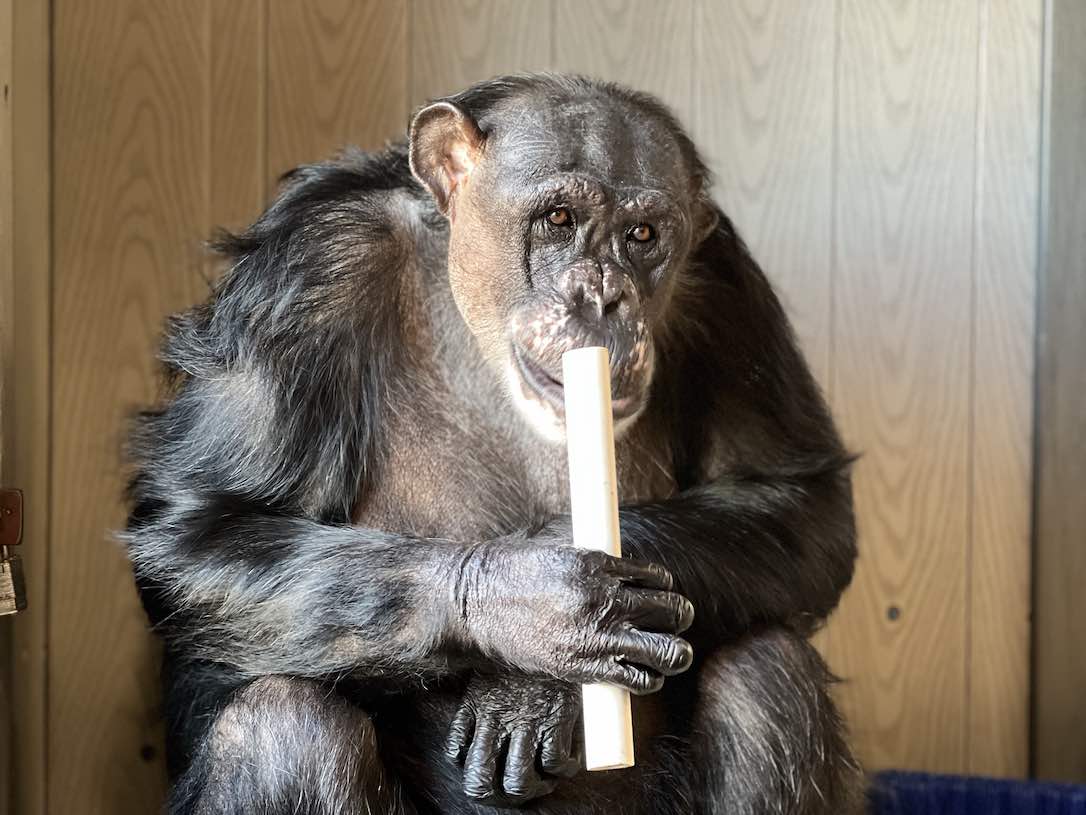
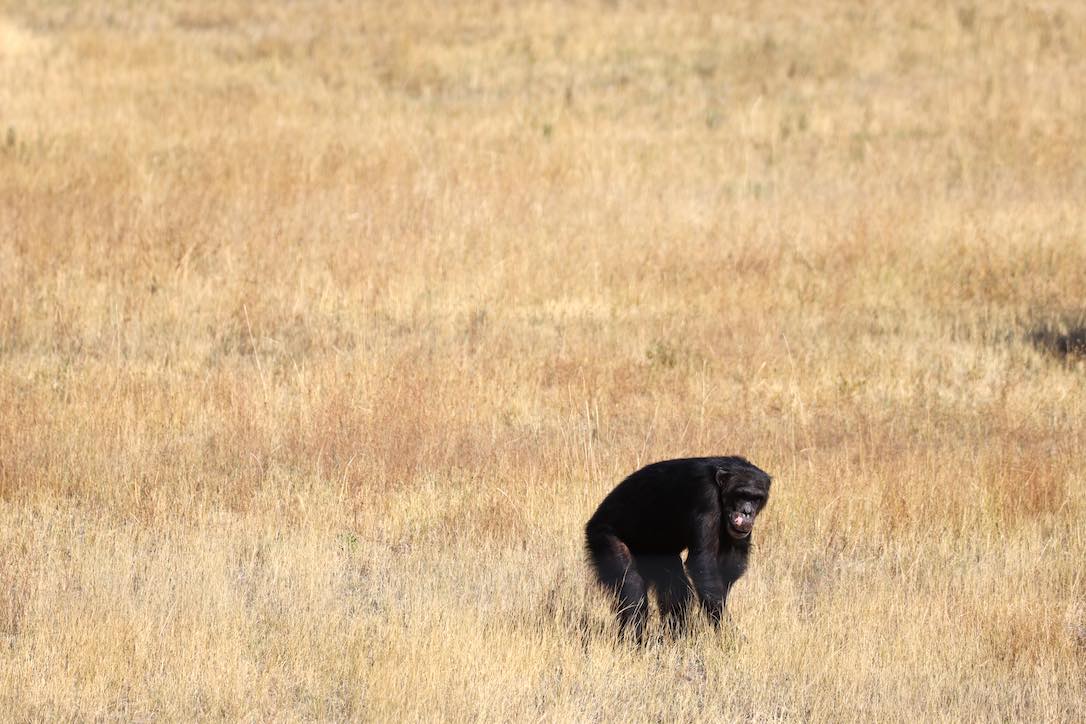
Today is part 3 of my blogs about identifying the Lucky 6. Be sure to check out Identifying Cy and Gordo if you missed parts 1 and 2. It’s time to highlight Dora. She is the smallest member of her group, has a brown-ish freckly complexion with large protruding eyes and long lashes. She also has a straight back, is missing half a finger on her left hand and makes a distinct bobble head movement when she’s happy. After you watch the above video, what features might you use to identify Dora?
Archives for October 2023
Compassion Satisfaction
Yesterday, Chad wrote an incredible blog, it was so accurate and concise. Chad’s words in his blog are very important and very prevalent in our field. It hasn’t been talked about a lot until recent years. Though this job a dream, it is so rewarding and fulfilling, it can also be extremely taxing- not just physically, but emotionally and if you are not careful it will drain you. It’s hard to find a balance, it’s hard to feel like you are doing enough, or to not feel guilt, it’s hard to not give your whole self to the job, you can often feel pulled in a million different directions, and it’s hard to turn work off and be at home.
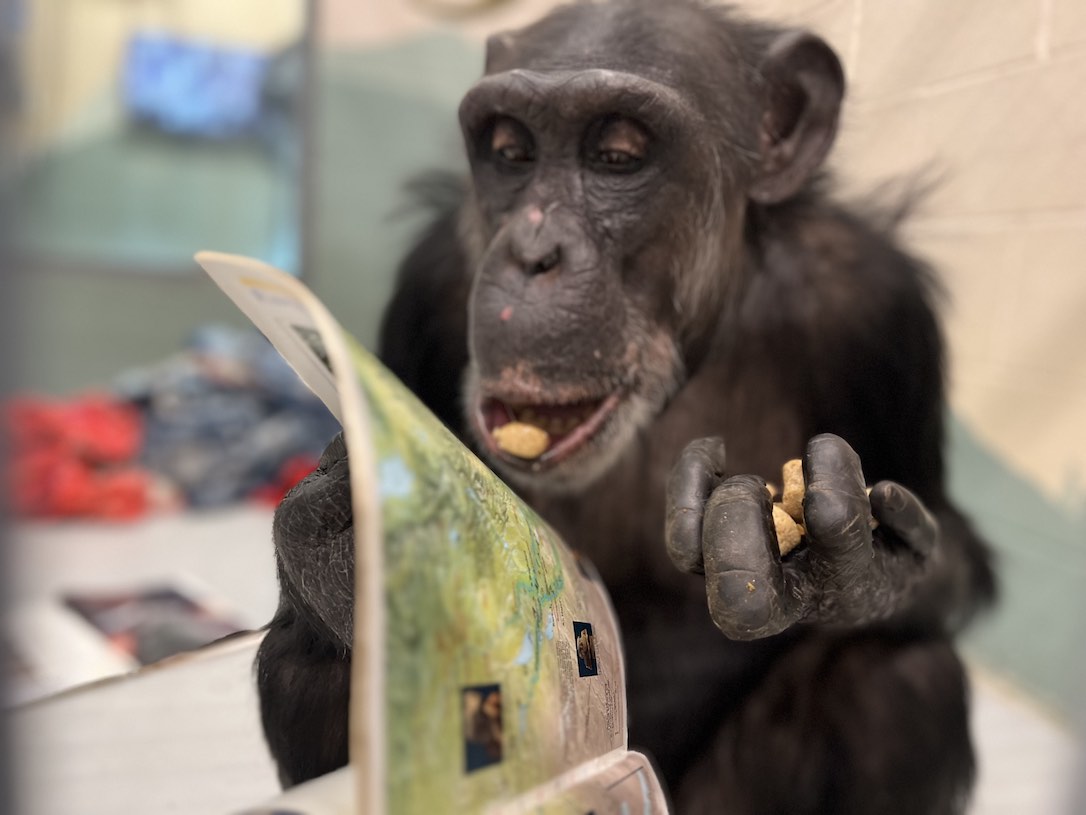
This year I received the opportunity to attend the NAPSA conference, where they spoke a lot about compassion fatigue/burnout. A big takeaways from the conference was one of the ways to fight against compassion fatigue, finding compassion satisfaction. That could mean something as simple as a positive interactions with the chimps- something that made us feel good. For example: making some type of enrichment that stimulated the chimps and made them happy, watching the chimps play, having a fun interaction with the chimps. Those moments remind us why we do our job and why it’s all worth it. However, the trick is that we don’t always have the time. For me personally, I have been trying to have a minute of reflection, what did I love about today? Today, I loved that Jamie was in a fun and silly mood, so much so that she made me carry her bonobo book and wear her favorite pair of Doc Martins to walk around Young’s Hill. That moment and small others like it have helped lighten my heart when it is feeling heavy.
If you haven’t read Chad’s blog I urge you to read it, his words are very important to those who care for others. Chad’s words comforted me on a topic that can be so difficult to discuss. He reminding me that I am not alone in those feelings and that though it is hard to do, it is not selfish to need to take care of yourself sometimes. So thank you Chad!
I will leave you with a photo of Jamie. We have added some items to the Amazon Wish List today, including Jamie’s birthday boot! We also added a lot of day to day items we need around the chimp house. I hope you all have a wonderful Wednesday!
Jamie:
The Humans Aren’t Alright
(Note: Before reading on, just know, the humans are indeed okay! It’s just a play off of yesterday’s blog title: The Chimps Aren’t Alright)
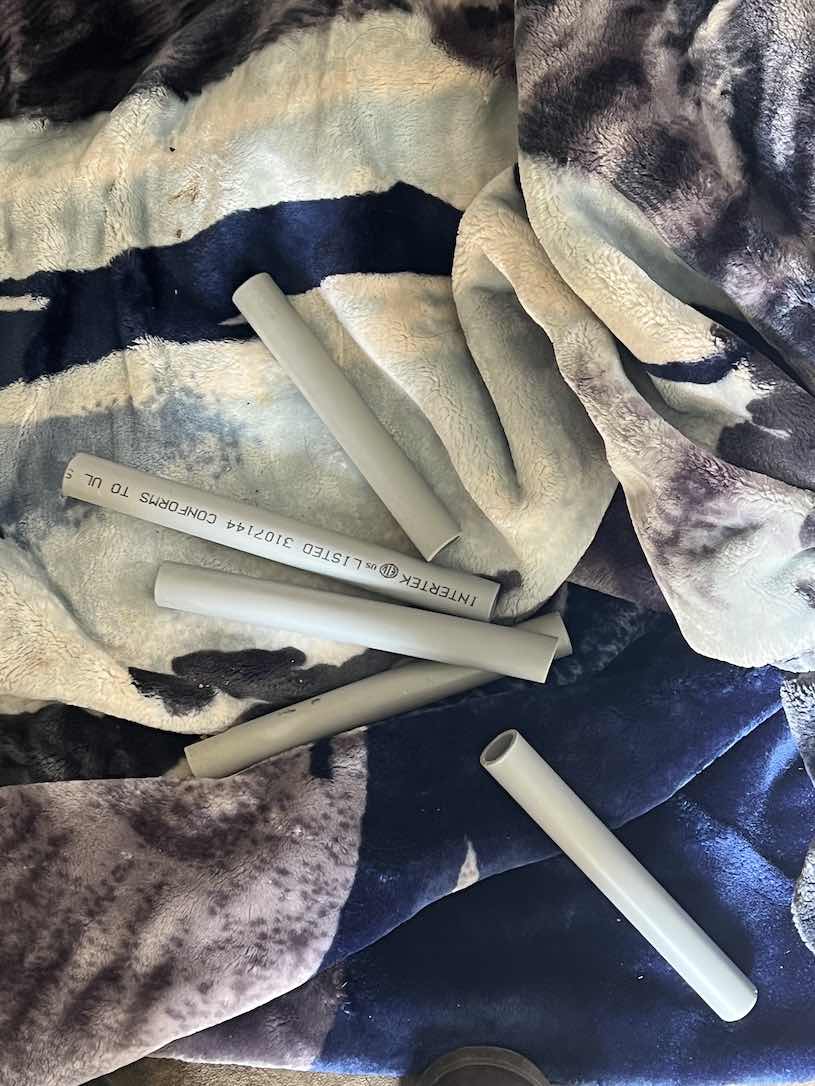
Before we get into the blog, let’s play a game! Can you guess who was hoarding PVC Tubes from the night before in their nest? The answer will be at the end of the blog!
Today is World Mental Health Day! World Mental Health Day was first celebrated in 1992 as a way to raise awareness, education, and to try to help break the stigma which surrounds mental health. With it being today, I thought I would talk about something that is gaining more traction in the world of chimpanzee caregiving: Compassion Fatigue.
Compassion fatigue affects those who work in a occupation relating to caregiving; i.e. doctors, nurses, EMT, psychologists, physical therapists, veterinarians, and yes, caregivers of both human and non-human animals. In 2010, Dr. Patricia Potter described compassion fatigue as the “traumatization of helpers through their efforts at helping others” in her study of compassion fatigue in oncology nurses. Compassion fatigue consists of two things: burn out and secondary traumatic stress. Caregivers who are burnt out may experience unhappiness, disconnectedness, insensitivity to their work environment, exhaustion, and feelings of being overwhelmed, bogged down, and being out of touch of who they want to be. Secondary traumatic stress is when caregivers simply cannot get those whom they help out of their thoughts. It can cause sleeplessness, forgetfulness, and the inability to separate private and professional life.
Dr. Potter’s study was then replicated by Dr. Mary Lee Jensvold of the Fauna Foundation and Central Washington University to specifically look at compassion fatigue in chimpanzee caregivers. To the surprise of almost no one, chimpanzee caregivers experience compassion fatigue. I will plead the 5th on saying if any of my fellow caregivers here (both staff and volunteers) have or have not experienced compassion fatigue at any point, but I will talk about my own experiences with it in an attempt to try to break the stigma around openly talking about mental health.
I have showcased some of the symptoms of compassion fatigue. For me, it’s very hard to separate my personal life from my caregiving one. The chimpanzees are always on my mind, even on my weekends, holidays, and vacation. I sometimes stay awake at night, particularly if the chimpanzees have been worked up and there’s a lot of fights or other emergencies. I also have this constant, nagging feeling what I am doing is not good enough for them. Not to say what I do is terrible, just that feeling like it’s not enough for them. Even just trying to hang out with the chimpanzees can take its toll when you have not just one or two trying to vie for your attention, but several. It’s just one of those moments when you wish you could clone yourself several times over, but can’t, so you’re going to leave somebody disappointed. A terrible feeling for a caregiver.
Though I know I personally will not be able to address every single one of these things that contribute to my own fatigue, I can address most of them.
Recent articles detailing compassion fatigue do have many tips in trying to combat it. This next part is mostly for other caregivers around the world, but for all the well wishers still reading, maybe you can use it as well. My first humble suggestion is to read more about compassion fatigue, what it is and what are the symptoms of it. The two articles linked in this posting are great starts. Second suggestion is to look after yourself. It is 100% okay to take those days off you’ve been wanting to take. Go see family and friends. Go for a hike. Go travel to places you have never been to but always wanted to go. Do whatever it is that makes you happy and brings peace into your life. Don’t think about work. Your time off is just that: YOUR time off. It’s incredibly difficult to not think about work when you aren’t there, I know. But you have to in order to continue on in this field. Turn off you work notifications. Hide anything that is work related in your home. And most of all, trust your fellow caregivers. They are well trained, know their job, are just as capable as you, and can handle anything while you’re away. (I don’t mean to imply I don’t trust the other caregivers here. I do 100%. But I know that is a feeling associated with compassion fatigue.)
This job is a truly unique life experience. It is not a mundane, putting checks in boxes type of career. You constantly have to be on your toes, think outside the box, and be prepared for things you probably haven’t thought of. This job requires a lot of stamina, passion, and hard work and decision making. In order to do that, you have to take care of yourself and recharge. I once asked an activist I know how she is able to continue to carry so much passion for what she believes in and continue to fight for it. She told me, “you cannot pour from an empty cup. Make sure you’re taking care of yourself mentally and physically so that cup can always have something to pour.” So those are the words I will leave you with.
Now onto another plugin. Jamieween is quickly approaching. Be sure to continue to check out our Amazon Wish List for items for one of the biggest celebrations we celebrate! In fact, today and tomorrow is Amazon Prime Day! So some things may be at a reduced cost!
And it wouldn’t be a blog without some photos, right!?
Negra fishing peanut butter out from between Frisbees
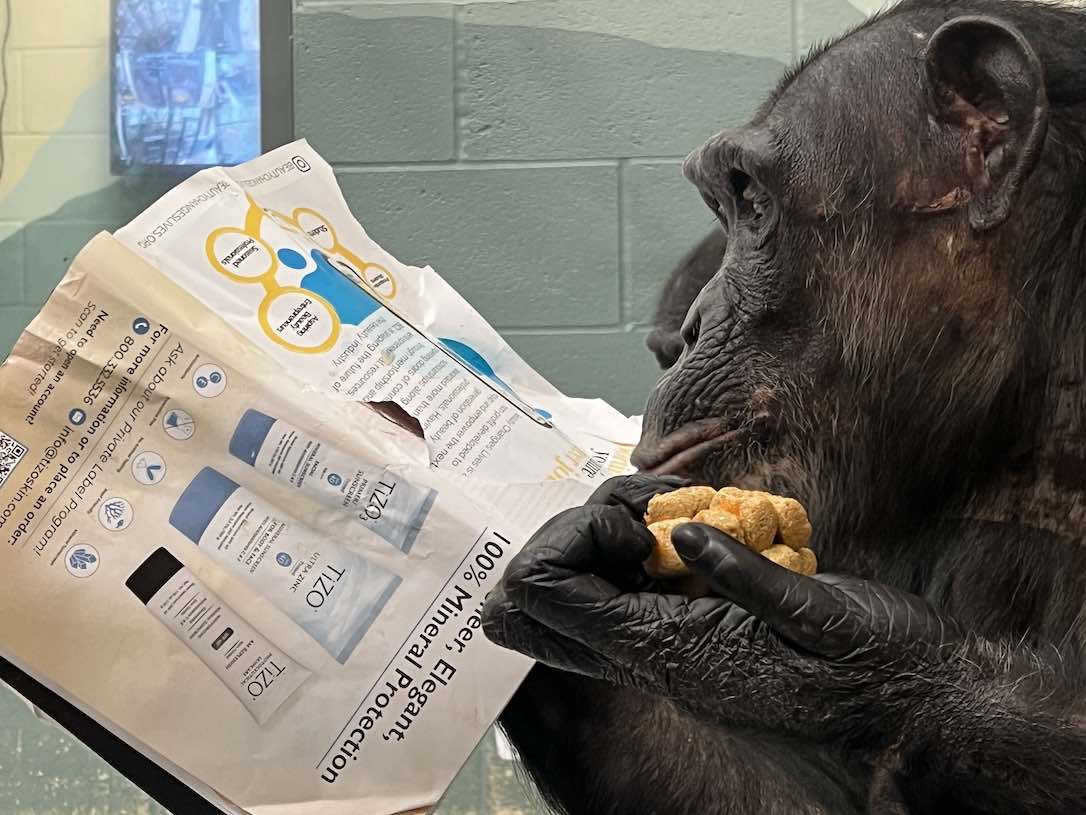
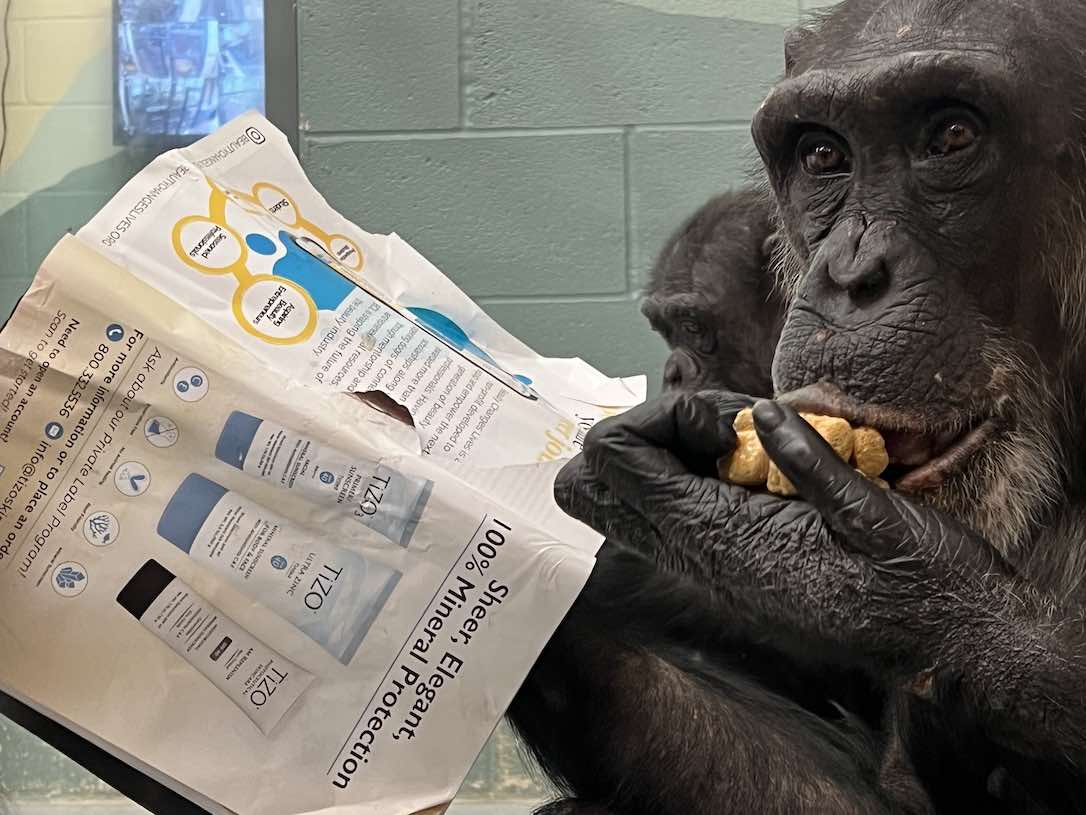
Honey B perusing through some magazines while eating her lunchtime chow biscuits
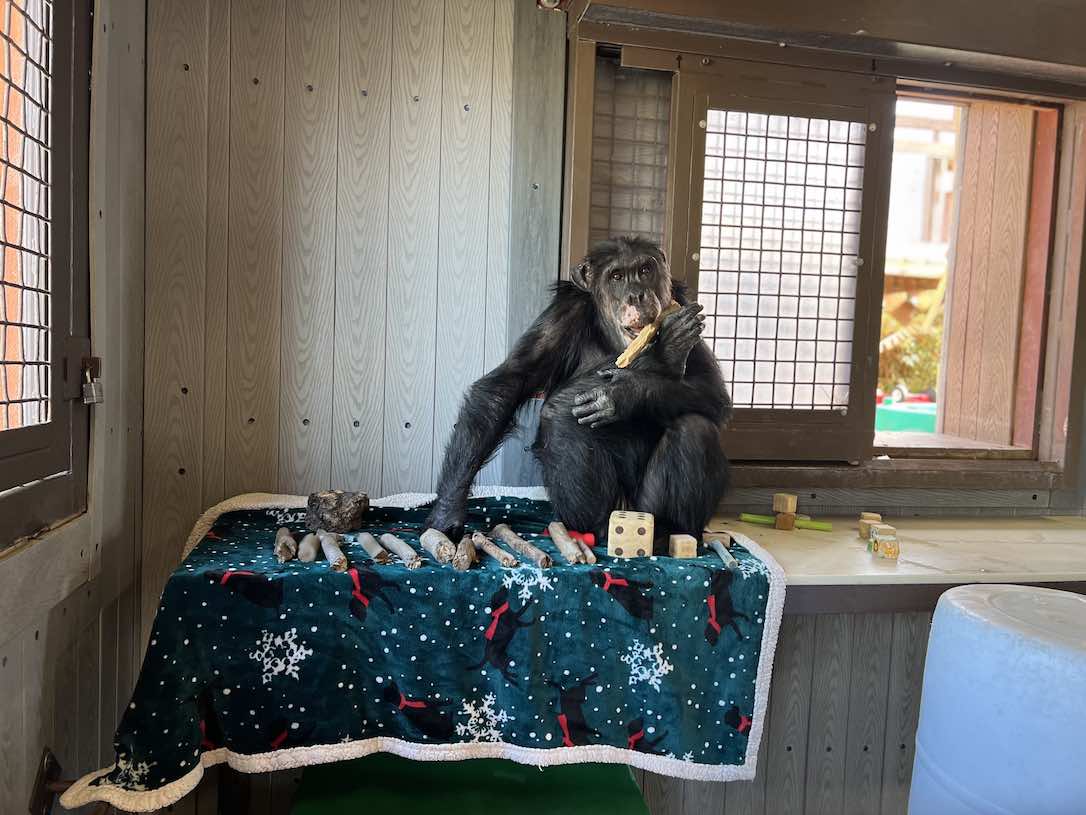
Burrito and his stick collection he amassed from the expanded Young’s Hill laid out for him by caregivers
And the nicest guy around: Teeny Tiny Terry!
And the answer to who was hoarding the PVC tubes in their nest….
It was Negra!!!
The Chimps Aren’t Alright
In 2011, primatologists Lucy Birkett and Nicholas Newton-Fisher conducted a study that sought to shed light on a simple yet provocative question: How abnormal is the behavior of captive, zoo-living chimpanzees? I encourage you to read the paper but I’ll spare you the suspense:
Very.
Their treatment of the issue was only slightly more nuanced. Captive chimpanzee behavior is normal, the authors say, in that they display many of the same behaviors as their wild counterparts—behaviors that we refer to as species-typical. As we know, captive chimpanzees tend to run, climb, groom, and use tools, just like wild chimps. The problem is that they also display a wide range of behaviors that are only rarely, if ever, seen in wild chimpanzees, such as hair-plucking, regurgitation and re-ingestion, coprophagy (eating feces), urophagy (drinking urine), pacing, rocking, self-clasping, and self-biting, which are commonly understood to be a reflection of poor welfare at some stage of life, and perhaps even mental illness. After observing the behavior of 40 chimpanzees at six accredited zoos in the U.S. and Europe, the authors came to the conclusion that abnormal behavior was not only present but endemic in these populations, regardless of group size, composition, and housing. Every single chimpanzee subject exhibited at least one abnormal behavior during the study period, with an average repertoire of five abnormal behaviors and an average frequency of once every forty minutes. This, it should be noted, was in contrast to the whopping total of zero instances that they recorded in over 1,023 hours observing wild chimpanzees in Uganda.
Researchers within in the zoo community rejected this characterization. They conducted their own study, which utilized a larger sample size but substituted surveys of zoo staff for direct behavioral observation, and concluded that only 64% of chimpanzees displayed abnormal behavior. And after excluding coprophagy, which some argue can be considered abnormal without necessarily being reflective of poor welfare, the overall prevalence of, shall we say, meaningfully abnormal behavior in their study dropped to a somewhat lower but still shockingly high 48%. As a rebuttal to the use of the term endemic, the paper may have succeeded, but it should provide little consolation.
Why would half or more of all chimpanzees in accredited zoological institutions exhibit abnormal behavior, in such stark contrast to their wild counterparts? Why, in light of decades of rigorous animal welfare science and the best efforts of hundreds upon hundreds of experts, do captive chimpanzees continue to regurgitate and pluck themselves bald?
One thing I discovered shortly after entering this field is that there is little agreement as to what it means for an animal to have a good life. To some, a good life is one in which one’s basic needs are met. As Dr. Dave Hone argues in an article entitled Why Zoos are Good:
…[zoo animals] will not suffer from the threat or stress of predators (and nor will they be killed in a grisly manner or eaten alive) or the irritation and pain of parasites, injuries and illnesses will be treated, they won’t suffer or die of drought or starvation and indeed will get a varied and high-quality diet with all the supplements required. They can be spared bullying or social ostracism or even infanticide by others of their kind, or a lack of a suitable home or environment in which to live. A lot of very nasty things happen to truly ‘wild’ animals that simply don’t happen in good zoos and to cast a life that is ‘free’ as one that is ‘good’ is, I think, an error.
There’s no question that the best zoos attempt to do all of this and more for the chimpanzees in their care. Why, then, does abnormal behavior persist?
The answer is that chimpanzees are more than just bundles of basic needs. They are complex social and emotional beings with highly intelligent and inquisitive minds. Moreover, chimpanzees are adapted to employ these traits in the environments in which their species evolved—a diverse range of environments, it should be said, from rain forest to savanna, which altogether actually have relatively little in common, save for one thing: their complete lack of resemblance to an urban zoo exhibit.
Should we be surprised that animals whose home ranges are measured in square miles in the wild feel frustrated in zoo exhibits? Should we expect animals that evolved dynamic fission-fusion communities of up to 150 individuals to thrive in relatively static groups of a dozen or less? Do we believe that members of a species that exhibits a predictable pattern of migration, in which males remain in their natal communities while females generally emigrate upon reaching adolescence, would not experience prolonged stress when groups are broken up and reorganized in violation of those patterns? This mismatch between the captive environment and the environment in which chimpanzees evolved both denies them the opportunity to express behaviors that are biologically and psychologically fulfilling and introduces stressors for which they have no innate coping mechanisms. And, importantly, it exists to varying degrees in every situation in which chimpanzees live under human care, from laboratory to zoo to sanctuary.
Regarding Dr. Hone’s point, I would never argue that life for wild chimpanzees is perfect. But I don’t think it requires a defense, either. It very well may be nasty, brutish, and short (actually, wild chimpanzees that reach adulthood live nearly as long as captive chimpanzees), but it is theirs, and has been for millions of years. It would be strange, and perhaps too convenient, to think we could improve upon it.
If we accept that all is not well for captive chimpanzees, we must then ask ourselves why we continue to breed them in captivity. I, for one, am not against all forms of captivity, as for the better part of the last 25 years I have worked to keep chimpanzees behind bars and electric fencing. Sanctuaries are necessary for chimpanzees who have been raised in captivity or who cannot be returned to the wild. And in fact many zoos have, to their great credit, provided homes for chimpanzees from laboratories, the pet trade, and various failed and shuttered institutions. But intentionally breeding and keeping animals in a way that denies their autonomy and restricts the full repertoire of their behavior, and which results in the proliferation of myriad abnormal behaviors despite our best efforts to enrich their environments, requires justification or, at the very least, a bit more reflection.
The modern defense of maintaining chimpanzees in zoos rests on two assumptions. The first is that the captive chimpanzee population serves an important role as a reservoir for one day restoring declining wild populations—the ark strategy, if you will. Given what we know about captive chimpanzees’ behavioral abnormalities and the absence of any kind of culturally-transmitted knowledge that would permit them to survive independently, this is unlikely to succeed and is generally accepted as such, even within the zoo community. The second is that zoo chimpanzees help educate the public and inspire support for conservation efforts. For this there is at least a somewhat more robust debate. But even if we were to accept that these benefits could only be achieved by maintaining chimpanzees in exhibits, our rightness in doing so would depend largely on how we measure the costs on the other side of the ledger; namely, those borne by the captive chimpanzees themselves.
The degree to which abnormal behavior correlates to the internal experience of suffering in captive chimpanzees is difficult to define with precision and we must be careful not to lump all abnormal behaviors together as though each is indicative of the same degree of compromised welfare. But the data appear to support what many of us have experienced professionally and what many others know intuitively: The chimps aren’t alright. And the reason for their troubles, it seems, has less to do with the way in which we keep them than with the very fact that we keep them at all. Our society is just now beginning to wrestle with the fact that, at least for some species like elephants and cetaceans, captivity is simply incompatible with good welfare. If we care enough about chimpanzees to conserve their wild populations, it’s time we think critically about the well being of the individuals serving on their behalf.
a special request and the human climbing structure
First for the request:
We are working on the Comfort & Joy online auction and virtual gathering (more details to come), and we’d like to include short (30 sec or less) clips from YOU telling us which chimpanzee at Chimpanzee Sanctuary Northwest brings you joy and why! These are super informal videos you can just take on your phone in selfie mode and send them to me [email protected] using WeTransfer or some other file sharing service of your choice. Feel free to email me with any questions!
This can be your platform to express your love of a particular chimpanzee!
Speaking of platforms, we have a physical (wooden) platform, above the seated observation area, where staff only can access to get photos of the chimpanzees.
I climbed up there today and wondered if the chimpanzees below thought of me as being on a climbing structure, similar to the structures they have in their outdoor habitats. Maybe we should have a human forage up there some day.
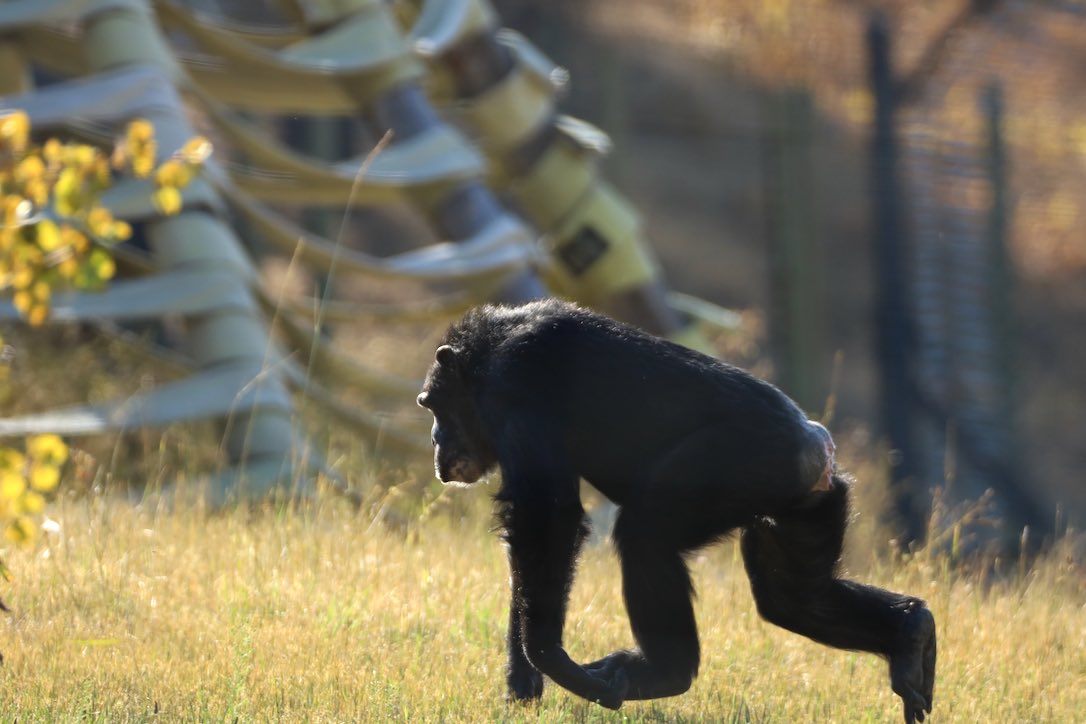
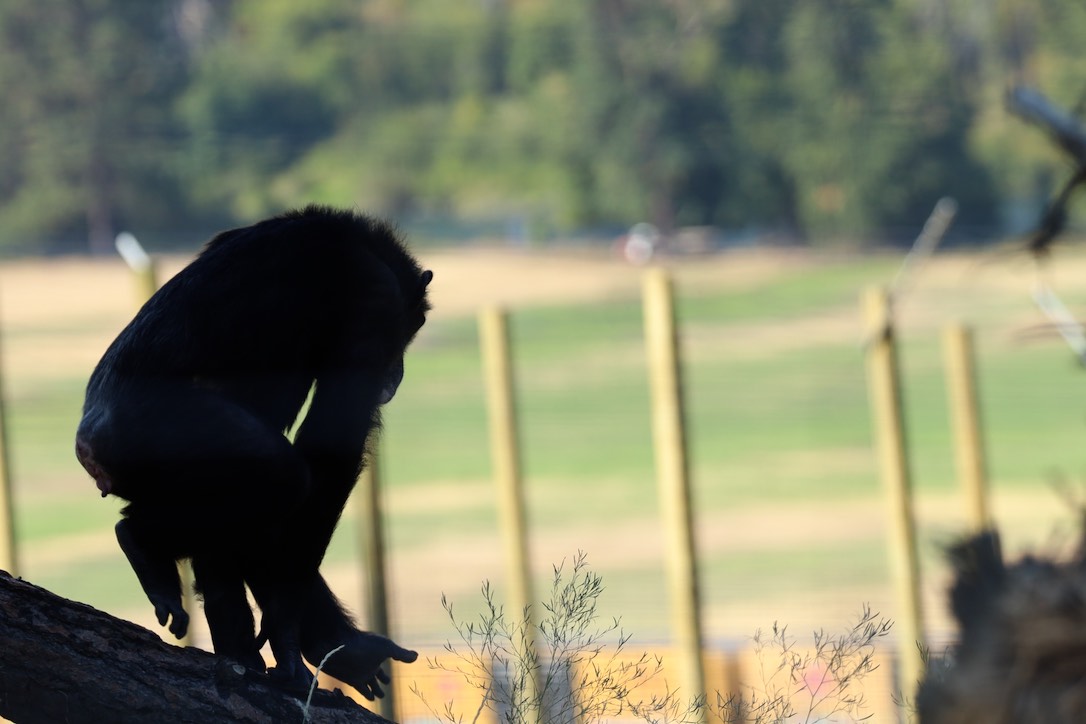
This time of year serves up the potential for some contrasting photos, with the dark hair of the chimpanzees standing out against the muted yellow and beige tones of the grass.
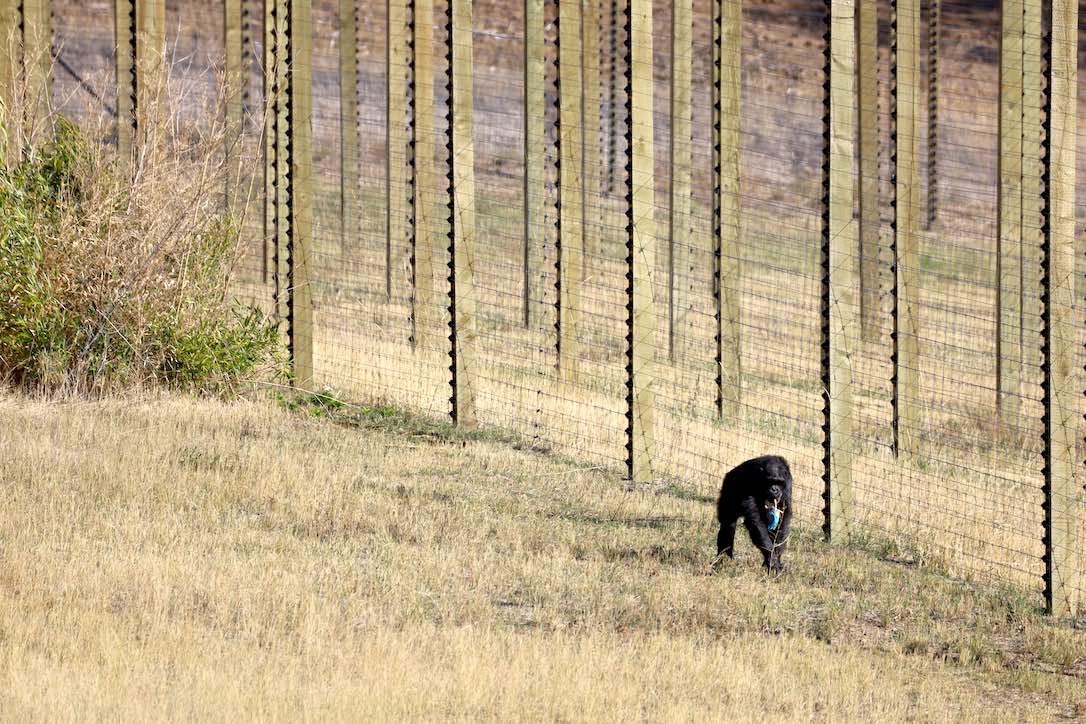
Here’s Burrito, coming back down the hill after looking for leftover breakfast forage food:
And Foxie, who brought along a blue-haired friend as she traversed Young’s Hill:
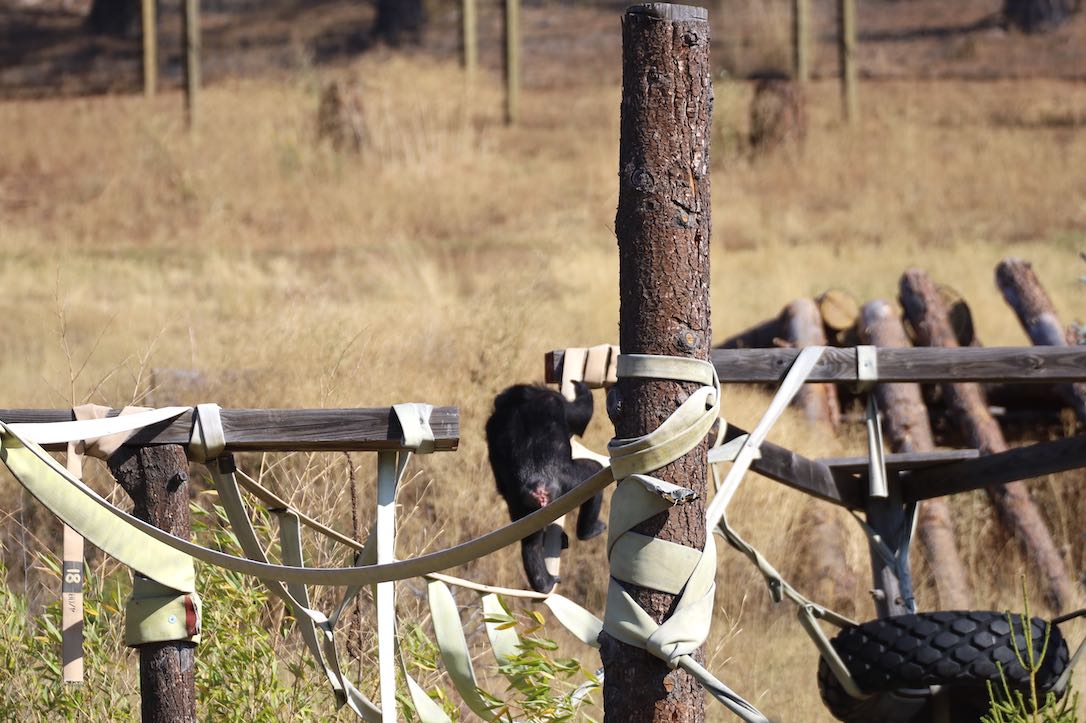
Missy, as she was slack-lining across the fire hose:
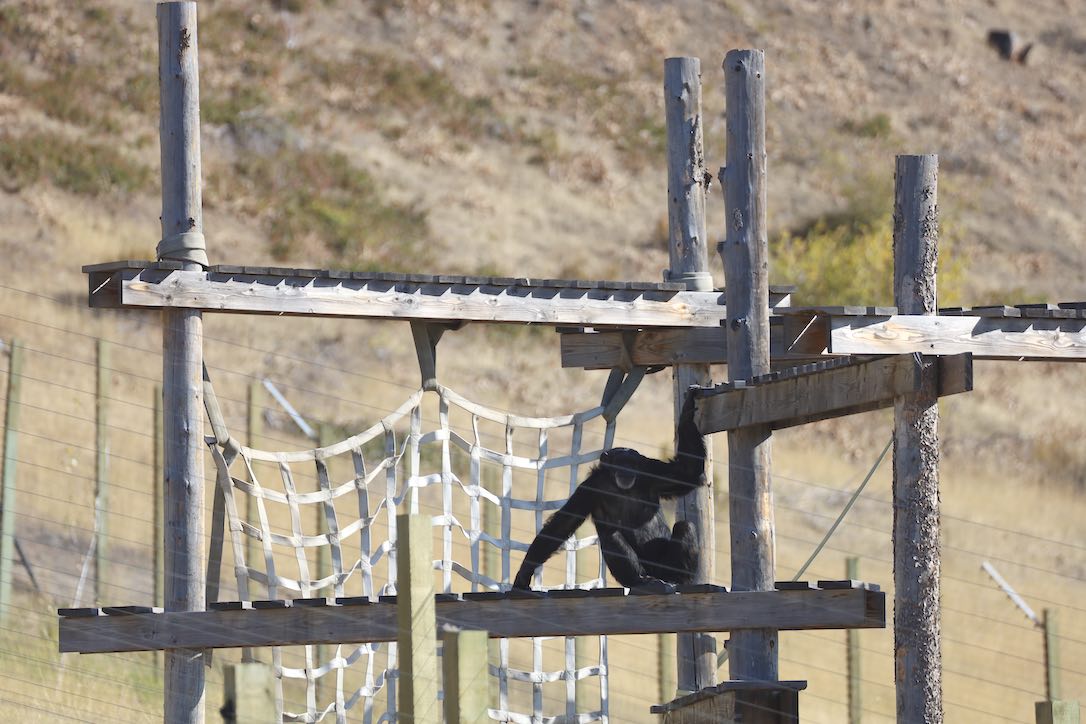
I looked over to my right, and spotted someone on the Escher structure on The Bray. I did a bit of a double-take because I was not expecting the chimp to be Lucky! Look how relaxed she looks up there. She’s really embraced The Bray these last few weeks and continues to show off her adventurous side.
Is your favorite chimpanzee one of these four or someone else? Let us know by sending in your video clip!
In memory of David Rutter
We’re sending our gratitude to Ellen Gaies for kindly sponsoring this second day of sanctuary for the chimpanzees in memory of David Rutter, who recently passed away.
“In memory of David Rutter… forever in our hearts.”
Our heartfelt condolences go out to all who love and miss David. We’re honored to have the chimpanzees included in the beautiful work and legacy David shared with the world.
Missy:
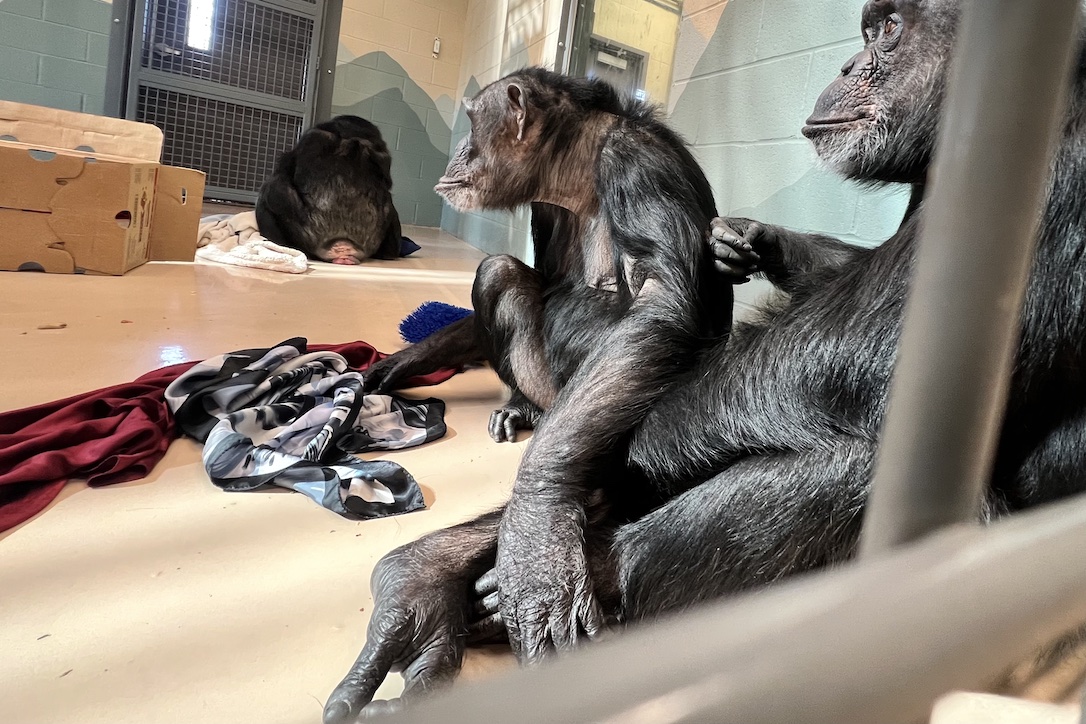
Half-sisters, Rayne and Honey B, holding hands:
Honey B:
Battle of the Butts: Willy B vs Rayne
Some days Willy B experiences what looks like social awkwardness but some days he is on point and is quite the social butterfly. Today he was embracing the charming social butterfly aspect of his personality and we caught it on film for everyone to enjoy!