• Skip to main content
  • Skip to primary sidebar
  • Skip to footer

Chimpanzee Sanctuary Northwest

Hope. Love. Home. Sanctuary

  • Our Family
    • The Chimpanzees
    • The Cattle
  • Blog
  • About Us
    • Visiting the Sanctuary
    • Philosophy
      • FAQs
      • Mission, Vision & Goals
      • Privacy Policy
    • The Humans
      • Staff
      • Board of Directors
      • Founder
    • Annual Reports
    • The Future of CSNW
    • CSNW In The News
  • You can help
    • Donate
      • Become a Chimpanzee Pal
      • Sponsor A Day
      • Transfer Stock
      • Be A Produce Patron
      • Be a Bovine Buddy
      • Give from your IRA
      • Personalized Stones
      • Bring Them Home Campaign
    • Leave A Legacy
    • Employment Opportunities
    • Volunteer
    • See Our Wish List
    • Events
  • Resources
    • About Chimpanzees
    • Enrichment Database
    • Advocacy
      • Advocacy Action Center
      • Apes in Entertainment
        • Trainers
        • Role of the AHA
        • Greeting Cards
      • Chimpanzees as Pets
      • Roadside Zoos
      • Chimpanzees in Biomedical Research
      • Conservation
        • African Apes
        • Orangutans
  • Shop
    • Merchandise Store
  • Contact
  • DONATE NOW

advocacy

Take Action Tuesday! Chimpanzee in new Comedy Central show

March 24, 2015 by Debbie

EOA take action tuesday

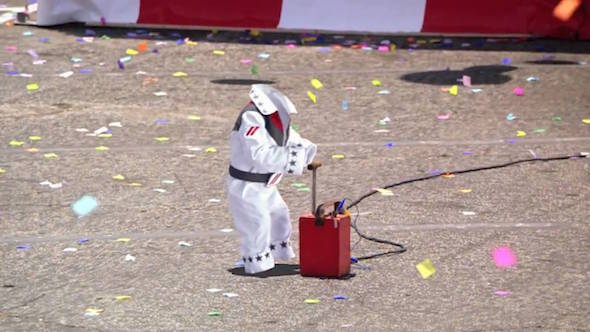
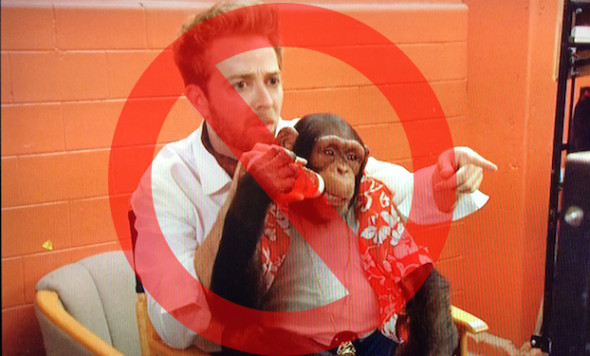
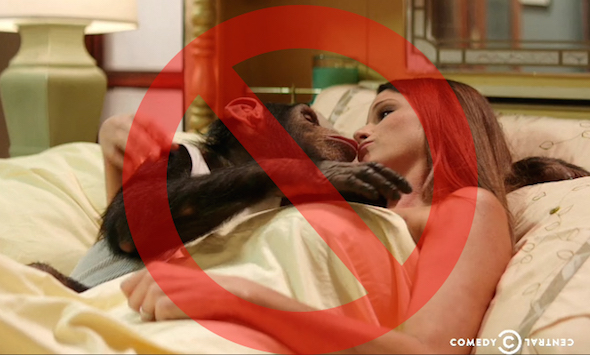
Tomorrow night, March 25, Comedy Central is planning to air a new TV show called Big Time in Hollywood, FL. The show’s previews contain footage of a chimpanzee in several scenes.

The show was produced by Ben Stiller, who we hope will respond favorably to your feedback — but please hurry! The show premieres tomorrow and we would like to encourage the production to make sure the chimpanzee scenes are not included in the premiere. Not only are there numerous welfare concerns, but seeing chimpanzees dressed up in clothing and in physical contact with humans perpetuates the idea that they can be treated as pets.
big-time-chimp-on-lap-nosign

big-time-hollywood-chimp-kiss-nosign

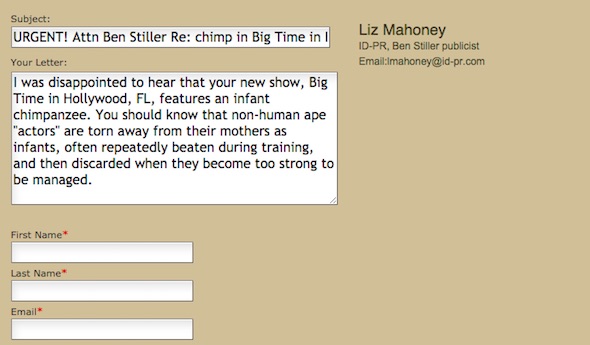
Recently, A&E canceled the show Wild Transport after receiving feedback from Eyes on Apes and other advocacy groups about the use of chimpanzees in their show. We urge you to encourage Ben Stiller and Comedy Central to make the same progressive decision for Big Time In Hollywood, FL! Send him a letter (c/o his publicist), and let him know that chimpanzees should not be used in entertainment. We’ve set up a sample letter below which you can customize as you wish. You may also post on the show’s Facebook page.

screen-shot-big-time-letter

Filed Under: Advocacy, Apes in Entertainment Tagged With: advocacy, animal protection, animal rescue, animal rights, Animal Welfare, ben stiller, big time in hollywood fl, chimp, chimp sanctuary, chimpanzee, chimpanzee rescue, chimpanzee retirement, Chimpanzee Sanctuary Northwest, comedy central, csnw, eyes on apes, Sanctuary

Take Action Thursday: McDonald’s exploits Suzy chimpanzee in new ad

March 19, 2015 by Debbie

take-action-thursday

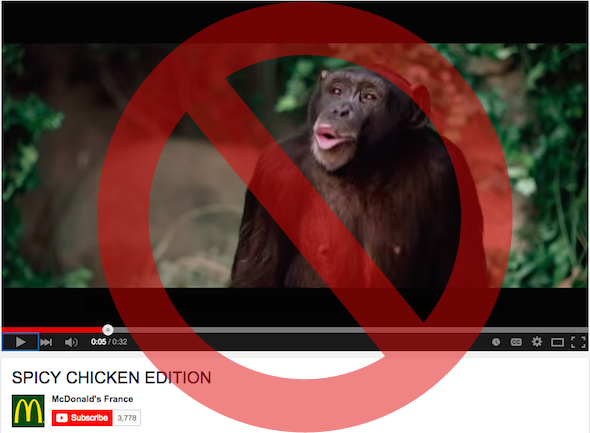
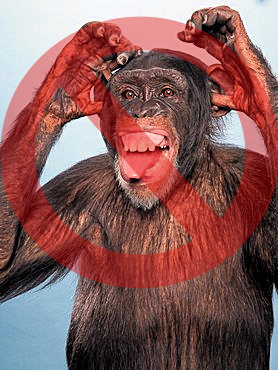
A recent advertisement for McDonald’s restaurants in France features Suzy the chimpanzee demonstrating trained behaviors, such as jumping up and down and making “funny” faces. Unfortunately, what Suzy has experienced–and what her future holds–is not funny at all.

suzy-hoot-mcdonalds-nosign


Although chimpanzees may appear to have positive, loving relationships with their trainers, this can be deceiving. Trainers often take babies away from their mothers at a very young age and use abusive, fear-based tactics to get chimpanzees to perform. Undoubtedly this environment causes serious psychological harm.

Steve Martin’s Working Wildlife, where Suzy lives, has repeatedly failed to meet even minimal welfare standards.

suzy-nosign

Suzy was the chimpanzee used in a Dodge commercial five years ago, which was altered after the company learned about the issues surrounding chimpanzees in entertainment. They took an innovative approach and using CGI, removed Suzy’s image from the original ad and changed the voiceover to mention the “invisible monkey.” Dodge also issued a mea culpa about the original commercial, explaining what they learned from Eyes on Apes and other advocacy groups.

dodge invisible monkey

As Suzy gets older, her future remains uncertain. Martin has a reputation for dumping his former non-human ape actors at facilities with deplorable conditions, including Walter, who was found kept in a dark, barren, concrete pit filled with garbage at a roadside zoo.

Unfortunately, despite reaching out to McDonald’s, we have not received confirmation that they plan to remove or alter the commercial. We need your help to put the pressure on McDonald’s! Please write a polite letter asking them to remove the ad, and pledge to never work with non-human ape actors again. You may direct your letters to Deborah Wahl ([email protected]), a Senior Vice President and Chief Marketing Officer at McDonald’s.

You may also leave comments on McDonald’s France’s Facebook page or send a Tweet to @McDonaldsCorp.

Sample Letter to McDonald’s:

Dear Ms. Wahl:

I was disappointed to hear that McDonald’s France used Suzy the chimpanzee in a recent commercial for Spicy Chicken Wraps.

Suzy lives with a trainer who has repeatedly failed to meet even minimal welfare standards (www.eyesonapes.org/suzy). Suzy’s trainer has dumped former non-human ape actors at deplorable roadside zoos, and as she is getting older, soon she will be too strong to be managed.

Using a chimpanzee for a cheap laugh sends the message that these amazing beings are simply props. They are an endangered species that should be protected, not used for entertainment.

Suzy, and others like her, deserve to be in a sanctuary. Help put an end to the use of chimpanzees in entertainment by removing the commercial and making a promise to never work with non-human ape actors again. Thank you for your consideration of my comments on this urgent matter.

Sincerely,

[Your name here]

If you send an e-mail to McDonald’s, please remember to BCC Eyes on Apes at [email protected] for tracking purposes. Thank you!

To get these alerts in your inbox, sign up for the Eyes on Apes Take Action mailing list!

Filed Under: Advocacy, Apes in Entertainment Tagged With: advocacy, amarillo wildlife refuge, animal protection, animal rescue, animal rights, Animal Welfare, chimpanzee, chimpanzee retirement, chimpanzee sanctuary, Chimpanzee Sanctuary Northwest, eyes on apes, mcdonalds, steve martin's working wildlife, suzy chimpanzee, walter aka bucky

Take Action Tuesday: When “cute” animals reveal an ugly truth

February 10, 2015 by Debbie

If you’re reading this, you probably have a love of animals, so when you see videos and photos of animals that make you laugh or melt your heart, you want to share them. Us too! Unfortunately, there’s often an ugly truth behind “cute” videos and photos.

A prime example is the slow loris videos that have circulated. The slow loris is such an adorable primate, and the videos seem to show these animals in a happy environment. But the ugly truth is that these endangered animals are part of the illegal exotic pet trade and the behaviors that may look cute to us are actually signs of fear and stress.

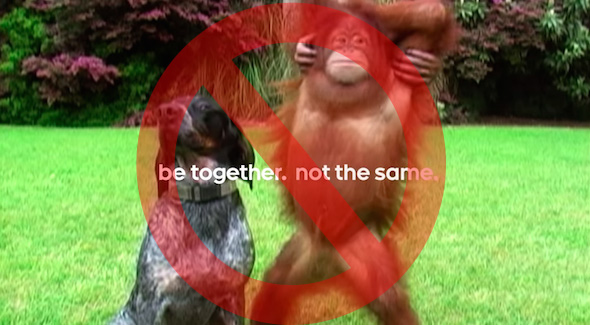
A new example is the Android commercial called “Friends Furever” promoting unlikely animal friendships. Upon first glance, the video clips seem like a heartwarming example of friendship breaking the species barrier, and your first instinct might be to share the commercial with other animal lovers. The ugly reality is that exotic animals such as the orangutan and the elephant seen in the commercial are trained at a very young age (when they should be with their mothers) to pose for photos with humans, and they are forced into relationships with other species for the sole purpose of creating and circulating “cute” photos and videos. The orangutan, Suryia, and the elephant, Bubbles, both live at Myrtle Beach Safari in South Carolina.

android-ad-suryia-roscoe-no-sign

Myrtle Beach Safari, operated by Bhagavan (Doc) Antle, has a history of repeated animal welfare violations. Masked behind what they claim is a sanctuary preserve, the facility regularly exploits their wild animals for a variety of media productions and endangers the public by offering “hands-on” experiences and traveling shows. Apes are wild animals, and without proper enclosures and respect for their true nature, many have attacked and brutally mauled humans.

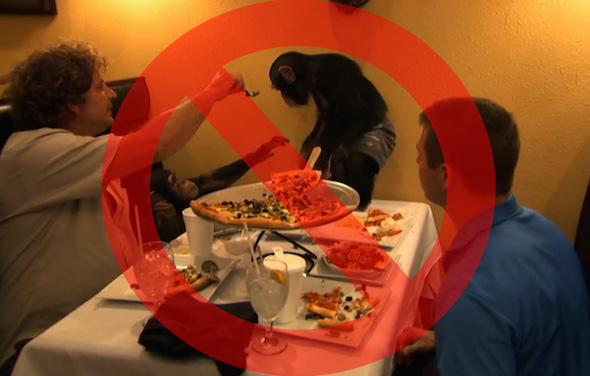
Just last summer, two young chimpanzees were taken to a movie theater to garner attention for the Safari. Recently, these same chimpanzees, Vali and Sugriva, were seen on an episode of A&E’s Wild Transport, where they were taken to a crowded restaurant—creating yet another public safety risk just for a glorified publicity stunt.

sugriva-vali-pizza-restaurant-table-no-sign

In that episode, Vali and Sugriva were being transported to a facility in Miami called Jungle Island, where they have special “hands-on” encounters with guests, sometimes celebrities, which gains even more attention for the Safari.

After speaking with Eyes on Apes and other advocacy groups about the issues surrounding Vali and Sugriva’s appearance in the show, the A&E Network decided to cancel the series—setting a precedent for other companies to follow.

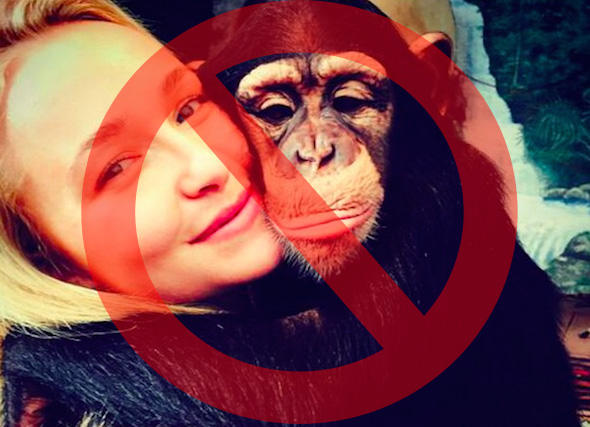
Unfortunately, actress Hayden Panettiere very recently posted a photo to her Twitter account of her holding the chimpanzee Vali at Jungle Island.

panettiere-vali-jungle-island-no-sign

Images like this with humans in contact with chimpanzees perpetuate the misunderstanding about chimpanzees’ true nature and encourage the exotic pet industry.

Vali, Sugriva, Suryia, and dozens of other exotic animals under Antle’s care are living at a romanticized roadside zoo. These animals deserve better—they deserve a true sanctuary home where they can live out their lives without being shuffled from one exhibition to another.

Companies such as Pfizer have responded favorably when they learned the truth about Myrtle Beach Safari. We’d like to call upon Android to make the same compassionate decision.

We urge you to write to Android and Hayden Panettiere and ask that they remove any material that misinforms the public and promotes the Safari.

You can leave comments on Android’s Facebook page or the post of the Friends Furever video, reply to their tweet on Twitter about the commercial, and reply to Panettiere’s photo on Twitter as well. You can also email Panettiere, c/o her publicist, at [email protected] . We’ve provided examples of what to write below.

In the big picture, when you see “cute” photos and videos of animals, ask yourself where these animals came from, where they are living now, what their future is likely to be like, and if the behaviors you see are the choice of the animal. You might be able to search and find the answers to these questions, or you might be left with more questions. When in doubt, don’t hit that share or forward button, because you might just be perpetuating exploitative, dangerous, or illegal activity.

Sample Facebook comment to Android:

I was disappointed to see that your new “Friends Furever” commercial promotes pseudo-sanctuaries such as Myrtle Beach Safari, where “unlikely animal friendships” like Suryia the orangutan and Roscoe the dog are forced after exotic animals are taken from their mothers at a very young age. In the wild, baby orangutans stay with their mothers until they are eight years old, so you can imagine how important that bond is for them. Not only does the Safari mislead the public into believing that these are “cute” relationships, but they also regularly put people at risk with public exhibitions of wild animals and exploit the animals for entertainment—things a reputable sanctuary would never do. This glorified roadside zoo has also had numerous animal welfare violations (EyesOnApes.org/suryia).

You’re not the first to be duped by this pseudo-sanctuary. Pfizer chose to alter a Robitussin commercial that was originally aired using Suryia, replacing the live animal scenes with realistic, high-tech computer generated images after they learned the truth behind the Safari. I urge you to make the same decision involving the clips of the exotic animals in your commercial. Thank you for your consideration of my comments on this urgent matter.

Sample Tweet to Android:

@Android please change #AndroidBFFs ad to exclude clips of animals in roadside zoos. Robitussin did it before! See more at EyesOnApes.org/suryia

@Android “cute” #AndroidBFFs animals reveal an ugly truth. Don’t glorify roadside zoos! See more at EyesOnApes.org/suryia

*Sample email to Hayden Panettiere:

Dear Ms. Panettiere,

I know that you are an animal lover and have spoken out about the dolphin slaughter in Japan. I applaud you for your passion! Because of your obvious concern for animals, I was shocked and disappointed to see a photo of you and a baby chimpanzee named Vali circulating social media. You should know that when people see you holding a baby chimpanzee it perpetuates the cruel pet and entertainment industries. Baby chimpanzees belong with their mothers, and they shouldn’t be shuffled around to exhibitions or hands-on encounters. Vali was reportedly purchased from an animal breeder, and he belongs in a true sanctuary where the focus would be on his needs, not the desire of the public to have photo-ops with him. I urge you to please remove the photo from your social media and pledge to never participate in hands-on experiences with captive wild animals again.

Sample Tweets to Hayden Panettiere:

@haydenpanettier please remove the photo of you and Vali the chimp. He deserves better! Learn more EyesOnApes.org/vali

@haydenpanettier love chimpanzees like you love dolphins – don’t participate in their exploitation! EyesOnApes.org/vali

RT! Tell @haydenpanettier to remove photo of her w/ chimp – they’re wild animals & shouldn’t be used for publicity. EyesOnApes.org/vali

Lastly, please share this alert with friends and family. Change can only happen with more awareness! Thank you for speaking up for apes in need.

*If you email Hayden, please remember to BCC [email protected] for tracking purposes. Thank you!!

Filed Under: Advocacy, Apes in Entertainment Tagged With: #AndroidBFFs, advocacy, android, animal protection, animal rescue, animal rights, Animal Welfare, apes in entertainment, chimp, chimpanzee, chimpanzee rescue, chimpanzee retirement, chimpanzee sanctuary, Chimpanzee Sanctuary Northwest, Cle Elum 7, Cle Elum Seven, csnw, doc antle, eyes on apes, friends furever, hayden panettiere, jungle island, myrtle beach safari, odd friendships, Sanctuary, sugriva, sugriva chimp, suryia, suryia and roscoe, t.i.g.e.r.s., unlikely animal friends, vali, vali chimp

Ebola and Great Ape Conservation

December 16, 2014 by Debbie

There are many questions about how this year’s Ebola outbreak started, how it spread so quickly, and how to prevent it from spreading further—but what does Ebola have to do with non-human great ape conservation?

It is known that Ebola Hemorrhagic Fever is transmitted by coming into direct contact with bodily fluids of someone infected and showing symptoms of the virus, a cadaver of someone who died from the virus, or the fluids or meat of an infected animal.

Bushmeat is the meat of any non-domesticated animal that is consumed by humans. In Africa, bushmeat is not only consumed locally, but it is exported worldwide. Many bushmeat species are endangered, in which cases the hunting of those species is illegal. Still, these animals are hunted, and their meat is sold on the black market and exported to other countries, including the United States. No one really knows just how many pounds of illegal bushmeat are smuggled into the U.S., because it is believed only a fraction of the imports are confiscated—but estimates range from hundreds of thousands to millions of pounds per year.

While habitat loss is the largest long-term threat to African ape populations, hunting for bushmeat has risen in the last couple of decades as the most significant immediate threat—and could cause species extinction if the practice continues to grow. However, with the emergence of the deadly Ebola virus, more people have begun to tune into the problem. Though research shows that fruit bats serve as hosts to the Ebola virus and are believed to be the direct source of the current outbreak, consumption of infected ape meat has been linked to previous outbreaks since the late 1990s. Primates and other animals can become infected by eating half-eaten fruit that have come in contact with fruit bat saliva, and the virus is passed to humans who eat infected animal bushmeat.

The Ebola virus can also be detrimental to wild ape populations. In 2002, over 5,000 gorillas died from an outbreak. In fact, the threat of imminent Ebola outbreaks (and other pathogens) on already dwindling populations has prompted researchers to propose developing a vaccination for the apes. Before vaccines could be administered to wild apes, however, some researchers feel they would need to be tested on captive apes. As we know, there is a push to end the use of chimpanzees in research altogether, so the topic sparked a debate earlier this year (read more on that here).

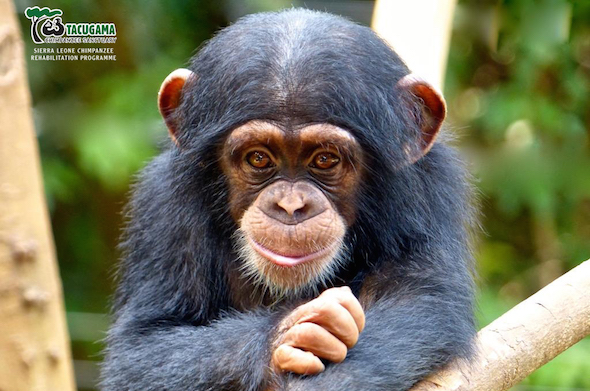
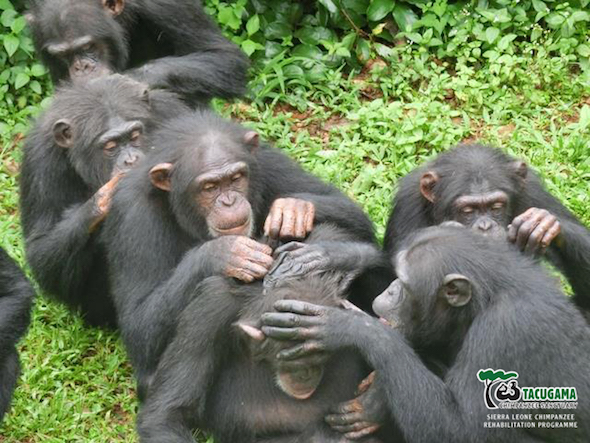
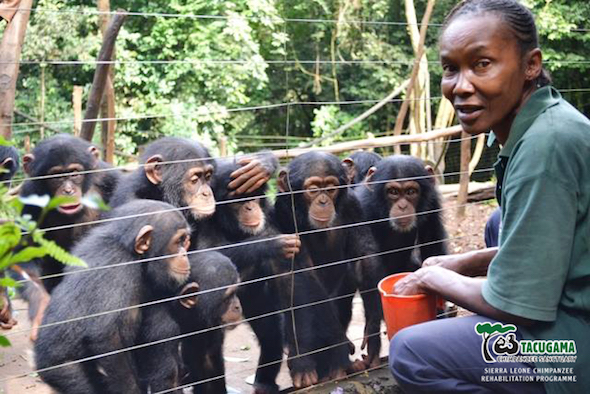
The Ebola scare has also left African sanctuaries in a predicament, such as Tacugama Chimpanzee Sanctuary in Sierra Leone—one of the affected countries.

web-tacugama-baby

web-tacugama-chimps-groom

web-tacugama-rehabilitator

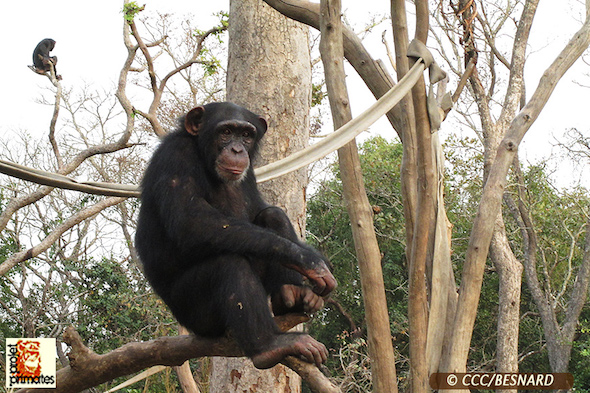
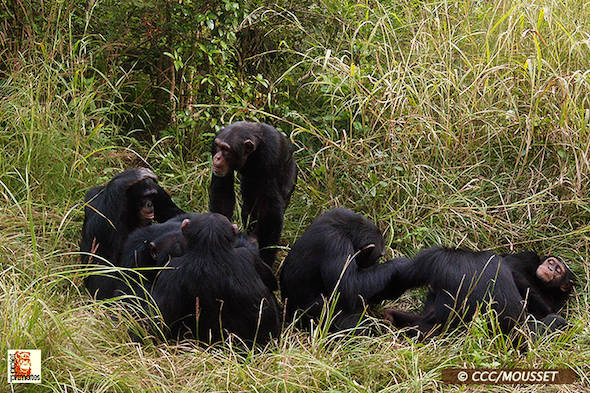
The travel limitations and general panic about the disease have kept people away from the country, and the lack of outreach opportunity has hit the sanctuary and others like them hard. Additionally, with travel restrictions in the affected countries, it is harder for volunteers to help with the day-to-day work. The sanctuaries have had to hire more local staff, causing their funds to be stretched thin. Recently, the Chimpanzee Conservation Center in Guinea has been impacted by this trouble as well. Thankfully, no apes in sanctuaries have contracted Ebola, and all the caregivers have been taking extra hygiene precautions to make sure everyone stays healthy.

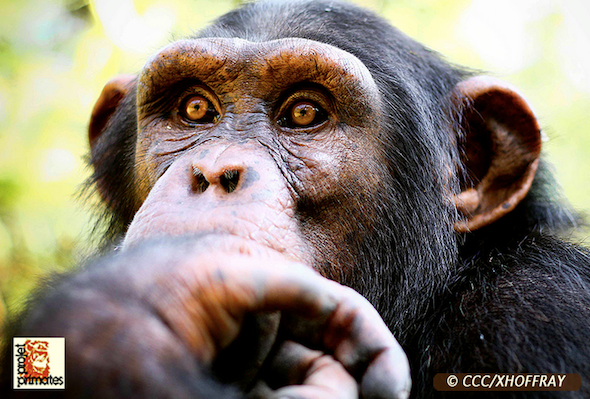
Though the direct threat to great apes from Ebola is reason for concern, it’s possible that the attention on Ebola could have a positive impact on ape conservation and help prevent future outbreaks in human populations. Unlike other pandemics and deadly pathogens, which are able to sustain in human populations long-term, Ebola is a unique virus in that it comes and goes sporadically in humans in the form of destructive outbreaks. So far these outbreaks seem to have originated from human contact with infected wildlife. With effective education in local communities, and efforts to take legal action against logging, prevention of hunting and eating bushmeat can save countless lives—of both human and nonhuman apes.

web-ccc-ama

web-ccc-hakim

web-ccc-teenage-group

Filed Under: Advocacy, Free-living chimps Tagged With: advocacy, african sanctuaries, animal protection, animal rescue, animal rights, Animal Welfare, chimp, chimpanzee, chimpanzee conservation center, chimpanzee rescue, chimpanzee retirement, chimpanzee sanctuary, Chimpanzee Sanctuary Northwest, conservation, csnw, ebola, ebola virus, eyes on apes, free-living chimps, free-living gorillas, great ape conservation, guinea, primate protection, primate rescue, projet primates, Sanctuary, sierra leone, tacugama chimpanzee sanctuary, wild apes

On The 4th Day of Thanks

November 24, 2014 by Keri

Chimpanzee Sanctuary Northwest (CSNW) could not do what it does without the generous support of such compassionate, caring and generous people. We cannot express enough how much we value and thank all those who are part of this sanctuary family. (Read more in the first, second and third days of giving thanks).

In the spirit of continuing to give thanks, I’d like to take this time to recognize all the folks who have made in-kind donations to benefit the chimpanzees and the sanctuary over the past six and a half years. In-kind donations are the direct donation of needed goods and services. They are vital to providing a safe, healthy and enriching environment for all the primates at CSNW.

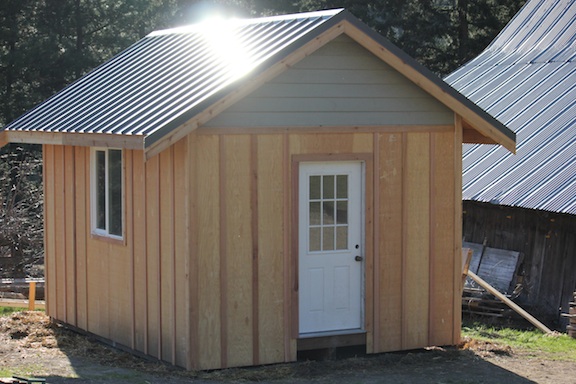
Throughout the years, many folks have graciously donated their professional architectural and construction services to help transform the sanctuary into what it is today.

web_poppoffs_finish_concrete_sidewalks_clinic_IMG_9577

web shed glistening in the sun built by jim spencer IMG_1907

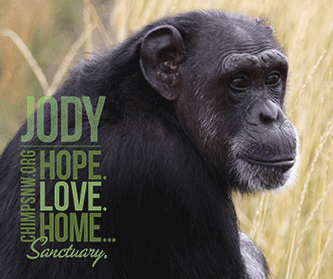
I also want to give a pant hoot thanks to those who have donated their professional graphic design and videography services and to all of those who have given items and gift certificates for auctions. These donations have been a tremendous help with our fundraising efforts and have helped share the stories of Jamie, Jody, Foxie, Negra, Burrito, Missy and Annie with the rest of the world.

web_CSNW-Jody_WineLabel_

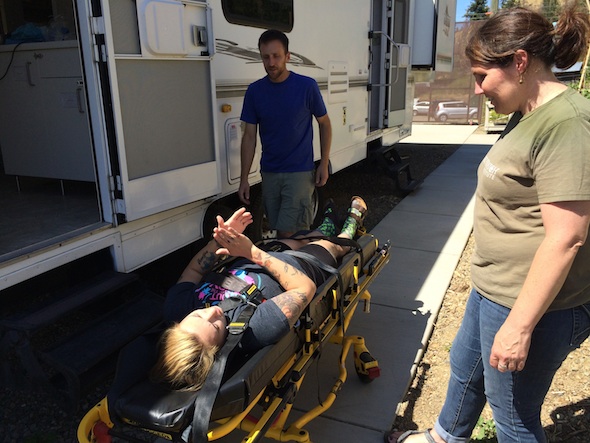
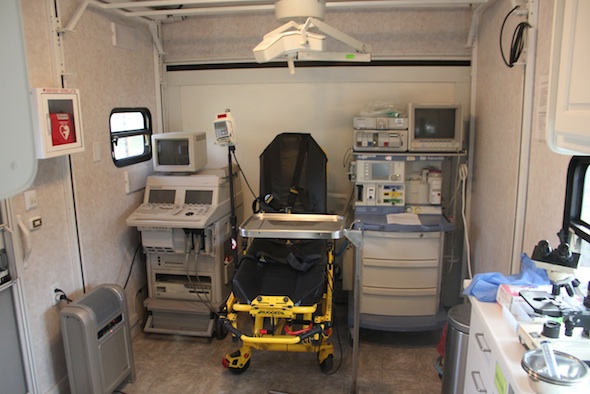
Of course, the health of the chimpanzees is always top priority. I would also like to offer a huge thank you to those who have most kindly donated their veterinary services and equipment over the years to ensure the health of the Cle Elum 7.

web_JB_Becca_Donna_clinic_stretcher_drills_dm

web_vet_clinic_equipment_jb_IMG_6312

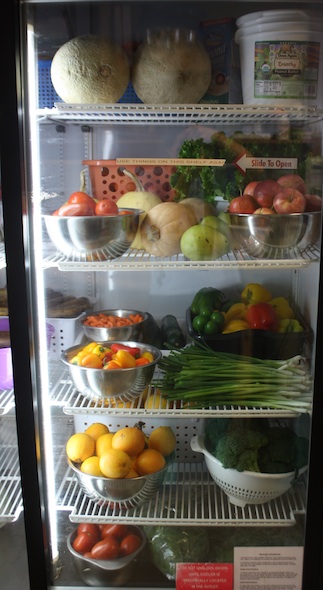
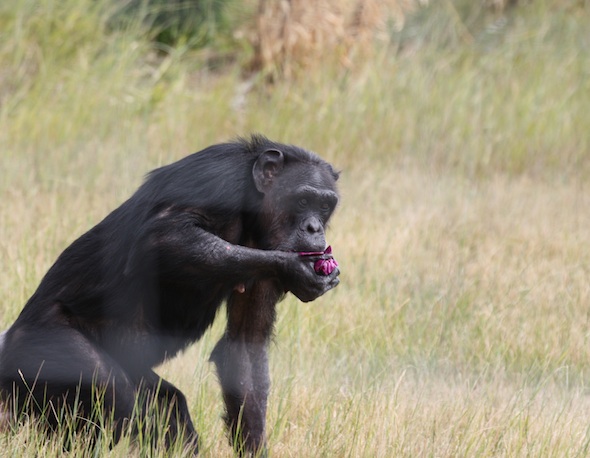
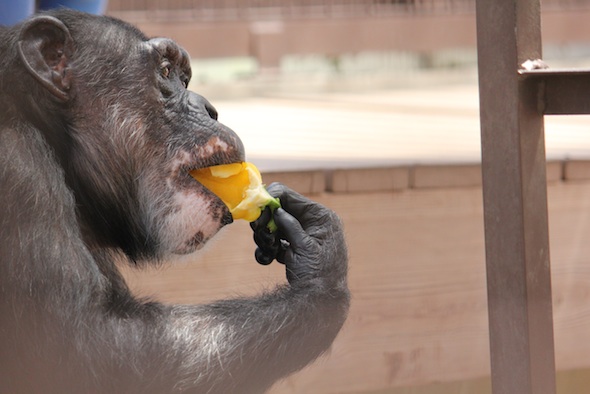
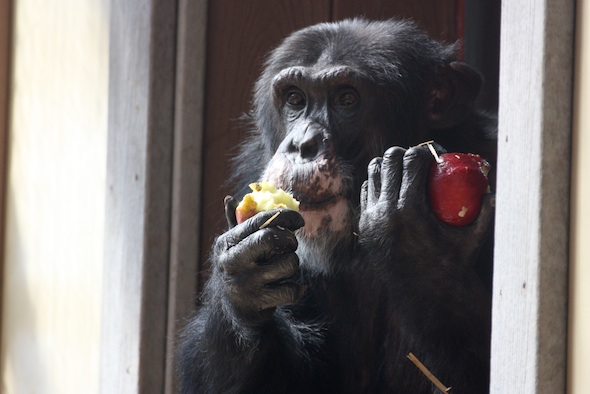
Fresh fruit and vegetables is also of utmost importance in keeping the chimps healthy (and enriched). I want to be sure to thank those who have regularly gone above and beyond to ensure that the chimps have healthy food to eat each day.

web_Food_refrigerator_full_safeway_darwins_kh_IMG_5377

Jody enjoying a mouthful of fresh cabbage.
web_Jody_forage_food_cabbage_brussel_sprouts_mouthful_handful_YH_kh_IMG_2627

Missy eating a bell pepper.
web_Missy_eat_bellpepper_lunch_GH_ls_IMG_0524

Have we mentioned that Burrito LOVES food!
web_burrito_eat_whole_frozen_fruit_forage_enrichment_birthday_food_GH_IMG_9510

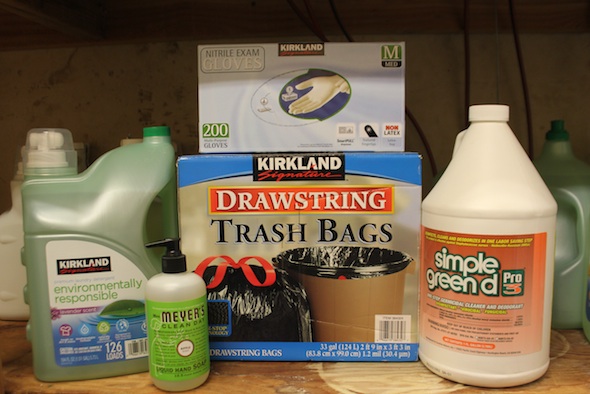
Another huge thank you goes out to all those who have purchased items from our Amazon Wish List. While many of the items, such as laundry detergent, garbage bags, gloves, soap, stamps, and printer toner may not seem at all “glamorous,” they are essential to the day-to-day operations of the sanctuary. They help us keep our expenses down by providing things we need to operate and they help staff and volunteers do their jobs more efficiently and effectively.

web_chimp_house_cleaning_supplies_kh_IMG_6303

web_office_supplies_kh_IMG_6309

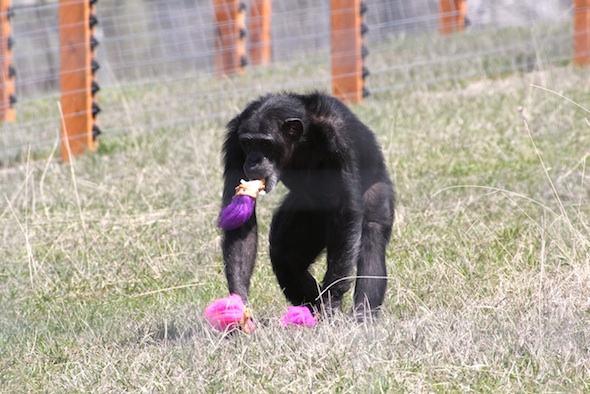
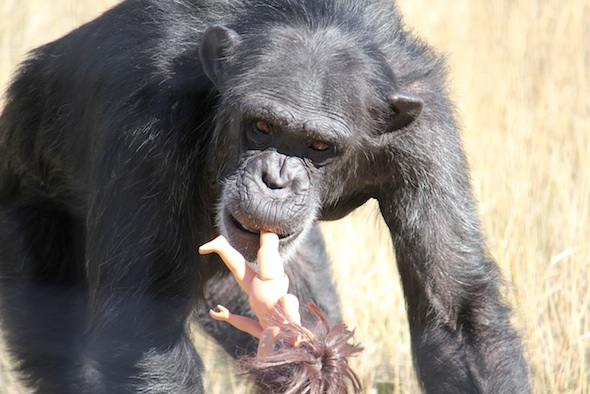
We also include extra special gifts on our wish list like toys, puzzles, dolls, socks, non-toxic art supplies, brushes, etc., all aimed to enhance and enrich the daily lives of the chimpanzees. We regularly receive enrichment packages from people near and far. Items like kongs and tool sets have provided hours of problem solving for Jamie; while troll and dora dolls have helped Foxie gain confidence over the years.

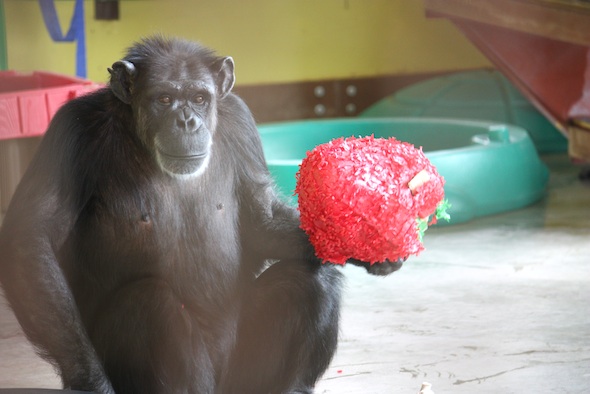
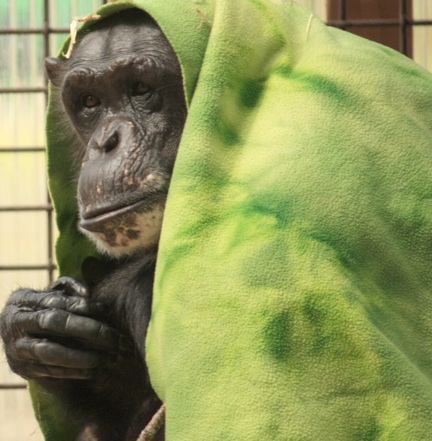
And then there are the countless donations from those who know how to throw a party to celebrate all the holidays, birthdays or just-because days. What’s a party without festive cups, plates, piñatas or streamers? We also receive numerous donations that follow our enrichment guidelines including cowboy boots, blankets, magazines, paper, etc.

web_jamie_hoard_kongs_connected_forage_PR_dm_IMG_9254

web Foxie walk trolls in mouth hand Young's Hill YH IMG_1344

Annie with pinata

web Negra outside sit blanket over body straw nest__MG_6702

Sometimes the words “thank you” just don’t seem to capture the immense gratitude we feel for all those who have offered these in-kind donations over the years. Know that your generosity has affected each and every primate (human and non-human) at the sanctuary in such a deep and meaningful way and will continue to transform the lives of Jamie, Jody, Negra, Foxie, Burrito, Missy and Annie. Without each and every single one of you, the sanctuary would not be what it is today.

Filed Under: Annie, Burrito, Enrichment, Foxie, Jamie, Jody, Missy, Negra, Sanctuary, Thanks Tagged With: advocacy, Animal Welfare, Annie, chimp enrichment, chimp sanctuary, chimpanzee, chimpanzee sanctuary, Chimpanzee Sanctuary Northwest, Cle Elum 7, Cle Elum Seven, csnw, Enrichment, Foxie, Fundraising, Jamie, Jody, Missy, Negra, northwest, primate protection, rescue, Sanctuary, troll

Take Action Tuesday: One Direction’s wrong turn

November 11, 2014 by Debbie

EOA take action tuesday

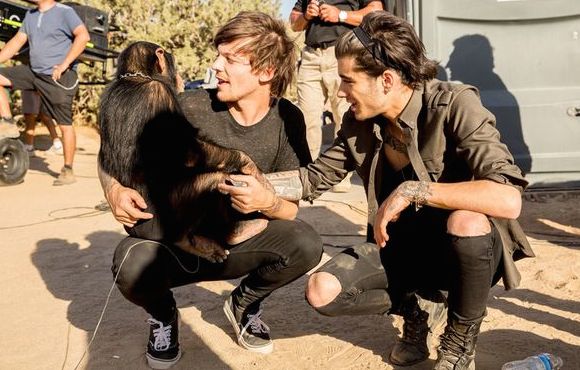
Last month, we sent out an action alert about the band One Direction’s new music video with a chimpanzee named Eli. Several advocacy groups, experts, and supporters from around the world wrote to the band, but so far we haven’t heard any kind of commitment from the boys to avoid working with apes in future productions. Since their new album is releasing next week, we want to continue to put pressure on the band and ask that they make the pledge before their album release—and until they do, we will spread the word to fans and tell them not to buy the album.

Many of our readers are aware of the tragic lives of chimpanzees in entertainment—chimps like Jamie, for instance, live with trainers when they are young and when they are too big to be managed, they have to live inside a cage for the rest of their lives. Jamie is lucky to have reached a sanctuary, but many others have not had that chance. Some of Eli’s trainer’s former chimp “actors” have been cast off to decrepit roadside zoos. The trainer himself, Steve Martin, has been cited numerous times for things such as failure to have an environmental-enhancement program to promote the psychological well-being of primates, failure to supply adequate shelter from the elements and inadequate ventilation, failure to provide animals with minimum space, filthy cages, and improper feeding.

louis-zyan-eli-chain

We’re so disappointed that the One Direction band members are promoting the exotic animal trade rather than using their celebrity statuses to protect chimpanzees, who are critically endangered in the wild.

We urge you to continue to put pressure on One Direction to remove the photos and promise to never use apes again. Please post on their Facebook and Twitter pages and let them know that chimps like Eli should not be used in entertainment. Not only are there numerous welfare concerns, but seeing chimpanzees in close contact with humans perpetuates the idea that they can be treated as pets.

You may also send a letter to the band c/o Lisa Wolfe at [email protected]

Sample Comment on One Direction’s Facebook:

I am disappointed to see that One Direction went ahead and included clips with Eli in the Steal My Girl video, despite hearing from concerned advocates. Chimpanzees do not belong in music videos and you should know that Eli’s trainer is cited for dozens of animal welfare violations (www.eyesonapes.org/eli). Showing these images perpetuates the idea that chimps make good pets. Please make the compassionate decision pledge to never exploit great apes for entertainment purposes again. I won’t be buying your new album until you make that promise, and I’ll tell all my friends to do the same. Thank you for your consideration of my comments on this urgent matter.

Sample Tweets to One Direction:

@OneDirection sad to see Eli in #StealMyGirlVideo. I won’t buy your new album until you pledge to never use apes again! www.EyesOnApes.org/eli

@Louis_Tomlinson @zaynmalik Eli had a nasty chain on his neck in the #StealMyGirlVideo pics! Please promise you won’t work with apes again.

We would love to see Eli and all remaining chimpanzees in entertainment reach a sanctuary, so they can receive the lifetime quality care they deserve and get a second chance at life like Jamie. We’d love to hear stories about sanctuary life someday for Eli and others like this one of Jamie:

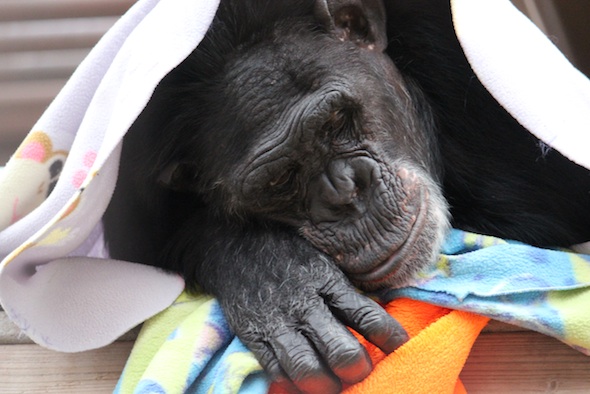
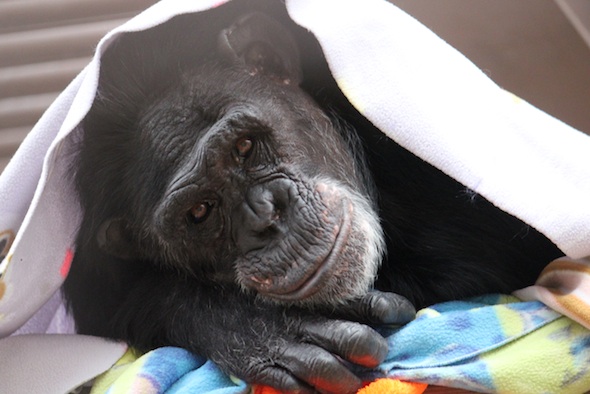
This morning, new volunteer caregiver-in-training Lizz kept Jamie busy for quite awhile by dropping a piece of banana just outside the fencing. Jamie first used a magazine, but when that didn’t help much, Denice gave her a plastic tube which was much more helpful. Once she got the banana up against the fencing she used her fingers to delicately move the banana to spot where she could pull it through. We’ve talked a lot before about Jamie’s knack for projects and keeping busy, but when she’s not working on various projects—she’s quite talented at nest-making, and consequently, nap-taking.

web_Jamie_rest_lie_down_platform_closeup_cover_self_nest_GH_kh_IMG_5726

web_Jamie_rest_lie_down_platform_blanket_cover_body_head_out_closeup_GH_kh_IMG_5710

The final thing you can do to help Eli is to spread the word! Please share this blog on social media and encourage your friends to speak up for him, too.

Filed Under: Advocacy, Apes in Entertainment, Jamie, Sanctuary, Volunteers Tagged With: #stealmygirlvideo, advocacy, animal protection, animal rescue, animal rights, Animal Welfare, chimp, chimp sanctuary, chimpanzee, chimpanzee rescue, chimpanzee retirement, chimpanzee sanctuary, Chimpanzee Sanctuary Northwest, Cle Elum 7, Cle Elum Seven, csnw, eli chimp, eyes on apes, Jamie, one direction, primate protection, primate rescue, rescue, Sanctuary, steve martin's working wildlife

Chimp mothers

October 18, 2014 by Debbie

Yesterday was Negra’s son Noah’s birthday, and Save the Chimps posted a photo of the birthday boy which I shared today on our Facebook page. We’ve shared stories of Noah before (as well as Negra’s daughters Angel (also at Save the Chimps) and Heidi (she’s sadly still in a lab).
A question we almost always get is whether the chimps would recognize their kids should they ever have the chance to. For the kids that are no longer in labs (Negra’s kids Noah and Angel at Save the Chimps, Foxie’s daughter Angie at Save the Chimps, Jody’s kids Andrea, Bart, and Clay at Save the Chimps, Annie’s kids Mariah and Virgil at Save the Chimps and son Tobias at Chimp Haven, and Missy’s kids Josh and Honey B at Wildlife Waystation) that will likely never happen. It’s also not too likely that their kids who are still in labs would ever be reunited with them (Foxie’s kids Kelsey and David, Negra’s daughter Heidi, and Jody’s son Levi) because they are fully grown adults and it would be difficult to integrate them into our existing group.

But if at another sanctuary a mother were reunited with her children, would they recognize each other? My response to this question is usually simply: probably not. As is the case with most lab births, their babies were taken away from them within days (sometimes just hours) so the likelihood that they would recognize their fully grown children is pretty slim. I think of human births where the babies are given for adoption — would they recognize their biological child 20 years later? Probably not… but maybe. There have been stories of chimps being reunited with their mothers after being separated from each other very early on, who showed signs of recognizing each other. So, I guess the answer should be: probably not, but it is possible.
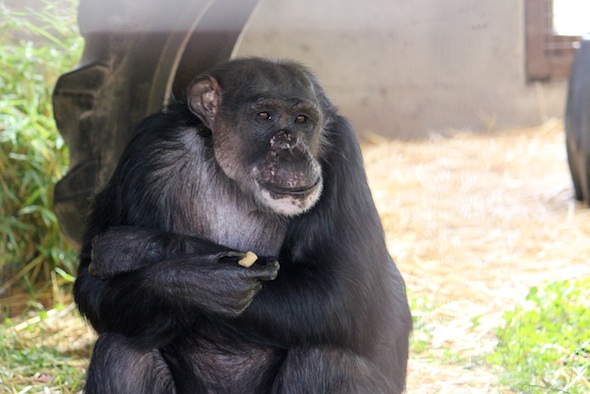

Here’s some recent photos of our chimp mothers:

Annie

web_annie_carry_bamboo_in_mouth_yh_dm_IMG_4408

Foxie

web_Foxie_walk_hold_Dora_doll_enrichment_in_mouth_look_at_camera_YH_ek_IMG_4894

Jody

web_Jody_forage_food_in_mouth_walk_YH_ek_IMG_3469

Missy

web_missy_relaxed_face_pr_dm_IMG_4415

Negra

web_Negra_sit_under_platform_eat_chow_GH_kh_IMG_4522

We are grateful to the sanctuaries who are caring for the Cle Elum Seven’s children, and hope that one day soon Levi, Kelsey, David, Heidi, and the hundreds of other chimps still in labs will find a sanctuary to call home.

Filed Under: Annie, Chimpanzees in Biomedical Research, Foxie, Jody, Missy, Negra, Sanctuary Tagged With: advocacy, animal protection, animal rescue, animal rights, Animal Welfare, Annie, chimp sanctuary, Chimpanzee Sanctuary Northwest, Cle Elum 7, Cle Elum Seven, csnw, Foxie, Jody, Missy, Negra, primate protection, primate rescue, Sanctuary

  • « Go to Previous Page
  • Page 1
  • Page 2
  • Page 3
  • Page 4
  • Page 5
  • Interim pages omitted …
  • Page 11
  • Go to Next Page »

Primary Sidebar

Subscribe To the Blog and Get Notified of New Posts First!

Archives

Calendar of Blog Posts

June 2026
S M T W T F S
 123456
78910111213
14151617181920
21222324252627
282930  
« May    

Categories

SUBSCRIBE TO OUR NEWSLETTER

Footer

PO Box 952
Cle Elum, WA 98922
[email protected]
509-699-0728
501c3 registered charity
EIN: 68-0552915

Official DDAF Grantee

Menu

  • The Chimpanzees
  • Blog
  • About Us
  • You can help
  • Resources
  • Contact
  • Donate

Proud Member of

Connect With Us

Search

Copyright © 2026 Chimpanzee Sanctuary Northwest. All Rights Reserved. Site by Vegan Web Design