• Skip to main content
  • Skip to primary sidebar
  • Skip to footer

Chimpanzee Sanctuary Northwest

Hope. Love. Home. Sanctuary

  • Our Family
    • The Chimpanzees
    • The Cattle
  • Blog
  • About Us
    • Visiting the Sanctuary
    • Philosophy
      • FAQs
      • Mission, Vision & Goals
      • Privacy Policy
    • The Humans
      • Staff
      • Board of Directors
      • Founder
    • Annual Reports
    • The Future of CSNW
    • CSNW In The News
  • You can help
    • Donate
      • Become a Chimpanzee Pal
      • Sponsor A Day
      • Transfer Stock
      • Be A Produce Patron
      • Be a Bovine Buddy
      • Give from your IRA
      • Personalized Stones
      • Bring Them Home Campaign
    • Leave A Legacy
    • Employment Opportunities
    • Volunteer
    • See Our Wish List
    • Events
  • Resources
    • About Chimpanzees
    • Enrichment Database
    • Advocacy
      • Advocacy Action Center
      • Apes in Entertainment
        • Trainers
        • Role of the AHA
        • Greeting Cards
      • Chimpanzees as Pets
      • Roadside Zoos
      • Chimpanzees in Biomedical Research
      • Conservation
        • African Apes
        • Orangutans
  • Shop
    • Merchandise Store
  • Contact
  • DONATE NOW

rescue

Protecting Mountain Gorillas through Community Involvement

May 13, 2014 by Debbie

This is our first guest blog post about gorilla conservation, written by Gretchen Clymer. Gretchen first became passionate about primate conservation after reading Gorillas in the Mist by Dian Fossey as a teenager. She went on to complete undergraduate and graduate studies in Biological Anthropology, conducting behavioral research on different primate species, including golden lion tamarins, rhesus macaques, and chacma baboons. She has worked for the Dian Fossey Gorilla Fund International (DFGFI) in both Atlanta and Musanze, Rwanda. As a primatologist, she has remained active in primate conservation and welfare, including currently working with Chimpanzee Sanctuary Northwest.

—
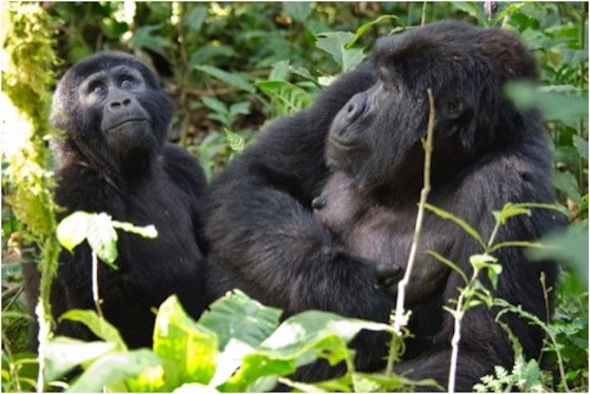
bwindi impentrable forest gorillas
Bwindi Impenetrable Forest, Uganda. Photo: Ian and Kate Bruce, 2013.

The threats to the survival of mountain gorillas, and all of the great apes, are severe and multi-faceted. Habitat loss due to logging and industry, armed conflict, the illegal bushmeat and pet trades, and infectious disease represent significant threats to the populations of chimpanzees, gorillas, and orangutans. Over the past 50 years, approaches to ape conservation have shifted as conservationists understand more and more that survival of ape populations is inextricably linked with the welfare and involvement of the communities that live near chimpanzee, gorilla, and orangutan habitats.

Early approaches in conservation

The pioneering research conducted by Jane Goodall, Dian Fossey, and Birut? Galdikas in the 1960’s-1970’s brought the world’s attention to the fascinating behaviors of the great apes. Their work also brought to light the pressures that threatened the very survival of chimpanzees, gorillas, and orangutans. Conservation approaches at that time were largely focused on preservation of habitat, and the assumption that conservation of apes and their habitat was primarily realized through enforcement. Dian Fossey, in particular, championed methods she called “active conservation,” that were often antagonistic towards communities residing on the fringes of mountain gorilla habitat. This method of conservation focused only on protecting mountain gorilla populations while failing to take into account that poachers, loggers, and encroachers were not motivated by maliciousness, but rather the simple and stark need to provide for themselves and their families.
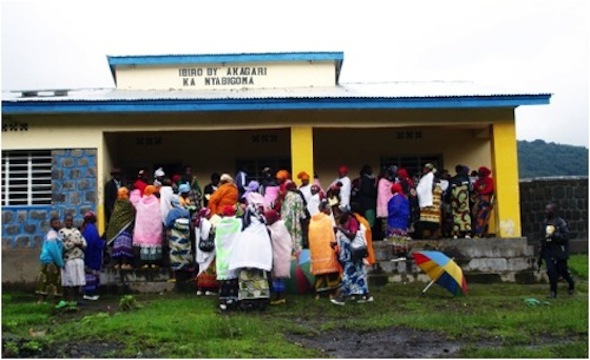
bisate health clinic
Bisate Health Clinic, Musanze, Rwanda. Photo: Gretchen Clymer, 2007.

The shift towards community-involved conservation

Habitat preservation is certainly paramount in working for the survival of the great apes, and this requires legislation to protect habitat as well as enforcement of existing legal protections for ape habitat and poaching bans. However, as approaches in ape conservation have been refined over the last 50 years, conservationists have learned the importance of embracing local communities in conservation, and of the intertwined relationship between human welfare and ape conservation.

Since Dian Fossey’s untimely and tragic death in 1985, the Dian Fossey Gorilla Fund International (DFGFI) and other mountain gorilla conservation groups have taken a different approach to conservation, focusing on including the local community into conservation efforts, through community programs, research, and eco-tourism.

It is estimated that “gorilla tourism may exceed $30 million USD shared between Rwanda, Uganda and the Democratic Republic of Congo (DRC)” (International Gorilla Conservation Program, 2014). Gorilla and other great ape eco-tourism not only brings money directly to conservation efforts by providing funds for anti-poaching patrols and research studies, but also helps to create a link to the local community by establishing a tourism industry, which in turn provides financial security to the area while actively discouraging unsustainable poaching and deforestation practices. Providing social services for population areas where community needs are great and currently unmet is an additional effective strategy to involve the community in conservation efforts. For example, the DFGFI, partnering with other organizations, provides funding for the Bisate Health Clinic, a rural health clinic in Musanze, Rwanda, by helping to promote health, education, and economic growth in an attempt to provide these communities with the opportunities to become more self-sufficient and less dependent on resources gathered from within the boundaries of the park.

Another program, in the Bwindi Impenetrable National Forest of Uganda, is Conservation through Public Health, which has focused on preventing “the spread of disease from wild animals to humans, and vice versa, by improving primary healthcare for people and animals in and around protected areas in Africa” (Whitley Fund for Nature, 2011). The program has sought to engage the local community by enlisting their help with gorilla population surveys and monitoring, as well as devoting efforts to community-led outreach and education. Conservation through Public Health also strengthens eco-tourism programs by improving facilities for this important conservation sector and ensuring that disease from visiting guests is not then spread to vulnerable mountain gorillas.
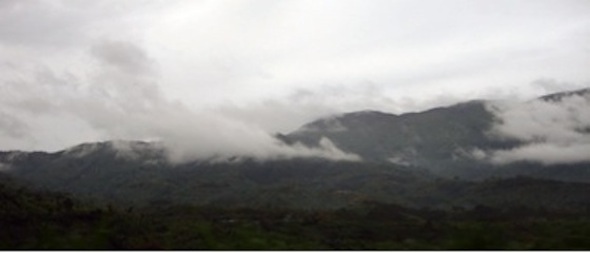
virungas
Virungas Volcanic Range, Rwanda. Photo: Gretchen Clymer, 2007.

Educational programs and support are another important realm in community-involved conservation. Practical education programs on health and sustainability can support local communities and ease resource or ecological pressures on ape habitat resources. Conservation education (from primary through graduate education levels), fosters local pride and involvement in conservation and can be hugely impactful in ongoing conservation efforts for apes. The Dian Fossey Gorilla Fund International is active in nearly every level of educational opportunity in the communities near mountain gorilla habitat – from health education programs in local communities, to conservation education in local schools, up through graduate research training at the Karisoke research center. These efforts not only demonstrate that conservation is beneficial to the local communities, they show respect to communities as key stakeholders in conservation.
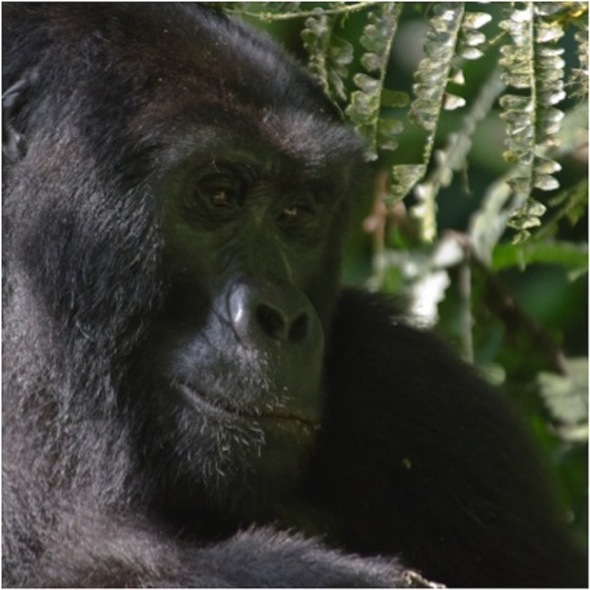
bwindi gorilla
Bwindi Impenetrable Forest. Photo: Ian and Kate Bruce, 2013.

Signs for Hope

In the past decade, it appears community-outreach focused conservational approaches show promising signs of success for the mountain gorillas. A 2010 census of mountain gorillas showed a ~26% increase in their numbers in the Virungas since the prior census in 2003 (Gray et al, 2010). While still critically endangered, an increase in population – particularly with ongoing conflict in the region – is a significant victory for the efforts of conservationists and the local communities.

The close proximity between human populations and endangered great apes is undoubtedly a factor in the threat to ape survival. However, fifty years of conservation efforts have demonstrated the importance of protecting apes with the cooperation and support of the populations that reside in proximity to ape habitat. Providing training and material support in sustainable agriculture helps to mitigate the need to log or hunt in critical ape habitat. Using ape conservation funds to provide basic health services such as clean water and medical clinics makes ape conservation beneficial to both the apes and humans in the area. Lastly, educational outreach can instill a sense of local pride in the majestic gorillas, and will hopefully bring about the next generation of conservationists sharing a common homeland with the apes, who will then strive to increase mountain gorilla populations to sustainable levels.


Works Cited:

International Gorilla Conservation Programme (IGCP). 2014. “Tourism.”

Whitely Fund for Nature, 2011. “Mountain Gorilla Conservation through Public Health, Uganda.”

Gray, M. Fawcett, K., Basabose, A., Cranfield, M., Vigilant, L., Roy, J., Uwingeli, P., Mburanumwe, I., Kagoda, E., Robbins, M. 2010. Virunga Massif Mountain Gorilla Census — 2010 Summary Report.
Filed Under: Advocacy Tagged With: advocacy, animal protection, animal rescue, animal rights, Animal Welfare, Chimpanzee Sanctuary Northwest, conservation, csnw, dian fossey, gorilla, gretchen clymer, primate protection, rescue

Foxie’s Secret Language

May 9, 2014 by J.B.

Some forms of chimp communication are universal. Chimps the world over food grunt, make play faces, and pant-hoot. While there are variations to all of these behaviors based on culture and geography, they are all part of a common chimp language.
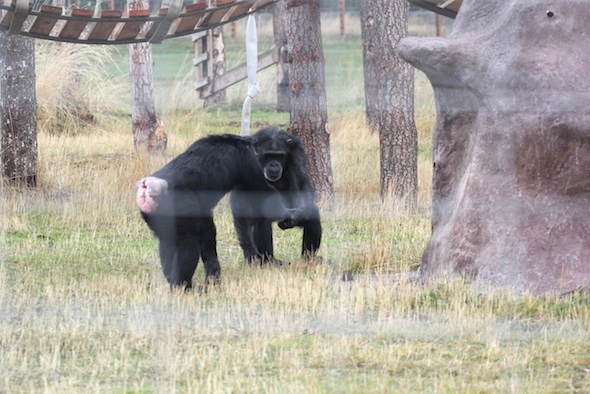
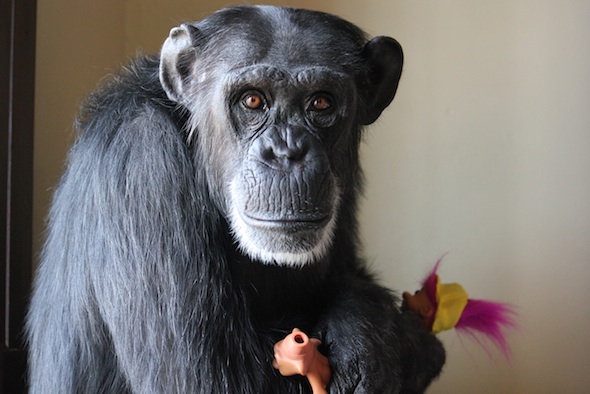
But chimps also develop communicative behaviors all their own. My favorite example is Foxie. When Foxie adopted her first troll doll, she was extremely protective of it and became visibly upset when “Trixie,” as we named her, wound up in the hands of someone else. But over time, she began to trust us with her dolls, and at that point she actually started to use her troll dolls as a way to signify that it was time to socialize with her. While I really have no idea what is going on in Foxie’s mind, I like to think of it like this: She knows that we would never take her doll away from her, so when she hands one to us, she knows we have to stick around. You have my troll, so until I ask for it back, you’re all mine. At least that’s my guess as to how it started. Now we don’t even question it – it’s just how things work around here.

web Foxie pass troll through caging outdoor area DSC_1057

When we come to work in the morning, Foxie passes us a troll to say hello and starts to do her playful acrobatics. And when we are locking up for the night, she often drops a troll on our heads from the loft, as a way of saying: Just five more minutes, then you can go. When she’s done with us, she asks for it back and she goes on with her day.

And it’s not just humans on the receiving end. When Foxie wants to play with Jamie, she will run up, stomp her feet, and hand a troll directly to her.

web 2 Foxie Jamie troll doll cute yh IMG_9990

Jamie knows that this is an invitation to a playful game of keep-away. Some of the best play bouts between Foxie and Jamie, like this one from earlier in the week, involve a troll doll (you’ll see that Jamie has it tucked into her pelvic pocket).

But sometimes Foxie goes from playful to genuinely concerned about her doll, and at that point Jamie knows to give it back immediately. No one likes to see Foxie upset.

web jamie foxie green troll exchange treat rock yh IMG_9444

Who knew that a weird fad toy from the 60’s (sorry, Foxie) would become such an important part of a chimpanzee’s life?

web Foxie trolls portrait front room 4 FRs IMG_6782

Filed Under: Chimpanzee Behavior, Dolls, Enrichment, Foxie, Jamie, Sanctuary Tagged With: chimpanzee, communication, doll, Foxie, northwest, rescue, Sanctuary, troll

A Mouthful

April 25, 2014 by J.B.

We served breakfast in the greenhouse this morning, but afterwards the chimps enjoyed a chow forage on the hill. As soon as we opened the door, they raced up the hill in search of treats.

web_Chimps_forage_YH_jb_IMG_8935

web_Forage_Jody_chow_foxie_YH_jb_IMG_8942

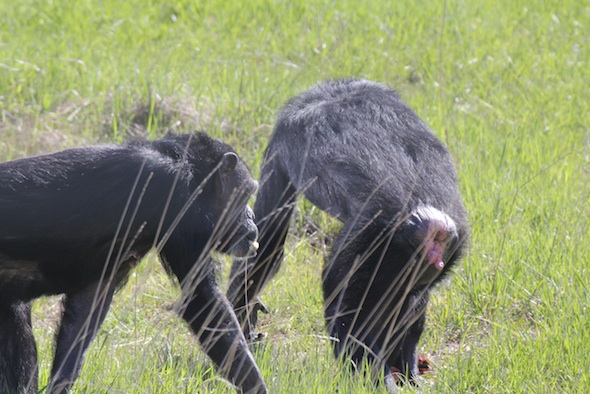
The trick to a chow forage, if you’re a chimp, is to collect the pieces in your mouth as you go so that you can gather as much as possible and enjoy them all at once.

Foxie:

web_Foxie_mouthful_YH_jb_IMG_8937

Burrito:

web_Burrito_mouthful_YH_jb_IMG_8950

Annie:

web_Annie_mouthful_YH_jb_IMG_9006

Sometimes you have to do some delicate rearranging to make room.

Missy:

web_Missy_mouthful_YH_bamboo_jb_IMG_8975

web_Missy_mouthful_2_YH_jb_IMG_8985

Brute force works too…

Jamie:

web_Jamie_stuff_mouth_bridge_YH_jb_IMG_9016

web_Jamie_mouthful_YH_jb_IMG_9029

But some things will always be more important than chow.

Foxie and Dora:

web_Foxie_dora_in_mouth_YH_jb_IMG_8958

Filed Under: Annie, Burrito, Dolls, Food, Foxie, Jamie, Missy, Young's Hill Tagged With: chimpanzee, chow, dolls, dora the explorer, Food, forage, northwest, rescue, Sanctuary

Photographing the elusive Foxie

April 19, 2014 by Diana

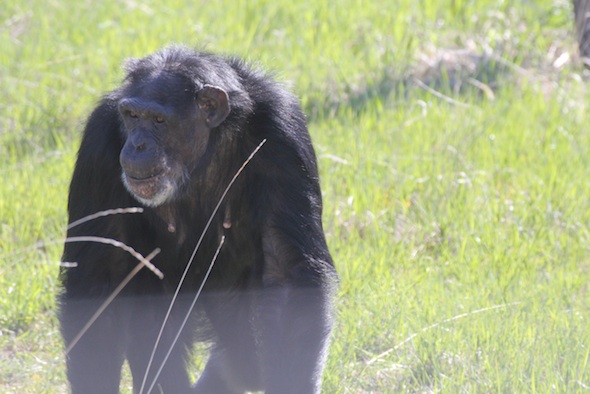
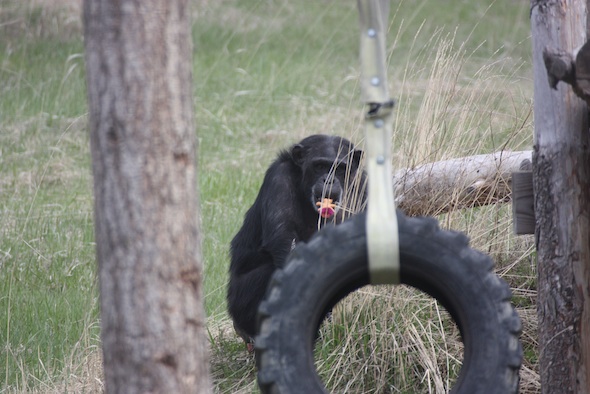
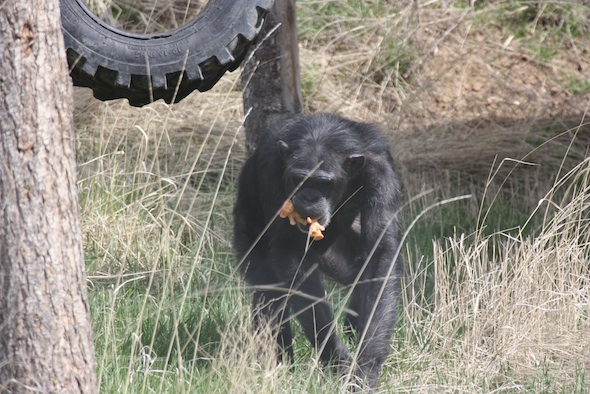
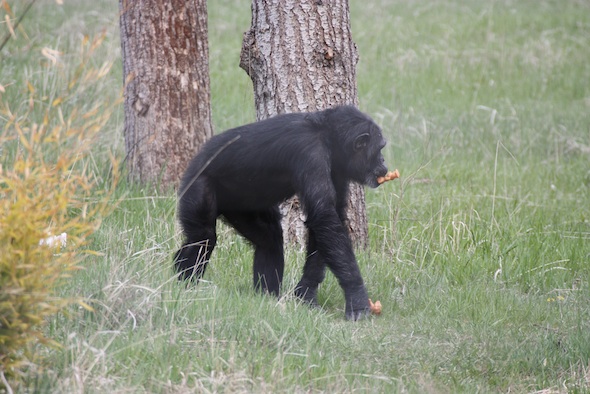
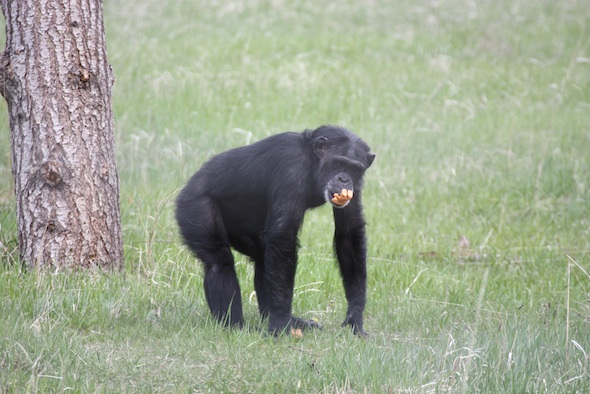
One super cool and unique auction item we have for Hoot! is the opportunity to photograph the chimpanzees with a lesson from professional photographers Karen Ducey and Dean Rutz, using long telephoto lenses and other professional-grade equipment! This is one of those once-in-a-lifetime opportunities!

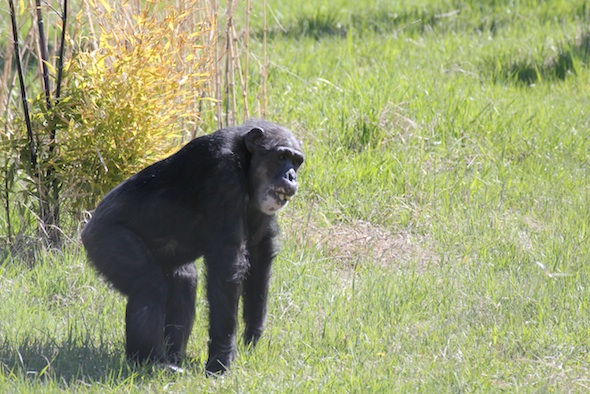
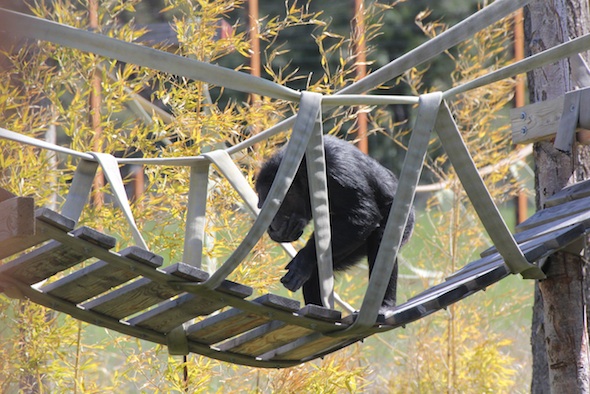
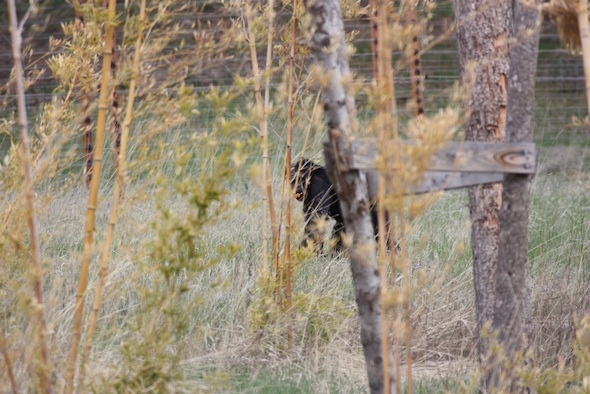
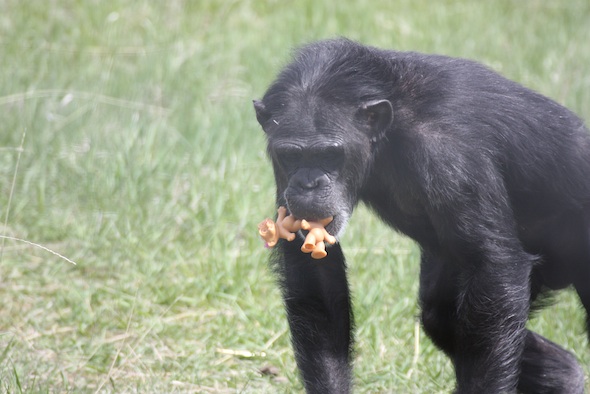
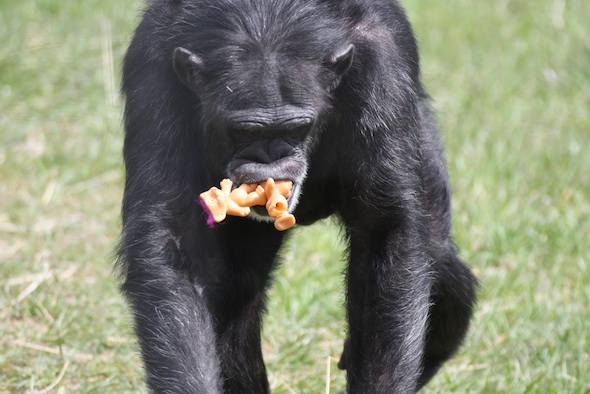
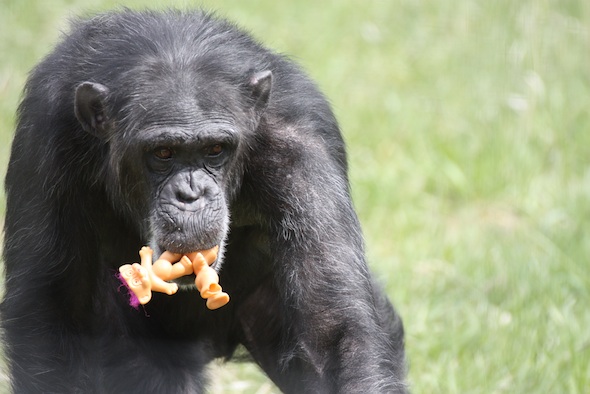
Maybe the winner will be able to catch some photos like these of the first elusive, then charming Foxie with her troll dolls on Young’s Hill:

Foxie behind bamboo

Foxie behind tire

Foxie trolls in mouth

foxie walk with trolls

Foxie stand with trolls in mouth

Foxie trolls in mouth 2

Foxie trolls in mouth 3

close up Foxie with trolls in mouth


Filed Under: Dolls, Enrichment, Foxie, Sanctuary, Trolls, Young's Hill Tagged With: chimp, chimpanzee, csnw, dolls, northwest, photo, photography, rescue, Sanctuary, troll, troll doll, young's hill

When the wind blows

April 11, 2014 by J.B.

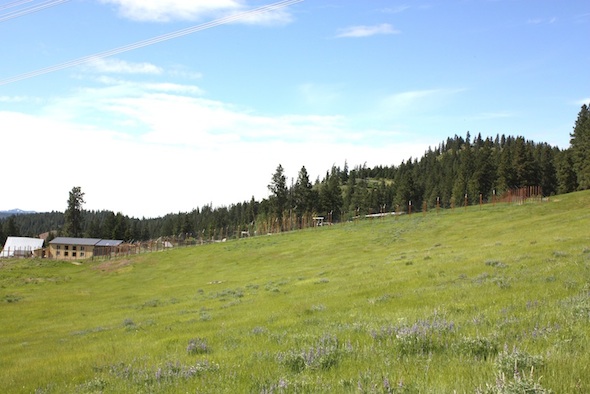
The chimps at Chimpanzee Sanctuary Northwest have over 85,000 square feet of living space. Most of it is outdoors, on a hillside overlooking Cle Elum and the Yakima River.

web_Entire facility from the south IMG_4208

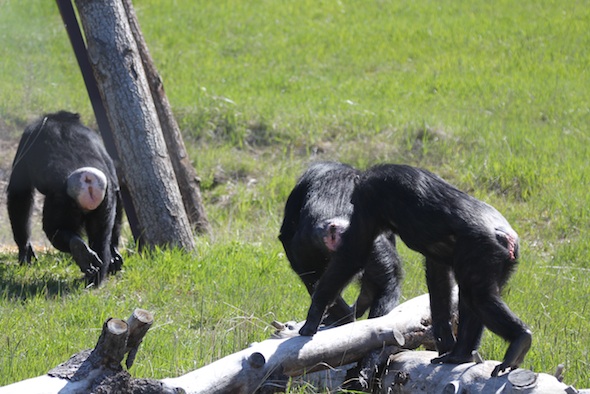
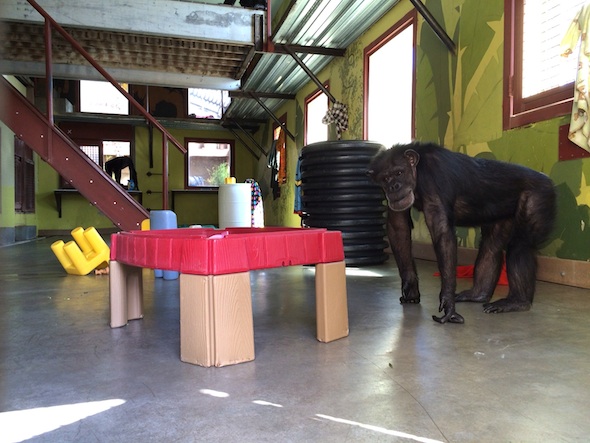
But the chimps don’t want to be outside all the time – like today, for example. It’s warm outside and the sun is shining, but the wind will almost knock you off your feet. So they have choices. Sometimes they hang out in the playroom.

web_Annie_PR_barn_doors_jb

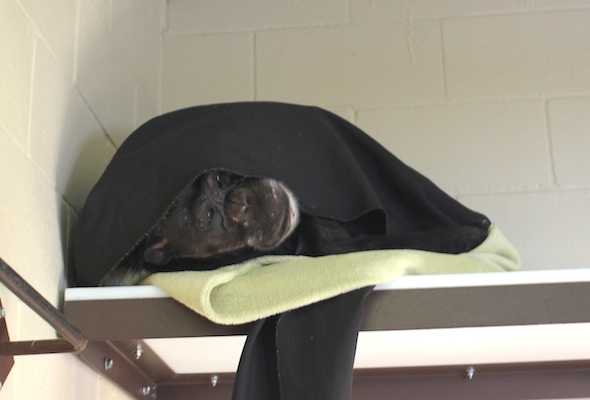
Other times they seek out some privacy in one of the four smaller “front rooms.”

web Negra nest under blanket bench FR 3 MG_9082

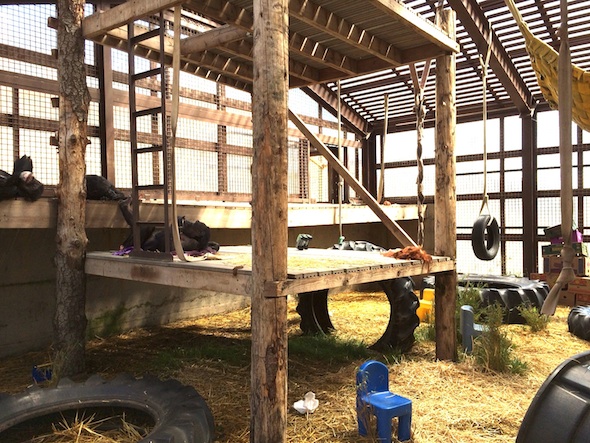
But the best spot on a day like today seems to be the greenhouse – all the sun and warmth but without the wind.

web_GH_2_jb

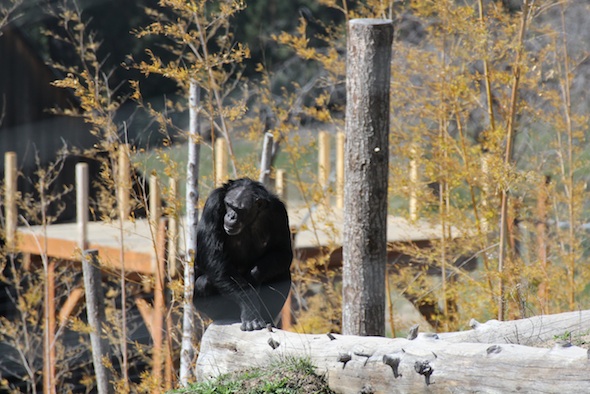
Of course, nothing short of a hurricane could stop Jamie from her walks around the hill.

web_Jamie_sit_on_log_YH_jb_IMG_8450

web_Jamie_stand_on_log_YH_jb_IMG_8458

Filed Under: Jamie, Sanctuary, Young's Hill Tagged With: chimpanzee, enclosures, northwest, rescue, Sanctuary, square footage

Nature without nuture

March 21, 2014 by J.B.

Burrito is a male chimpanzee.

web Burrito sit on beam YH structure IMG_3398

You may not be all that familiar with chimpanzees, but if you’ve ever known a male human being, you’ve pretty much got Burrito figured out. Because if there’s one thing us guys share above all else, it’s that we are compelled by forces beyond our control to do stupid things.

I like to think that each male chimp has a little devil on his shoulder that whispers bad advice into his ear all day long:

Hey – since everyone’s asleep right now, wouldn’t this be the perfect time to throw this barrel across the room and make a lot of noise?

Pssst…you know what really impresses girls? When you hit them on the back of the head.

I bet the caregiver will give you extra food if you spit a little of it back in her face.

web_crop_Burrito_pant_hoot_face_pilo_display_PR_ek_IMG_6384

Don’t get me wrong…the little devil is not all bad. Chimpanzee society is organized into a dominance hierarchy, and you need the little devil to help you stake out your place. But the trick is to keep him under control. Over time, most male chimps learn that they can ignore him once and a while, or at least limit his influence. When they are young and they act inappropriately, they get reprimanded by their mothers or put in their place by the adults in the group. And at the same time, they learn to model their behavior after the adult males in their community so that they can harness all of that testosterone effectively. But what happens when you are raised without a mother or without any other chimpanzees at all?

When Burrito first came to the sanctuary, he seemed genuinely surprised when the girls got mad at him. He would fly around the room like a Tasmanian devil during his displays and when they began to react, he would push it even farther until they all ganged up on him. Afterwards, he would lay by himself and nurse his wounds, with a pathetic Why me? look on his face, as if he had been minding his own business when the girls just spontaneously attacked him.

web crop burrito facial expression fear excitement yh IMG_3609

There are all sorts of subtle interactions between chimps that keep their society running smoothly. For example, when a subordinate chimp submits to a dominant chimp, the dominant chimp accepts this submission by extending a hand to be kissed, or reaching his arm around them for reciprocal grooming. But Burrito never learned how to be a chimp and these social situations seem to make him nervous, so he has developed an alternative strategy: close your eyes and pretend nothing is happening. Not surprisingly, this doesn’t work very well.

web Burrito_sit_eyes_closed_climbing_structure_gh_dg_IMG_4556

In a way, Burrito is like a kid that never grew up, and adult behavior just doesn’t make sense to him. He knows that he wants to be dominant – that it’s his rightful place to be dominant – but he can’t quite figure out how to make it happen. So he has been stuck in limbo. Strong enough to be feared, but not wise enough to be respected.

Every once and a while, you get a little glimpse of that male chimp swagger, and you start to think that he may just figure this whole alpha thing out after all.

web_ed for auction poster burrito pilo youngs hill IMG_9683

But I wouldn’t hold my breath…

web_burrito_toy_in_mouth

Filed Under: Burrito, Chimpanzee Behavior, Sanctuary Tagged With: behavior, Burrito, chimpanzee, dominance, male, northwest, rescue, Sanctuary

Is successful reintroduction possible?

March 18, 2014 by Debbie

In her previous post, Dr. Gwendy Reyes-Illg introduced us to her work with the story of Margot. Here she talks about reintroductions from Afican sanctuaries back into the wild, and some information on how we can help. The sad reality is that many of these chimpanzees simply cannot be reintroduced to the wild because they have suffered too much trauma. No captive chimpanzee in the US has been successfully integrated into African forests—it is nothing like what they are used to. The same can be said for any chimpanzee who begins life in captivity, even if they live in Africa.

—

Have you witnessed apes experience successful reintroduction and rehabilitation?

Each chimpanzee is a unique individual, and their responses to trauma vary widely. Chimpanzees who were only in captivity for a short while before they were rescued are very different from those who were subjected to years of life as a “pet.” The former seem to have an easier time integrating with the other chimpanzees once in a sanctuary, while the latter are sometimes abnormally bonded to humans and may have a harder time finding their place in the group. Despite their gradual psychological recovery, they may still exhibit stereotypical behaviors, such as rocking or over-grooming.

Sanctuary life is much better than being in the hands of poachers or “owners.” Solitary confinement, the norm for most illegally-held primates, is one of the most miserable situations in which a social animal can find herself. In sanctuaries, primates have others of their own kind with whom to bond and interact. They are given a variety of healthy foods and fresh water. Oftentimes, they also form close relationships with caring staff members.

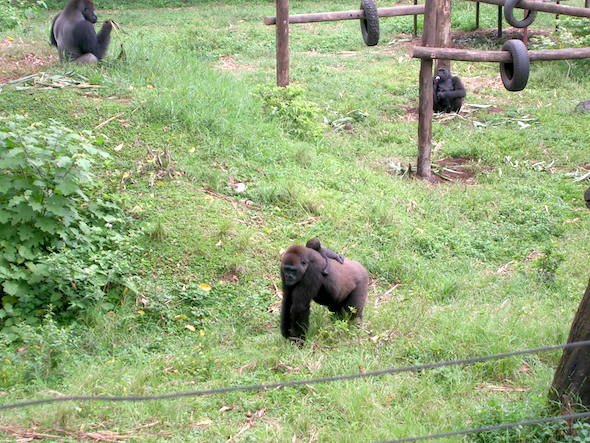
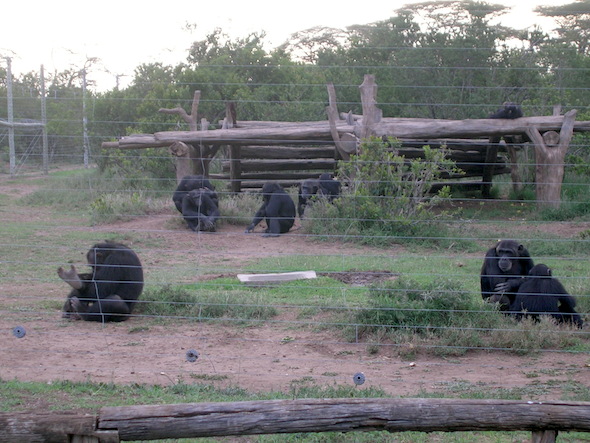
The sanctuaries I have volunteered for and visited in Africa differ greatly in the conditions in which the apes live. Some sanctuaries provide large tracts of forest where the apes can explore, play, build nests, etc. They are rarely seen during the day, coming near the cages only for feeding time. Other sanctuaries are much smaller, and caregivers must enrich the smaller area they have available to keep the primates stimulated and prevent boredom. Because most African sanctuaries rely on solar power for their electric fences, the apes must come inside at night so they will not escape when the power to the fence gets too low. Aggression can be a problem, especially in close inside quarters.

I have always been enamored with the idea of reintroducing chimpanzees to the wild. In theory, it seems to be one way to right all the wrongs our species has inflicted on these creatures. Reintroduction is liberation, emancipation. Unfortunately, the reality of chimpanzee reintroduction is much more muddled, both logistically and ethically.

The African sanctuaries I have worked closely with are still struggling to find a suitable release site—an area where reintroduced chimpanzees could find the resources they need to survive, without being killed by hunters, or by a well-established group of wild chimpanzees. This is a common challenge for sanctuaries hoping to reintroduce apes to the wild. In addition, apes who have been in captivity for any length of time may harbor infectious diseases that could endanger wild populations.

The actual “release” is just the beginning—not the end—of a life-long commitment to the animals: reintroduced apes must be fitted with tracking devices and constantly monitored for the rest of their lives. This is because they are inevitably habituated to people and areas uninhabited by people are almost impossible to find; to prevent human-ape conflict, crop-raiding, etc., releasers must ensure the reintroduced animals are not moving toward villages or farmland.

A fairly high percentage of chimpanzees die shortly after they are released, even with all the measures in place to prevent this. And after many years in a sanctuary environment, reintroduction may be a stress- and distress-causing event, at least initially, for the individuals involved. Finally, the financial costs of reintroduction project can be very high, and some might argue that limited resources would be better spent on individuals remaining in sanctuaries and on efforts to protect animals still in the wild, for example, by protecting forests or educating people.

Still, reintroduction may be the right option in certain situations. Successfully released apes have many options and freedoms not available to those in sanctuaries. They can roam where they choose, and are free to spend time with individuals they prefer and avoid those they don’t get along with. They do not have to depend on people for food, water, and other necessities. Chimpanzees reintroduced to the wild avoid the sometimes unpleasant husbandry and medical procedures that are an almost universal part of sanctuary chimpanzee life.

Another freedom that comes with reintroduction is the freedom to reproduce and raise offspring. Contraception is used in most sanctuaries because they do not wish to subject more animals to a life of captivity; in addition, every “vacancy” occupied by captive-born animal is not available for one who needs to be rescued. Once in the wild, reproduction not only enriches the lives of the mother and other group members, it also pulls the species a little further away from extinction in the wild—predicted by some to occur for chimpanzees in as little 15 years.

Finally, because reintroduction projects capture the hearts and imagination of many people, they can help draw attention of the plight of apes in general. Local people living in a proposed reintroduction site are “sensitized” to the idea of protecting the apes being released and this may have a ripple effect that gradually helps foster positive attitudes in the larger population.

What can we do to help?

Limited resources are one of the biggest challenges for sanctuaries, especially those in developing countries. People who want to help can donate equipment, supplies, time or money to help meet sanctuaries’ daily needs and help expand education and outreach programs. Many sanctuaries accept volunteers for extended periods, even individuals who have never worked with primates before. Since my work has a veterinary focus, I approach distributors, manufacturers, and practitioners in the hopes that they will donate medications, equipment (such as anesthesia monitors, ultrasound machines, and fracture repair instruments), and medical supplies to bring to the sanctuaries where I work.

In addition, it is important to examine how we might unintentionally be contributing to the tragedy of orphaned chimpanzees. When considering buying wood products, it may be worth looking into the source; logging companies seeking wood for Western markets contribute to the problem both by cutting roads into remote, formerly inaccessible areas of forest and by transporting illegal bushmeat out of the forest. In addition, they sometimes do not provide enough food to their workers, leading some individuals to resort to hunting primates and other wild species.

Finally, taking action on issues that harm primates in the U.S., such as medical research and use in the entertainment and pet industries, has a ripple effect for chimpanzees, gorillas and other primates still in their native regions. These campaigns always need supporters and even people with limited time to contribute can help raise the profile and the moral status of primates in our society.

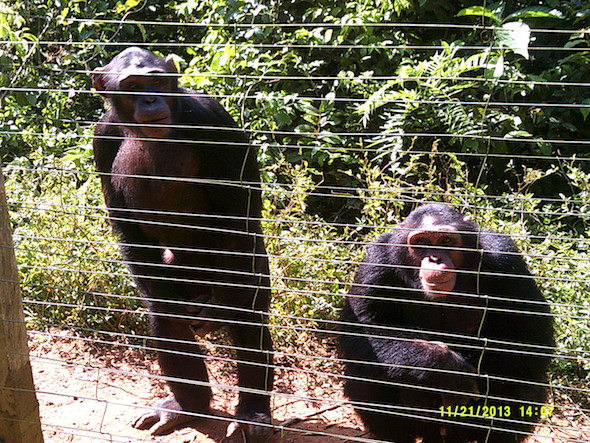
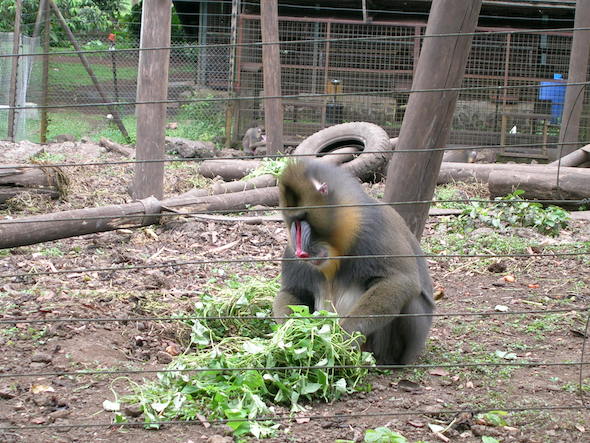
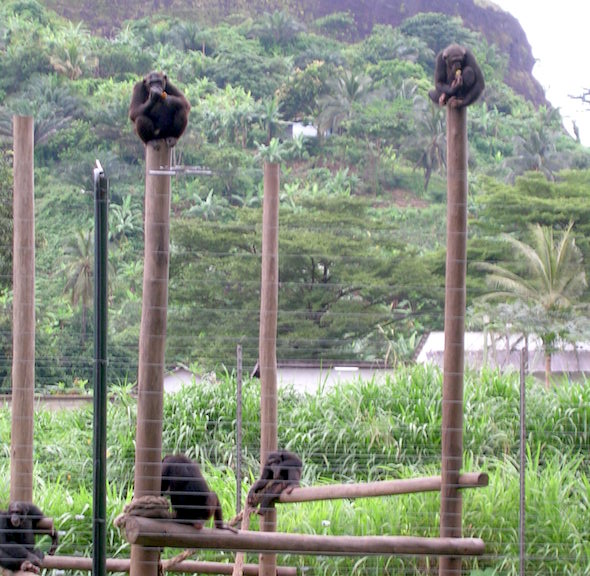
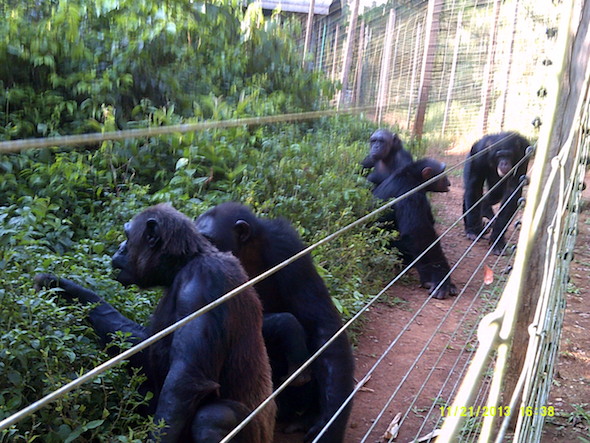
These pictures were taken at three of the sanctuaries Gwendy has worked for: Limbe Wildlife Centre (in Cameroon), In Defense of Animals—Africa’s Sanaga-Yong Chimpanzee Rescue Center (in Cameroon), and the Jane Goodall Institute South Africa (Chimp Eden).

gorillas in africa sanctuary

chimps in africa sanctuary4

chimps in africa sanctuary3

mandrill in africa sanctuary

Filed Under: Advocacy, Free-living chimps, Sanctuary Tagged With: advocacy, animal protection, animal rescue, animal rights, Animal Welfare, chimp sanctuary, Chimpanzee Sanctuary Northwest, Gwendy Reyes-Illg, primate protection, primate rescue, rescue, Sanctuary

  • « Go to Previous Page
  • Page 1
  • Interim pages omitted …
  • Page 98
  • Page 99
  • Page 100
  • Page 101
  • Page 102
  • Interim pages omitted …
  • Page 159
  • Go to Next Page »

Primary Sidebar

Subscribe To the Blog and Get Notified of New Posts First!

Archives

Calendar of Blog Posts

June 2026
S M T W T F S
 123456
78910111213
14151617181920
21222324252627
282930  
« May    

Categories

SUBSCRIBE TO OUR NEWSLETTER

Footer

PO Box 952
Cle Elum, WA 98922
[email protected]
509-699-0728
501c3 registered charity
EIN: 68-0552915

Official DDAF Grantee

Menu

  • The Chimpanzees
  • Blog
  • About Us
  • You can help
  • Resources
  • Contact
  • Donate

Proud Member of

Connect With Us

Search

Copyright © 2026 Chimpanzee Sanctuary Northwest. All Rights Reserved. Site by Vegan Web Design