• Skip to main content
  • Skip to primary sidebar
  • Skip to footer

Chimpanzee Sanctuary Northwest

Hope. Love. Home. Sanctuary

  • Our Family
    • The Chimpanzees
    • The Cattle
  • Blog
  • About Us
    • Visiting the Sanctuary
    • Philosophy
      • FAQs
      • Mission, Vision & Goals
      • Privacy Policy
    • The Humans
      • Staff
      • Board of Directors
      • Founder
    • Annual Reports
    • The Future of CSNW
    • CSNW In The News
  • You can help
    • Donate
      • Become a Chimpanzee Pal
      • Sponsor A Day
      • Transfer Stock
      • Be A Produce Patron
      • Be a Bovine Buddy
      • Give from your IRA
      • Personalized Stones
      • Bring Them Home Campaign
    • Leave A Legacy
    • Employment Opportunities
    • Volunteer
    • See Our Wish List
    • Events
  • Resources
    • About Chimpanzees
    • Enrichment Database
    • Advocacy
      • Advocacy Action Center
      • Apes in Entertainment
        • Trainers
        • Role of the AHA
        • Greeting Cards
      • Chimpanzees as Pets
      • Roadside Zoos
      • Chimpanzees in Biomedical Research
      • Conservation
        • African Apes
        • Orangutans
  • Shop
    • Merchandise Store
  • Contact
  • DONATE NOW

echocardiogram

A Trip to the Clinic for Willy B

July 24, 2023 by J.B.

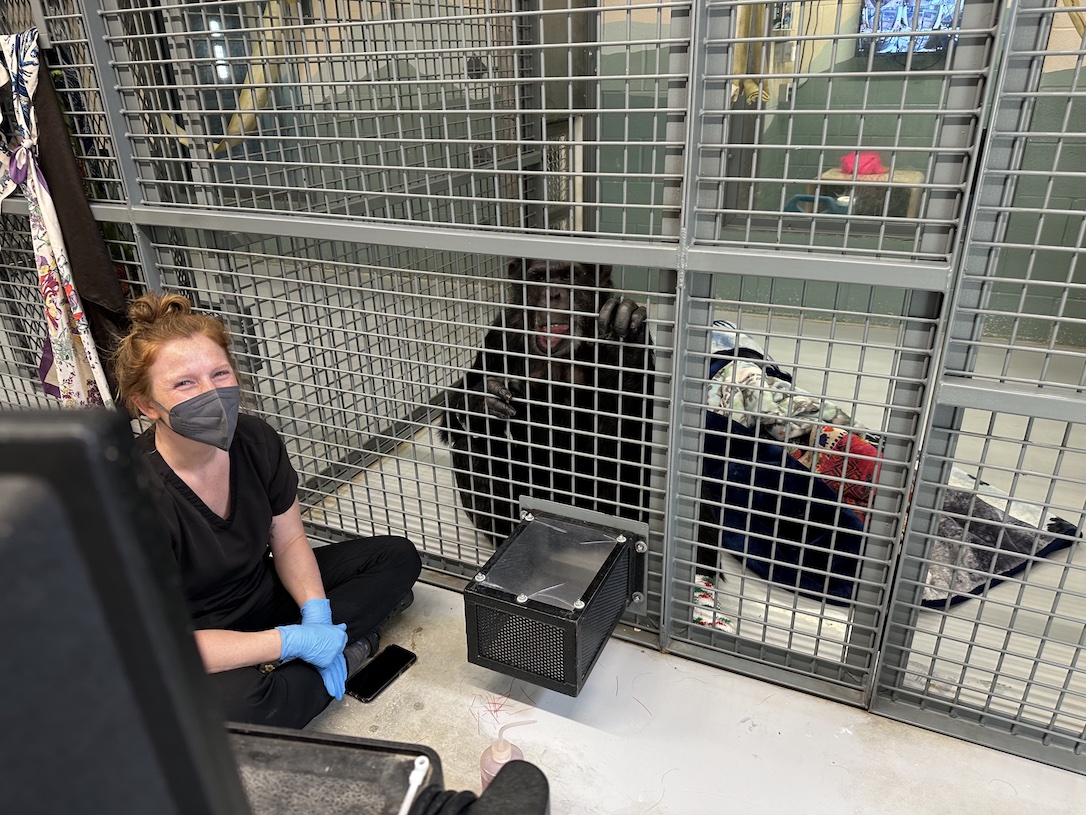
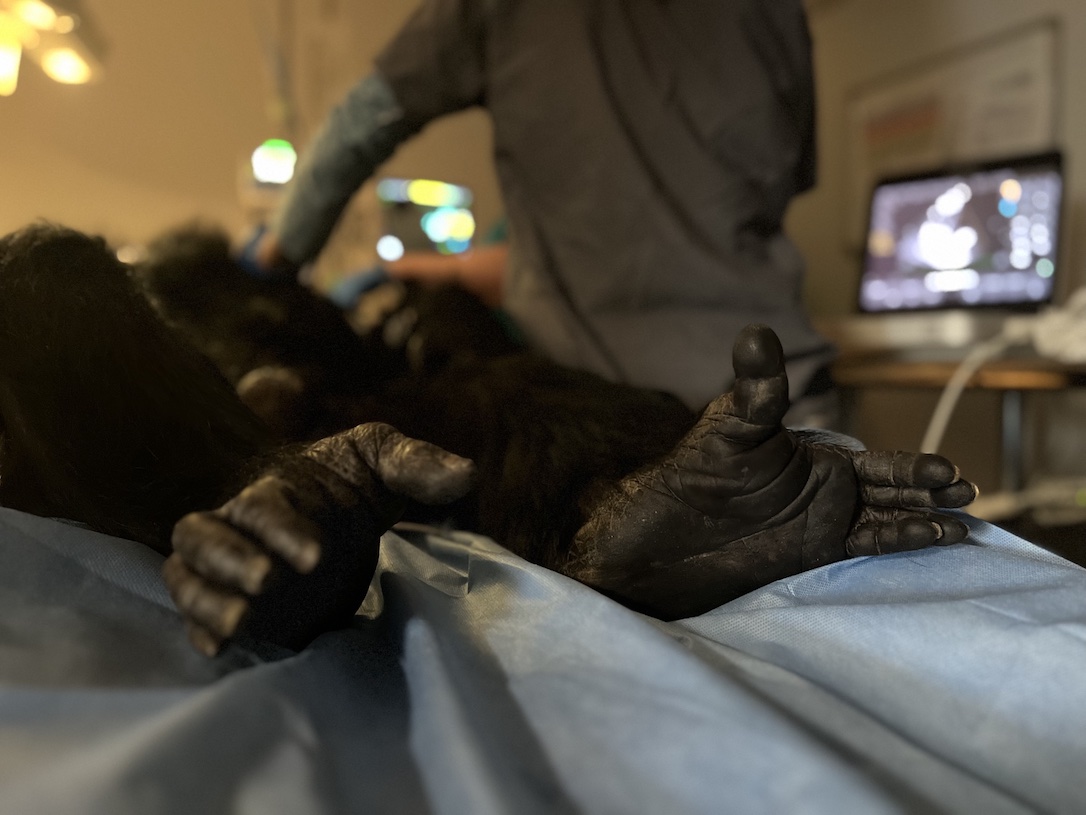
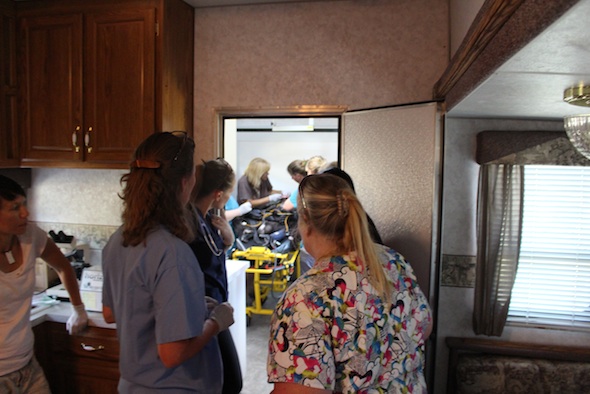
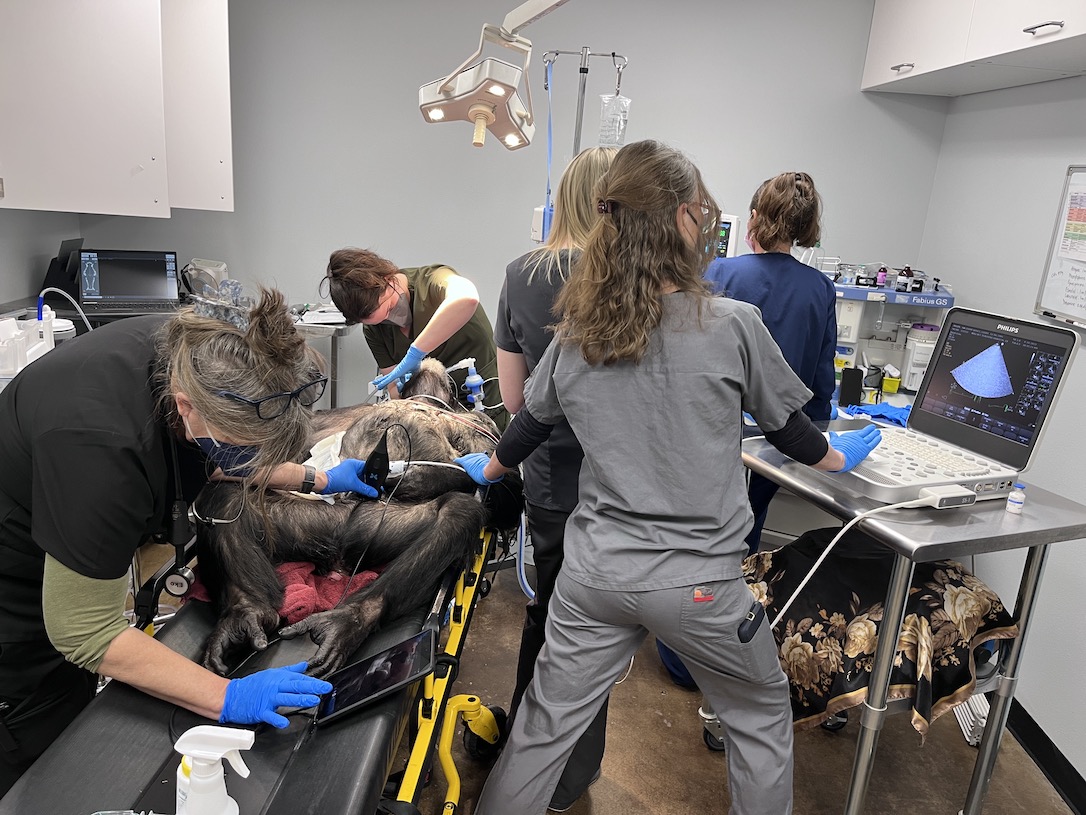
Willy B took a trip to the clinic this morning. The main purpose of the procedure was to investigate some swelling in his scrotum. As usual, Dr. Erin assembled a great crew to ensure that Willy would have the best care possible.

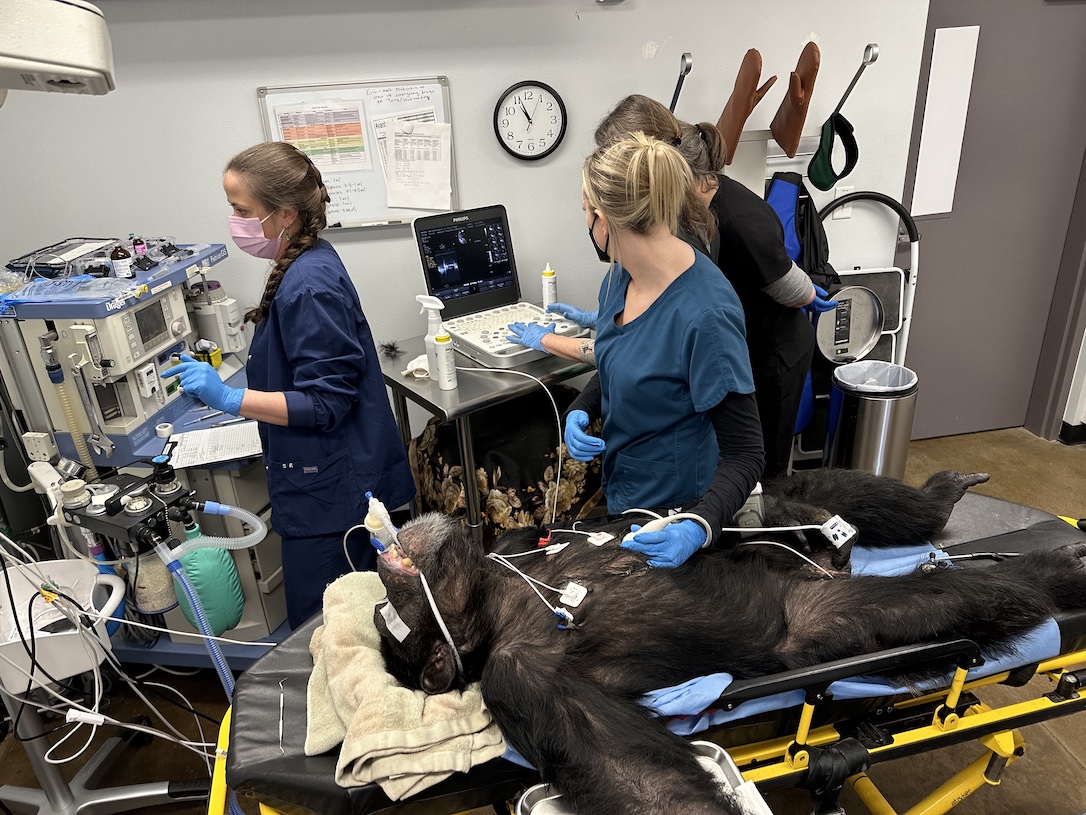
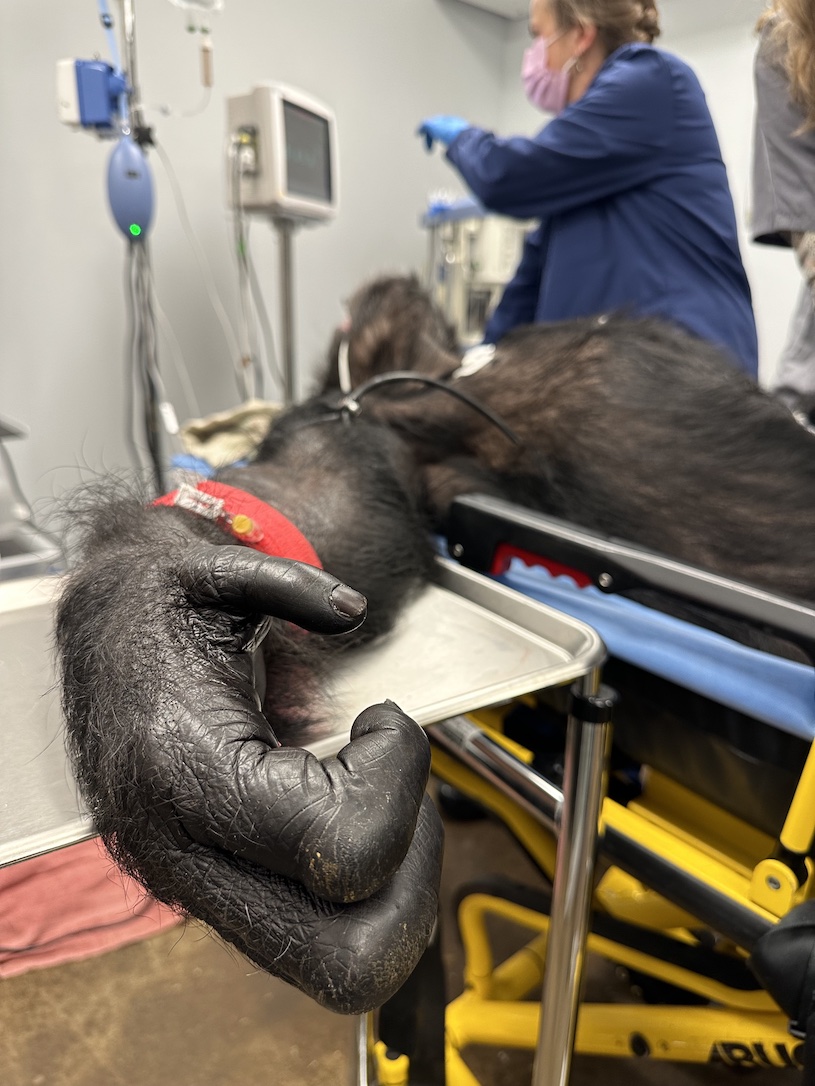
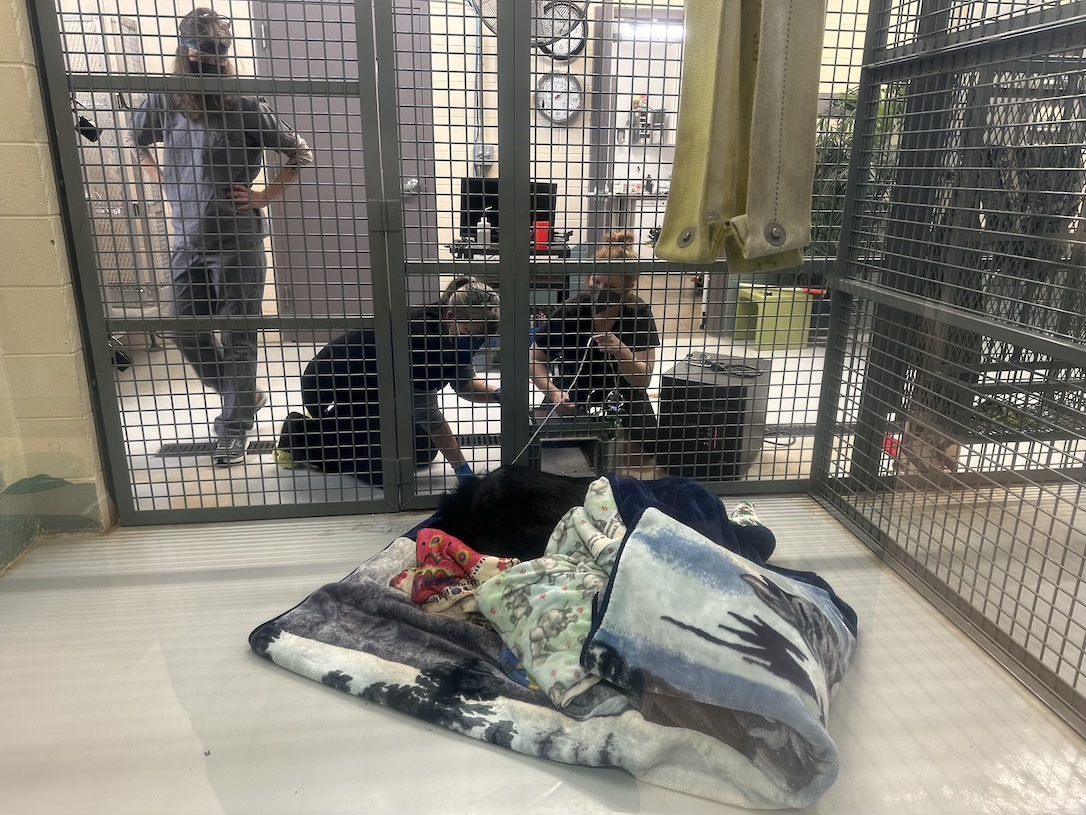
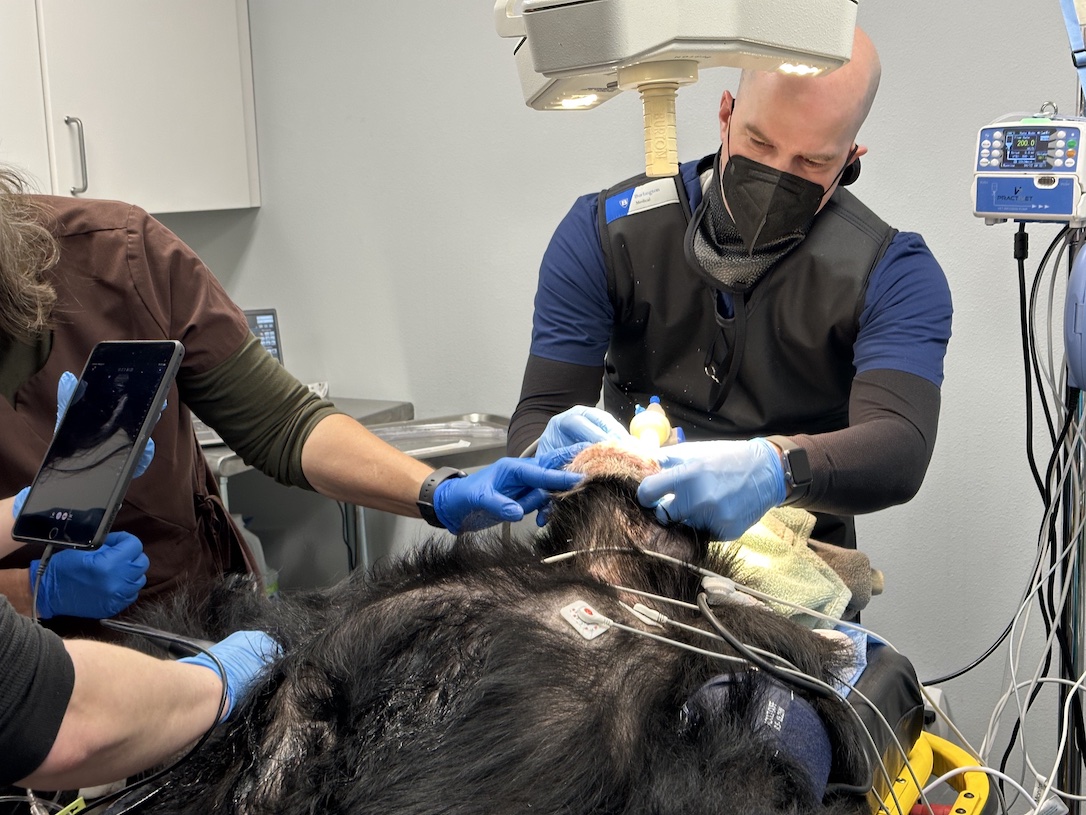
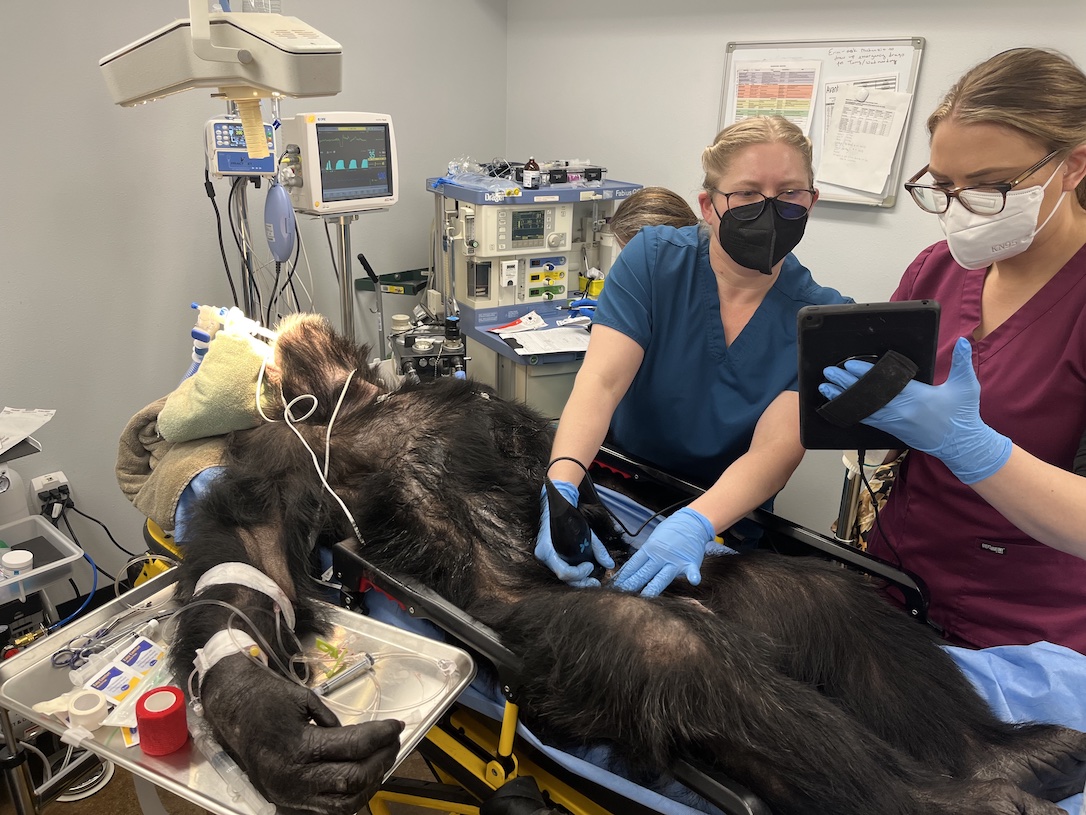
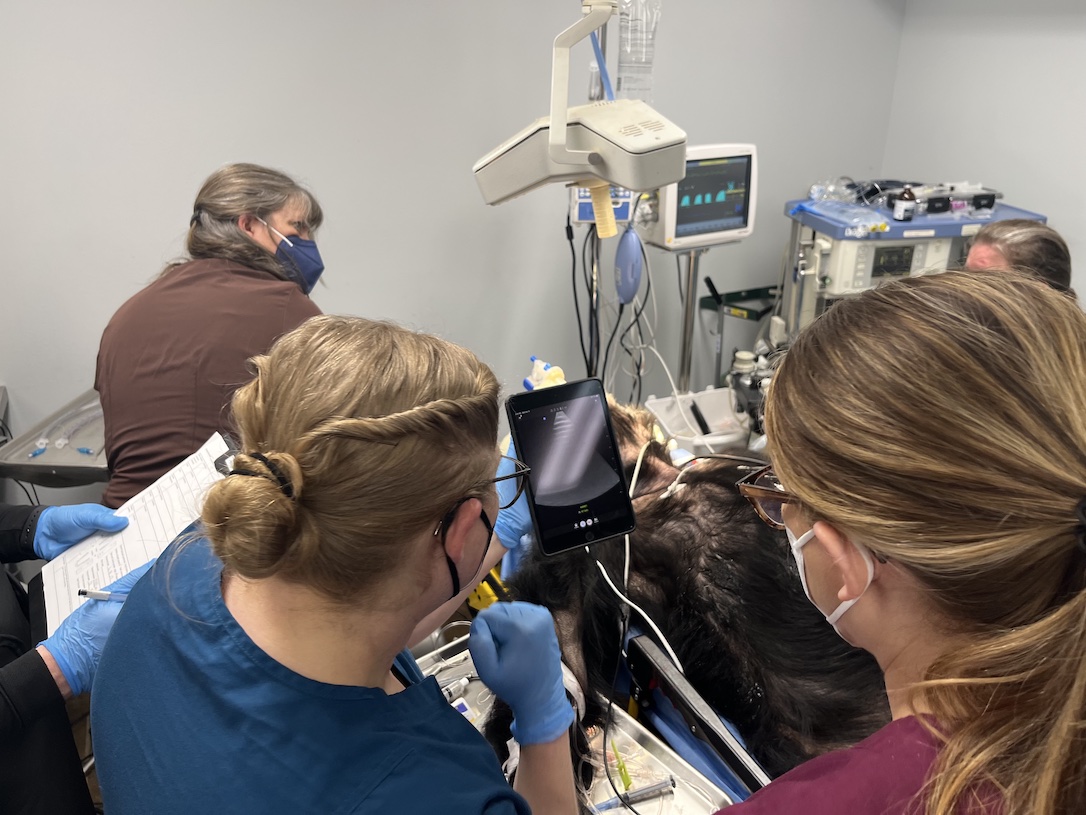
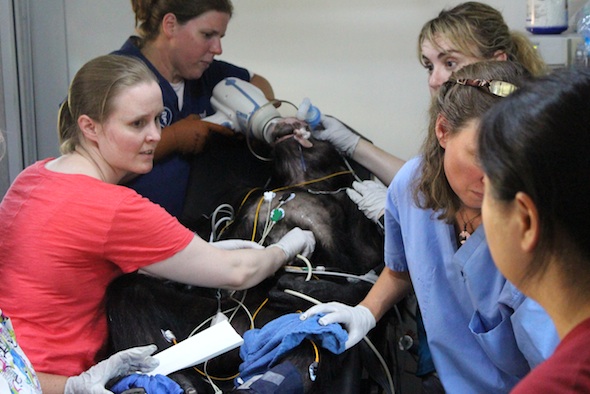
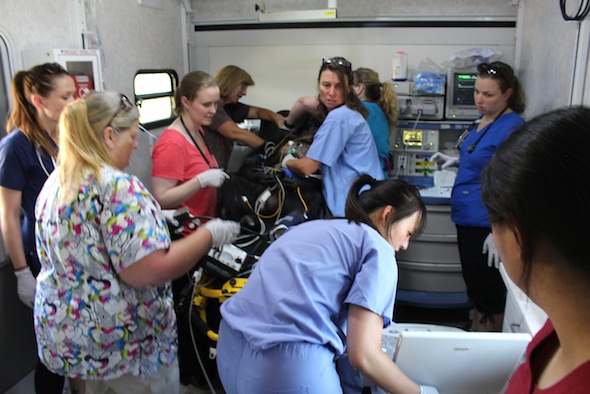
Dan Low, MD and Leah Bezzo, CRNA, both with Seattle Children’s Hospital, kept Willy safely under anesthesia. Tom Lendvay, MD, a urologist with Seattle Children’s, performed the initial evaluation with ultrasound assistance from Korey Krause, RDMS.
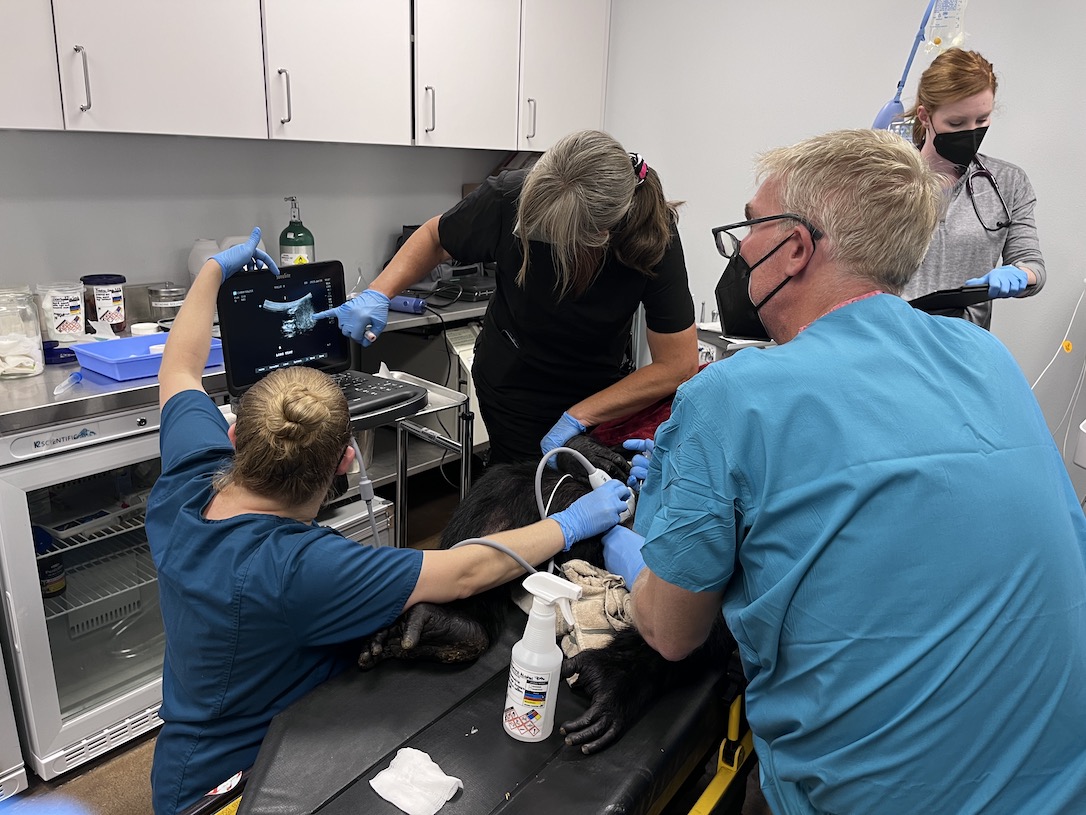
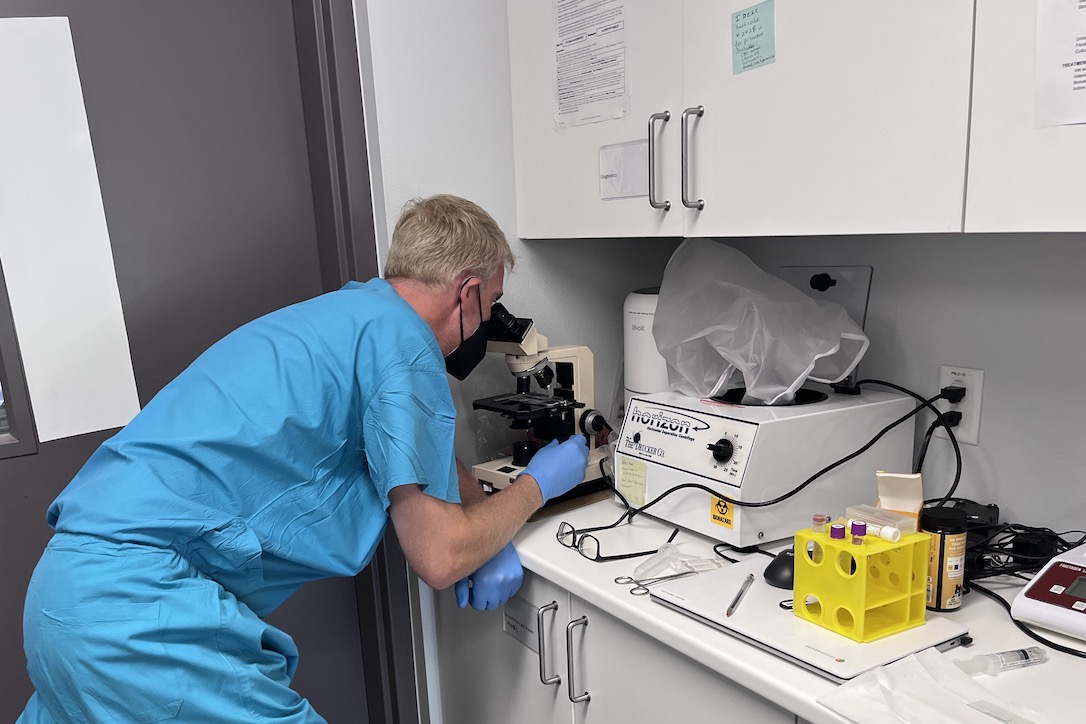
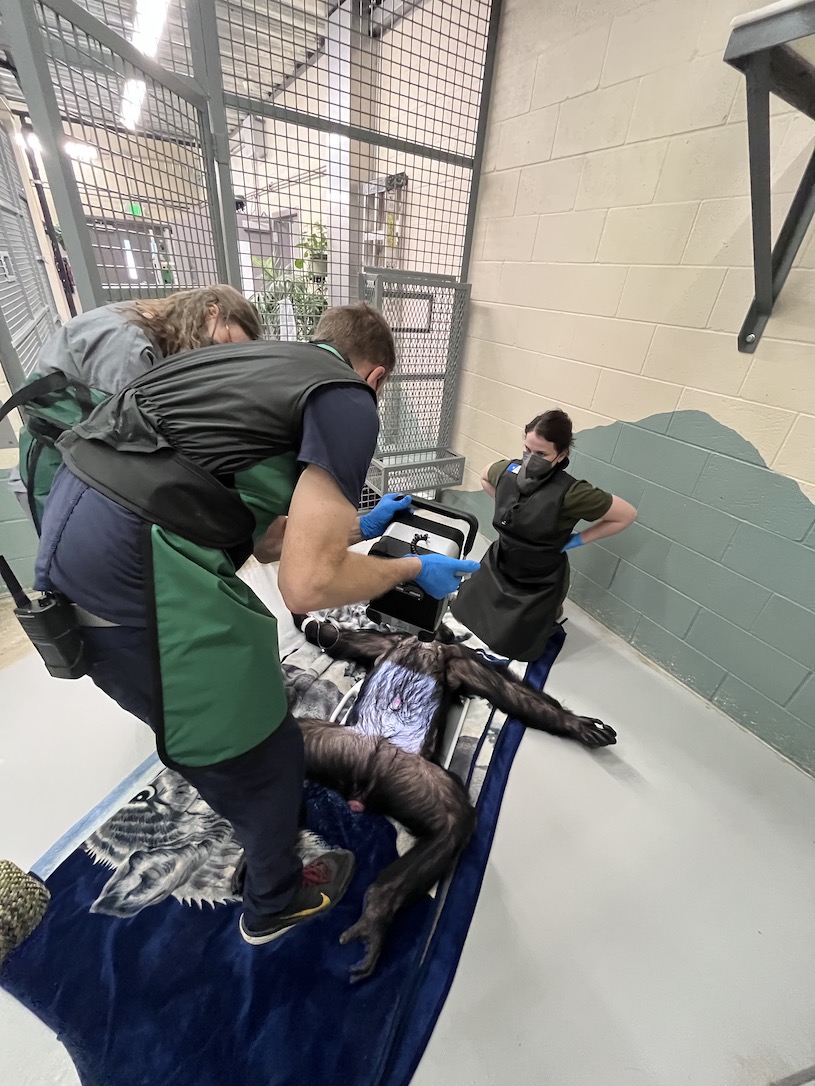
Willy also had a full cardiac workup, including chest radiographs and an echocardiogram by Marneye Driesen, RDCS, since some forms of heart disease can cause fluid to begin backing up in cavities such as the scrotum.
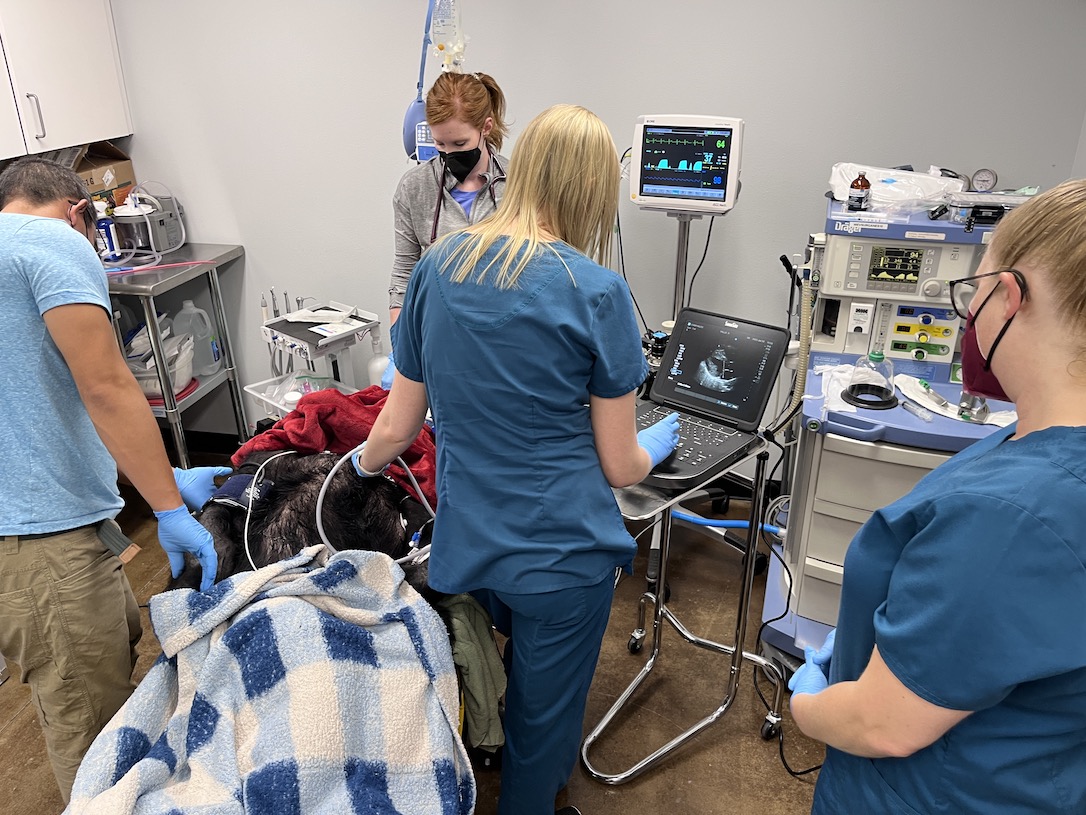
While he was under, Willy was also given a complete abdominal ultrasound.
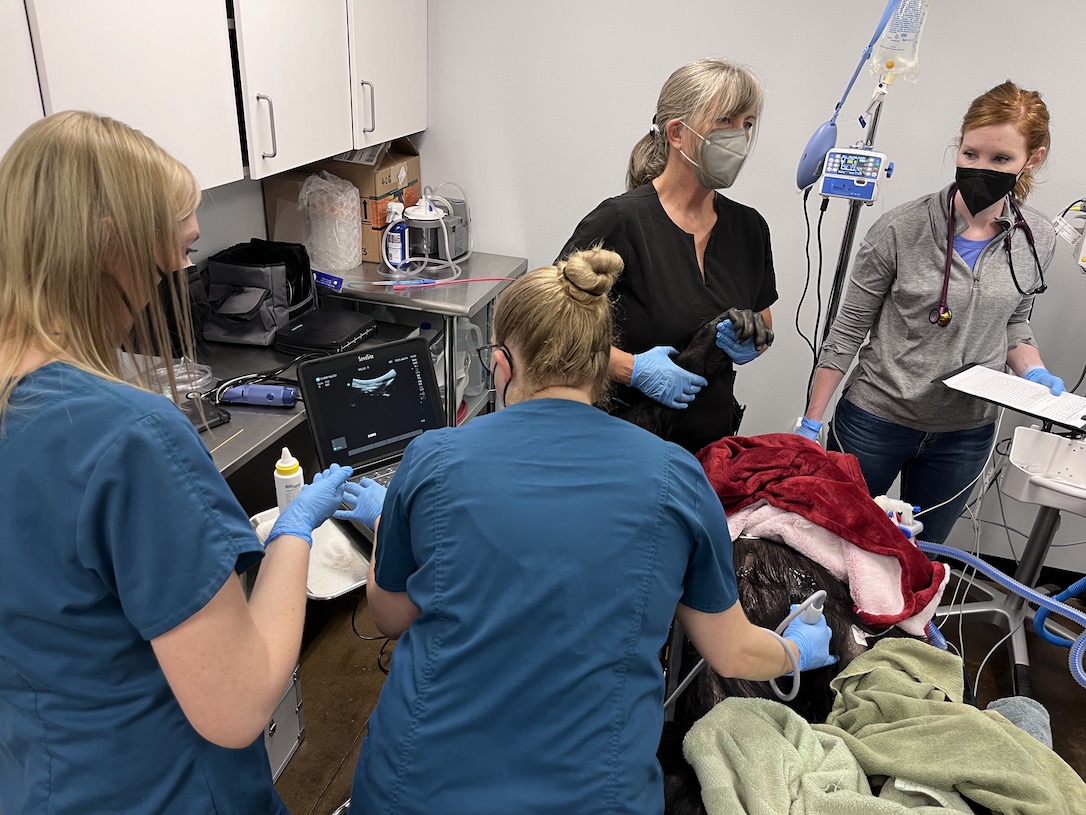
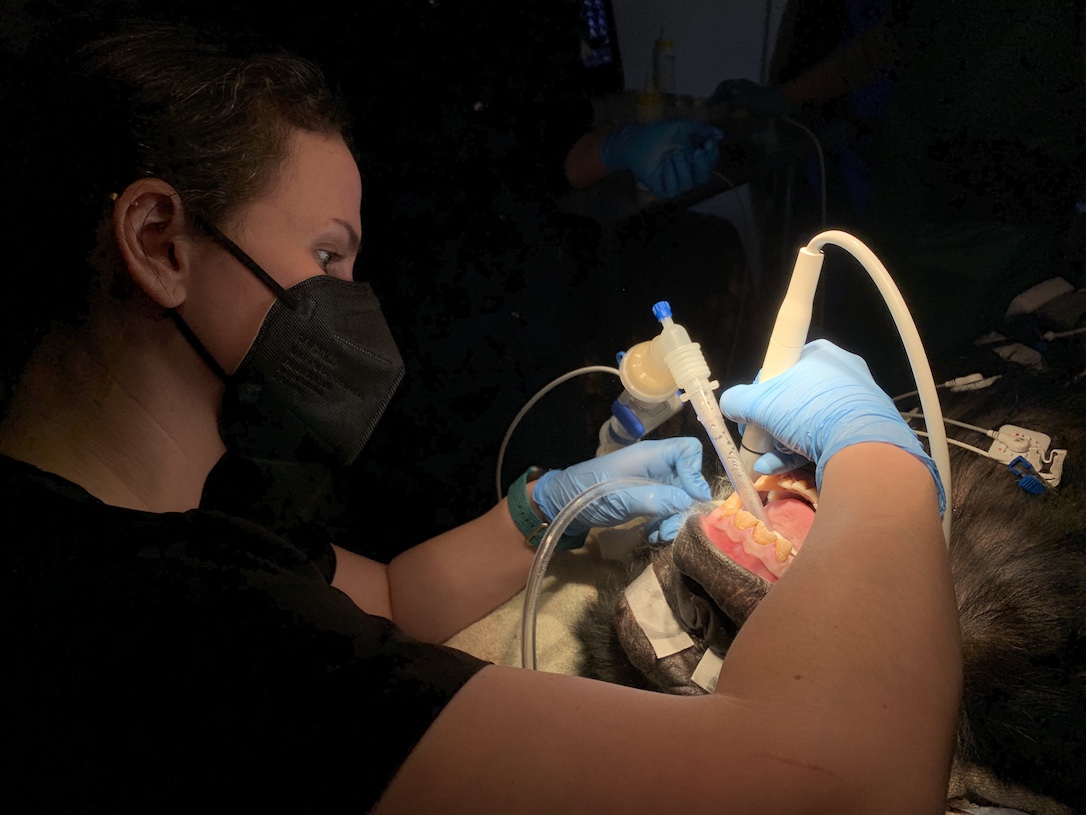
Echocardiograms require a more powerful ultrasound machine than the one we own, so we are very grateful to the Woodland Park Zoo for once again allowing us the use of their machine. The machine was delivered to the sanctuary by Barbra Brush, LVT, who also participated throughout the procedure, including giving William a thorough dental cleaning.
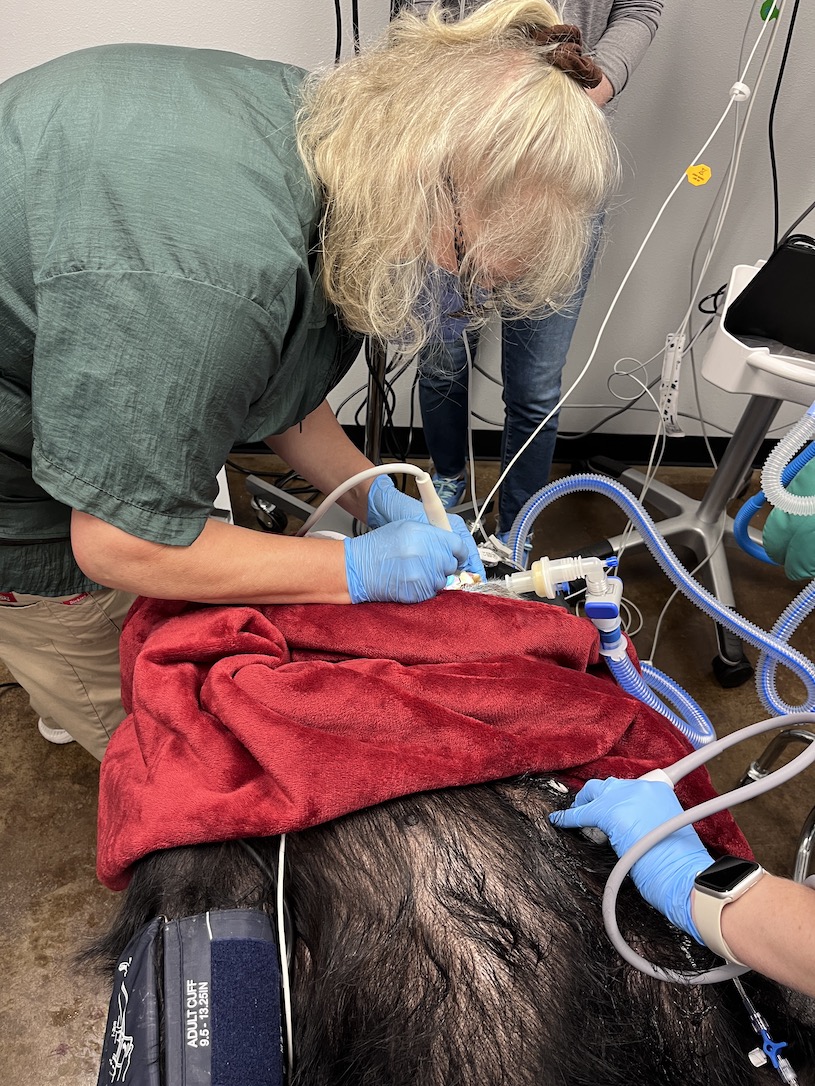
The results of the echo and samples from his scrotum will have to be sent off for analysis but based on what we’ve seen, Dr. Erin has reason to believe that Willy B will benefit from some cardiac medication, just like his buddy Cy and like good ol’ Burrito across the way.

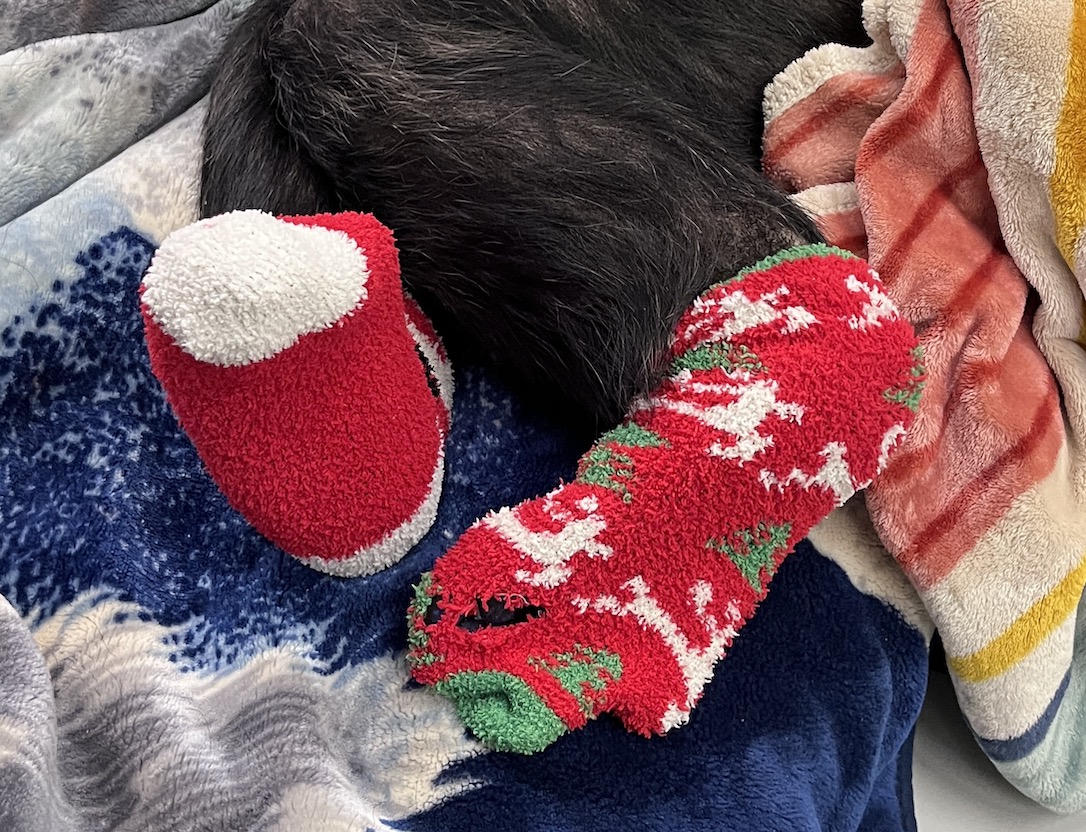
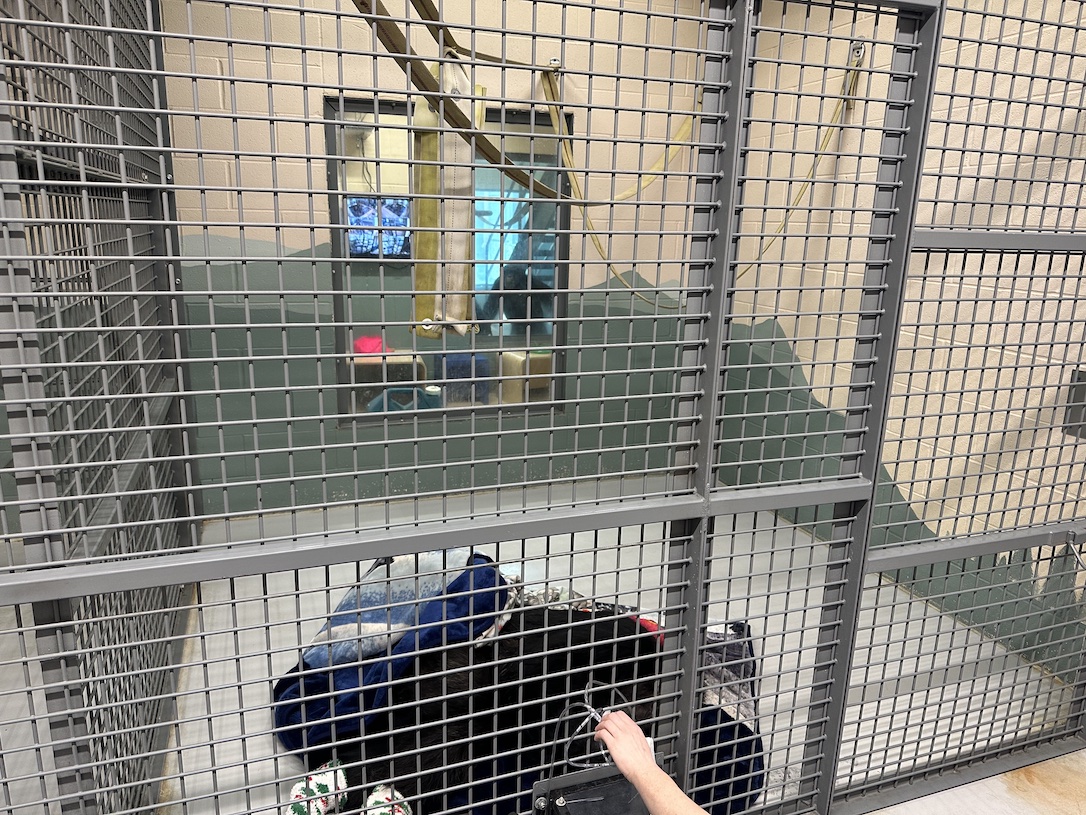
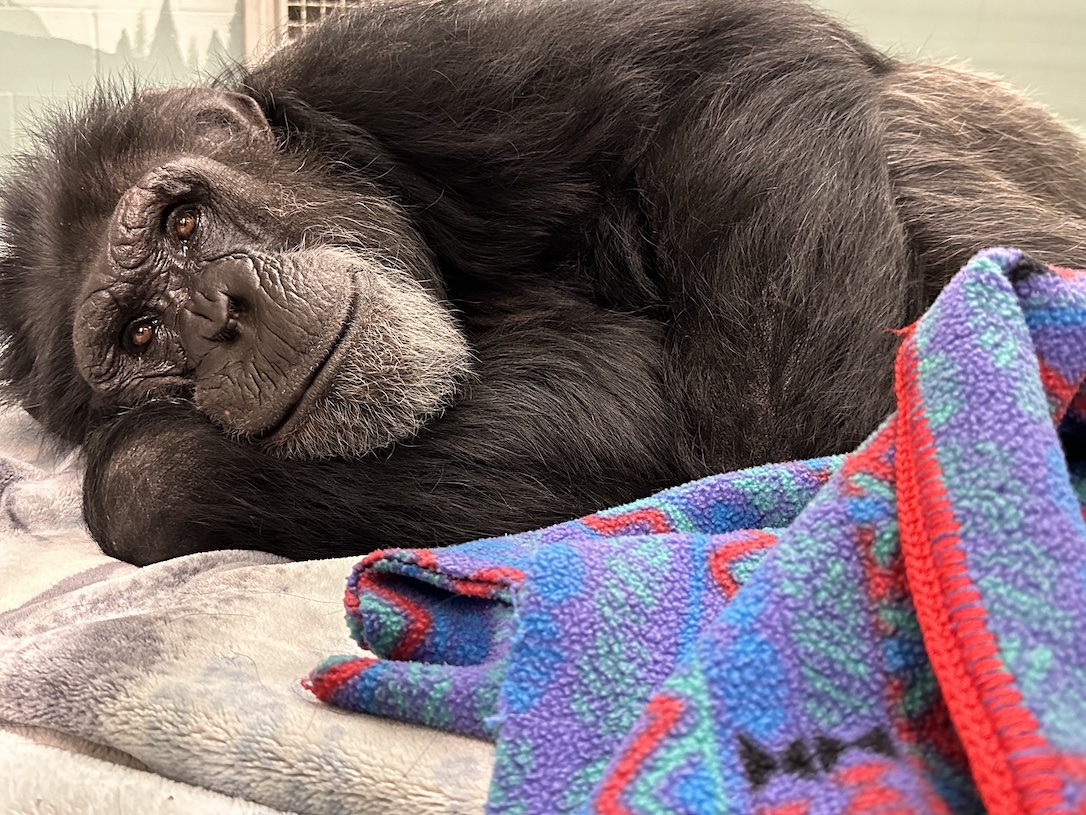
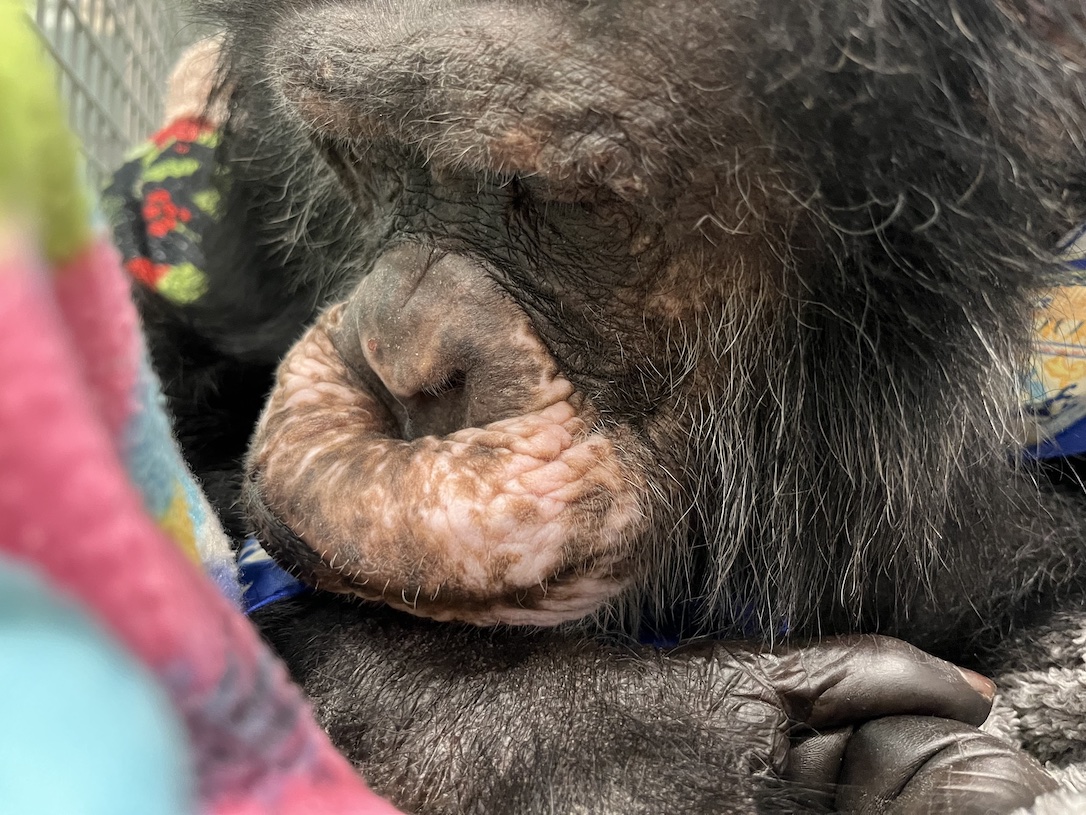
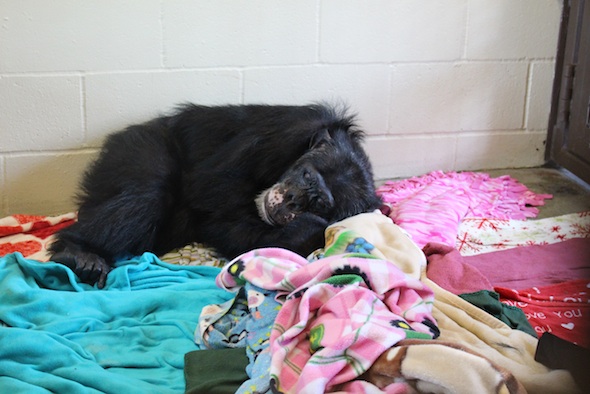
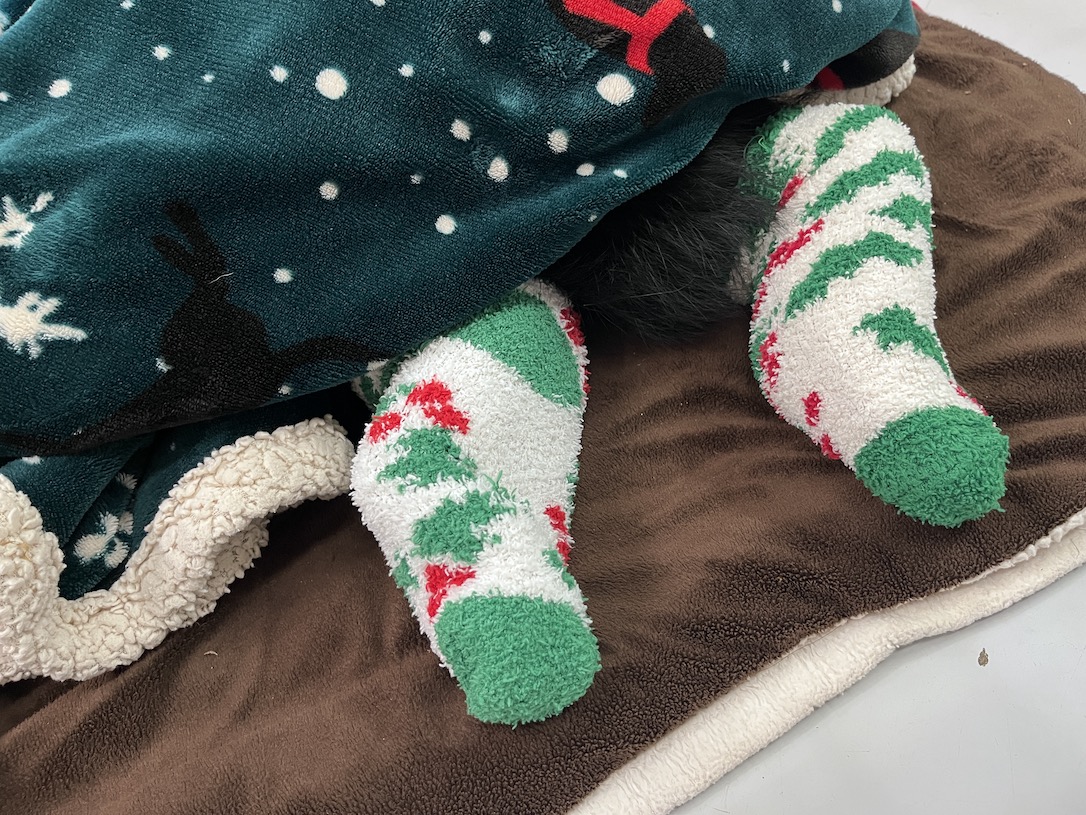
Willy did great throughout the procedure and is recovering quickly – due in part to the fact the we have kept his feet nice and warm and fashionable. We think it’s also due to the fact that he has a standing 2:30pm appointment to display and cause chaos in his group, to which he has never once been late.
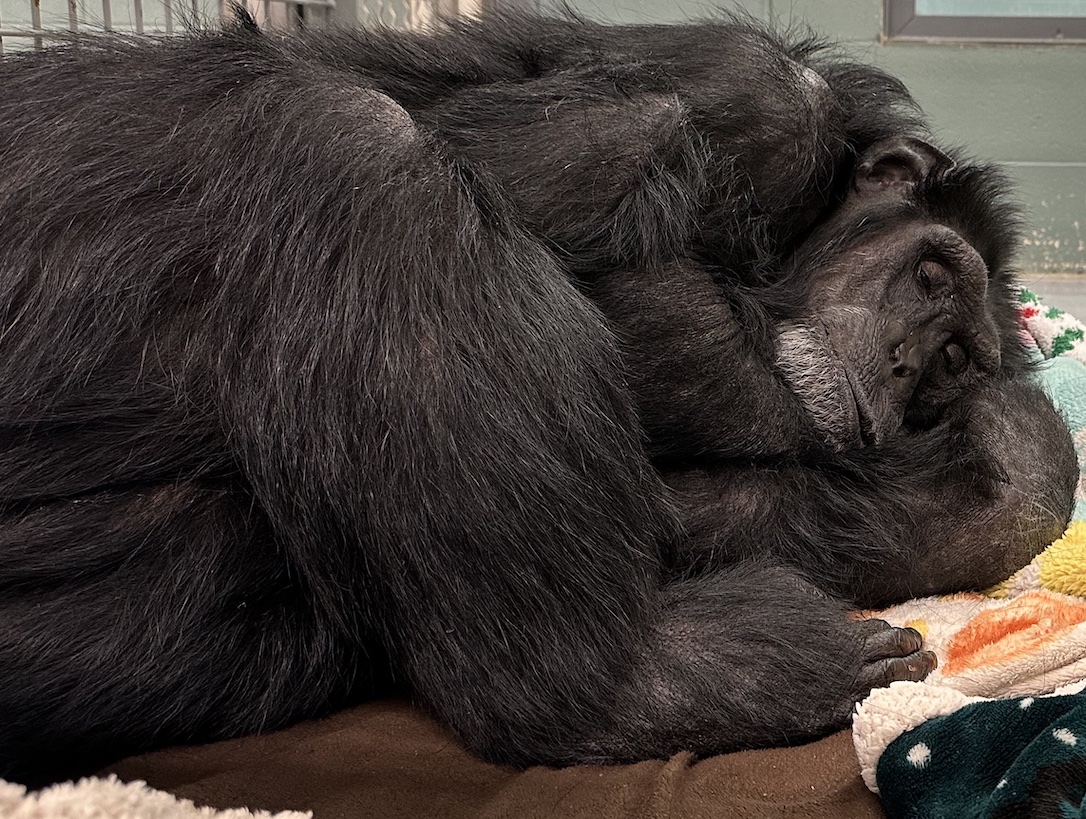
Thankfully, he also seems to understanding the importance of getting rest after a clinic visit, so we’re hoping that he’ll take an afternoon off just this once.
Many, many thanks to this amazing team of medical professionals who traveled great distances to join us this morning and of course to our own Dr. Erin and Grace! We will continue to seek the donation of a portable cardiac ultrasound machine but if that is not in the cards, be on the lookout for a fundraiser sometime next year 🙂

We’ll share updates about Willy B when we know more.
Filed Under: Veterinary Care, Willy B Tagged With: cardiac, care, chimpanzee, clinic, echocardiogram, hospital, northwest, radiographs, rescue, Sanctuary, ultrasound, veterinary, x-ray

Heart Week

April 12, 2023 by J.B.

Cardiovascular disease is a major cause of illness and mortality in captive chimpanzees. As many of you know, we’ve been treating Burrito since 2012 for hypertensive heart disease. What you may not know is that Cy also suffers from cardiovascular disease – in his case, dilated cardiomyopathy. To better manage his symptoms and slow the progression of the disease, Dr. Erin arranged for a cardiac exam from Dr. Lynne Nelson, lead cardiologist at Washington State University’s veterinary hospital. Dr. Nelson has been a great friend to the sanctuary for many years and has helped oversee Burrito’s care.

Dr. Nelson’s expertise was also called upon this week to assess Lucky. While Lucky has appeared to be in good health overall, her pre-transport exam from Wildlife Waystation suggested the possibility of an enlarged heart. We knew that further diagnostics would be required once she and her friends settled into their new home and social group.

And then there’s Terry. Terry has not shown any signs of cardiovascular disease, but he was due for a re-check of his fractured canine tooth, and any time a chimpanzee is anesthetized in the clinic, we want to obtain as much information as we can to help manage their care. Dr. Erin thoughtfully scheduled Terry’s re-check at a time when he could also receive a thorough evaluation from Dr. Nelson.

Three chimps in three days. Heart Week, you might call it. Or Hell Week, if you are a member of the staff responsible for getting the chimps into the right enclosures at the right times so that we could make this all work. We are incredibly grateful to all of the staff and volunteers for all the effort that went into making these exams possible while keeping the rest of the chimp house humming along like usual.

Before I share more of the week’s events, I’m sure you want to know what we found. Lucky has a healthy heart for her age, thankfully. Ultrasound revealed a few things that we’ll want to keep an eye on, but she does not suffer from any significant cardiovascular disease. Cy’s echocardiogram showed some improvements from his last exam—likely from the medications he has been on—but also some disease progression. Dr. Nelson was able to recommend changes to his medication regimen that should help. Terry’s exam showed good news on both fronts—his fractured tooth is healing nicely and his heart is healthy for his age, though he shows some mild cardiac changes that warrant monitoring every few years. Thankfully, he doesn’t have any signs of heart failure and requires no medication at this time.

It’s not fun for us to have to bring the chimps into the clinic, but it is at times necessary. One of the ways that we can reduce the trauma associated with exams under anesthesia is to work with the chimps so that they will take an injection by hand, rather than by dart. Our positive reinforcement training team, and the work of others before us at the Waystation, made it so that all three chimps willingly presented their arms and legs for their anesthetic injections. According to Jenna, who has been training with Lucky, Lucky was downright nonchalant about being poked. The Valium-spiked sip of juice probably helped a little, too.

As is often the case here, Dr. Erin, Sofia, and Dr. Nelson were aided by a number of other medical professionals who came to volunteer their time and talents. Mekensie Kmack, CRNA, who has helped many times before, oversaw Lucky’s anesthesia. New to the team this time was Marneye Driesen, who assisted with the echocardiogram.

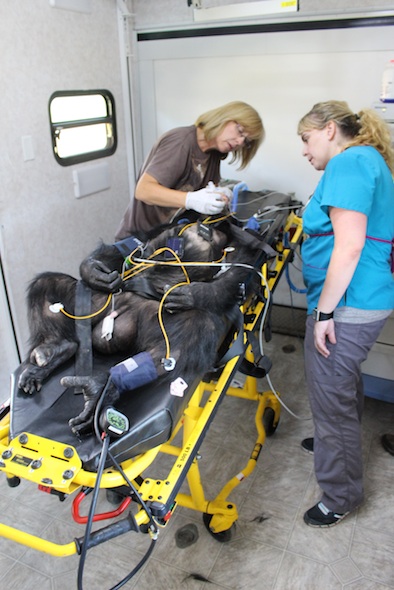
Some of our procedures, such as abdominal radiographs, are performed outside of the clinic while the chimps are in recovery (but still anesthetized) to minimize time under anesthesia.

It’s important to keep the chimps warm during recovery – these socks are not just for fashion.

The same team assembled again the next day to examine Cy’s heart and perform routine diagnostics and cleanings.

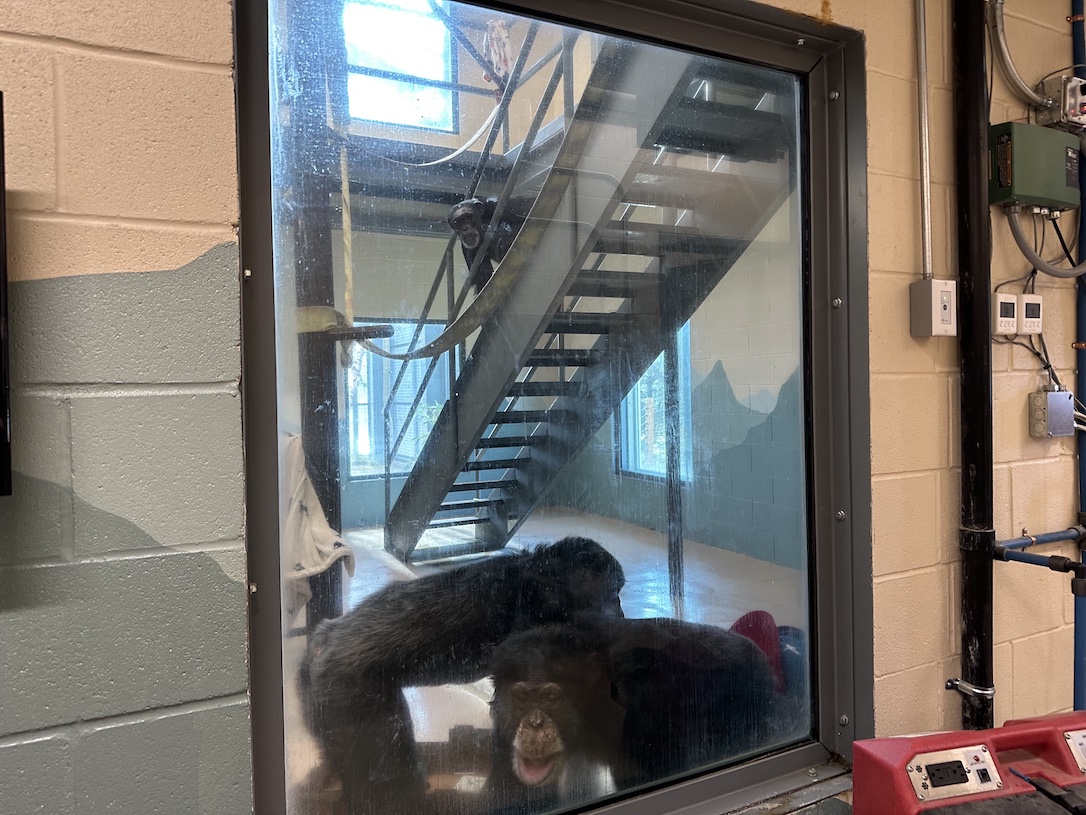
We’ve found that there’s no use hiding what is happening from the other chimps. Once someone is out of the clinic, they are laid in the recovery room while their friends look on through windows or neighboring enclosures. This reassures them and provides a comforting presence when the chimps wake up from anesthesia.

Cy was groggy, as is to be expected, but he perked right up as soon as Kelsi put on one of his favorite movies, Must Love Dogs.

It was unfortunate that Terry had to return to the clinic so soon after having his fractured tooth repaired, but it was important to get x-rays of the tooth and underlying bone to ensure that he had healed properly. Dr. Whitemarsh, DMD, was on hand again to help.

Sonographers Korey Krause and Tanya Herbert, also new to the team, performed an abdominal exam while Michelle DiMaggio, LVT, monitored anesthesia and otherwise assisted Dr. Erin.

As I write this, Lucky and Cy have been reunited with the group. Terry, who had his procedure this morning, will remain apart for the night while he recovers. Hopefully the others let him get some rest.

As usual, the information we collect to help the chimps in our care will also be shared with the Great Ape Heart Project, so that we can help other captive apes suffering from cardiovascular disease.

Many thanks to Dr. Erin, the staff, and the amazing team of medical professionals that came to care for Lucky, Cy, and Terry this week. Thanks as well to all of our donors that make this level of care possible. If you’re interested in the veterinary care we provide at Chimpanzee Sanctuary Northwest, why not register for our upcoming Virtual Visit on Saturday, April 15th at 2pm? To learn more, click here.

Filed Under: Cy, Lucky, Terry, Veterinary Care, Volunteers Tagged With: care, chimpanzee, cleaning, dental, echo, echocardiogram, exam, great ape heart project, medical, northwest, radiograph, rescue, Sanctuary, sonographer, ultrasound, veterinary, x-ray

Burrito’s exam

June 27, 2015 by J.B.

Recently, Burrito fractured a canine tooth. We don’t know how it happened exactly – in fact, we only became aware of the injury when we noticed it pointing straight out of his mouth, perpendicular to his other teeth. As with other significant injuries, we began by administering oral antibiotics and pain relievers and arranged for our local veterinarian, Dr. Zamzow, to come take a look. Dr. Zamzow then consulted with Dr. Mensching, also a veterinarian and a member of our board of directors, and Dr. Bezner from Save the Chimps, to come up with a plan to deal with Mr. B’s broken tooth.

If you don’t know this already, I should point out that chimpanzees are remarkably tough. Believe it or not, Burrito never missed a meal, and didn’t even seem to favor that side of his mouth when chewing. It’s really hard to appreciate how stoic chimps can be until you witness it yourself.

Despite his own lack of concern about the injury, a broken tooth can present serious risks for more severe pain and infection down the road, particularly the canines which are large and deeply rooted, so we decided that it would have to be repaired or extracted by a veterinary dentist. But as you may know, Burrito is already being treated for symptoms of heart disease, and that makes decisions about medical interventions a bit more complicated due to the risks of anesthesia. But when an intervention is required, for whatever reason, it presents an opportunity to learn more about his overall health, so we gathered an amazing group of people to help with Burrito’s treatment. And it was all made possible because you helped us build an onsite veterinary clinic.

Before we can make any decisions about how the treat the tooth, we need x-rays. Yesterday, two vet techs from Valley Veterinary Hospital in Ellensburg came to the sanctuary with digital radiography equipment to get pictures of his teeth and jaw. These x-rays will be shared with a board certified veterinary dentist, who has agreed to come to our clinic to treat Burrito, whatever that treatment may be. And because of our concerns about Burrito’s heart, we were grateful to have the assistance of a huge team of veterinary cardiologists, anesthesiologists, residents, and vet students from the Washington State University Veterinary Teaching Hospital, all led by Cardiologist Dr. Lynn Nelson.

After receiving anesthetic injections inside the chimp house, Burrito was wheeled to the mobile clinic where he was intubated and placed onto gas anesthesia for the procedures. The anesthesiologists were able to ensure his safety by monitoring his airway gases and reading his vitals using ECG, blood pressure, temperature, and pulse ox equipment. Dr. Zamzow drew blood for CBC and chem profiles and obtained an urine sample.

web_Burrito_exam_clinic_IMG_4597

With such a huge group of people, teams worked in shifts as much as possible.

web_Looking_into_clinic_IMG_4602

But the clinic turned out to fit more people than we had expected. Technicians obtained dental x-rays while the cardiology team began the echocardiogram.

web_Burrito_xray_echo_clinic_IMG_4615

This imaging of Burrito’s heart will help us evaluate his initial diagnosis and may potentially provide avenues for better treatment. It will also help us determine how well he might handle the anesthesia required for a longer dental procedure. We will share the information we obtain with the Great Ape Heart Project to help improve the lives of other captive chimpanzees.

web_Burrito_echo_clinic_IMG_4607

When the tests were complete, Burrito was placed back inside into one of the front rooms to recover from the anesthesia. The girls had to wait outside in the greenhouse until he was ready to deal with all of their excitement.

web_Burrito_recover_from_anesthesia_FR1_IMG_4630

After a few hours of rest, he was ready for visitors on the other side of the caging. Jody and Foxie were particularly concerned about their buddy, but eventually all of the girls came to groom him through the bars. For his safety, he was not allowed to return to the group until he was 100% recovered from the anesthesia.

web_Annie_groom_Burrito_recovery_FR1_IMG_4632

Both the general and injectable anesthesia can upset the stomach and make you feel all worn out, so Burrito took an additional day to lounge around by himself, waited on at all times by his staff of caregivers.

web_Burrito_lie_bench_fr4_recovering_day-after_dg_IMG_4641

With the help of some anti-nausea medicine, he was feeling good enough this evening to join the gang for a dinner forage on the hill.

web_Burrito_forage_recovered_IMG_6078 copy

In the coming weeks we will learn more about Burrito’s health from these tests, and the veterinary dentist will be able to decide the best coarse of action based on his x-rays and what the other tests tell us about his ability to tolerate prolonged anesthesia.

Exams like this aren’t easy on a chimp, and they’re pretty tough on the people who care about them too. We owe a huge debt of gratitude to Dr. Zamzow, Dr. Mensching, Dr. Bezner, Valley Veterinary Hospital, and the WSU Veterinary Teaching Hospital for providing the best care a chimp could ask for. And to everyone who helped us build and equip our onsite clinic: You made it possible for him to receive this level of care. And I know you would agree that this guy deserves nothing less.

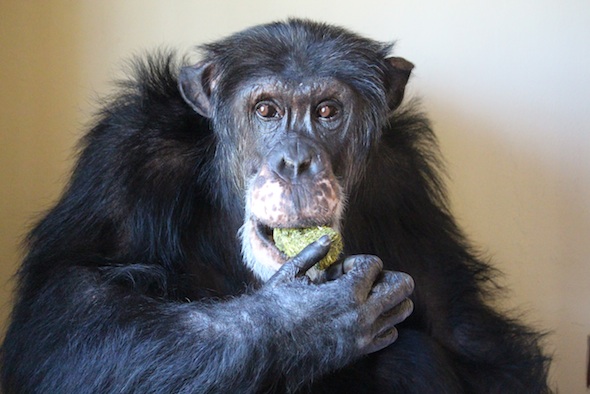
web_Burrito_alfalfa_cube_portrait_studio_FR4_ek_IMG_4516


Filed Under: Burrito, Sanctuary, Veterinary Care Tagged With: Burrito, chimpanzee, clinic, ecg, echocardiogram, northwest, rescue, Sanctuary, teeth, veterinary, x-rays

Primary Sidebar

Subscribe To the Blog and Get Notified of New Posts First!

Archives

Calendar of Blog Posts

June 2026
S M T W T F S
 123456
78910111213
14151617181920
21222324252627
282930  
« May    

Categories

SUBSCRIBE TO OUR NEWSLETTER

Footer

PO Box 952
Cle Elum, WA 98922
[email protected]
509-699-0728
501c3 registered charity
EIN: 68-0552915

Official DDAF Grantee

Menu

  • The Chimpanzees
  • Blog
  • About Us
  • You can help
  • Resources
  • Contact
  • Donate

Proud Member of

Connect With Us

Search

Copyright © 2026 Chimpanzee Sanctuary Northwest. All Rights Reserved. Site by Vegan Web Design