• Skip to main content
  • Skip to primary sidebar
  • Skip to footer

Chimpanzee Sanctuary Northwest

Hope. Love. Home. Sanctuary

  • Our Family
    • The Chimpanzees
    • The Cattle
  • Blog
  • About Us
    • Visiting the Sanctuary
    • Philosophy
      • FAQs
      • Mission, Vision & Goals
      • Privacy Policy
    • The Humans
      • Staff
      • Board of Directors
      • Founder
    • Annual Reports
    • The Future of CSNW
    • CSNW In The News
  • You can help
    • Donate
      • Become a Chimpanzee Pal
      • Sponsor A Day
      • Transfer Stock
      • Be A Produce Patron
      • Be a Bovine Buddy
      • Give from your IRA
      • Personalized Stones
      • Bring Them Home Campaign
    • Leave A Legacy
    • Employment Opportunities
    • Volunteer
    • See Our Wish List
    • Events
  • Resources
    • About Chimpanzees
    • Enrichment Database
    • Advocacy
      • Advocacy Action Center
      • Apes in Entertainment
        • Trainers
        • Role of the AHA
        • Greeting Cards
      • Chimpanzees as Pets
      • Roadside Zoos
      • Chimpanzees in Biomedical Research
      • Conservation
        • African Apes
        • Orangutans
  • Shop
    • Merchandise Store
  • Contact
  • DONATE NOW

clinic

A trip to the clinic for Jody

July 29, 2020 by J.B.

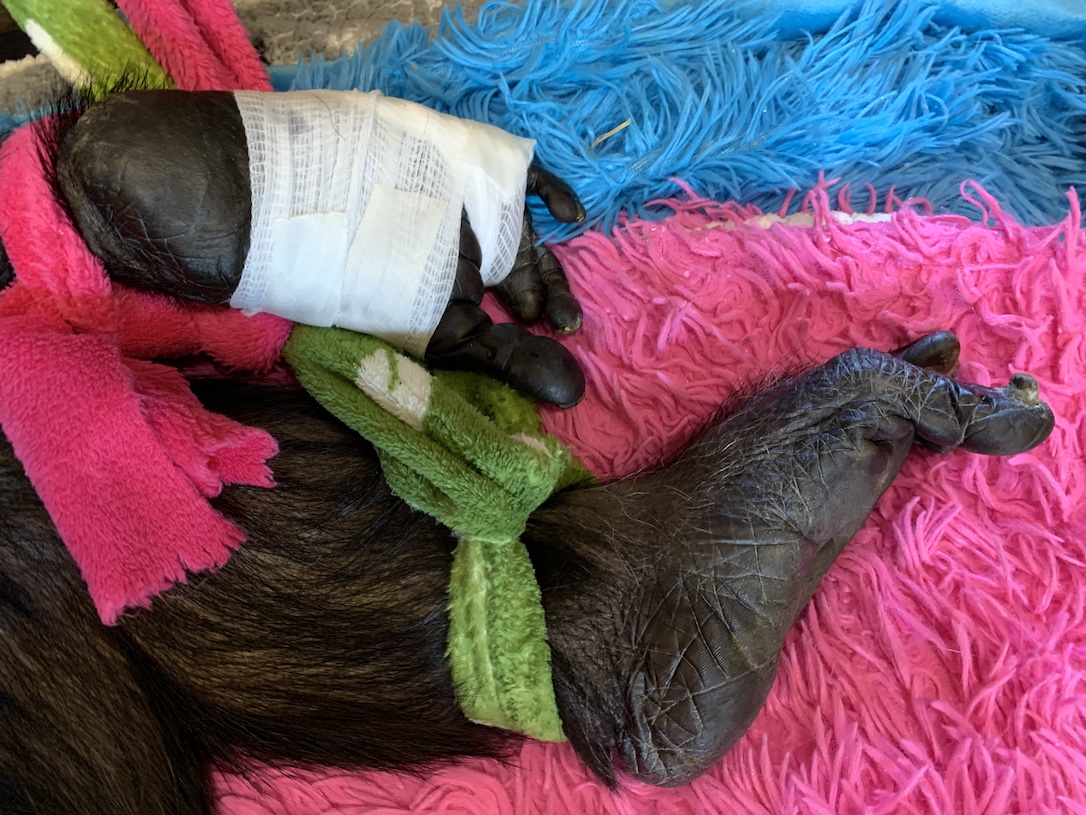
Earlier this year, we took Jody into the clinic to assess a lump developing on her foot. Unfortunately, the mass continued to grow after that procedure and cytology results suggested that further evaluation and testing was warranted.

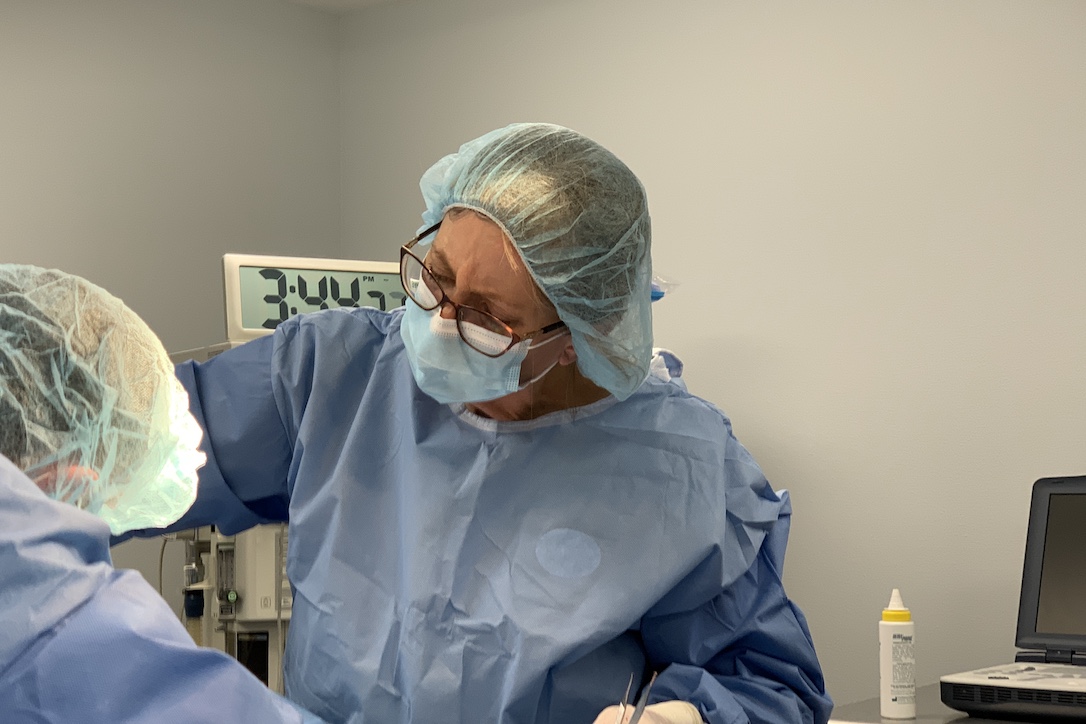
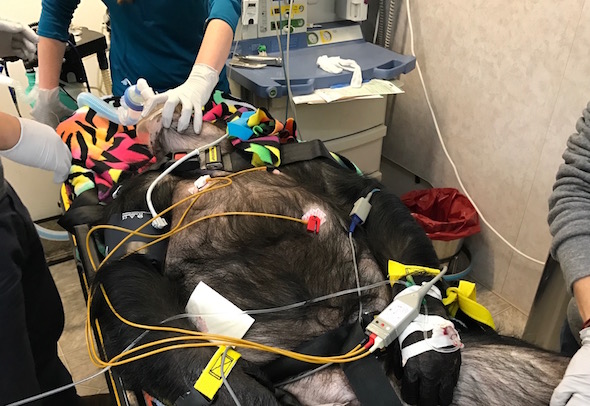
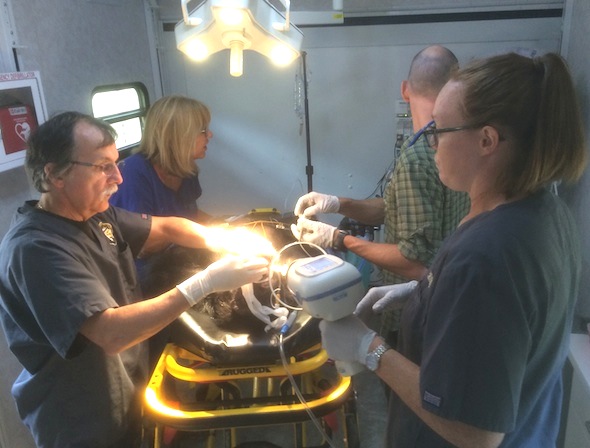
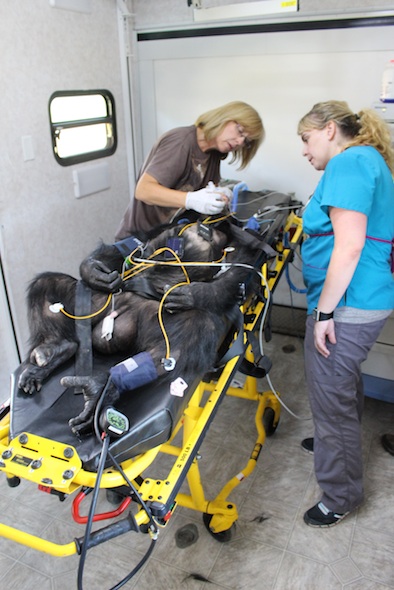
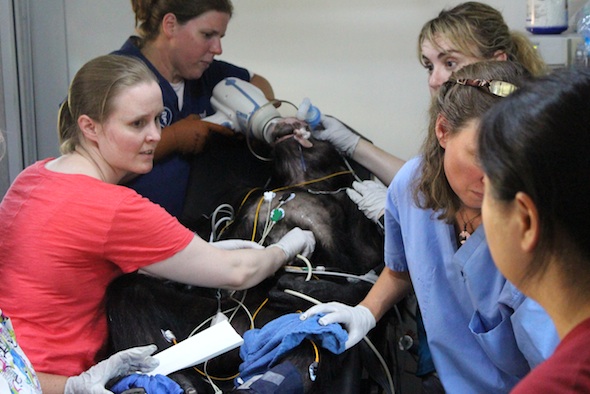
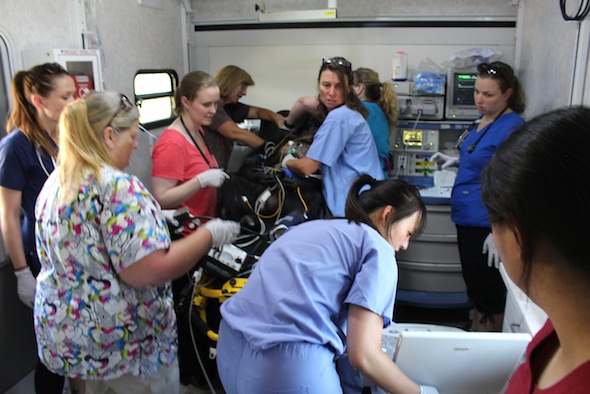
We’re so lucky to have assistance from people like Dalila Fairchild, CRNA, who ensured that Jody was safely anesthetized and monitored throughout the exam.
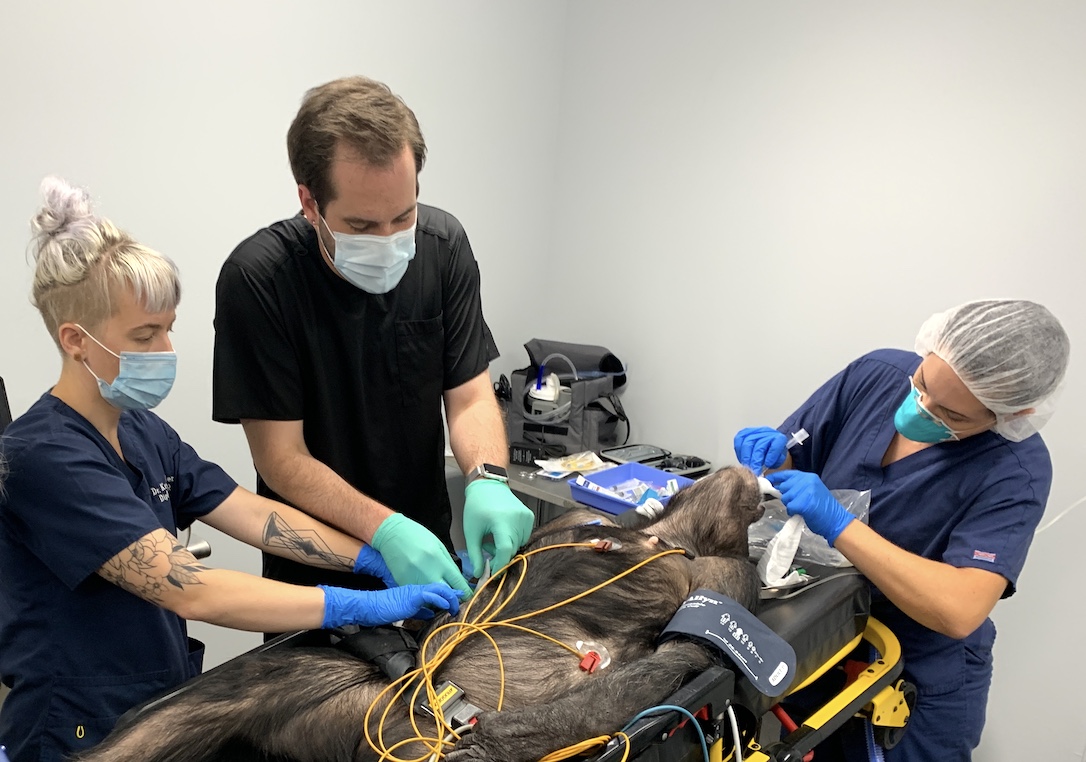
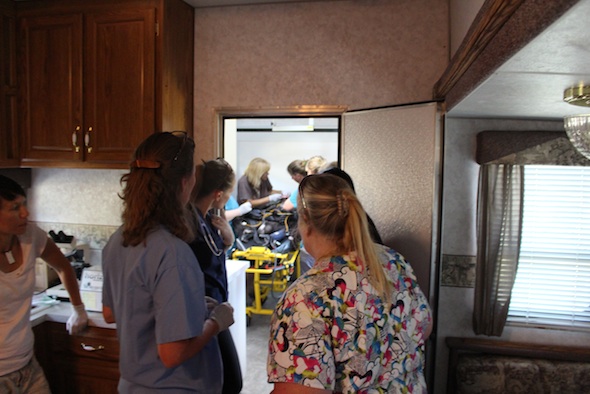
Dr. Austin Hardegree assisted Dr. Erin with the foot evaluation and biopsy while Dr. Krystina Stadler, a veterinary radiologist, helped by imaging the foot mass prior to the procedure and following up on a suspected uterine fibroid discovered during Jody’s last exam.
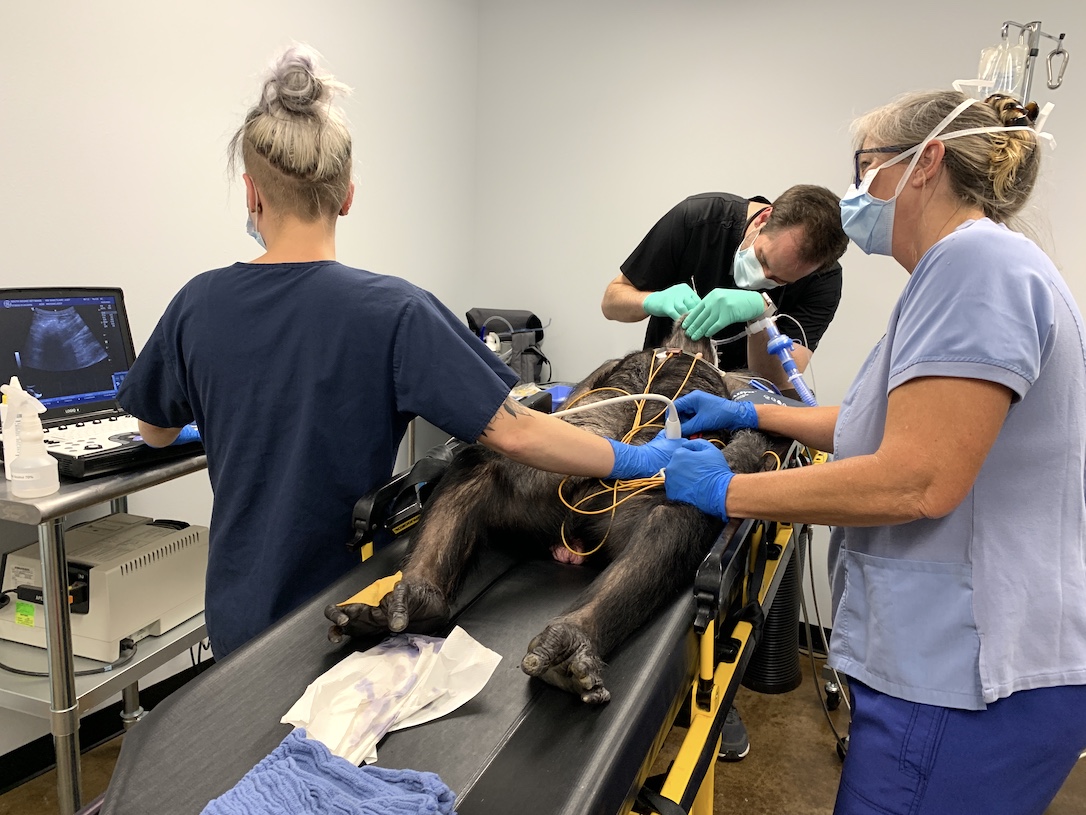
While Dr. Stadler brought her own equipment, she also tried out our brand new Butterfly ultrasound unit, which we recently purchased though a grant from the Ruth Foundation. This user-friendly ultrasound unit works with an iPad (also purchased with the grant) and will help Dr. Erin with both general exams and emergency procedures. We are also grateful once again to Best Friends Mobile Veterinary Care for use of their digital x-ray – the only piece of equipment that we must still borrow. With more chimps joining our family as soon as next year we will undoubtedly be doing even more procedures, so we look forward to purchasing one of our own soon.
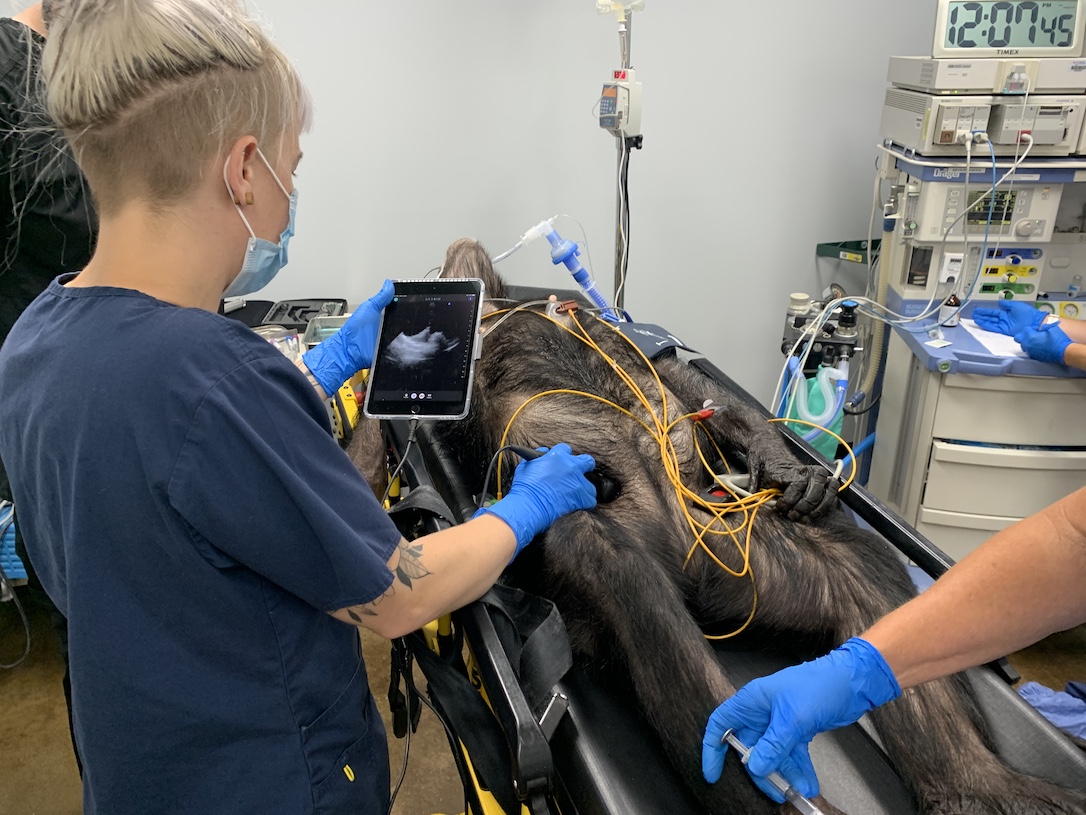
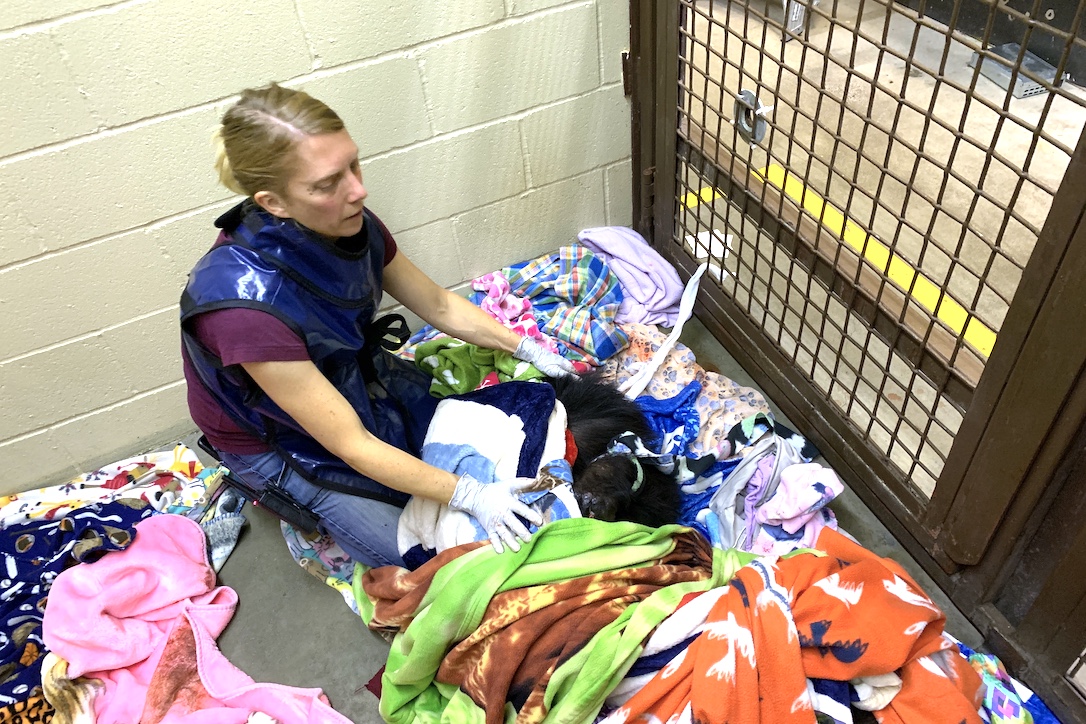
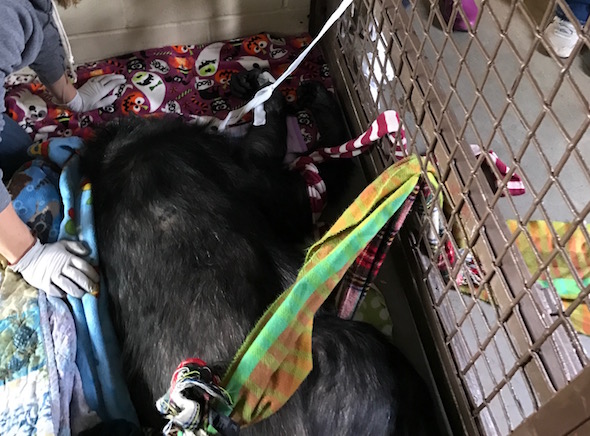
With the exam, biopsy, ultrasound, x-rays, and teeth cleaning done, we wheeled Jody back to the recovery room.
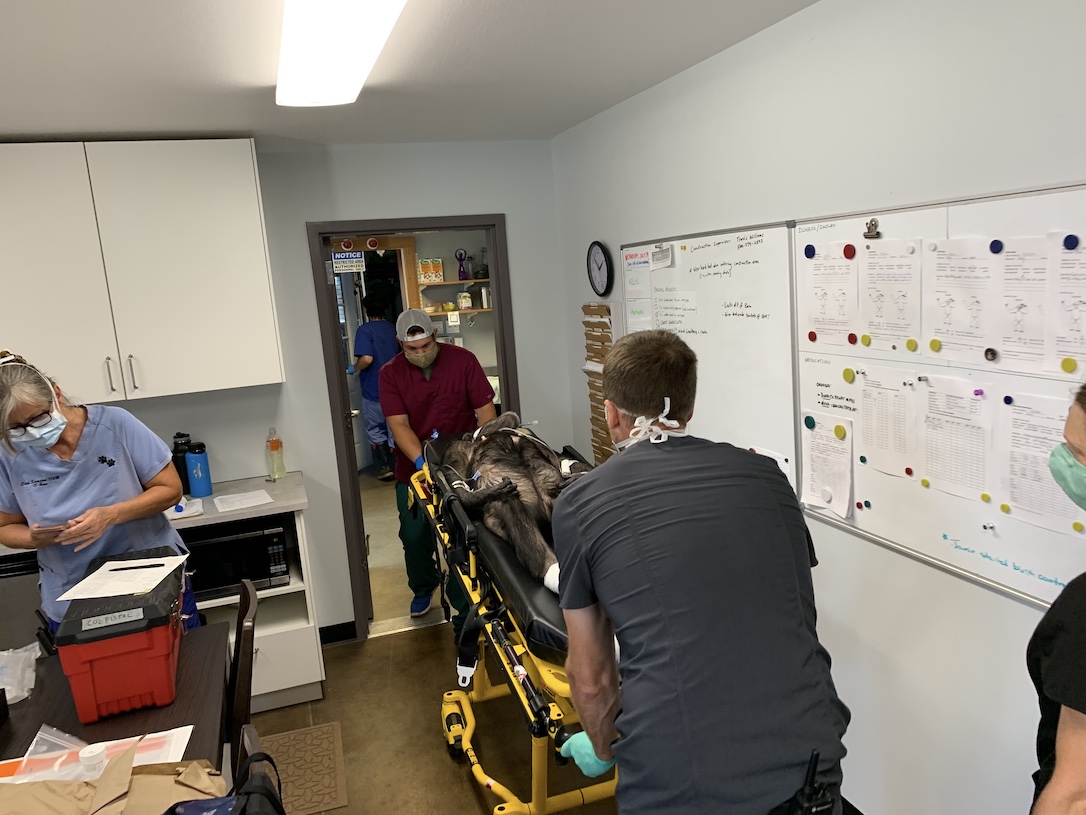
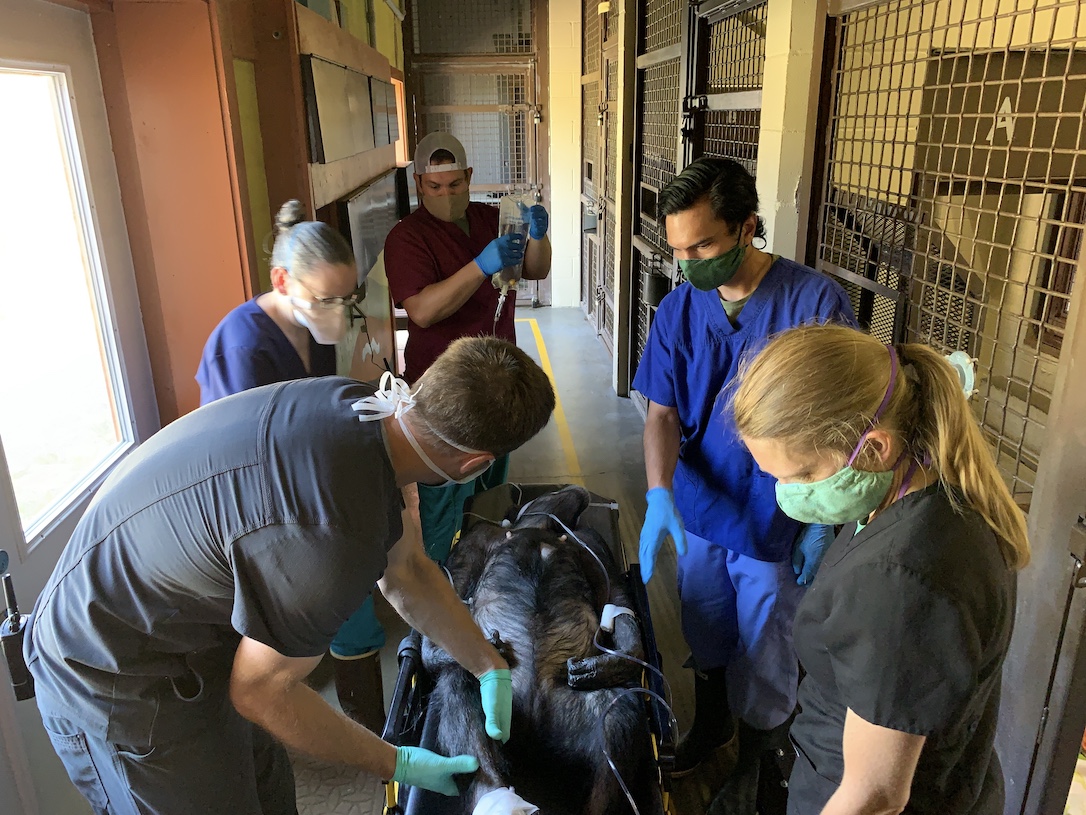
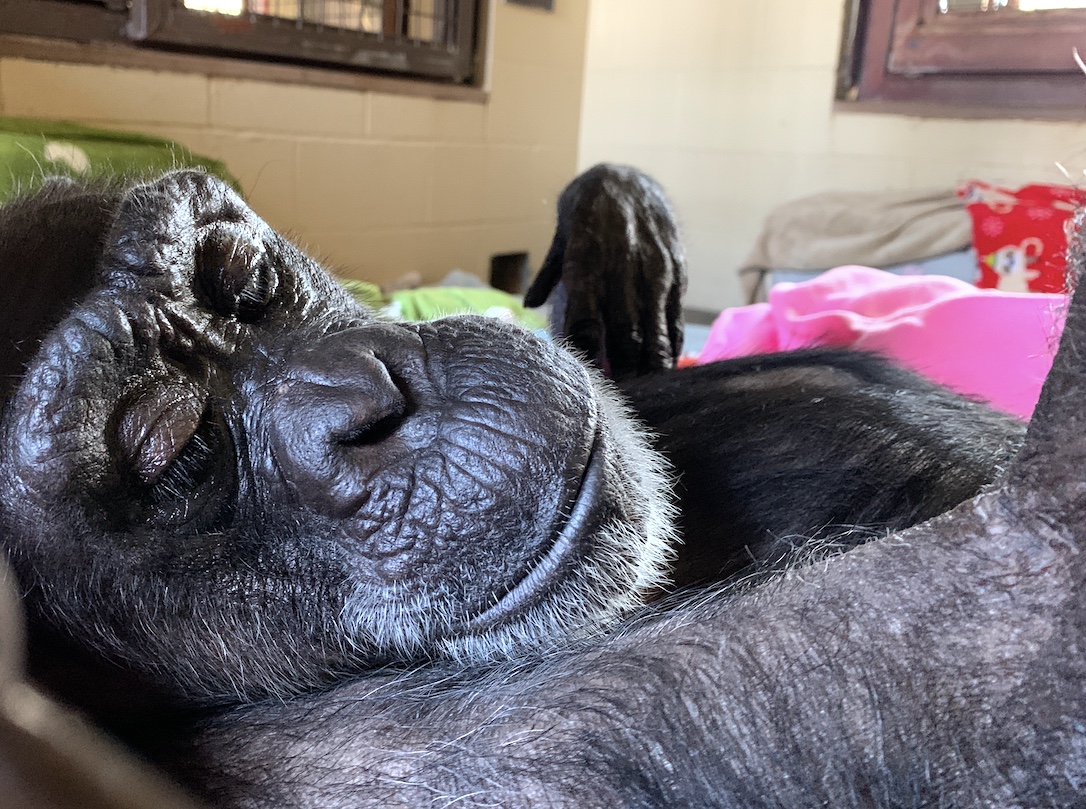
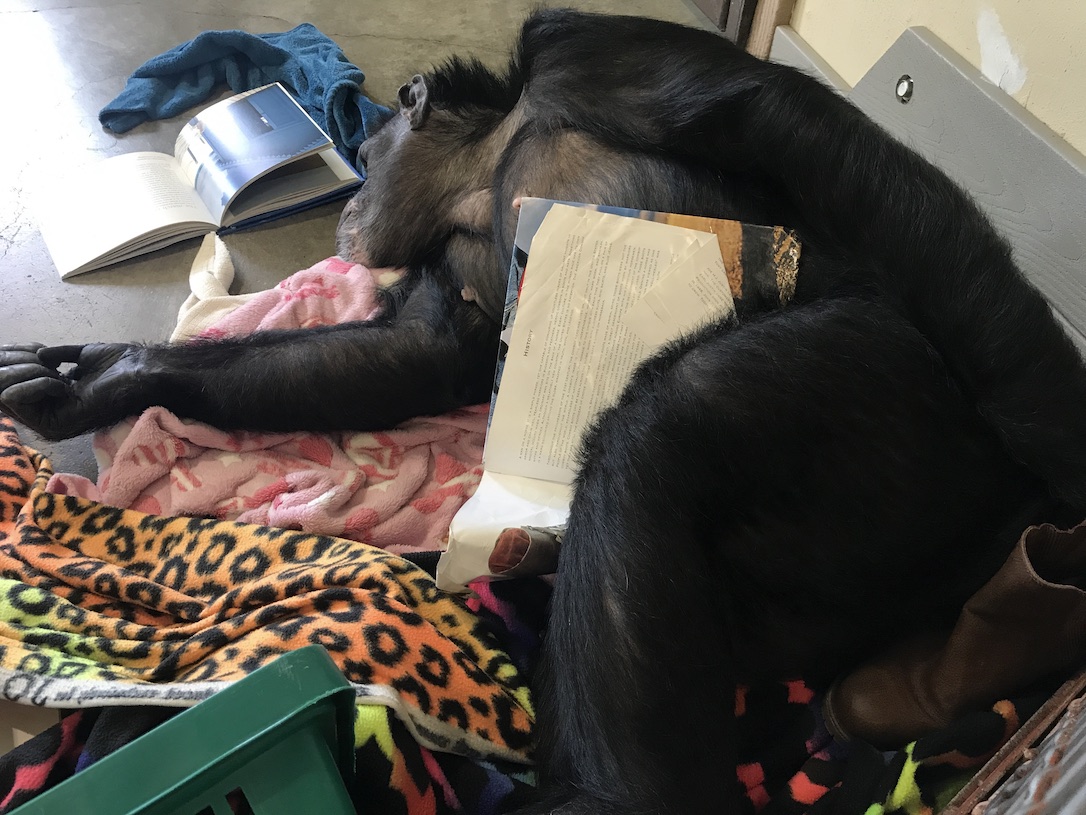
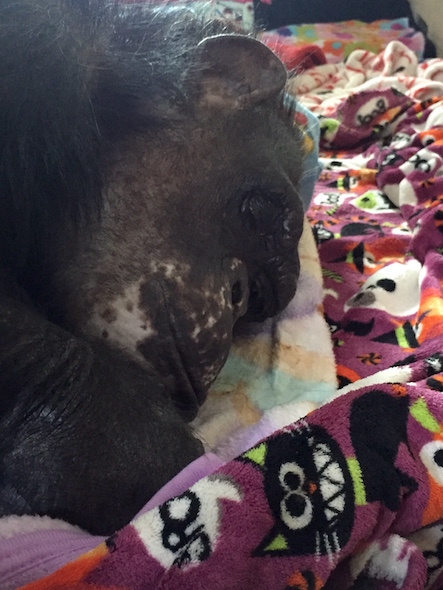
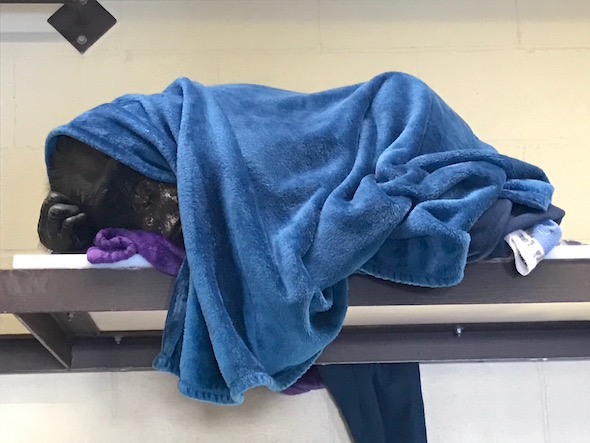
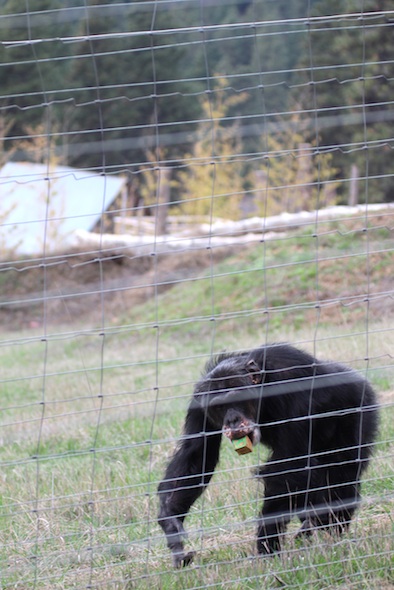
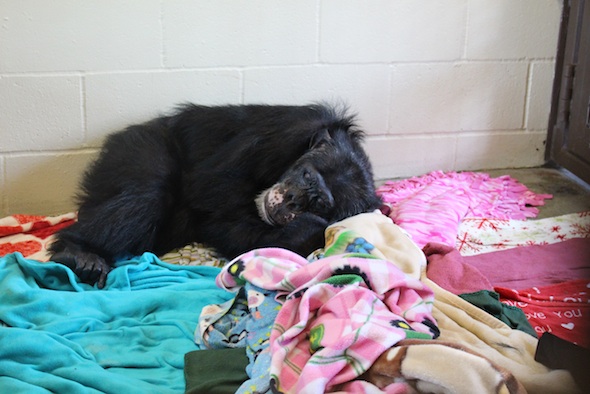
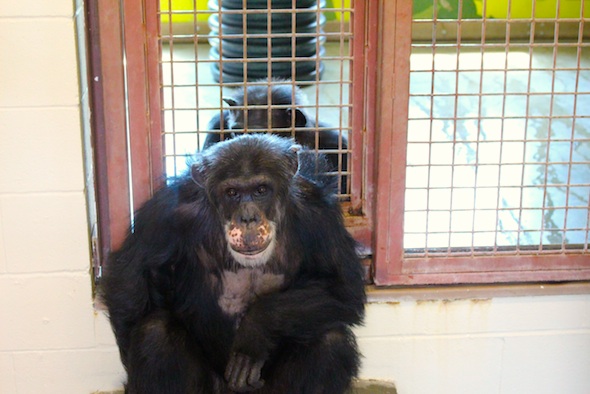
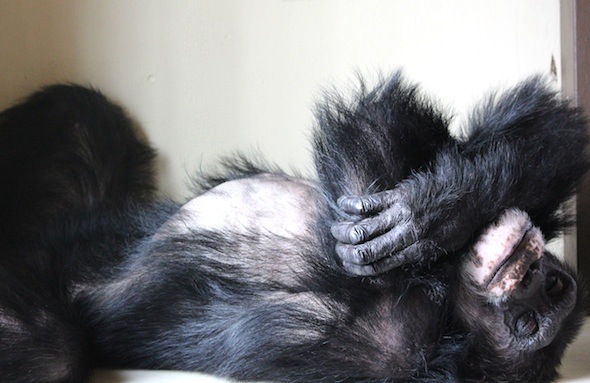
We’ll have to wait for these latest test results to see what, if anything, comes next. For now, Jody is sipping Coke and eating grapes in a sea of soft blankets. She will have to stay isolated for at least a few days to ensure that the stitches stay in place long enough for her incision to heal, but her friends will be able visit her regularly though the mesh.
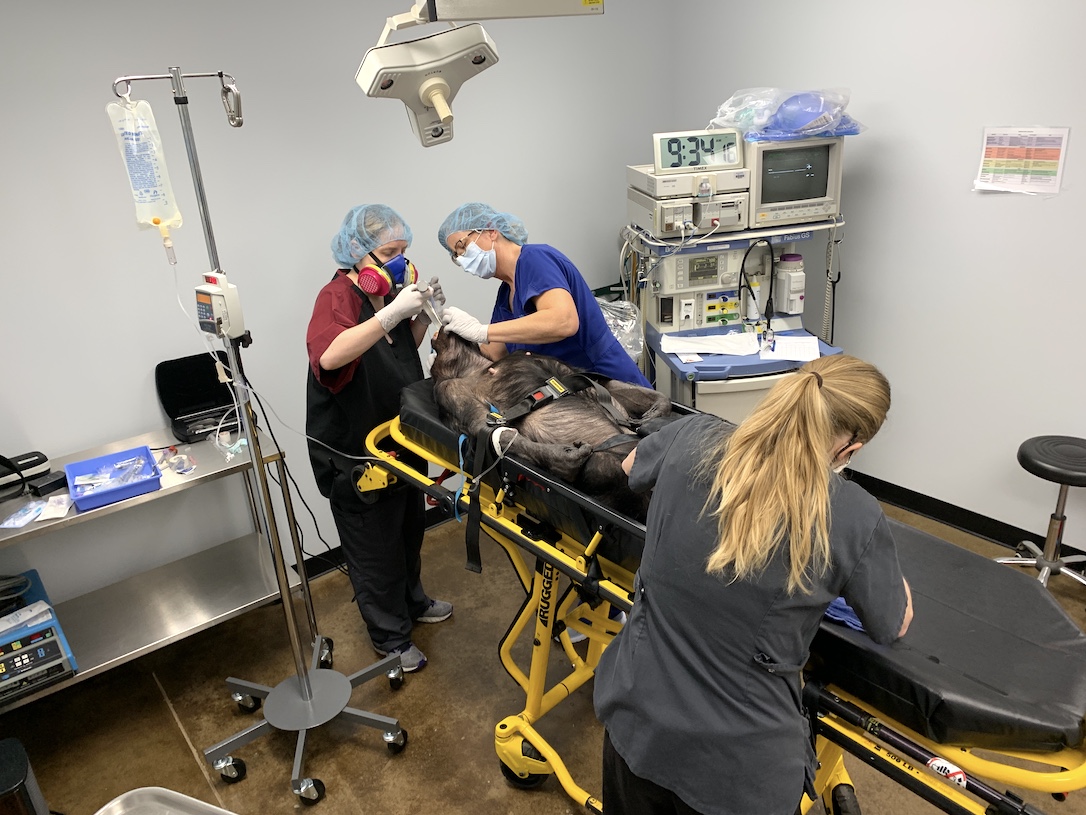
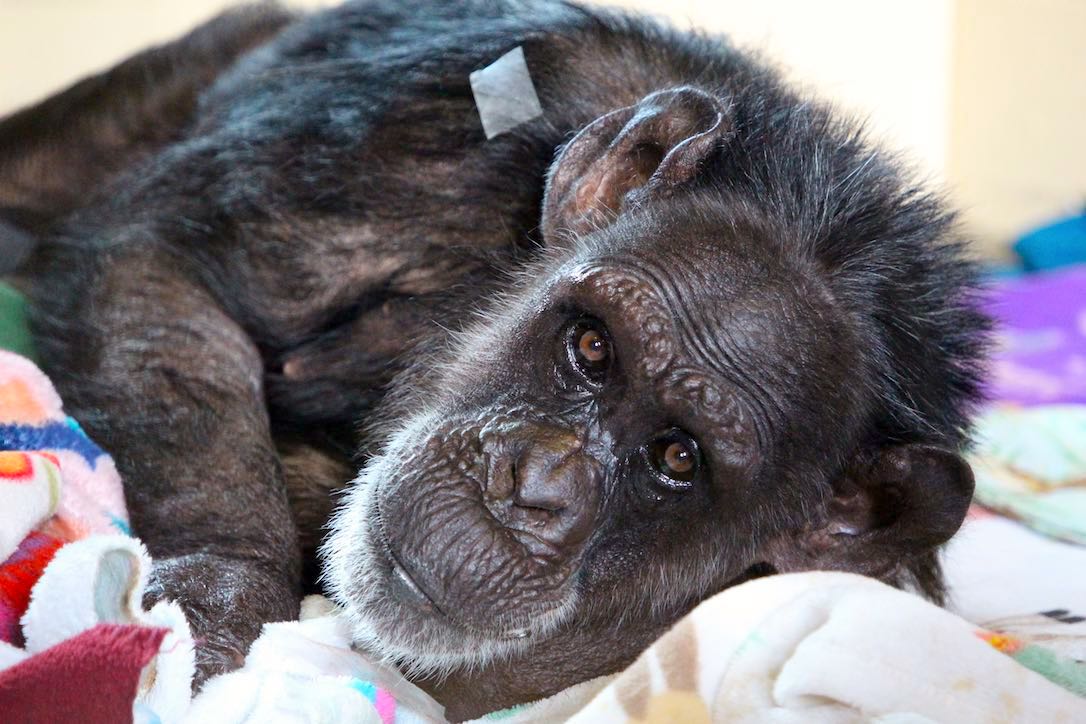
Filed Under: Jody, Veterinary Care Tagged With: butterfly, chimpanzee, clinic, health care, medical, northwest, rescue, Sanctuary, ultrasound, vet, veterinary, x-ray

Jody’s trip to the clinic

March 29, 2020 by J.B.

Chimpanzees can be melodramatic at times. When they display, become frightened, or get into spats, the hoots and screams can be deafening. It happens often enough that you become inured to the minor day to day scuffles and other assorted histrionics (looking at you, Annie and Mave). But you can tell when things become serious. And we could tell that someone was really mad.

The conflict began as the staff were walking up the driveway to the front gate. One second it was serene and peaceful, the next it was an absolute cacophony of screams. After about 30 seconds only a single voice remained, and as we entered we could see Jody walking through the playroom screaming – in anger, it seemed, but I would imagine also in shock and in pain. A closer look revealed a laceration across her right foot and a toe pointed in a decidedly wrong direction.

Chimps heal quickly and uneventfully from injuries that would leave me in the hospital. Serious lacerations often zip up within days without sutures and chimps may even take it upon themselves to straighten out a dislocated digit before anyone else can intervene. But injuries can also go undetected.

Thankfully, Jody is a cooperative patient. After isolating her in Front Room 1, we were able to use our new foot box along with portable x-ray equipment from Best Friends Mobile Veterinary Care (and a ton of grapes) to obtain awake x-rays. In doing so we discovered that, in addition to the dislocated third toe, she had a complete fracture of her fourth toe.

So along with pain medication and antibiotics, Jody was also booked for surgery. Dr. Erin and Dr. Erika treated Jody’s injuries this morning and conducted a full physical examination along with vaccinations. Jody was quickly moved back to recovery and before long was sitting up and even enjoying some snacks.

Dr. Erika and Dr. Erin prepare to intubate as Diana cleans Jody’s injury

Examination of our closed circuit camera footage helped us understand how the injury occurred, but as is often the case, did not help explain why. The chimps are scattered throughout the playroom, many still in their nests from the night before. Foxie, standing in the loft, begins softly vocalizing and working up to a display. As her pant-hoots reach their crescendo, she charges across the bridge and attacks Burrito, who appears to be minding his own business on the opposite catwalk. Everyone leaps to their feet and begins to run and scream. Jody heads toward the conflict but tries to stay on the periphery. Soon, however, she is pulled across the bridge, her foot in Jamie’s mouth.
We’ve been primed in many ways to think of chimpanzee aggression in strategic terms – the epic struggles for dominance as beta males overthrow their aging leader or the clashes between communities as they vie for scarce resources. But aggression in captive chimpanzees will often leave you scratching your head as to its purpose. Why are Foxie and Burrito unscathed and seemingly still on good terms, while poor Jody bore the brunt of the violence? We can’t help but invent explanations for behavior – we’re wired to think that way. But so often we’re wrong. And the theories we develop can color our perceptions of future events in misleading ways. For example, if we didn’t have the closed circuit camera footage, I would have put money on Burrito playing some role in instigating that fight. Turns out the guy is just misunderstood.
Sometimes when we talk to colleagues at other sanctuaries, they will say things like “Oh, you have a biter in that group.” And sadly, we do. Many of them. Maybe all of them. In twelve years with the Cle Elum Seven, we’ve seen no consistent aggressors, no consistent victims, and no one that hasn’t had an ear, finger, or toe bitten during their time here – with the exception of Annie, suspiciously…

I wish we had a soap opera script explanation for these events, or that we could blame it on the weather or the moon, but if I’m being honest, they just happen sometimes. I’m just glad chimpanzees are tough.

So for the next few days Jody will rest up, take her medications, and eat lots of good food, and before long she will be back with her family. Jamie will probably welcome Jody’s return and tenderly groom the foot that she nearly chomped off. Nearby, Foxie and Burrito will play a quiet game of tickle as they sit in front of the sunny window where Foxie launched her attack. And life will go on for the Cle Elum Seven.

Jody recovering from her procedure this afternoon

Filed Under: Jody, Sanctuary, Veterinary Care Tagged With: care, chimpanzee, clinic, Jody, northwest, rescue, Sanctuary, veterinary

Midnight bagels

November 22, 2019 by J.B.

Whenever a chimp is in the clinic for a procedure, I can’t wait for it to be over so we can put them back into the recovery room.

Drs. Zamzow and Khachatryan perform surgery on Burrito

But as soon as we get them in the recovery room, I almost wish they were back in the clinic.

Diana repositions Burrito, still under anesthesia, for x-rays in the recovery enclosure

That’s because in the clinic, we have tons of information about their vitals and far more control over the administration of analgesics, antibiotics, and other drugs that are essential for well-being and even survival. Once they’re in recovery, we have to hope for a cooperative patient. And chimpanzees are not known to be very cooperative under even the best of circumstances…

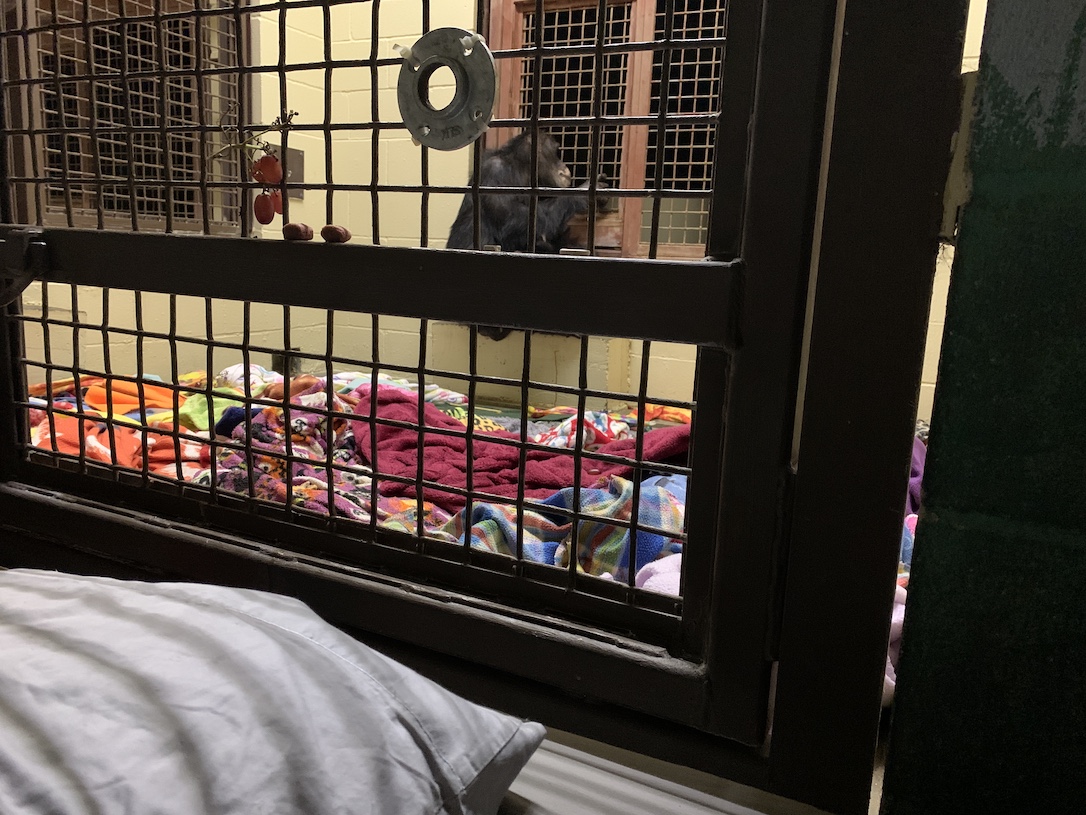
If a chimpanzee has a major surgery or shows difficulty recovering from anesthesia, we will stay with them overnight – sometimes for nights on end. We’ll monitor their respiration, give medications, and in some cases just nudge them to get up in order to promote circulation and deeper breathing. Our recent sleepovers with Burrito were actually pretty quiet, though the other chimps occasionally had something to say about the cornucopia of food available only to Burrito.

During critical recovery periods, caregivers sleep just outside the recovery enclosure to provide 24-hour care.

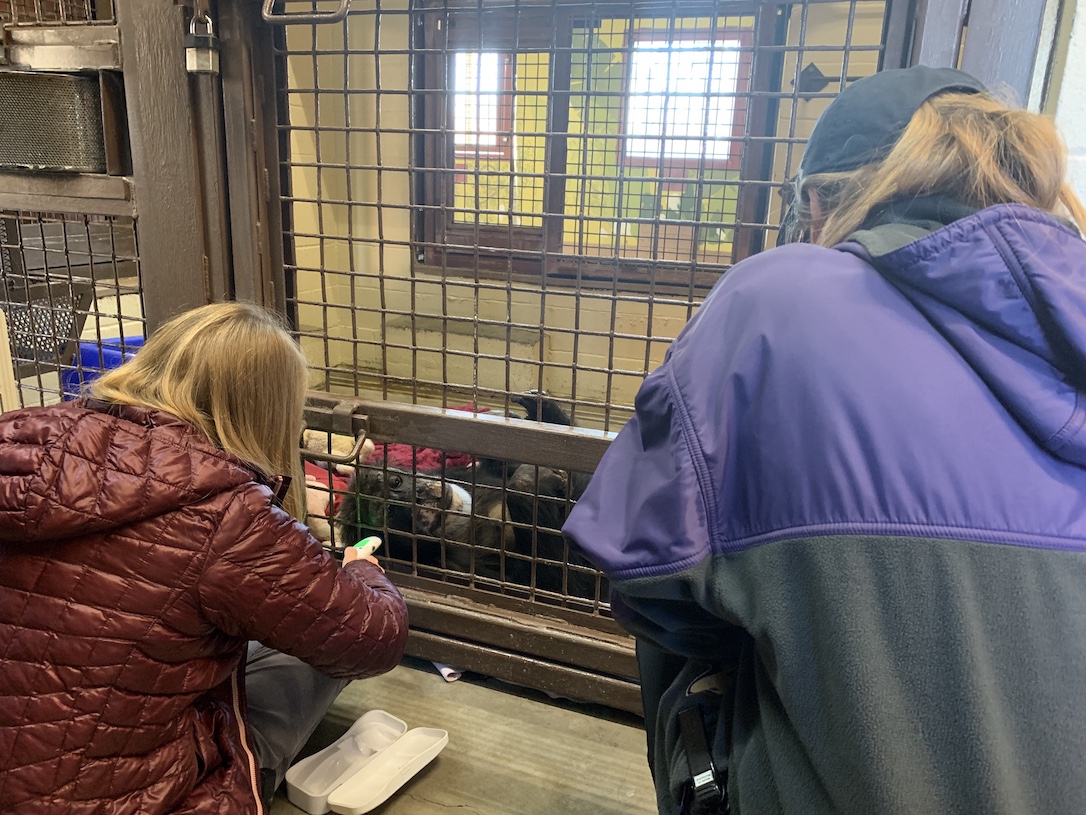
Some of the behaviors we work on in positive reinforcement training come in handy in times like these. While a no-contact thermometer isn’t very scary to begin with, it helps that Burrito is used to holding his temple to the caging while we get a reading.

A no-contact thermometer is an effective way to record trends in body temperature
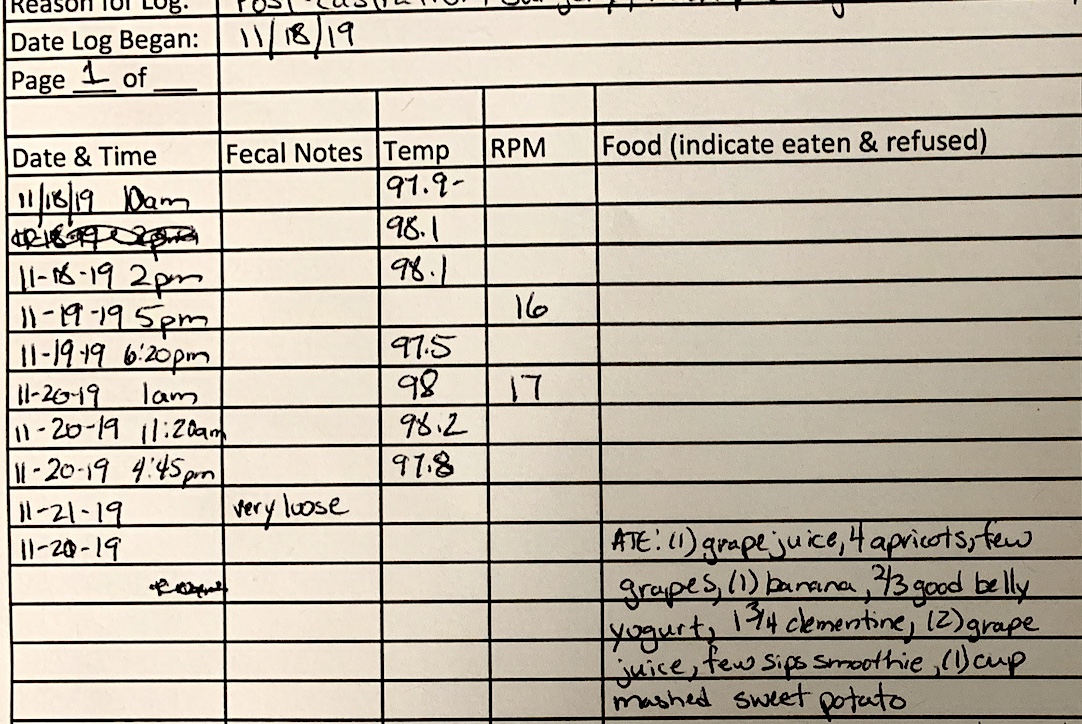
In addition to charts for medications and procedures, caregivers maintain a log of vital signs such as temperature and respiratory rate

Administering meds is the most difficult part by far. Anesthesia and medications can make a chimpanzee lose his appetite – even a professional eater like Burrito. And some medications taste and smell disgusting. So whenever a chimp is on medication after a procedure, you will find the counters filled with all sorts of goodies – pudding, applesauce, juice, yogurt, soda, smoothie, bread, bagels, baked goods, jam, honey, syrup, dried fruit…anything that will mask the pill or liquid. And in many cases it only works once, so next time it’s back to the drawing board. But they have to take their meds, so there’s no giving up.

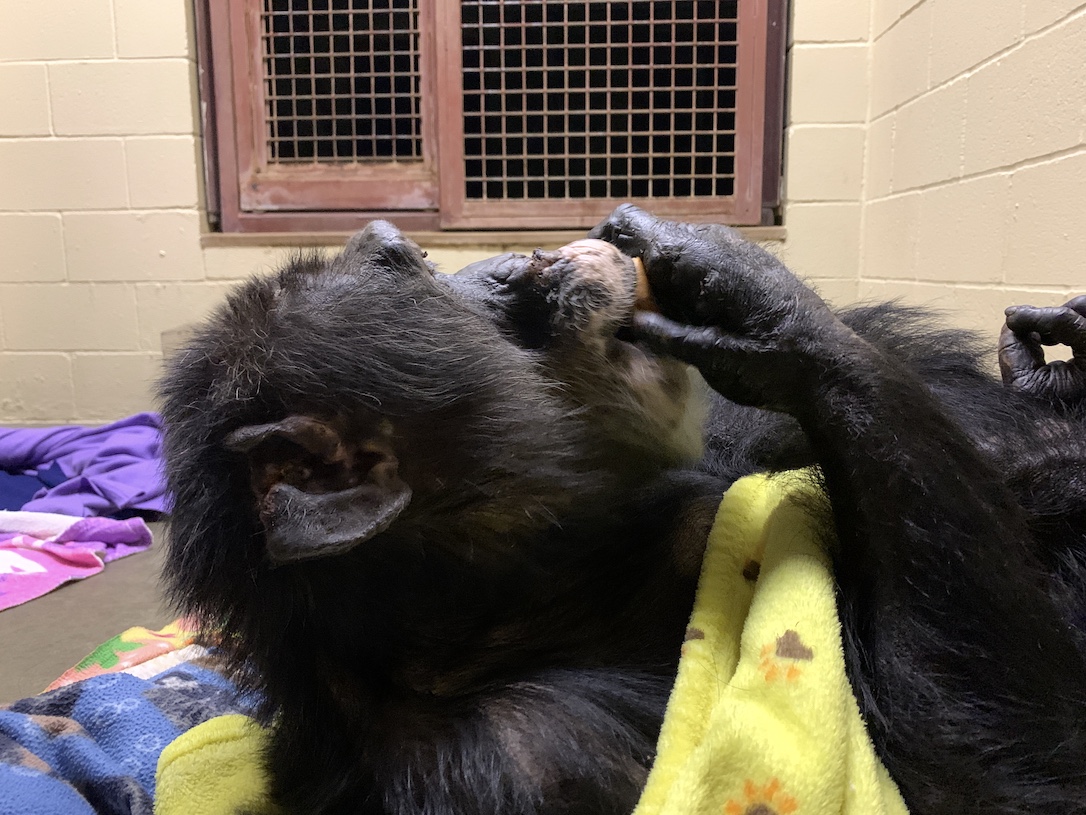
Burrito enjoys a midnight snack (spiked with pain relievers).

We’re so grateful that Burrito’s world-famous appetite is beginning to return and his suspicion of being surreptitiously medicated is starting to wane. In the not-too-distant future, he will be back to his old routine. And while I’m sure he’ll be thrilled to go back, I know he’ll miss those midnight bagels…

Filed Under: Burrito, Caregivers, Veterinary Care Tagged With: chimpanzee, clinic, medical, northwest, recovery, rescue, Sanctuary, surgery

Sunning, sleeping, supervising

May 3, 2019 by J.B.

This morning, volunteers Rose, Ray, and Fred set out an early lunch forage for the chimps. Negra spent much of her time on the Escher climbing structure – I don’t know if she has a special fondness for this structure or if she just thinks we put more food up there. Either way, it’s great to see Negra climbing so high and enjoying the sun.

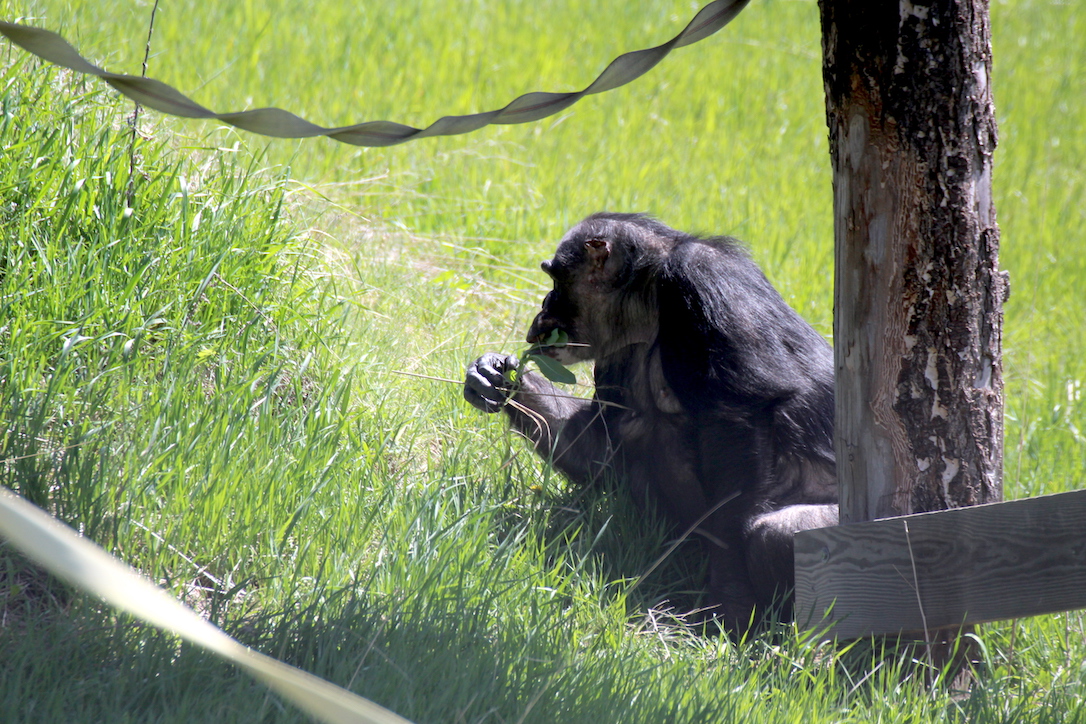
Afterwards she showed that in spring you don’t always have to rely on humans for your food. There’s plenty of wild lettuce out here, thank you very much.

Jamie was deep in dreamland after the forage (no doubt dreaming about boots and books and books filled with boots) when she was awoken by some activity out back.

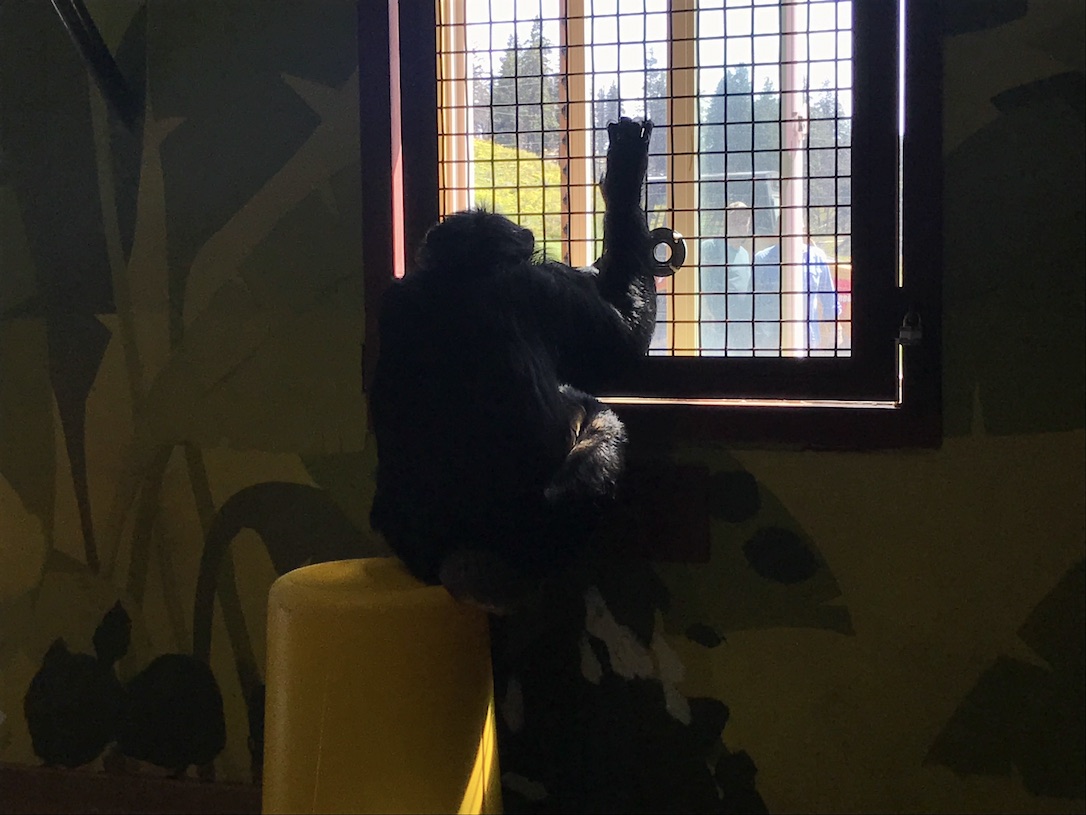
These people look like they need to be supervised.

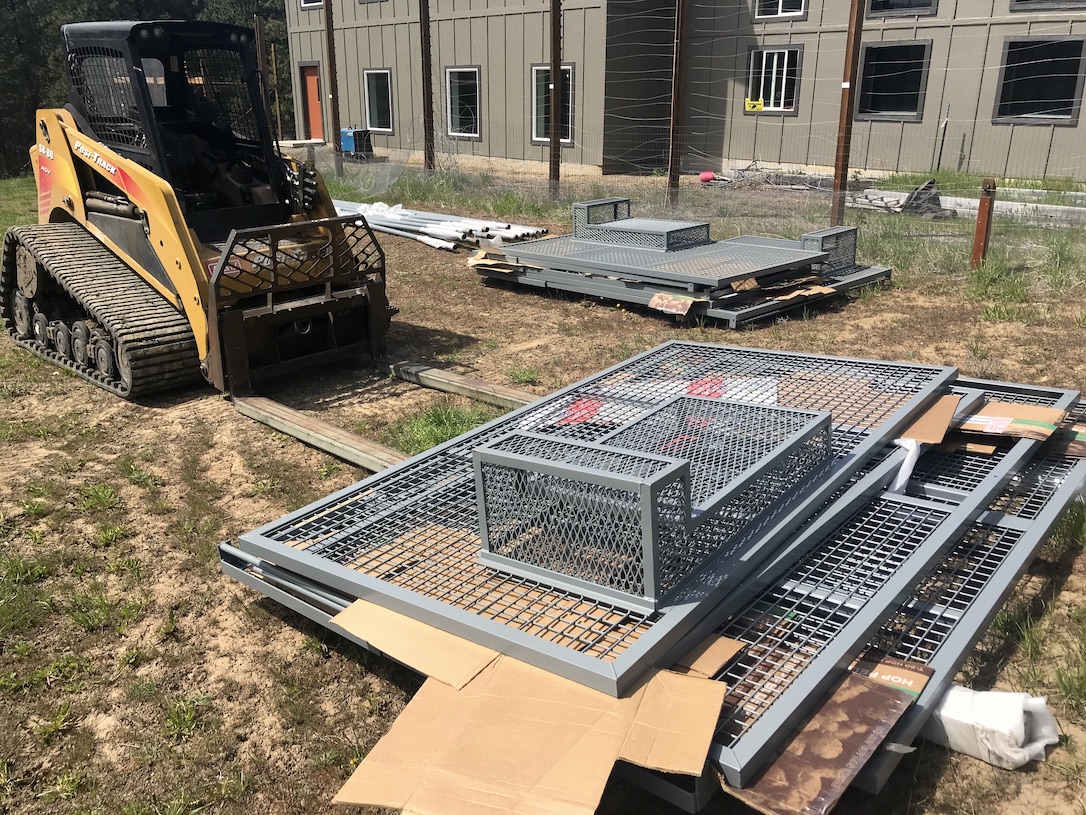
The welders had arrived with some of the caging that is being installed next week.

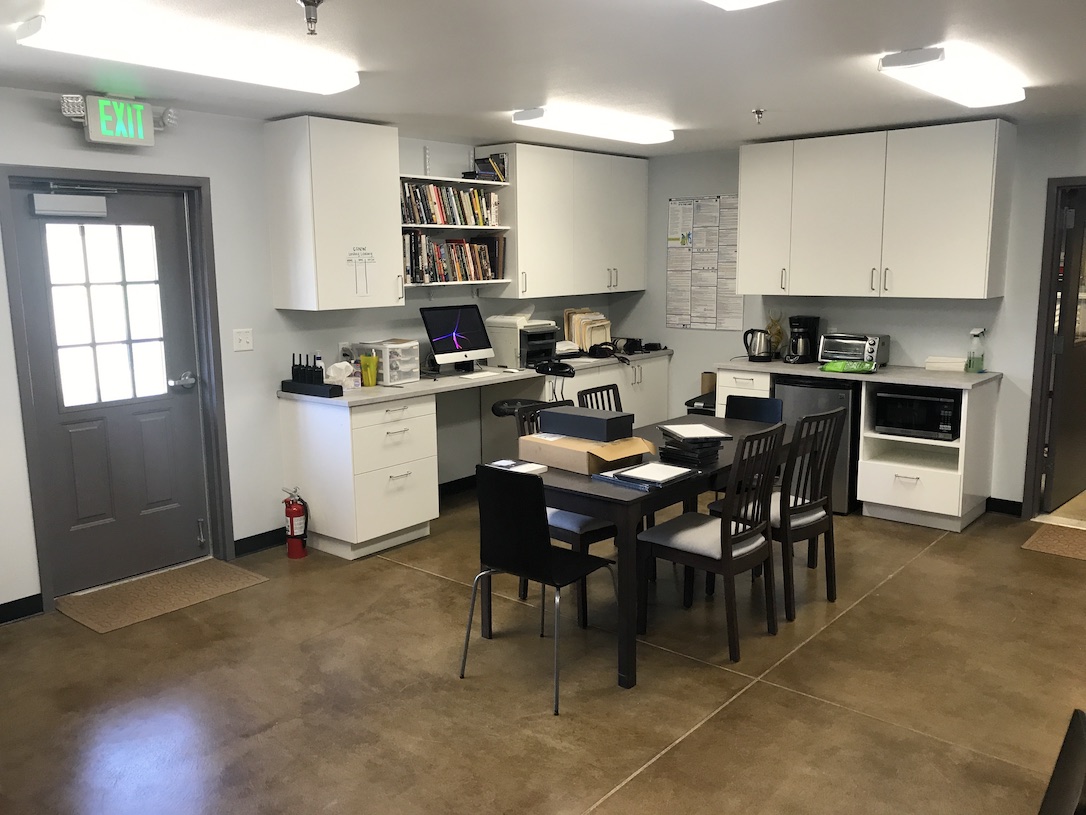
While we are still several weeks away from having the new chimp areas up and running, we have already begun putting the human areas of Phase 1 to use. Here’s a shot of the foyer which houses the computer workstation and break areas. I can’t tell you how exciting it is to have so much space after working for over a decade out of a one-room kitchen/laundry/enrichment/office workspace.

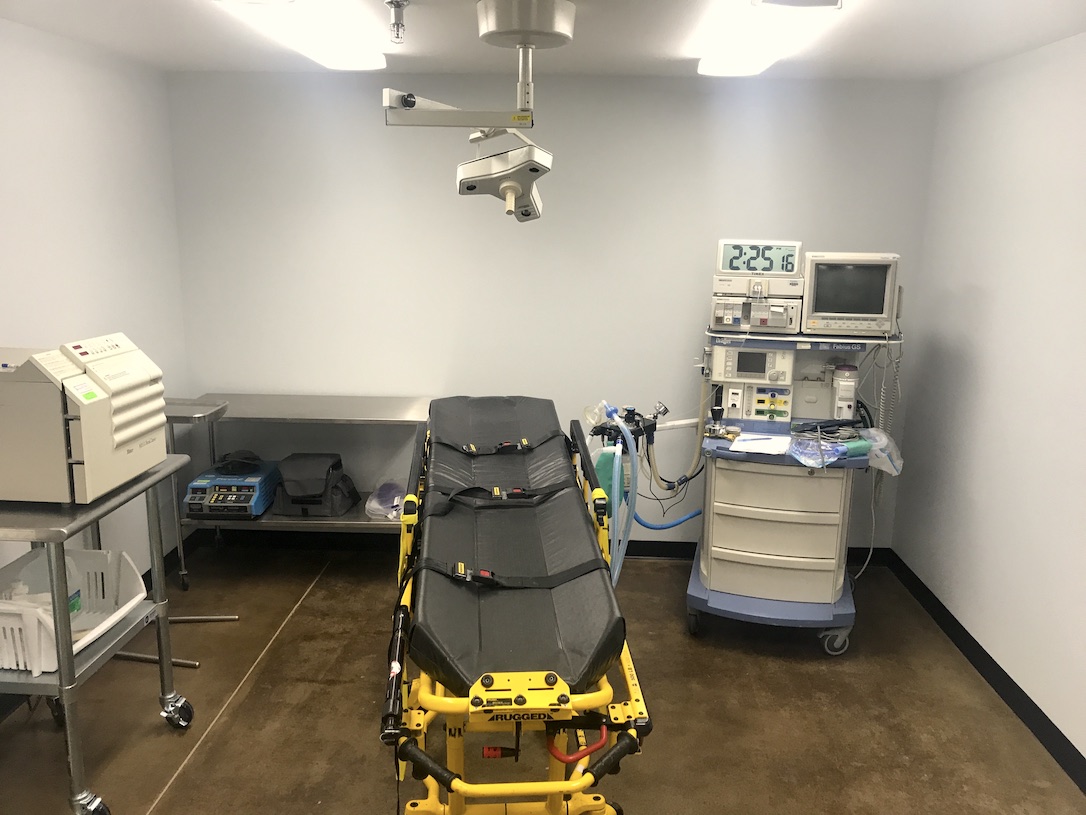
More important than the new foyer is the new clinic, which has twice the square footage of our mobile unit and includes much more storage space.

Once everything is done, we’ll put together a video tour of the whole facility. And then it’s on to Phases 2 and 3!

Filed Under: Construction, Food Tagged With: addition, chimpanzee, clinic, Construction, expansion, forage, medical, Negra, northwest, rescue, Sanctuary

Negra’s surgery

January 12, 2017 by J.B.

If you read Diana’s blog post on Saturday, then you know that Negra recently sustained an injury to her toe that we’ve been closely monitoring. After careful consideration, we decided that we needed to intervene surgically to help speed the healing process and reduce the risk of long-term complications. Yesterday, our amazing volunteer veterinarian, Dr. Zamzow, along with two skilled and generous volunteer anesthesiologists, came out to conduct the minor operation.

Procedures like these actually begin the night before, when we isolate and withhold food from the chimpanzee being treated. In the morning, we shift all of the other chimpanzees into another area so that the patient can enjoy some peace and quiet during the anesthetic induction. Of course, these chimpanzees have been around the block a few times, so they know what’s going on. Sometimes they express concern and want to see what’s happening inside – especially the group’s den mother, Jody:

The chimpanzee being treated is given an injectable anesthetic in an enclosure designed for this purpose – it’s small and has no furniture or other things to climb on so that they won’t get hurt as they lose their coordination from the anesthetic (right now this is one of the front rooms – the same room you’ve seen in recent videos where the chimps like to watch their playroom parties being set up). Once they are fully anesthetized, we strap them on a stretcher and wheel them to the clinic where they’re put on gas anesthesia and hooked to cardiac and anesthetic monitors for their safety.

Our clinic, which is in the back of a 38-foot trailer, has served us well for the few procedures we have had to do, but part of the expansion project we hope to break ground on this year includes even better spaces for anesthesia induction, medical intervention, and recovery. The new and improved space will help the seven chimpanzees currently at CSNW as well as the new chimpanzees we expect to welcome over the next few years.

Here’s Negra in the clinic being prepped for surgery:

Anesthesia can be hard on a chimpanzee, particularly when they are older or ill. That’s why we try to do as much health monitoring and treatment as we can while they are awake using positive reinforcement training. But sometimes more complicated procedures require full anesthesia. Thankfully, Negra did great throughout the procedure, and she was soon on her way back to the enclosure where she could be monitored during her recovery. As one of our anesthesiologists taught us, anesthesiology is like flying a plane – the most dangerous times are takeoff and landing. So as a chimpanzee recovers, we have to watch them very closely. We position them on their side near the caging, propped up by blankets, so that we can monitor their breathing and pull their ET tube when they’re ready.

Once they start coming to, they feel generally crummy for a little while. But soon they realize that they are on a pile of blankets on a heated floor, and what better opportunity is there to take a nice long nap?

Negra is starting to feel better this morning, slowly but surely. It’s best for her to remain apart from the group for a little while longer to give her toe a better chance of healing quickly. So she’s been grooming with her friends through the caging and getting indulged with special treats. But more than anything, she’s been focusing on what she does best: resting. This is a chimpanzee that knows how to follow doctor’s orders.

Save

Filed Under: Negra, Sanctuary, Veterinary Care Tagged With: anesthesia, chimpanzee, clinic, Negra, northwest, rescue, Sanctuary, surgery, toe, veterinary

Burrito in Recovery

July 24, 2015 by Diana

Today was Burrito’s big dentist’s appointment. A month ago, after we noticed he had fractured a lower canine tooth, he had an initial exam to help determine the course of action and his ability to withstand anesthesia. You can read about that exam in this blog post written by J.B.

The echocardiogram from his first procedure showed some cardiac disease, as expected, and confirmed that the treatment we have had him on for the last three years was appropriate.

Today, we owe a debt of gratitude to the chimps’ local veterinarian Erin Zamzow and tech Amanda Carner, veterinary dental surgeon Loic Legendre, his intern Adriana Regalado and veterinary technician Barbara Boyle, nurse anesthetist Kurt Smudzinski, CSNW volunteer Rebecca Smudzinksi, and the staff and volunteers who came as support crew. And we are so grateful to everyone who helped us fundraise for the clinic, allowing the chimpanzees to receive medical treatment at home.

One thing that we’ve learned about Burrito with these past two procedures is that he can tolerate A LOT of sedative and anesthetic drugs. Once he was finally completely sedated, he was in the skilled hands of the veterinarian team. The canine tooth that was recently fractured was extracted, and a front tooth that had been broken for some time was also pulled after reviewing x-rays taken on the spot.

Burrito tooth extraction

Right now, he has a whole circle of compassionate people watching over him (we feel your concern and caring too!)

compassion circle

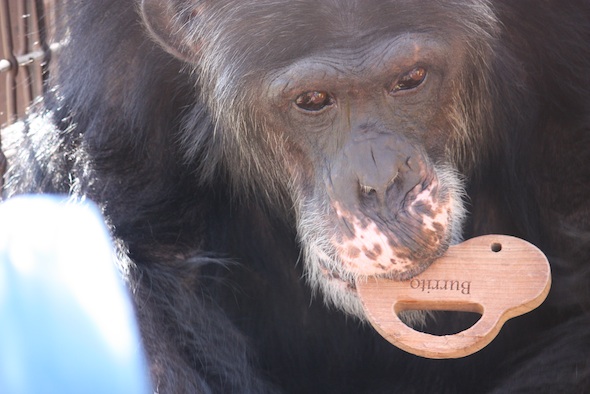
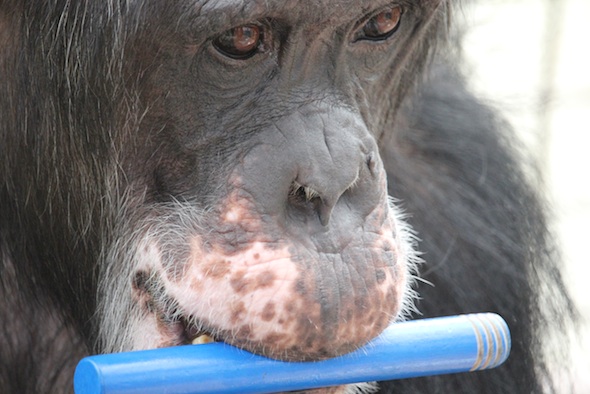
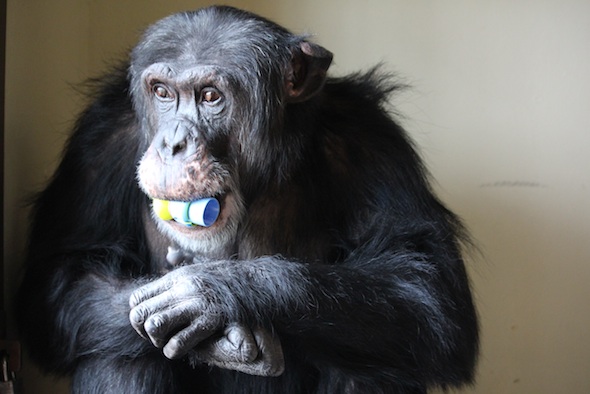
Based on his quick bouncing back last time, we have no doubt that he’ll be back to his usual self, toy in mouth, with the girls in no time… just with two fewer teeth.

Burrito with toy in mouth

Burrito with blue stick in mouth

Burrtio with toy in mouth

Burrito with block in mouth on YH

If you’d like to add your support for Burrito and crew, we have a wishlist full of a variety of needed things that you can gift to the sanctuary, and / or you can make a donation in Mr. B’s honor. Thank you for all of your support!


Filed Under: Burrito, News, Sanctuary, Veterinary Care Tagged With: chimp, chimpanzee, clinic, csnw, dental, extraction, medicine, northwest, Sanctuary, veterinary

Burrito’s exam

June 27, 2015 by J.B.

Recently, Burrito fractured a canine tooth. We don’t know how it happened exactly – in fact, we only became aware of the injury when we noticed it pointing straight out of his mouth, perpendicular to his other teeth. As with other significant injuries, we began by administering oral antibiotics and pain relievers and arranged for our local veterinarian, Dr. Zamzow, to come take a look. Dr. Zamzow then consulted with Dr. Mensching, also a veterinarian and a member of our board of directors, and Dr. Bezner from Save the Chimps, to come up with a plan to deal with Mr. B’s broken tooth.

If you don’t know this already, I should point out that chimpanzees are remarkably tough. Believe it or not, Burrito never missed a meal, and didn’t even seem to favor that side of his mouth when chewing. It’s really hard to appreciate how stoic chimps can be until you witness it yourself.

Despite his own lack of concern about the injury, a broken tooth can present serious risks for more severe pain and infection down the road, particularly the canines which are large and deeply rooted, so we decided that it would have to be repaired or extracted by a veterinary dentist. But as you may know, Burrito is already being treated for symptoms of heart disease, and that makes decisions about medical interventions a bit more complicated due to the risks of anesthesia. But when an intervention is required, for whatever reason, it presents an opportunity to learn more about his overall health, so we gathered an amazing group of people to help with Burrito’s treatment. And it was all made possible because you helped us build an onsite veterinary clinic.

Before we can make any decisions about how the treat the tooth, we need x-rays. Yesterday, two vet techs from Valley Veterinary Hospital in Ellensburg came to the sanctuary with digital radiography equipment to get pictures of his teeth and jaw. These x-rays will be shared with a board certified veterinary dentist, who has agreed to come to our clinic to treat Burrito, whatever that treatment may be. And because of our concerns about Burrito’s heart, we were grateful to have the assistance of a huge team of veterinary cardiologists, anesthesiologists, residents, and vet students from the Washington State University Veterinary Teaching Hospital, all led by Cardiologist Dr. Lynn Nelson.

After receiving anesthetic injections inside the chimp house, Burrito was wheeled to the mobile clinic where he was intubated and placed onto gas anesthesia for the procedures. The anesthesiologists were able to ensure his safety by monitoring his airway gases and reading his vitals using ECG, blood pressure, temperature, and pulse ox equipment. Dr. Zamzow drew blood for CBC and chem profiles and obtained an urine sample.

web_Burrito_exam_clinic_IMG_4597

With such a huge group of people, teams worked in shifts as much as possible.

web_Looking_into_clinic_IMG_4602

But the clinic turned out to fit more people than we had expected. Technicians obtained dental x-rays while the cardiology team began the echocardiogram.

web_Burrito_xray_echo_clinic_IMG_4615

This imaging of Burrito’s heart will help us evaluate his initial diagnosis and may potentially provide avenues for better treatment. It will also help us determine how well he might handle the anesthesia required for a longer dental procedure. We will share the information we obtain with the Great Ape Heart Project to help improve the lives of other captive chimpanzees.

web_Burrito_echo_clinic_IMG_4607

When the tests were complete, Burrito was placed back inside into one of the front rooms to recover from the anesthesia. The girls had to wait outside in the greenhouse until he was ready to deal with all of their excitement.

web_Burrito_recover_from_anesthesia_FR1_IMG_4630

After a few hours of rest, he was ready for visitors on the other side of the caging. Jody and Foxie were particularly concerned about their buddy, but eventually all of the girls came to groom him through the bars. For his safety, he was not allowed to return to the group until he was 100% recovered from the anesthesia.

web_Annie_groom_Burrito_recovery_FR1_IMG_4632

Both the general and injectable anesthesia can upset the stomach and make you feel all worn out, so Burrito took an additional day to lounge around by himself, waited on at all times by his staff of caregivers.

web_Burrito_lie_bench_fr4_recovering_day-after_dg_IMG_4641

With the help of some anti-nausea medicine, he was feeling good enough this evening to join the gang for a dinner forage on the hill.

web_Burrito_forage_recovered_IMG_6078 copy

In the coming weeks we will learn more about Burrito’s health from these tests, and the veterinary dentist will be able to decide the best coarse of action based on his x-rays and what the other tests tell us about his ability to tolerate prolonged anesthesia.

Exams like this aren’t easy on a chimp, and they’re pretty tough on the people who care about them too. We owe a huge debt of gratitude to Dr. Zamzow, Dr. Mensching, Dr. Bezner, Valley Veterinary Hospital, and the WSU Veterinary Teaching Hospital for providing the best care a chimp could ask for. And to everyone who helped us build and equip our onsite clinic: You made it possible for him to receive this level of care. And I know you would agree that this guy deserves nothing less.

web_Burrito_alfalfa_cube_portrait_studio_FR4_ek_IMG_4516


Filed Under: Burrito, Sanctuary, Veterinary Care Tagged With: Burrito, chimpanzee, clinic, ecg, echocardiogram, northwest, rescue, Sanctuary, teeth, veterinary, x-rays

  • « Go to Previous Page
  • Page 1
  • Page 2
  • Page 3
  • Page 4
  • Go to Next Page »

Primary Sidebar

Subscribe To the Blog and Get Notified of New Posts First!

Archives

Calendar of Blog Posts

June 2026
S M T W T F S
 123456
78910111213
14151617181920
21222324252627
282930  
« May    

Categories

SUBSCRIBE TO OUR NEWSLETTER

Footer

PO Box 952
Cle Elum, WA 98922
[email protected]
509-699-0728
501c3 registered charity
EIN: 68-0552915

Official DDAF Grantee

Menu

  • The Chimpanzees
  • Blog
  • About Us
  • You can help
  • Resources
  • Contact
  • Donate

Proud Member of

Connect With Us

Search

Copyright © 2026 Chimpanzee Sanctuary Northwest. All Rights Reserved. Site by Vegan Web Design