• Skip to main content
  • Skip to primary sidebar
  • Skip to footer

Chimpanzee Sanctuary Northwest

Hope. Love. Home. Sanctuary

  • Our Family
    • The Chimpanzees
    • The Cattle
  • Blog
  • About Us
    • Visiting the Sanctuary
    • Philosophy
      • FAQs
      • Mission, Vision & Goals
      • Privacy Policy
    • The Humans
      • Staff
      • Board of Directors
      • Founder
    • Annual Reports
    • The Future of CSNW
    • CSNW In The News
  • You can help
    • Donate
      • Become a Chimpanzee Pal
      • Sponsor A Day
      • Transfer Stock
      • Be A Produce Patron
      • Be a Bovine Buddy
      • Give from your IRA
      • Personalized Stones
      • Bring Them Home Campaign
    • Leave A Legacy
    • Employment Opportunities
    • Volunteer
    • See Our Wish List
    • Events
  • Resources
    • About Chimpanzees
    • Enrichment Database
    • Advocacy
      • Advocacy Action Center
      • Apes in Entertainment
        • Trainers
        • Role of the AHA
        • Greeting Cards
      • Chimpanzees as Pets
      • Roadside Zoos
      • Chimpanzees in Biomedical Research
      • Conservation
        • African Apes
        • Orangutans
  • Shop
    • Merchandise Store
  • Contact
  • DONATE NOW

chimpanzees

Strivin’ to Survive: A Scarecrow’s Tale

November 3, 2020 by Chad de Bree

As some of you have seen, this Jamieween included A Tale of Two Scarecrows. The first scarecrow was put out in the Courtyard for Willy B, Honey B, and Mave.
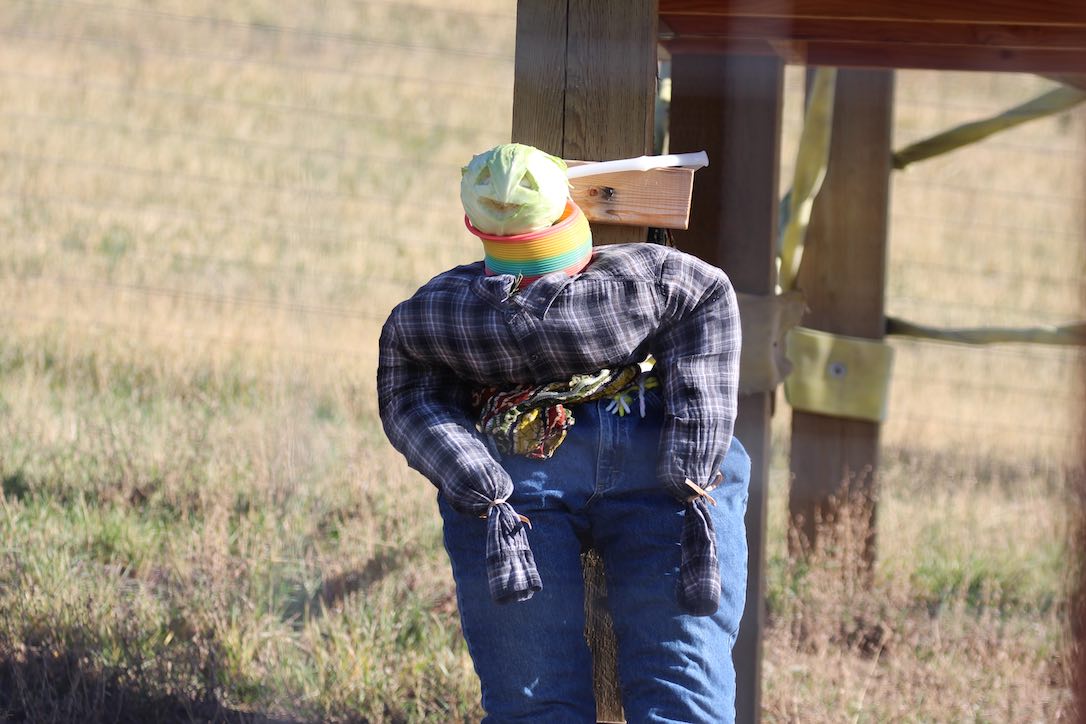
If you read the blog on Saturday, Willy B made quick job of the cabbage head while leaving the body intact. Diana and Kelsi, brought the scarecrow’s body in and placed in the Mezzanine later that night. (You can see him in the corner just beyond Mave.)
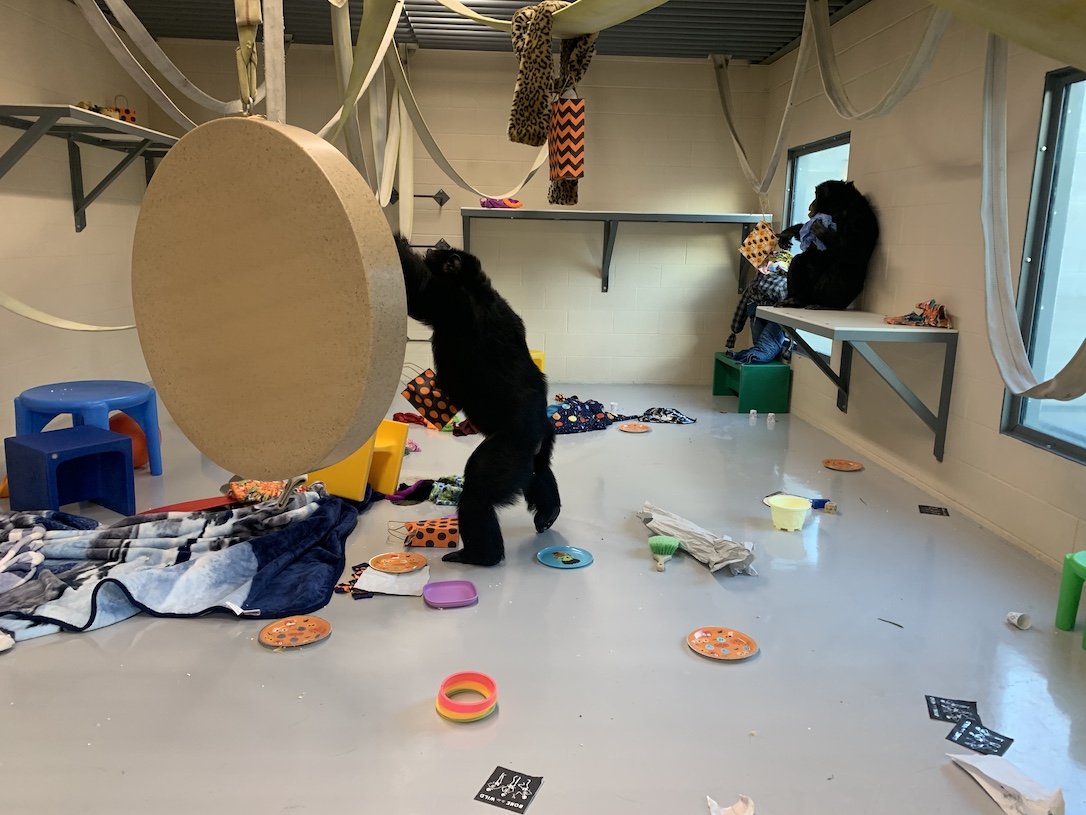
We all kind of suspected Honey B would be the first one to be curious about it. I’m told that she indeed was. I wasn’t there to witness everything unfold at that time, but I’m told Honey B indeed was the one to be the first to inspect it. I was there, however, the following morning as I brought breakfast up to Mezzanine and she was sitting on it’s chest pulling alfalfa out searching for more treats.

The other scarecrow was placed onto Young’s Hill for the Seven to enjoy.
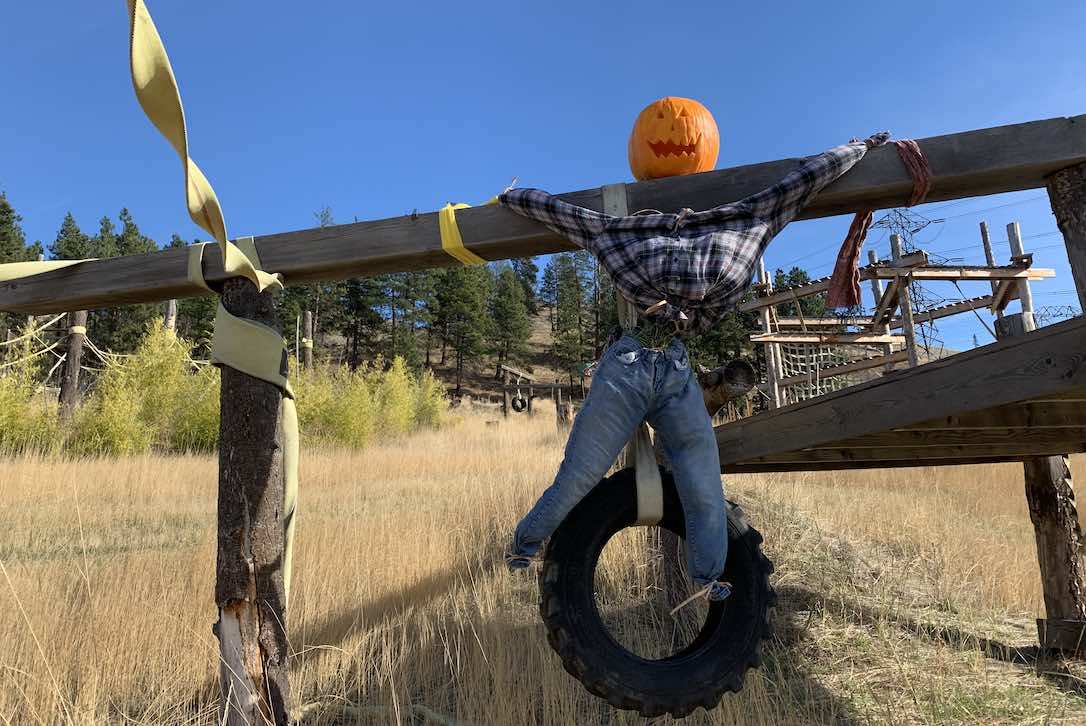
So far, it has had a longer life… so to speak.

This year, Jody did not disappoint and was the Great Pumpkin Thief once again.
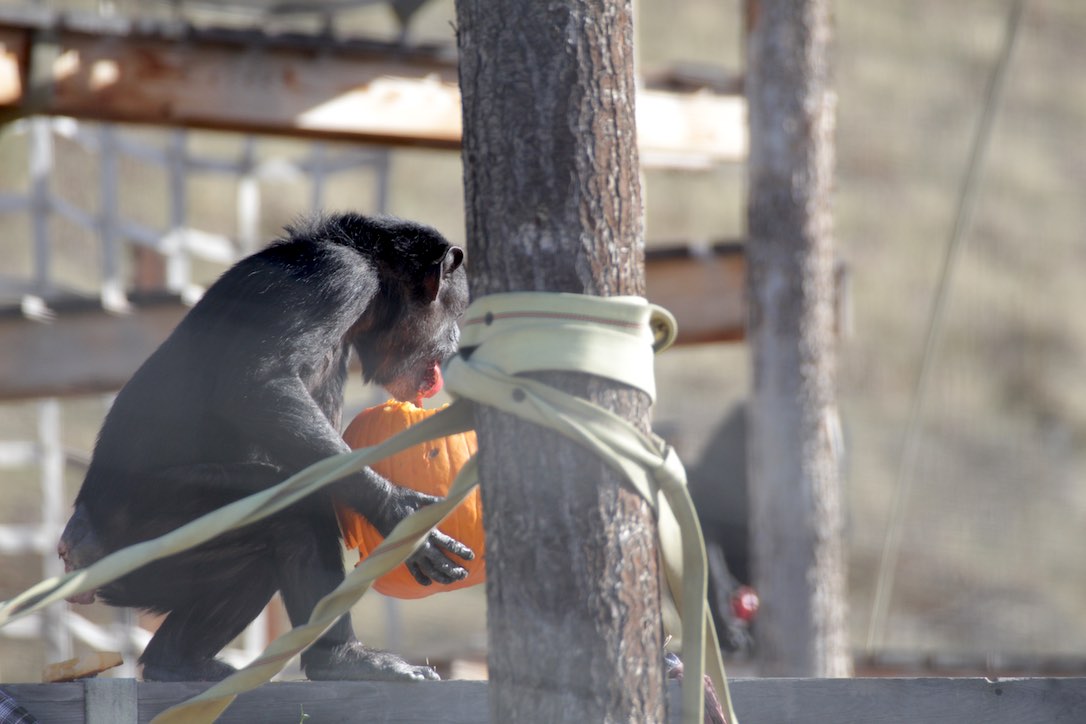
Though Jody made way with taking the scarecrow’s head, its’ body still remains on Young’s Hill to this day.

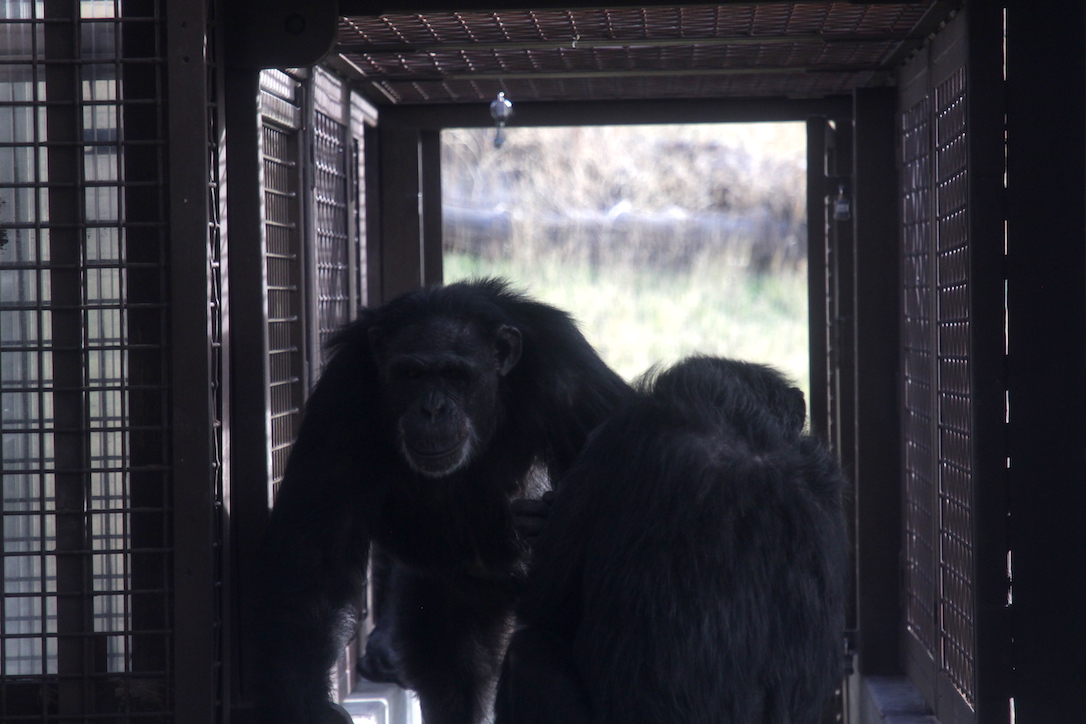
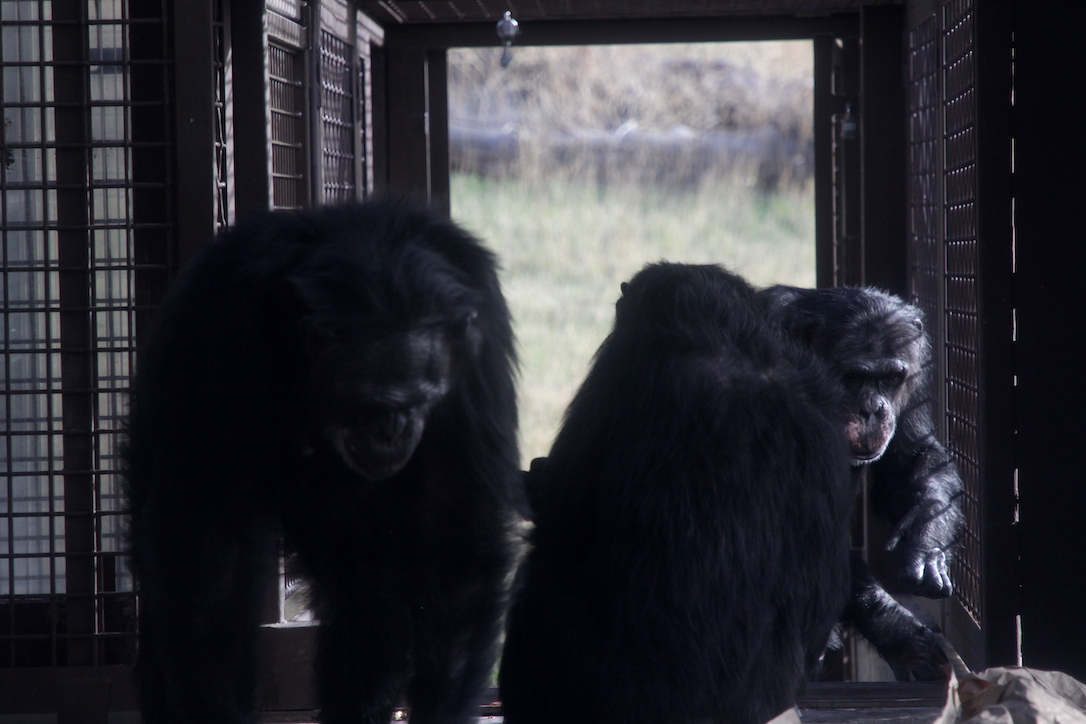
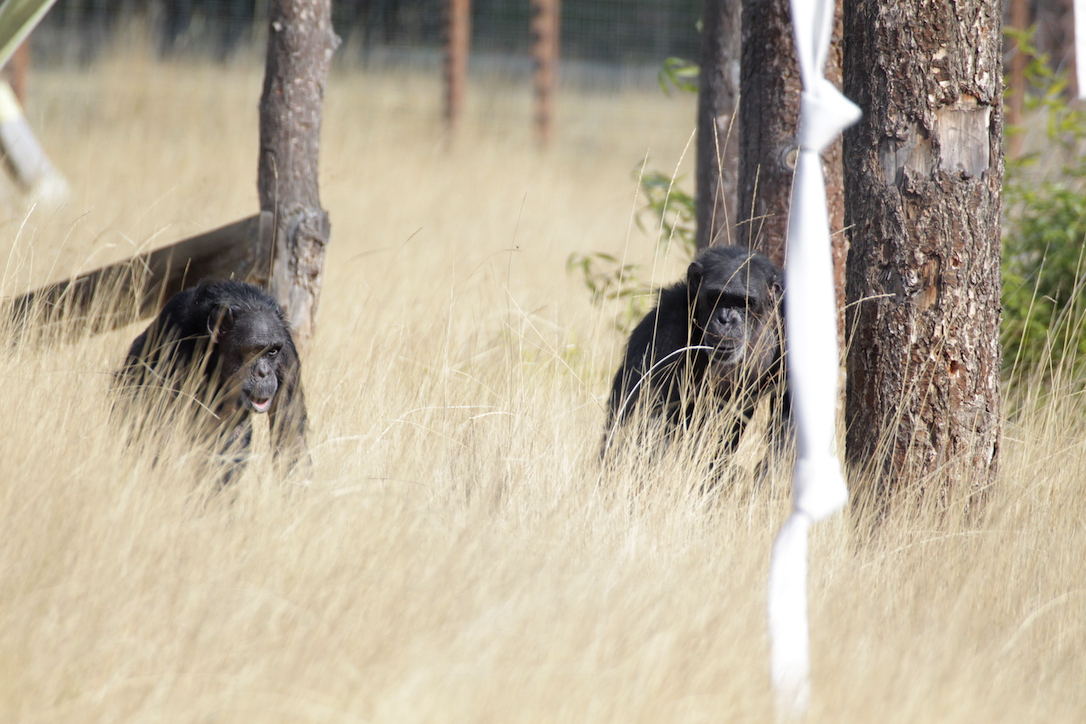
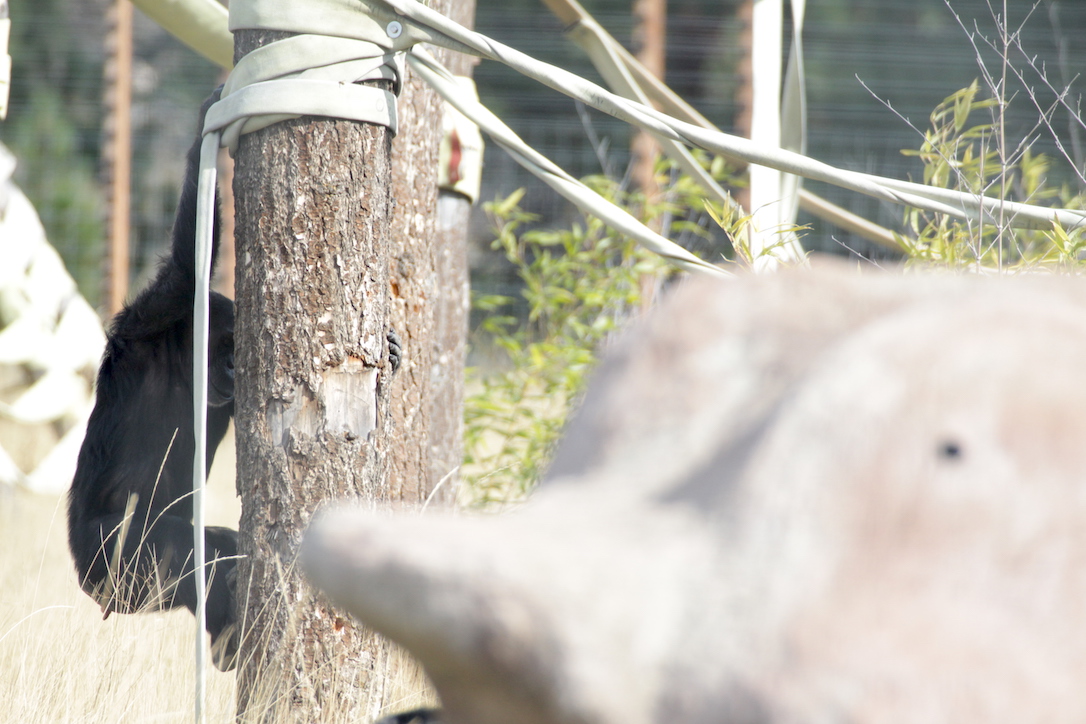
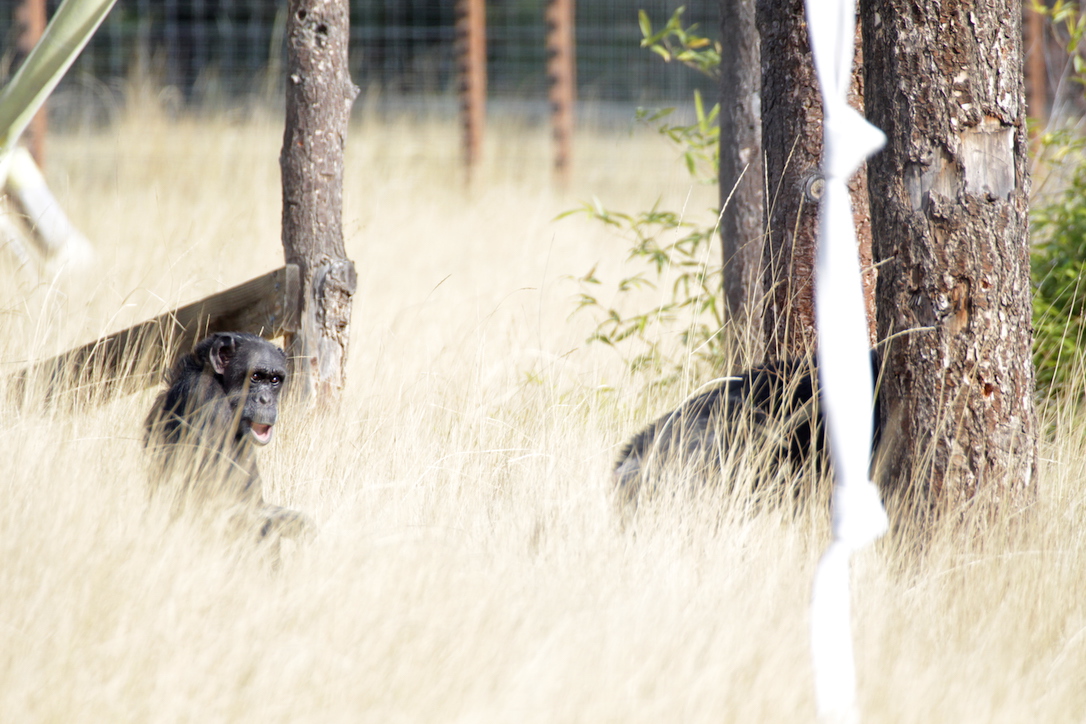
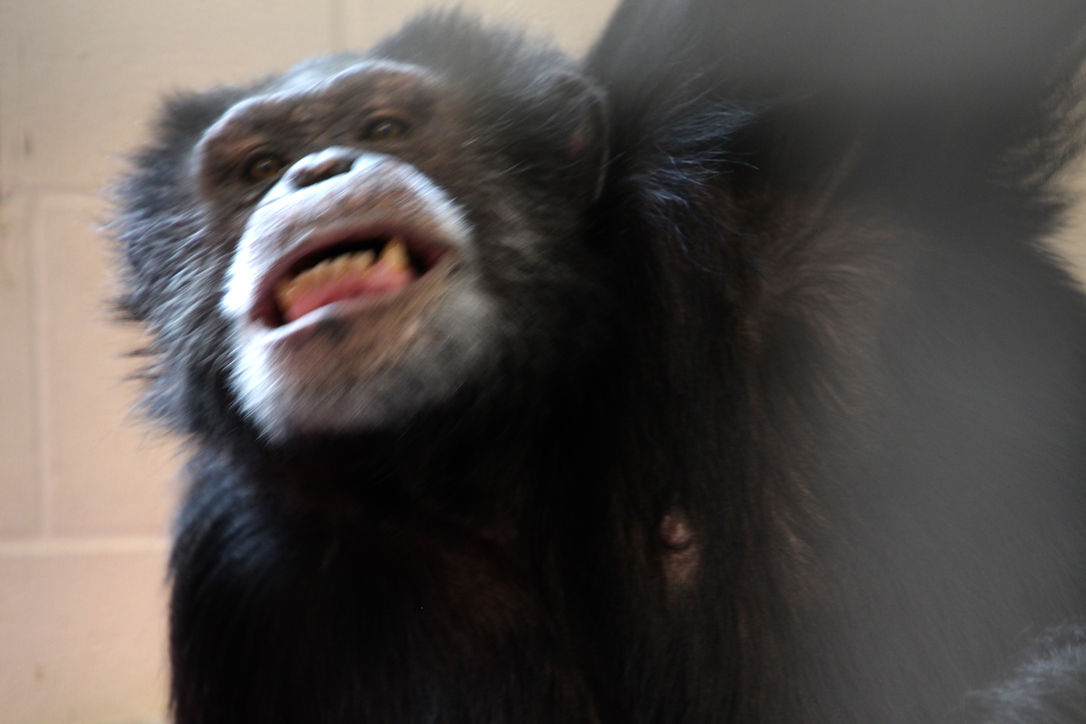
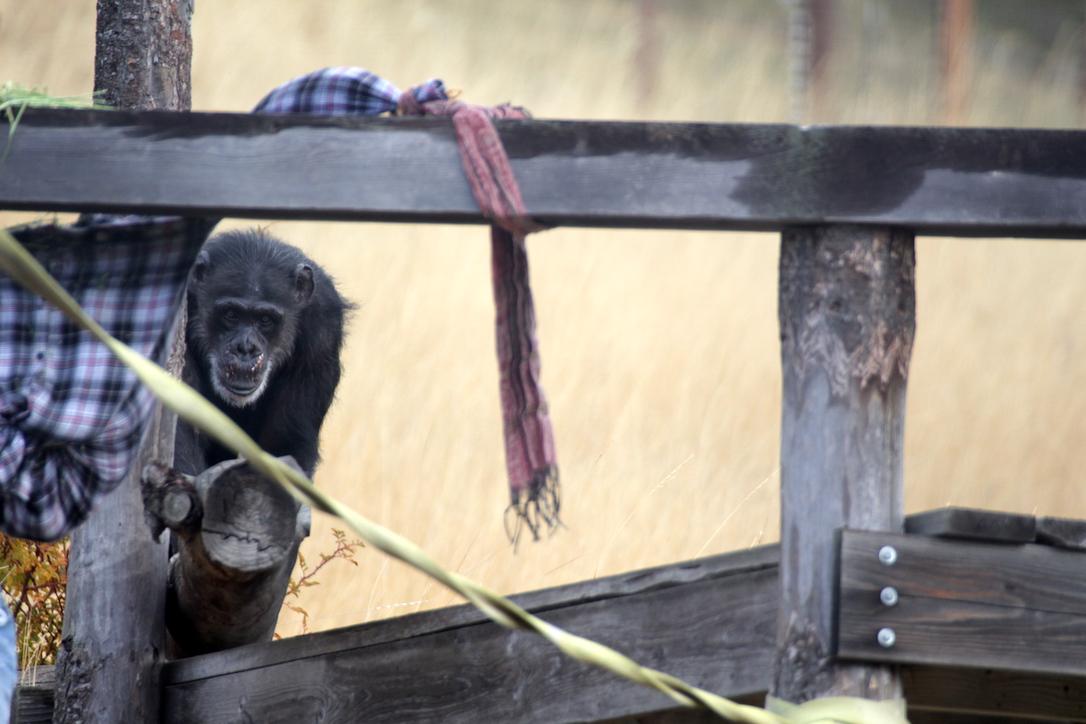
Yesterday, as Jamie and I were coming back from our walk/run around the hill, a shadow near the scarecrow caught my eye. As I saw this shadow, my mind raced with anticipation that somebody was finally going to bring it inside and find every treat! (I apologize for some slightly blurry photos, but it was difficult to hurry and focus in time to catch it as it was happening.)
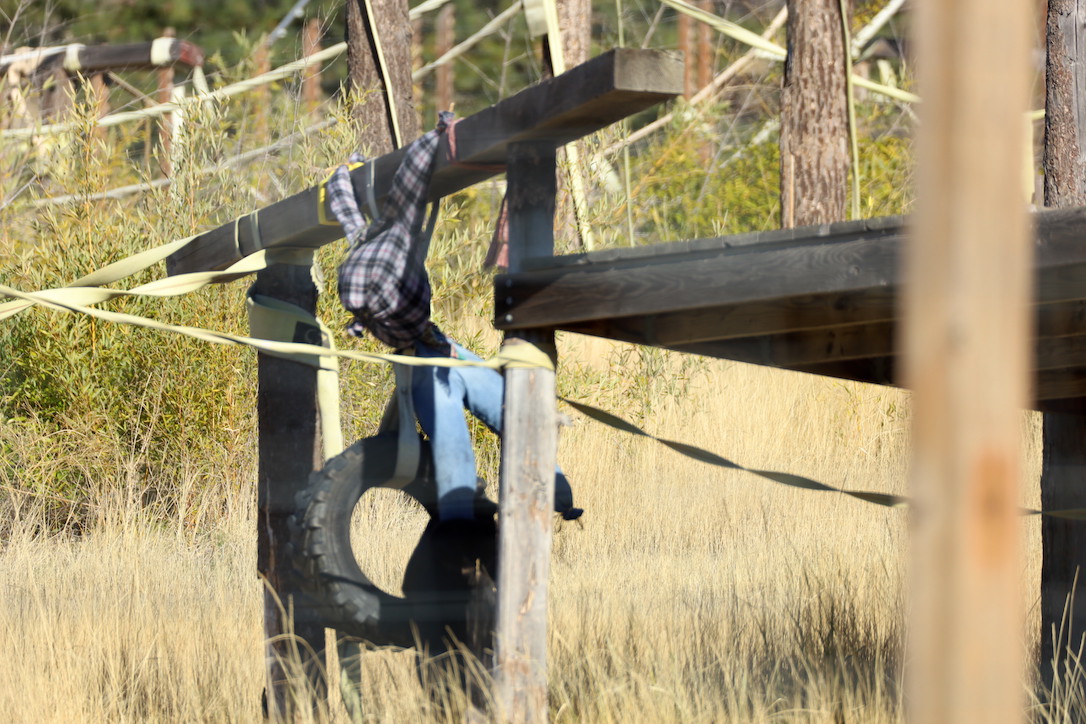
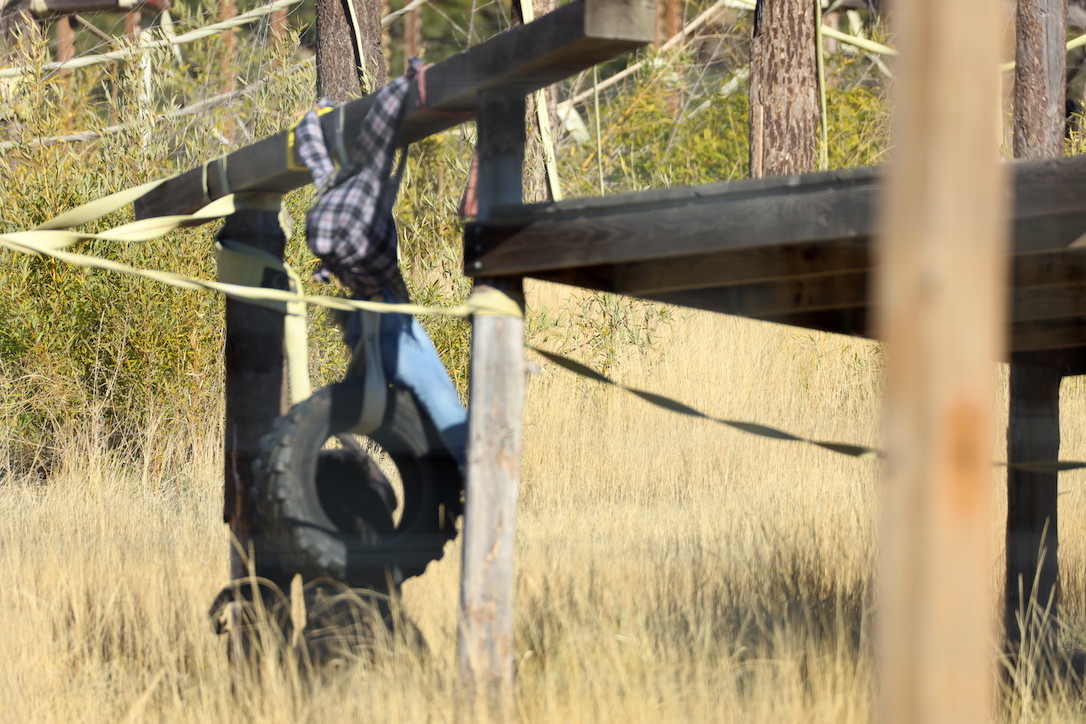
Who could this be? Was it Annie returning to claim what once might have been hers? Was it Missy whose curiosity got the better of her to finally investigate the a few days after?
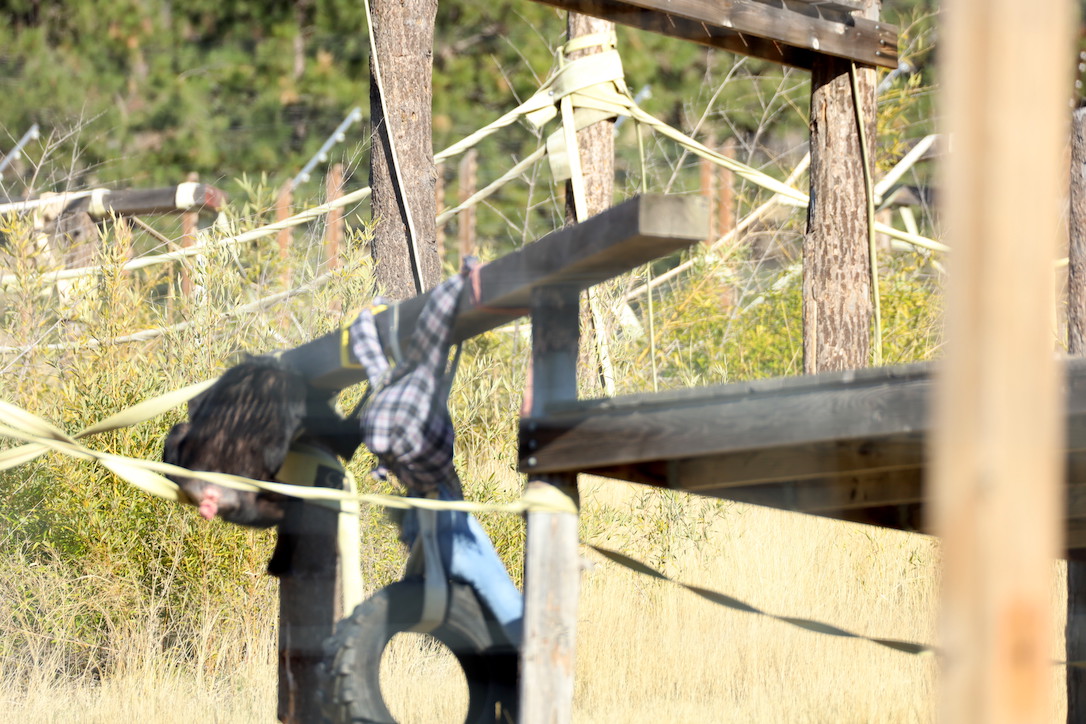
As the camera (finally) began to focus, it was clear to me who was going to try to finally put this scarecrow to pasture.
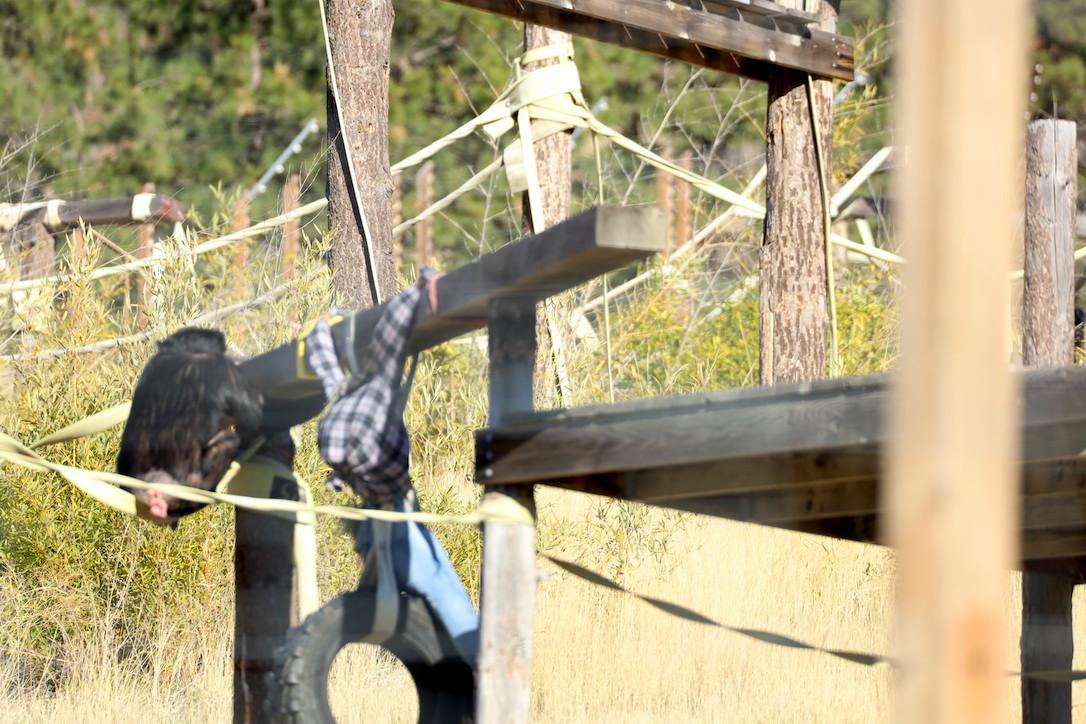
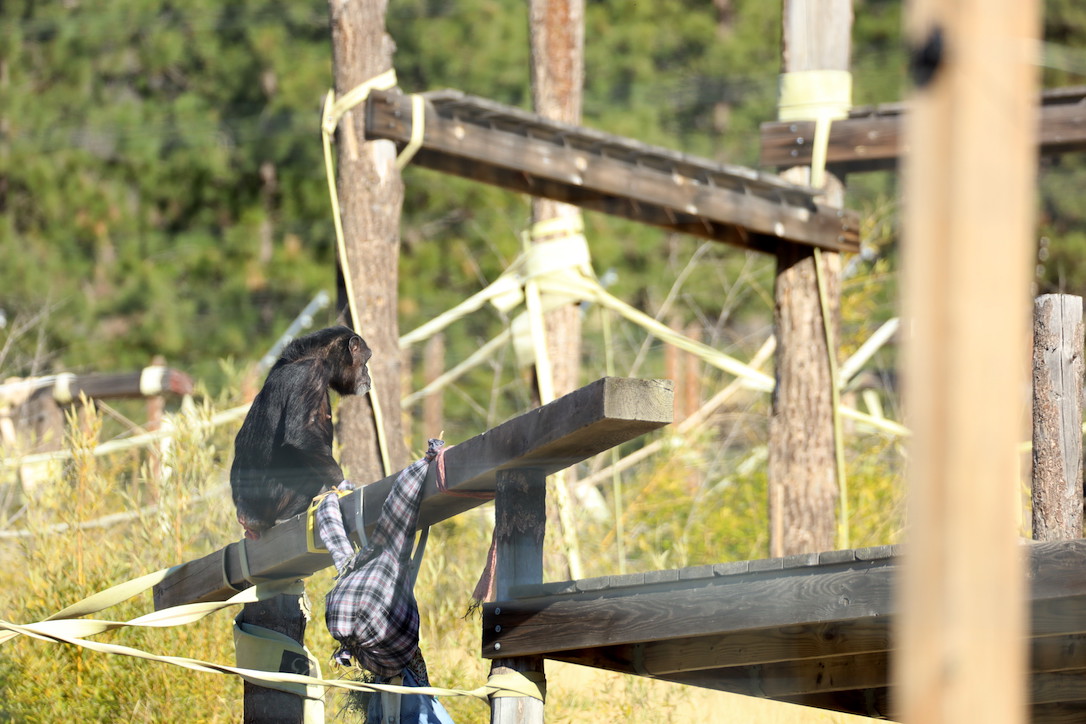
Jody!
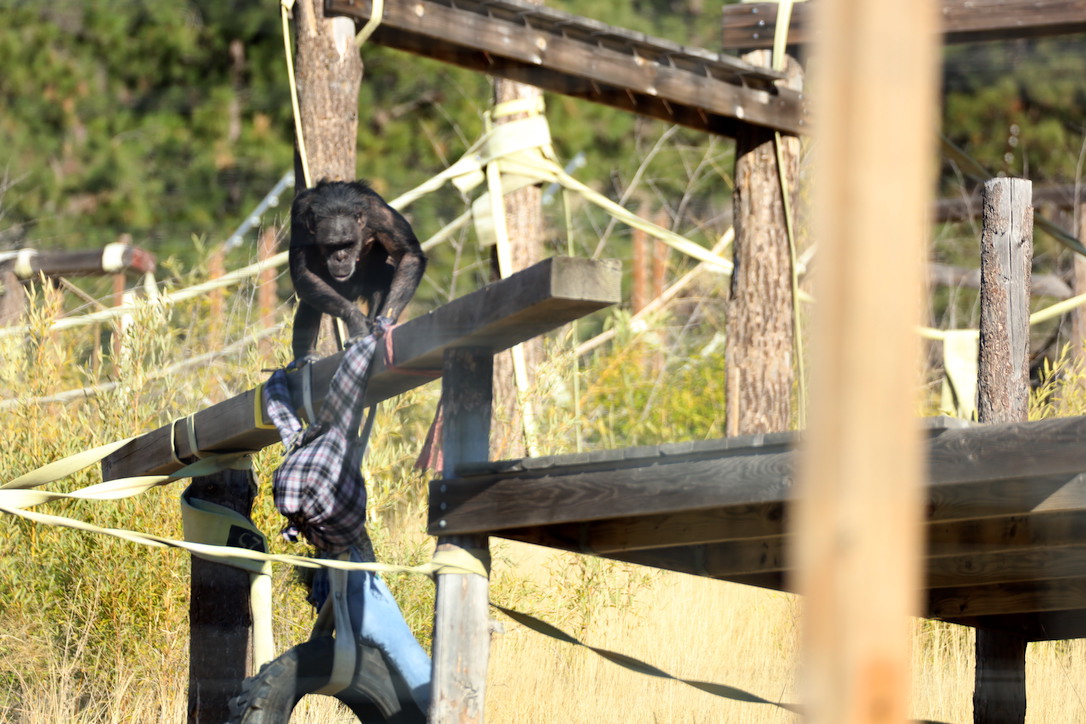
She had returned to finish the scarecrow off!
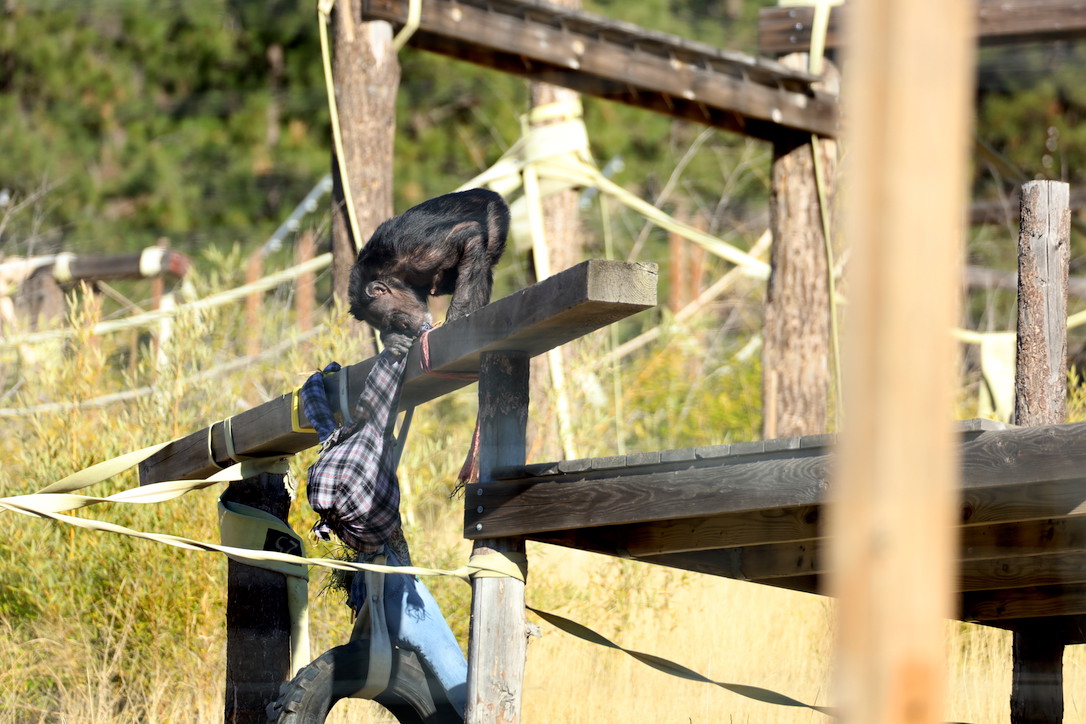
She brought up the torso, removed a significant amount of alfalfa, and found some remaining treats inside. She attempted to untie the torso down from the structure, however they were tied on too tight to remove. Instead she took what she could get and moved on.

I expected today to see the scarecrow completely removed by day’s end. However, today was slightly rainy and most everyone chose to remain indoors.

So the scarecrow survives just one more day… for now…
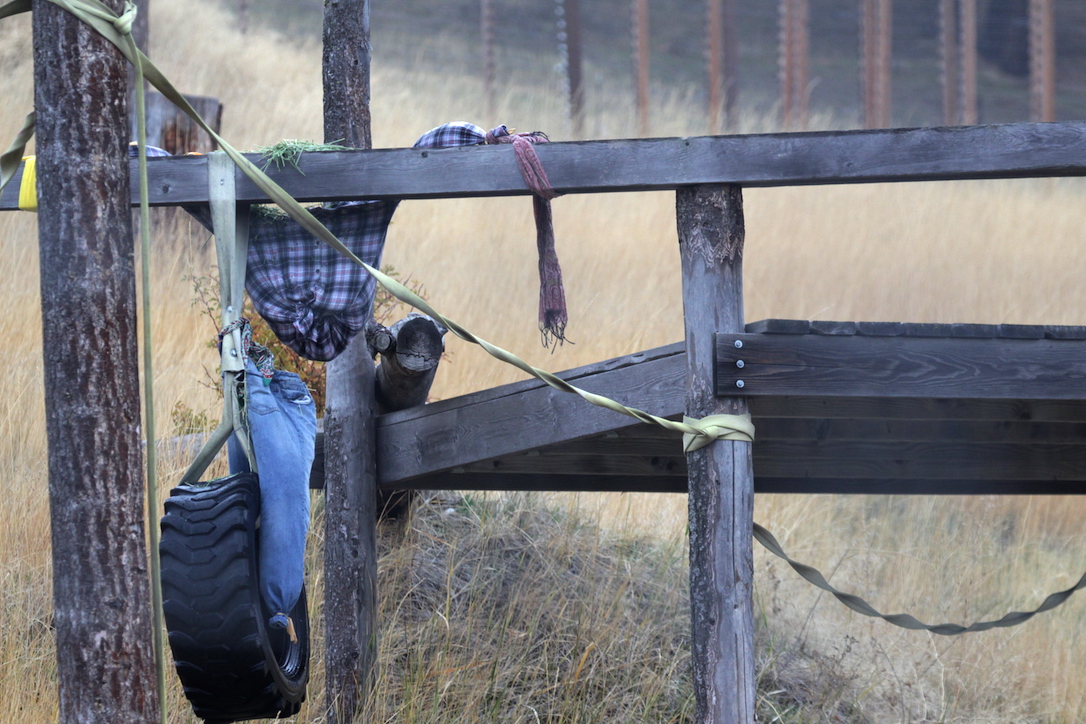
Who will be the one who finally takes this scarecrow out? Will somebody else’s curiosity prevail?

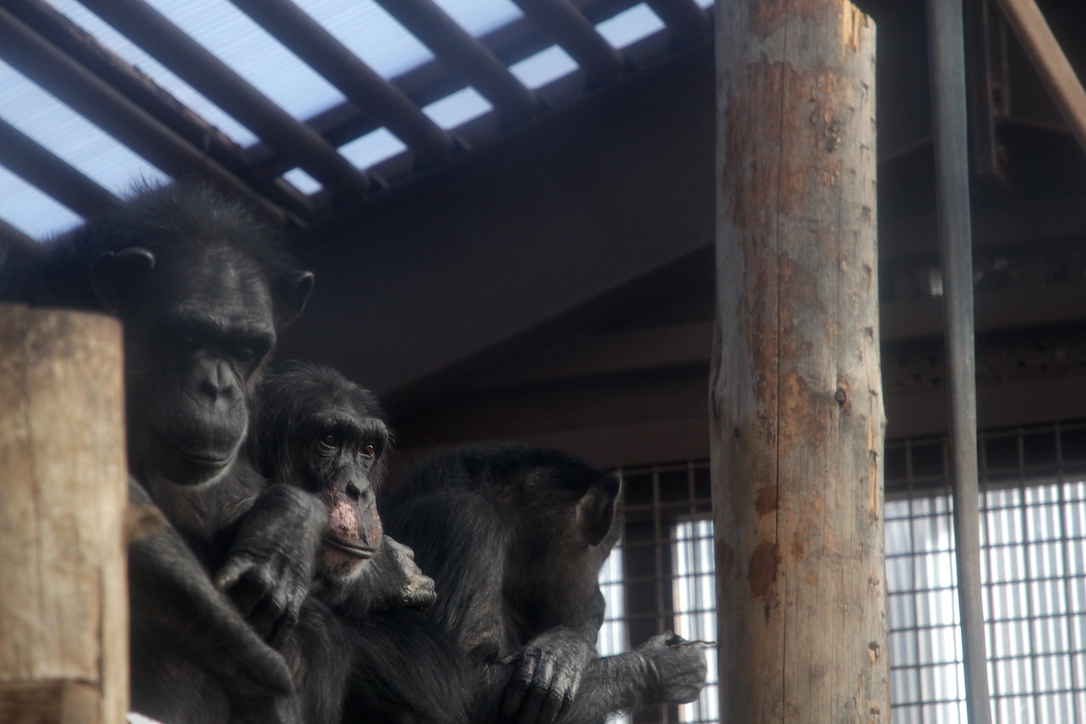
Missy seems like she might be ready to see what this thing is all about.
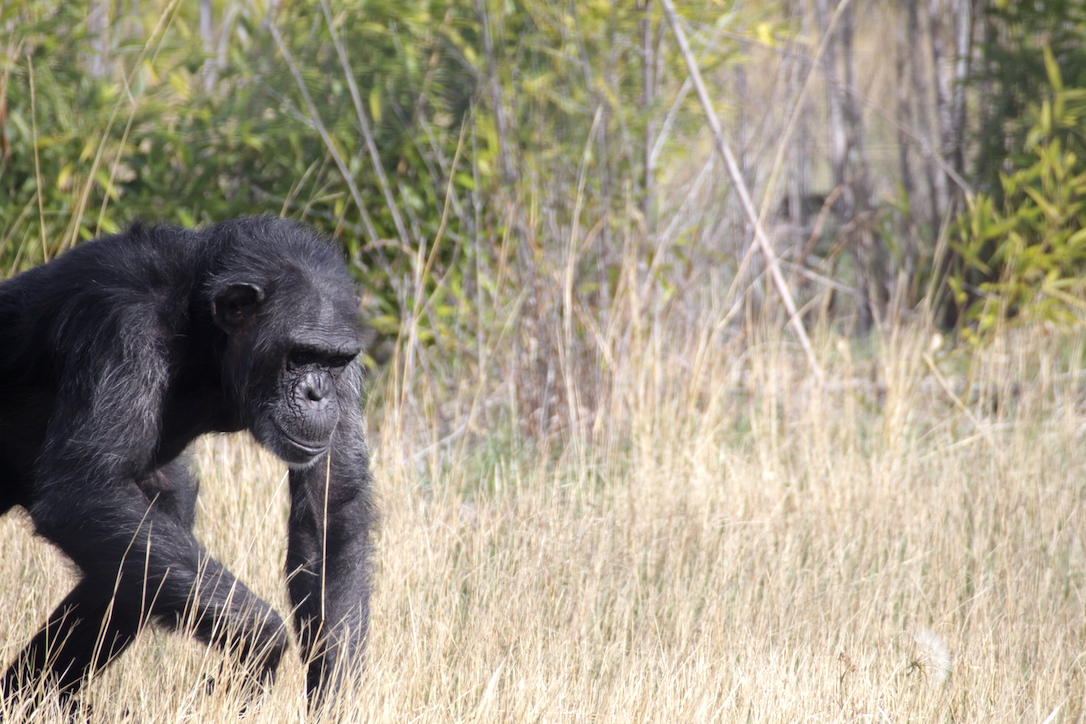
I couldn’t choose between these next two photos, so you can choose which one you like better to fit this story.
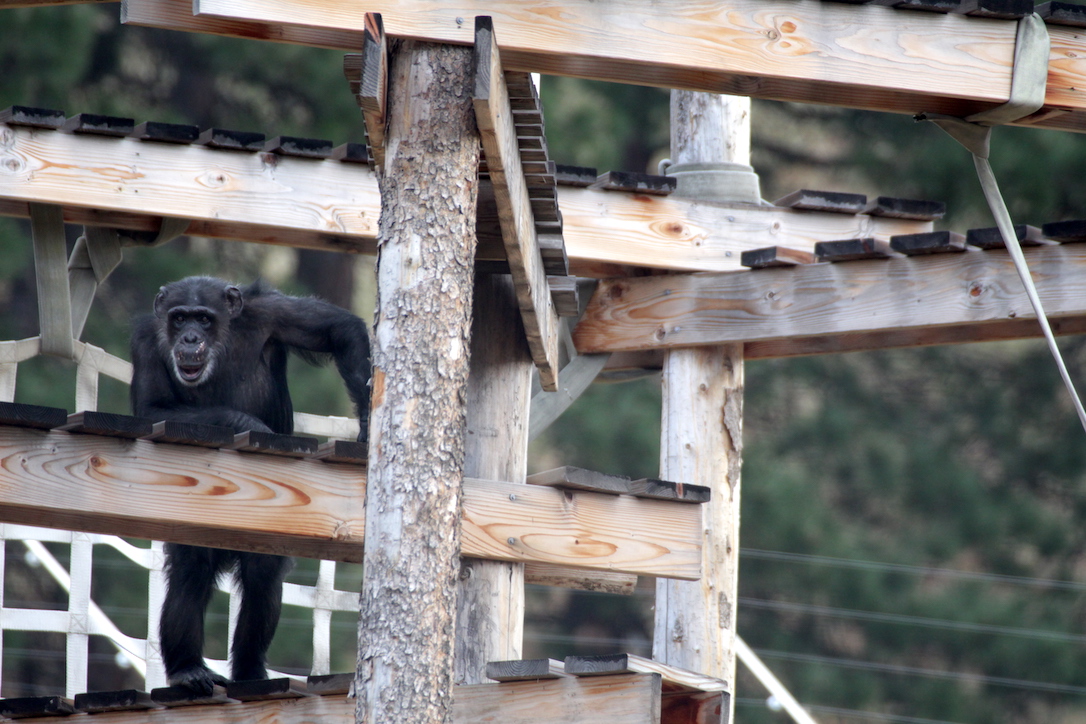
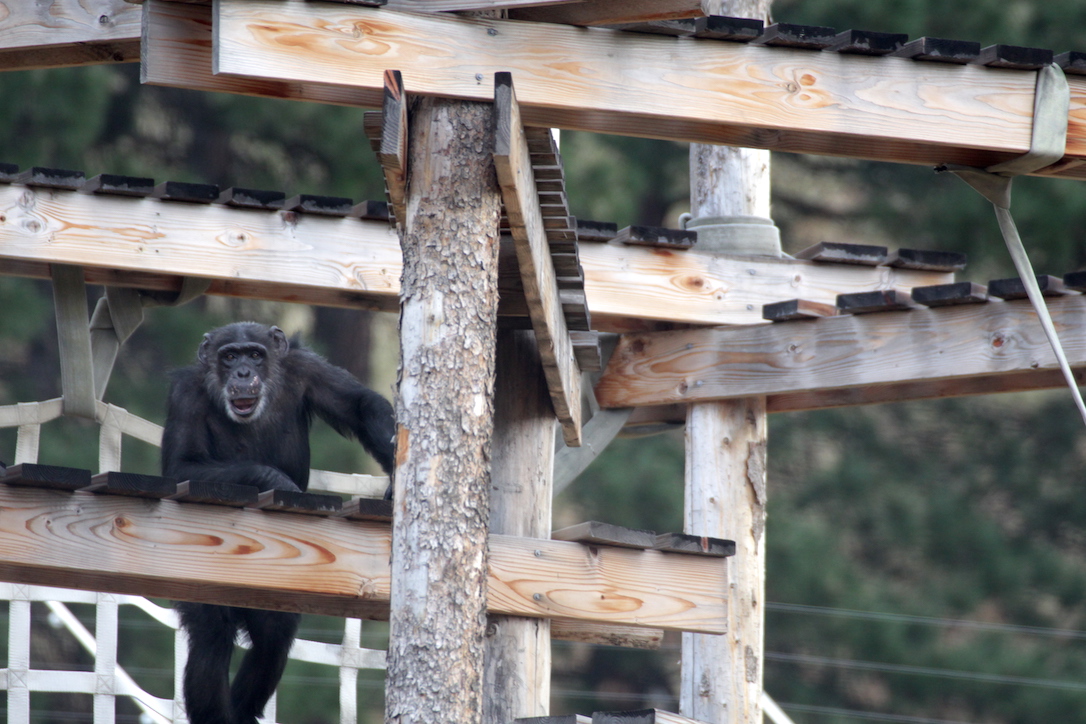
Or will Jody comeback and claim her prize?
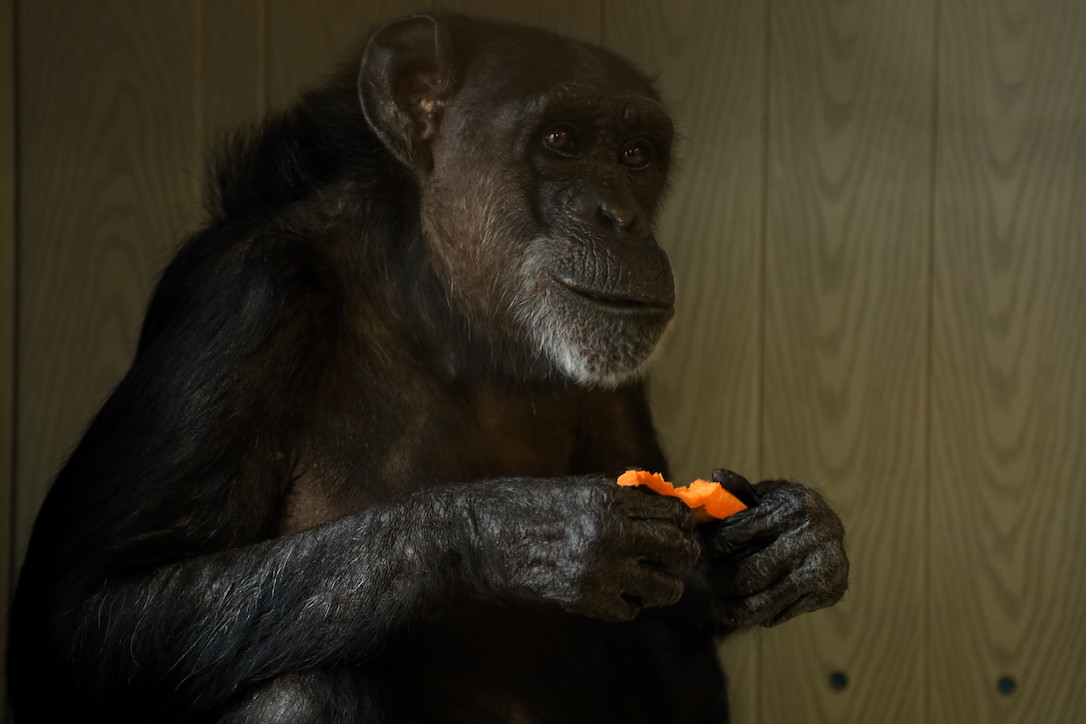
UPDATE:

As I was closing up I decided to take a gander to see if the scarecrow was still there. Only and empty shirt remains.
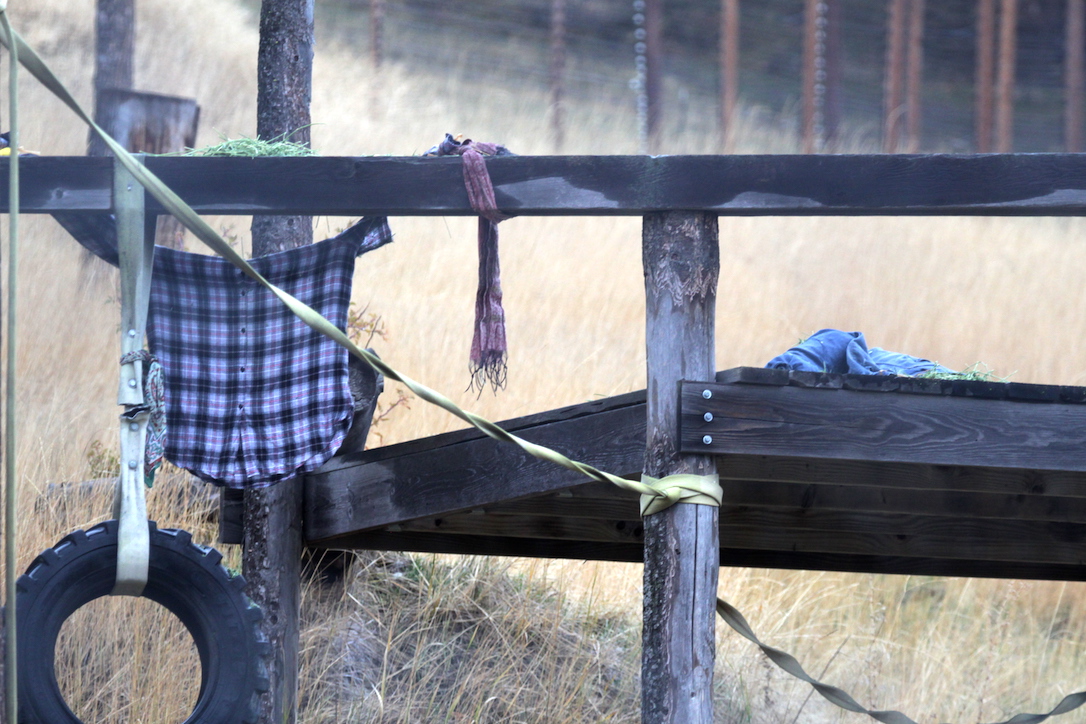
We will never know who the Scarecrow Destroyer is.
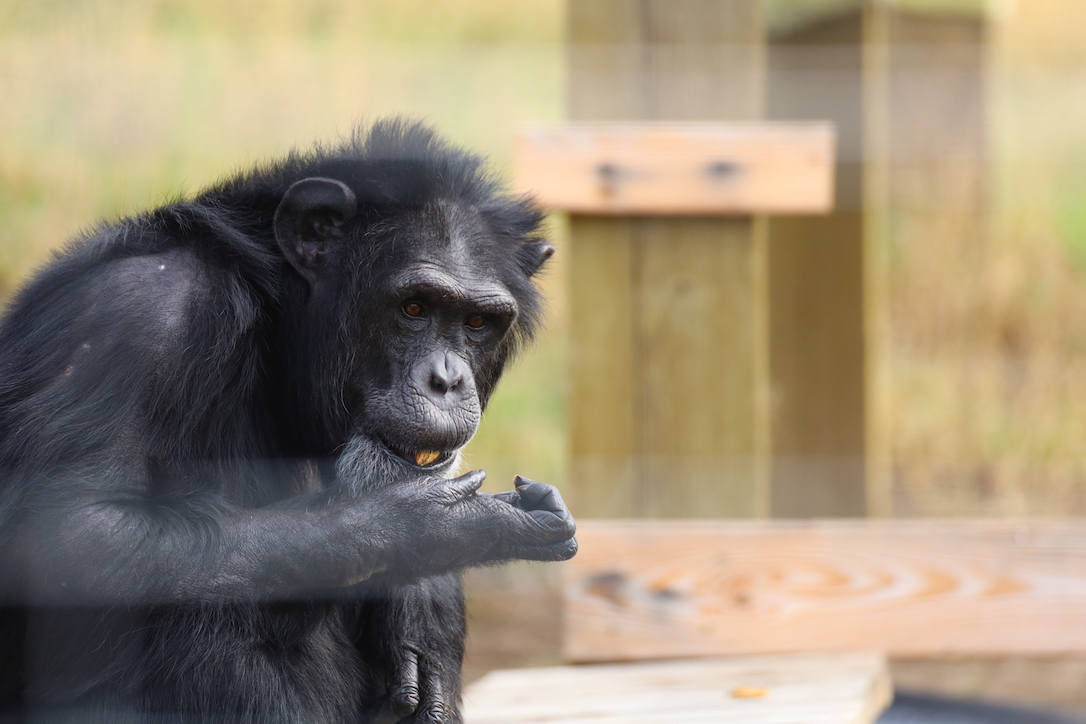
Filed Under: Enrichment, Jody, Missy, Sanctuary Tagged With: animal rescue, Animal Welfare, chimp enrichment, chimpanzee, chimpanzee retirement, chimpanzee sanctuary, Chimpanzee Sanctuary Northwest, chimpanzees, Sanctuary

Willy B is Never Going Back Inside And We Are Going To Be Out Here Watching Him Forever

November 1, 2020 by Anthony

Chad and I have been taking turns sitting out by the chute this afternoon, so that’s where I’m currently stationed while I hammer out this blog post using my iPhone’s Notes app.

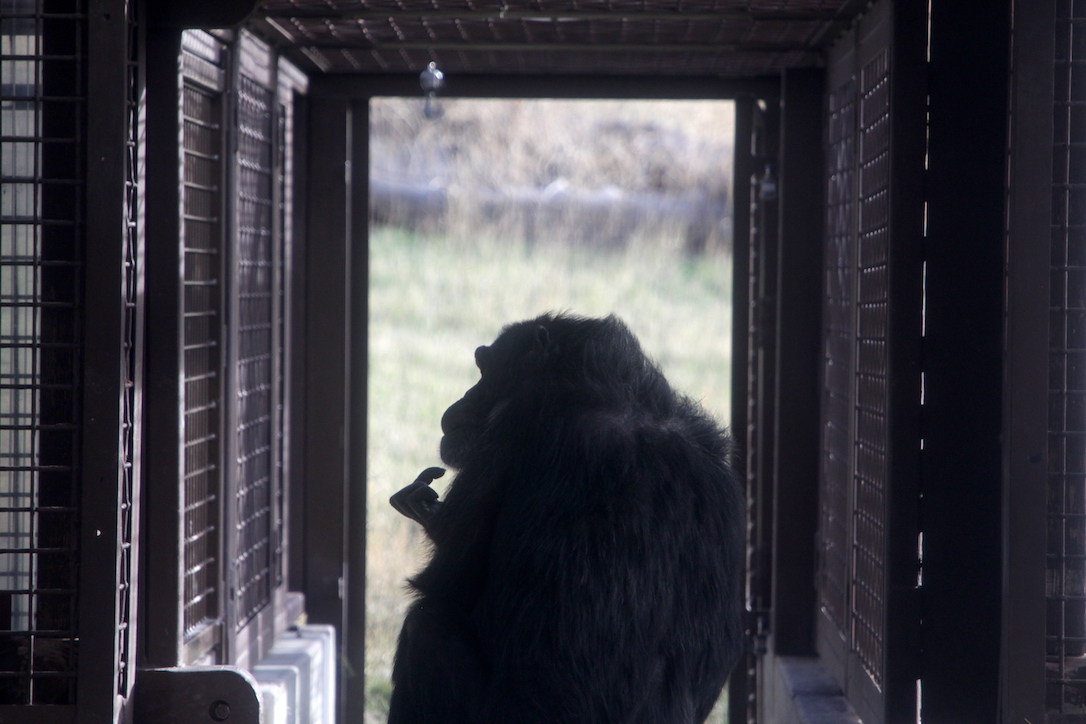
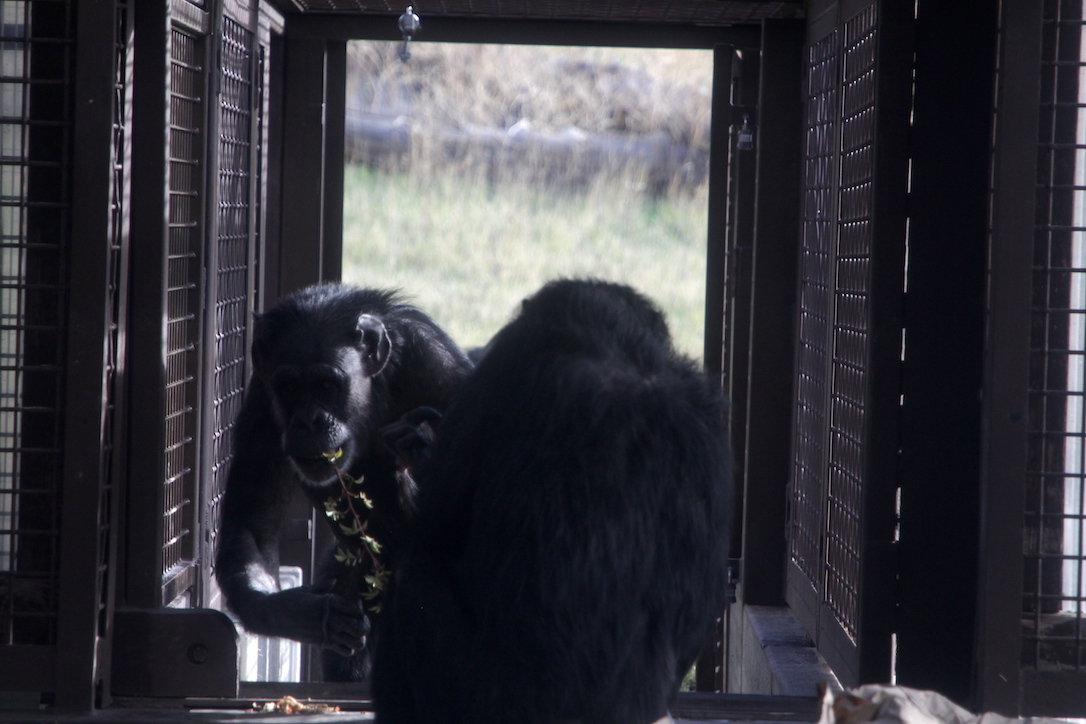
As many of you already know; three chimpanzees currently reside in the new wing of the Chimp House: Honey B, Mave and Willy B. Since arriving here in 2019, Honey B, Mave and Willy B have spent most of their time lounging in their cozy indoor areas, investigating new enrichment items, and looking out at the surrounding pastures and forests from the safety of the enclosed outdoor chute. As their caregivers, one of our responsibilities has been to give them the opportunity to go outdoors. For retired chimpanzees who were once used in laboratory research, going outside is a “gateway behavior” of sorts, bringing them closer to a multitude of novel and unique experiences.

Last fall, we started to give these three newcomers daily opportunities to venture outdoors into Young’s Hill, a two-acre outdoor habitat enclosed by two electrified fences. Early in this process, the chimps had some negative experiences with the “hot wires” that connect the fence posts, and for the next few months it seemed like the allure of the unknown was not worth the risk of another painful shock. As you may have gathered from following us this far, chimpanzees have a way of subverting our expectations and making us change course.

As J.B. reminded us all on Friday, chimps are not adapted for captive environments and we are constantly challenged to balance safety, health, and comfort for all parties involved. In the case of the new three and the prospect of going outside, we had to tinker with the environment in a way that led the chimps to act differently without compromising human or chimpanzee safety. The electrified barriers of Young’s Hill enable the chimpanzees to have an expansive and enriching outdoor environment, but they also can be a psychological deterrent.

Last winter, we extended a wooden boardwalk from the end of the chute to the large wooden tower that sits about thirty-five feet away. Chimpanzees, being semi-arboreal, like to stabilize themselves when they move and they often prefer to be above the ground. The boardwalk was designed so that the chimps could walk out into the Courtyard without having to touch the unfamiliar grass and without being tempted to grab the electrified wires for support. Then, we sectioned off that modest alcove of Young’s Hill to create a separate, secure area that we lovingly named The Courtyard. This way, the three would have a manageable amount of space to explore without the uncertainty of the larger enclosure (the far boundary of which is barely visible from the threshold of the chute). The modifications to the fence would also make it easier for us to monitor them if they decided to go on an adventure. Each day, we placed some treats on the boardwalk and waited patiently for them to consider their options.

One afternoon, just after the cold weather had broken and the valley greened up for spring, Willy decided that the moment was right. It began with a few cautious steps down the wooden path to collect food. Over a short period of time, like a chimpanzee Samwise Gamgee, his courageous adventures brought him farther from his familiar home. He learned to climb on firehose ropes, walk on grass, and even take naps outside. As J.B. stated in one blog post:

There could very well be setbacks to come, but Willy B’s efforts this past week have been deeply inspiring. To be honest, I have had trouble doing anything other than sitting quietly by the fence to watch it all unfold. There are so many other things to do and so much going on in the world deserving of attention. But Willy B is the story I need right now.

I wish I could go back a few months to let everyone know that, although Honey B and Mave have not yet decided to join him, Willy B has become quite comfortable in the Courtyard. As long as the weather isn’t too cold or wet, he excitedly waits by the hydraulic doors until we open them up. With all of the recent construction going on nearby, we’ve had to skip some of his group’s Courtyard turns. This hasn’t deterred Willy from making the most of his opportunities, though.

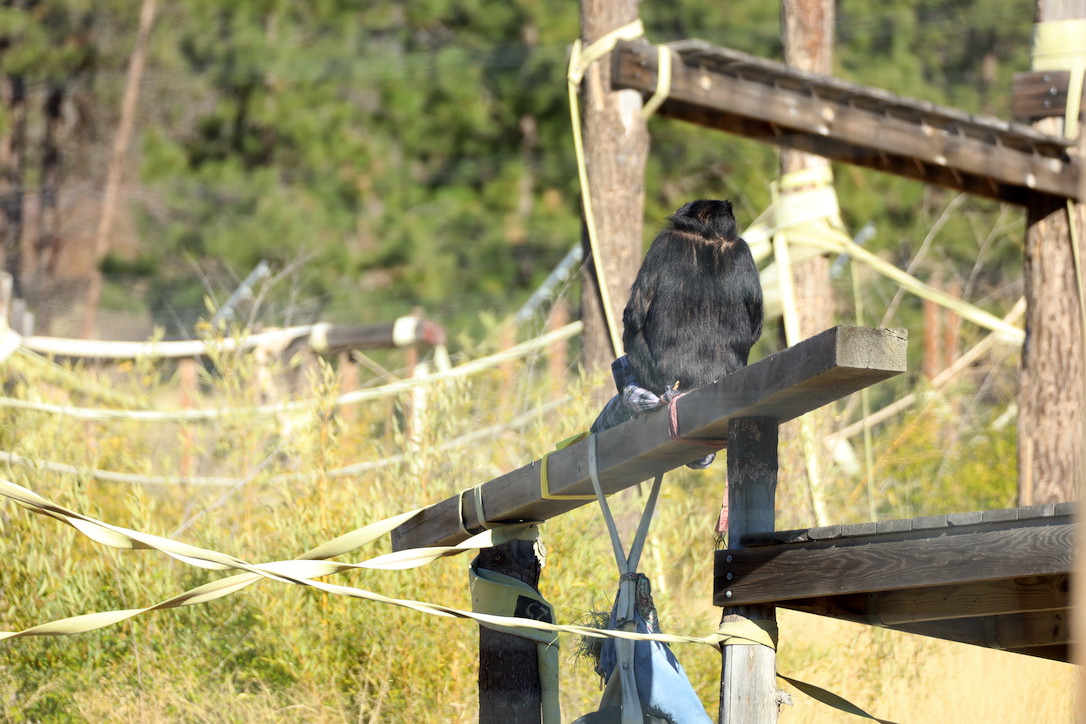
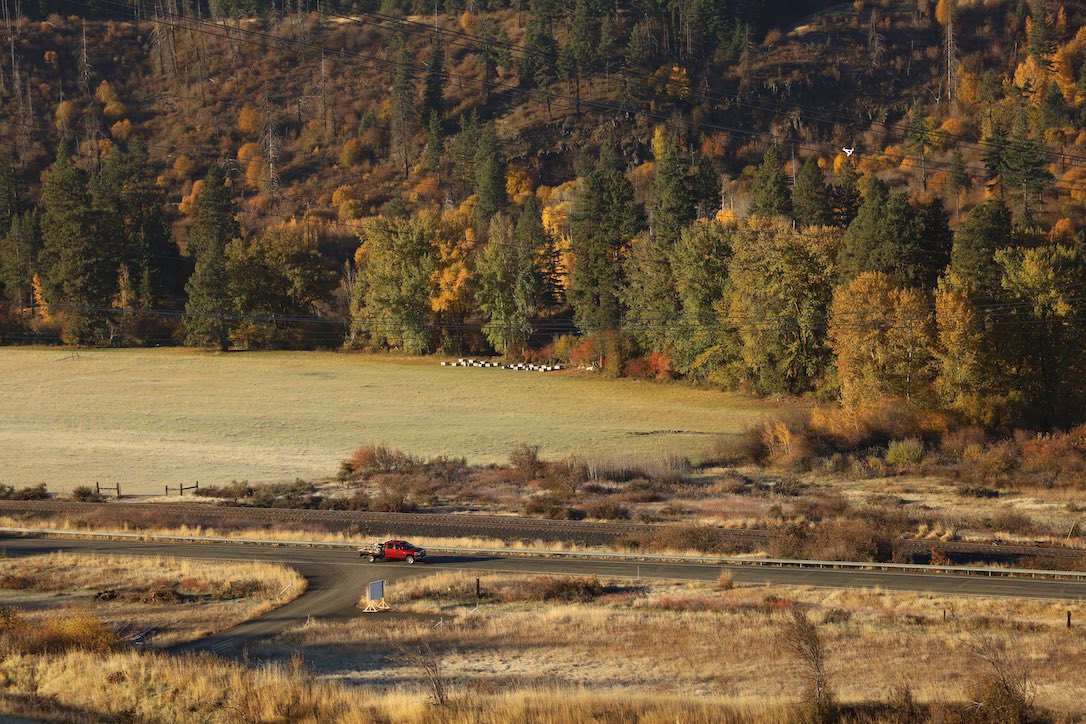
Today, we opened up the Courtyard after lunch, which is a bit later than usual. With a full belly and little incentive to rush back indoors, Willy has elected to spend two-and-a-half hours lounging on the structure all by his peaceful self, munching on lettuce and surveying the golden-flecked valley below. He shows no signs of coming back inside. I’m not complaining at all, but our daily workflow would definitely be improved if he had a change of heart. (After all, the barn needs to be mucked and I need to upload this blog!) We’re really excited for the day when we have two outdoor habitats, and Willy can sit unbothered from dawn ’til dusk.

Chad and I just offered him some sugar-free chewing gum, grapes, and strawberries in exchange for his return to the building. He chose to stay outside each time. Still, we’re respecting his choice to stay where he likes to be. As I finish typing this, he’s currently sprawled out in the autumn sun, holding his feet in the “happy baby” pose, letting the gentle breeze tickle his disheveled hair. I wouldn’t be surprised if he, like Jamie, learns that he can choose to stay outside as long as he wants. That would be fine with us.

Update: Willy finally chose to return inside after almost three unbroken hours in the Courtyard. It was almost certainly the longest duration of time he’s ever spent the outdoors. Now it’s time for one last walk with Jamie, dinner and evening puzzles, and a good night’s sleep in a heap of fleece blankets.

Filed Under: Courtyard, Willy B, Young's Hill Tagged With: Animal Welfare, chimp, chimpanzee, chimpanzee rescue, chimpanzee retirement, chimpanzee sanctuary, Chimpanzee Sanctuary Northwest, chimpanzees, Sanctuary, Willy B, young's hill

Adventure Awaits

October 27, 2020 by Chad de Bree

Yesterday, as I was helping clean the Playroom, I noticed Foxie sitting at the door that leads to Young’s Hill.

Was she contemplating going outside? Was it too cold for her? Was she just waiting for somebody to return? I admittedly stopped cleaning and watched her for a few minutes. After some time, others began to return from their patrol around the hill.

Jody returned with some fresh picked greens.

Then Jamie returned with Burrito right behind her.

After their return, almost everybody spent the rest of the time on the top platform waiting for us humans to finish cleaning.

Annie, Burrito, and Jody

It’s hard to say what Foxie was thinking or why she herself didn’t choose to go outside, but today was different.

When cleaning was done today, Jamie requested Kelsi and Anna to go on a walk with her.

They were soon joined by Missy and Burrito. All three of them thought it was an amazing idea to sprint up the hill, which included making Kelsi and Anna sprint as well.

While Jamie, Missy, and Burrito were running around with the human caregivers, I caught two familiar figures out of the corner of my eye.

Jody and Foxie decided to have their own little adventure.

The Adventures of Jody and Foxie aren’t quite like the others. They can be equated to being like two old friends taking a walk in the park. Really just a casual stroll through the outside enclosure. If someone takes an interest in something, the other stops and waits for them.

Foxie decided to try to climb one of the structures. As she did, Jody waited for her.

When they were done with their adventure, they headed back inside the Greenhouse.

Right around the time Foxie and Jody decided they had enough adventure, the Trio’s adventure was coming to an end as well. It should come to no surprise that Missy was the first one to make it back. She usually sprints the entire hill, leaving everyone else in her dust.

Jamie and Burrito were not far behind though.

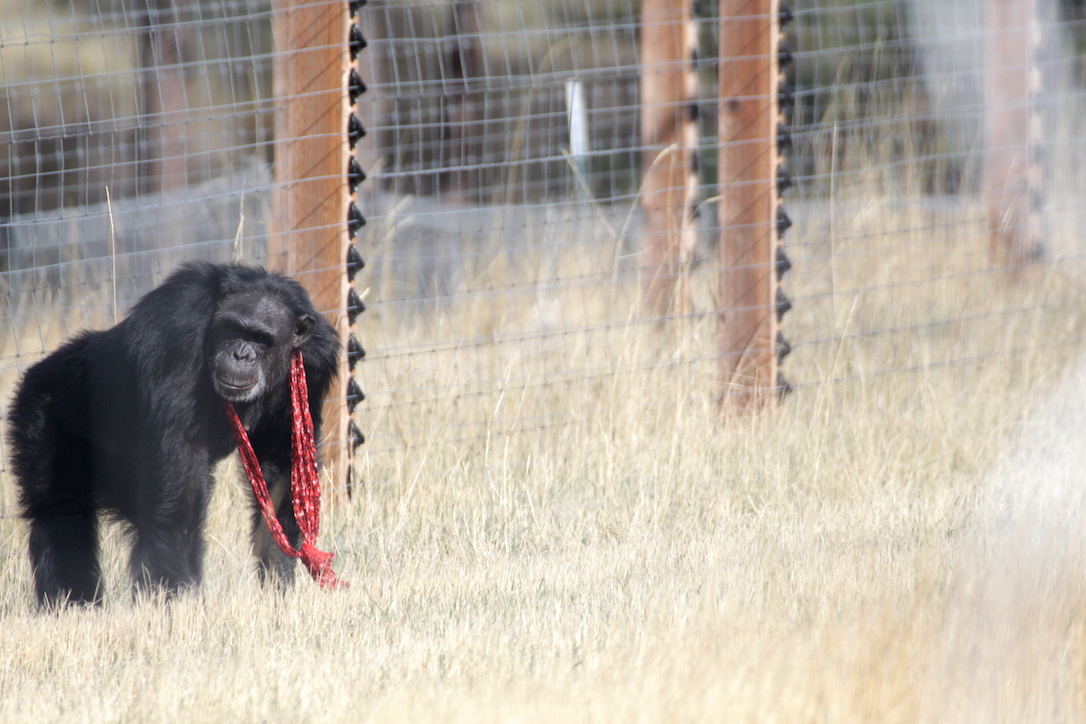
You may have noticed Jamie’s attire might have changed from the beginning of their adventure to the end. Both Anna and Kelsi told me she started out with a scarf, then half way through it turned into a waistband, and at the very end it turned into a sash. We never know how the chimpanzees will react and interact with the different enrichment items they are provided. Sometimes they are a hit, sometimes they fall flat. Jamie though has an ability to shape the items in such a way to her liking. We don’t give her instructions on how to use an item or force her to interact with it. It’s always her choice and her way. I cannot wait for Jamieween to arrive!

And here are some bonus photos I just wanted to share from earlier in the week:

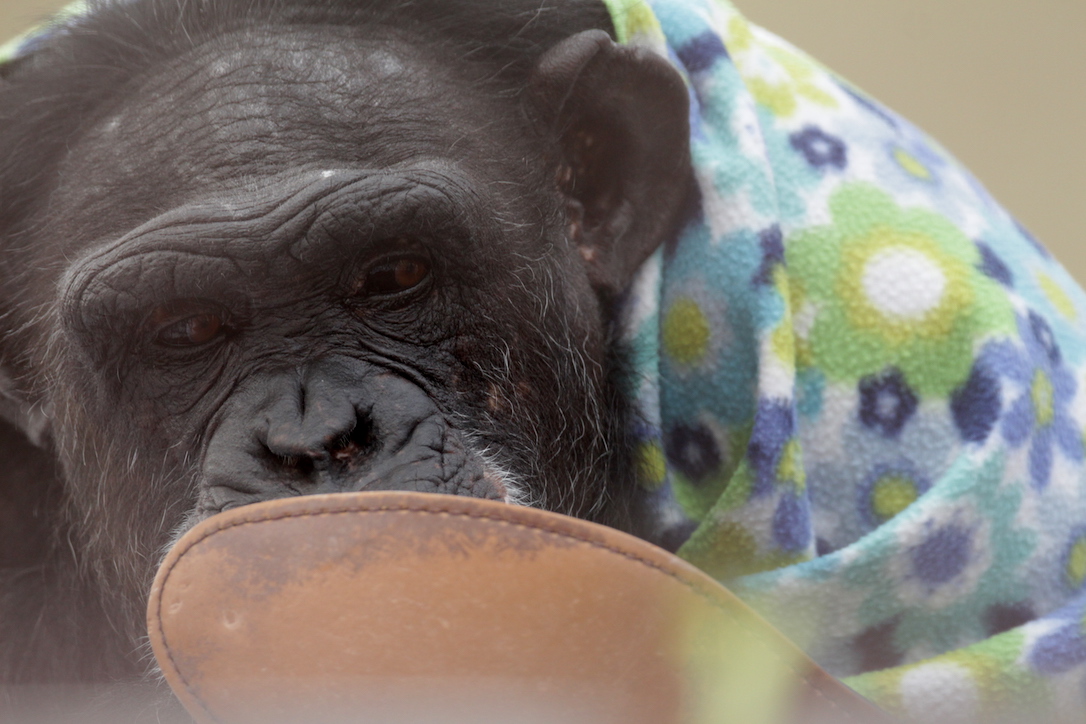
Honey B enjoying a magazine with peanut butter smears.
Willy B getting ready to take an afternoon nap.
Annie waiting for everybody else to return from a patrol.
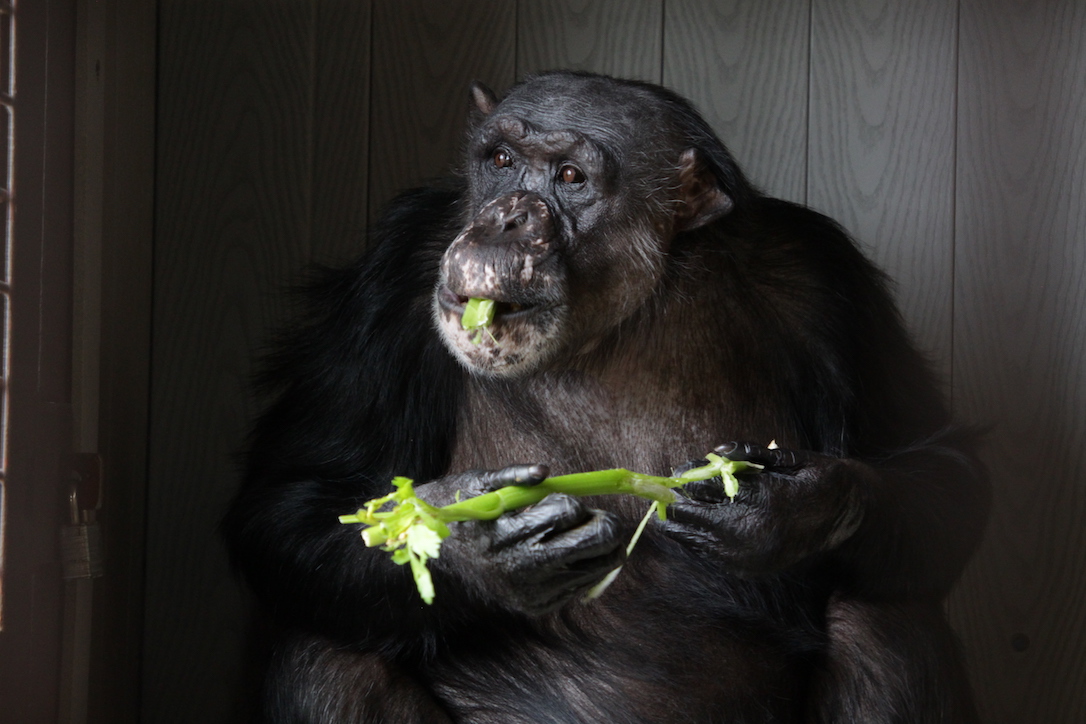
Negra enjoying her dinner celery from the other night.

Filed Under: Foxie, Friendship, Jody, Sanctuary, Young's Hill Tagged With: chimp sanctuary, chimpanzee, chimpanzee rescue, chimpanzee sanctuary, Chimpanzee Sanctuary Northwest, chimpanzees, Sanctuary, young's hill

The Wonder of Progress

October 25, 2020 by Anthony

It’s been a crazy year, but it’s been very exciting for us to witness the steady progress on the new enclosures.

We’ve shared a few updates on the blog over the past few months (1, 2, 3) so that you all can get glimpses of the expanded Chimp House and see how the chimpanzees are coping with all of the commotion.

Today’s post includes a short video of the ongoing construction (and some clips of the three patient chimpanzees who have been taking it all in, day by day).

Filed Under: Caregivers, Construction, Honey B, Mave, Play, Sanctuary, Willy B Tagged With: Animal Welfare, chimp, chimp sanctuary, chimpanzee rescue, chimpanzee retirement, chimpanzee sanctuary, Chimpanzee Sanctuary Northwest, chimpanzees, chimps, Primates, rescue, Sanctuary

Everybody Loves Mavis

October 20, 2020 by Chad de Bree

Today is all about Mave (aka Mavis)!

Last week, Diana invited all of our followers and readers to submit whatever questions they may have (this includes you). One question which was asked on the Facebook post was about Mave’s eyes. I personally cannot resist talking about Mave in general because she is such a unique individual. That goes without saying, her eyes are also unique among the 10 chimpanzee residents here.

Her eyes are a little bit lighter in coloration compared to the rest. The question asked was to clarify the coloration of the outside (sclera) of Mave’s eyes. The follower was curious if Mave’s sclera was lighter in color, similar to a human’s eye. The answer is yes!

Mave does have a lighter tone of sclera. Compared to someone like Jamie:

Though chimpanzees generally have darker sclera and lighter iris, it is not uncommon for some chimpanzees to deviate from this. The easiest explanation for this is genetics. Some chimpanzees inherit a mutated gene that causes their sclera to be white or lighter brown in stead of black. A classic example is the case of Pincer. Pincer was and adult male of the Ngogo community in the Kibale Forest of Uganda. He is also well known due to his unique expressive eyes and has been photographed and filmed for many documentaries. While most of the males in Ngogo have the traditional eye coloration, Pincer was born with a mutated gene that caused him to have eyes that looked human, which he passed down to the several children he sired, who also have his eyes.
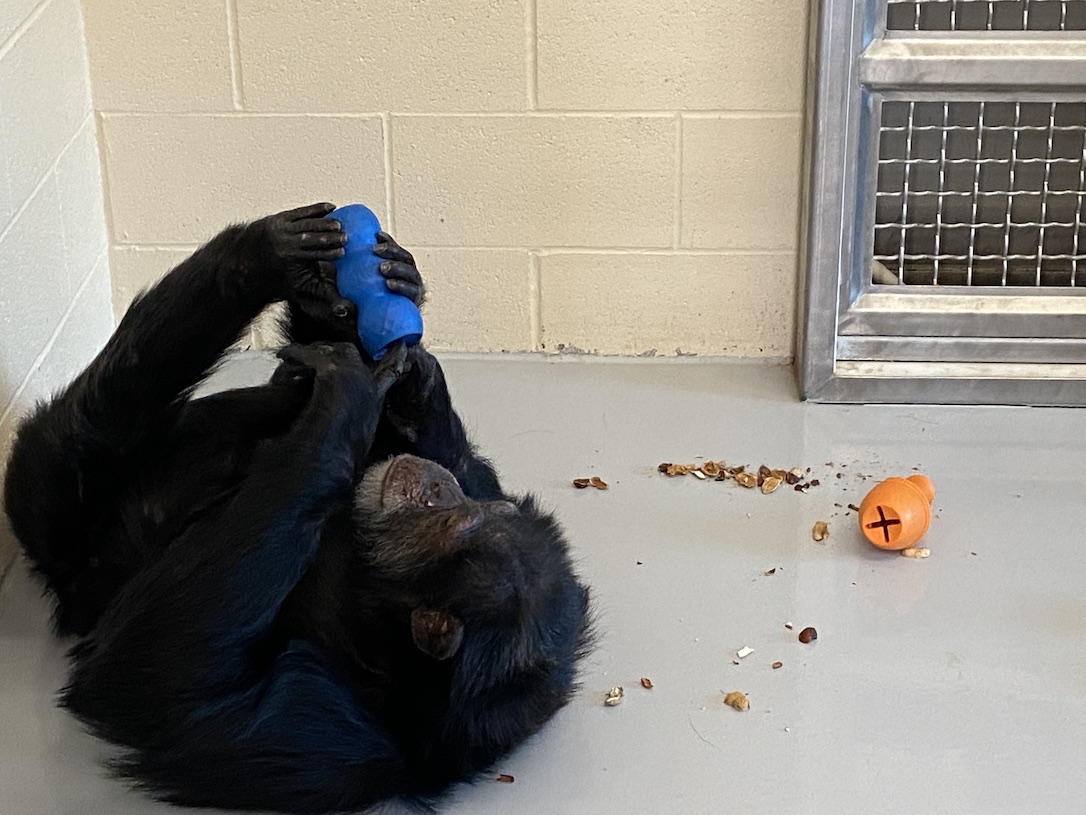
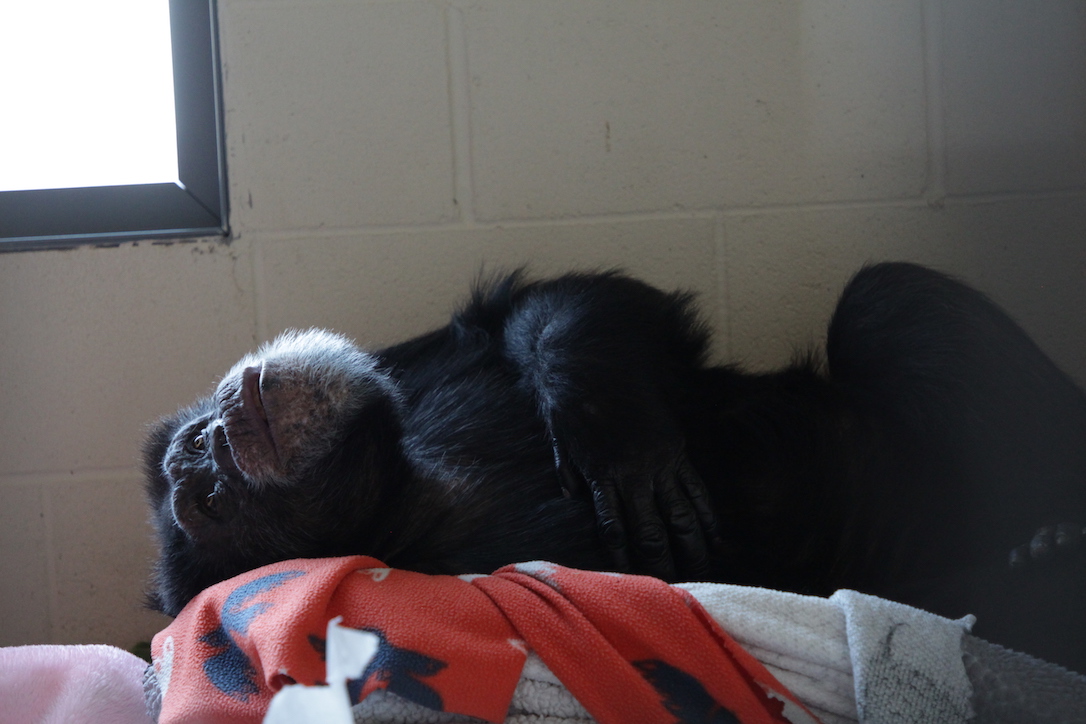
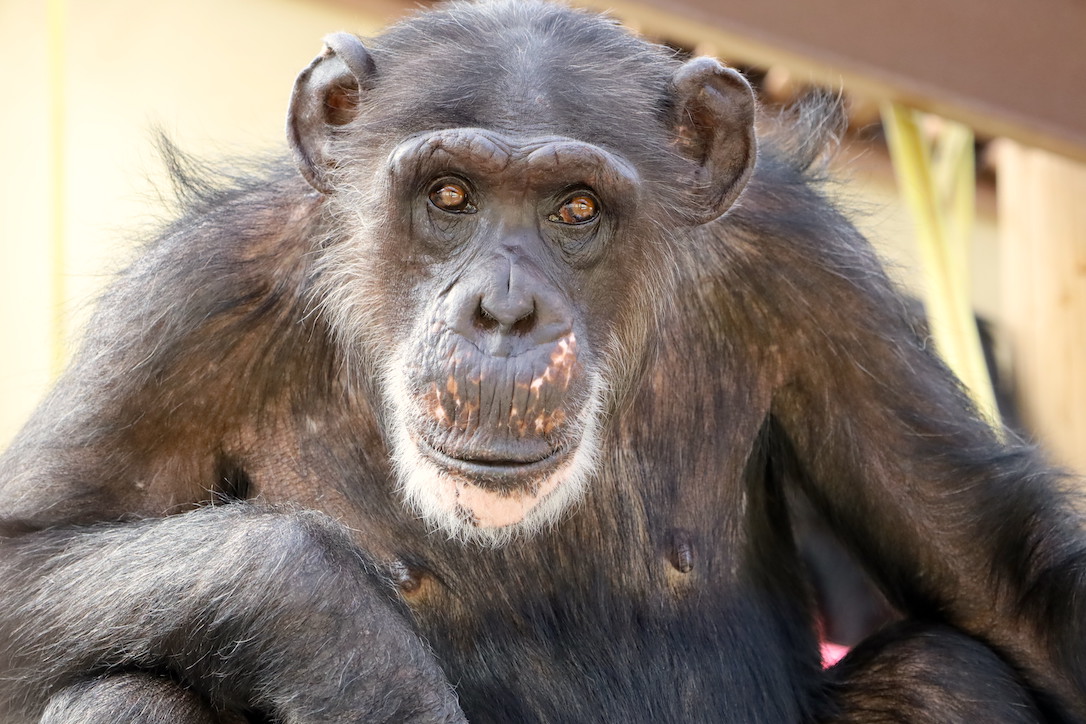
There are several theories as to why chimpanzees are so different compared to humans in this aspect. One of the most prominent theories is the “cooperative eye hypothesis.” This states that humans adapted to have a lighter sclera and darker iris in order to communicate more effectively. It’s easier to follow the gaze of someone with a light sclera and dark iris. Conversely, chimpanzees adapted to having darker sclera and lighter iris to hide their intentions, making their gaze more cryptic. I.e. if they are looking at a high value food item, it would be harder for others to see what they see or where they are looking.

This has been a long accepted theory, though recently researchers have started to question if this is the case. Last year, researchers discovered there wasn’t too much difference between the contrast between the iris and pupil in chimpanzees, bonobos, and humans. This just means though we have opposite coloration schematics in our sclera/iris contrasts, the ratio between light and dark is essentially the same. Though we think it’s easier to follow the gaze of a human with white sclera and a darker iris, chimpanzees may think it’s easier to follow along with someone with a darker sclera and lighter iris.

Regardless of the theories, I think we can all agree that we all love Mave and her eyes are just one more thing that makes her, her own unique individual here (though all 10 of them are unique).

That being said, let’s go into a Day In The Life of Mave!

When caregivers first arrive in the morning, the first thing we do is immediately start to make breakfast. Mave is a firm believer that breakfast is the most important meal of the day! She gets really excited when she sees breakfast being brought out! (You can hear it here.)

I tried to get a shot of her initial reaction to seeing breakfast, but she was too quick for the camera to focus on.

After breakfast, Mave generally is very low key. She will spend a lot of time grooming by herself, or with Willy B and Honey B grooming them.

Lunch with Mave can be hit or miss. She will either show some (minor) excitement for it, or just wait for the one or two things she wants offered and leaves.

After lunch, she loves to spend time in the Mezzanine. Usually, grooming (either herself or someone else) or gazing at herself in the Looky Lou mirror. Who can blame her?

When she’s not doing any of those things, she loves to relax.

She also has a very distinctive pose all of the staff try to capture when she’s relaxing where she looks like she’s deep in thought.

When dinner comes around, she shows almost (but not quite) the same excitement as breakfast. I want to re-share this photo from yesterday of her eating spaghetti because I like it.

After dinner is finished, it’s time for nighttime enrichment.

Then it is bed time!

Mave really finds away to entrench herself into the hearts of everybody who gets to know her!

And don’t forget! You can help support Mave by becoming a Chimpanzee Pal!

Filed Under: Mave, Sanctuary Tagged With: chimpanzee, chimpanzee retirement, chimpanzee sanctuary, Chimpanzee Sanctuary Northwest, chimpanzees, Sanctuary

The Mystery of Love

October 18, 2020 by Anthony

Yesterday, Diana had some thoughtful musings on the sanctuary’s blog and invited you all, our followers and supporters, to ask questions.

One topic that came up several times, as it has in the past, is that of chimpanzee reproductive behavior. I’d like to thank you all for giving me an excuse to write this blog for two main reasons. First, I thrive on awkwardness. Second, the sex lives of chimpanzees can really be fascinating.

For decades, scientists observed the sexual behavior of chimpanzees and other primates with the goal of learning more about our own species’ habits. The initial logic, seemingly, was that our ape cousins must have a system that closely resembles that of our common ancestor. By watching free-ranging primates go about their business, anthropologists hoped to gain a window into our evolutionary past that wasn’t obscured by the filter of our own culture.

Missy is a chimpanzee.

From our modern perspective, we now have a greater appreciation for a simple fact; chimps are related to us, but they’re not necessarily anything like our common ancestor. Chimps and humans have been separate for six million years, during which our respective lineages were subjected to extremely different pressures that caused us to diverge physically, behaviorally, and cognitively. Our branch diversified over time into several types of humans that took over the globe (the rest of which we then subsequently absorbed or drove to extinction). Meanwhile, the nearest branch grew in a different direction and, as far as we know, forked into a pair of twigs: chimpanzees and bonobos. Using this reasoning, the other primates are not really primitive. They’re not human-like oddities that emerged among the animals, nor are they less-evolved versions of early humans. They’re something different entirely. Chimpanzees are just chimpanzees.

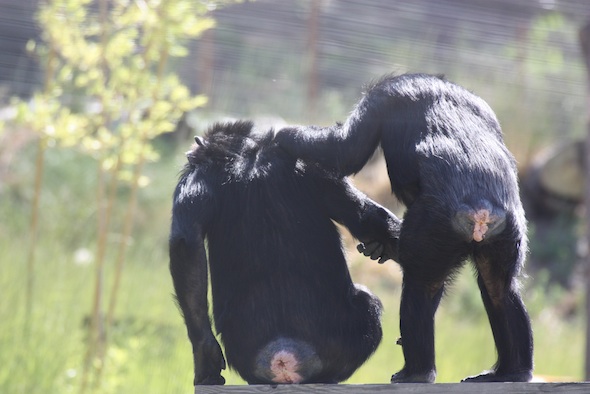
For the most part, chimpanzees do resemble us (and vice versa). They have the same amount of hair (which is just coarser and longer than ours), similar skin and pigmentation, and muscles and bones that are arranged much like a human’s. Upon first glance, it can be difficult to identify any conspicuous trait that is uniquely chimpanzee, but they become familiar over time. Longer fingers… larger canine teeth… a pronounced brow ridge… shorter, stockier bodies… and, of course, the butts.

Annie Missy best friends
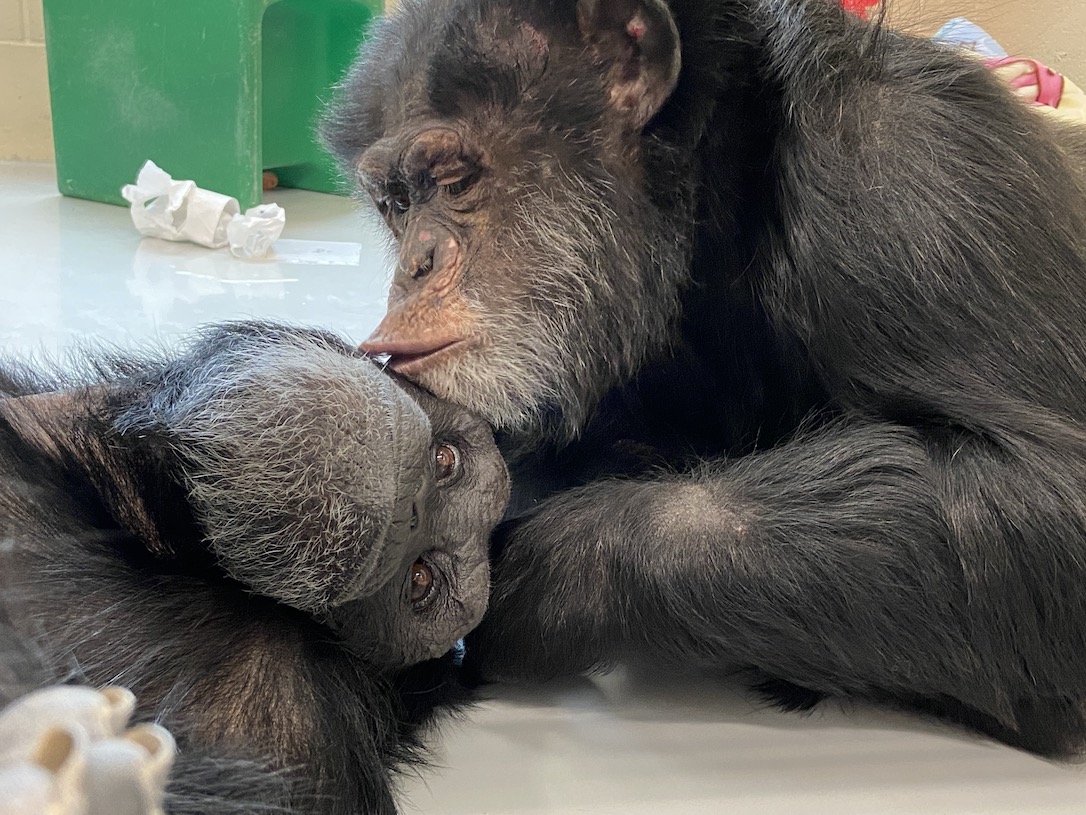
Annie and Missy

Male chimpanzees do not have flashy backsides. In fact, the norm is to have a flat, gray callous-like pad that serves as a portable seat cushion and seems to keep the pressure off of their oversized testicles. Relative to humans, adult male chimps have much larger testicles for their body size. (It looks like they’re hiding a pair of mangoes in there.) Meanwhile, their smaller penises stay hidden until they’re needed for copulation. The testes produce crucial hormones that influence behavior and physical development, so neuters are not a recommended form of population control for chimps (nor are they particularly safe or humane). Instead, most sanctuaries rely on less-invasive vasectomies to keep their males from successfully impregnating females, and many also use forms of birth control for females. As stated on our website, there are several good reasons to not breed captive chimpanzees.

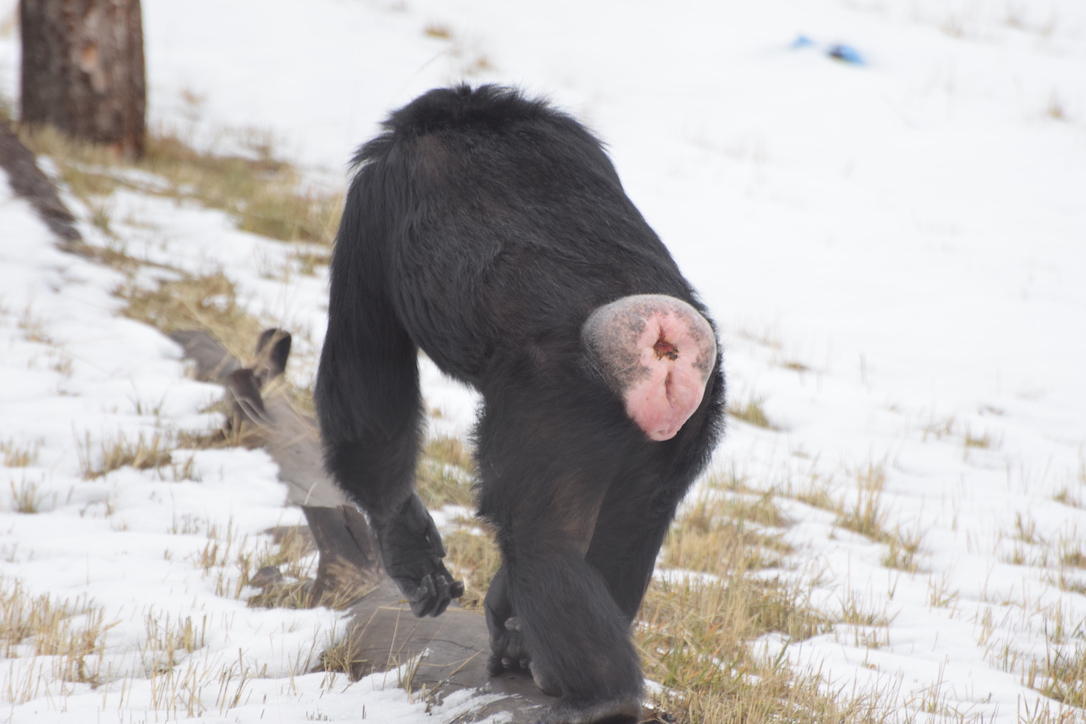
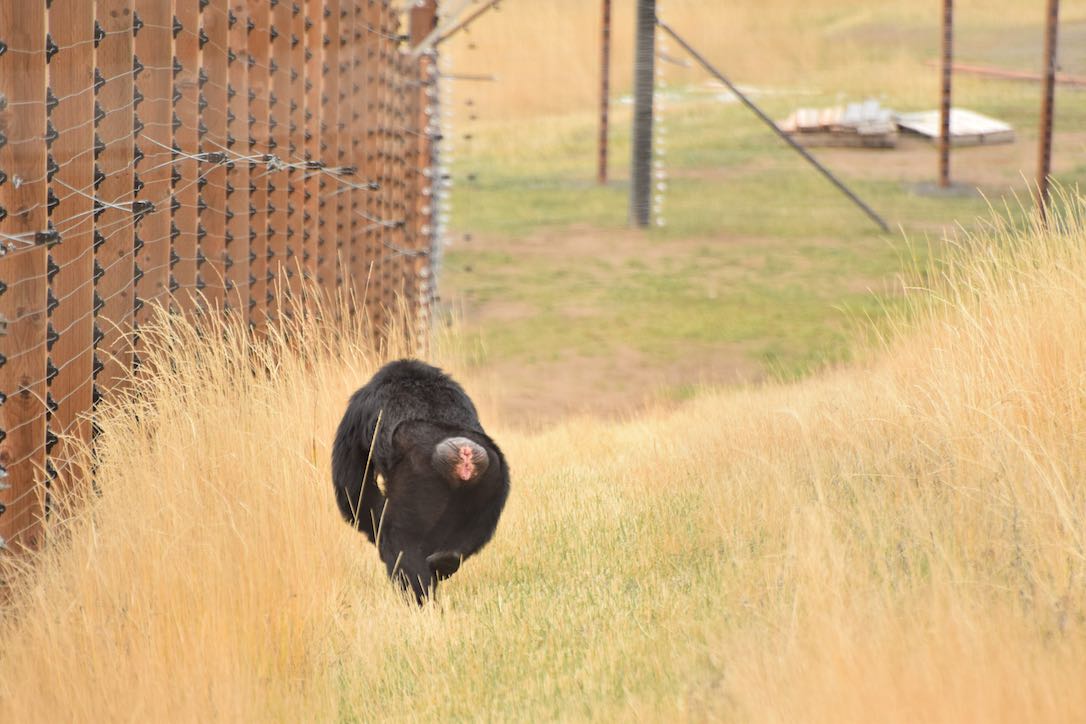
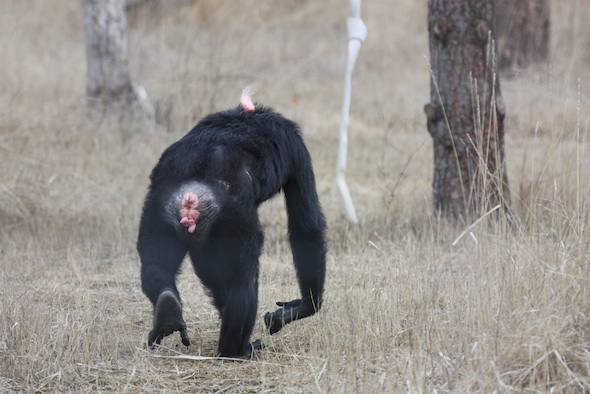
Much like in humans, female chimpanzees are anatomically different from males. Biologists call this disparity sexual dimorphism. In chimps, adult females have an entire appendage dedicated to advertising their reproductive status. Often referred to as a “swelling,” this wrinkly patch of skin is composed of the vulva and surrounds the anal and vaginal openings. This flap of tissue can inflate with over a liter of fluid, causing it to become rosy and bulbous. It looks uncomfortable to be so swollen for almost two weeks, but it’s a natural aspect of the chimpanzee experience. This process is often captured, unintentionally, in the photos we take while developing content for the blog.

Jamie’s swelling – mostly inflated! Note the shiny, stretched appearance and the higher proportion of pink skin to gray skin.
Jamie’s swelling – not inflated! Note the wrinkles and the higher ratio of gray to pink skin

Swellings help chimpanzees to maximize their reproductive potential. Essentially, the bright pink signal lets males know when a female is likely to ovulate, and that female receives a corresponding flood of attention and may even temporarily rise in social rank. As J.B. explained back in 2013, chimpanzee menstrual cycles are quite similar to ours (and notably different from the estrus cycles observed in many other mammals), but the swelling corresponds to some key differences. Ovulating female chimpanzees often choose to mate with any interested males, and those males usually attempt to mate with each swollen female (although the alpha male may guard them from the others). For this reason, females need a way to let the guys know what’s going on, and a bright pink swelling usually does the trick. A tumescent swelling literally brings all the boys to the yard.

Interestingly, females will often allow subordinate males to mate with them and will continue to mate frequently even once pregnancy has begun. Because of this, males have little idea which offspring are theirs and are therefore incentivized to protect them all equally. This pattern of paternity confusion acts as insurance against coups. If a new alpha emerges, he will be less likely to cull his group’s infants because he may have sired them back when he was still a subordinate. Furthermore, male chimps in the same community tend to be related to each other, so the potential costs of infanticide tend to outweigh any competitive advantages. In other primate societies where the alphas have exclusive mating rights, changes in leadership can be tragic for newborn infants.

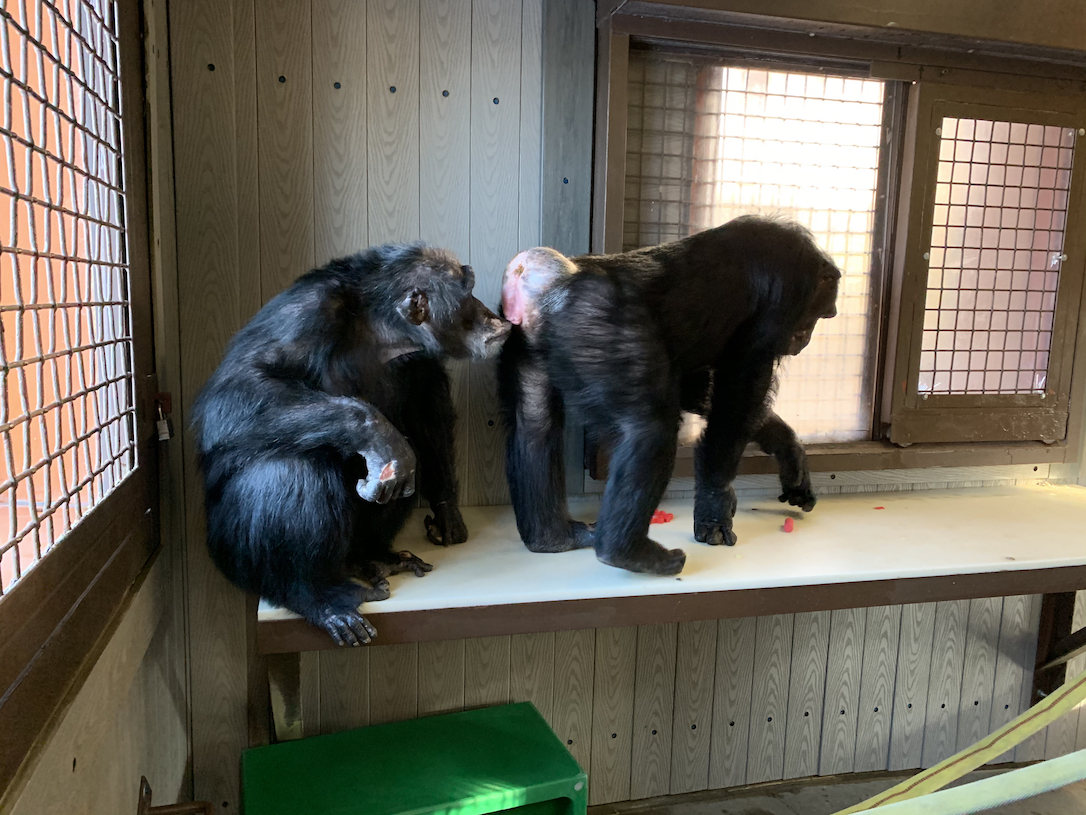
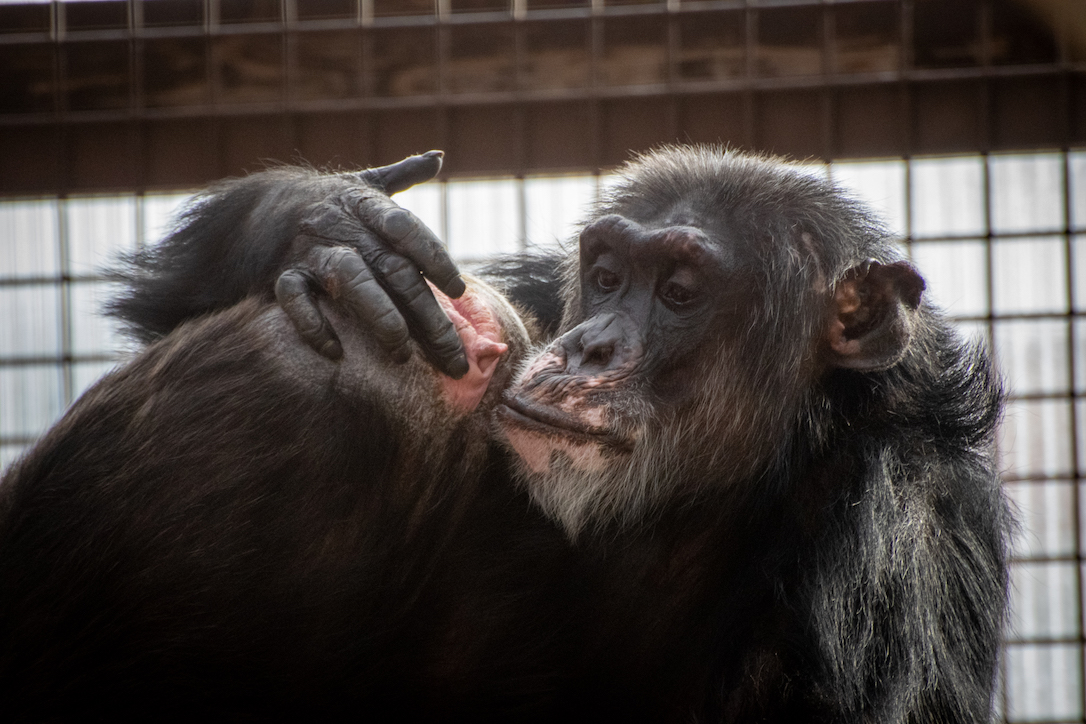
You may have seen on the blog that the sanctuary’s male residents are fascinated by swellings, but don’t seem to have the social skills required to successfully copulate. This is not uncommon for captive chimps who were raised in abnormal social groups. However, it’s worth noting that Burrito and Willy B’s attractions to the females’ swellings are quite obvious and seem to have developed without the enculturation of a larger chimpanzee society. Furthermore, the life-saving castration that Burrito endured does not seem to affect this behavior, and he still watches over any swollen females with keen interest.

Burrito sniffs Jamie’s swelling.

One question that often arises is that of female contraception. As with many dilemmas relating to captive chimpanzees, we do our best to balance natural processes, physical health, emotional impacts, and logistical challenges. In the case of birth control, our team evaluates each female’s unique needs and consults with outside experts in order to give them the best experience that this environment allows. Therefore, we do not have a comprehensive protocol for administering contraceptives and each individual case is managed separately.

Foxie, Missy and Honey B underwent hysterectomies at their previous facilities due to underlying health issues. We also suspect that Negra had one in the past, although it’s possible that she has simply transitioned through menopause. In all of these cases, no contraception is necessary. These females don’t swell, have little chance of becoming pregnant, and aren’t prone to reproductive health issues.

Foxie’s swelling is permanently deflated.

Mave and Annie have no known health issues and are at low risk of pregnancy because both of the sanctuary’s males, in addition to being sexually naïve, are medically unable to reproduce. (Burrito no longer has testicles and Willy B’s vasectomy is still serving its purpose.) In these cases, we’re not intervening with contraceptives because there is no clinical reason to do so. Without a medical issue, we’re more comfortable with letting Annie and Mave’s respective cycles progress naturally, for now.

Jody and Jamie, on the other hand, receive daily doses of medroxyprogesterone (an oral contraceptive) for reasons other than preventing pregnancy. The medication is relatively bland and dissolves well in juice, so both females will gladly take it from their caregivers each morning. In Jody’s case, her recent medical exams allowed us to detect a small uterine mass that we suspect is a mineralized fibroid, and the medroxyprogesterone is a recommended treatment for managing these. Jamie, meanwhile, has a recurring anal fistula that is not severe but seems to cause more discomfort when she is swollen. Neither Jamie nor Jody swell while they are on “the pill,” although I have seen that female chimpanzees at other sanctuaries may continue to do so (albeit with changes in frequency and intensity).

Burrito inspects Mave’s swelling during their first meeting last year. Willy B did the same when he met Jody, Annie and Jamie.

One advantage of the chimpanzee sexual cycle is that males will be extremely interested in, and friendly to, swollen females. In the wild, females can use this attention to work their way into new communities once they are mature enough to leave the one they were born in. For managers of captive chimpanzees, an awareness of the reproductive cycle can help us to merge smaller social groups into larger ones. Predictably, males will generally be more accepting of an unfamiliar female if she’s dragging an inflated swelling behind her. I’ve even noticed that, in some cases, the excitement of socialization events and proximity to males seems to cause rapid inflation of the swelling. Accordingly, tracking sexual swellings helps us to understand their social behavior in addition to monitoring their physical health.

As the sanctuary grows and the chimpanzees age, their group dynamics and individual health conditions will certainly change, too. Some treatments that don’t make sense now may be more practical, or even imperative, in the future. Alternatively, new developments will surely force us to reconsider existing protocols. Therefore, we will continue to be open-minded about reproductive issues to ensure that all the chimps remain comfortable, healthy and safe throughout their retirement.


Filed Under: Chimpanzee Behavior, Featured Post, Free-living chimps, Introductions, Veterinary Care Tagged With: animal rescue, animal rights, Animal Welfare, chimp, chimp rescue, chimp sanctuary, chimpanzee, chimpanzee sanctuary, Chimpanzee Sanctuary Northwest, chimpanzees, chimps, csnw, Primates, Sanctuary

Inviting your questions

October 17, 2020 by Diana

This is apparently blog post #5316. This blog is pretty unique. In the beginning, we didn’t know how it would go. To be frank, we didn’t know how anything would go. We just knew we needed people to get involved and donate so that we could care for the chimpanzees, and we had a desire to share the chimpanzees and their stories so people would know what was happening to chimpanzees in the world, particularly those in captivity.

A lot has transpired at the sanctuary and in the world since starting the blog in 2007. A LOT! If we were starting today, I am not sure we would choose to have such a frequent and deep form of communication. It’s really quite a lot of work, and for that reason not the most efficient of marketing tools. But it has become much more than a marketing tool. It’s the diary of Chimpanzee Sanctuary Northwest, and we hear from you readers/followers how much it brings to your lives, particularly when other things in the world are contentious and uncertain.

One thing that I love about the blog is that all of the staff caregivers, past and present, have contributed regularly. Each person has a different perspective with different thoughts rolling around in the back of their brains, and sees different things that the chimpanzees do on any given day; having a variety of writers makes the blog all the more interesting.

Posting daily and including the troubling events like fights and injuries as well as private reflections about the individual chimpanzees and chimpanzees in captivity in general, in addition to the hours of play, foraging, nesting, grooming, and eating that make up the chimpanzees’ day, has naturally lead to a more intimate and transparent look at life in a sanctuary.

I imagine, given unlimited time and resources, each of the caregivers could post multiple times a day. There’s just always something to say about chimpanzees (and bovines too!). I know I’m biased, but I think they are endlessly fascinating and endearing.

I know there are a handful (maybe more than a handful?) of people out there who have gone back and read every single blog post since the very beginning in 2007. That is mind blowing to me. You all are in a exclusive club!

Most people jump in at a specific time and try to catch up, learning about the chimpanzees’ quirks and our plans for the future as each new post is published.

Whether you are new to the blog or are in that exclusive club, I know you have questions.

So, today I invite you to post those questions in the comments – the ones that you’ve been wondering about for a while or the ones you just thought of a second ago.

I will not answer them in the comments, but rather the staff will use the questions to build future blog posts upon. I am not making any promises; we likely won’t get to every question posed to us, but I imagine we will see some trends and your questions will spark future blog posts.

This whole blog experiment has been a rewarding interactive process. I know I’ve met, both virtually and in person, some of the most thoughtful and kind people I will ever meet because they happened upon this blog and fell in love with the chimpanzees.

No doubt many posts have been written based on comments. This is just a more formal process. So, feel free to come back to this post later and pose more questions. I think it will be really interesting to see what you want to know!

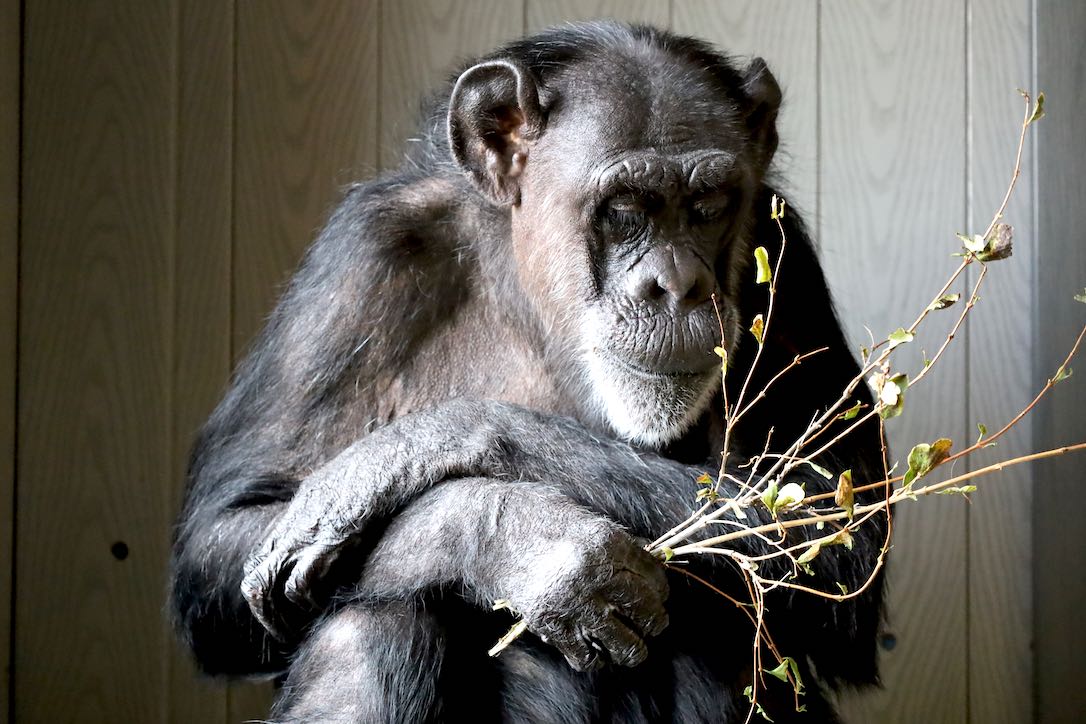
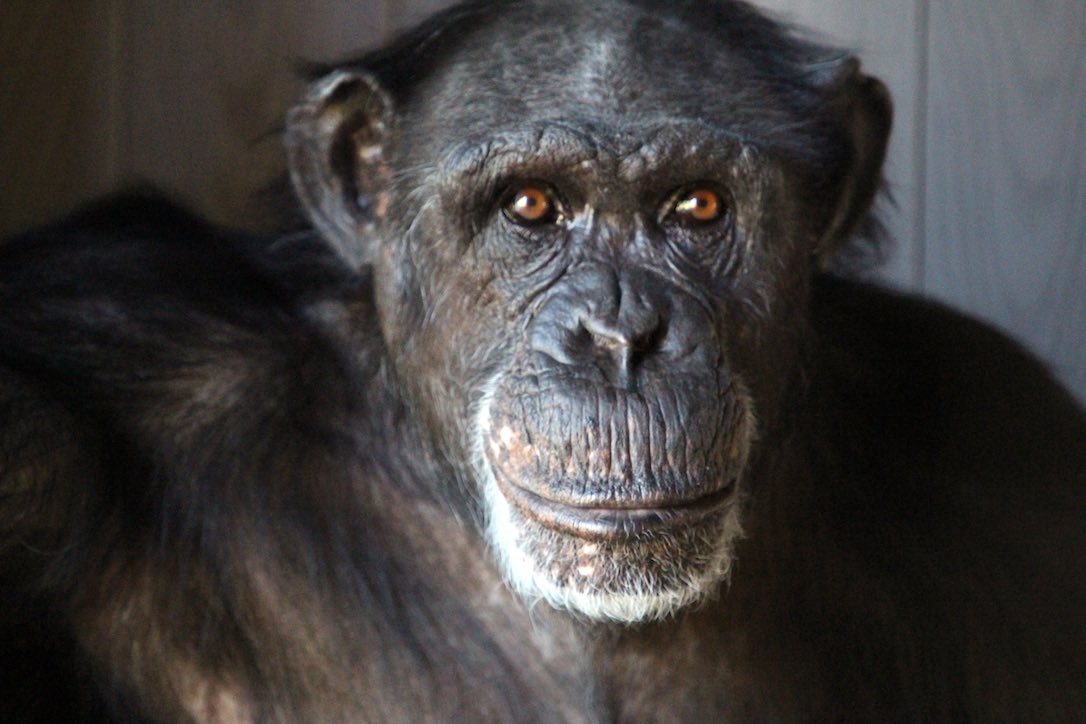
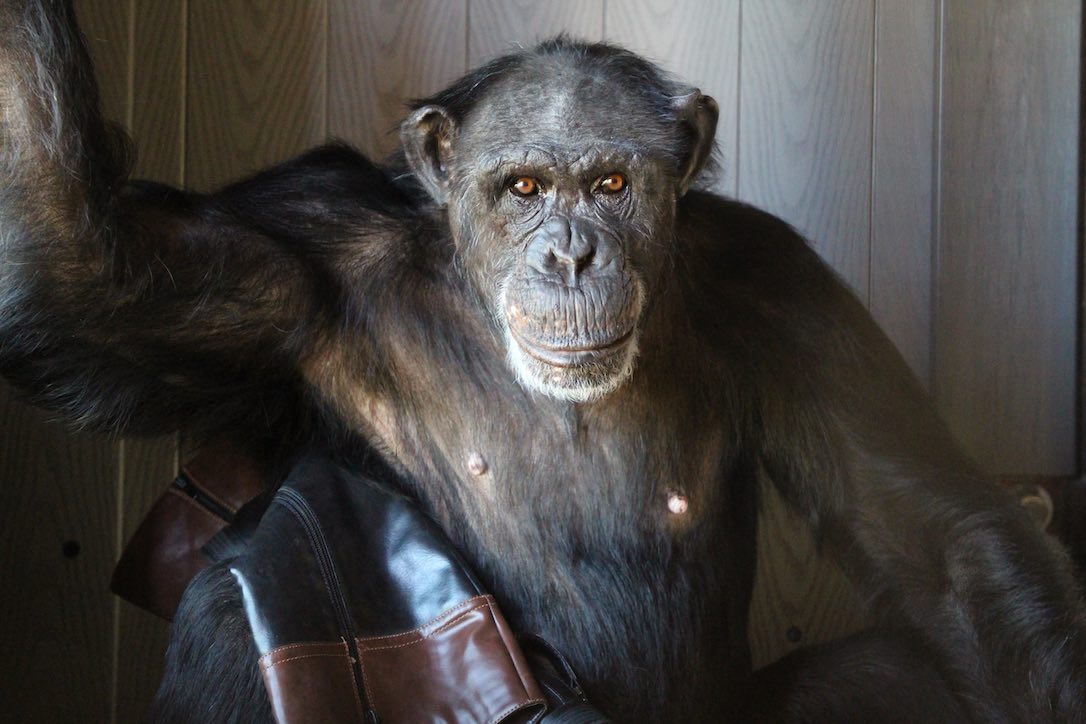
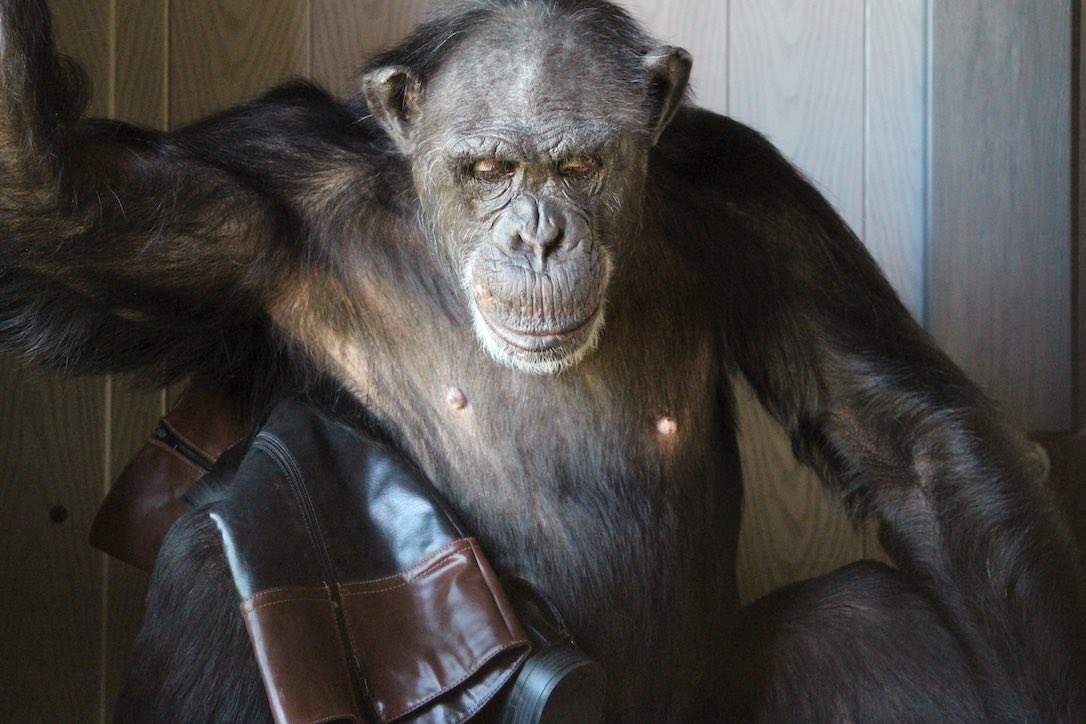
In another take on intimacy, you may know that there’s a spot in one of the front rooms that we call the “Portrait Studio” because of the natural light that comes through the window, creating opportunities for photos that bring out the gorgeousness of the chimps. Below are a few I have taken recently.

Jody:


Jamie:

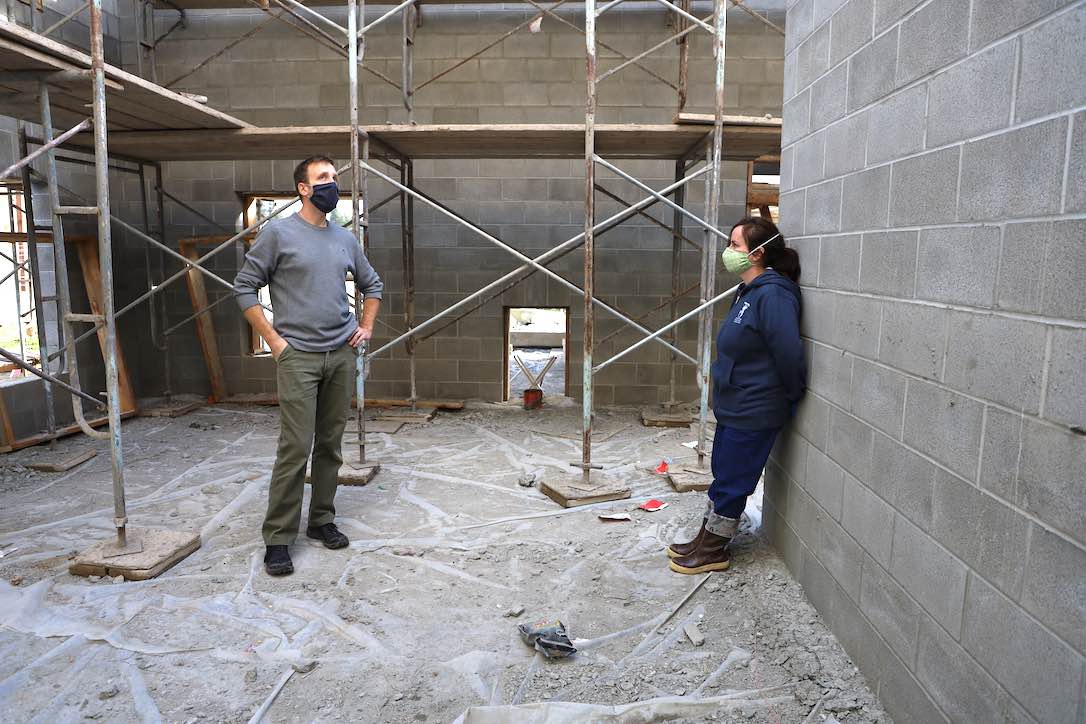
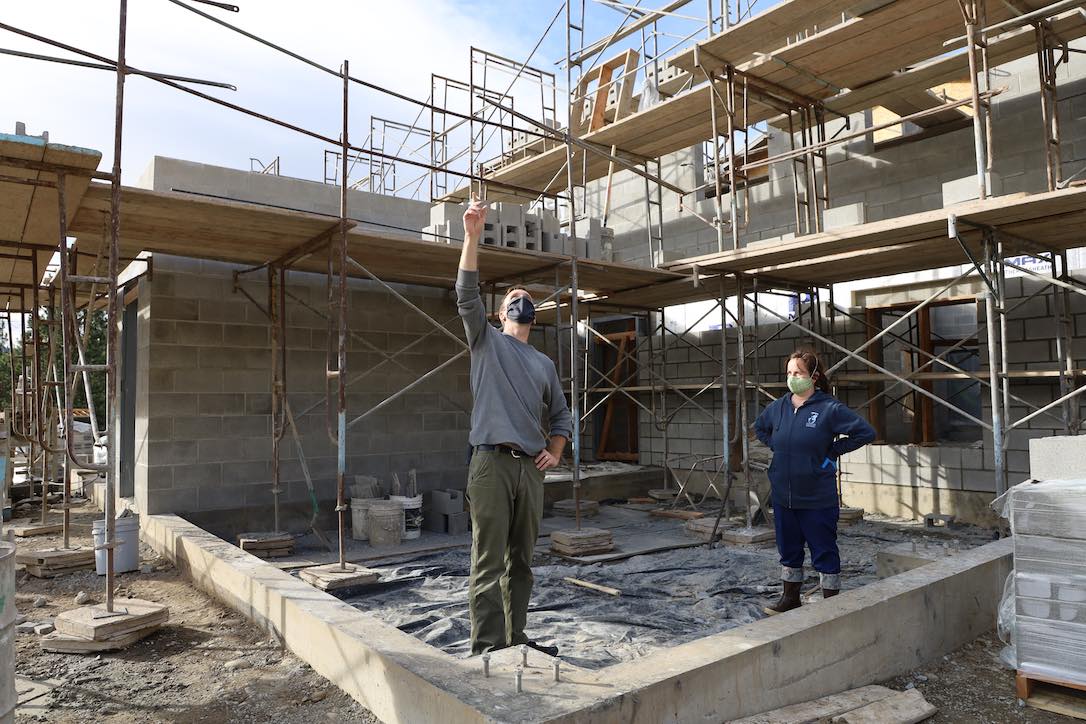
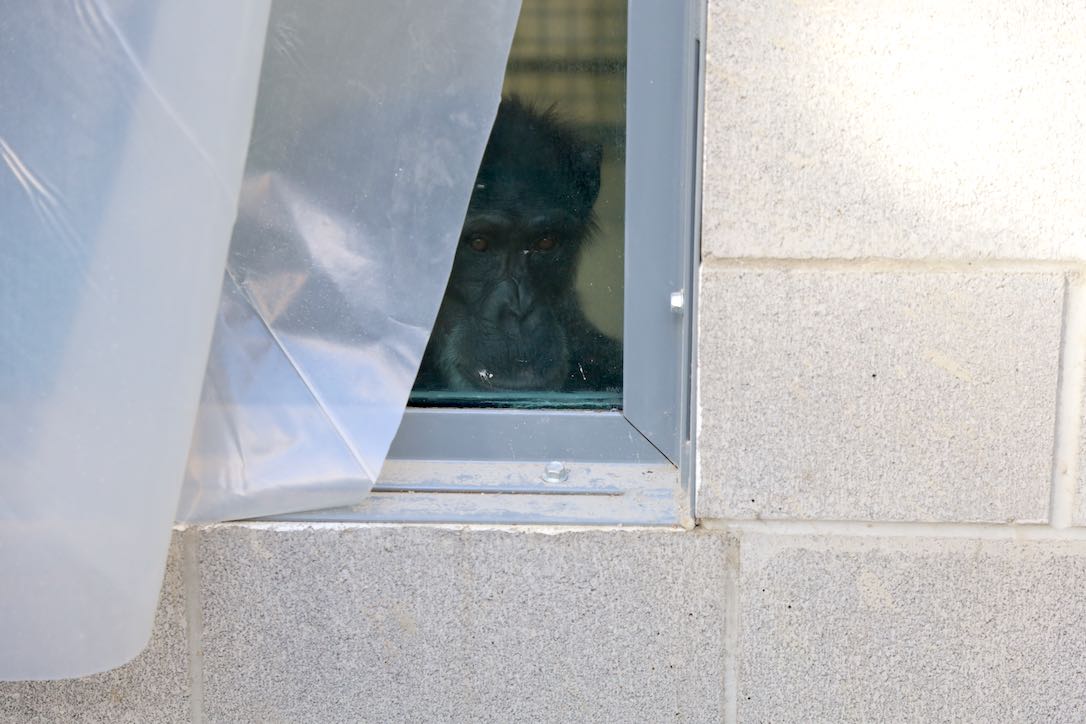
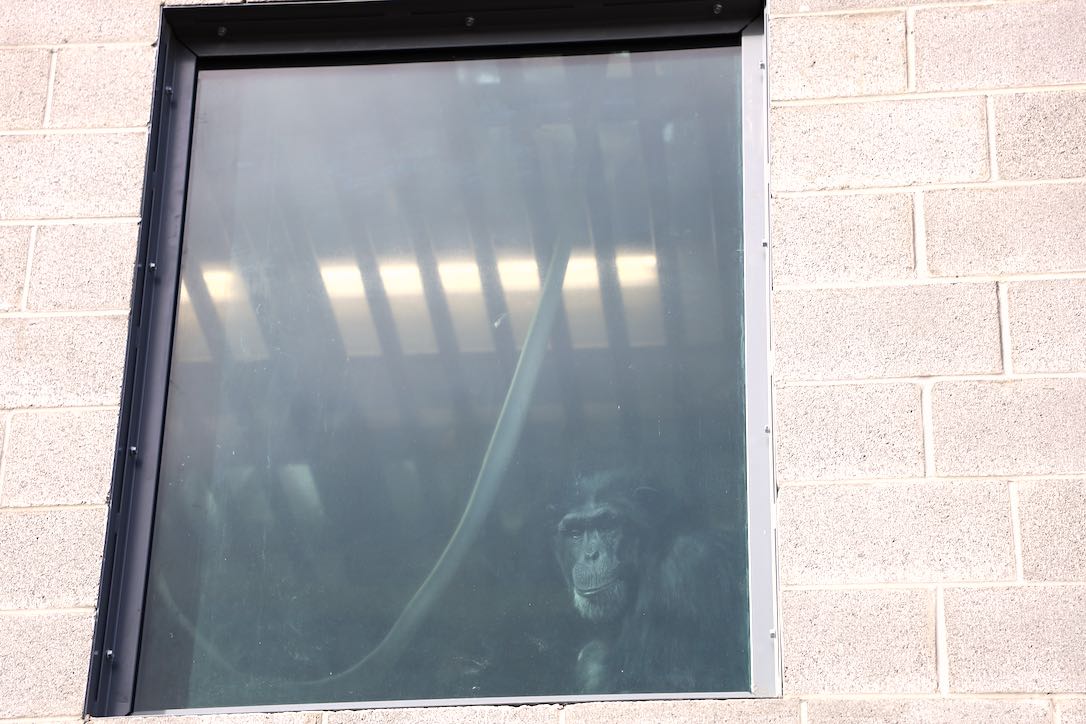
And for a slice of today, here are some photos of J.B. giving Anna and I the tour of the expansion in progress, with Honey B and Willy B looking on:

Filed Under: Boots, Caregivers, Featured Post, Sanctuary Tagged With: animal protection, Animal Welfare, chimp enrichment, chimpanzee, chimpanzee rescue, chimpanzee retirement, chimpanzee sanctuary, Chimpanzee Sanctuary Northwest, chimpanzees, primate protection, primate rescue

  • « Go to Previous Page
  • Page 1
  • Interim pages omitted …
  • Page 42
  • Page 43
  • Page 44
  • Page 45
  • Page 46
  • Interim pages omitted …
  • Page 74
  • Go to Next Page »

Primary Sidebar

Subscribe To the Blog and Get Notified of New Posts First!

Archives

Calendar of Blog Posts

June 2026
S M T W T F S
 123456
78910111213
14151617181920
21222324252627
282930  
« May    

Categories

SUBSCRIBE TO OUR NEWSLETTER

Footer

PO Box 952
Cle Elum, WA 98922
[email protected]
509-699-0728
501c3 registered charity
EIN: 68-0552915

Official DDAF Grantee

Menu

  • The Chimpanzees
  • Blog
  • About Us
  • You can help
  • Resources
  • Contact
  • Donate

Proud Member of

Connect With Us

Search

Copyright © 2026 Chimpanzee Sanctuary Northwest. All Rights Reserved. Site by Vegan Web Design