• Skip to main content
  • Skip to primary sidebar
  • Skip to footer

Chimpanzee Sanctuary Northwest

Hope. Love. Home. Sanctuary

  • Our Family
    • The Chimpanzees
    • The Cattle
  • Blog
  • About Us
    • Visiting the Sanctuary
    • Philosophy
      • FAQs
      • Mission, Vision & Goals
      • Privacy Policy
    • The Humans
      • Staff
      • Board of Directors
      • Founder
    • Annual Reports
    • The Future of CSNW
    • CSNW In The News
  • You can help
    • Donate
      • Become a Chimpanzee Pal
      • Sponsor A Day
      • Transfer Stock
      • Be A Produce Patron
      • Be a Bovine Buddy
      • Give from your IRA
      • Personalized Stones
      • Bring Them Home Campaign
    • Leave A Legacy
    • Employment Opportunities
    • Volunteer
    • See Our Wish List
    • Events
  • Resources
    • About Chimpanzees
    • Enrichment Database
    • Advocacy
      • Advocacy Action Center
      • Apes in Entertainment
        • Trainers
        • Role of the AHA
        • Greeting Cards
      • Chimpanzees as Pets
      • Roadside Zoos
      • Chimpanzees in Biomedical Research
      • Conservation
        • African Apes
        • Orangutans
  • Shop
    • Merchandise Store
  • Contact
  • DONATE NOW

chimpanzee

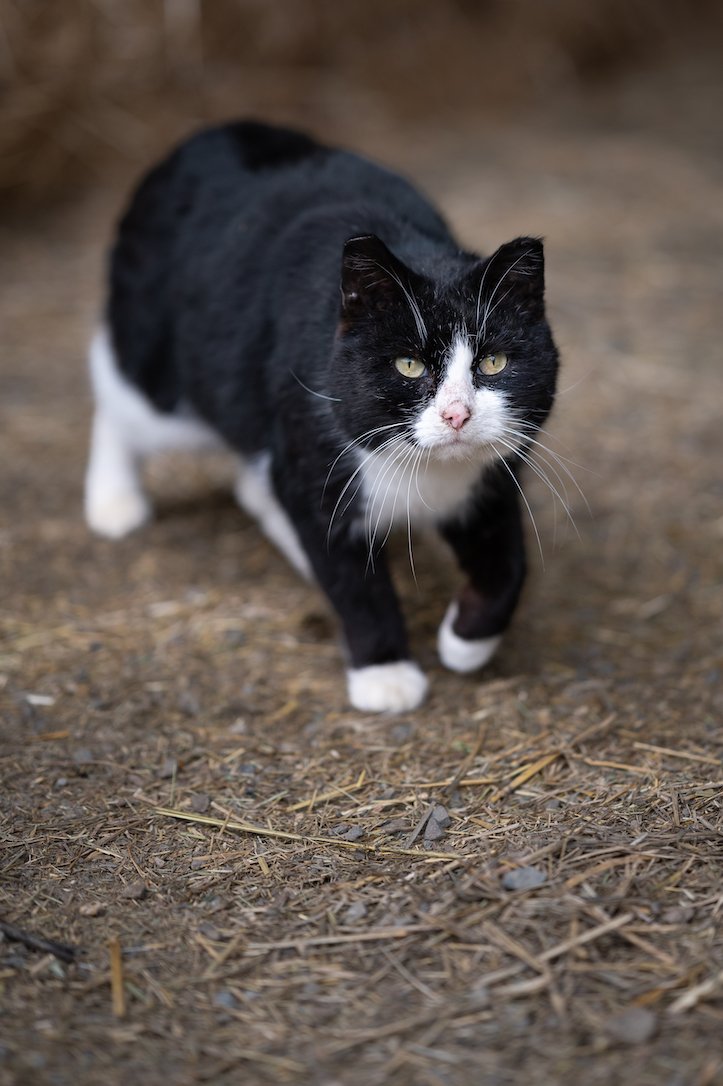
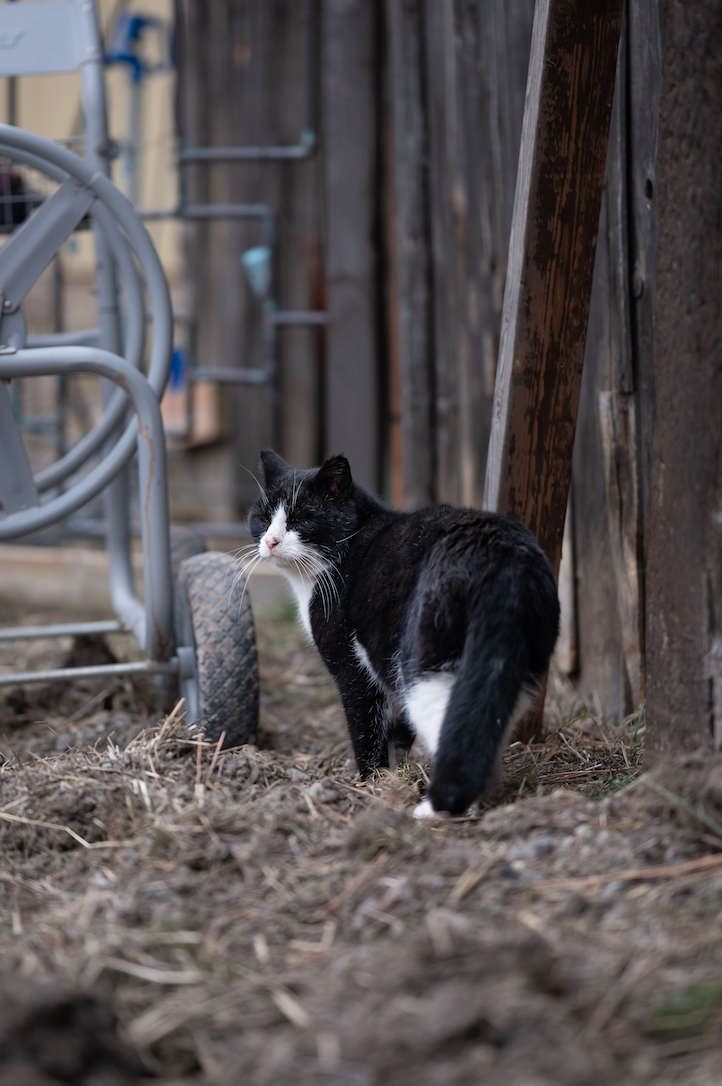
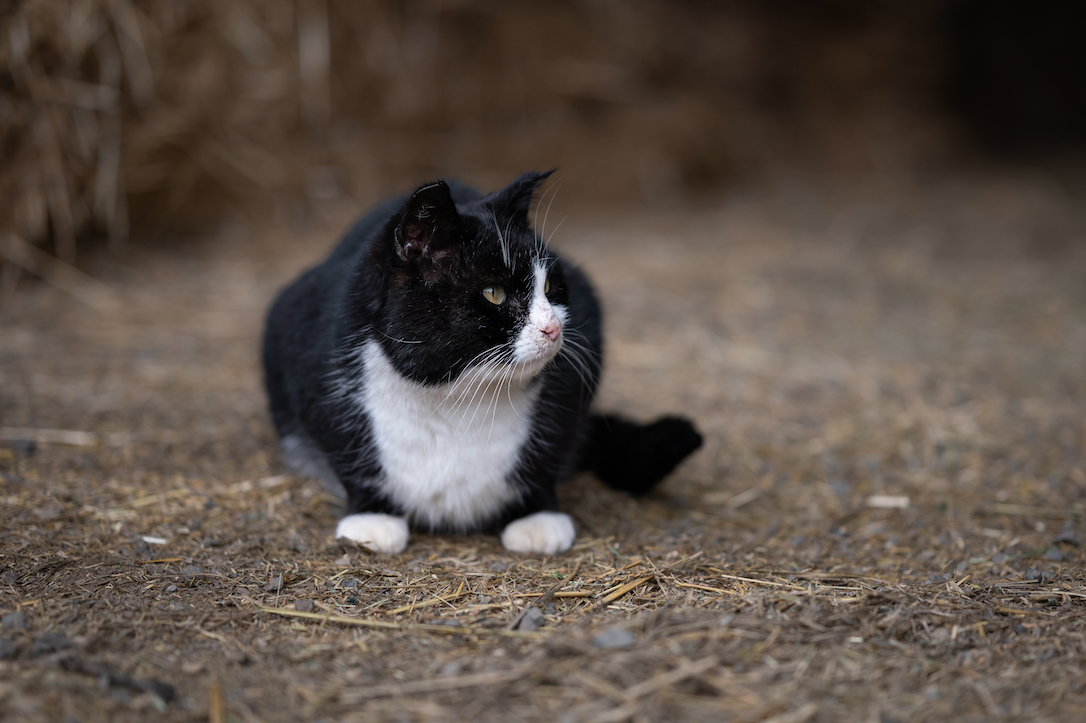
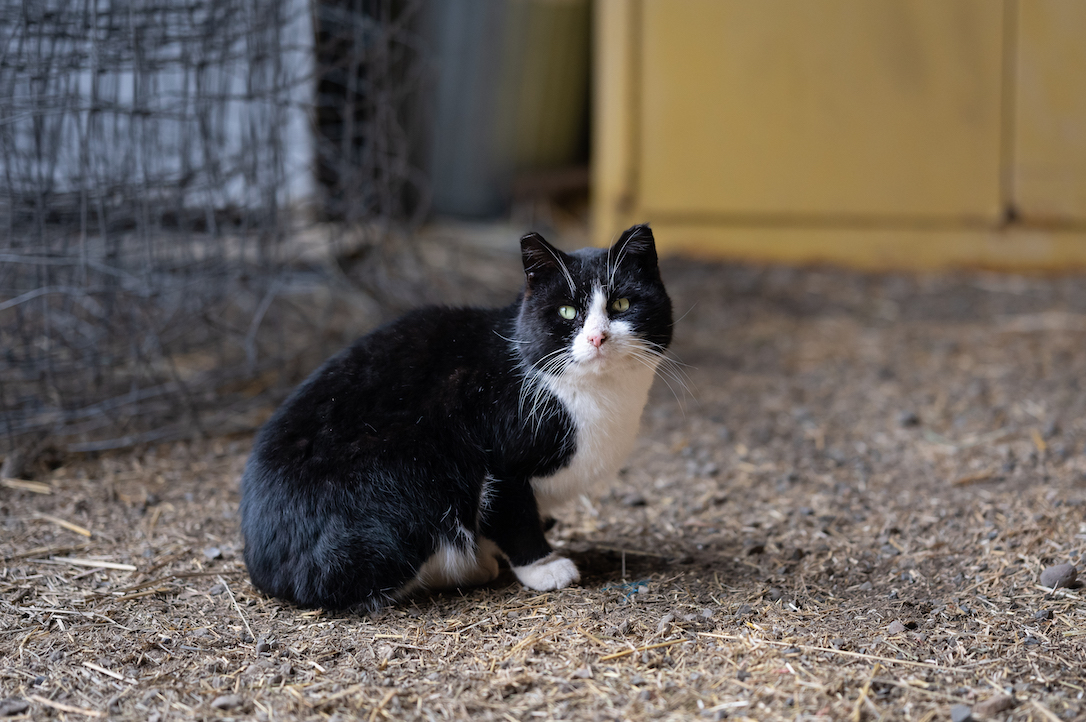
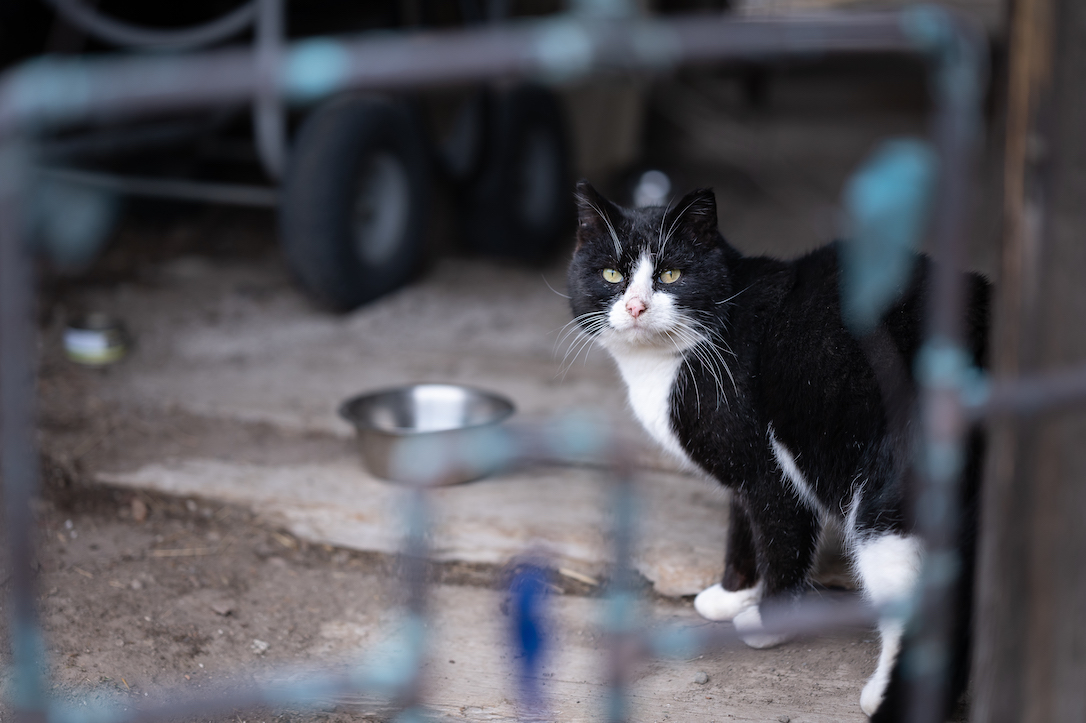
The Secret Life of Barn Kitty

February 28, 2022 by Anthony

In last Tuesday’s post (Twosday), Sofia mentioned that Barn Kitty has returned to the sanctuary.
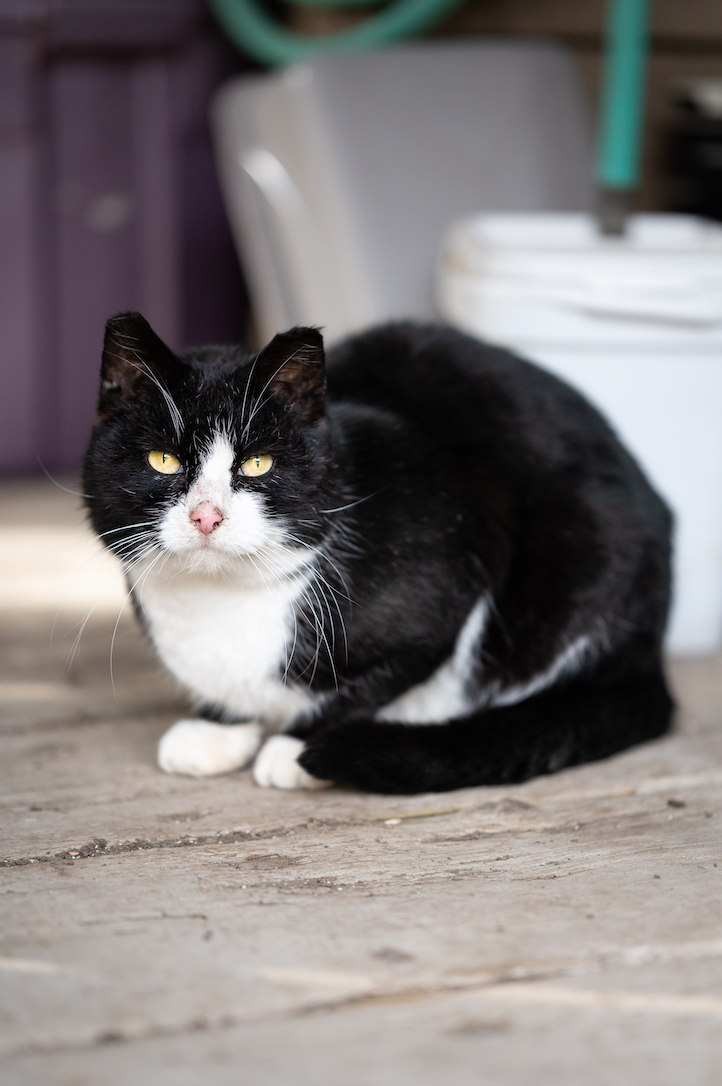
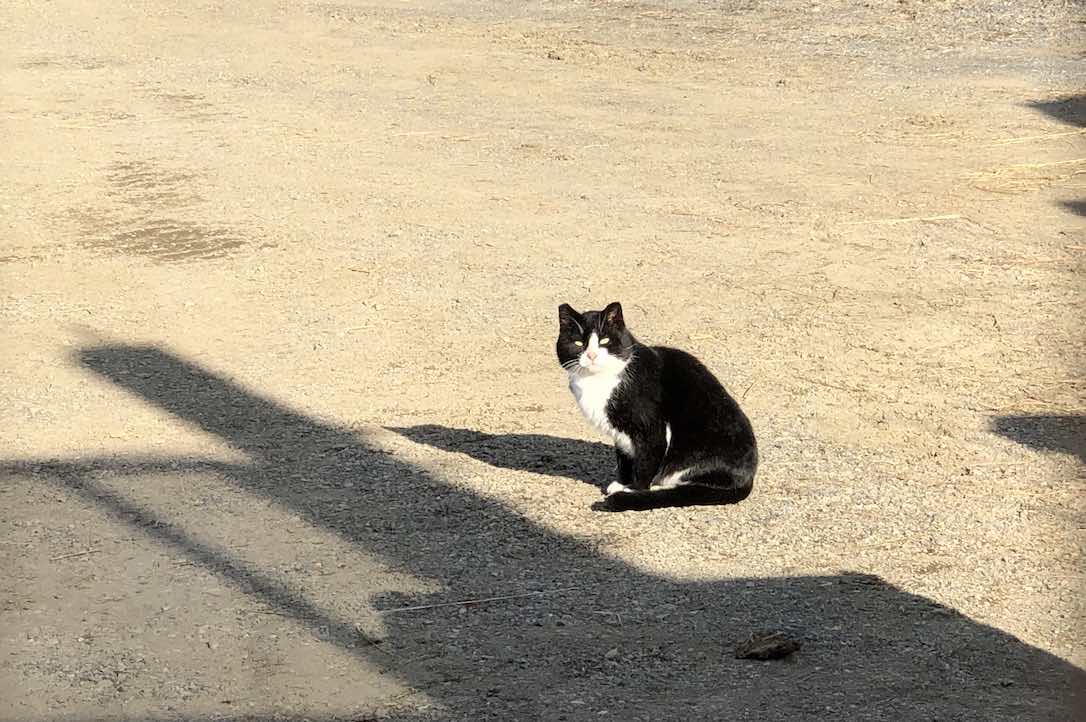
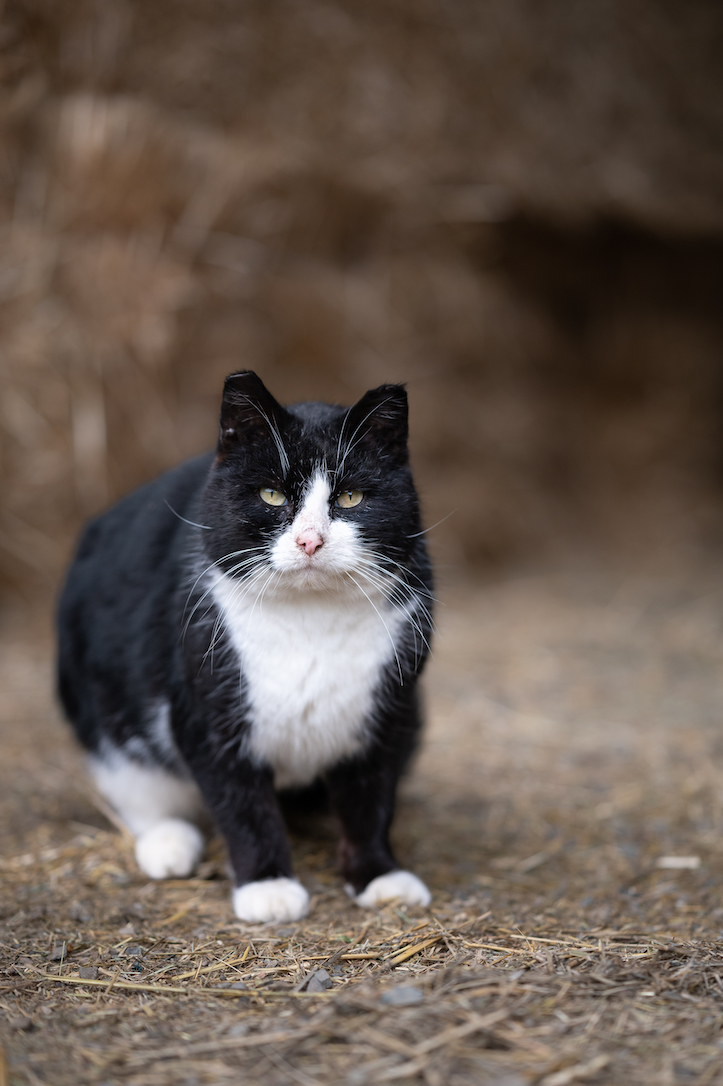
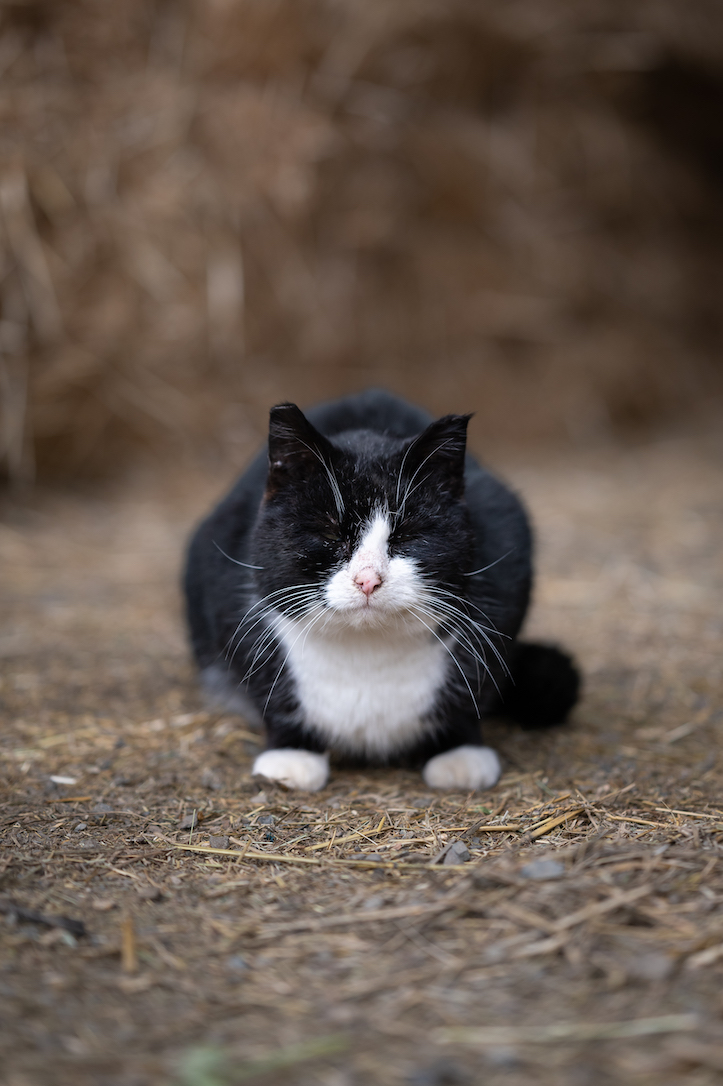
For those of you who may not be aware, Barn Kitty (“B.K.”) is a free-ranging domestic cat that prowls the patchwork landscape surrounding the Chimp House. It’s believed he divides his time between the sanctuary property and the neighboring ranch, but we have no way of monitoring his whereabouts in real time. We don’t even know with certainty whether Barn Kitty is a true feral (born and raised apart from humans), a homeless stray, or just a particularly independent outdoor “barn cat” from next door. Sometimes, he disappears for months at a time before casually returning. He’s a mysterious lad.

I absolutely love living with cats (and can’t imagine the internet without them), but the existence of stray and feral cats is problematic for various reasons.

For one thing, the historical relationship between humans and house cats is mutually beneficial but not codependent. In many ways, this species was never fully domesticated and differs only slightly from its African wildcat ancestor. Importantly, cats all remain adept hunters and prolific breeders regardless of whether we supplement their diets or not. This self-reliance allows them to subsist indefinitely without much assistance from humans (besides the occasional voyage across an ocean or piggy-back ride across national borders).

The unfortunate loser in this transaction is biodiversity. Many native species, especially birds and small mammals, cannot reproduce fast enough to compensate for the addition of a new predator on the landscape. A 2013 study by Smithsonian researchers estimated that house cats kill billions of wild animals annually in the U.S. alone and individual cats have been observed to kill hundreds of birds and rodents in a single year. Their effect is especially devastating on islands where native species haven’t adapted defenses against land predators and there are no larger carnivores to keep the newcomers in check. This isn’t to say that domestic felines are objectively bad– ecosystems are constantly in flux and most species will do what they can to exploit available niches- but their spread has definitely had a substantial impact on fragile ecosystems during a massive extinction crisis.

A second problem with domestic cats living outdoors is that they’re susceptible to a plethora of factors that can negatively impact their own welfare. In places where native predators such as coyotes and cougars exist, house cats often become a widespread and easy meal. Free-ranging cats are also at risk of accidents such as vehicle collisions and rarely have access to veterinary care when sick or injured, shortening their average lifespan. Without routine vaccinations, feral cats are also largely responsible for the spread of infectious diseases such as FIV.

Of course, a counterargument can be made that feral cats are relieved from the constraints of living in a human home and don’t suffer from the complications of a captive lifestyle: boredom, artificial diets, separation anxiety, overfeeding, etc. While many stray cats can happily return to indoor living, ferals tend to remain fearful of humans for their entire lives.

In areas where free-ranging cats have grown to be particularly bothersome, veterinary professionals will often work with wildlife agencies to curb their impacts. The simplest method of control- culling them outright- is ecologically effective but understandably controversial. Fortunately, less drastic interventions (e.g. trap-neuter-release programs) can yield long-term results while remaining palatable to the general public. The cats can keep living outdoors and hunting, but they lose the ability to reproduce and eventually disappear from the landscape.

In B.K.’s case, we decided long ago that he is welcome here at the sanctuary with one stipulation: that he doesn’t sire any more tuxedo’ed killing machines. Last year, Dr. Erin and Sofia made this official by neutering him while tending to a concerning leg injury. B.K. made a full recovery and, despite being more wary of us, seems to spend just as much time hanging around our barn as he did before. It’s not uncommon to see him lounging on a sun-drenched patch of grass or stalking mice in the nearby thickets. With reliable access to shelter, cover, food, water, and health care, one could argue that Barn Kitty is better off than most free-ranging cats

Caring for animals requires a never-ending series of compromises; the most tenable policies and effective solutions are usually those that balance compassion and logic. I like to think that we’ve found something like that for the furry enigma that we call Barn Kitty.

~~~~~~~~~~~~~~~~~~~~~~~~~~~~~~~~~

P.S. Yesterday, B.K. followed me back and forth around the hay barn as I did chores, so I risked my skin to take some closeups for you all to enjoy.
  

Filed Under: Farmed Animals, News, Sanctuary, Veterinary Care, Wildlife Tagged With: animal rights, Animal Welfare, cat, chimp, chimpanzee, chimpanzee sanctuary, Chimpanzee Sanctuary Northwest, Cle Elum Seven, csnw, domestication, feline, feral cat, Sanctuary

Here for the Show

February 26, 2022 by Diana

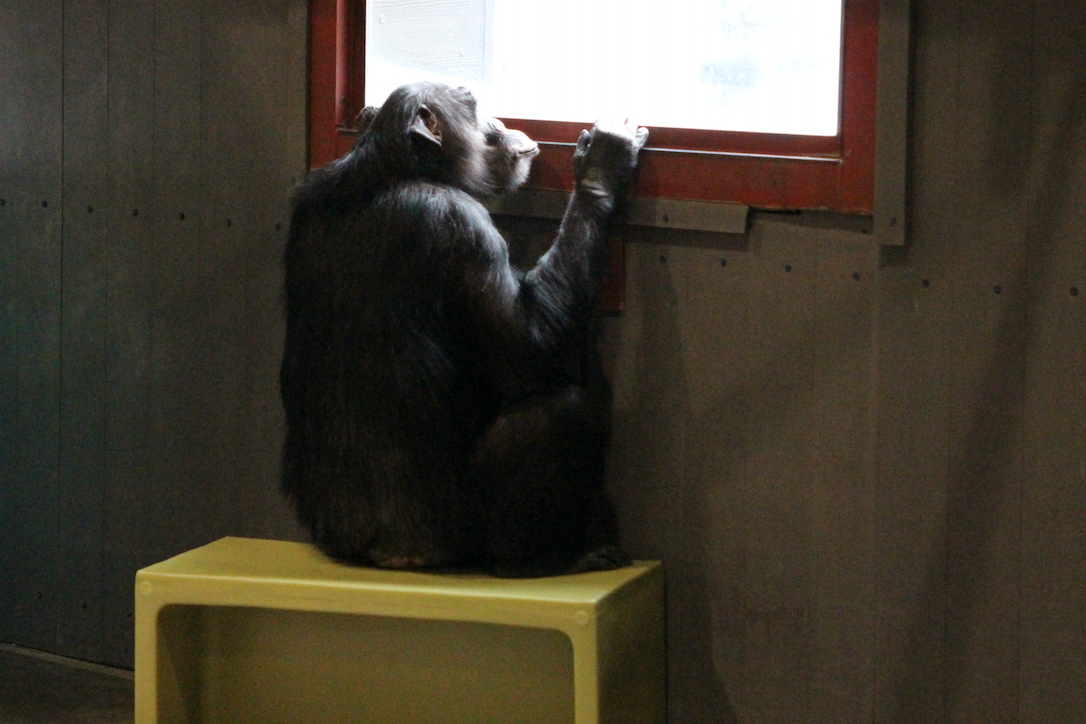
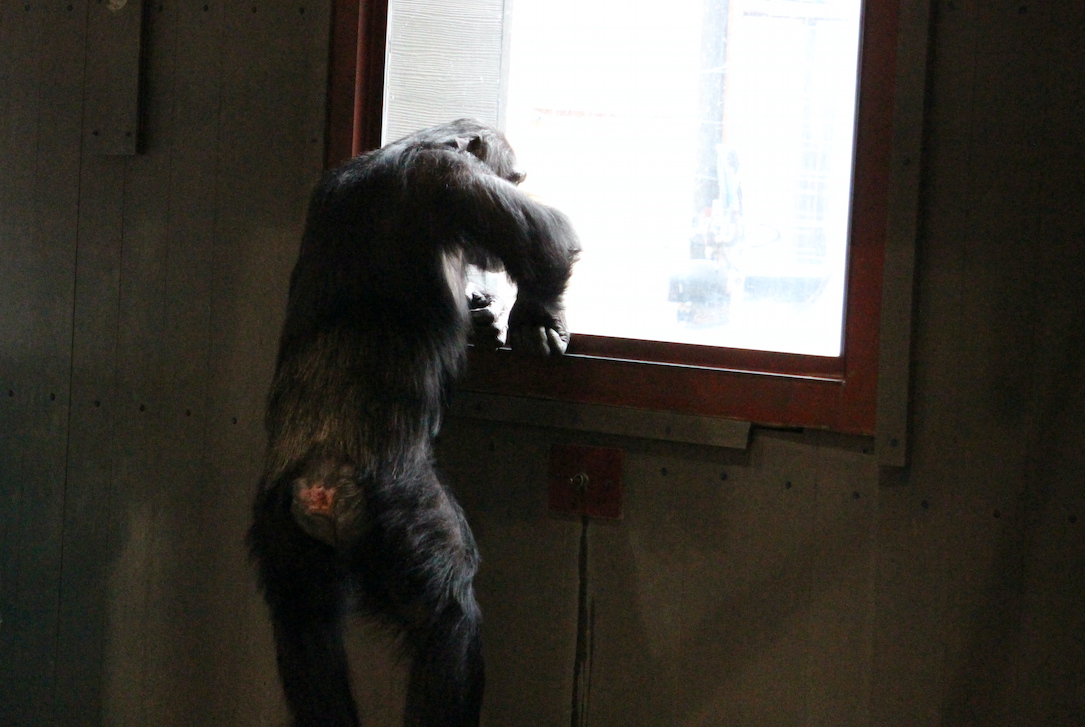
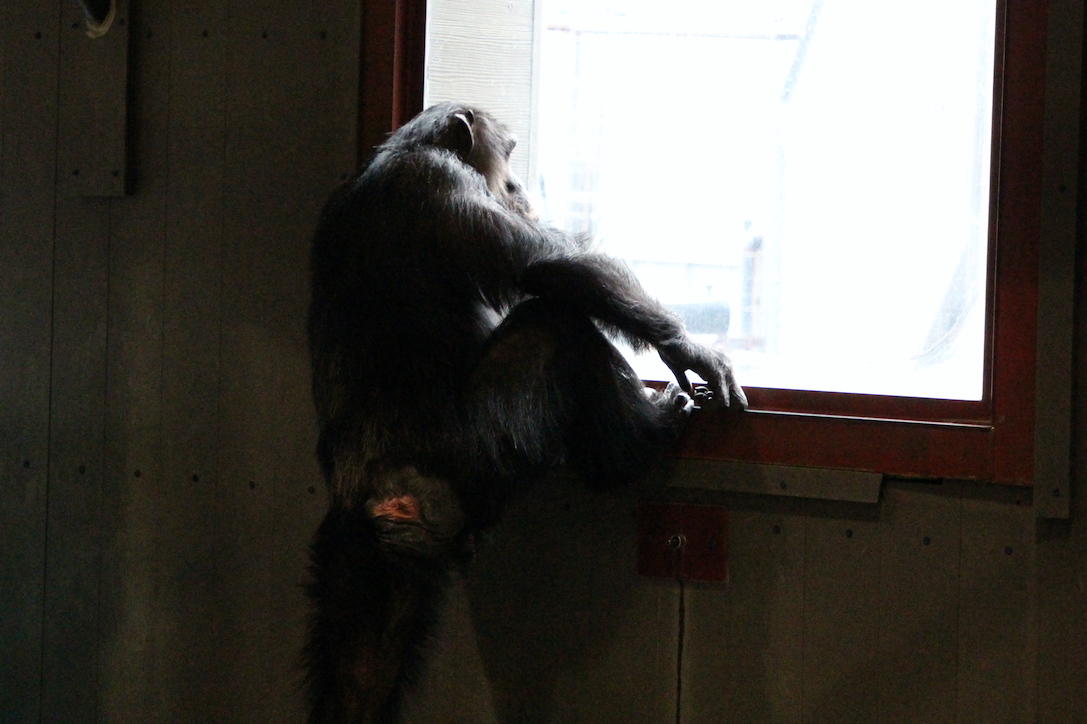
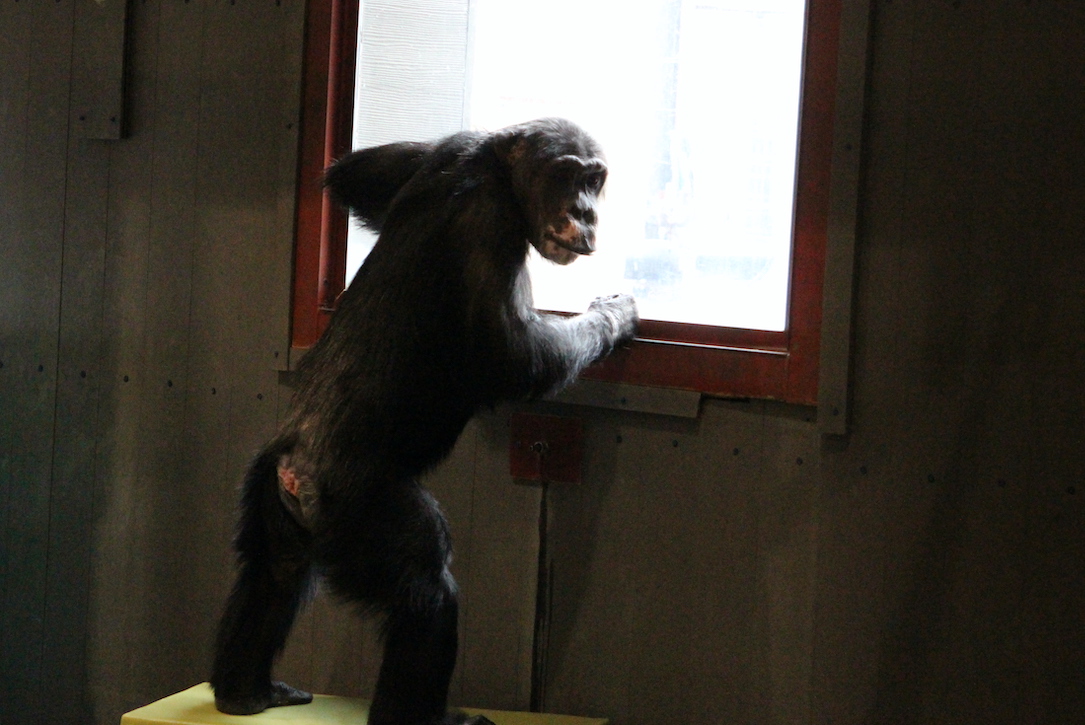
Burrito spends a lot of his time spying on the neighbors, especially when said neighbors are in the Chute, which is close to his playroom’s windows. But he can even get glimpses of other chimps when they are in Lupine playroom.

What was catching his attention this afternoon was a lot of displaying from both of the other groups.

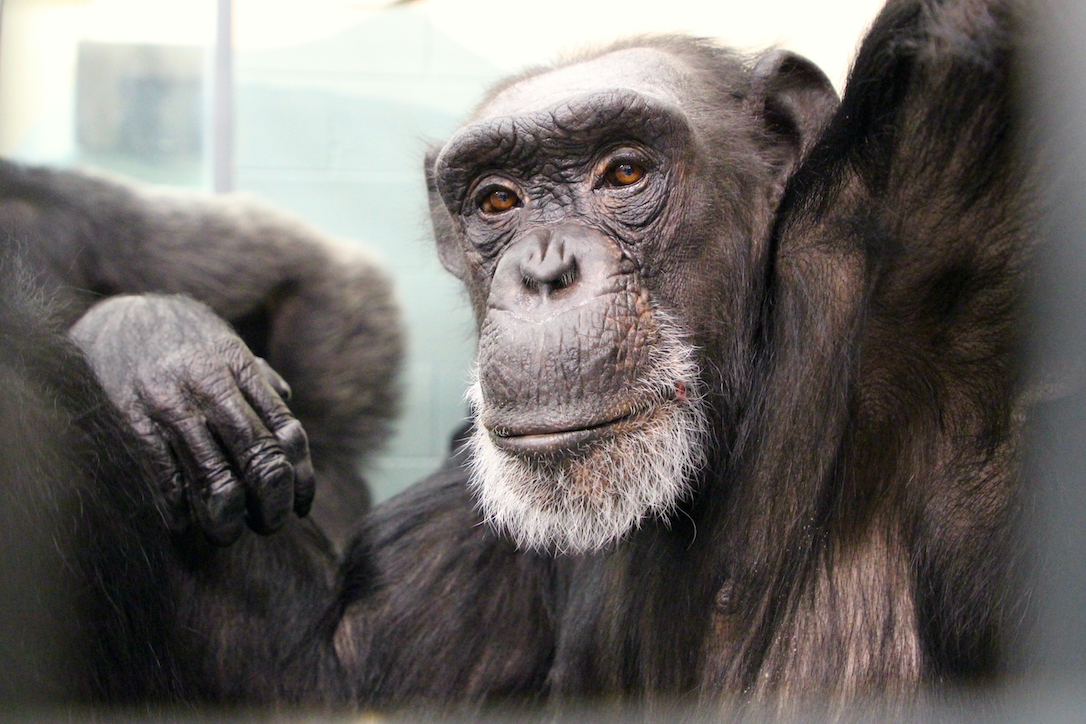
You probably know Cy by now as more of the quiet bookish type, but he’s also a large male chimpanzee who is more than capable of putting on an impressive display:

It’s not clear if Burrito wishes he were in the mix or is merely entertained/enriched by focusing on the goings-on of the other groups.

He’s certainly not the only one.

Missy was also keeping a close eye on things this afternoon, bounding up and down as a greeting when she glimpsed Terry in the Chute.

While we won’t be doing any introductions with Burrito’s group in the near future, it’s clear just having neighbors has added a very enriching element to their lives.

Filed Under: Burrito, Cy, Dispaying Tagged With: animal protection, animal rescue, animal rights, Animal Welfare, chimpanzee, chimpanzee rescue, chimpanzee retirement, chimpanzee sanctuary, Chimpanzee Sanctuary Northwest, chimpanzees, primate protection, primate rescue

A few photos

February 25, 2022 by J.B.

(Above: Gordo, giving me his typical side eye)

Dora, celebrating the restoration of the primate chow supply chain:

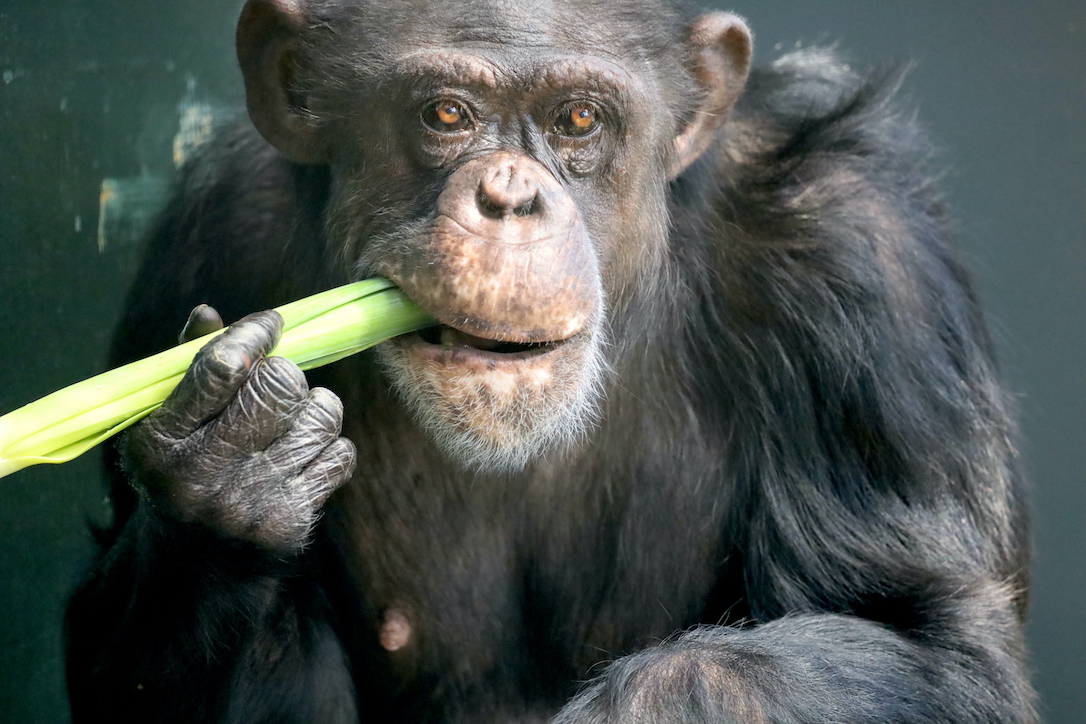
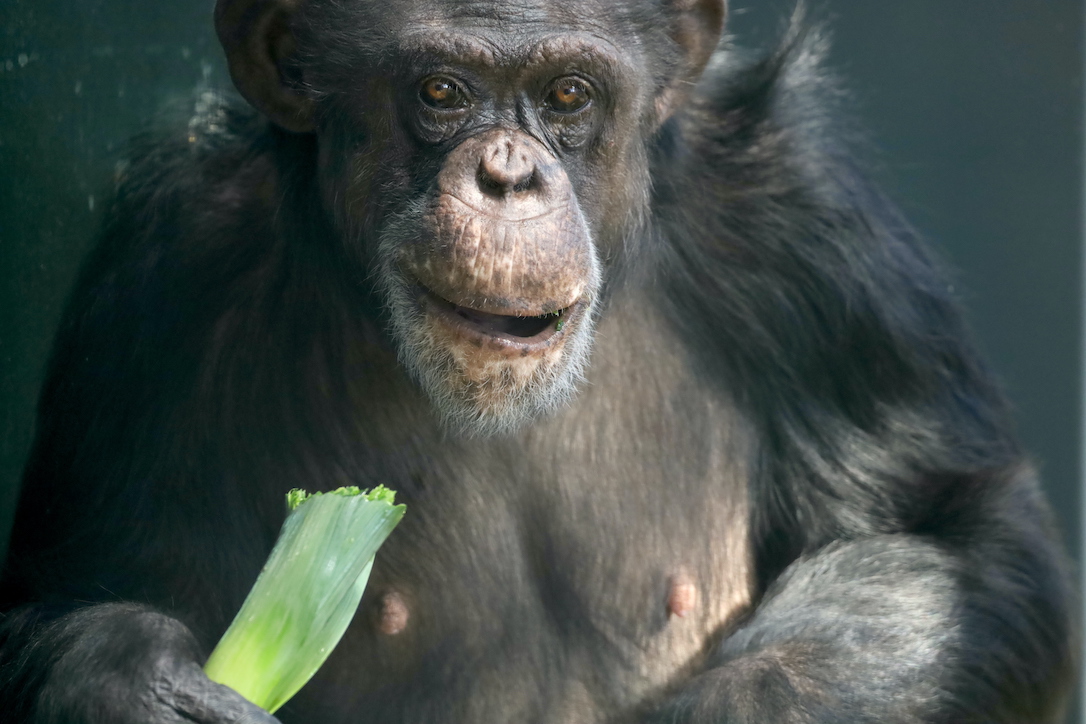
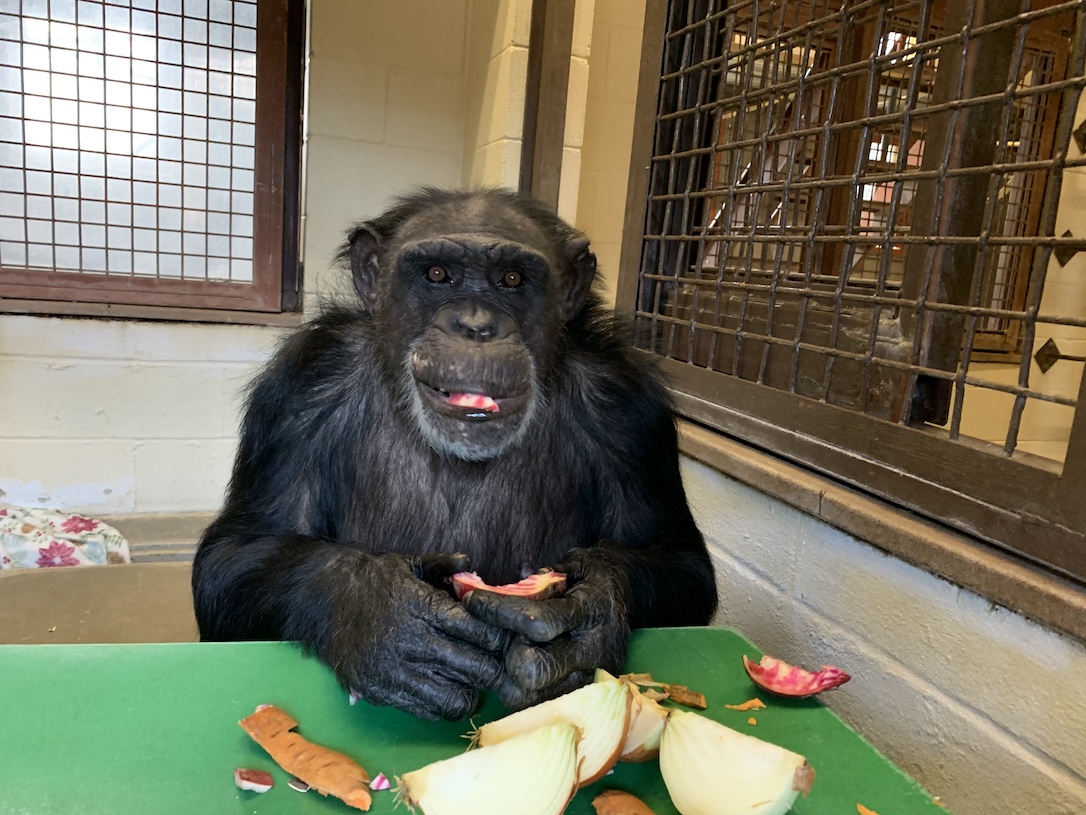
And chomping on some leeks:

Nobody chomps like Willy B, though:

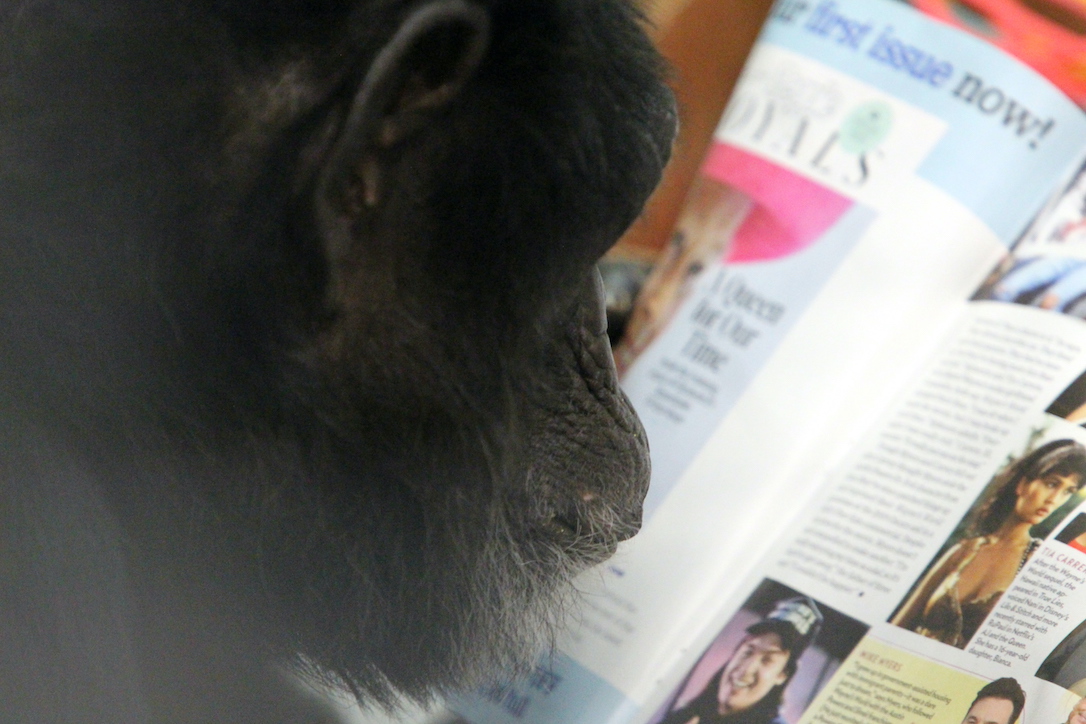
And no one reads as voraciously as Cy:

Rayne, taking a break from the grooming session:

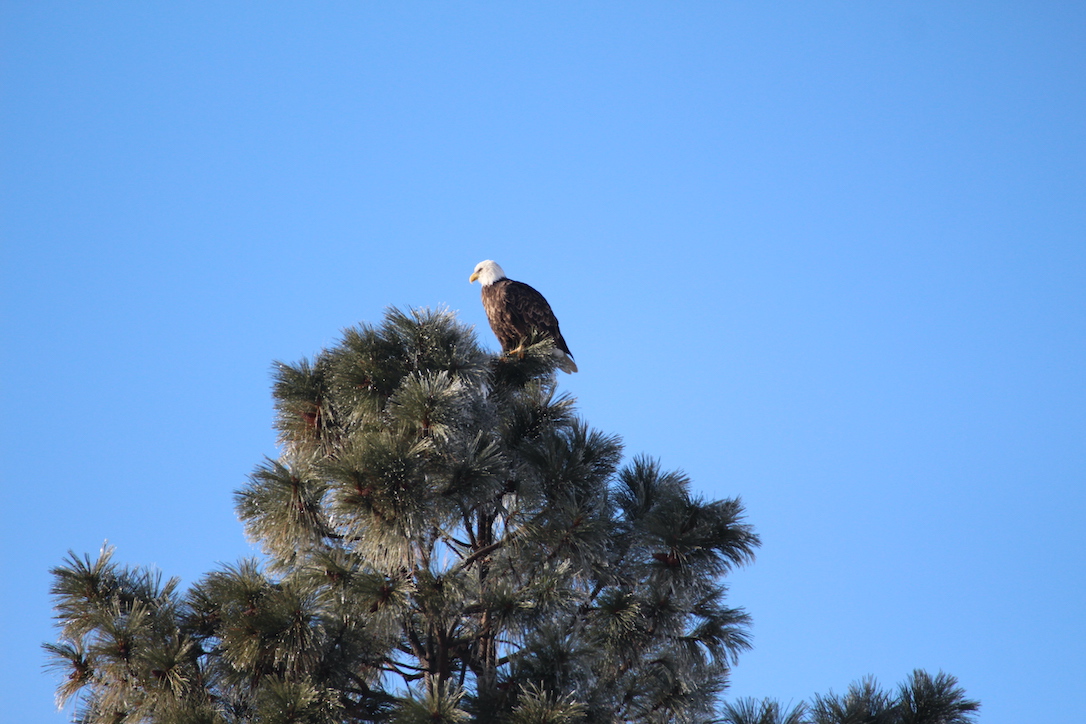
One of the many bald eagles that have spent the winter around the sanctuary:

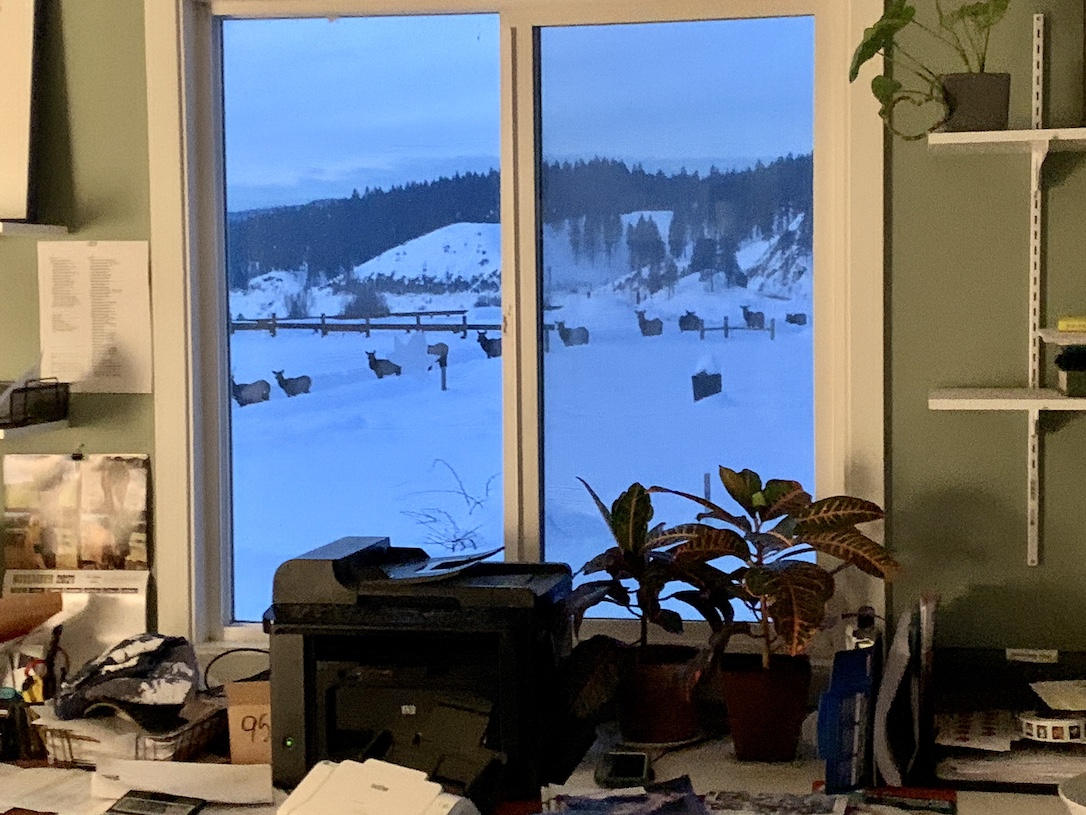
The elk herd paying a visit to the cattle barn this winter during the big snow storm:

Filed Under: Cy, Dora, Gordo, Rayne, Willy B Tagged With: bald eagle, chimpanzee, elk, northwest, rescue, Sanctuary

The Right Idea

February 23, 2022 by Kelsi

Jamie always has the right idea. She is a perfect planner and executor. Whether her plan is using tools to work on food puzzles, modifying enrichment for her own construction project, maneuvering a human do what she wants, implementing optimum forage strategies, selecting boots/books of her liking, or creative fort building, Jamie has the organization skills to do it all!

Yesterday, as I was serving dinner, Jamie stepped off her chair with a handful of food and began using it as a table. We often see Jamie convert her chair into a table! It’s perfect because she can keep her food in sight, spread it all out, and it’s at the perfect eating height. I love the way she can be so tactical. Jamie just has a beautiful mind.

Bonus photos!

Today I accidentally simulated a hot summers day because I forgot to turn the our greenhouse heater off mid-morning. However, no one seemed to be complaining!

Cy
Terry
Rayne

Filed Under: Cy, Food, Intelligence, Jamie, Latest Videos, Rayne, Sanctuary, Terry Tagged With: chimp, chimpanzee, Chimpanzee Sanctuary Northwest, chimpanzees, chimps, Cy, Jamie, Rayne, Sanctuary, Terry

Twosday

February 22, 2022 by Sofia Castro-Loza

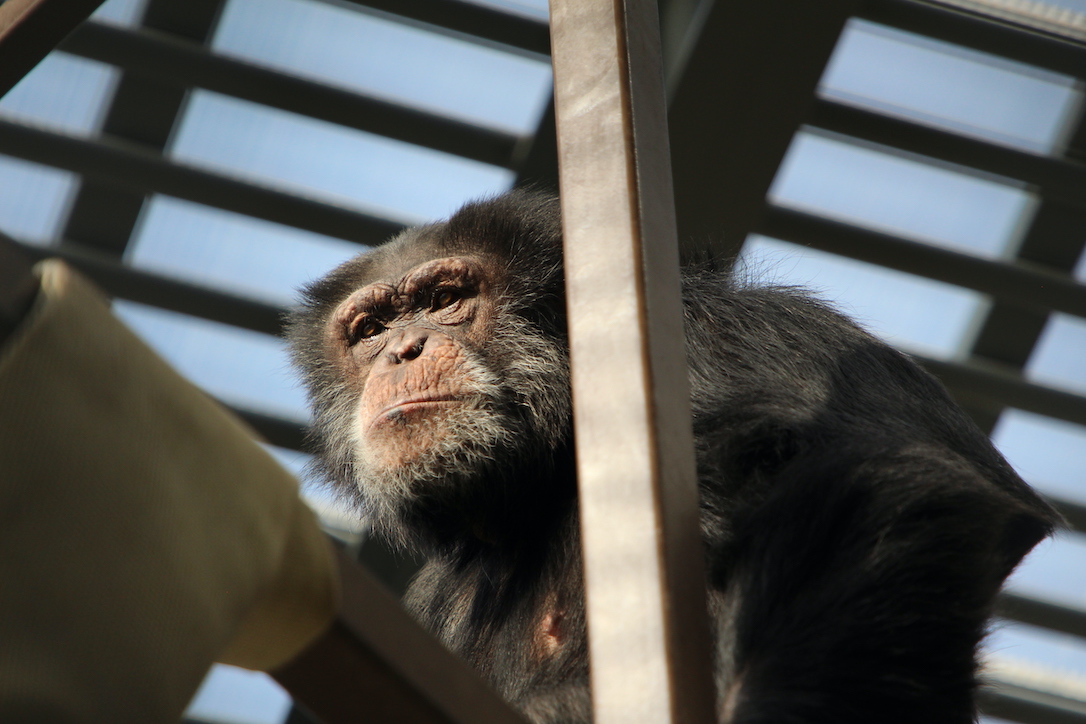
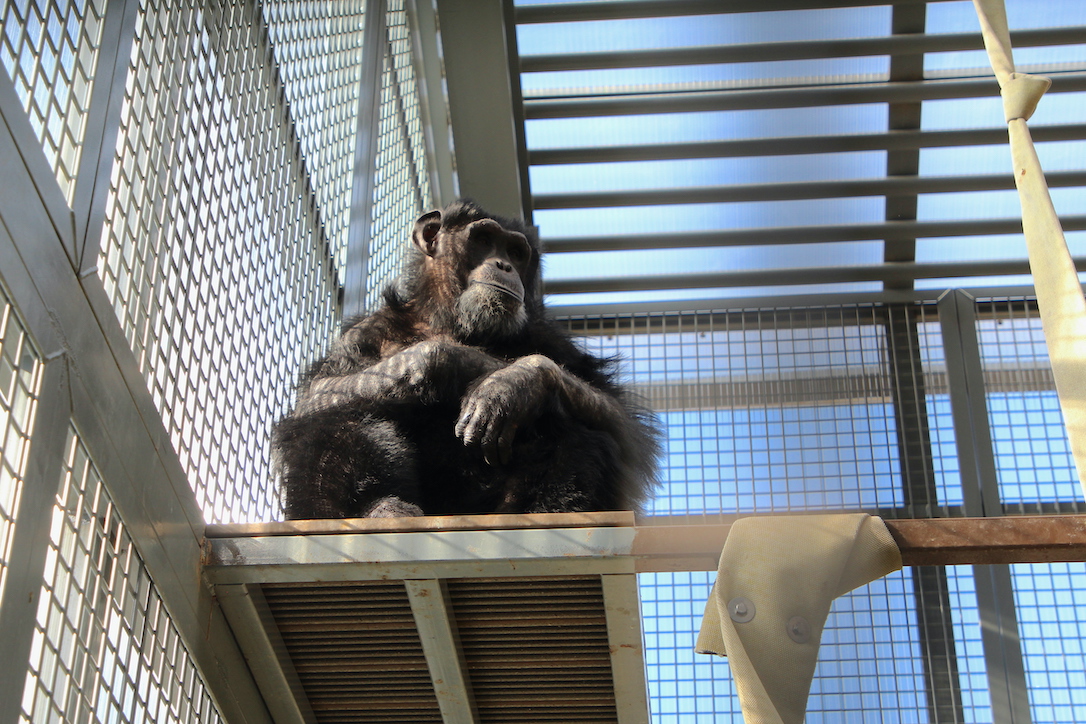
The weather over here went from full blown Winter, to false Spring, and then back to cold with a chance of snow very quickly. We did not get any snow today, but the day has been chilly, windy, and gloomy. The sun made a brief appearance during the morning and the greenhouses got packed with chimps enjoying their warm spaces. Between the Oakwood and Riverview greenhouses, Cy and Willy B displayed back to back through a viewpoint where both groups can see each other. The displays lasted a few minutes and then they both joined their groups for grooming sessions.
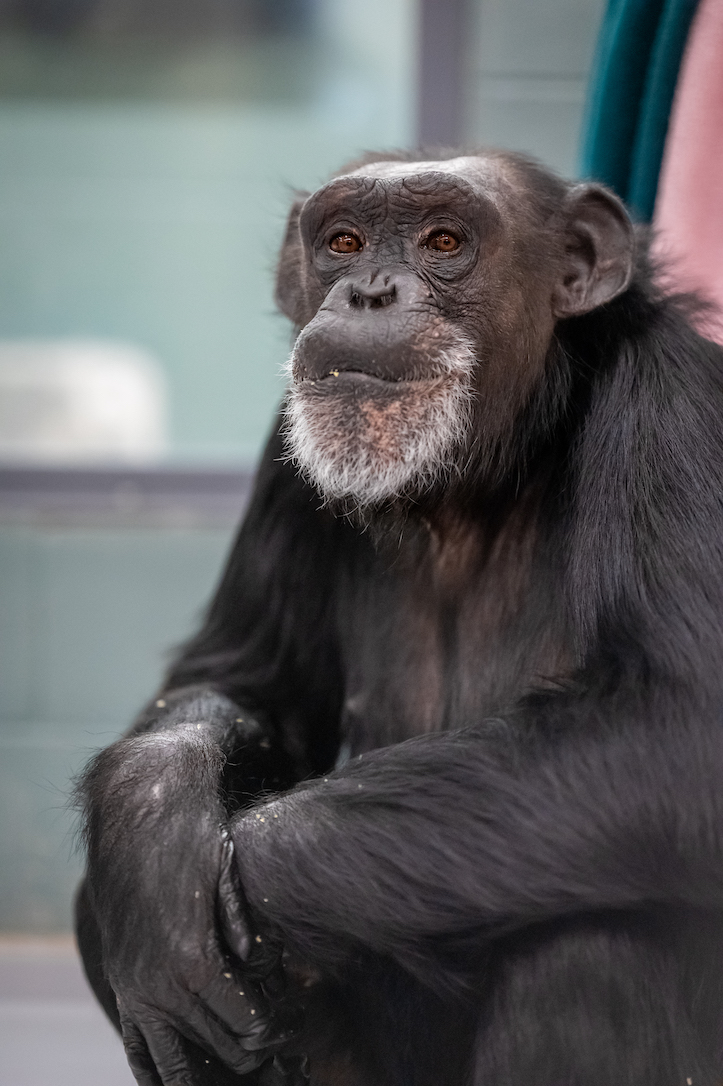
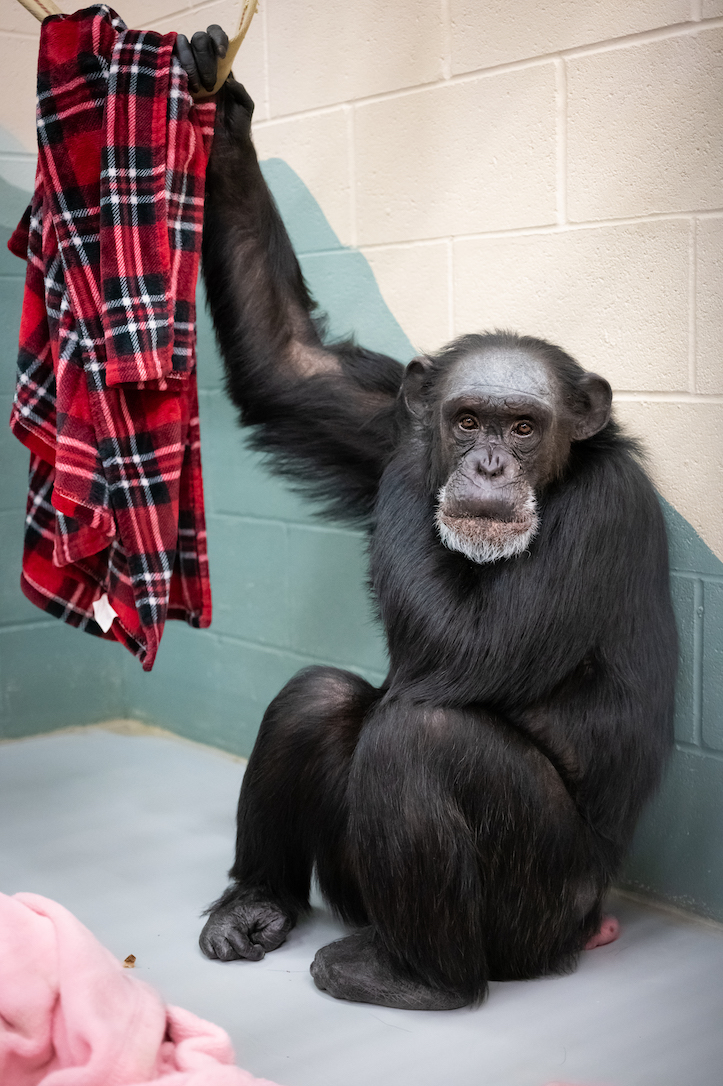
Once the sun hid behind the clouds, most of the chimps went inside to rest in cozy nests. Burrito, though, did not mind the weather and requested two non-stop runs around the hill with caregiver Chad. Jamie felt the same way and made me sprint the entire way around the hill. Cardio for the day: Done.

Last Friday our very own Barn Kitty AKA B.K. made his way back to the Sanctuary grounds! During the Winter he tends to leave for an unknown amount of time and it is always very exciting to see him come back to us. Here he is:

Dora high up in the platforms of Oakwood greenhouse

Mave soaking in the few rays of sunshine that made it through today

Willy B on the platform across from Mave in Riverview greenhouse

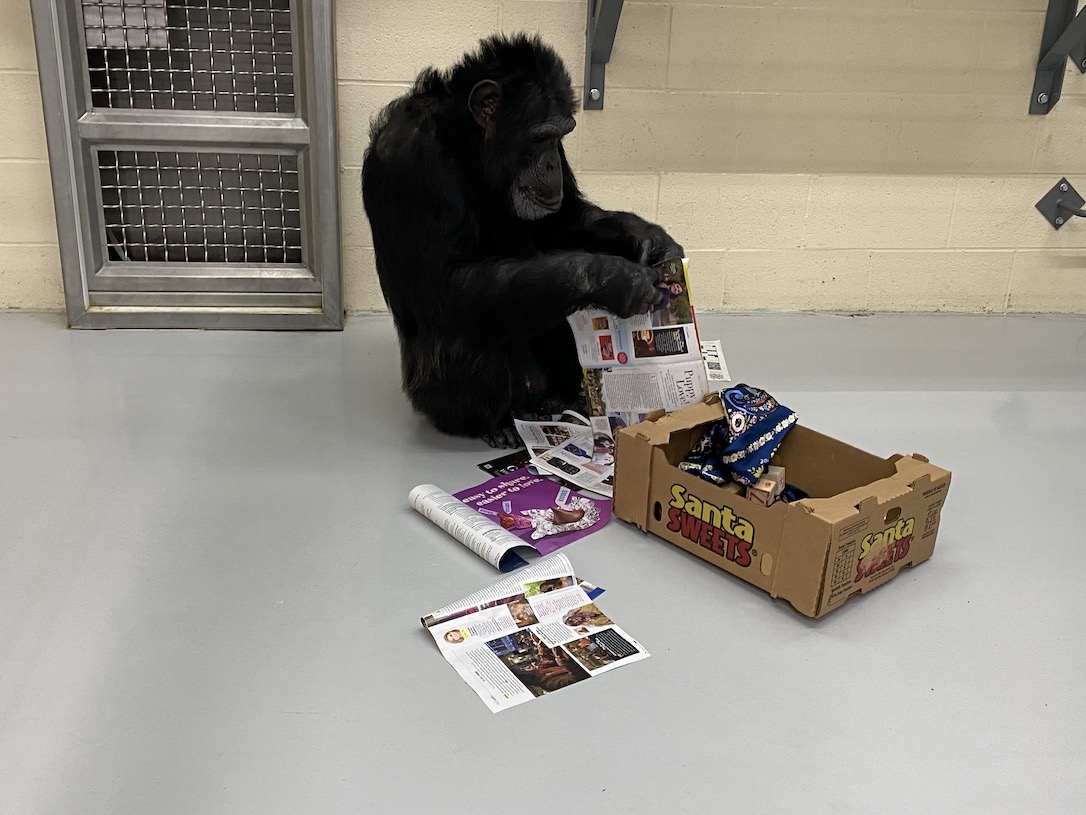
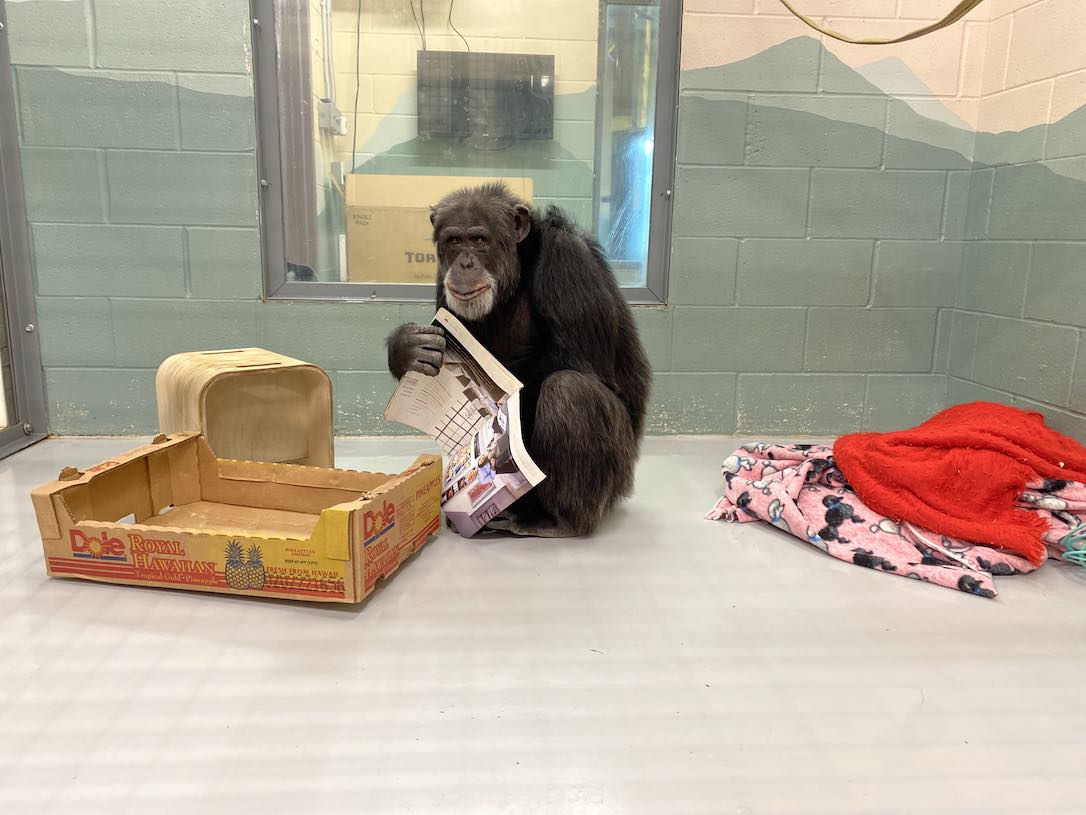
Cy going through some magazines

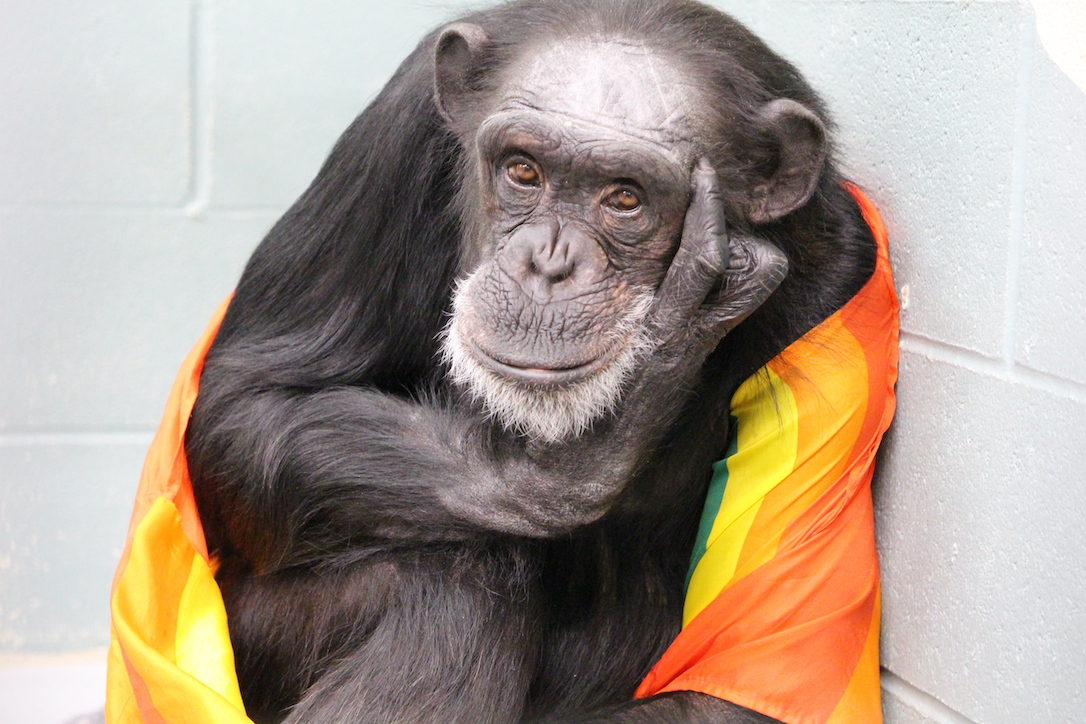
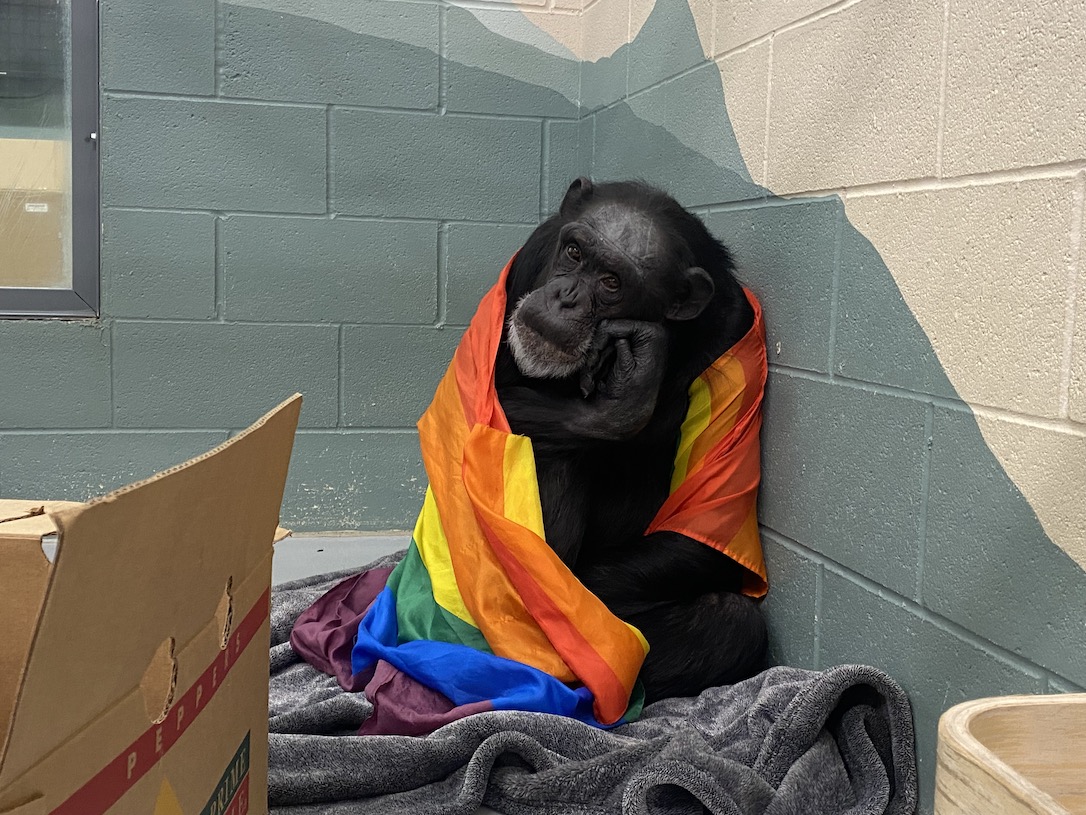
Rayne nesting while wrapped in a pride flag

Gordo mid-inspection of a magazine

Filed Under: Chimpanzee, Cy, Display, Enrichment, Mave, Nesting, Rayne, Sanctuary, Willy B, Young's Hill Tagged With: Animal Welfare, chimp, chimpanzee, chimpanzee retirement, Chimpanzee Sanctuary Northwest, Cy, Gordo, Mave, Rayne, Willy B

Rayneception

February 21, 2022 by Anthony

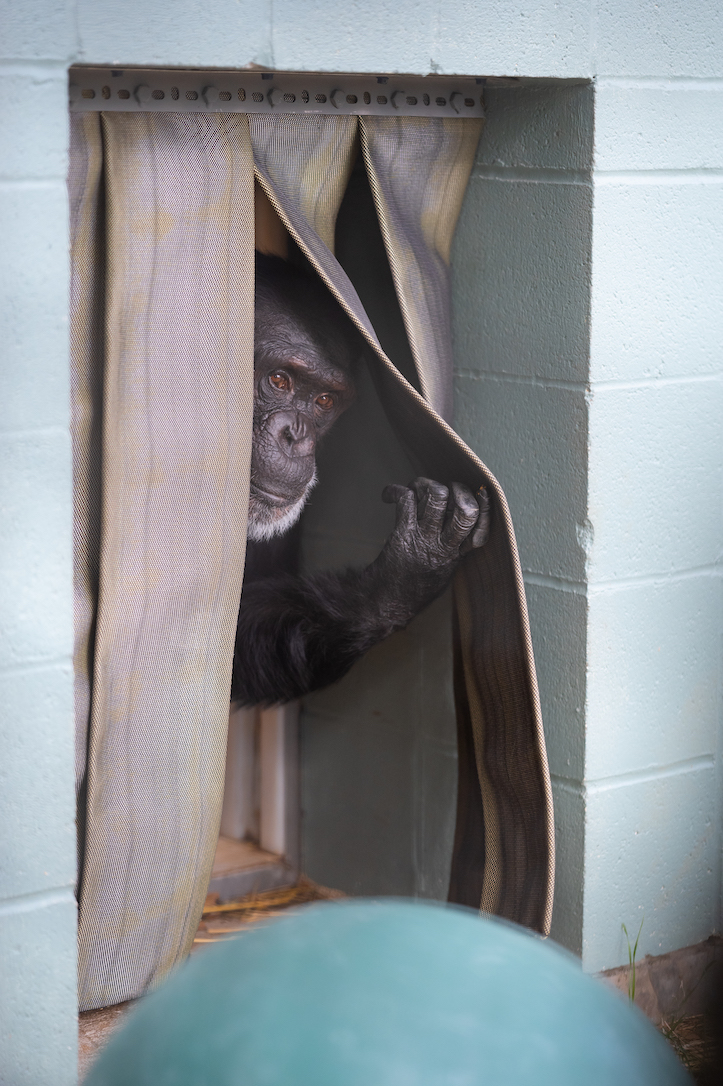
For weeks now, I’ve been bringing my camera with me when I walk between the two new greenhouses (Oakwood and Riverview) in hopes of catching someone looking through the canvas flaps that separate those areas from the indoor playrooms. The concept formed when I saw Rayne pause there a while back and thought the rectangular doorway framed her face nicely. Sadly, I did not have my camera with me at the time, but Rayney had already inspired (or incepted?) the idea into my mind.

This afternoon, Rayne unknowingly made me a happy photographer. (I’d say she made me a happy caregiver, but she does that everyday regardless.) I was walking by the greenhouses and trawling for blog material when she popped her head out to see what I was up to. Rayne calmly paused in the doorway, gently lifted the curtains, and peered out into the greenhouses to see if there was any activity worthy of her time. I cheerfully snapped a few shots, excited that my vision for a composition had actually manifested itself into a real photo. I might need to do a little editing to make the image look the way I think it should, but Rayne clearly did most of the work here.

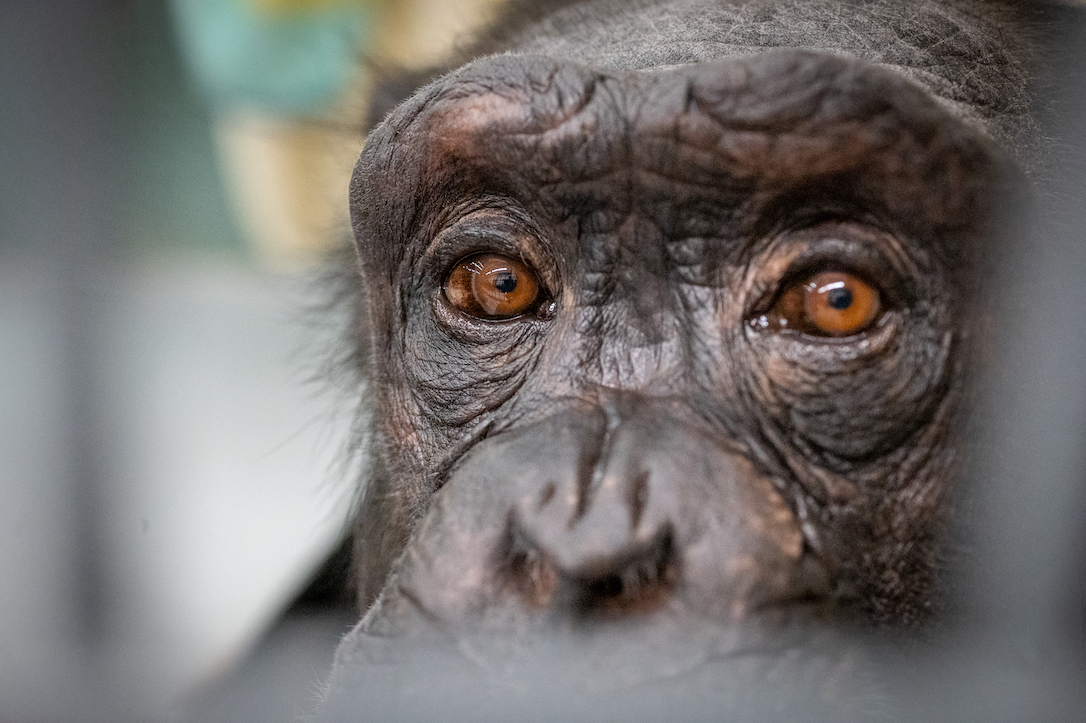
As I was transferring the image file to the desktop computer we use for blogging, I found some other photos of Rayne that I don’t remember sharing here before. I hope her tender, inquisitive demeanor comes through in the photos!


Filed Under: Caregivers, portrait, Rayne Tagged With: animal rights, Animal Welfare, chimp, chimpanzee, chimpanzee sanctuary, Chimpanzee Sanctuary Northwest, chimpanzees, northwest, Sanctuary

Why Them?

February 19, 2022 by Diana

There’s an image from the news last month that I can’t get out of my mind. I’m betting many of you saw it too. It was a photograph, shared in this New York Times article, among many other publications, of wooden crates strewn across a highway, some of them upright, some of them on their sides. There are stickers on the crates that say “Live Animals” and “Do Not Tip”.

We know from the reporting that these crates held cynomolgus macaques, often referred to as “cynos” by caretakers in biomedical laboratories, and commonly called both crab-eating and long-tailed macaques. We know that there were around 100 monkeys on the truck that crashed in Pennsylvania and that they were being transported from John F. Kennedy airport to an undisclosed biomedical facility. The main headline was that several of the monkeys “escaped” when the truck crashed, and that the public was asked to stay away from the area and avoid contact with the monkeys.

We also know that these macaques were shipped from Mauritius to JFK. Mauritius is a small island country in the Indian Ocean, off the eastern coast of Africa, 500 miles east of Madagascar. From my brief background searching, I found that Mauritius is a beautiful island with an interesting political and economic history that has resulted in a diverse religious and ethnic population, with many of the human residents decedents of indentured servants used to farm sugar plantations. Like a lot of the world, it was under the control of different European nations over the years and is now independently governed.

Macaques are not native to the island. They were thought to have been brought there in the 1600s by sailors. Wild populations of these macaques now thrive on the island and are considered to be an invasive species. Starting a few decades ago, wild macaques were captured and captive-breeding programs began specifically to export their offspring to biomedical laboratories primarily in the United States and the U.K. Mauritius supplies as many as 10,000 cynomolgus macaques per year to U.S. laboratories.

More recently, and controversially, laboratories are being developed on the island to do research there rather than only relying on the export of the monkeys to labs in other countries. If you type “Mauritius monkeys” into any search engine, you will find a lot of information about the monkey trade there and the animal activism that has resulted from that trade.

It’s still difficult for me to cognitively comprehend the scale of biomedical research using non-human primates. It is estimated that there are around 75,000 monkeys used each year in biomedical research, including breeding programs and holding facilities, in the United States alone.

Even those of us who know a little bit about biomedical research on monkeys are rarely confronted with the reality of all of this primate research. The crates that were tossed from the transport truck during the accident and the monkeys who got out of their crates to briefly roam Pennsylvania, I imagine in a terrified mental state, were a tiny reminder of all the individual lives that are sacrificed for biomedical testing.

Of course the news cycle is quick, and I doubt many people who read the original headlines are still thinking about those monkeys or the tens of thousands of their kind they represent.

You might be wondering at this point what happened to the escapees. Some of the stories I saw just mentioned that they were “accounted for” within a few days, though the Associated Press expanded upon that and said that three were “euthanized” once they were found. Further reporting specified that the macaques were shot with firearms.

The airline that initially shipped the monkeys, Kenya Airways, has since publicly stated that they are ending their contract with the undisclosed company that had the monkeys shipped to the U.S. Perhaps the CEO of Kenya Airways, like me, can’t get that image of those crates in the highway out of his mind.

We at Chimpanzee Sanctuary Northwest have plans for the future that include building and caring for monkeys, perhaps monkeys that are now part of biomedical research. It’s very unlikely that the sanctuary community will ever be large enough or have the funds to retire all monkeys from biomedical testing, and there are currently no restrictions on “euthanizing” non-chimpanzee primates for purely management or financial reasons (chimpanzees hold a unique place in the biomedical research field for this practice of not being killed when they are no longer useful).

I often think about the chimpanzees who lived their entire lives in laboratories. The ones who were part of the system long before sanctuaries existed, and the ones who are still part of the system because they have been deemed ineligible for retirement.

There’s no just reason for particular chimpanzees to have been given the opportunity of a different kind of life in a sanctuary while others were not, and the same will hold true for monkeys.

Here’s the tiny bit of hope, though:

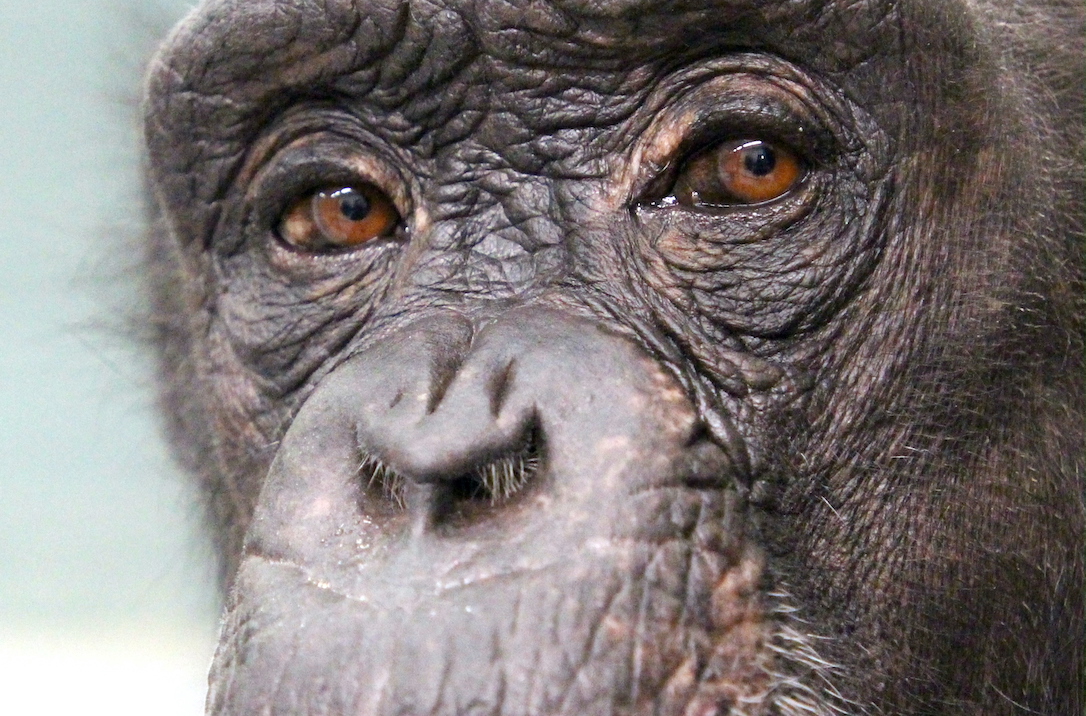
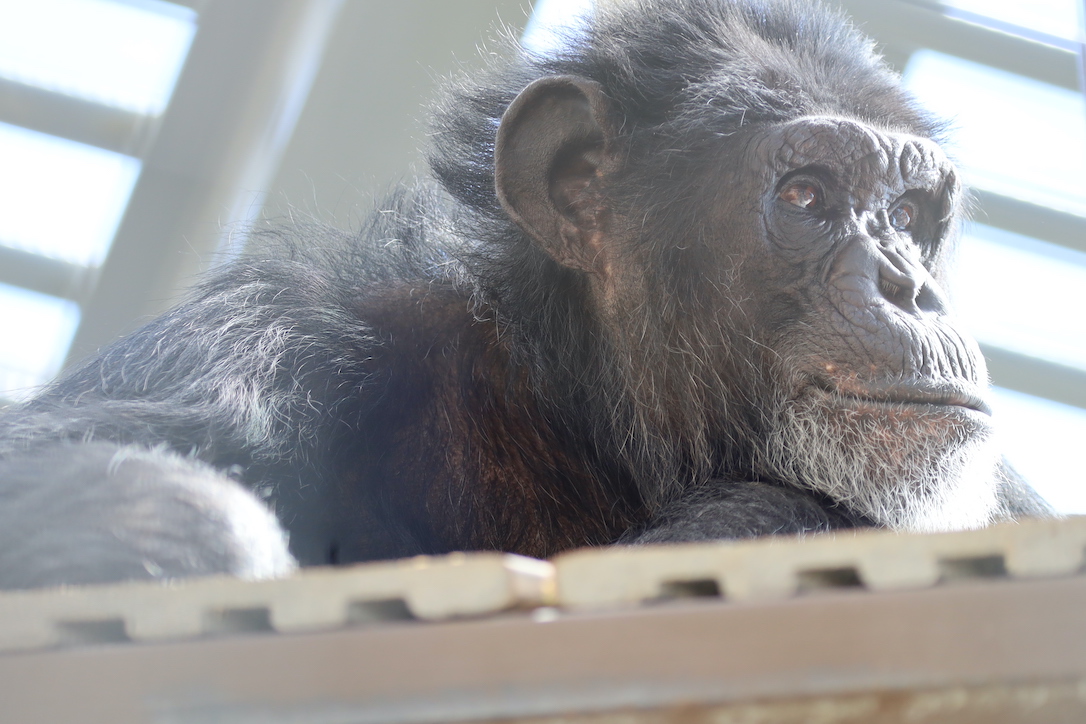
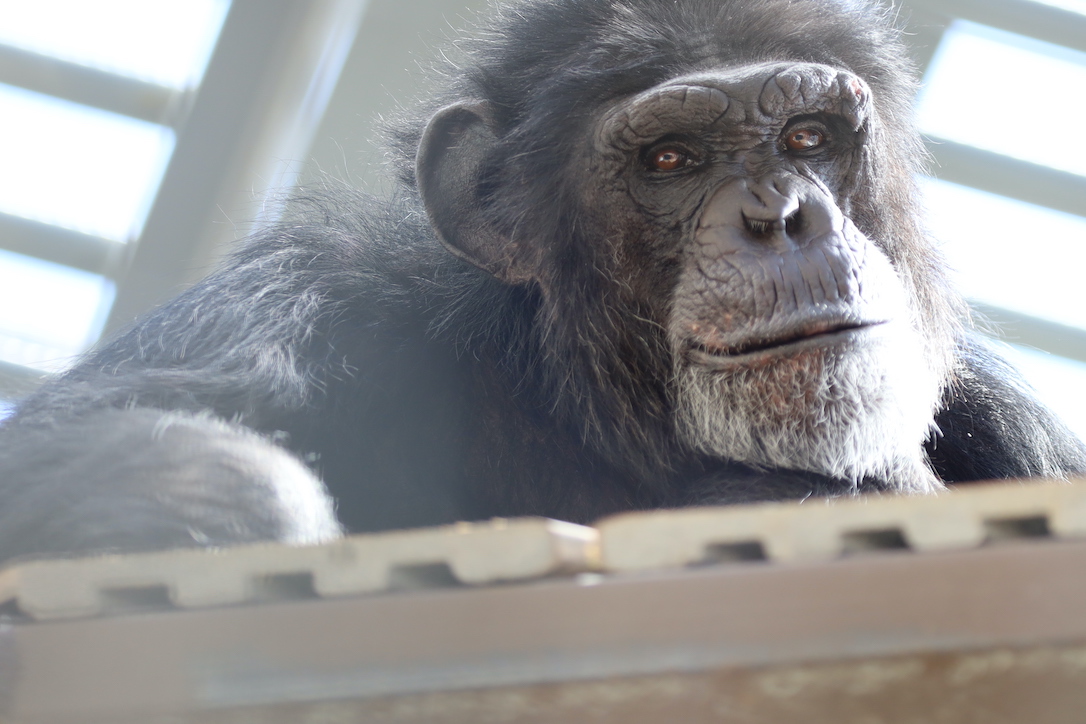
We will keep working for those chimpanzees still in laboratories. We will continue to try to give the chimpanzees in our care a true sanctuary life. We will continue to share their beautiful faces and personalities with you, like these photos I took today of brother and sister Cy and Lucky:

Cy
Lucky

And you will continue to remind others that their lives are important.

There are some monkeys that are being retired from biomedical testing to other sanctuaries now. One day we will join them in providing a home for monkeys. It won’t be all the monkeys who deserve retirement, but for those who come here, we will give them a true sanctuary life and we will share their beautiful faces and personalities with you. Because their lives are important too.

Some day in the future, I can’t even begin to imagine when, but some day, there will be a celebration for the last monkeys in biomedical research in the U.S. going to their sanctuary home.

Filed Under: Chimpanzees in Biomedical Research, Cy, Lucky, Sanctuary Tagged With: biomedical research, biomedical testing, chimp, chimpanzee, chimps, cynomolgus macaques, escaped monkey, hope, macaque, mauritius, monkey retirement, photo, portrait, Primates

  • « Go to Previous Page
  • Page 1
  • Interim pages omitted …
  • Page 51
  • Page 52
  • Page 53
  • Page 54
  • Page 55
  • Interim pages omitted …
  • Page 532
  • Go to Next Page »

Primary Sidebar

Subscribe To the Blog and Get Notified of New Posts First!

Archives

Calendar of Blog Posts

June 2026
S M T W T F S
 123456
78910111213
14151617181920
21222324252627
282930  
« May    

Categories

SUBSCRIBE TO OUR NEWSLETTER

Footer

PO Box 952
Cle Elum, WA 98922
[email protected]
509-699-0728
501c3 registered charity
EIN: 68-0552915

Official DDAF Grantee

Menu

  • The Chimpanzees
  • Blog
  • About Us
  • You can help
  • Resources
  • Contact
  • Donate

Proud Member of

Connect With Us

Search

Copyright © 2026 Chimpanzee Sanctuary Northwest. All Rights Reserved. Site by Vegan Web Design