• Skip to main content
  • Skip to primary sidebar
  • Skip to footer

Chimpanzee Sanctuary Northwest

Hope. Love. Home. Sanctuary

  • Our Family
    • The Chimpanzees
    • The Cattle
  • Blog
  • About Us
    • Visiting the Sanctuary
    • Philosophy
      • FAQs
      • Mission, Vision & Goals
      • Privacy Policy
    • The Humans
      • Staff
      • Board of Directors
      • Founder
    • Annual Reports
    • The Future of CSNW
    • CSNW In The News
  • You can help
    • Donate
      • Become a Chimpanzee Pal
      • Sponsor A Day
      • Transfer Stock
      • Be A Produce Patron
      • Be a Bovine Buddy
      • Give from your IRA
      • Personalized Stones
      • Bring Them Home Campaign
    • Leave A Legacy
    • Employment Opportunities
    • Volunteer
    • See Our Wish List
    • Events
  • Resources
    • About Chimpanzees
    • Enrichment Database
    • Advocacy
      • Advocacy Action Center
      • Apes in Entertainment
        • Trainers
        • Role of the AHA
        • Greeting Cards
      • Chimpanzees as Pets
      • Roadside Zoos
      • Chimpanzees in Biomedical Research
      • Conservation
        • African Apes
        • Orangutans
  • Shop
    • Merchandise Store
  • Contact
  • DONATE NOW

J.B.

A visit from a friend

January 15, 2021 by J.B.

You’ve probably heard by now that several members of a gorilla troop at the San Diego Zoo began exhibiting respiratory symptoms and later tested positive for the coronavirus that causes COVID-19. This is a moment that we’ve all been fearing, and to a large extent expecting, since the pandemic began. From what we know, the gorillas’ symptoms are still mild and zoo officials are hopeful that they will fully recover. But there’s so much we still don’t know about the pathogenicity of SARS-CoV-2 in nonhuman apes.

The coronavirus isn’t the first airborne pathogen transmitted by humans to threaten the health of captive apes. Historically, one of the greatest concerns for captive ape populations has been tuberculosis, which is why most facilities, including CSNW, require staff and volunteers to be tested at least annually and avoid the sanctuary when exhibiting any new respiratory symptoms. But in rare cases, even something as seemingly innocuous as the common cold can have devastating effects on other apes, as we saw in the death of an otherwise healthy chimpanzee at the Lincoln Park Zoo in 2009. Incidents like this, and the lingering unknowns surrounding COVID in great apes, have led most institutions to further strengthen the precautions they take to protect the apes in their care. In the case of the gorillas at the San Diego Zoo, there’s nothing at all to suggest that a lack of adequate precautions contributed to the transmission. But it’s a stark reminder that we cannot let our guard down too soon.

Like our colleagues, we’re still doing what we can to protect the chimps from COVID based on the best information available. We wear masks at all times and don scrubs, gloves, and boots when around the chimps and when cleaning their enclosures or handling food and enrichment. We take the chimps’ temperatures as well as our own each morning. We’ve invested in several commercial air scrubbers, which have been shown to help filter the air of large airborne particles that may contain the virus. And we rely on a mix of natural ventilation via open doors and windows and our industrial ventilation systems to maintain fresh air in the building. We’re always thinking about what more we could do but there’s just no way to isolate captive apes from their human caregivers entirely.

One of the most difficult changes we had to make as a result of the pandemic, both for the staff and the chimps, was suspending our intern and volunteer program. Only two volunteers, Patti and Lisa, were able to meet our strict criteria for COVID precautions in their lives outside of the sanctuary, and we and the chimps are incredibly lucky to have them. But the chimps are missing many of their other friends.

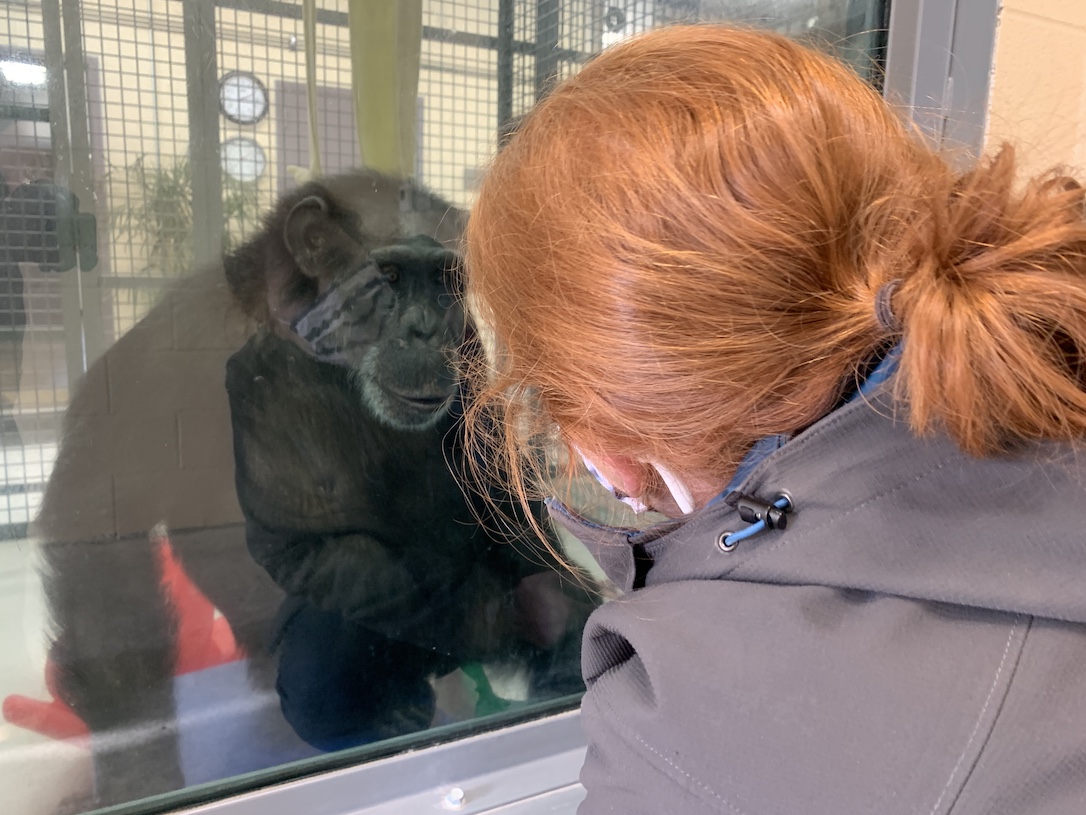
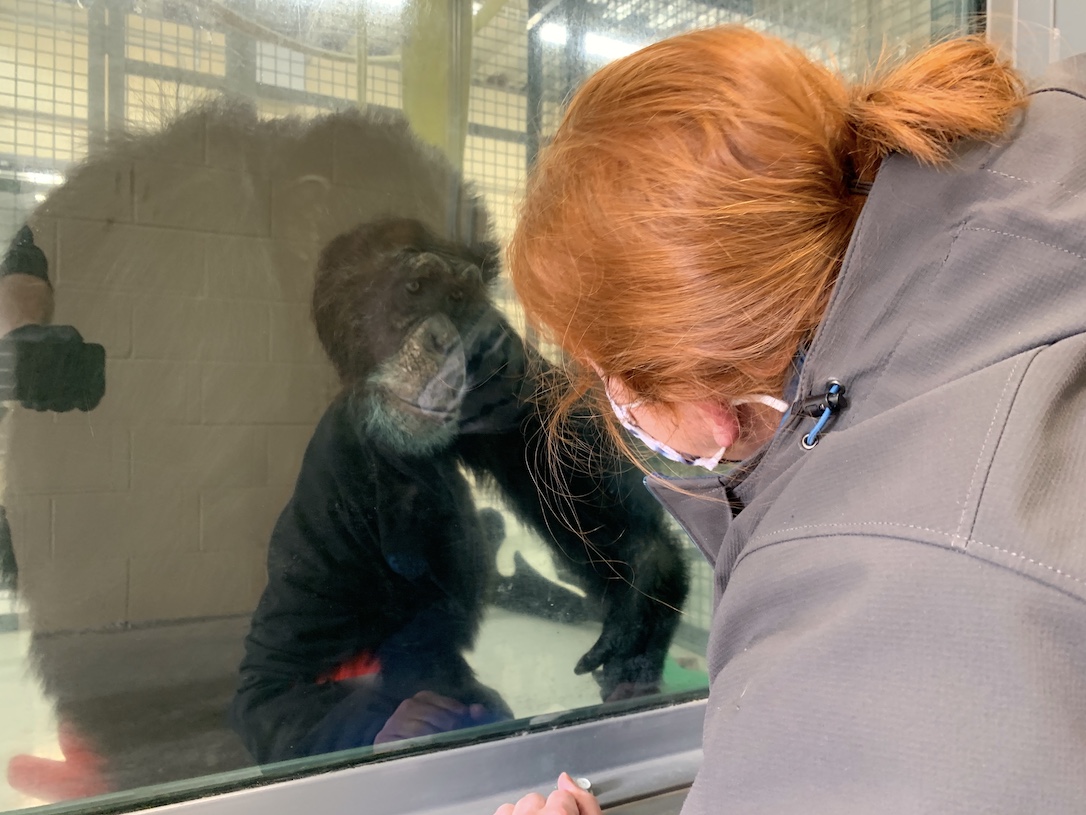
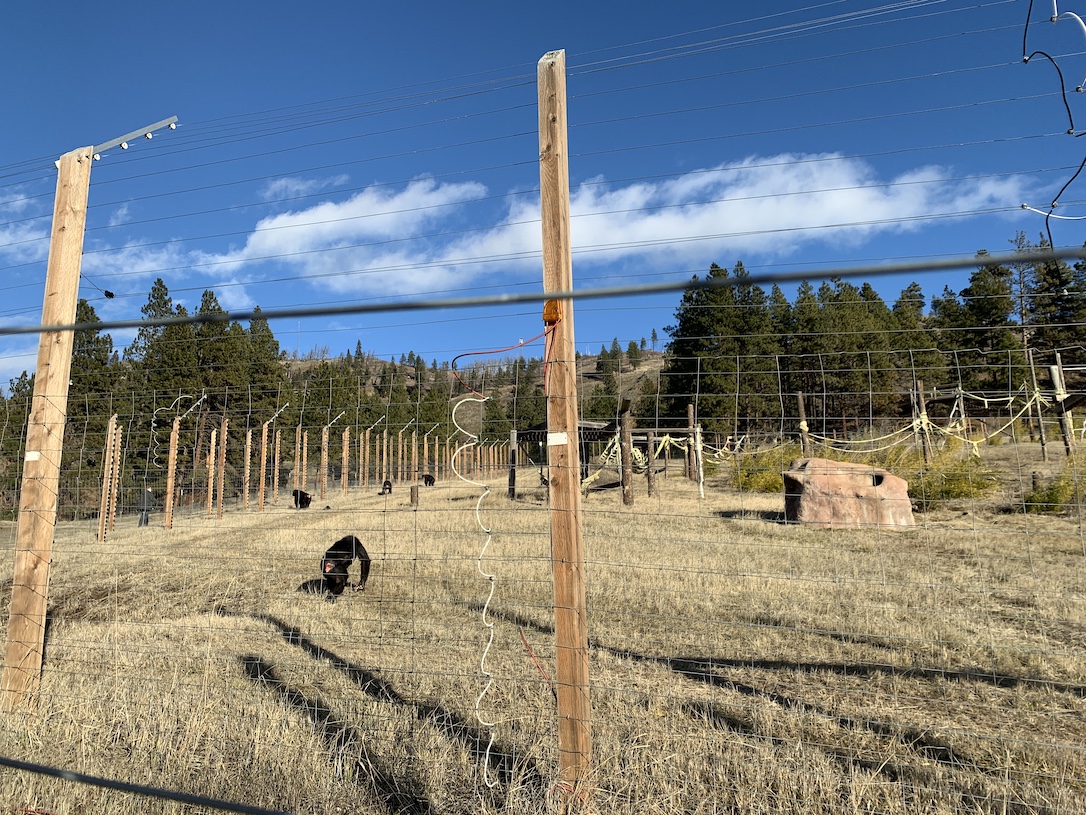
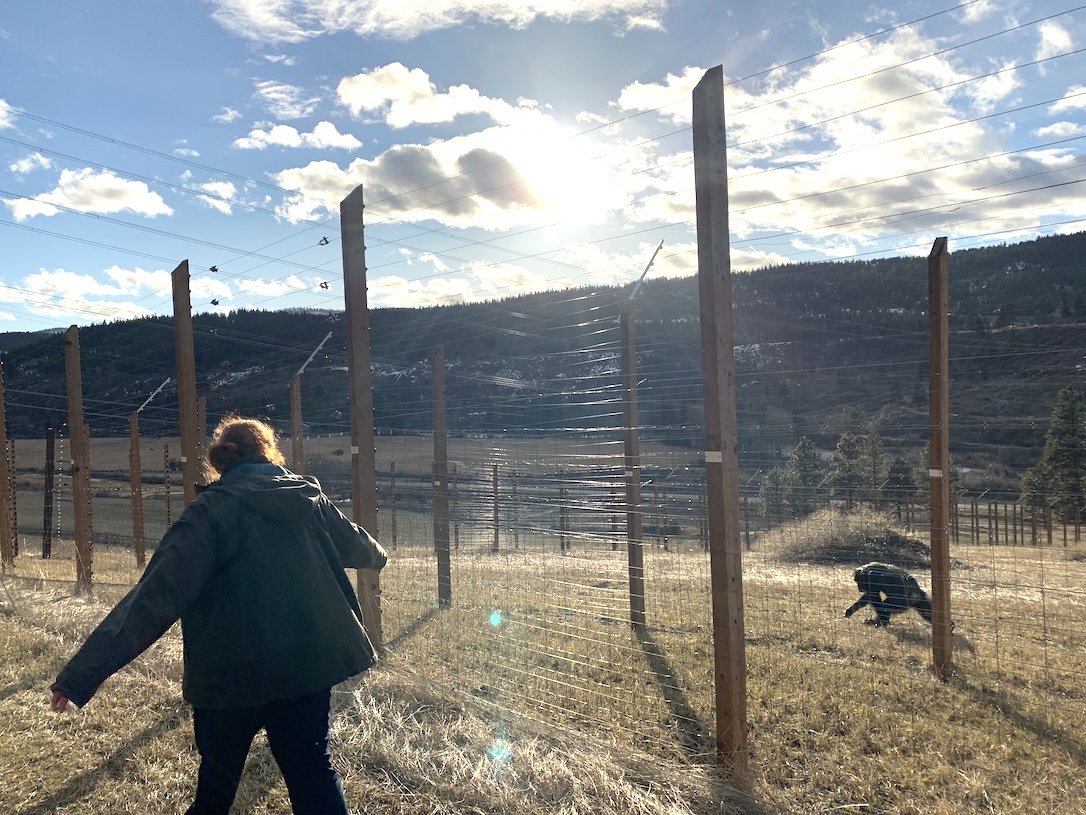
Thankfully, spring-like weather has made socially distanced walks around the hill possible all winter long for our other local volunteer caregivers. And now, with our new building, we have several locations where the chimps’ friends can visit with them through glass without sharing the same air space. Long-time staff member turned volunteer, Elizabeth, came by this afternoon to see her chimp friends. Everyone was so excited to see her – Burrito even did his happy dance.

As COVID continues to challenge us all, we’re thankful for bright moments like these.
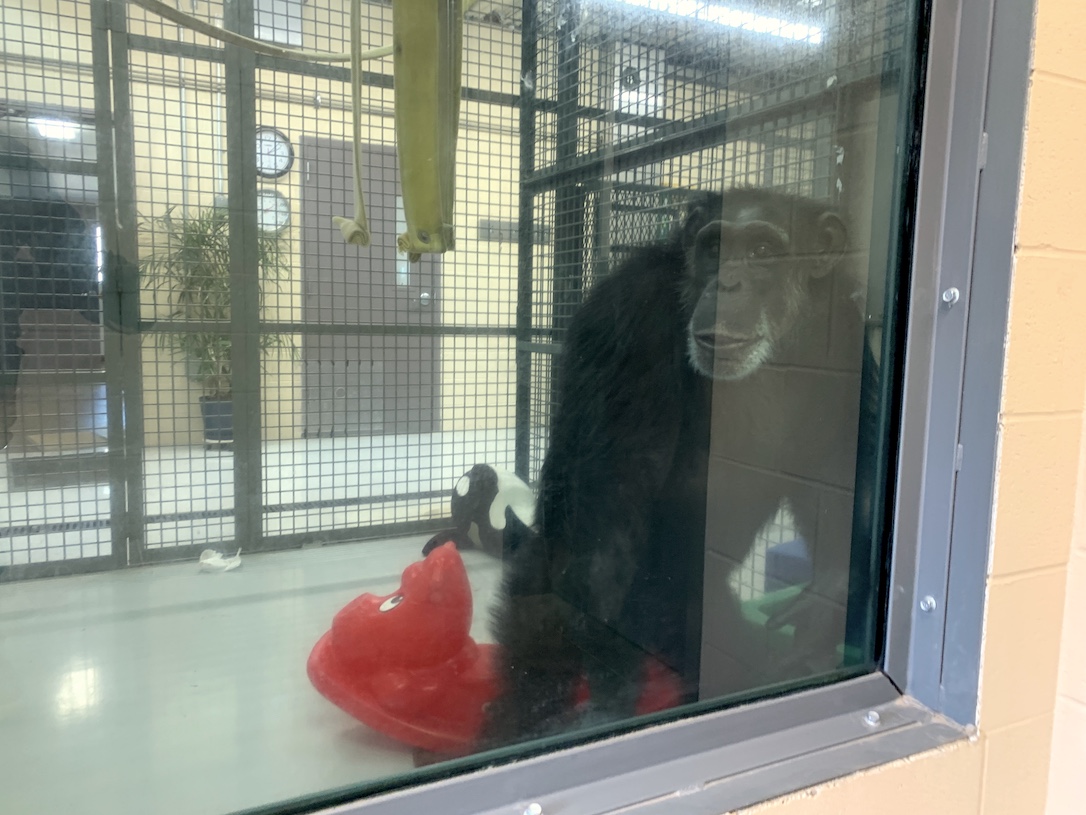
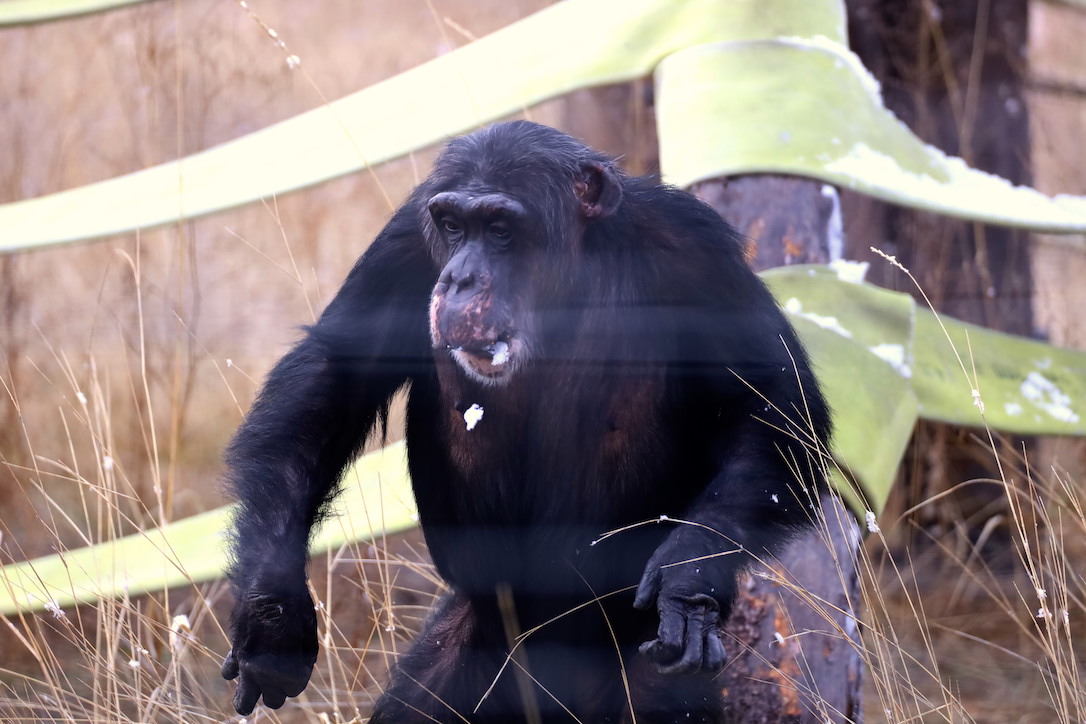
Honey B eagerly waits in the medical enclosure for Elizabeth to enter the new building
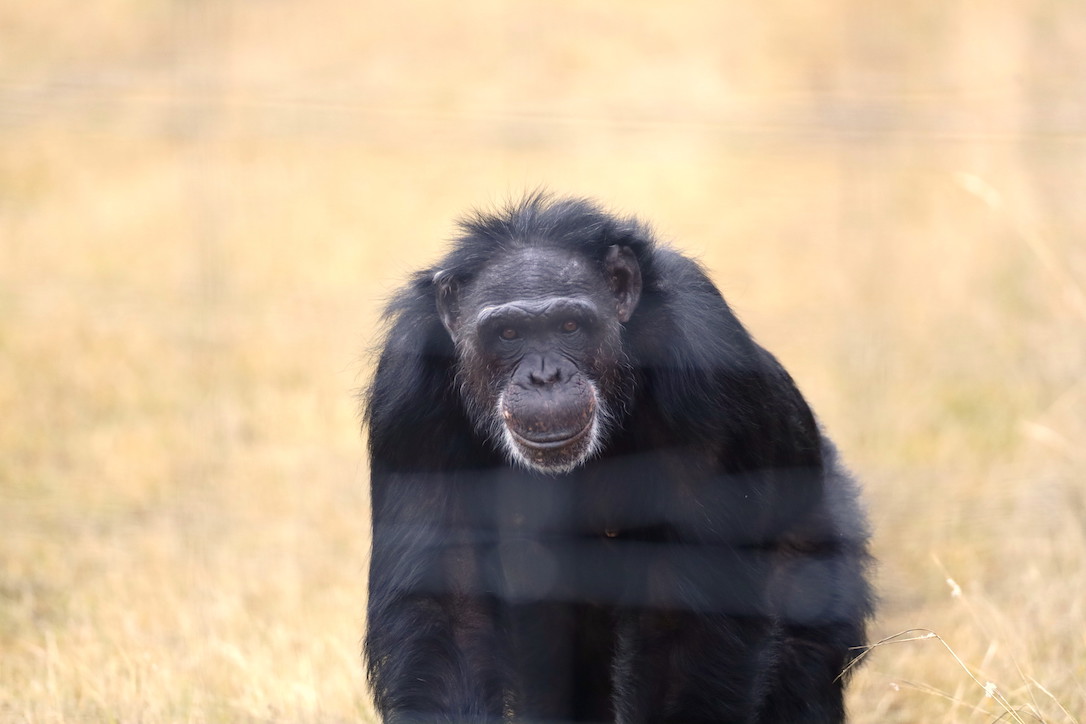
Honey B always gazes directly into your eyes
Mave saves her gazing for special occasions
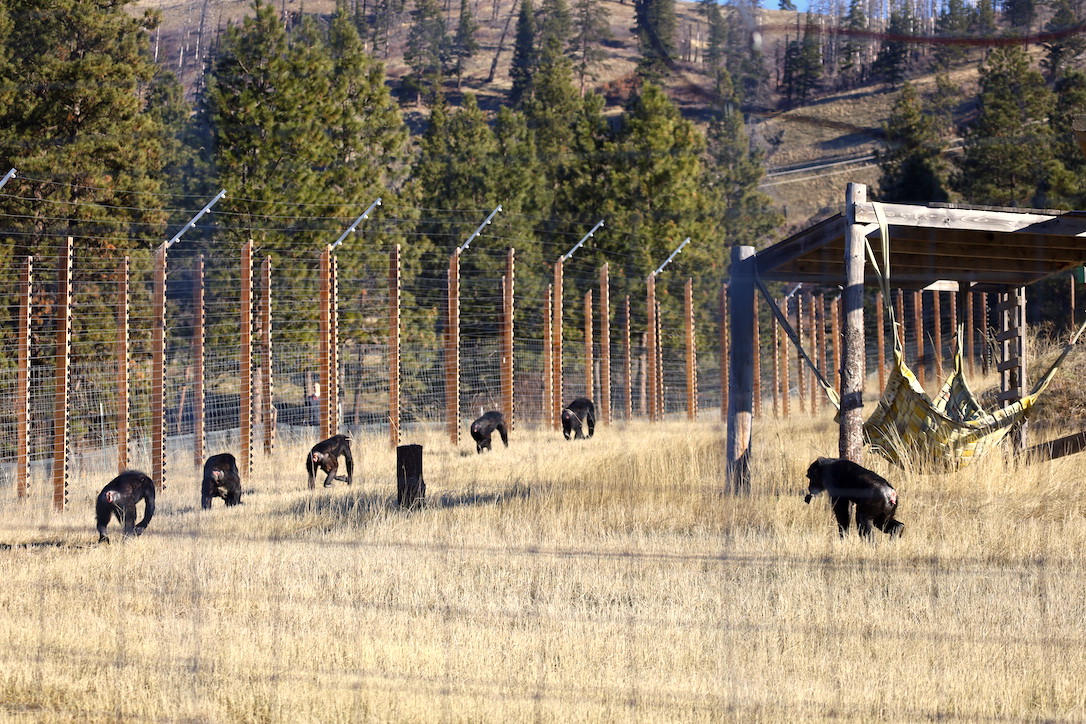
The gang of seven heads out on a walk with an old friend
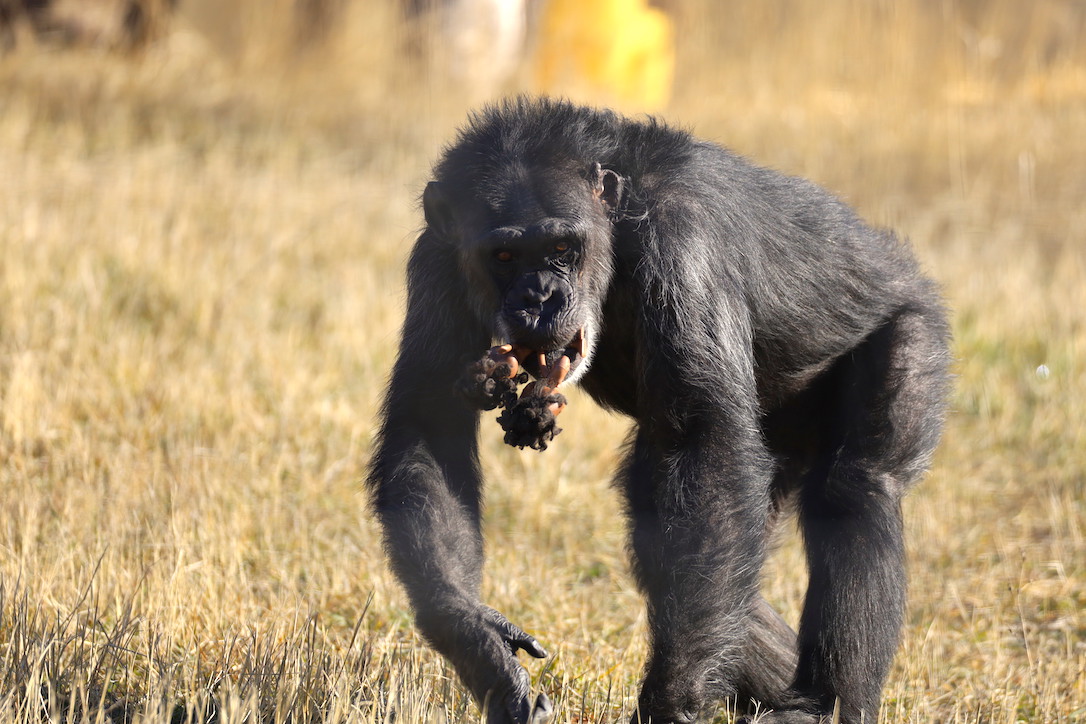
Burrito and Elizabeth walk off into the sunset

Filed Under: Volunteers Tagged With: chimpanzee, coronavirus, covid, northwest, rescue, Sanctuary

Energizer Burrito

January 8, 2021 by J.B.

He keeps going, and going, and going…

Filed Under: Burrito, Caregivers, Latest Videos, Play Tagged With: Burrito, chimpanzee, northwest, Play, rescue, Sanctuary

The Tickle Monster

January 1, 2021 by J.B.

If Mave were a superhero, her superpower would be the ability to tickle anyone into submission – or at least into a better mood.

We hope you all had a good start to the new year!

Filed Under: Latest Videos, Mave, Play Tagged With: chimpanzee, northwest, Play, rescue, Sanctuary

Merry Christmas!

December 25, 2020 by J.B.

Filed Under: Enrichment, Party, Tool Use Tagged With: chimpanzee, christmas, Enrichment, holiday, northwest, Party, rescue, Sanctuary

The stories we tell

December 18, 2020 by J.B.

Every picture tells a story, but not always the one we intended.

We’ve written before about a 2011 study which found that attitudes about chimpanzee conservation were influenced by how chimpanzees are portrayed in the media. When participants viewed images manipulated to show chimpanzees alongside humans or in human settings, they were less likely to think that chimpanzees were endangered. While any interpretation of the study should be tempered by its inevitable limitations and lack of replication (to date/that I know of), it suggests that the use of chimpanzees in TV, film, and advertising harms wild chimpanzee populations by suppressing public concern for their conservation status. And by portraying chimpanzees as tractable, it may also help drive the trade of chimpanzees in the pet industry.

The results of this study are potentially quite profound and should serve as serve as yet another reason to end the unconscionable exploitation of chimpanzees and other primates in entertainment. But the implications are not limited to the entertainment industry; indeed, the authors suggest that their findings could even apply to images of field researchers working closely with their study subjects. It would stand to reason, then, that certain images from zoos and sanctuaries could elicit a similar response – images that show chimpanzees dressed in clothing or playing with children’s toys, for example. Which means that in promoting our work, we could be inadvertently harming our own cause.

I mention all of this not because I think there’s a simple lesson for sanctuaries like ours to draw from that study, though it did prompt us to engage in some difficult self-reflection. Instead, I think it illustrates just how complicated it can be to share the lives of those in our care. Because an image tells more than one story, and conservation is not our only concern. I am equally concerned about the whitewashing of captivity.


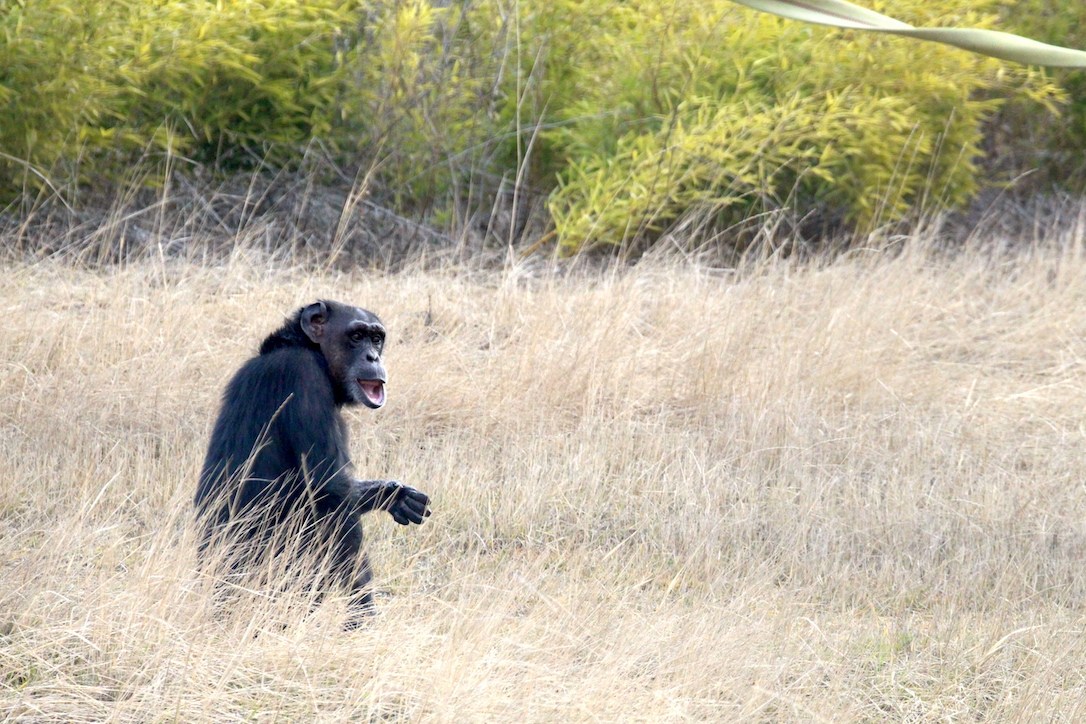
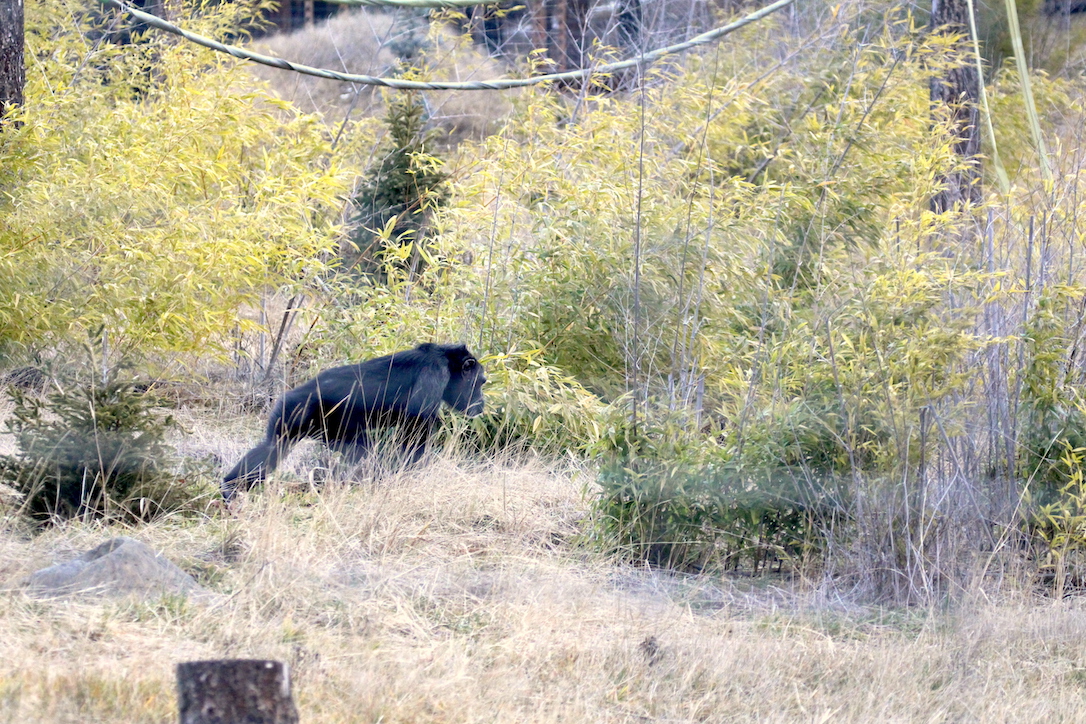
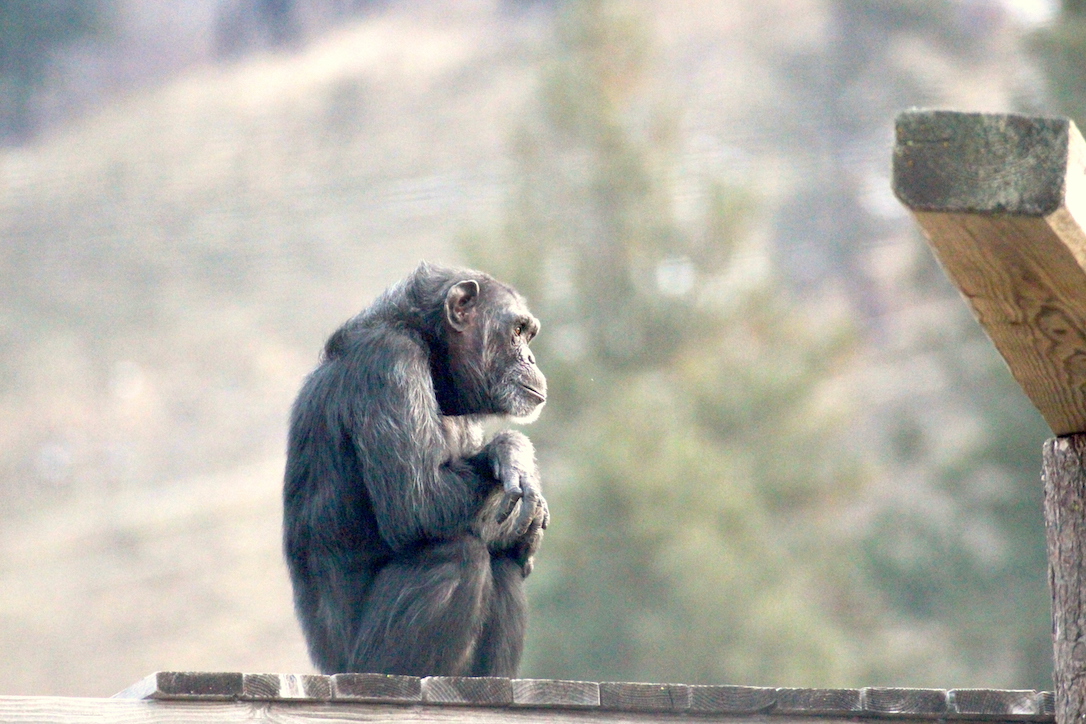
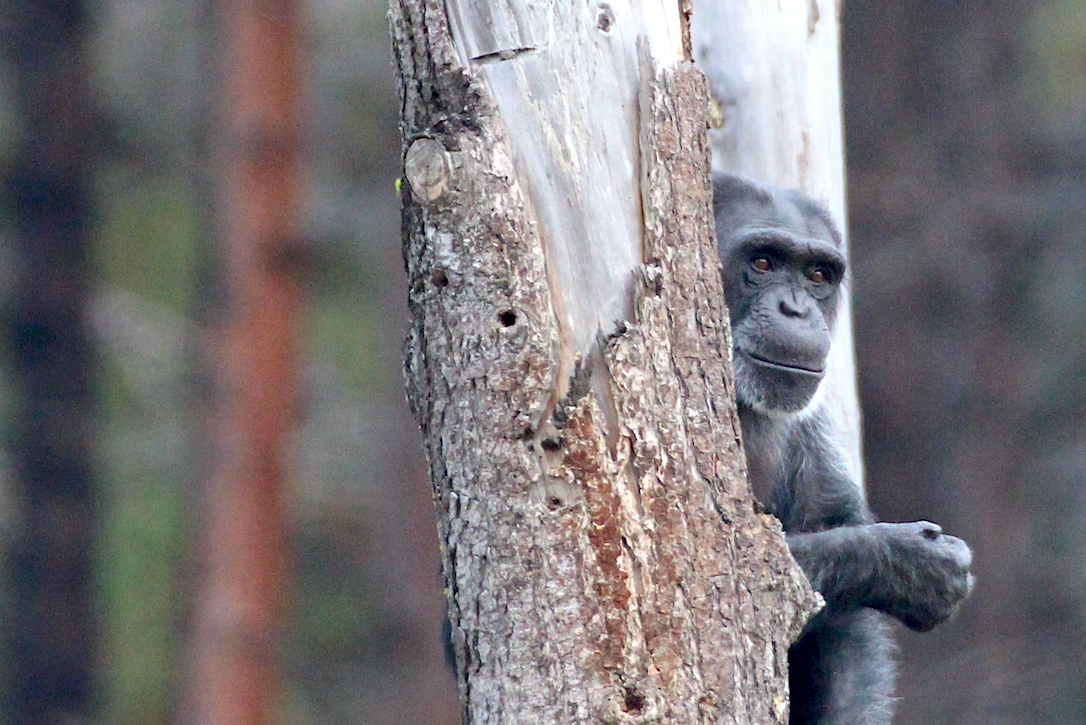
Earlier, I was out taking photos on this rainy but delightfully mild December morning. The chimps were patrolling the hill, walking through the bamboo groves, and climbing high atop the structures to survey the surrounding valley. When I got back to the chimp house I sifted through the photos to choose a few for the blog.

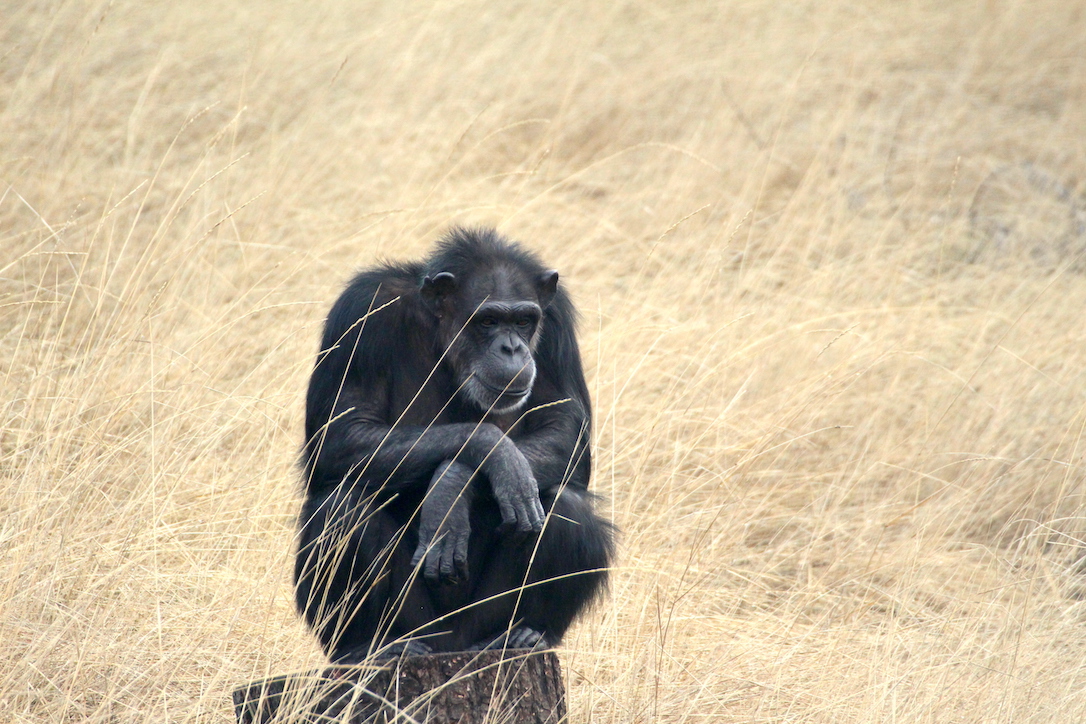
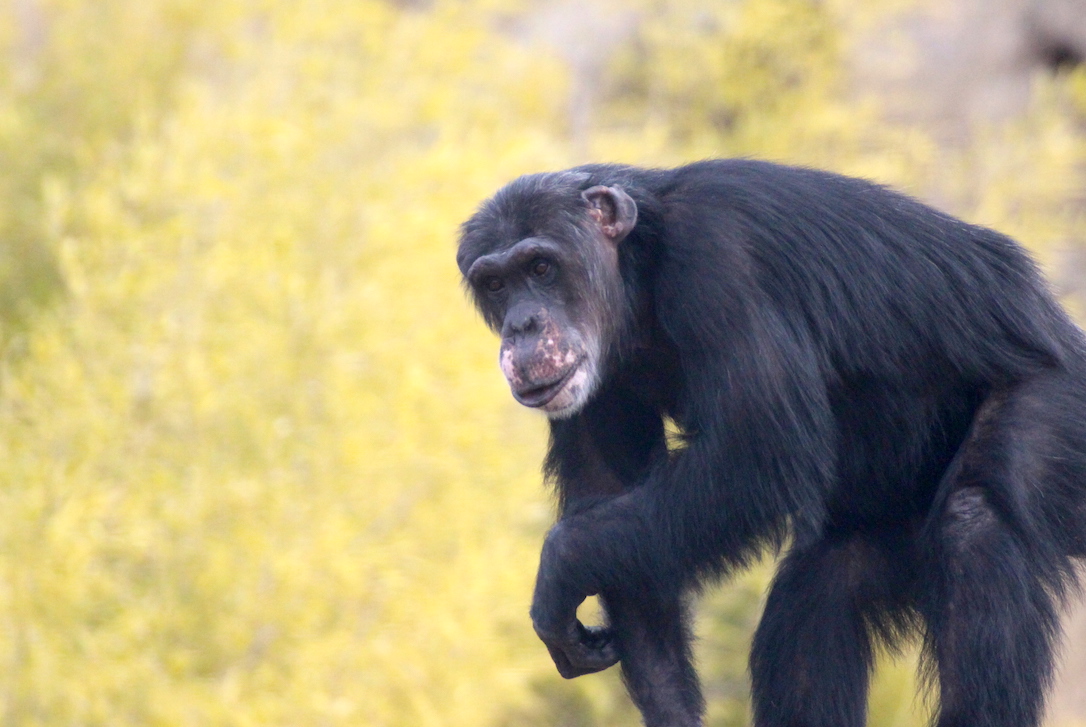
The chimps look as if they are free.

Every time we post to the blog or to social media, we make a choice about how to portray the chimps. There’s every incentive to give people what they want to see – chimps playing, walking outdoors, climbing trees – and to move the camera swiftly past whatever makes us uncomfortable. Showing chimps behind caging upsets some on social media. When chimps are shown laying on concrete floors, people think they are sad or bored. There’s certainly a deliberate, almost cynical aspect to this on our part. After all, LOOK HOW BORED OUR CHIMPANZEES ARE! is not a brilliant marketing strategy for a nonprofit. But it’s more than that. We as caregivers have those same unconscious preferences. But caging, concrete, and bullet-proof glass are all part of captivity, and we should know better. I guess even we want to believe sometimes.

Oftentimes the chimps have access to a two-acre habitat but still hang out by the caging inside to watch the humans work.

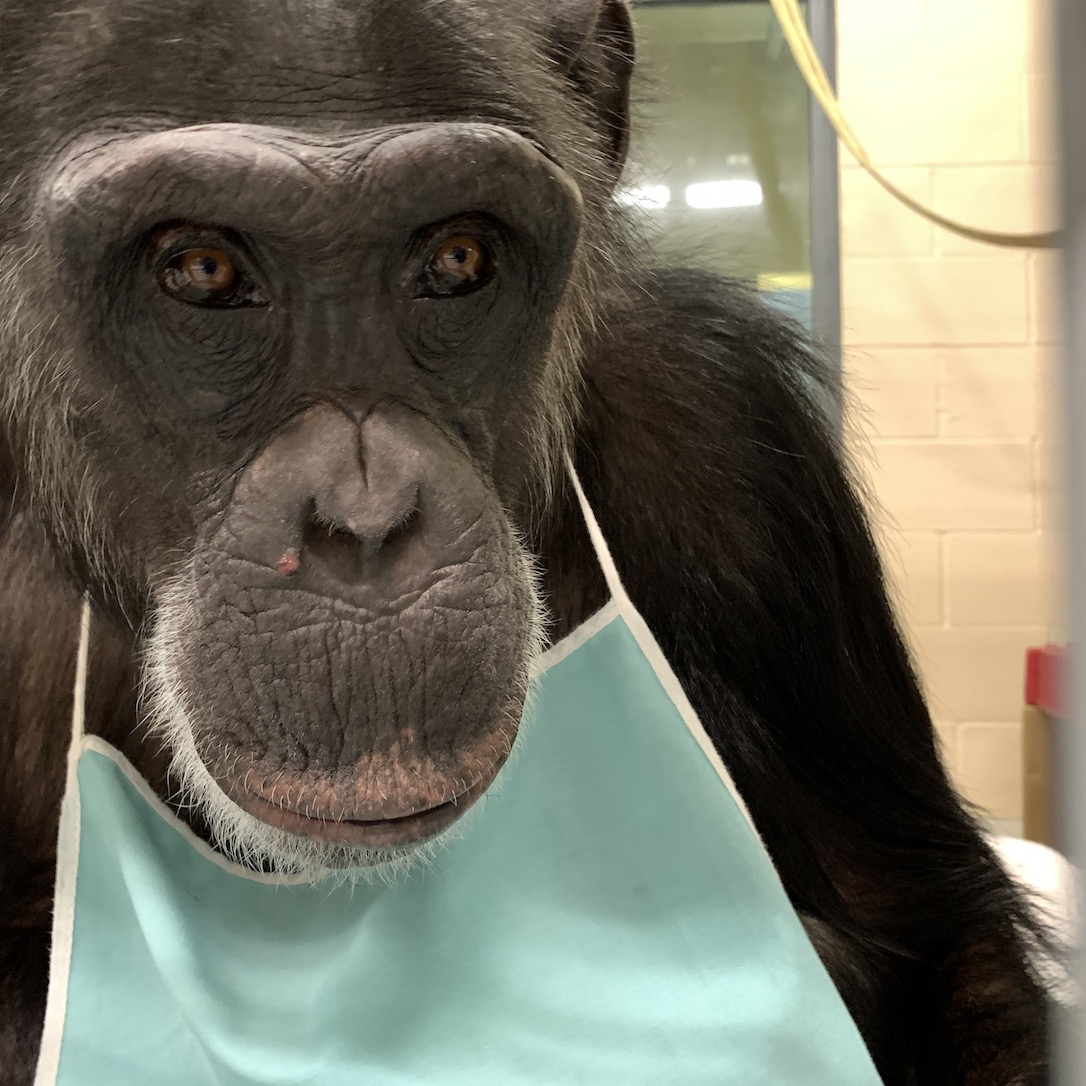
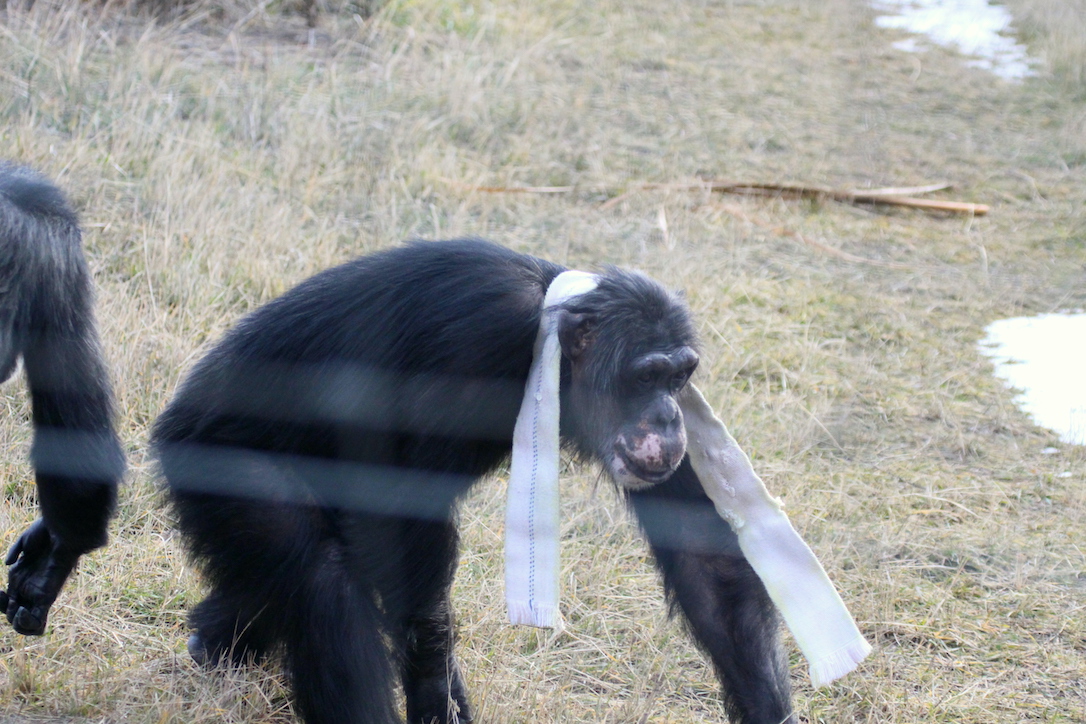
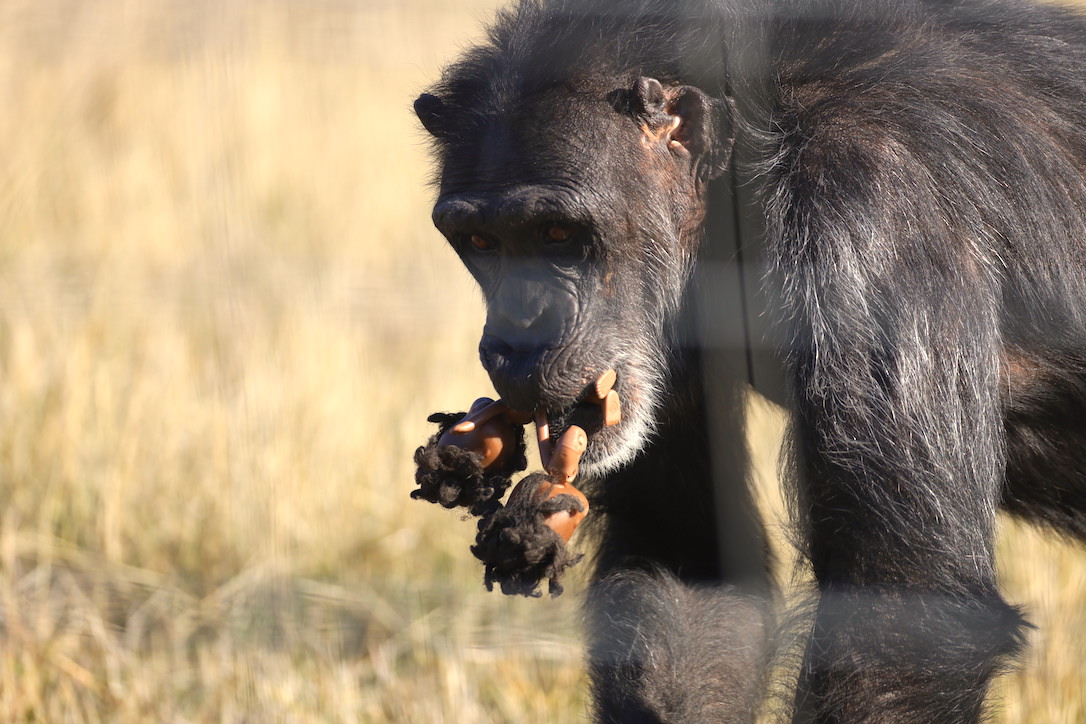
Beyond how they live, there’s also the matter of who they are. The chimpanzees in our care are not wild, nor could they be at this point in their lives. They carry troll dolls and cowboy boots, build giant nests from fleece blankets, and wear fanny packs. They drink warm tea from cups and insist that their carrots be peeled. At times they prefer the company of humans over that of their fellow chimpanzees. They are messy and complicated, fully chimpanzee but also not quite – a result of traumatic histories, for sure, but also an inevitable product of captivity. Ignoring the human-like aspects of their personalities ignores the very essence of their being.

Honey B, delighted with her new apron.
Burrito, accessorizing with a fire hose scarf.

Sometimes I worry what effect our collective obsession with minimizing captivity has on animals. I’m concerned about what the faux naturalization of so many zoo exhibits, with their trees fenced off with hot wire and their concrete and metal walls painted to resemble forests, makes people think (or not) about how it feels to live within them. I wonder if our own reluctance to show caging and concrete in photos fuels the false notion that chimpanzees in sanctuaries are now living happily ever after. And I fear that if we censor ourselves too much, we risk diminishing the very individuals whose stories we are trying to tell.

Reconciling these various concerns is not easy. We made a concerted effort a while back to share fewer photos that show the chimps wearing clothing. It may be cute or funny, but it generally does little to advance the chimps’ cause and, as we have seen, may have unintended consequences. That said, if the clothes-wearing is incidental to some other activity or if it helps highlight the value of enrichment or tell a story about a chimp’s personality, then perhaps it has a place. Would you understand Honey B or Burrito at all if we didn’t share all of their peculiarities? And we try not to let caging, or concrete, or the size of the enclosure that the chimps have chosen to be in at the time dictate which aspects of their lives get shared. We shouldn’t intentionally promote a fantasy.

I hope this doesn’t sound too sanctimonious because I am constantly censoring the photos I share to tell a story – or in some cases to avoid a story. You may have noticed in Wednesday’s post that Jamie has been picking more of the hair from her belly. We don’t know why. Sometimes these self-directed behaviors are old habits, unconnected to a chimpanzee’s current state, but they can indicate stress. I’m sure I’ve scrapped a photo because of how prominently it displayed her growing bald patch, not wanting to broach the subject at that moment. In any case, caring for chimpanzees is difficult and not always straightforward, and that should be part of the conversation, too.

In the newspaper world, there’s a phrase that says a journalist’s job is to uncover “the best obtainable version of the truth.” I like this phrase because it acknowledges limitations without rejecting an objective reality. Zoos and sanctuaries are in the PR business, not journalism, which imposes its fair share of limitations. But perhaps we can at least aim for a better version of the truth.

Filed Under: Sanctuary Tagged With: attitudes, chimpanzee, conservation, images, northwest, rescue, Sanctuary

Snow Patrol

December 11, 2020 by J.B.

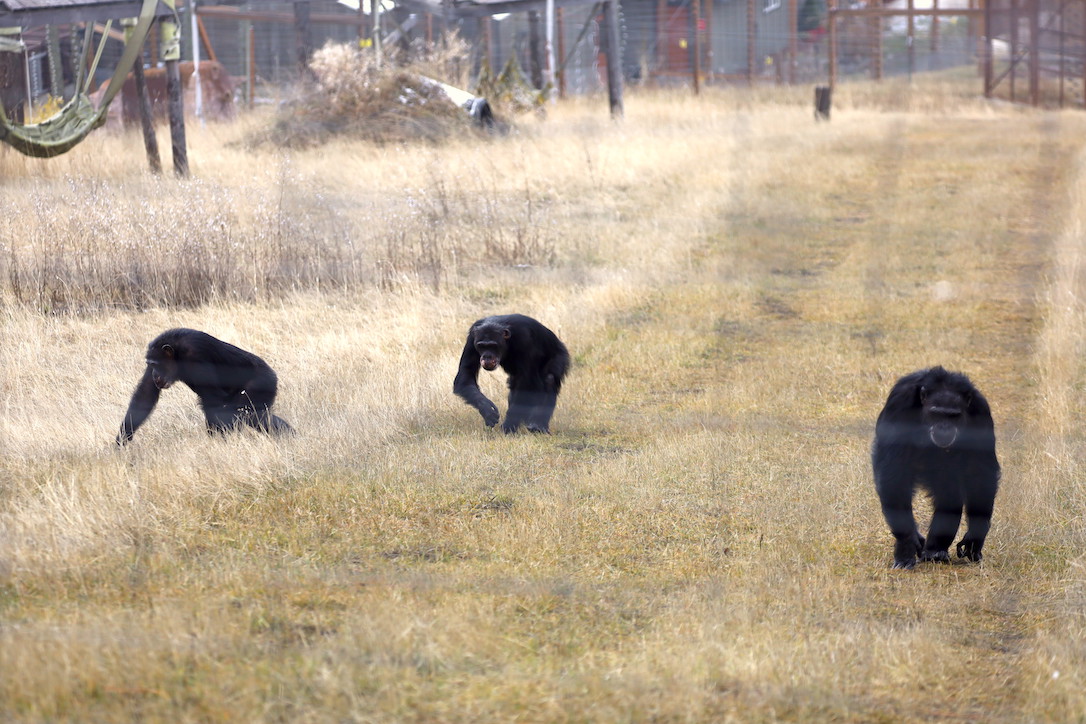
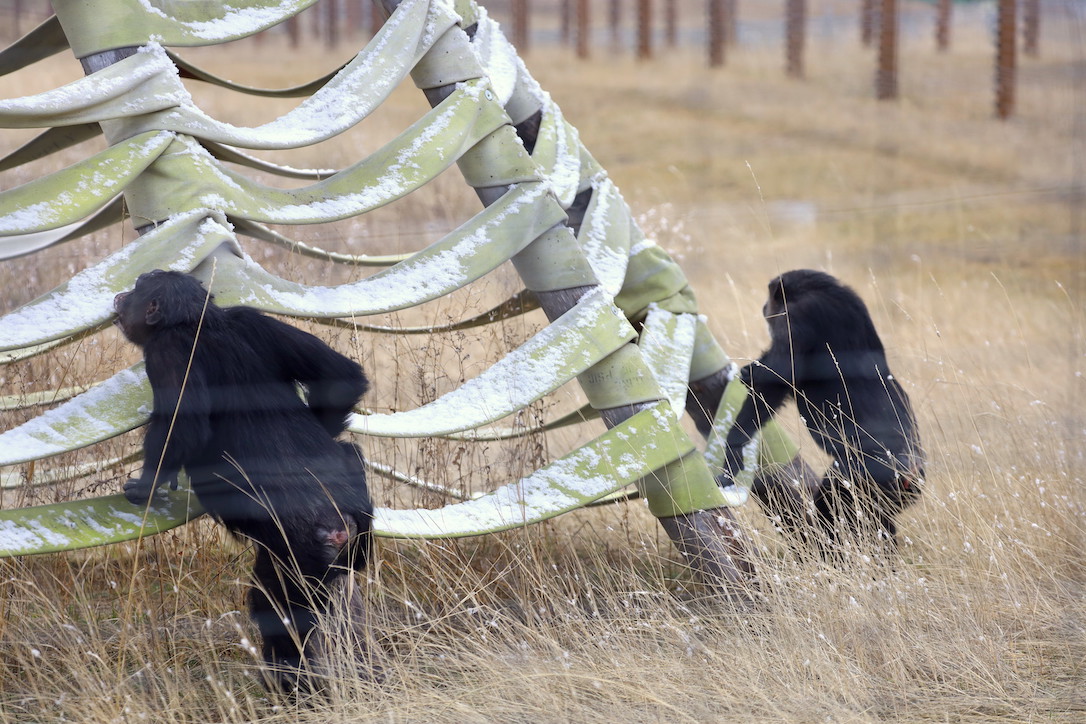
A dusting of snow fell overnight but by morning it was vanishing rapidly. With each passing hour, the gang had to venture further and further to get their fix.

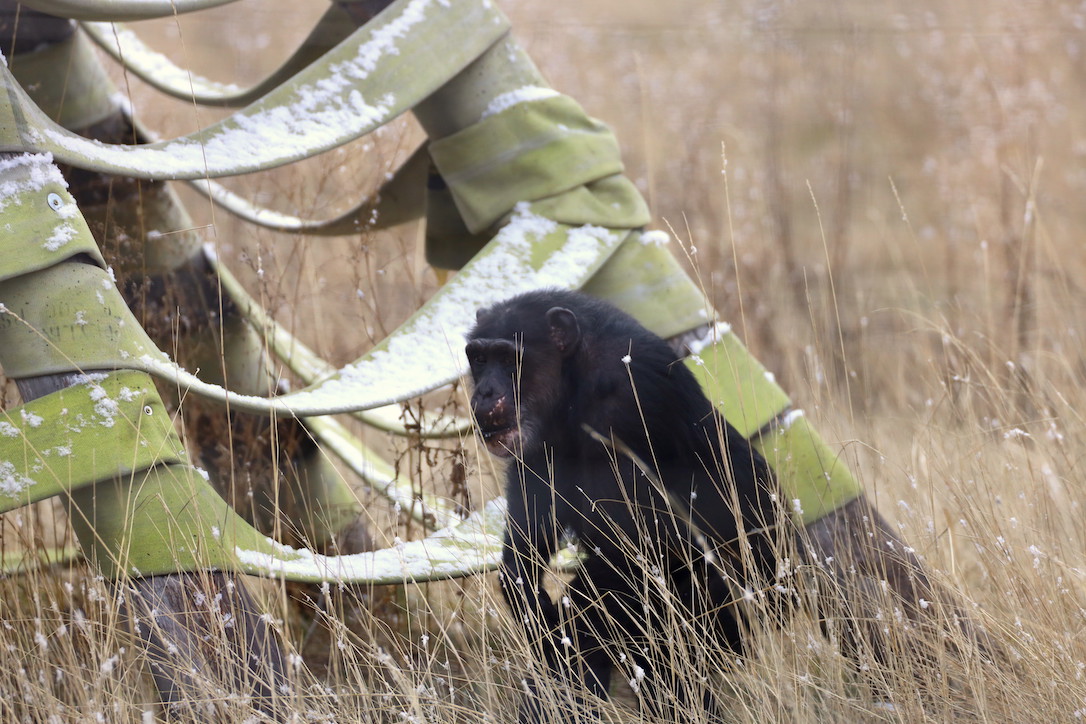
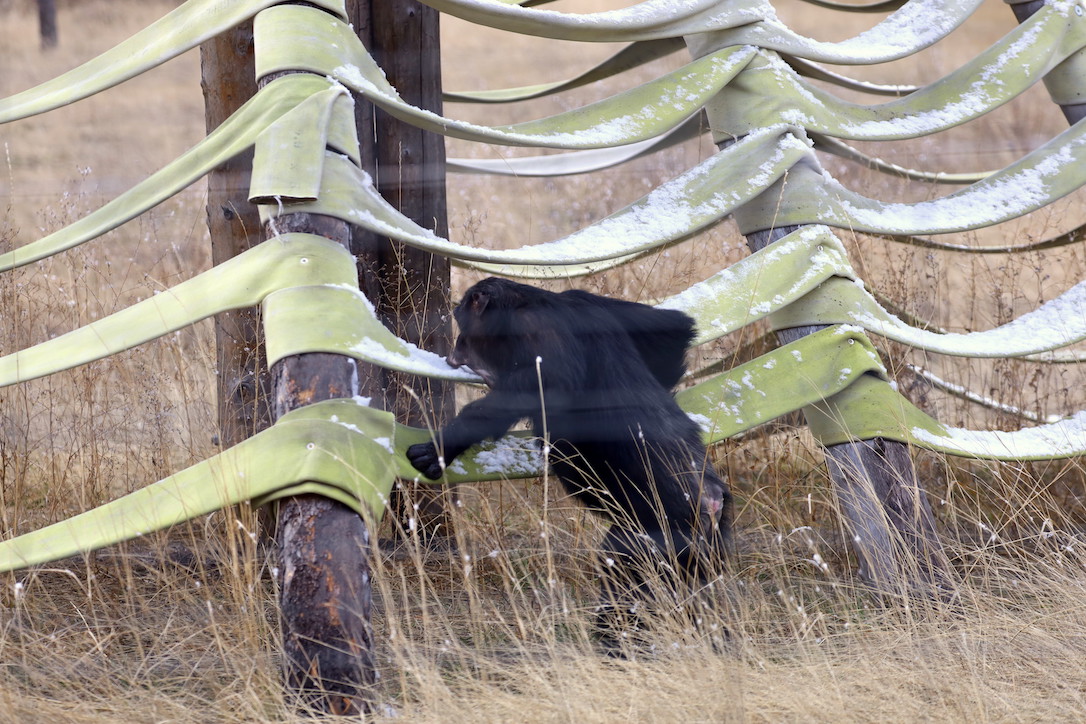
By afternoon, only a portion of the Twister climbing structure showed any evidence of last night’s snowfall.

Missy and Burrito filled their mouths before it, too, was gone.

But it won’t be long until the snow returns.

Filed Under: Burrito, Jamie, Missy Tagged With: chimpanzee, northwest, rescue, Sanctuary, snow

A Taste of What’s to Come

December 4, 2020 by J.B.

I should know better than to make predictions regarding construction timelines but I think it’s safe to say that we are within a couple months of the “Cali 3” moving into their new playrooms. Then, assuming our year-end fundraising is successful, we move on to completing the greenhouses. When that is done, we plan to welcome six more chimps and then create a 2nd two-acre habitat. It’s going to be a busy year!

Chimps always seem to know when the things we are building are meant for them. When we built Young’s Hill in the summer of 2011, the Cle Elum seven knew right away that it was their new habitat. How would they have known that? They’d spent their lives in small cages and hadn’t been outdoors since they were little kids, if ever. And surely they had never seen an electric fence before. But somehow they knew. In fact, months before we were ready to let them out, I took out my keys to unlock a chain near the entrance to the new enclosure and the chimps began hugging and screaming – they thought I was letting them out! Needless to say, I felt pretty bad about that. Luckily, they did go out later that summer and now Young’s Hill is part of their home. Honey B, Willy B, and Mave are just as ready to claim their new spaces and we’re looking forward to seeing them run, climb, and swing their way through the new playrooms and beyond.

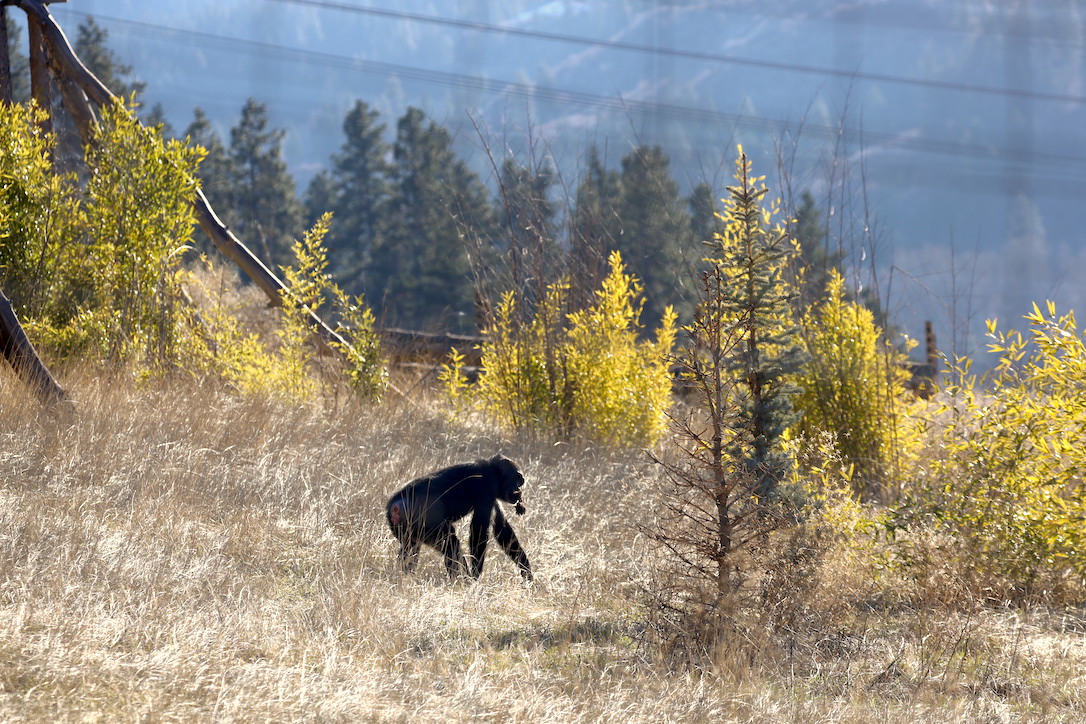
In addition to the video above, I thought I’d share some bonus photos of Foxie from this morning. This is typical Foxie – she starts our patrolling with the gang and then wanders off by herself. She’s got a real independent streak.

Filed Under: Construction, Honey B, Latest Videos, Willy B, Young's Hill Tagged With: chimpanzee, Construction, expansion, Honey B, northwest, Play, rescue, Sanctuary, Willy B

  • « Go to Previous Page
  • Page 1
  • Interim pages omitted …
  • Page 35
  • Page 36
  • Page 37
  • Page 38
  • Page 39
  • Interim pages omitted …
  • Page 134
  • Go to Next Page »

Primary Sidebar

Subscribe To the Blog and Get Notified of New Posts First!

Archives

Calendar of Blog Posts

June 2026
S M T W T F S
 123456
78910111213
14151617181920
21222324252627
282930  
« May    

Categories

SUBSCRIBE TO OUR NEWSLETTER

Footer

PO Box 952
Cle Elum, WA 98922
[email protected]
509-699-0728
501c3 registered charity
EIN: 68-0552915

Official DDAF Grantee

Menu

  • The Chimpanzees
  • Blog
  • About Us
  • You can help
  • Resources
  • Contact
  • Donate

Proud Member of

Connect With Us

Search

Copyright © 2026 Chimpanzee Sanctuary Northwest. All Rights Reserved. Site by Vegan Web Design