• Skip to main content
  • Skip to primary sidebar
  • Skip to footer

Chimpanzee Sanctuary Northwest

Hope. Love. Home. Sanctuary

  • Our Family
    • The Chimpanzees
    • The Cattle
  • Blog
  • About Us
    • Visiting the Sanctuary
    • Philosophy
      • FAQs
      • Mission, Vision & Goals
      • Privacy Policy
    • The Humans
      • Staff
      • Board of Directors
      • Founder
    • Annual Reports
    • The Future of CSNW
    • CSNW In The News
  • You can help
    • Donate
      • Become a Chimpanzee Pal
      • Sponsor A Day
      • Transfer Stock
      • Be A Produce Patron
      • Be a Bovine Buddy
      • Give from your IRA
      • Personalized Stones
      • Bring Them Home Campaign
    • Leave A Legacy
    • Employment Opportunities
    • Volunteer
    • See Our Wish List
    • Events
  • Resources
    • About Chimpanzees
    • Enrichment Database
    • Advocacy
      • Advocacy Action Center
      • Apes in Entertainment
        • Trainers
        • Role of the AHA
        • Greeting Cards
      • Chimpanzees as Pets
      • Roadside Zoos
      • Chimpanzees in Biomedical Research
      • Conservation
        • African Apes
        • Orangutans
  • Shop
    • Merchandise Store
  • Contact
  • DONATE NOW

primatology

You Have Questions? We Have Answers… Hopefully…

November 25, 2025 by Chad de Bree

When we post the daily blog, the comment section are usually peppered with great questions you have, our beloved followers. Whether it’s about the chimpanzees’ personalities, the caregivers’ work, the ongoing introductions, medical procedures, and a vast array of other topics, you always ask great, sometimes hard-hitting, questions. It has been a long while since we have done this, but we would like to extend a warm invitation for any and all questions you may have. We will try to answer your questions as a blog topic of discussion to hopefully really answer your questions as detailed to the best of our abilities. I fall in the category of people who think there is “no dumb question” as it relates to the sanctuary, the chimpanzees, primates in general, advocacy, etc. If you’re thinking of question you’re hesitant to ask, there’s a big chance someone else is wondering the same thing. I know I probably was at some point.

Again, we will try to answer your questions to the best of our abilities or at the very least try to lead you in the right direction. You can always check out the previous call outs for questions (here, and here) if to see if any of those spark any ideas of things you were wondering.

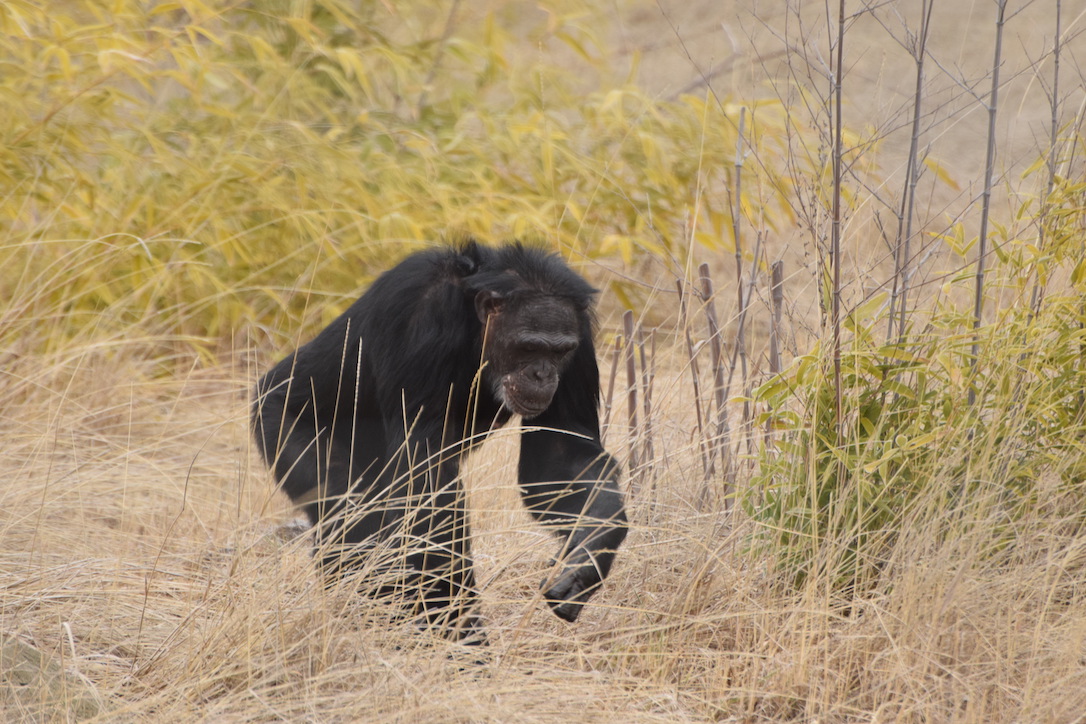
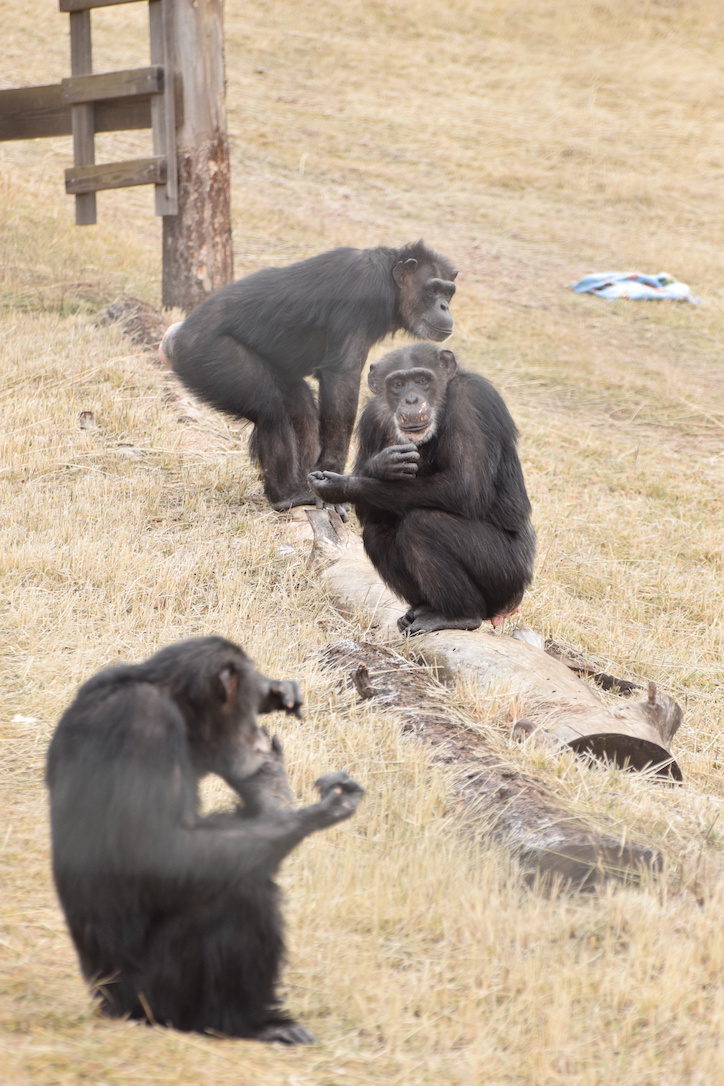
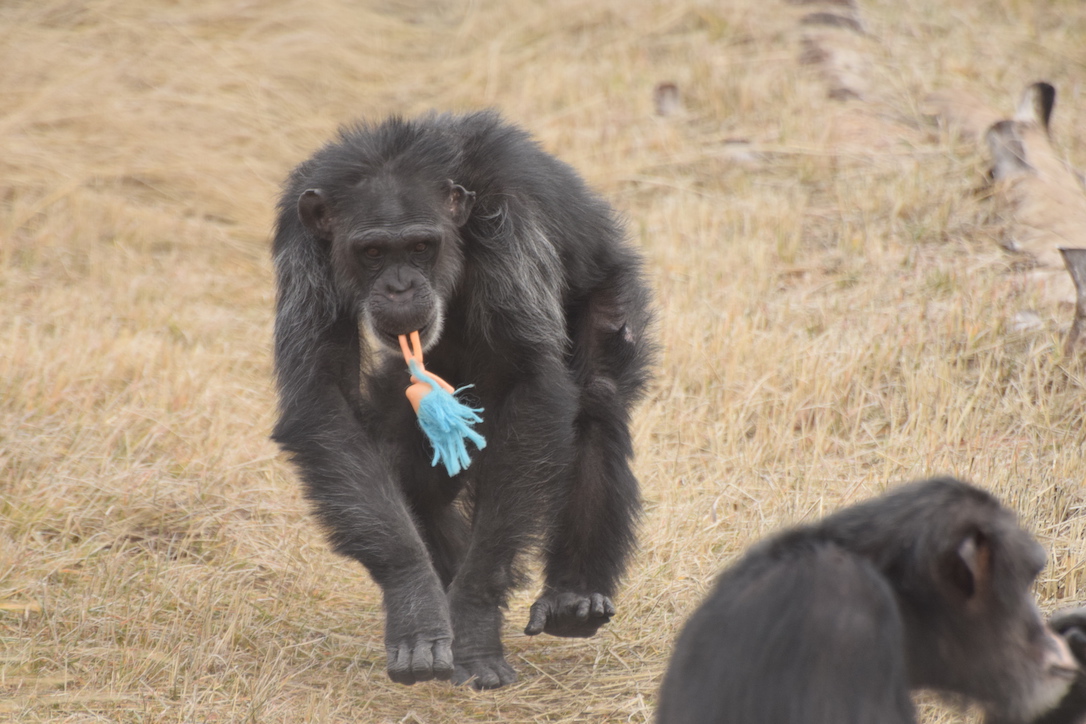
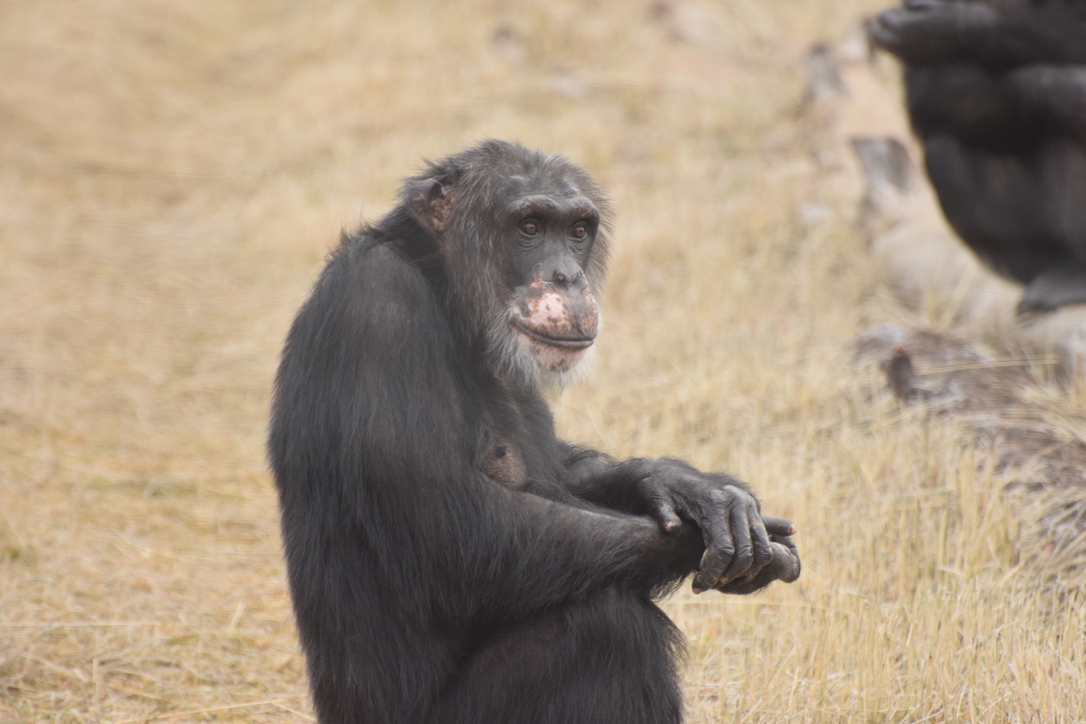
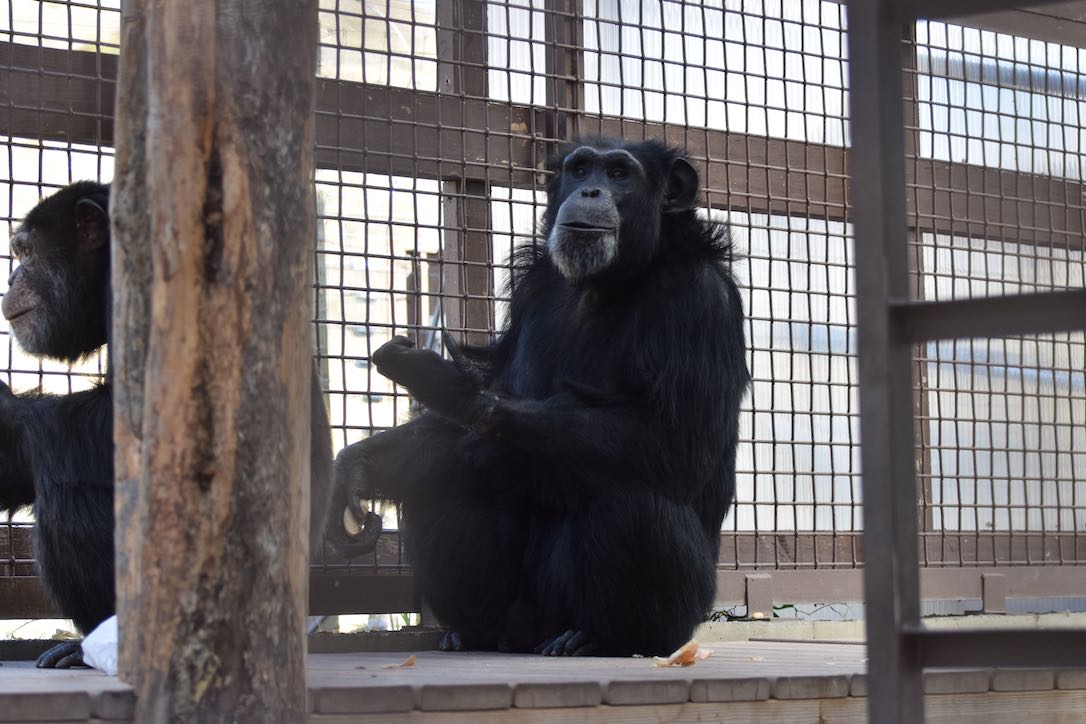
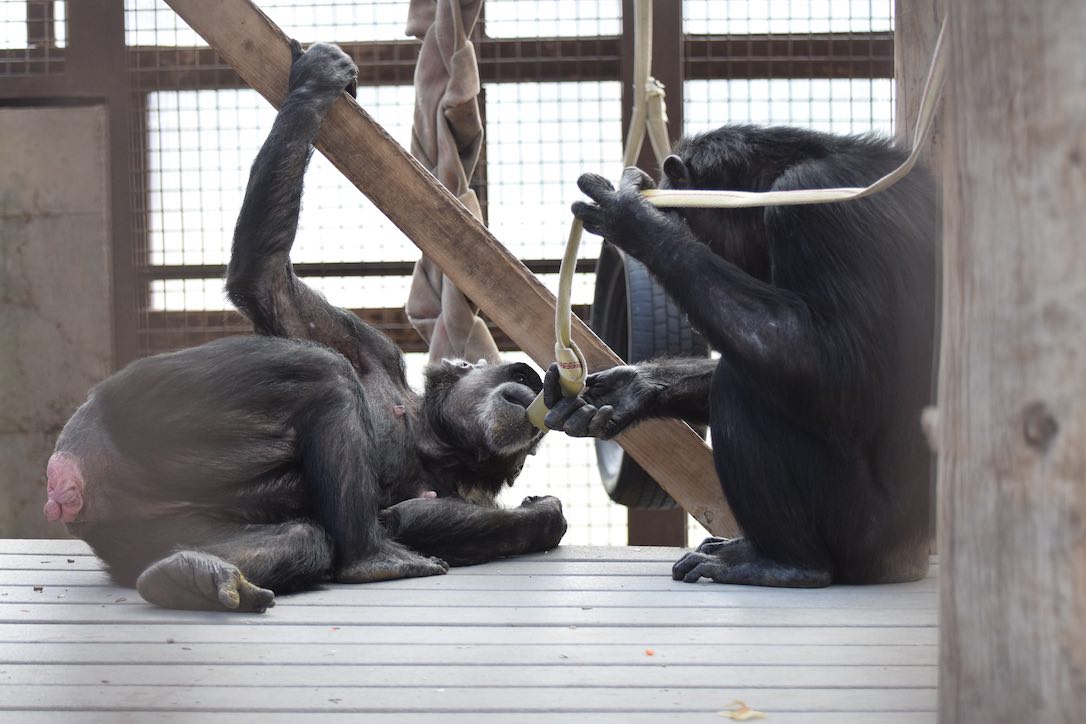
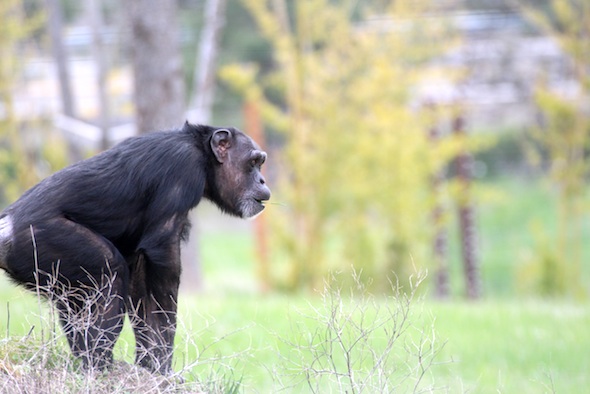
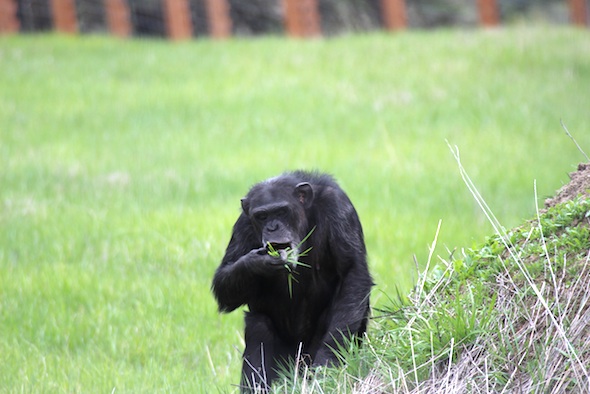
Terry wadging a chow bag from earlier in the Riverview Greenhouse.
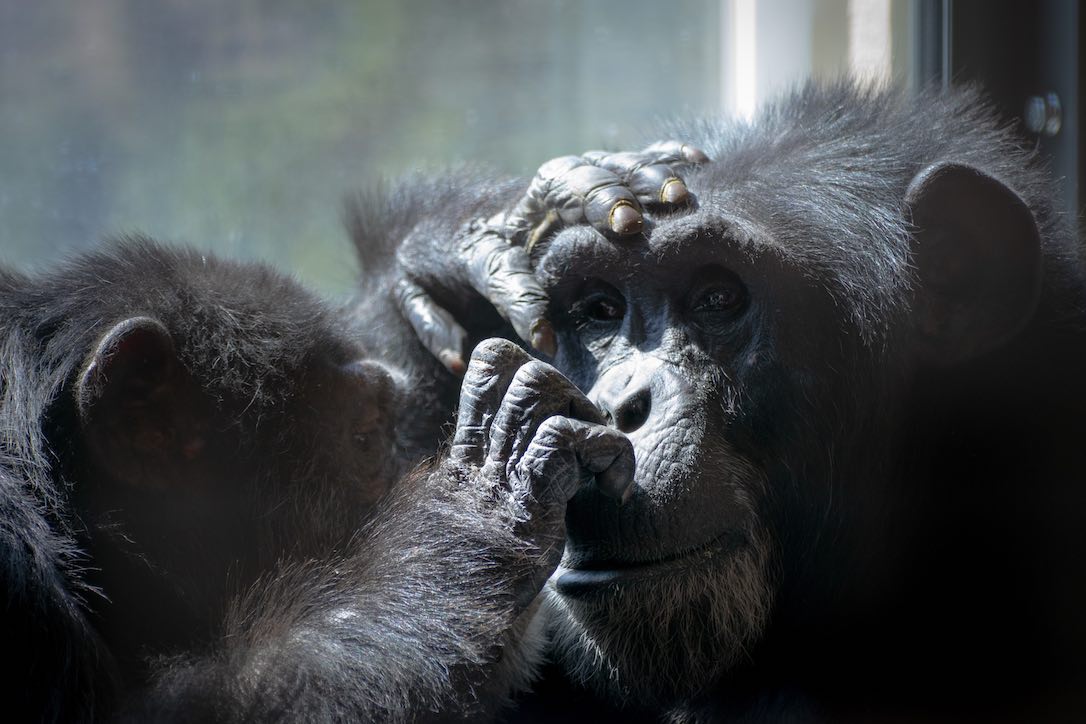
Cy perusing through an old copy of a Rolling Stone magazine.
Snow has started to fall in Central Washington, and our Jody memorial looks like she could use a blanket.
(Just a note the memorial statue was influenced by this photo. Not that Jody was actually cold when it was taken.)

And then there was Mave…
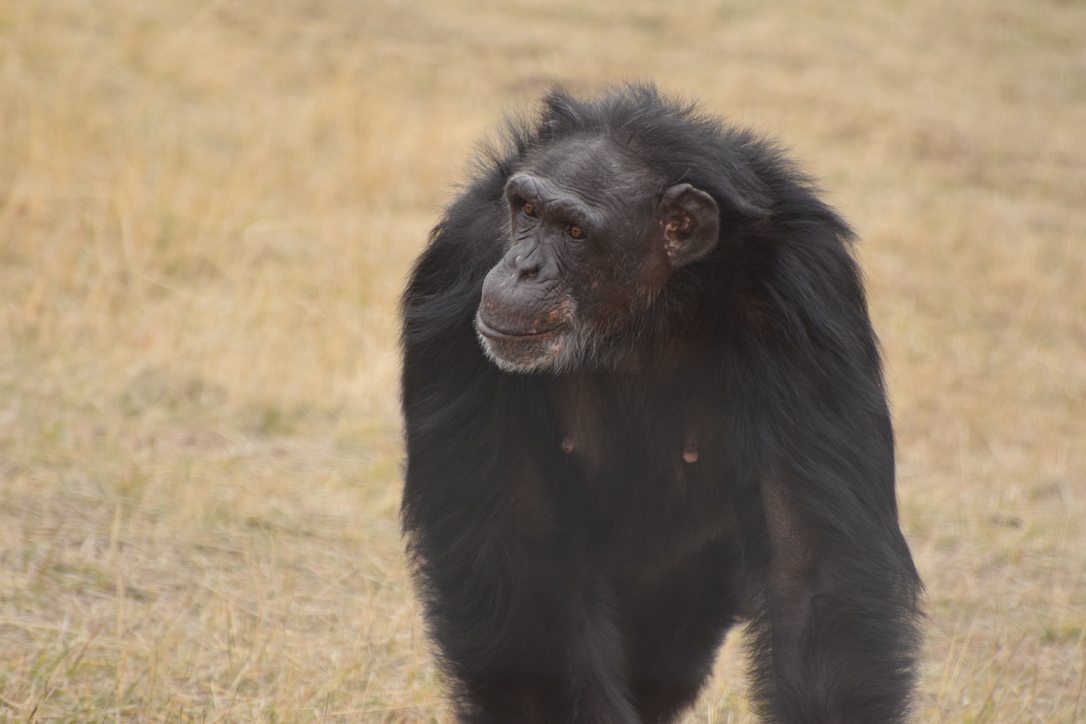
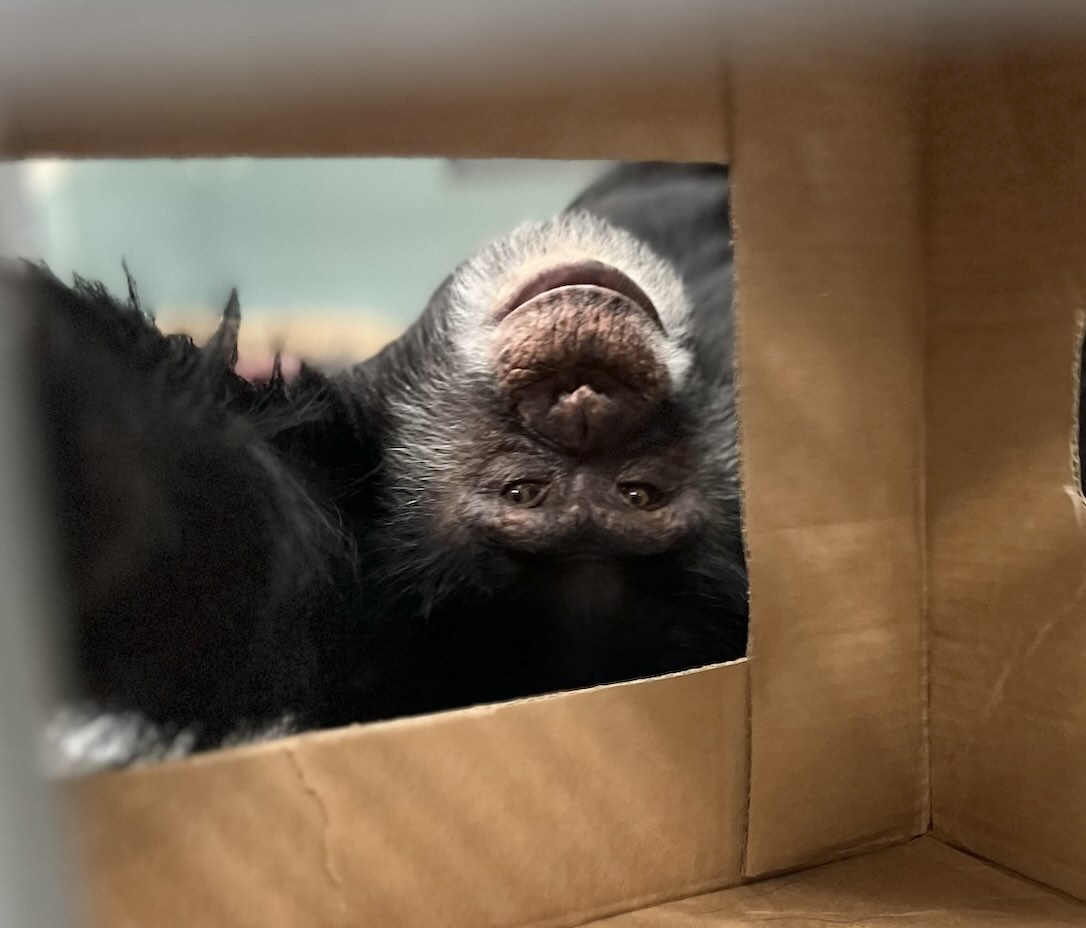
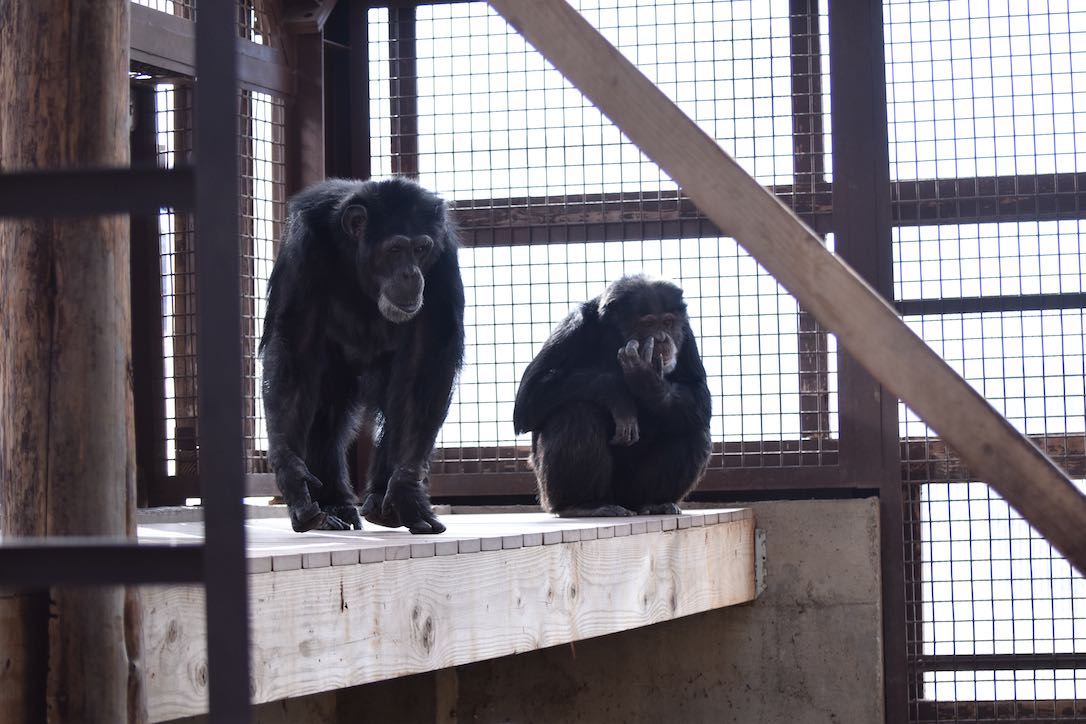
These next couple of photos were taken during Mave’s recent day with Cy and George.
Box goofin’.
Though this intro was a bit awkward, the lessons George learned from Mave seem to have carried over for the better with his and Cy’s day with Dora. (More on that later)
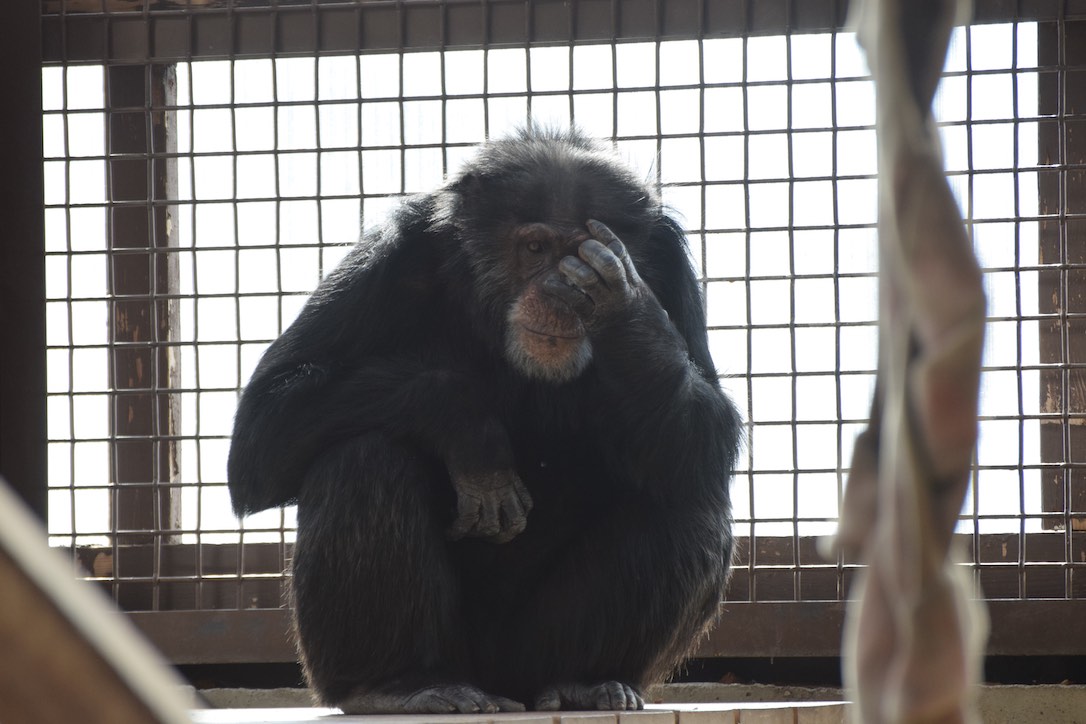
And Burrito, who decided it would be fun to tire this caregiver out right before dinner service is brought out.
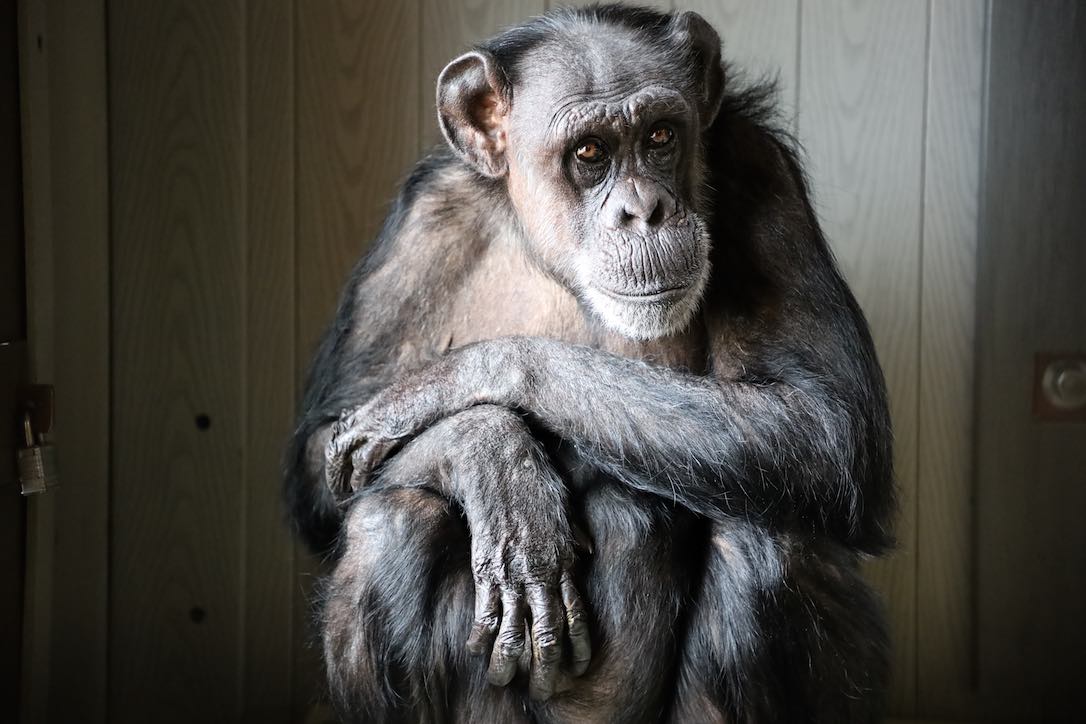
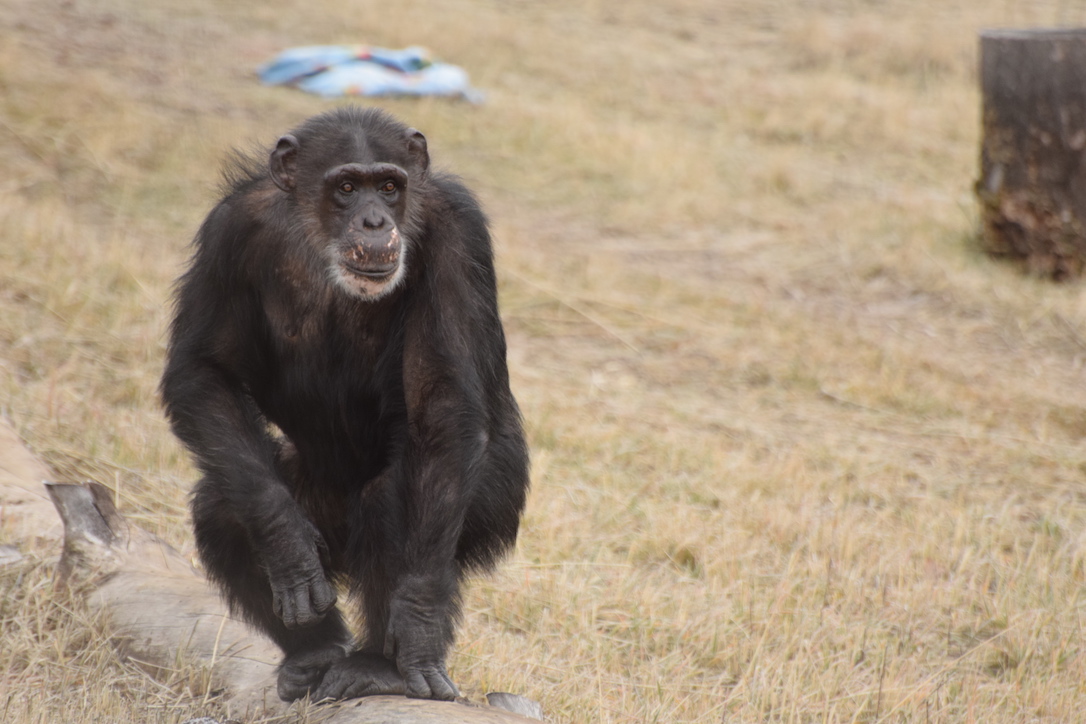
And if you couldn’t guess who the main photo was; it’s George on the Bray!

Filed Under: Chimpanzee, Sanctuary Tagged With: answer blogs, Burrito, Cy, Mave, primatology, Questions from followers, Sanctuary, Terry

Primatology: a feminist science

March 5, 2024 by Amanda Hathaway

March is Women’s History Month so we would like to celebrate by showing our appreciation for all the women in our lives, both human and non-human, periodically throughout the month. Today, I thought it might be appropriate to introduce primatology as a “feminist science” as it has been frequently dubbed throughout the years. The proportion of women studying primatology is roughly half, which at first doesn’t scream girl power, however, compared to other fields like mathematics and physics and even other biological sciences like marine mammology, 50% women is actually an impressive statistic. (If you’re curious to read more, follow this link for an article on the subject published by Linda Marie Fedigan in 1994.) That is not to say, however, that primatology is a perfectly equal-opportunity field; there are still many challenges to equality yet to be assuaged just as in any professional arena. For a more recent and in-depth look at primatology’s glass ceiling you can follow this link.

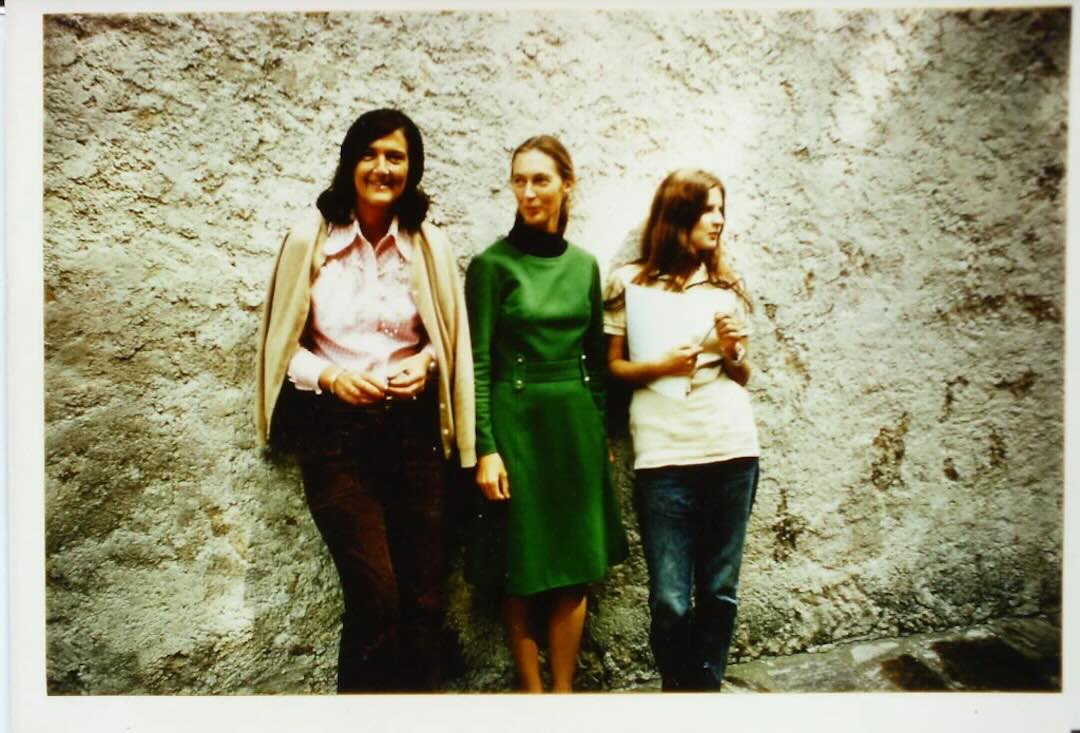
Perhaps the trend began with Dr. Louis Leakey who hired three women, Jane Goodall, Dian Fossey, and Birute Galdikas to study wild chimpanzees, gorillas, and orangutans, respectively. These three women would become indisputably the most famous primatologists in the world, establish high profile conservation programs, and influence an entire generation of primatologists in their wake. It’s not too often that multiple women achieve such high esteem in a single field in a single generation. I can attest from personal experience, and I’m certain that I am not alone here, that their existence and the light they shone on the magnificence of the great apes, elicited a passion in my heart and mind as a young girl that has been driving me ever since. My passion was and still is bolstered by another woman in primatology, my mom. When I was young, she was studying anthropology in college and took a keen interest in primatology. She interned for both the Jane Goodall Institute and the Dian Fossey Gorilla Fund and I tagged along with bright eyes and bushy tail. My appreciation goes out to all the women in the field who have come before me and whom I’m lucky to call my peers.

From left to right: Dian Fossey, Jane Goodall, and Birute Galdikas circa sometime in the late sixties

Look out for more Women’s History Month blog posts this month!


Filed Under: Advocacy Tagged With: equality, feminist, primatology, science, women, women's historty month

The Tough Questions

January 5, 2020 by Anthony

The common phrase “sharing is caring” doesn’t always ring true.

Those of us who work with wildlife in any capacity have to be cautious about the ways in which we publicize our work. In the modern age of consumerism and social media, organizations need to share compelling content to generate financial support and advocate for their respective causes. Although they can inspire people to take action, pieces of visual media can easily be taken out of context and may contribute to the suffering and exploitation of nonhuman animals elsewhere. This is one of the greatest challenges facing organizations like ours as we advance further into the 21st century.

Jamie

A new piece co-authored by a diverse group of esteemed scientists and conservationists is making waves for attempting to address this issue. The commentary, published last month in the American Journal of Primatology, urges researchers to be selective and judicious when sharing images and locations of the nonhuman individuals that they study.

This piece was spurred by emerging findings that irresponsible or inaccurate representations of nonhuman primates provide fuel for the wildlife trade. For example, Dr. Anna Nekaris and the Little Fireface Project have found strong links between viral videos featuring endangered slow lorises and the popularity of that species in the global wildlife trade. Contemporary organizations around the world have also uncovered similar links between social media content and the trafficking of wild primates. Notably, images featuring celebrities posing with primates (like this one of pop star Rihanna) wrongfully propagate their perceived value as pets. It seems likely that a selfie taken by a common researcher or tourist with a wild animal would have a smaller but similar effect. With so many of these images being circulated by well-meaning individuals and organizations, it is difficult to quantify just how big of an impact they have. Given that so many of the world’s primate species are at risk of extinction due to human activity, it is critical that those who study and protect wild primates do not accidentally create additional demand for their exploitation.

Burrito (foreground), Missy (center), and Annie (rear)

For those of us who advocate and care for captive primates, however, the relationships between shared images and potential outcomes are not as clear. Within the community of North American primate sanctuaries and zoos, sharing visuals that showcase the value of our work is part of our strategic plan. For example, our team at Chimpanzee Sanctuary Northwest inspires compassion for chimpanzees by writing and sharing daily blog posts that portray the lives of the chimpanzee residents. The goal is to highlight their emotions, intelligence, and social relationships. This collection of images and stories has, over time, amassed a tremendous community of supporters that directly benefits the chimpanzees.

However, we simultaneously take care to only share content that positively impacts primate individuals, populations, and species. Social media is truly a double-edged sword, and those who wield it carelessly may cause more harm than good. A video of Foxie playing with dolls, for example, could be woefully misunderstood if the provided contextual details are removed or ignored. An uninformed viewer may begin to wonder: Is she a trained performer? Does she have access to the outdoors? Does she have other chimps to play with? Is she privately owned and being bred for human entertainment? In the absence of critical information, such misconceptions may become widespread attitudes and beliefs.

Foxie

As a true sanctuary, we attempt to combat harmful misinformation. One of our objectives is to demonstrate that chimpanzees, as individuals and as a species, suffer immeasurably from exploitation. This claim sharply contrasts how nonhuman apes have been utilized and portrayed in recent decades. Thousands of chimps were housed in menageries, shot into outer space, dressed up as human children, infected with diseases and coerced to perform for our amusement. Thankfully, this pattern of abuse seems to be ending. With public opinion now favoring chimps, the last chimpanzee actor, an adolescent male named Eli, recently retired and will soon be transferred to an accredited facility. (Eli is the subject of an upcoming documentary.)

Even though the era of chimpanzees on the big screen seems to be over, the myth that chimpanzees belong in captivity is likely to perpetuate as long as people see chimpanzees in captivity. For example, seeing performing chimps on greeting cards, in commercials, or interacting closely with humans can shape how the public perceives them. Researchers affiliated with North American zoological parks have even found evidence that viewing images of nonhuman primates in humanized settings can influence how people interpret their conservation status, suitability as pets, and well-being. From this evident pattern emerges a multi-faceted dilemma.

The most difficult of these questions, in my opinion, is whether we can accurately tell the stories of captive chimpanzees without showing the less natural aspects of their daily lives. Should we use Photoshop to remove the electrified barriers on Young’s Hill, which are necessary to keep humans and chimpanzees safe? Should we hide that the chimpanzees prefer to nest with blankets or sleep on cement floors because that’s all they had access to during the decades that they spent in laboratories? Should we ignore that Jamie has fascinations with cowboy boots and various human accessories, likely shaped by her background as a performer? Sure, we attempt to focus or crop out the steel caging because it ruins our photographs, but should we be avoiding the same metal bars because they send the wrong message about chimps? On the other hand, if we only show photos of chimps frolicking outside in a green meadow, will people start to believe that keeping chimps in captivity is good for them? Are we on the verge of whitewashing the history of our relationship with chimpanzees?

There are no easy answers.

Burrito

Organizations are each free to respond to these new challenges in their own way. To lessen the risk of misinterpretation, we try our best to create content that prioritizes education and empathy over aesthetics and humor. We’ve found that most of our followers are invested in the chimpanzees’ well-being and, fortunately, thoroughly read and understand our captions. This gives us confidence that we can maintain transparency, and even occasionally be brutally honest, regarding the challenges of providing sanctuary care for chimpanzees. We caregivers remain impressed by how aware and understanding our supporters have been despite our sanctuary’s recent growing pains. Rather than just respond with emojis and ‘likes,’ our followers weigh in on the management of our social groups, suggest new enrichment ideas, and comment on the health of the individual chimps. This degree of engagement and awareness tells us that it is possible to share revealing content without necessarily spreading the wrong ideas.

That does not mean that we are all blameless. I recently went through my personal Facebook profile and erased many photos of me interacting with captive wildlife (including some of orphaned spider and howler monkeys using me as a climbing structure). It’s not that my actions were inherently irresponsible; in most cases, I was serving as a trained caregiver and the interactions were a necessary aspect of each individual’s rehabilitation and development. The real problem is that these photos are difficult to explain and the chances of them sending the wrong message are too high. If someone was scrolling too fast to read my captions, all they would see is a naive white backpacker holding a baby monkey. Some would even comment that they wanted me to bring one home so they could play with it. I have gladly hidden these photos  No amount of attention is worth putting an animal or human in danger.

Jamie

With this new paradigm in mind, please continue to enjoy and share our frequent and intimate portraits of the chimpanzee residents. We hope that they inspire you to care about and act on behalf of disadvantaged nonhuman primates. They need advocates, now, more than ever.

However, never forget that all chimpanzees are strong, intelligent, emotional, and adapted for their ancestral homes and complex societies. They do not belong in captivity and they do not thrive here. Sanctuaries like this one were created to mitigate the errors of the past and provide a better alternative for retired chimps, but they are not designed to exist indefinitely. All chimpanzees are unique individuals and valuable members of an endangered species that may be gone within the next century, and their exploitation takes more away from them than it gives to us.

Please share responsibly.

Missy

Filed Under: Advocacy, Apes in Entertainment, Chimp histories, Free-living chimps, News, Sanctuary Tagged With: Animal Welfare, apes in entertainment, chimpanzee actors, chimpanzees, chimps, entertainment, great apes, large apes, performing chimps, pet trade, pets, primate conservation, Primates, primatology, public perception, social media, wildlife trade, wildlife trafficking

Dominance(?)

October 6, 2019 by Anthony

Among captive chimpanzees, the concept of dominance can be a bit of an enigma. As we attempt to integrate the two groups of chimpanzee residents here at the sanctuary, we are having many discussions about the dominance hierarchy. Dominance isn’t the only important thing during this stressful time, but it’s still important.

In the Merriam-Webster dictionary, the adjective dominant can be defined as:

  1. commanding, controlling, or prevailing over all others
  2. very important, powerful, or successful
  3. overlooking and commanding from a superior position

These definitions, among others, can each paint a different picture of what it means to “be dominant.” Primatologists tend to use the word in relation to social rank (i.e., where an individual fits within their group’s hierarchy in relation to other individuals). In primates and many other social animals, there is abundant research on the topic of social rank and the benefits that a high rank confers. By having more opportunities to mate and obtain resources, higher-ranking individuals tend to have a greater chance at reproducing and passing on their genetic material. In this way, traits that help an individual achieve a higher social rank can be heavily advantageous. In most primate species, males and females form separate hierarchies and compete within, not between, the sexes. although the resulting structure is often clear, the mechanisms by which dominance hierarchies develop and change are complex.

Studies of free-ranging chimpanzees (e.g., Dr. Jane Goodall’s) have revealed that males and females have somewhat separate social hierarchies. Generally, adult males vie for higher rank using a combination of physical aggression, explosive displays and tactful cooperation. Adult females develop higher rank through experience and tenure. The lowest of the adult males is still usually higher than the highest female. In a community of chimps, males seem to figure out their place in the social hierarchy during adolescence.

Dominance isn’t everything though. A chimpanzee who has a dominant personality may be deficient in other aspects. There’s another component of social rank, perhaps best described as leadership, that seems to affect how long a chimp can hold the rank of alpha after climbing their way to the top. Without an ability to gain the trust of others and manage friendships, a quick, brutal ascension may result in a tragic end. Deposed alpha males can be killed or driven out by their former peers. (For more on this topic, I recommend the fascinating talk by author and primatologist Dr. Frans de Waal.)

If chimps always fought each other in peer-to-peer physical combat, dominance would be easier to study. However, chimpanzees have many ways of diffusing tension and avoiding conflict. They often do this by communicating with one another, thereby establishing boundaries and outlining expectations for how their relationships are going to be in the near future.

Instead of focusing on rare acts of violence, scientists can usually infer social rank by observing pant-grunts. A pant-grunt is a guttural vocalization, often accompanied by an exaggerated bow and/or submissive hand gesture, that is specifically directed from a subordinate towards a perceived superior. It’s a conspicuous overture and leaves little room for debate. When a mother chimpanzee pant-grunts at an adult male, her dependent infant will sometimes pant-grunt in synchrony while clinging to her belly. When a former alpha male concedes that he has lost his position to a rival male, the passing of the torch is usually marked by a conciliatory pant-grunt. Although chimps have numerous cultural traditions that vary between populations, pant-grunts can be heard in almost every chimpanzee social group, captive or otherwise.

Willy B watches another interaction while eating his own food

The Cle Elum Seven are no different. Burrito, although he lacks a dominant personality and seems uninterested in leadership, sporadically receives pant-grunts from the females (even Jamie). Pant-grunts between the six females are rare, although I sometimes see Negra receive them from her peers. Aside from Negra, who generally avoids drama, we usually infer that Jamie is the most dominant female based on her aggressive demeanor and possessiveness. When a situation gets hairy, Jamie’s side is usually the side to be on. Like Burrito, though, Jamie appears to be a poor leader. As Jake’s study of their dominance hierarchy indicated, Jamie’s excessive dominance and unusual social behavior may actually prevent her from being a good leader.

Negra peruses a magazine for peanut butter smears

Rather than constantly beating back rivals and taking their food, an effective leader quashes conflicts before they start and often allows minor transgressions to slide. For example, when the new three arrived, Willy B showed tolerance and tenderness towards his female companions. They, in turn, groomed and acknowledged him. That’s why, as J.B. has often said, we’re hoping that Willy B will step up to be a good alpha, thus providing some stability. So far, Willy B has not revealed himself to be a tyrant or a bully, so he may be the keystone individual that CSNW needs to have a cohesive, stable chimpanzee community.

Mave grooms Willy B the day after their arrival.

With Jody, Annie and Missy now in a state of cohabitation with the new three, they have all been cautious and submissive towards Willy B. In turn, Willy has remained stoic amid all the drama. He seems to be equally interested in the new surroundings and still focuses on his favorite foods. He’s observant and reserved, but not overly reactive. All he has to do is sit there and the females will pant-grunt at him anyway. Of course, it sometimes helps to acknowledge their efforts, but he certainly doesn’t over-do it.

Willy B investigates the Greenhouse

Somewhat surprisingly, the other females have also been submissive towards Mave. It’s possible that, in the absence of fellow males, Mave has evolved into Willy’s biggest supporter. She is definitely playing a peacekeeper role, and may be helping Willy B to keep his alpha status. It will be interesting to see whether Burrito and Jamie, who are both relatively dominant, recognize Willy as their leader. There may be some drama before we get to that point, but the goal is to give the chimps what they need to form a sustainable and healthy social group.

Willy B (male, left) and Mave (female, right)
Mave
During a sweet moment, Honey B gingerly places the end of a firehose vine in Jody’s mouth. Two two seem to view each other as peers and have been exchanging frequent overtures

Filed Under: Chimpanzee Behavior, Fights, Free-living chimps, Grooming, Introductions, Introductions, Mave, Sanctuary, Willy B Tagged With: animal behavior, Animal Welfare, chimp, chimp sanctuary, chimpanzee, chimpanzee retirement, chimpanzee sanctuary, Chimpanzee Sanctuary Northwest, chimpanzees, dominance, dominance hierarchy, primatology, Sanctuary, social behavior, social rank

Interning at CSNW

April 24, 2015 by J.B.

For years, Chimpanzee Sanctuary Northwest has relied on student volunteers from Central Washington University to help us care for the chimps.  Last year, we formalized our relationship with the university to allow primate behavior students to gain experience at the sanctuary and learn from our staff as a direct part of their academic training. Students in the undergraduate Primate Behavior & Ecology program and graduate students in the Primate Behavior Master of Science program prepare for their internship at the sanctuary through a course called Procedures in Captive Primate Care, which is taught by CSNW staff. Then, they earn course credits by coming out each week to chop veggies, prepare enrichment, clean enclosures, and in some cases, provide direct care to the chimps. They get a chance to learn about chimpanzee behavior and husbandry while giving back to the chimps they are learning so much from.

All of our staff were trained in one way or another – either through an internship, undergraduate degree, or graduate degree – at Central Washington University, and we are happy to be able to help train another generation of primate caregivers, field researchers, conservationists.

Recently, our local NBC affiliate came out to the sanctuary to do a segment on the internship program:

NBC Right Now/KNDO/KNDU Tri-Cities, Yakima, WA |

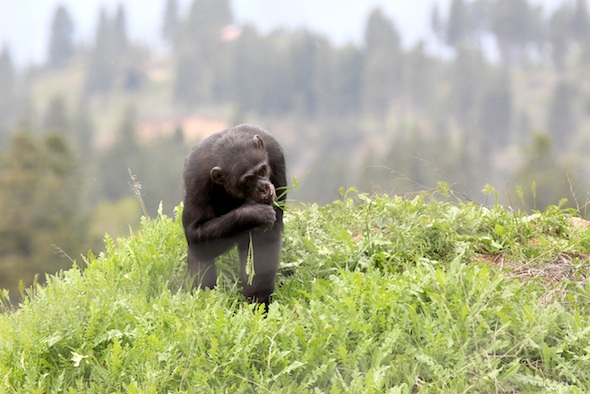
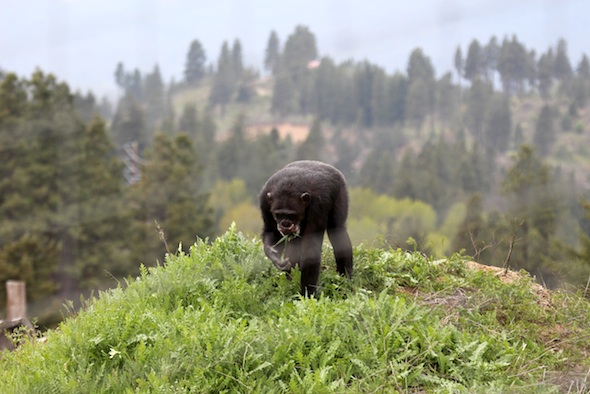
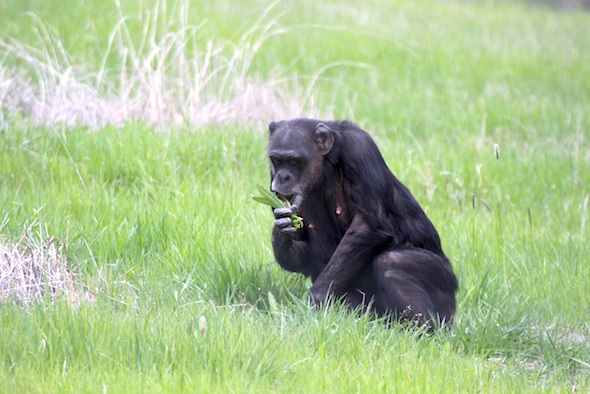
In other news, everything is green here at the sanctuary and the chimps are slowly eating their way through all two acres of grass and weeds on Young’s Hill.

Missy:

web_Missy_eat_weeds_little_mound_YH_jb_IMG_1638

web_Missy_eat_weeds_little_mound_YH_jb_IMG_1615

Jody:

web_Jody_eat_weeds_YH_jb_IMG_1573

web_Jody_eat_grass_YH_jb_IMG_1555

Foxie:

web_Foxie_eat_grass_YH_jb_IMG_1524

Filed Under: Foxie, Jody, Missy, Volunteers, Young's Hill Tagged With: academic, central washington university, chimpanzee, course, credits, csnw, cwu, intern, internship, northwest, Primate behavior, primatology, rescue, Sanctuary, school, university

Primary Sidebar

Subscribe To the Blog and Get Notified of New Posts First!

Archives

Calendar of Blog Posts

June 2026
S M T W T F S
 123456
78910111213
14151617181920
21222324252627
282930  
« May    

Categories

SUBSCRIBE TO OUR NEWSLETTER

Footer

PO Box 952
Cle Elum, WA 98922
[email protected]
509-699-0728
501c3 registered charity
EIN: 68-0552915

Official DDAF Grantee

Menu

  • The Chimpanzees
  • Blog
  • About Us
  • You can help
  • Resources
  • Contact
  • Donate

Proud Member of

Connect With Us

Search

Copyright © 2026 Chimpanzee Sanctuary Northwest. All Rights Reserved. Site by Vegan Web Design