• Skip to main content
  • Skip to primary sidebar
  • Skip to footer

Chimpanzee Sanctuary Northwest

Hope. Love. Home. Sanctuary

  • Our Family
    • The Chimpanzees
    • The Cattle
  • Blog
  • About Us
    • Visiting the Sanctuary
    • Philosophy
      • FAQs
      • Mission, Vision & Goals
      • Privacy Policy
    • The Humans
      • Staff
      • Board of Directors
      • Founder
    • Annual Reports
    • The Future of CSNW
    • CSNW In The News
  • You can help
    • Donate
      • Become a Chimpanzee Pal
      • Sponsor A Day
      • Transfer Stock
      • Be A Produce Patron
      • Be a Bovine Buddy
      • Give from your IRA
      • Personalized Stones
      • Bring Them Home Campaign
    • Leave A Legacy
    • Employment Opportunities
    • Volunteer
    • See Our Wish List
    • Events
  • Resources
    • About Chimpanzees
    • Enrichment Database
    • Advocacy
      • Advocacy Action Center
      • Apes in Entertainment
        • Trainers
        • Role of the AHA
        • Greeting Cards
      • Chimpanzees as Pets
      • Roadside Zoos
      • Chimpanzees in Biomedical Research
      • Conservation
        • African Apes
        • Orangutans
  • Shop
    • Merchandise Store
  • Contact
  • DONATE NOW

chimpanzee

Trust Them

October 12, 2019 by Diana

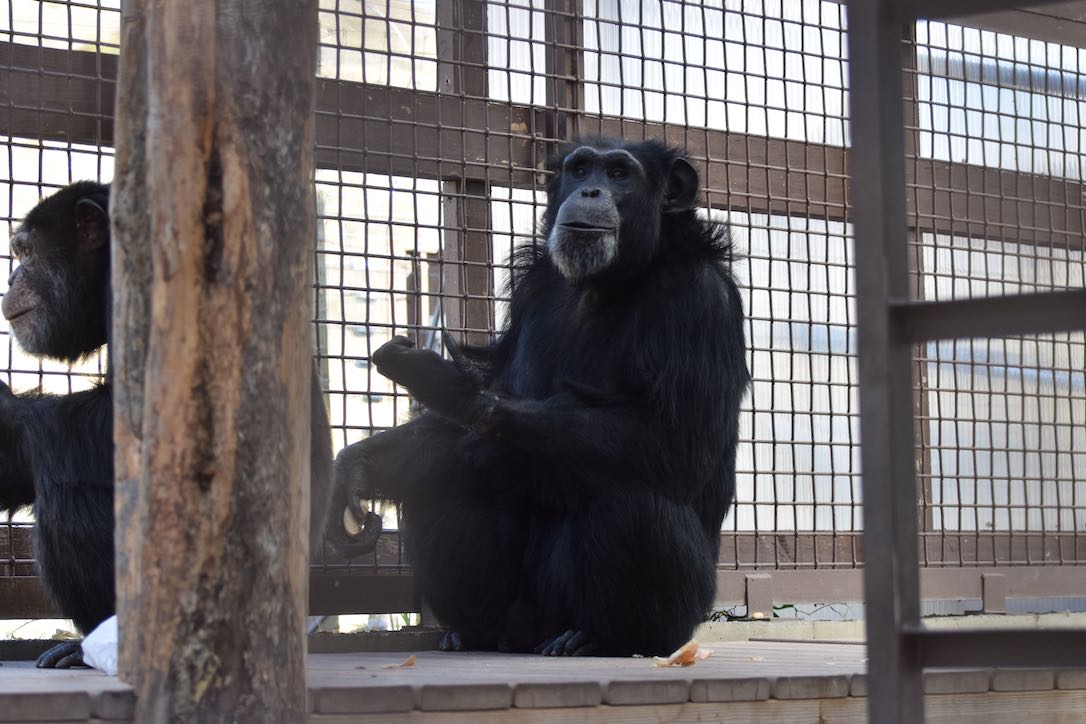
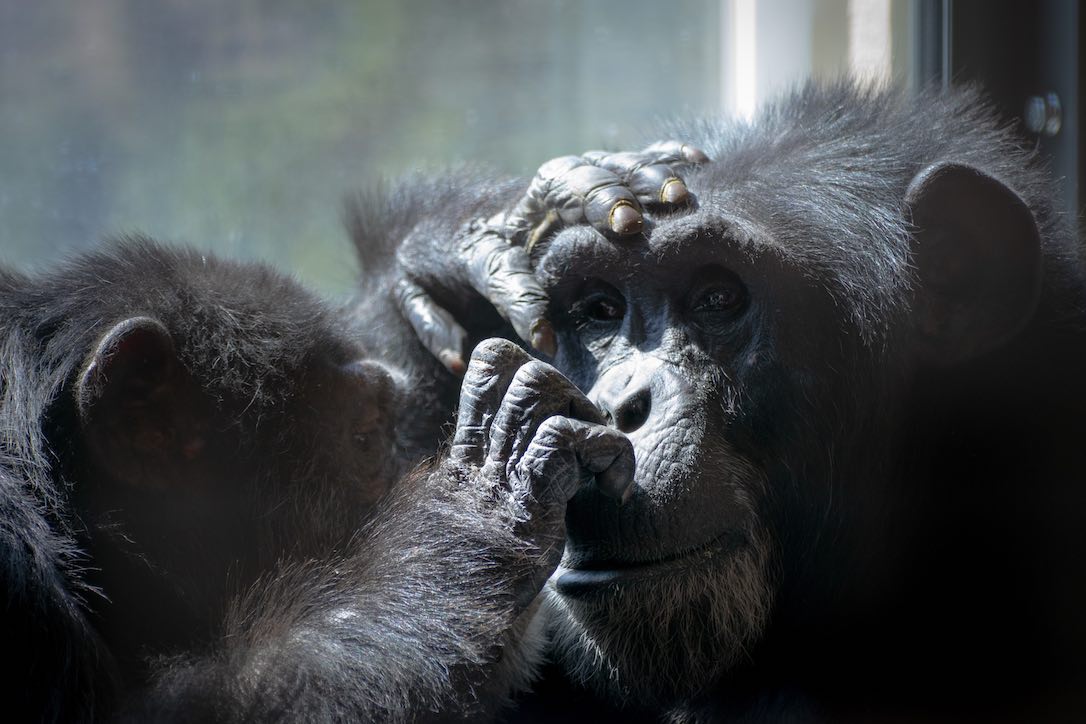
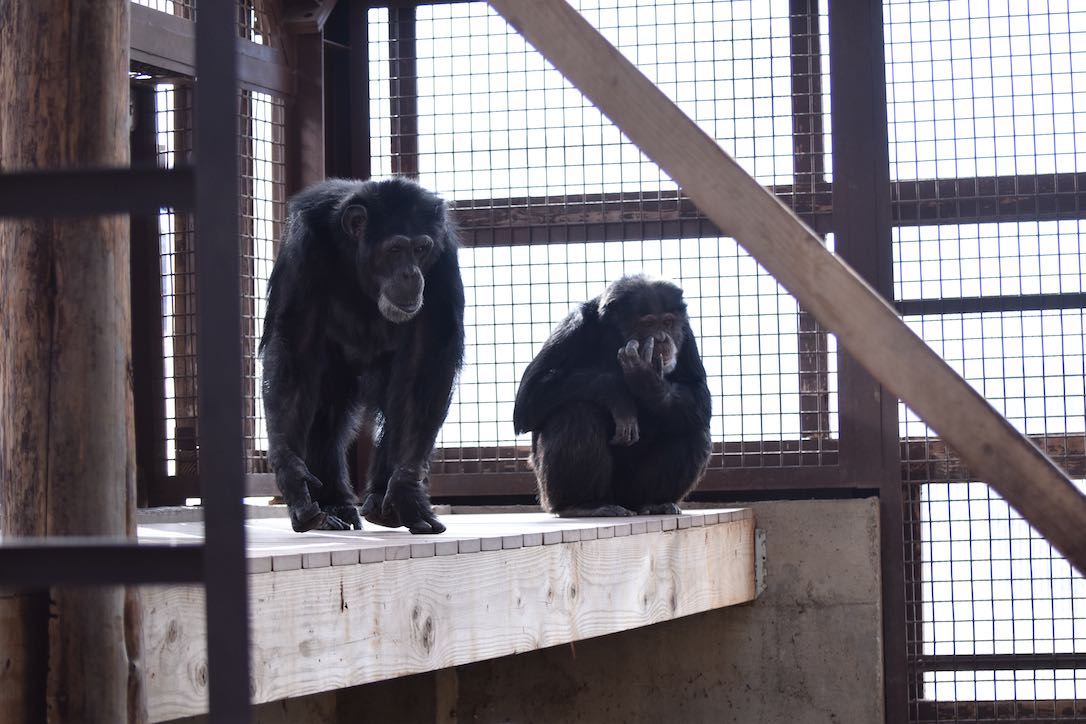
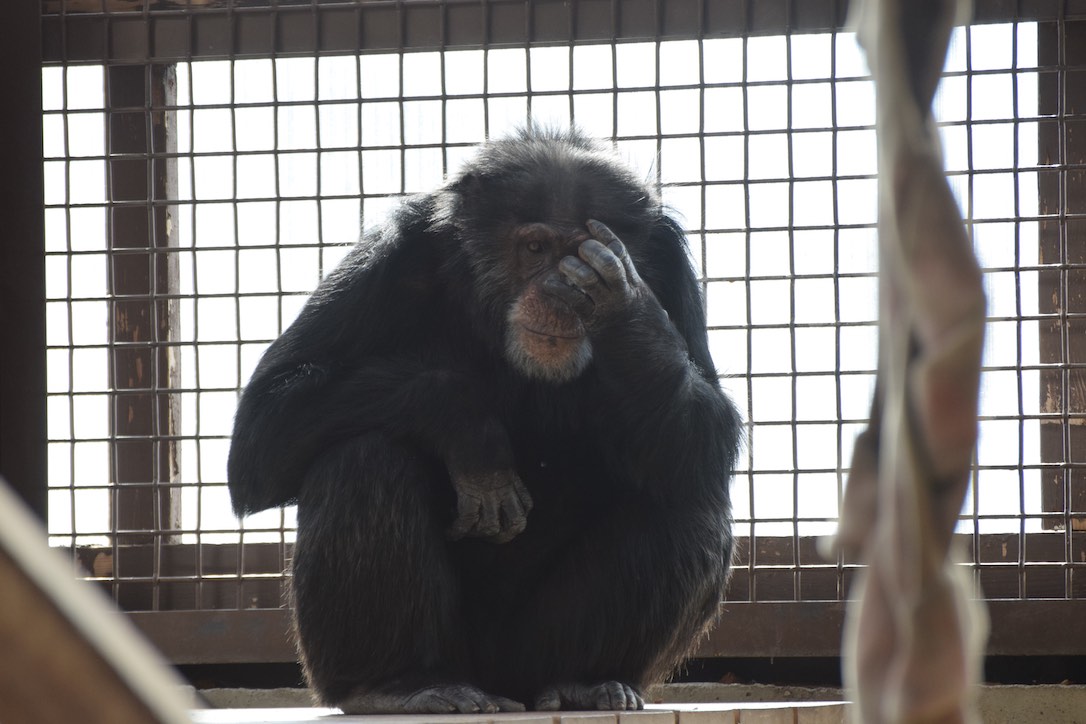
I’m not going to lie, these last few weeks have been really challenging for all of the primates here at Chimpanzee Sanctuary Northwest, and the challenges are not over.

Before you read this lengthy post, or after you read it, consider supporting the staff fundraising page now or on Tuesday, October 15th for Giving Day for Apes. We would really appreciate your support and friendship right now!

Intellectually, we humans knew that integrating the new three with the original group of seven chimpanzees would be stressful, but I’m not sure any of us knew just exactly how stressful it would be. Caring for captive chimpanzees is a weighty responsibility on an average day. For me, integrations have highlighted the added responsibilities that the sanctuary has taken on now and in the future.

We are a small sanctuary compared to many others, which means each staff member is part of the integration process and veterinarian Dr. Erin is playing the crucial and also stressful standby role in case someone gets injured.

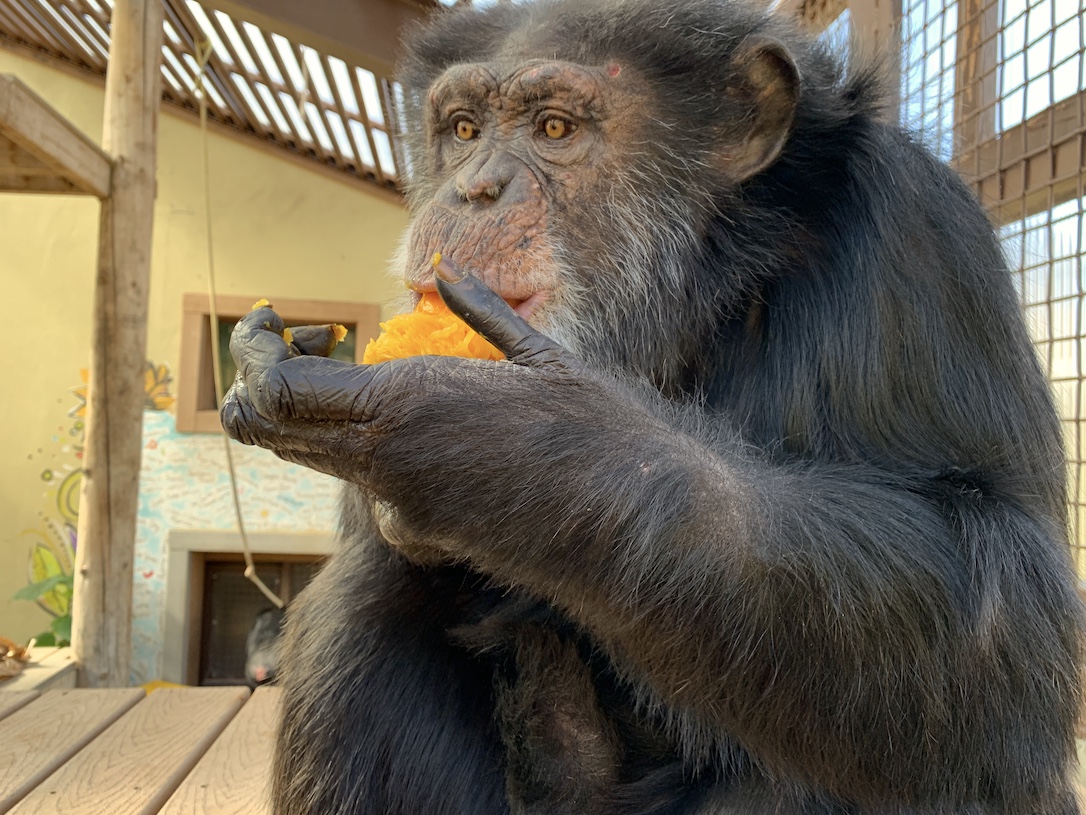
Things are going remarkably well, but there have been fights with a couple of minor injuries. Chimpanzees do not generally hold their emotions back, as you have seen in the two integration videos we’ve shared. They scream when they are anxious, scared, angry, offended, or even just really happily excited. Since screaming is a high-arousal state, there’s more of a chance for fights to happen. And that’s just on a normal day with a group of chimpanzees who have known each other for a long time. Throw in complete strangers and the need for some of the chimps to stake their position within the group, and fighting is bound to occur. It’s just part of chimpanzee social behavior.

There are various levels of fighting. Often fights are loud and dramatic but without contact between participants. We know from the last eleven+ years, that sometimes the fights do result in fairly significant (at least significant from our human perspective) injuries. Aside from bites to the body, which are not infrequent but generally not concerning, both Negra and Jody have had toes bitten off, Jody had an eyelid torn, Missy had a large split to her lip, and several of the chimps are missing parts of their ears to bites that happened at the sanctuary or before they came here. It was only a few weeks ago when Burrito bit part of Foxie’s ear off, as described in this worth-your-read blog post by Anna. That incident seemed to be a sudden reaction to who-knows-what and happened in an instant. Since then, Burrito and Foxie have been friendly and playful with each other and we still consider them very close, which is why they will join the group together when we feel it’s time.

These injuries are rare enough that I can name them very quickly, but they certainly stand out in the minds of the humans, particularly when they have required us to separate the injured in order to provide medical help. You might be surprised what it takes for us to intervene. Chimpanzees are tough! They can casually walk around with an injury that would make any human I know go to the ER in a panic. When Jody lost her toe during a fight years ago, we gave her some analgesics and some antibiotics and she carried on as though nothing had happened.

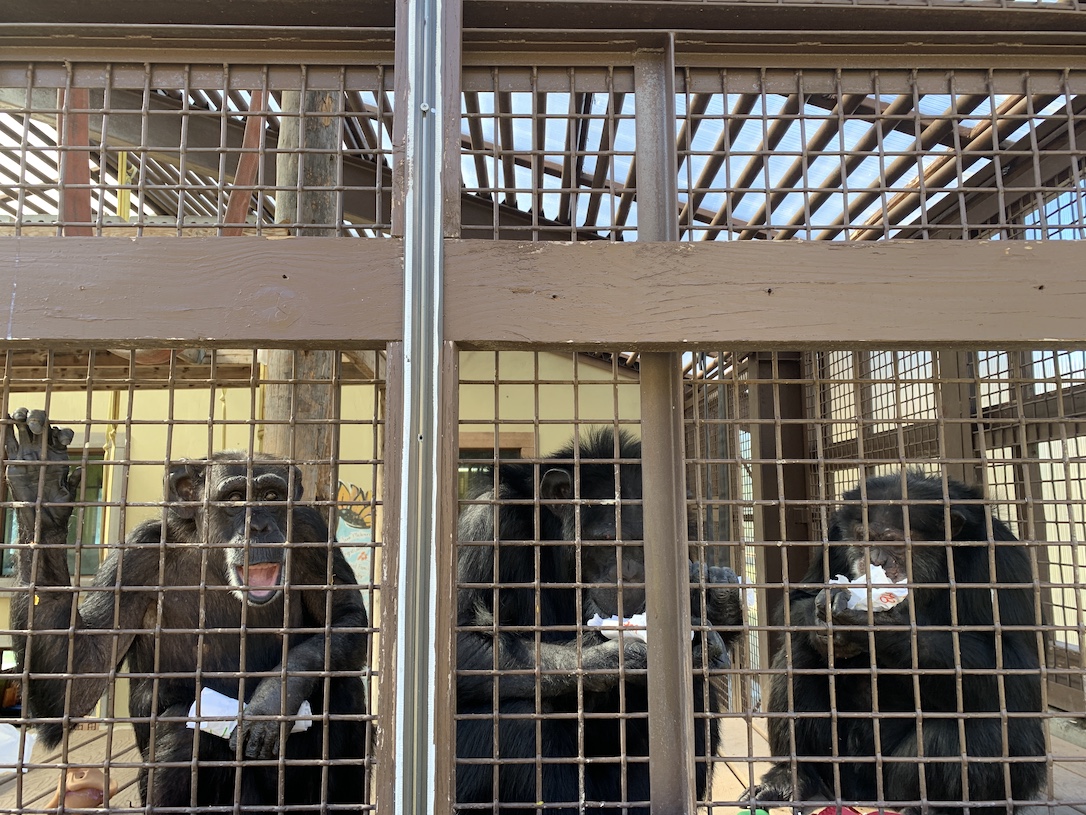
So far we haven’t seen these more serious injuries during the introduction process, but it’s what we brace ourselves for when we hear the chimpanzees starting to scream. There’s not a whole lot that we can do to stop a fight from escalating but you can be sure we are standing by and watching. As much as possible, we try to stay out of the fight as we watch. Often the chimpanzees will approach us from the other side of the caging and ask for reassurance. Because we can’t actually back them up, it would be a mistake to reach out with a reassurance gesture in those moments. It’s not our place to take sides.

The best piece of advice that Amy Fultz from Chimp Haven has given us is to trust in the chimpanzees. They are meant to live in groups and they can usually work things out. The fact that all of the chimpanzees so far dived into the new group situation without hesitation, eagerly embracing each other upon meeting, bodes well for their future relationships. There are no guarantees, but there are so many good signs so far.

The potential benefits of bringing them together and allowing them to work things out are huge. Each of them will have an expanded social network. They all will have more options for who to groom, play with, or just sit next to at lunch. For chimpanzees who will spend the rest of their lives in captivity, this is a big deal.

While I wish I could take away every bit of everyone’s anxiety, that anxiety is part of being a social primate too. I remember being terrified on the first day of school as a kid. I wanted to meet new people but I was worried I wouldn’t fit in on day one or ever. I was sure the whole experience was going to be a disaster. Within a few days, though, things were fine and I had already made friends or reconnected with kids I hadn’t seen all summer. Eventually, I formed strong friendships with certain people, and those friendships were invaluable to my overall wellbeing, enriching my life like nothing else possibly could.

That is what we hope we can provide for all ten of these chimpanzees who we care for so deeply.

We know there will be fights in the future, but we also know there will be laughter, play, making nests next to each other, and the sharing of everyday happenings and not-so-everyday adventures. We have already seen some very touching and unexpected moments, like the play between Missy and Willy B and Willy B and Negra in the video above. Seeing potential friendships starting to build is so exciting!

I would love to skip ahead to the days of zero anxiety, but, in the meantime, I will keep reminding myself to trust them.

Did I mention that we humans would really appreciate your support and friendship right now? There’s actually a lot of sanctuary people you can support now or on Tuesday for Giving Day for Apes – the staff, the board of directors, and the volunteers and interns. Or just give on the main page! All donations from all pages will go to the care of the chimpanzees and the running of the sanctuary. 

Thank you!

Filed Under: Fights, Friendship, Introductions, Introductions, Negra, Play, Sanctuary, Willy B Tagged With: Animal Welfare, chimp, chimp sanctuary, chimpanzee, chimpanzee sanctuary, Chimpanzee Sanctuary Northwest, chimpanzees, Play

Becoming Mave

October 11, 2019 by J.B.

An old friend shared a story with us recently that moved me so much I felt compelled to share it with you.

As some of you know, Diana and I worked at the Fauna Foundation in Quebec in the late ’90s and early 2000s. During that time we got to know a few of the people that had known the Fauna chimps when they were at the lab, and the stories they shared were so helpful in our efforts to truly understand the chimps in our care. As it happens, Willy B, Honey B, and Mave were originally from the same lab – the Laboratory for Experimental Medicine and Surgery In Primates (LEMSIP) – and when we announced that we would be taking taking them in, our friend reached out with stories of their early years. She knew them well. In fact, she had helped raise them.

Now, if you’ve been keeping up with the blog you know that Mave is running the show right now. She is smart, brave, compassionate, and fair, and she has taken it upon herself to try to bridge these two families during a critical time. How she came to possess such wisdom and maturity will forever be a mystery, however, considering her early years:

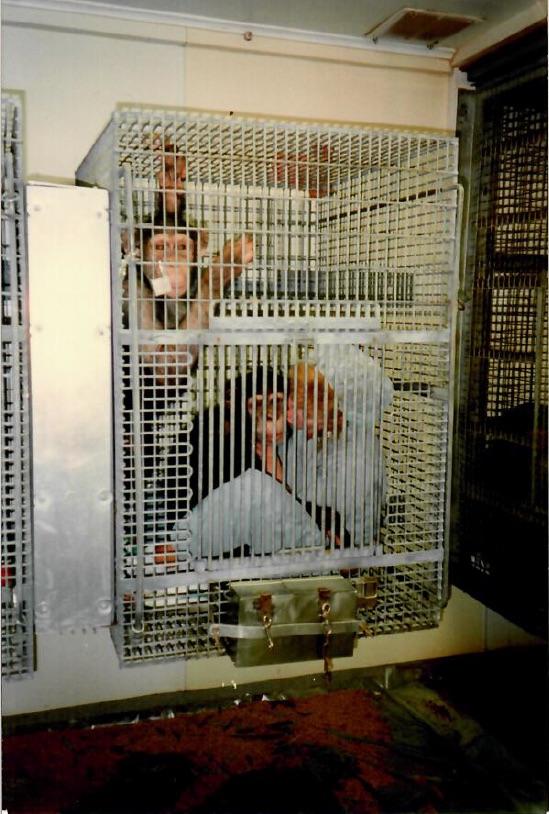
LEMSIP tried to keep babies with their moms for one year before stealing them to live in the nursery (aka “wean”).  It was such a devastating time for baby and mom.  They tried to “wean” babies in pairs so that they would have each other and become cage mates.  They would become inseparable – literally.  Mave and Goliath were such a pair and had been together all their lives.  She was a bit anxious and he was her rock.  He died at the Waystation sometime last year.  They think it was a heart attack […] that is why I am pleasantly surprised that Mave is doing well.
Mave and Goliath in the nursery at LEMSIP
The picture of me in the cage with them shows one side of two 32″ monkey cages that had to be tunneled together for pairs of chimps in the nursery due to cage size violations.  LEMSIP had gotten a variance in the size requirement for years due to the founder utilizing the “dry system” – a stupid way to house primates – no hoses, no drains – just giant rolls of heavy plastic (like a giant roll of saran wrap) rolled out in layers under all the cages.  We had to hand wipe every wall and door and mop every floor.  He felt that avoiding aerosolization of fecal matter and reducing lingering dampness reduced illness like diarrhea.
Mave and Goliath with their caregiver at LEMSIP
I would go into the cage and play with and love on them after Mave stopped coming out. We would have to walk or carry the chimps to and from playrooms (no tunnels or shifting).  One day, I went to carry them to play and Mave would not let go of the cage.  We tried everything (blanket, treat, etc.) and that had never happened.  What typically happened was, sooner or later, older chimps would figure out that they could (and should) refuse to go back into a tiny cage after being out to play.  When that happened it was always their last time out.  It was always a sad, sad day.  But for a chimp to refuse to come out – even with their partner – was strange.  We even tried walking away with Goliath so that she could jump down and follow but she wouldn’t.  Eventually, we took him to the playroom to play with some friends in hopes of her gaining the courage to come out to us.  But instead she was very upset and screamed and cried.  He was so bonded to her that he couldn’t enjoy playing (even though they only got out once per week by that age). He got upset and needed to go comfort her so we brought him back.  After that, I would just have someone lock me in the cage to spend time with them […]
I share this story not to wallow in the cruelty of it all, but rather to marvel at what Mave has become, against all odds.

Filed Under: Chimpanzees in Biomedical Research, Mave Tagged With: cage, chimpanzee, laboratory, Mave, northwest, rescue, research, Sanctuary

What’s in a Name?

October 7, 2019 by Diana

One question that we receive pretty frequently is whether the chimpanzees had their names before coming to the sanctuary. The answer, for all of them, is yes. The laboratories or other facilities where they were born or who acquired them, gave them both numbers and names. The numbers were tattooed somewhere on their bodies, often across their chest or inside of their thighs. These numbers are surprisingly large, but we don’t see them very often because their hair has grown over the tattoos.

With Annie, Missy, Jamie, Jody, Burrito, Foxie, and Negra, their names followed them from one laboratory to another. For Mave, Honey B, and Willy B, they were named at the laboratory LEMSIP and their names stayed with them when they went to Wildlife Waystation when they were around five years old. All of the chimpanzees have been referred to by these names for most or the entirety of their lives.

The “B” after  Honey B and Willy B’s names signified that they were the children of chimpanzee mothers who were owned by the Buckshire Corporation, the same facility that owned Annie, Missy, Jamie, Jody, Burrito, Foxie, and Negra.

Upon learning this, some people have asked if we might drop the “B” from Honey B and Willy B’s names. I have definitely thought about this. But then I think about three things…

First, they have always had and been called these names. A name is just a word, but it does provide a part of their identity. I honestly don’t know whether the chimpanzees would be bothered if we started calling them different names, but I would find it strange for people I just met to call me by a name that was different than what I had been referred to for decades. (That said, we do have nicknames for everyone that we use interchangeable with their given names, like JoJo for Jody or Bubba for Burrito. I think this is different since nicknames develop over time.)

Second, one of the tragedies that occurred in their previous lives was being separated from their mothers and/or separated from their children. It’s possible to piece together relationships and genealogy when names have not changed. An ambitious project that demonstrates this is The Last 1,000 which is chronicling the last 1,000 chimpanzee used in biomedical research and identifying when they move from laboratories to sanctuaries or when they pass away. We knew Missy’s daughter Honey B was at Wildlife Waystation because Honey B’s name had not changed. Keeping their names, in my mind, respects relationships that were torn apart and helps us remember that behind each of those names, however the names came about, is or was a unique individual.

Third, why would we change Honey B’s name but not Burrito’s or Negra’s? Burrito is a very silly name. I don’t know who named him that or how that name came about, and I don’t really care to know. I don’t think I would ever name a chimpanzee Burrito. But Burrito is Burrito. He’s grown into the chimpanzee person he is over the last eleven years at the sanctuary. His name very uniquely identifies him, but you all know him because of the colorful personality behind his name.

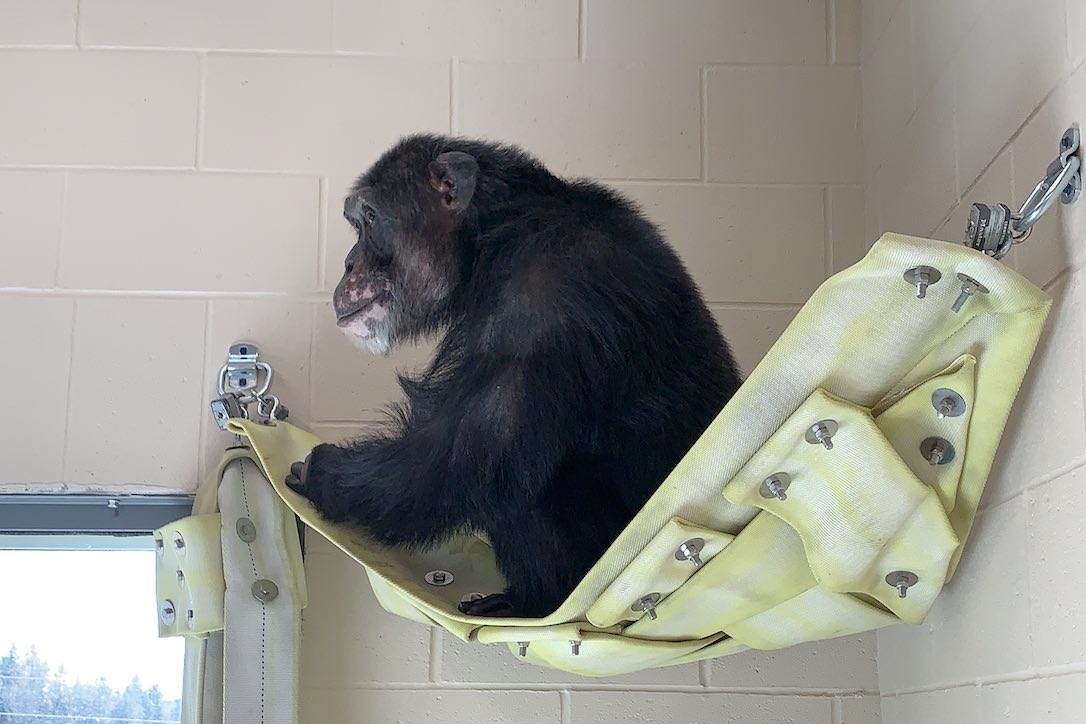
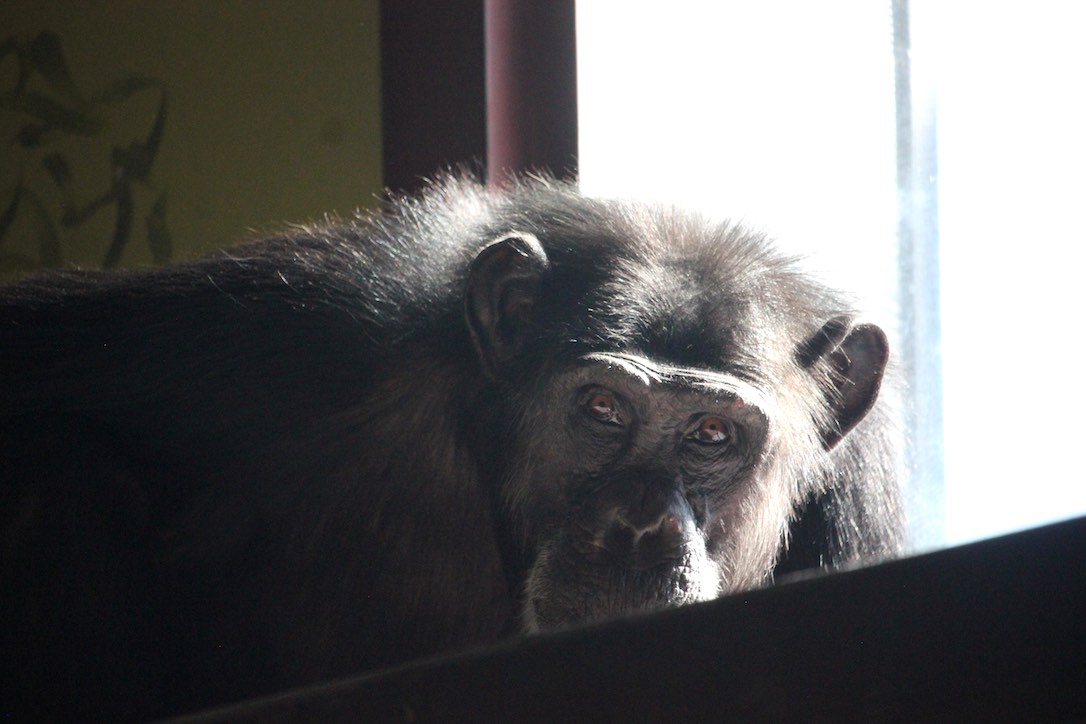
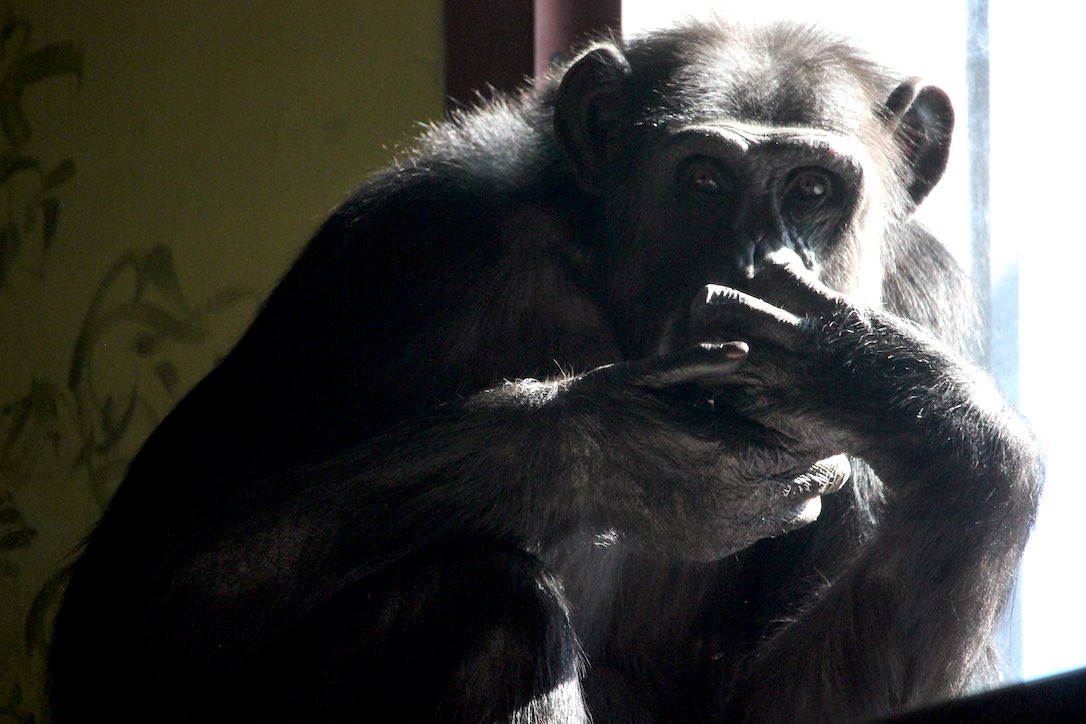
Here’s Burrito looking out some windows in Phase 1, the new part of the building where he’s currently living:

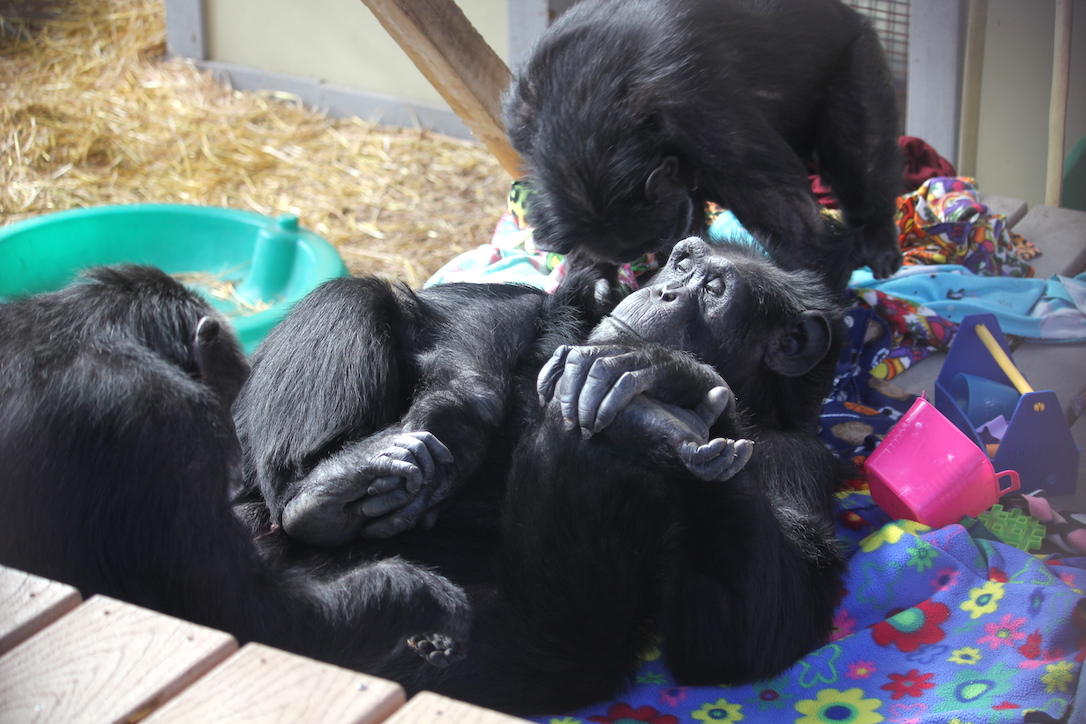
Negra, the word for “black” in Spanish, is an equally strange and sometimes awkward name. But when I think of Negra I don’t think about the word negra, I think of a somewhat grumpy chimpanzee with blankets over her head who is asking me for her night bag. Or I think of this Negra, who had some serious all-over-body bedhead on Saturday:

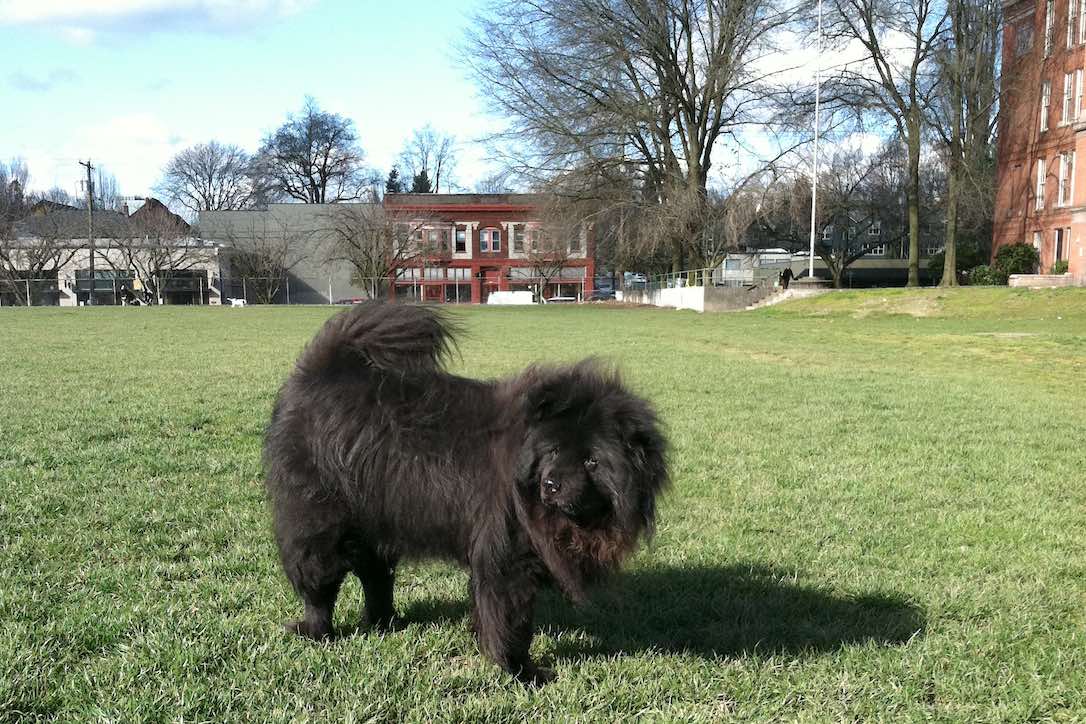
If you read my blog post a couple of days ago, you know that I had a certain connection specifically to Honey B’s name before ever meeting her, having just seen her name on a piece of paper. The dog I named Honey B after her will always remain a part of my heart. Honey B the dog somehow grew into her name almost immediately. I don’t think she had a mystical connection to the chimpanzee Honey B, but I am so glad she carried her name. Here’s a photo of Honey B the dog, in case you are curious:

Willy B, Mave, and Honey B Chimpanzee have the opportunity to create new identities at Chimpanzee Sanctuary Northwest, but I would like to honor who they are and all the people who have known them over the years by keeping the names they’ve always had. They will reveal who they are little by little and we will know them for the unique and very special chimpanzee people they have always been.

So far, even though they are still at times anxious, Jody and Missy seem to appreciate getting to know the one and only Willy B. I found them both grooming him at the same time in the greenhouse on Saturday. He doesn’t look like he’s hating this attention….

Filed Under: Burrito, Chimp histories, Honey B, Mave, Negra, Sanctuary, Willy B Tagged With: Animal Welfare, chimp, chimpanzee, chimpanzee rescue, chimpanzee retirement, chimpanzee sanctuary, Chimpanzee Sanctuary Northwest, Sanctuary

Dominance(?)

October 6, 2019 by Anthony

Among captive chimpanzees, the concept of dominance can be a bit of an enigma. As we attempt to integrate the two groups of chimpanzee residents here at the sanctuary, we are having many discussions about the dominance hierarchy. Dominance isn’t the only important thing during this stressful time, but it’s still important.

In the Merriam-Webster dictionary, the adjective dominant can be defined as:

  1. commanding, controlling, or prevailing over all others
  2. very important, powerful, or successful
  3. overlooking and commanding from a superior position

These definitions, among others, can each paint a different picture of what it means to “be dominant.” Primatologists tend to use the word in relation to social rank (i.e., where an individual fits within their group’s hierarchy in relation to other individuals). In primates and many other social animals, there is abundant research on the topic of social rank and the benefits that a high rank confers. By having more opportunities to mate and obtain resources, higher-ranking individuals tend to have a greater chance at reproducing and passing on their genetic material. In this way, traits that help an individual achieve a higher social rank can be heavily advantageous. In most primate species, males and females form separate hierarchies and compete within, not between, the sexes. although the resulting structure is often clear, the mechanisms by which dominance hierarchies develop and change are complex.

Studies of free-ranging chimpanzees (e.g., Dr. Jane Goodall’s) have revealed that males and females have somewhat separate social hierarchies. Generally, adult males vie for higher rank using a combination of physical aggression, explosive displays and tactful cooperation. Adult females develop higher rank through experience and tenure. The lowest of the adult males is still usually higher than the highest female. In a community of chimps, males seem to figure out their place in the social hierarchy during adolescence.

Dominance isn’t everything though. A chimpanzee who has a dominant personality may be deficient in other aspects. There’s another component of social rank, perhaps best described as leadership, that seems to affect how long a chimp can hold the rank of alpha after climbing their way to the top. Without an ability to gain the trust of others and manage friendships, a quick, brutal ascension may result in a tragic end. Deposed alpha males can be killed or driven out by their former peers. (For more on this topic, I recommend the fascinating talk by author and primatologist Dr. Frans de Waal.)

If chimps always fought each other in peer-to-peer physical combat, dominance would be easier to study. However, chimpanzees have many ways of diffusing tension and avoiding conflict. They often do this by communicating with one another, thereby establishing boundaries and outlining expectations for how their relationships are going to be in the near future.

Instead of focusing on rare acts of violence, scientists can usually infer social rank by observing pant-grunts. A pant-grunt is a guttural vocalization, often accompanied by an exaggerated bow and/or submissive hand gesture, that is specifically directed from a subordinate towards a perceived superior. It’s a conspicuous overture and leaves little room for debate. When a mother chimpanzee pant-grunts at an adult male, her dependent infant will sometimes pant-grunt in synchrony while clinging to her belly. When a former alpha male concedes that he has lost his position to a rival male, the passing of the torch is usually marked by a conciliatory pant-grunt. Although chimps have numerous cultural traditions that vary between populations, pant-grunts can be heard in almost every chimpanzee social group, captive or otherwise.

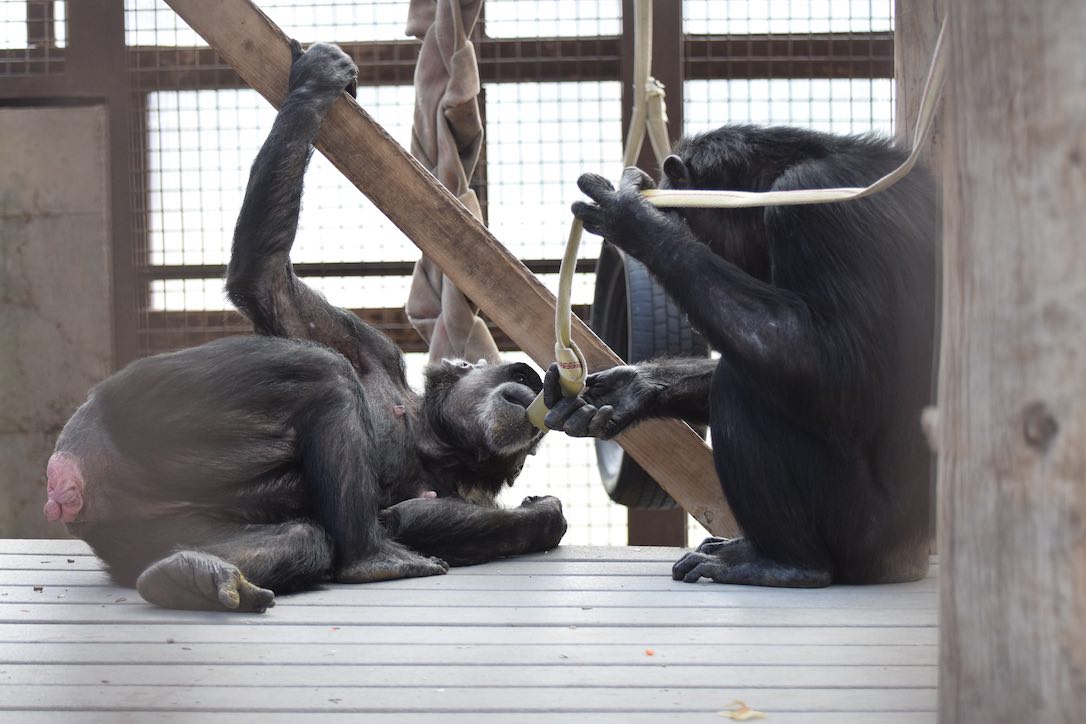
Willy B watches another interaction while eating his own food

The Cle Elum Seven are no different. Burrito, although he lacks a dominant personality and seems uninterested in leadership, sporadically receives pant-grunts from the females (even Jamie). Pant-grunts between the six females are rare, although I sometimes see Negra receive them from her peers. Aside from Negra, who generally avoids drama, we usually infer that Jamie is the most dominant female based on her aggressive demeanor and possessiveness. When a situation gets hairy, Jamie’s side is usually the side to be on. Like Burrito, though, Jamie appears to be a poor leader. As Jake’s study of their dominance hierarchy indicated, Jamie’s excessive dominance and unusual social behavior may actually prevent her from being a good leader.

Negra peruses a magazine for peanut butter smears

Rather than constantly beating back rivals and taking their food, an effective leader quashes conflicts before they start and often allows minor transgressions to slide. For example, when the new three arrived, Willy B showed tolerance and tenderness towards his female companions. They, in turn, groomed and acknowledged him. That’s why, as J.B. has often said, we’re hoping that Willy B will step up to be a good alpha, thus providing some stability. So far, Willy B has not revealed himself to be a tyrant or a bully, so he may be the keystone individual that CSNW needs to have a cohesive, stable chimpanzee community.

Mave grooms Willy B the day after their arrival.

With Jody, Annie and Missy now in a state of cohabitation with the new three, they have all been cautious and submissive towards Willy B. In turn, Willy has remained stoic amid all the drama. He seems to be equally interested in the new surroundings and still focuses on his favorite foods. He’s observant and reserved, but not overly reactive. All he has to do is sit there and the females will pant-grunt at him anyway. Of course, it sometimes helps to acknowledge their efforts, but he certainly doesn’t over-do it.

Willy B investigates the Greenhouse

Somewhat surprisingly, the other females have also been submissive towards Mave. It’s possible that, in the absence of fellow males, Mave has evolved into Willy’s biggest supporter. She is definitely playing a peacekeeper role, and may be helping Willy B to keep his alpha status. It will be interesting to see whether Burrito and Jamie, who are both relatively dominant, recognize Willy as their leader. There may be some drama before we get to that point, but the goal is to give the chimps what they need to form a sustainable and healthy social group.

Willy B (male, left) and Mave (female, right)
Mave
During a sweet moment, Honey B gingerly places the end of a firehose vine in Jody’s mouth. Two two seem to view each other as peers and have been exchanging frequent overtures

Filed Under: Chimpanzee Behavior, Fights, Free-living chimps, Grooming, Introductions, Introductions, Mave, Sanctuary, Willy B Tagged With: animal behavior, Animal Welfare, chimp, chimp sanctuary, chimpanzee, chimpanzee retirement, chimpanzee sanctuary, Chimpanzee Sanctuary Northwest, chimpanzees, dominance, dominance hierarchy, primatology, Sanctuary, social behavior, social rank

An Unlikely Story About Honey B

October 5, 2019 by Diana

This is a story I first told at our gala in June. Though now it has a very exciting ending or maybe more of a beginning of an ending. It’s a lot of words… feel free to skim and skip down to the photos of Honey B I took today.

PREFACE

I don’t myself believe in fate, but I could see how this tale might be interesting for those who do believe in predestination.

CHAPTER ONE

The story begins when I was working at a sanctuary called the Fauna Foundation in Quebec, Canada. The fifteen chimpanzees that I worked with at Fauna had all been used in biomedical testing at a laboratory called LEMSIP in upstate New York. When LEMSIP was closing in the late 1990s, there was a scramble, led by LEMSIP’s head veterinarian, to get the chimpanzees into sanctuaries instead of being shipped to the Coulston Foundation, a laboratory in New Mexico that was ill-regarded even within the laboratory community and had amassed numerous animal welfare violations.

The sanctuary world was very small at that time and there were not many places for chimpanzees. Gloria Grow, founder of the Fauna Foundation, had never cared for chimpanzees before, but she had a sanctuary for wayward farmed animals and she wanted to do something more.

A former LEMSIP employee had given Gloria a list from 1993 of all of the chimpanzees who lived at LEMSIP. We would pour over that list, looking for relatives of the 15 chimpanzees who arrived at Fauna in 1996. She helped to identify where some of the other chimpanzees went, whether to other sanctuaries or to Coulston.

Over the course of the three years I worked at Fauna, I spent hours looking at that list with Gloria’s handwritten notes on it. I wondered about the personalities behind all of those names. I wondered if they were okay.

I don’t know why, but some of the names just stuck with me. Honey B was one of the names on that list.

I had heard that Honey B was the half sister of Jethro, a large adolescent guy at Fauna who loved to play chase. I knew that Jethro, Honey B, and another chimpanzee at Fauna, Binky, had all been together in the “nursery” at LEMSIP after they were taken from their mothers.


CHAPTER TWO

In 2005, I found myself outside of New Orleans at a shelter that was taking care of dogs and cats that had been left behind after Hurricane Katrina. This was a few years after J.B. and I left Fauna for other academic and professional adventures. We were living in upstate New York at the time, and there was no way (well, maybe there was a small way) I was planning on bringing home a dog to our peaceful feline household.

But a dog at the shelter adopted me and her owners did not want her back. She was not the dog I would have chosen if I had been deliberately searching for a pup. She chased cats and didn’t want anything to do with other dogs, or other people for that matter. But she decided I was her person, and I accepted this without questioning it for very long. I broke the news to J.B. over the phone and he also didn’t question it.

Now, we needed a name for her. The name that I landed on was Honey B. Not Honey Bee, though I’m sure that’s what most people thought of when I mentioned her name. No, this somewhat surly Chow Chow from Louisiana that was my new best friend was named after a chimpanzee I had never met.


CHAPTER THREE

Honey B the dog, J.B., me, and our three cats (Cuba, LouLou, and Peanut) moved from our Victorian house in upstate New York to work at Chimpanzee Sanctuary Northwest in 2008, just a month before Annie, Missy, Jody, Jamie, Foxie, Burrito, and Negra arrived from Buckshire, the laboratory holding facility where they had lived for decades. Buckshire leased out the chimpanzees they owned to different laboratories, including LEMSIP before it closed down.

Buckshire provided us with some of the medical records of the seven chimpanzees who now called Chimpanzee Sanctuary Northwest and Cle Elum, Washington their home. I was looking through Missy’s record, and lo and behold, I discovered that she was the mother of the chimpanzee Honey B! I dug up the old LEMSIP list that for some reason I had moved with me from Quebec to Massachusetts to New York to Washington and confirmed this information.

I thought, “what are the odds of that?!”

Honey B the dog didn’t pay much attention to the chimpanzees, but after the chimps’ two-acre outdoor area, Young’s Hill, was built, J.B. and I would take her on walks around the outside of the perimeter fence. Despite her lack of affection for more than a few (okay, two) people, she was a really easygoing dog in a lot of ways and didn’t need to be on a leash. Every once in a while, she and Missy would run down the hill on opposite sides of the fence together.


CHAPTER FOUR

In May of this year, I learned that the chimpanzees at Wildlife Waystation were in need of new homes. I knew that Honey B the chimpanzee, the daughter of Missy and the namesake to my beloved now-deceased Chow Chow, lived there. I had still never met her. Side-note: Missy’s son Josh also lives at Wildlife Waystation.

We were just wrapping up the first phase of the expansion at Chimpanzee Sanctuary Northwest, expecting to bring three or four chimpanzees in need to (hopefully) expand the chimpanzee family of seven.

After visiting Wildlife Waystation, we knew we could and needed to immediately help at least some of the chimpanzees there. J.B. and I met all of the 42 chimpanzees. They are all wonderful and deserving. Their groups vary in size, but there were only three groups of an appropriate number for us to consider bringing to CSNW. After talking to the care staff about personalities, it seemed clear that Honey B and her group mates Willy B and Mave, would have the best chance of integrating into our group of seven.

Less than three months later, J.B. and I drove down to California and returned with Honey B the chimpanzee and her two friends.

Four days ago, mother Missy and daughter Honey B touched each other for the first time after 30 years of being apart. It was clear from the records we have that Honey B was taken from Missy when she was less than a day old, and there’s no indication that they recognize they are related, but we hope there’s a chance they will become friends.

Left to right: Honey B, Missy, Annie

Filed Under: Honey B, Introductions, Missy, Sanctuary Tagged With: animal sanctuary, biomedical research, chimp, chimpanzee, Honey B, rescue, Sanctuary, shelter, wildlife waystation

Progress

October 4, 2019 by J.B.

Have I told you how much I like Mave?

Today, as I was cleaning, I watched Honey B and Annie start to play. At this point in the process we are thrilled when previously unfamiliar chimps engage in play, but this made my heart stop. Annie is extremely insecure and she has a tendency to overreact at the slightest provocation, real or imagined. Long-time blog readers may remember some early difficulties between Annie and Foxie for just this reason. Honey B, on the other hand, is very confident – so confident, in fact, that she doesn’t bother to think about how others might perceive her actions. Add to the mix the fact that she shows her top teeth when playing and has already gone out of her way to assert her dominance over Annie already and you could see where this was going to end up. The game turned from a slow-motion chase to a raucous tickle fight, and before long Honey B had wrestled Annie into a corner.

We have a policy of not interacting with the chimps during critical periods of the introduction process because the chimps may see us as a source of support when in fact we are of no help at all on the other side of the caging if and when things go south. But as I watched Honey B hover over Annie, I involuntarily whispered, “OK, Honey B, that’s enough,” perhaps hoping that if I just put it out there into the universe it would manifest. And at that moment, Mave walked all the way across the room and wiggled her way between the two without engaging either. Mave plays everything close to the vest, and she made it appear as if she had somewhere to be and was just shuffling though. But I know that she saw the train wreck coming, too.

That kind of social intelligence is invaluable for this group right now. And when it comes wrapped in a such a big, fuzzy package, how can you not fall in love?

OK, enough about Mave (for now).

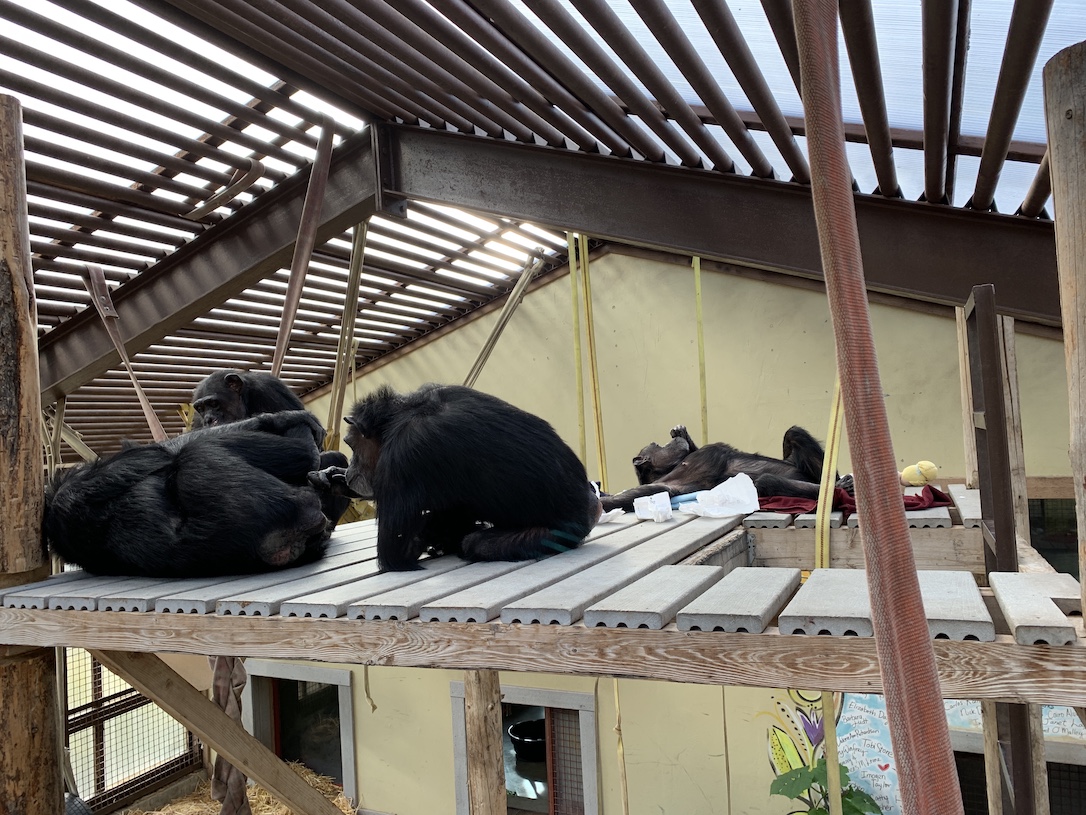
We saw a lot of progress today. There were fewer arguments and no injuries. And the arguments they did have seemed less related to interpersonal dominance struggles and more to do with overall anxiety and misinterpreted behavior. Just as importantly, we saw a lot of affiliative interactions. Chimps from different families reassured each other during moments of tension. Missy and Annie even spent some time grooming Willy B in the greenhouse.

The girls are both scared of and awed by him and they greet him with elaborate submissive gestures. He has largely avoided them but he is beginning to accept their submission more readily. He even went out of his way to groom Jody this afternoon (until Annie started screaming).

The group has been getting more comfortable at mealtime, which requires them to be in closer proximity with the potential for competition over food, though we definitely bring enough for everyone. Jody seemed pleased to get a spot next to the big man at lunch.

The big man, however, is a little more focused on food right now.

Overall, the new three seem to be incredibly comfortable while Missy, Annie, and to some extent Jody, continue to show signs of anxiety. And that’s understandable – they have been separated from many of the chimps that they have always relied on for support. Missy is always Jamie’s Number 2 and Annie always relies on Missy’s steadiness when things get tough. Now that we’ve tinkered with the group, the dynamics have changed.

But this was done to protect Honey B, Willy B, and Mave and so far it seems like a wise choice. That’s the thing about introductions, though – you can always make a plausible argument for doing it differently. Should chimps meet one-on-one or in groups? Should they first spend time with each other separated by mesh or does that only lead to frustration? Should introductions be done over the course of a week or over six months to a year? Should dominant chimps be integrated first, last, or in the middle? Should overly anxious chimps be medicated to help calm them? How severe does an injury need to be to stop the process? While there is some science to inform our decisions, there are simply too many facility designs and too many chimpanzee personalities in this world to be able to rely on a formula.

So we’ll continue to take this one day at a time and rely on Mave to lead the way.

Filed Under: Intelligence, Introductions, Introductions Tagged With: chimpanzee, intelligence, introductions, northwest, rescue, Sanctuary

First meeting

October 3, 2019 by J.B.

Our efforts to integrate Willy B, Honey B, and Mave into the Cle Elum Seven family began yesterday by introducing them to Missy, Annie, and Jody. The day included a couple scrapes and bruises and a lot of frayed nerves (both humans and chimpanzees), but overall it was a success.

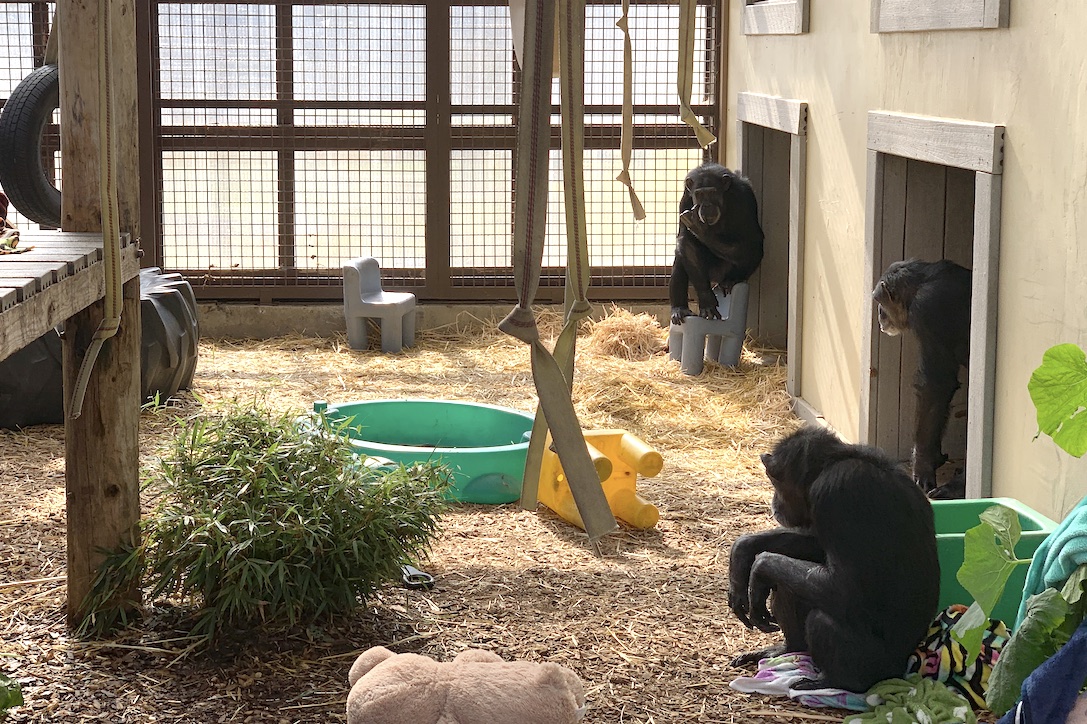
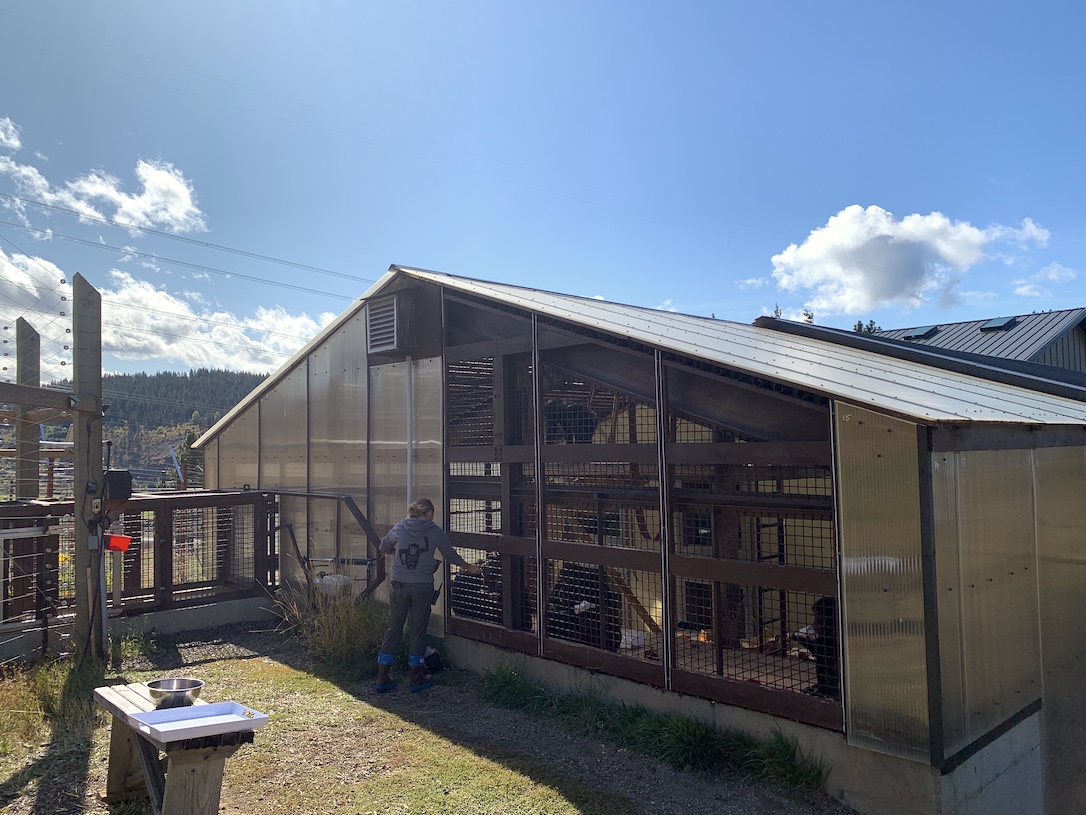
The first challenge was moving all the chimps to where they needed to be to make this work. Thankfully everyone cooperated. Burrito, Jamie, and Foxie are now living in the new Phase 1 building and Negra is in the Front Rooms of the old building awaiting her turn to be integrated. As they get to know each other better, the new group of six will live in the Playroom and Greenhouse.

Here’s what we’ve seen so far from the new folks: Willy B, while dominant, is a hands-off kind of guy, almost aloof. He doesn’t start fights but he doesn’t get involved in stopping them either. Jody, Missy, and Annie are doing their best to win him over but he is being coy. Honey B has a ton of sass…she is currently seeing how far she can push the other girls and she’s quite fearless. And Mave…I would never confess to having favorite chimps, of course, but it’s not playing favorites when someone is simply the best by all objective measures đŸ™‚ Mave is confident, friendly, and reassuring – she is the perfect bridge between the two families.

We are going to see how this group does over the next couple of days, with the hope that they will become more interactive with one another. At this time they are spending more time with their old friends than with new ones, but that will change. And Annie and Honey B have some things to work out, which they will in due time. Negra is on deck to be integrated next, if all goes well, but nothing is set in stone. As we’ve said, we will do our best to be as prepared as possible, but the chimps will lead the way.

Filed Under: Annie, Honey B, Introductions, Introductions, Jody, Mave, Missy, Willy B Tagged With: chimpanzee, integration, introductions, northwest, rescue, Sanctuary

  • « Go to Previous Page
  • Page 1
  • Interim pages omitted …
  • Page 141
  • Page 142
  • Page 143
  • Page 144
  • Page 145
  • Interim pages omitted …
  • Page 532
  • Go to Next Page »

Primary Sidebar

Subscribe To the Blog and Get Notified of New Posts First!

Archives

Calendar of Blog Posts

June 2026
S M T W T F S
 123456
78910111213
14151617181920
21222324252627
282930  
« May    

Categories

SUBSCRIBE TO OUR NEWSLETTER

Footer

PO Box 952
Cle Elum, WA 98922
[email protected]
509-699-0728
501c3 registered charity
EIN: 68-0552915

Official DDAF Grantee

Menu

  • The Chimpanzees
  • Blog
  • About Us
  • You can help
  • Resources
  • Contact
  • Donate

Proud Member of

Connect With Us

Search

Copyright © 2026 Chimpanzee Sanctuary Northwest. All Rights Reserved. Site by Vegan Web Design