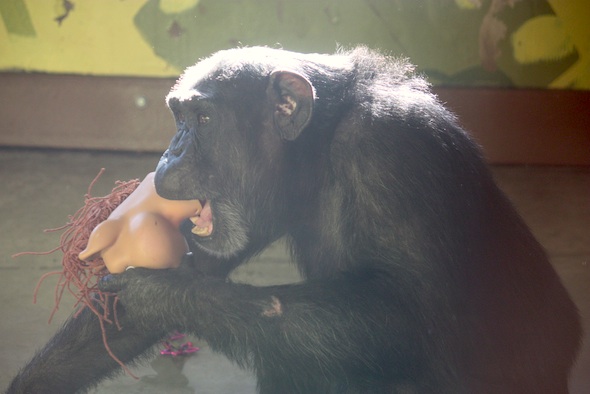
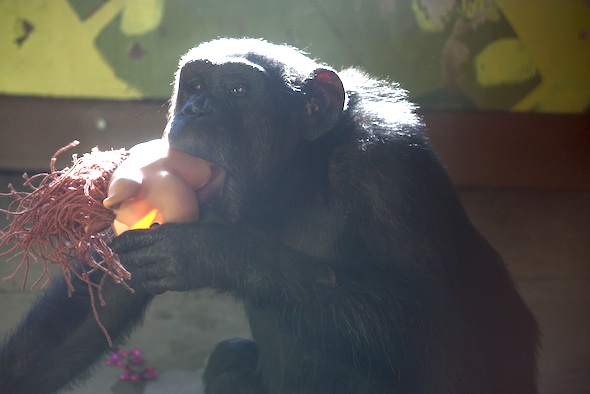
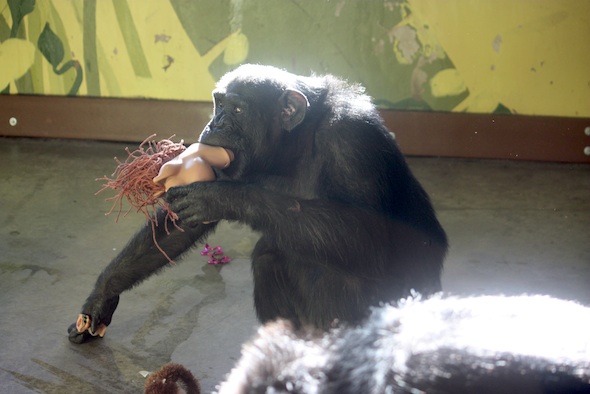
Foxie still shows the most affinity for trolls and Dora dolls, but occasionally she will try something new.
Chimpanzee Sanctuary Northwest
Hope. Love. Home. Sanctuary
Foxie still shows the most affinity for trolls and Dora dolls, but occasionally she will try something new.
The chimpanzees really love snow, which is great because it just keeps falling and they never get sick of it! Check out the newsletter that was sent out today that also includes a video of the chimps enjoying snow.
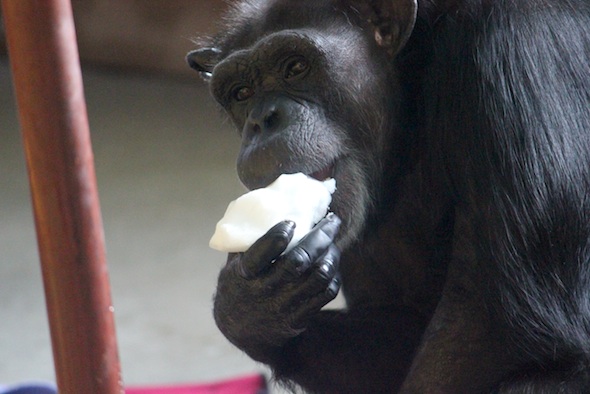
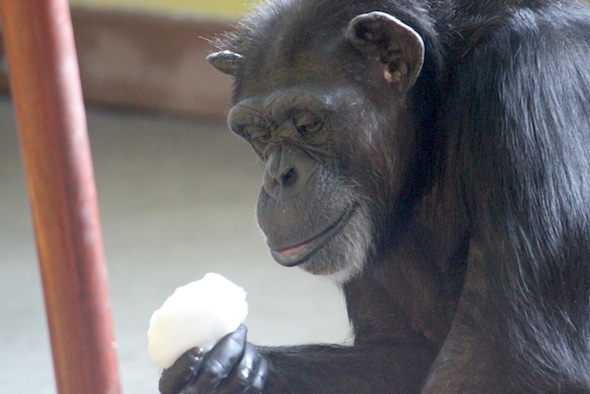
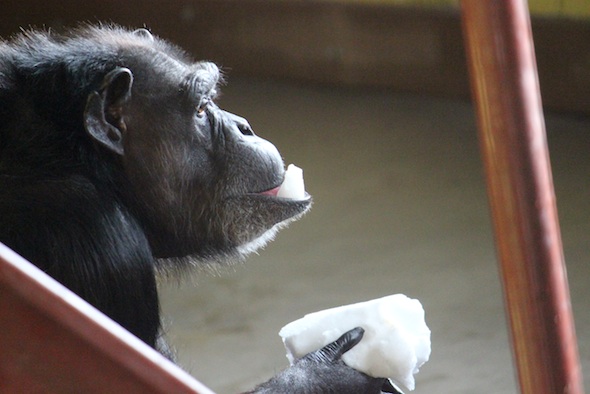
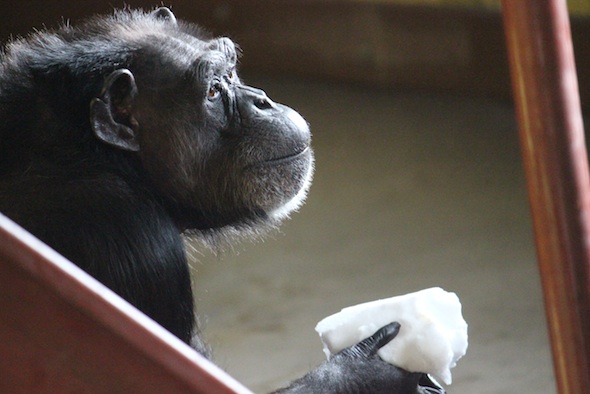
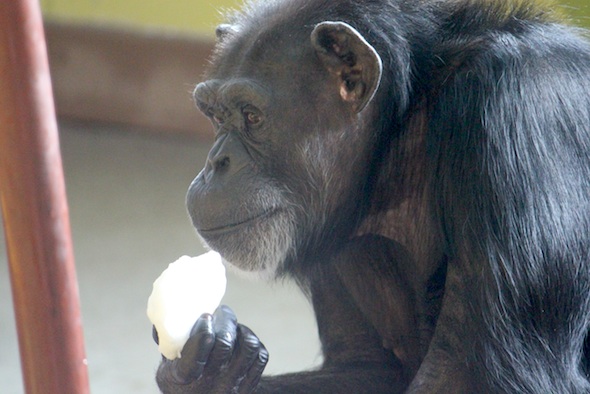
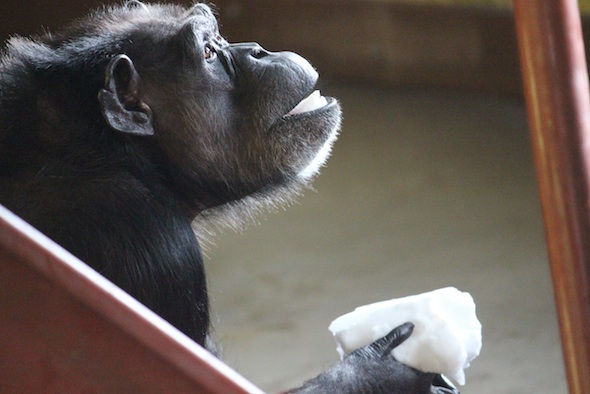
Anyway, with snow comes icicles. Today J.B. noticed that there were quite a few on the building, and the sun is out now so they are melting fast.
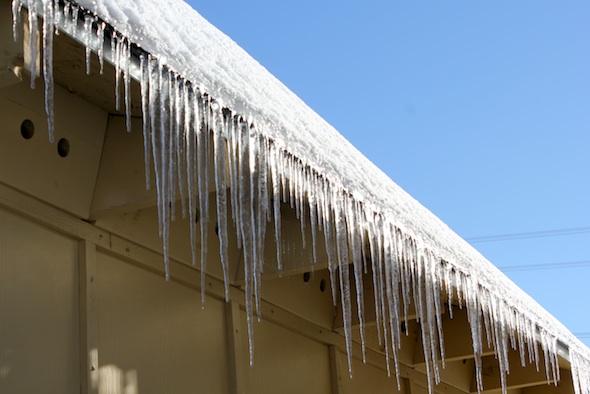
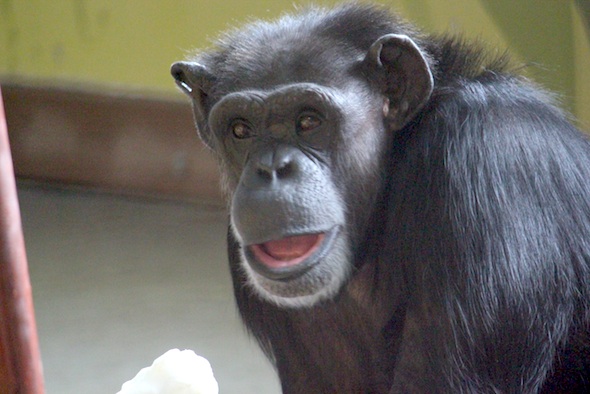
I knocked down a few and passed them out to the chimps, but found that it was pretty tricky to pass them out AND get photos before either the chimps ran off to a hard-to-see spot with their icicle, or the icicles melted. My solution: I placed some icicles delicately on the caging so the chimpanzees would have to pull them through on their own. Missy was the first to come over, and she grabbed most of them before they melted. The other chimps were happily munching away on the ones I passed out earlier.
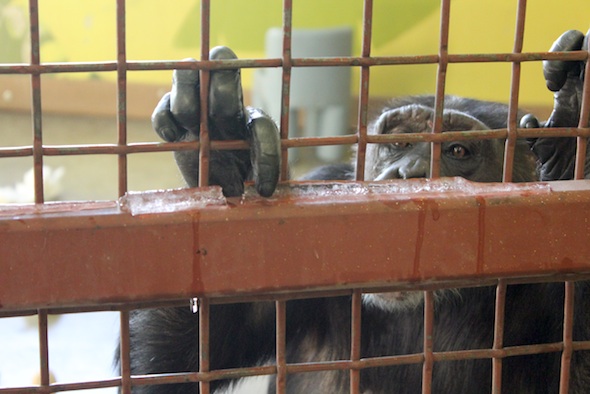
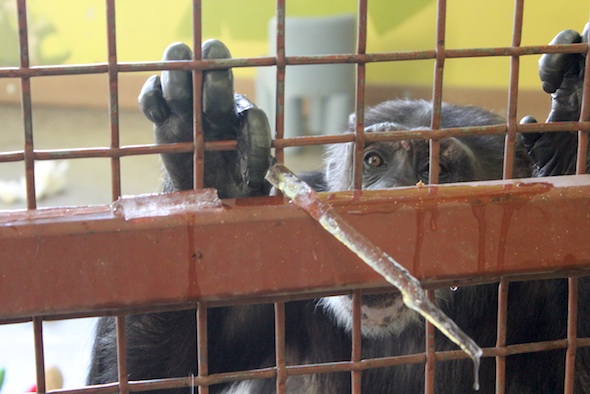
I know you can’t see her whole face in the picture below, but I just love how you can see her drooped lip, which means she’s relaxed and happy.
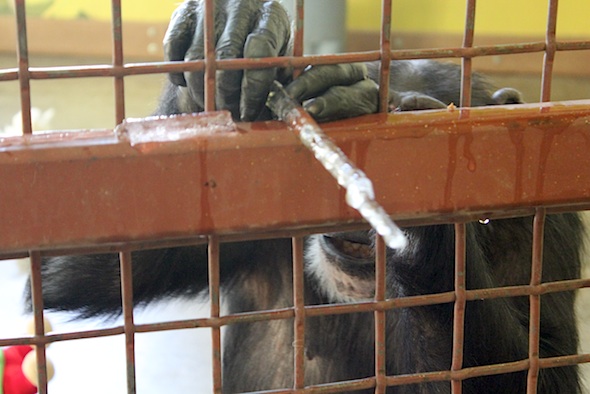
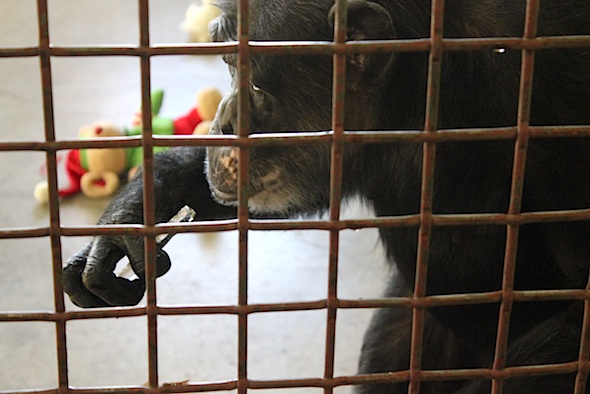
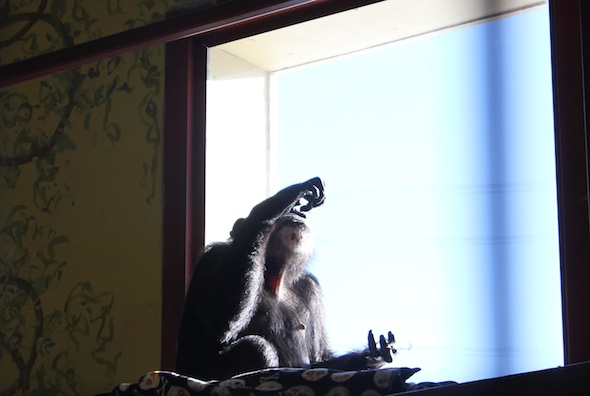
Annie loves snow:
Since Eyes on Apes has broadened its focus to include all great apes, I thought I would share some information about gorillas. There are four different sub species of gorilla: the Mountain gorilla, the Western Lowland gorilla, the Eastern Lowland gorilla (also known as the Grauer’s gorilla), and the Cross River gorilla. All sub species are endangered, but the Cross River and Mountain gorillas have the smallest populations, with numbers in just the hundreds. The Mountain gorillas are the sub species that were studied by the famed primatologist Dian Fossey, who observed gorillas in the Virunga Mountains before her tragic murder in 1985. Fossey was the Jane Goodall of the gorilla world. Recently, some good news came out of the protected areas surrounding the Mountain gorillas’ habitat: their population is rising! New census numbers reveal that populations have increased by nearly 100 gorillas since the last census, bringing the total number of Mountain gorillas to 880. This shows that the protection surrounding the forest and conservation efforts are working!
Though this is good news for one sub species of gorilla, the other three in the more lowland areas are in greater danger of human encroachment. As I mentioned in a post about the plight free-living chimpanzees, humans have logged for expensive woods in the middle of the African rainforest, creating logging roads that make it easier for hunters to kill the apes and sell their meat on the black market for the bushmeat trade. Coltan mining is another huge threat to gorilla habitat (coltan is the material used in LCD screens). The easiest way to take action for the gorillas in these areas besides donating to a conservation organization is to be a conscious consumer. Just like I mentioned with the plight of free-living orangutans, be aware of where your products you are purchasing are coming from. Recycle products with an LCD screen when you upgrade to a new device, or even if is broken – the parts can still be recycled. CSNW can even help you recycle your old cell phones!
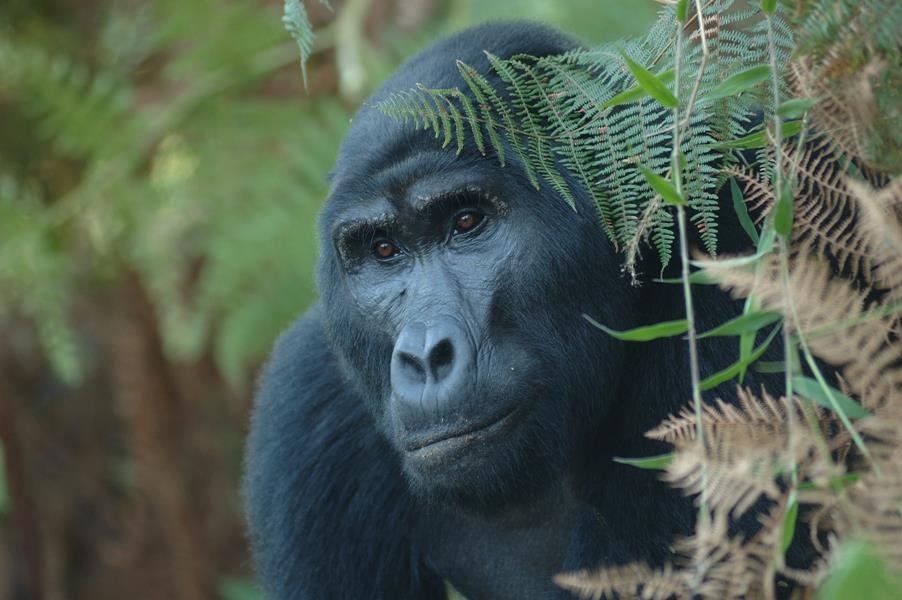
Photo courtesy of the International Gorilla Conservation Programme’s Facebook page
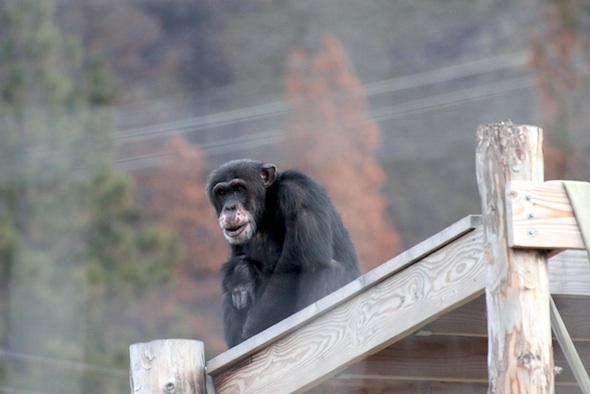
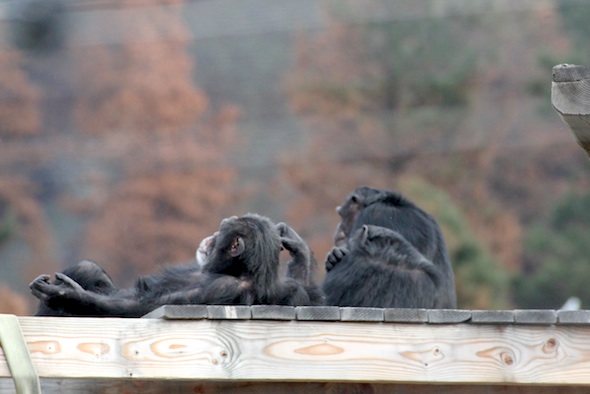
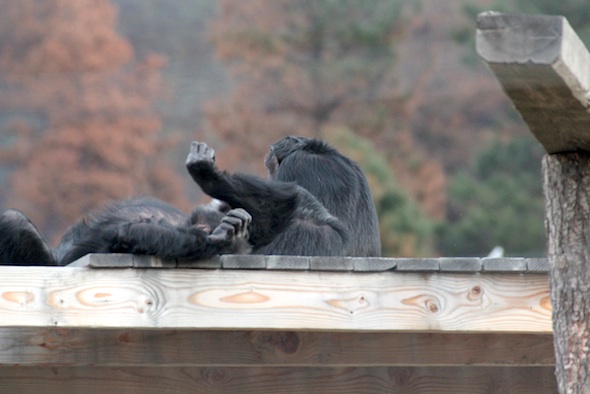
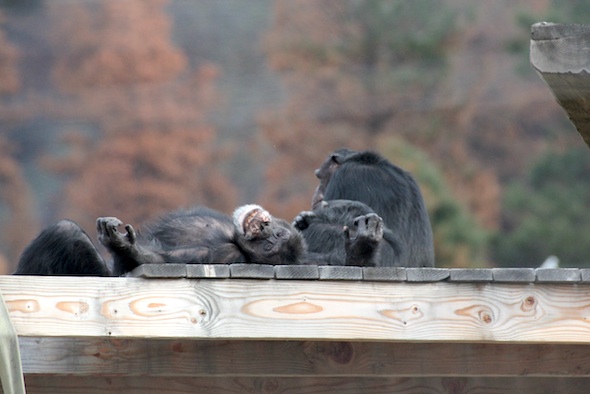
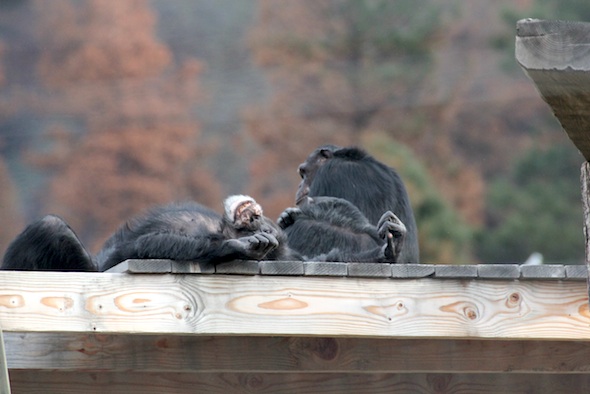
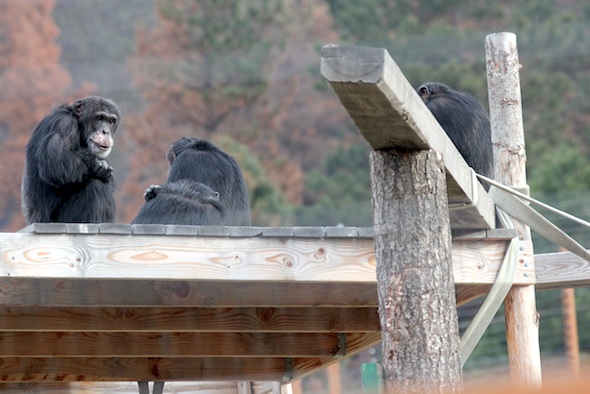
It’s snowing right now at the sanctuary, but this morning the sun was out for a bit and five of the chimps were hanging out on Young’s Hill. JB got some photos of Burrito giving himself a back massage on top of the platform:
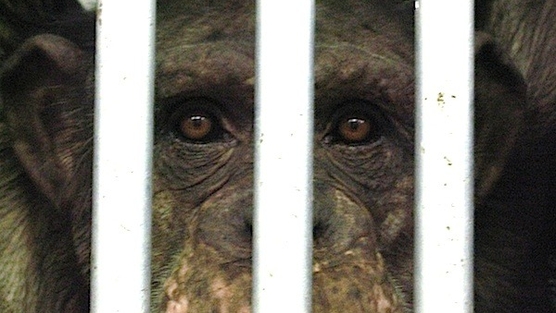
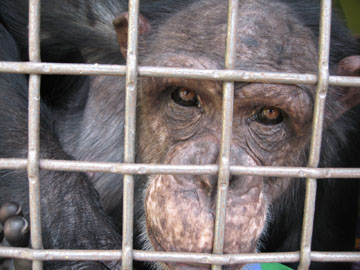
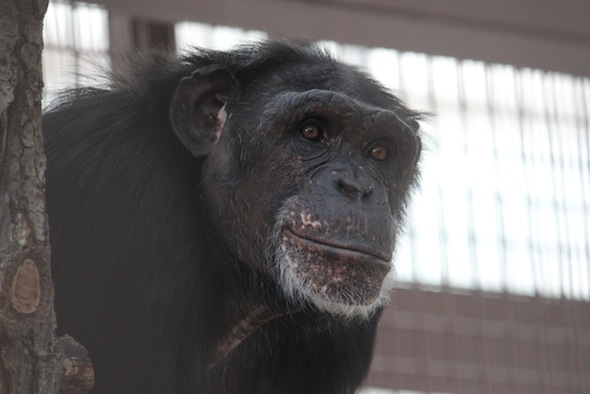
Have you signed the petition to help retire the 110 NIH chimps that are slated for relocation from New Iberia Research Center to Texas Biomedical Research Institute? Though they are no longer going to be used in any invasive research, they should be able to live out the rest of their lives in a sanctuary where they can receive lifetime quality care. Those 110 chimpanzees deserve the same retirement that the Cle Elum Seven now have after decades in labs. Something that I always find haunting are the pictures of the chimps before they came to CSNW or when they first arrived, compared to just a few months in a sanctuary and especially after a few years. Look at this before and after comparison of Jamie, who is also in the photo below. For others like her, please sign the petition and if you have already, share it with your friends!
Chimp Haven is hoping to raise funds in order to take those 110 chimpanzees. They need to add housing space and are running a drive to get donations for doing so. When you share the petition, let your family and friends also know here is how you can help build a better home for these deserving chimpanzees: The Road to Chimp Haven. Remember, every signature helps!
Recently, Converse shoes had a poster in the UK subways featuring a fear-grimacing chimpanzee. After hearing from concerned advocates, they pulled the ads! And, they agreed to never use primates in promotions again. This great news demonstrates that letter writing really is very powerful, and every letter counts.
Since your letters make a difference for our chimpanzee friends, please take a minute to write a letter to the Clark County commissioners to urge them to deny Mike Casey’s permit application to continue to house his chimps in a residential neighborhood in Las Vegas. If you have already written a letter, please share the alert! You can use the sample letter as an example, or use your own words. Be sure to emphasize that this is not only a public safety concern, but it also the right thing to do. Chimpanzees don’t belong in back yards, at birthday parties, at car dealer openings, or on film sets. Captive chimpanzees suffer in these situations, and they belong in sanctuaries that can meet their needs. They get better when they get to a sanctuary (see Jamie below for proof of that). There is sanctuary space available for these chimps.
Here are just two examples of the way chimpanzees are affected by being in Mike Casey’s life:
The hearing is tomorrow – so don’t wait, write your letter today!
And for a reminder of what sanctuary can do, take Jamie (a former “entertainer”). Here she was in June 2008, shortly after her arrival:
And here she is now:
Speak up on behalf of Jamie and all the chimpanzees out there who still need our help.