• Skip to main content
  • Skip to primary sidebar
  • Skip to footer

Chimpanzee Sanctuary Northwest

Hope. Love. Home. Sanctuary

  • Our Family
    • The Chimpanzees
    • The Cattle
  • Blog
  • About Us
    • Visiting the Sanctuary
    • Philosophy
      • FAQs
      • Mission, Vision & Goals
      • Privacy Policy
    • The Humans
      • Staff
      • Board of Directors
      • Founder
    • Annual Reports
    • The Future of CSNW
    • CSNW In The News
  • You can help
    • Donate
      • Become a Chimpanzee Pal
      • Sponsor A Day
      • Transfer Stock
      • Be A Produce Patron
      • Be a Bovine Buddy
      • Give from your IRA
      • Personalized Stones
      • Bring Them Home Campaign
    • Leave A Legacy
    • Employment Opportunities
    • Volunteer
    • See Our Wish List
    • Events
  • Resources
    • About Chimpanzees
    • Enrichment Database
    • Advocacy
      • Advocacy Action Center
      • Apes in Entertainment
        • Trainers
        • Role of the AHA
        • Greeting Cards
      • Chimpanzees as Pets
      • Roadside Zoos
      • Chimpanzees in Biomedical Research
      • Conservation
        • African Apes
        • Orangutans
  • Shop
    • Merchandise Store
  • Contact
  • DONATE NOW

Anthony

Marmot Madness (and Other Harbingers of Spring)

March 21, 2022 by Anthony

Although years, days, and seasons are observable phenomena supported by astronomical measurements, the custom of starting our calendar year in early winter seems comparatively arbitrary.

Personally, I tend to feel that western cultures missed a grand opportunity by not using the spring equinox to mark and celebrate another long journey around our star. The logistics of that switch may get a bit messy, but I would  support it symbolically… in spirit.

For one thing, spring is accompanied by the start of baseball season. That’s reason enough for me to regard it as a “new year.”

Importantly, it’s also a time of rapid transition around the sanctuary. We caregivers witness the local wildlife emerge from their winter dens (MARMOTS!), the pastures develop a tinge of green, and the chimpanzees venture outside for both recreation and reconnaissance. (Also, there are marmots.) All of these little signs gradually accumulate, day by day, until the  landscape is bursting with wildflowers and songbirds and we’ve forgotten all about the winter snowstorms.

In honor of this “new year”/equinox, I’m sharing some recent photos that feel undeniably spring-like. (Did I mention the marmots already?)
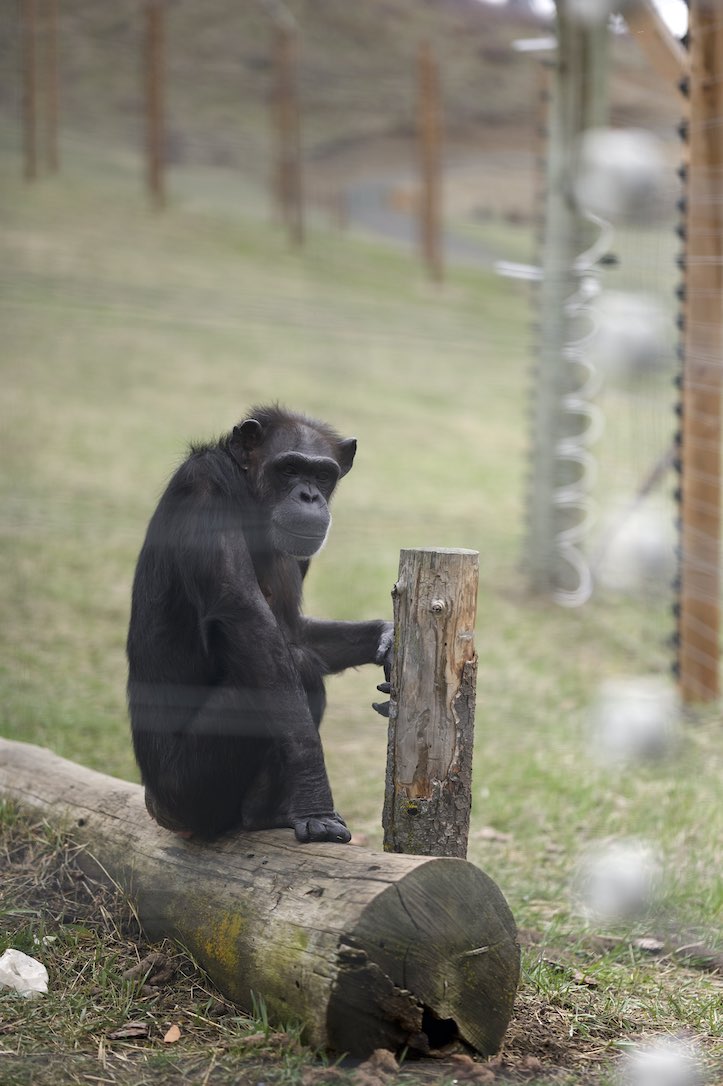
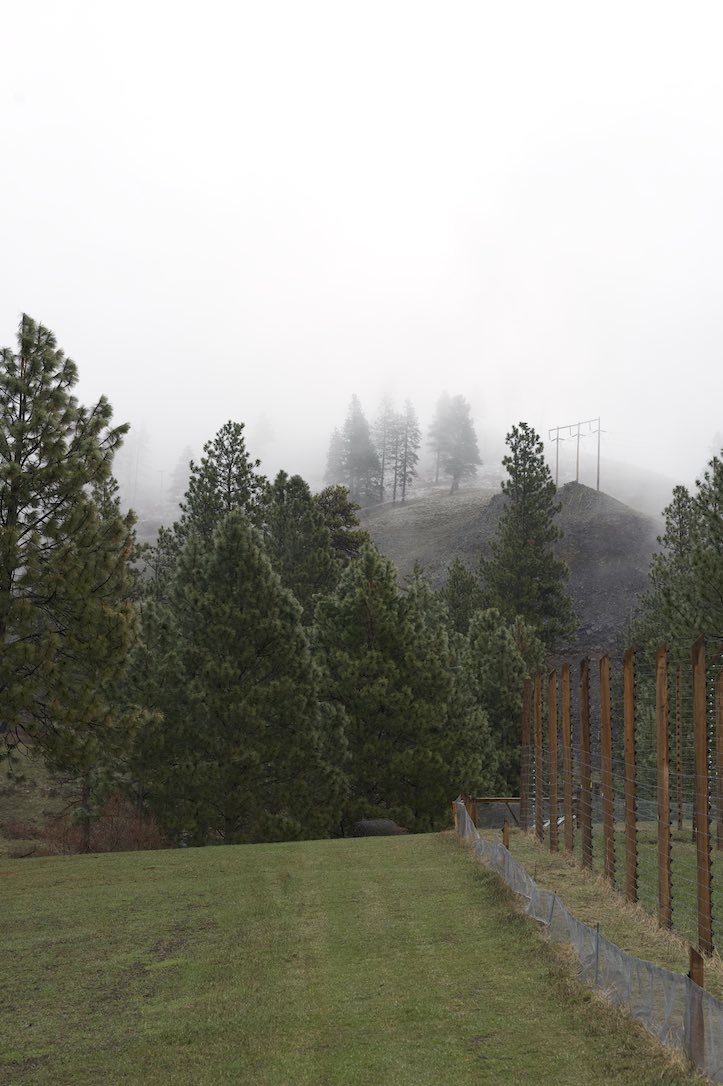
Annie surveying Young’s Hill
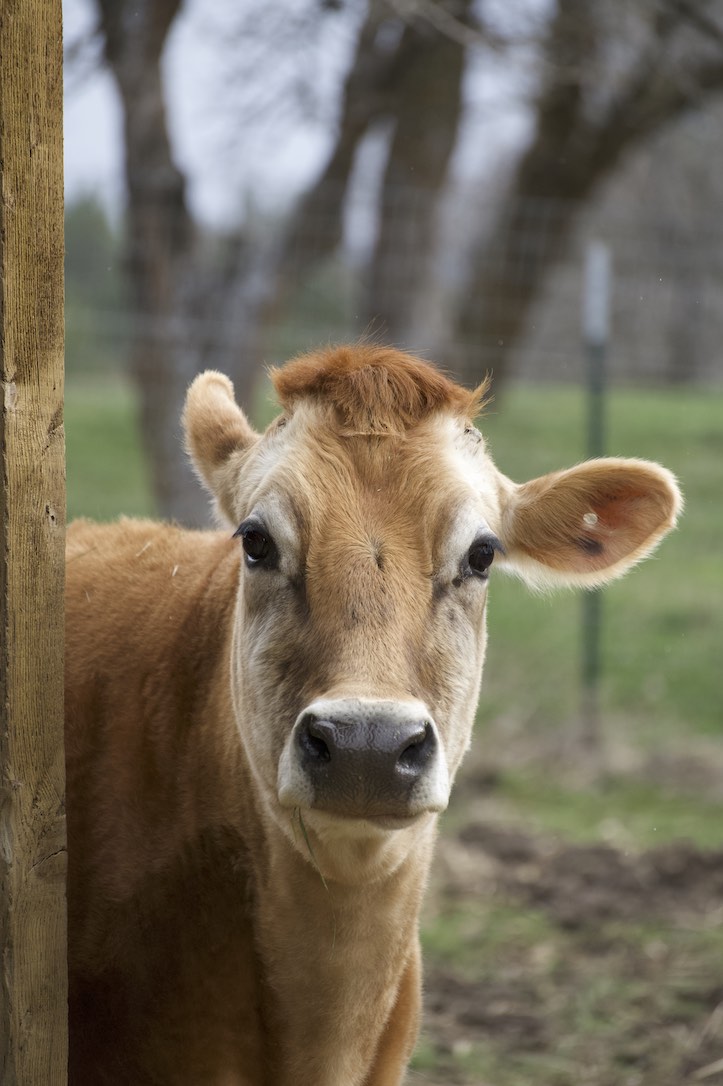
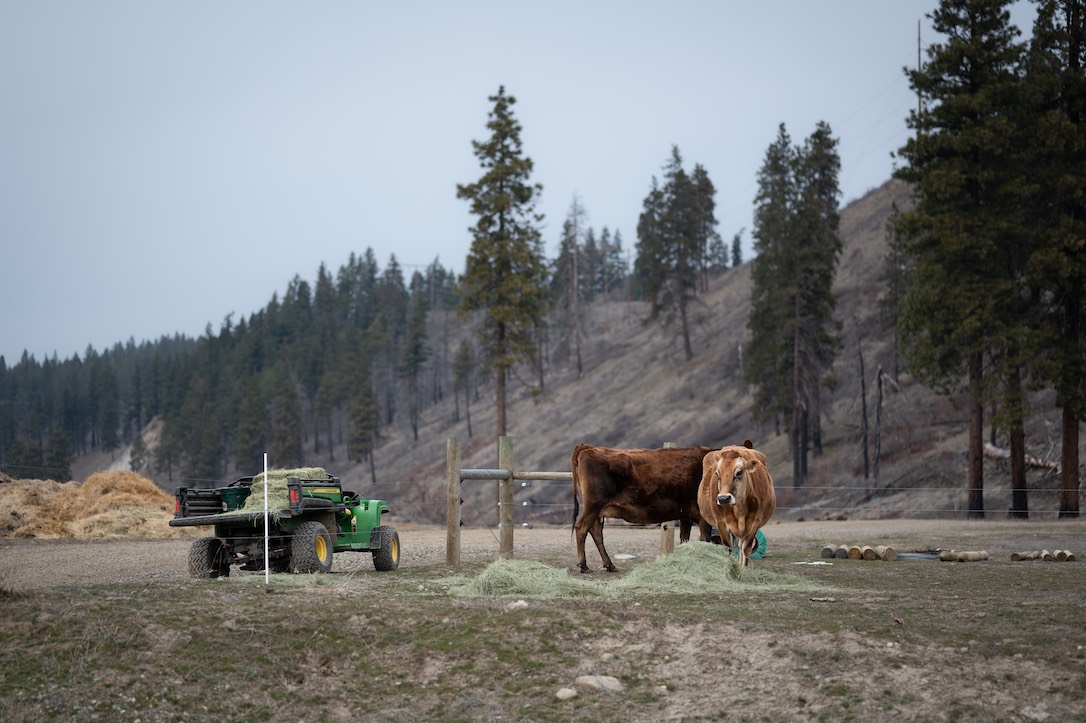
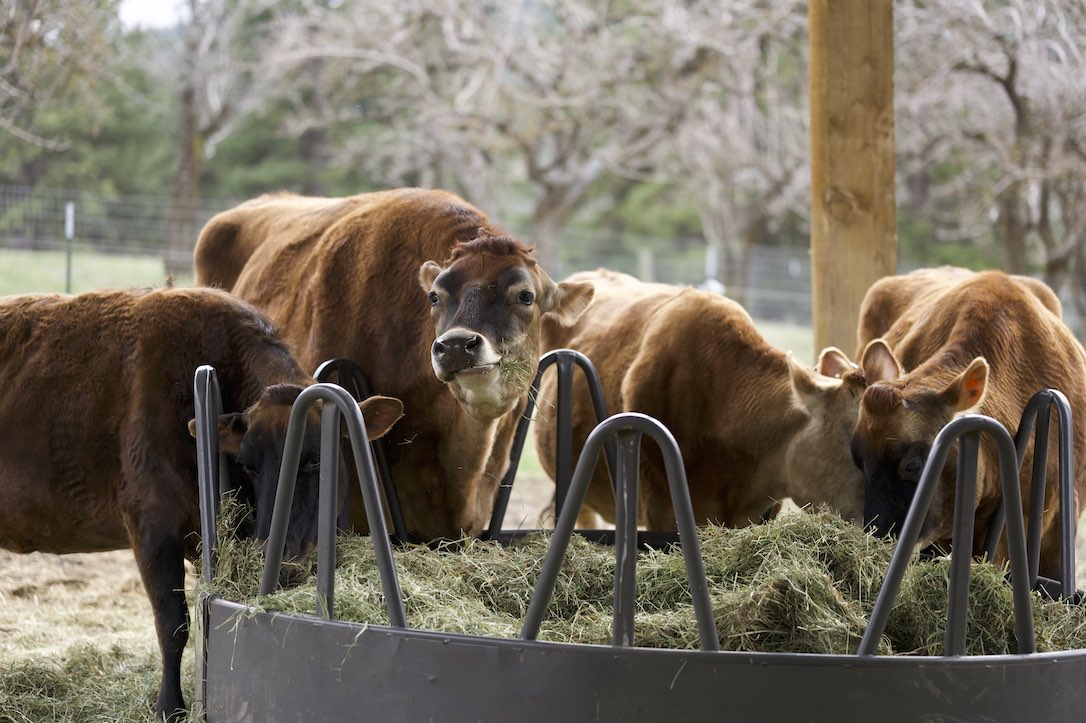
The Jersey cattle eating some fresh grass hay
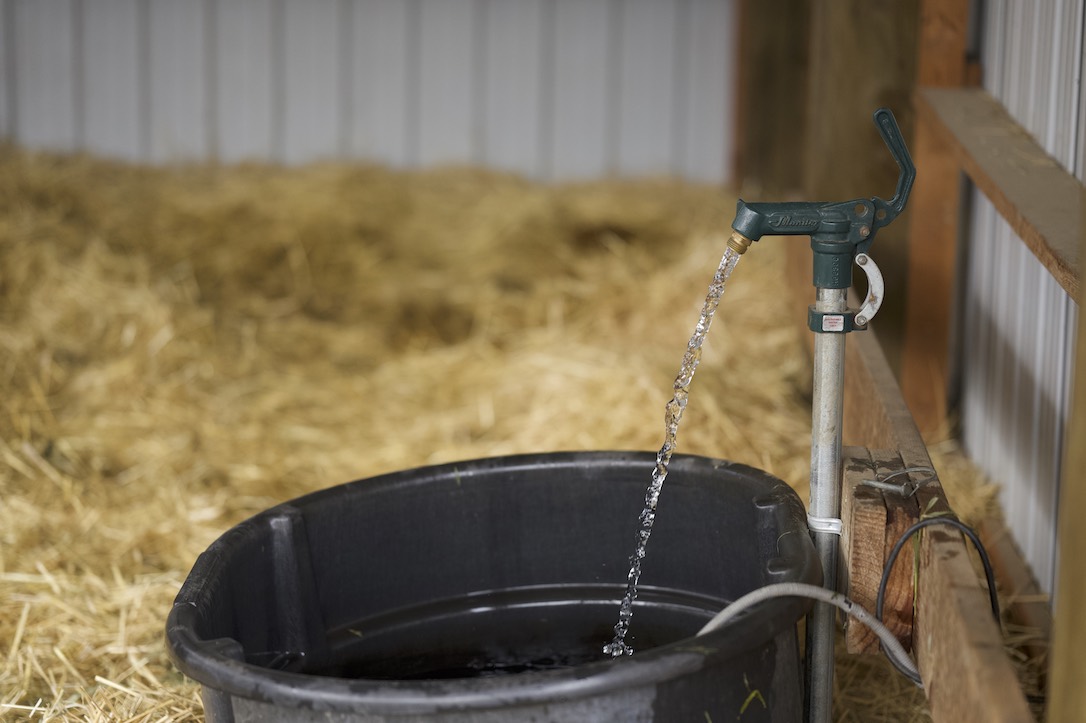
Filling up the cattle’s water trough in the winter barn
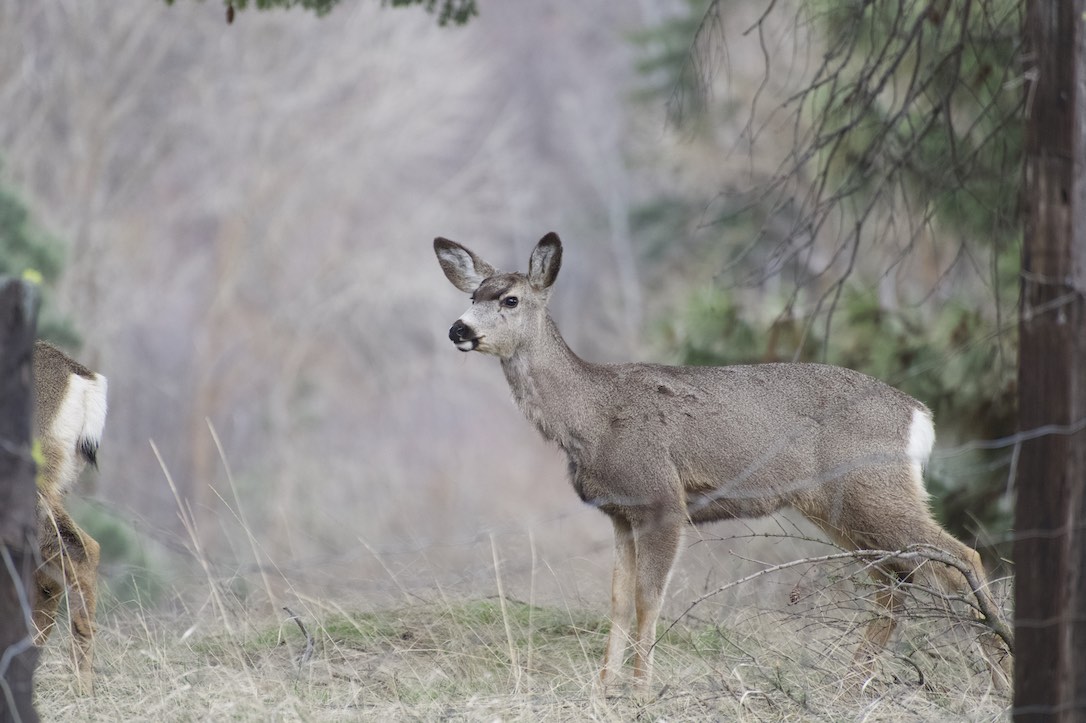
A black-tailed deer (one of last year’s fawns) beginning to shed it’s winter coat
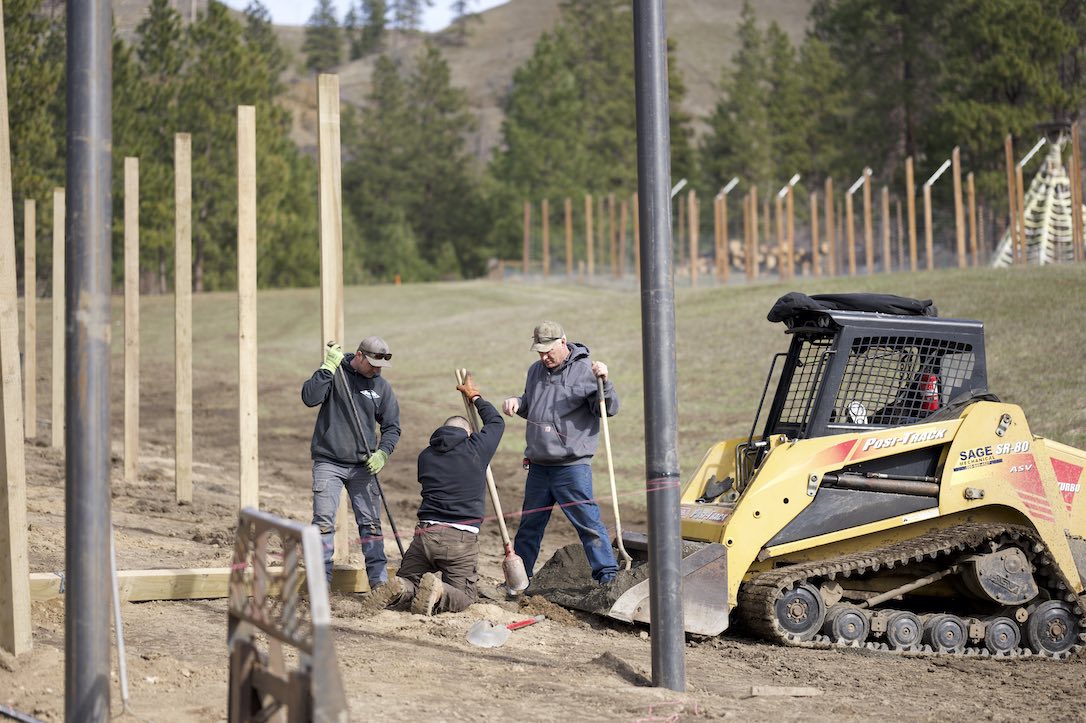
The crew from Sage Mechanical setting the fence posts for the expanded outdoor enclosures
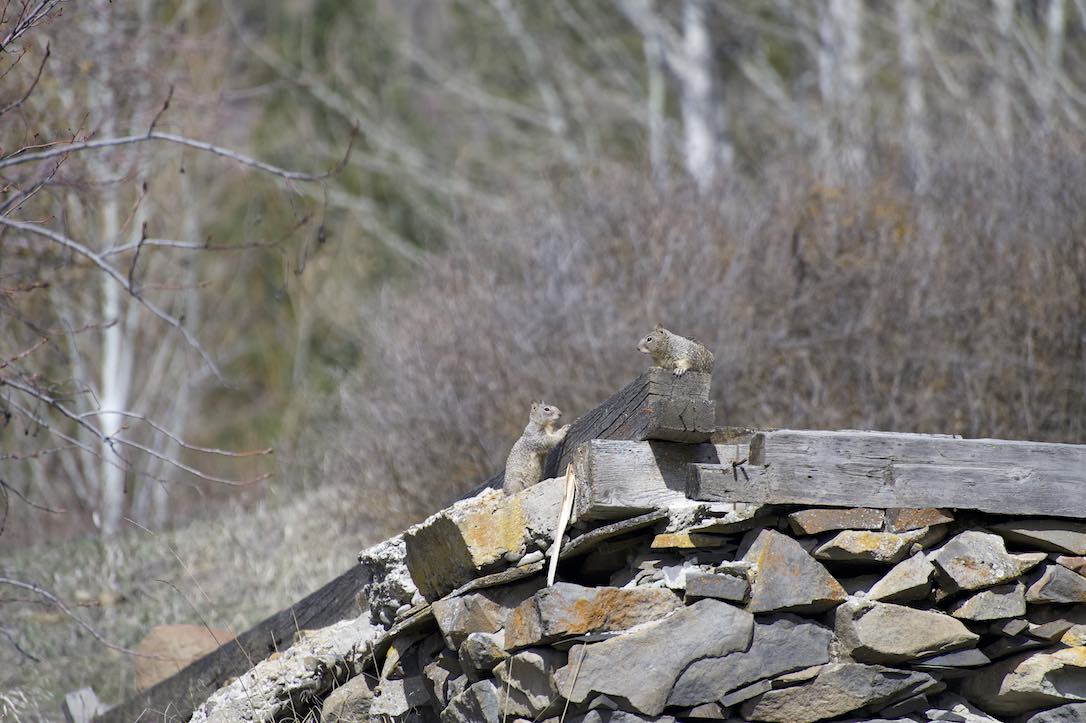
A pair of ground squirrels having a moment in the sun
Honey Cow
A yellow-bellied marmot peeking out from its brush pile
This morning’s duplicitous weather: snow above, rain below
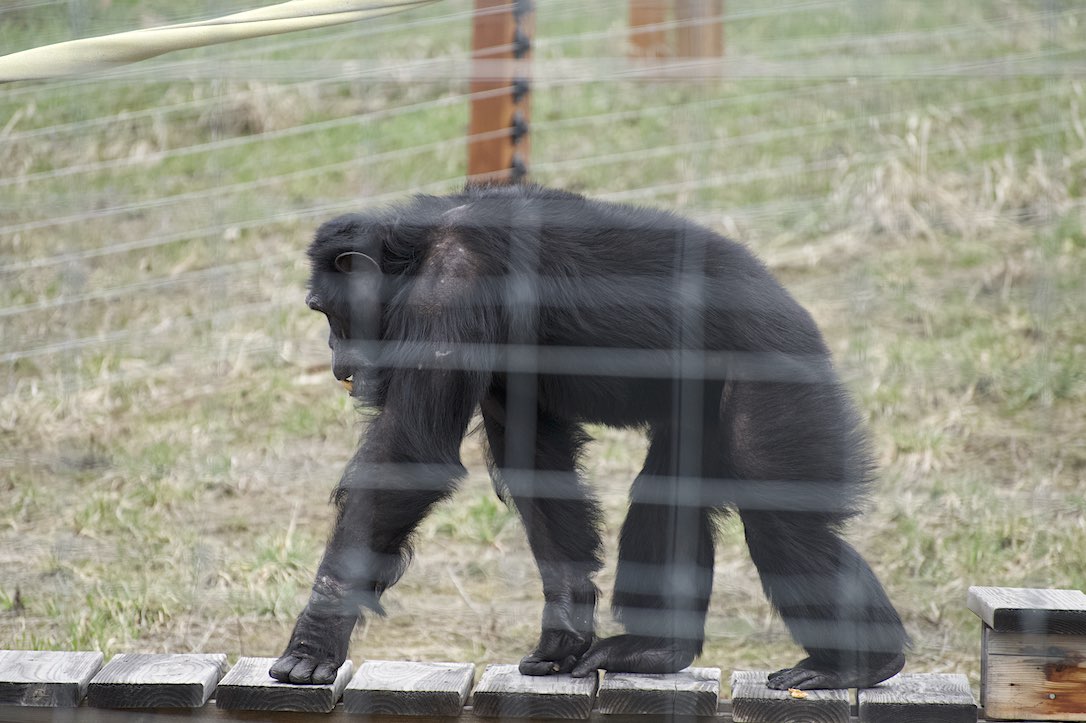
Willy B foraging for scattered nuts in the outdoor “courtyard”

Filed Under: Cattle, Construction, Courtyard, Sanctuary, Weather, Wildlife Tagged With: Animal Welfare, chimp, chimpanzee, chimpanzee sanctuary, Chimpanzee Sanctuary Northwest, chimpanzees, Cle Elum, csnw, northwest, Sanctuary

Takin’ It Beezy

March 14, 2022 by Anthony

Caregivers are racing around completing chores on this rainy Monday afternoon, so today’s blog post is absurdly simple.

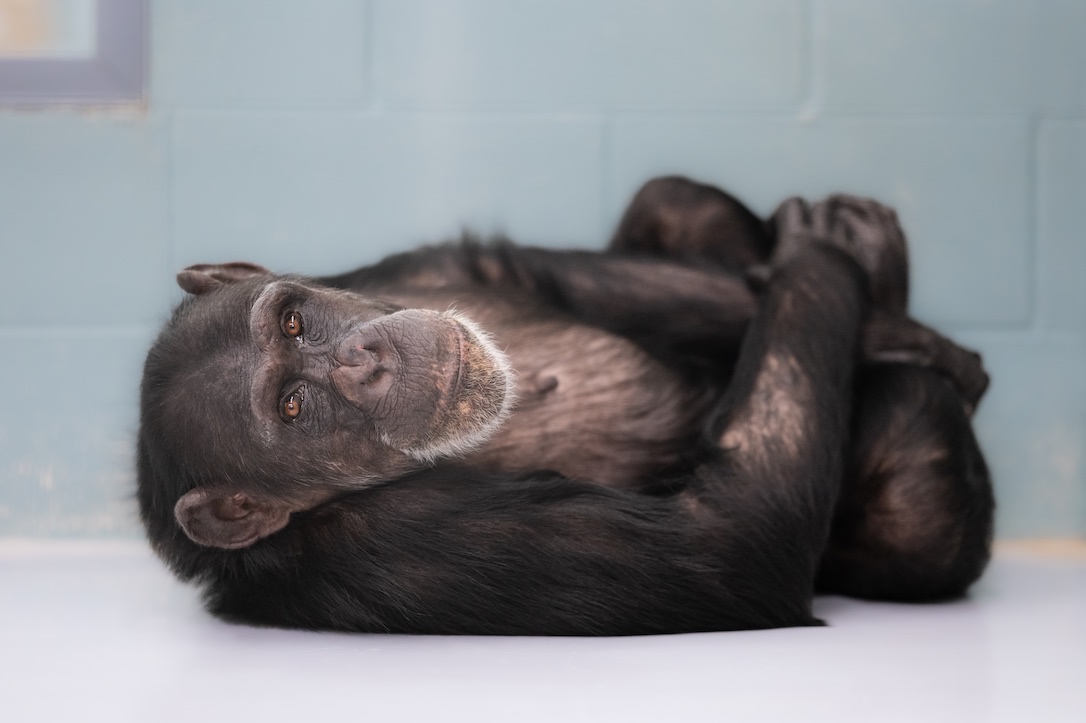
In honor of National Napping Day, here’s a portrait of Honey B lounging on the heated floor in one of the indoor enclosures.

Chad explained yesterday that the chimps have no concept of “daylight savings,” but they definitely know how to spend a gloomy, damp day like this one.

Filed Under: Caregivers, Chimpanzee, Honey B, Nesting, Weather Tagged With: Animal Welfare, chimp, chimpanzee, chimpanzee sanctuary, Chimpanzee Sanctuary Northwest, chimpanzees, csnw, Honey B, Sanctuary

Moo Beginnings

March 7, 2022 by Anthony

As Katelyn noted yesterday, it’s already beginning to feel like spring. That means a lot around here, but I doubt anyone appreciates this transition more than the sanctuary’s bovines.

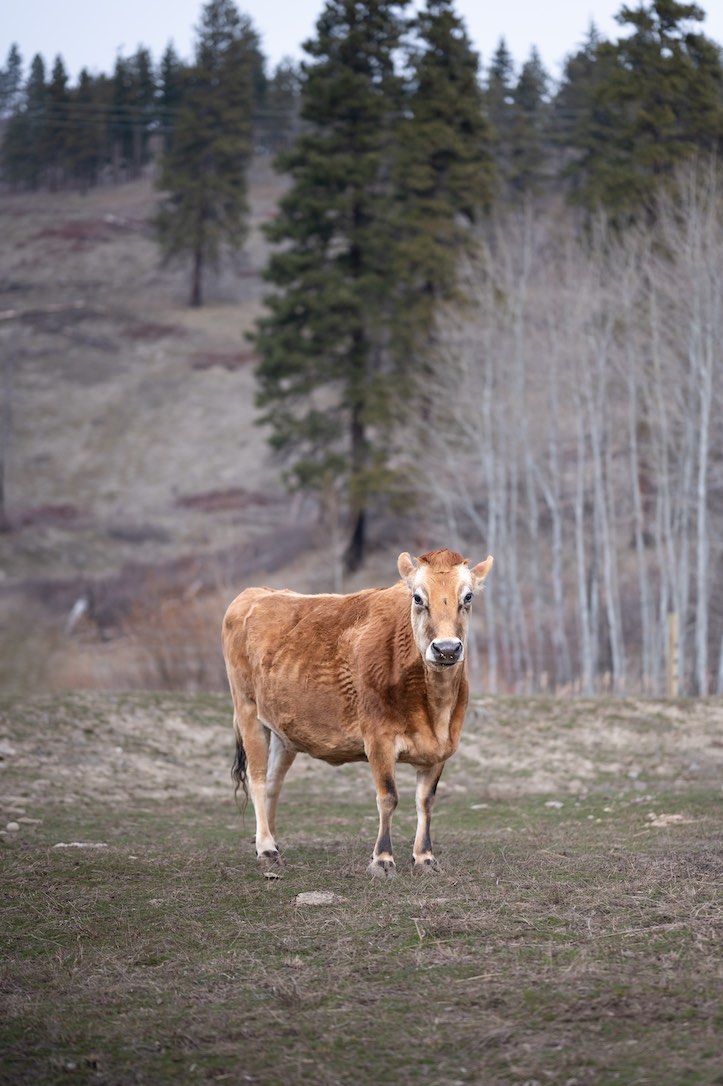
Every year, the small herd of four rescued Jersey cattle spend the winter in an enclosed paddock on the northern side of the property. This area contains their main barn (and a couple secondary shelters) where caregivers provision them with grass hay, alfalfa, water, minerals, and supplementary grain.

As the days get longer and warmer, the Moo Crew begin to spend more of their time roaming around the paddock and sunbathing. The muddy brown landscape slowly develops a tinge of lime green and the bovines venture into the creek to browse.

It won’t be until May that the pastures are mature enough to support these large herbivores. (There are several tests that we do to verify that the prairie grasses are ready.) At that time, the crew will pick a day for “The Running of the Cows“– the opening of the gateways to the larger grazing areas— and the bovines will be on their merry way to ruminant bliss.

With that being said, there is always a lot of work to be done before we can safely turn them out for the summer. First, the cattle need their annual visit from the hoof trimmer who makes sure their feet are ready for another year of strenuous trips around the hilly property. Dr. Erin also uses this as an opportunity to give them their annual vaccinations and quick physical exams.

Finally, the fencing itself usually needs a minor facelift. This task will be more difficult than ever this year due to the ongoing expansion of Young’s Hill and construction of The Bray, both of which will now occupy what was once cattle pasture. Instead, the bovines will most likely get access to the wooded farmland further up the slope which we will have to enclose with suitable electric fencing.

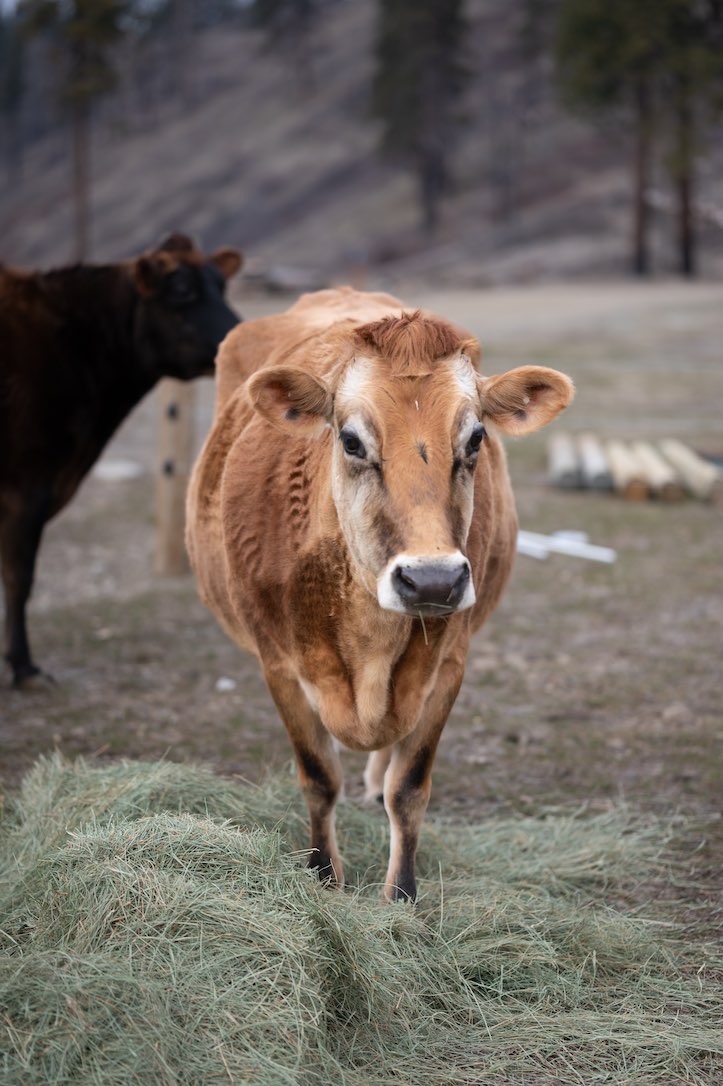
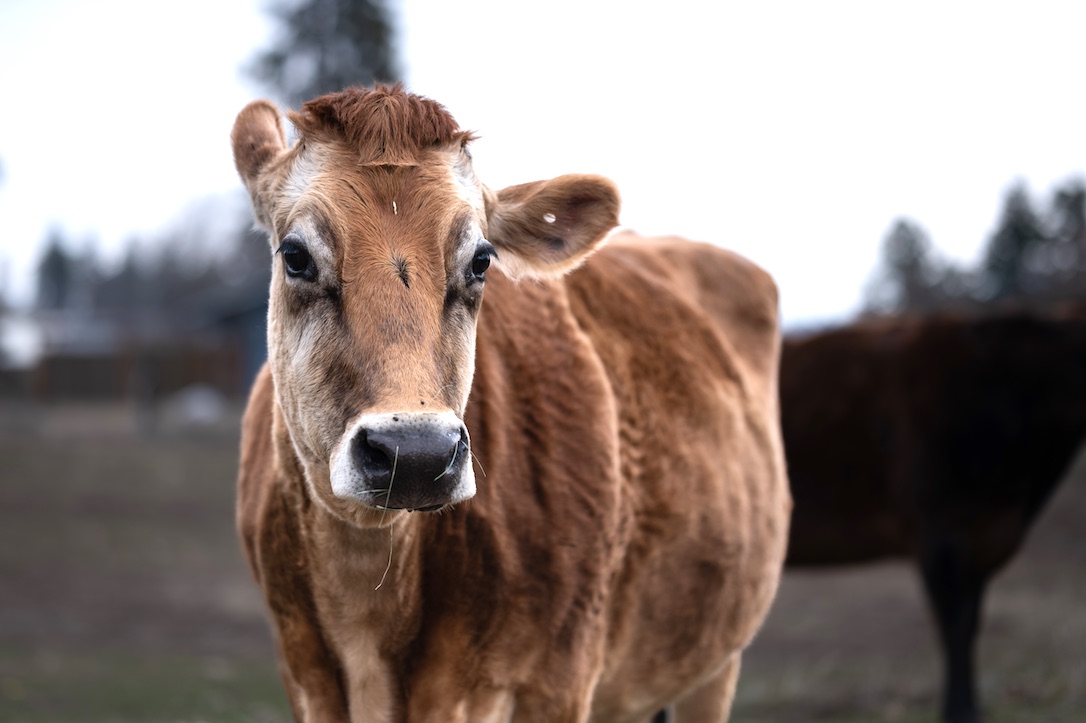
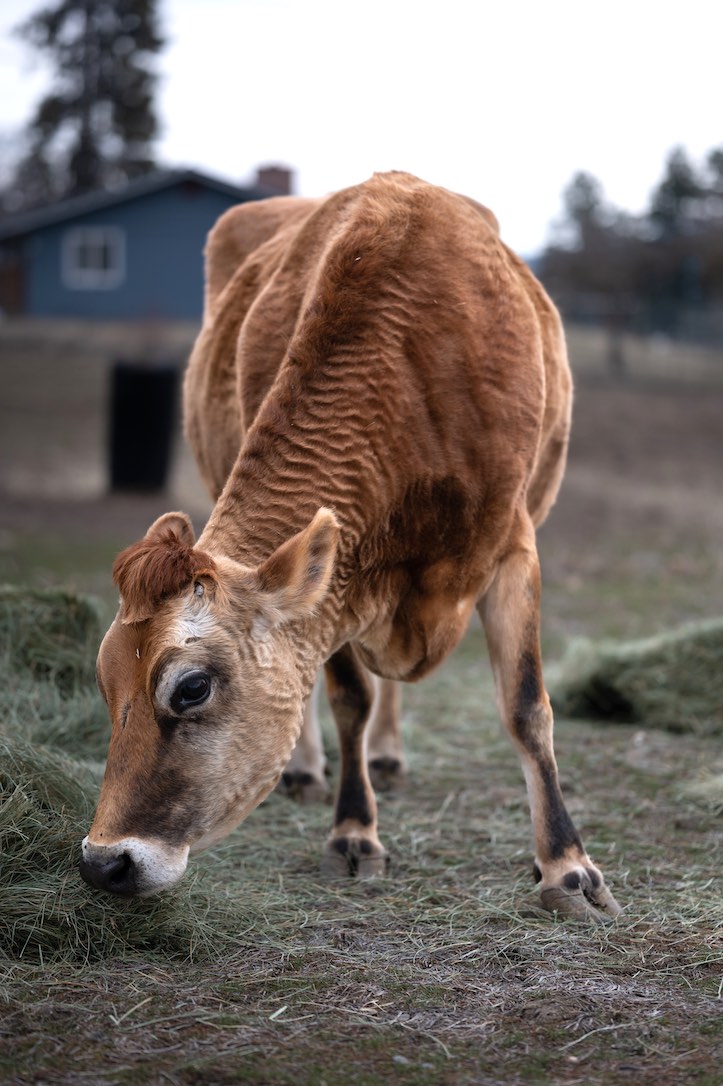
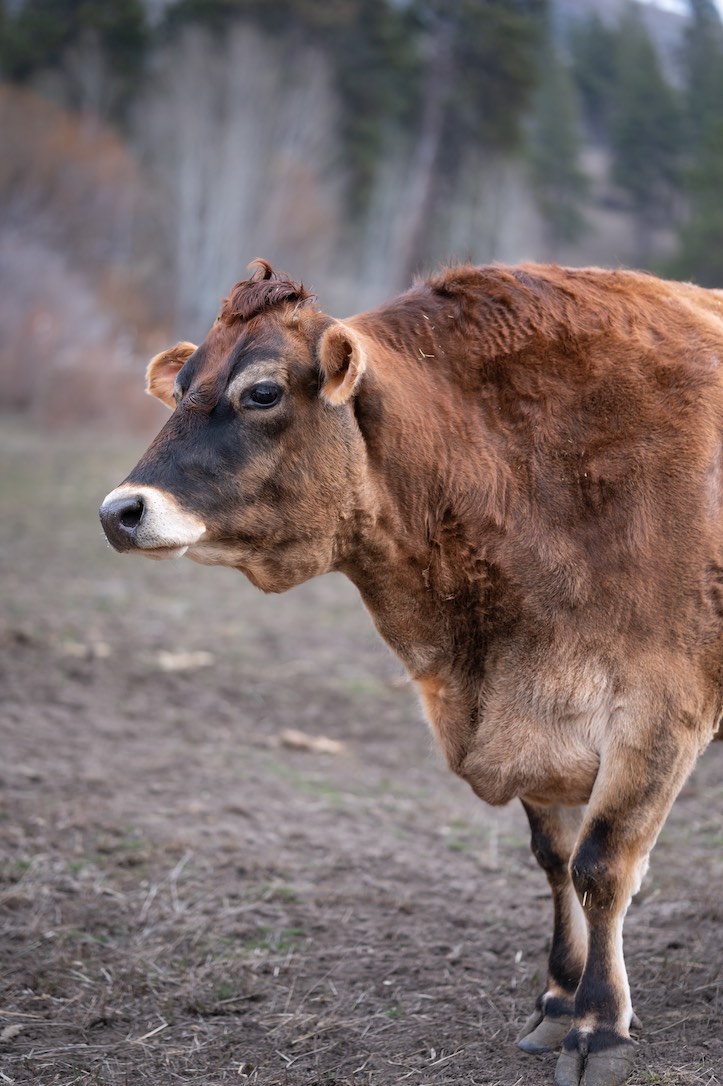
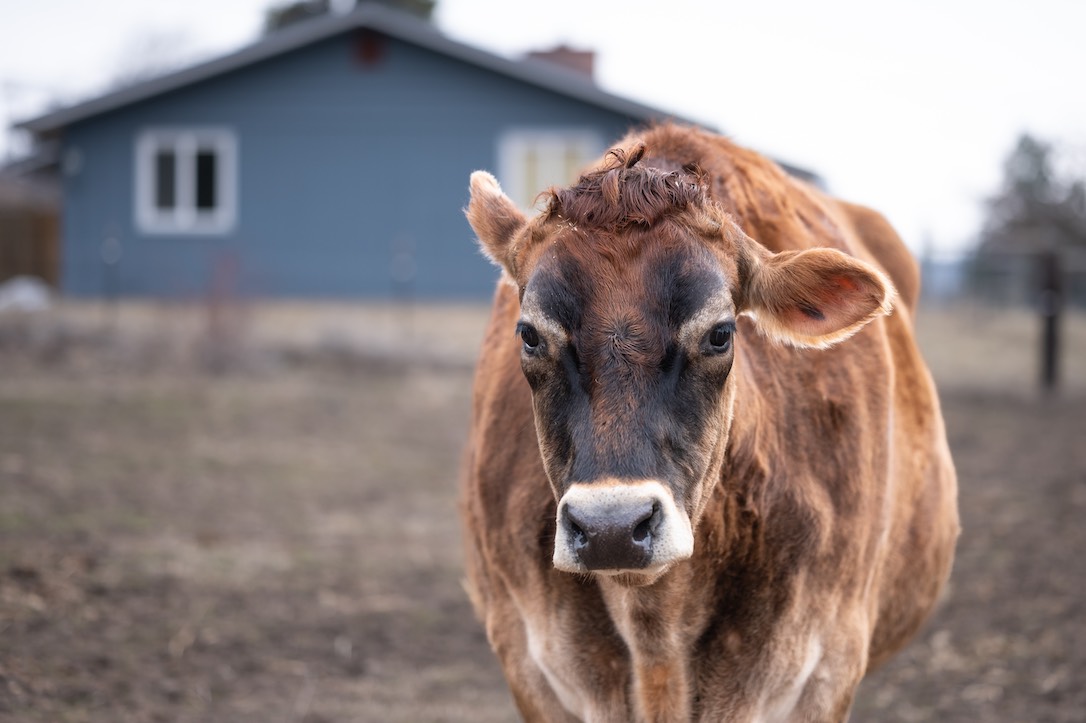
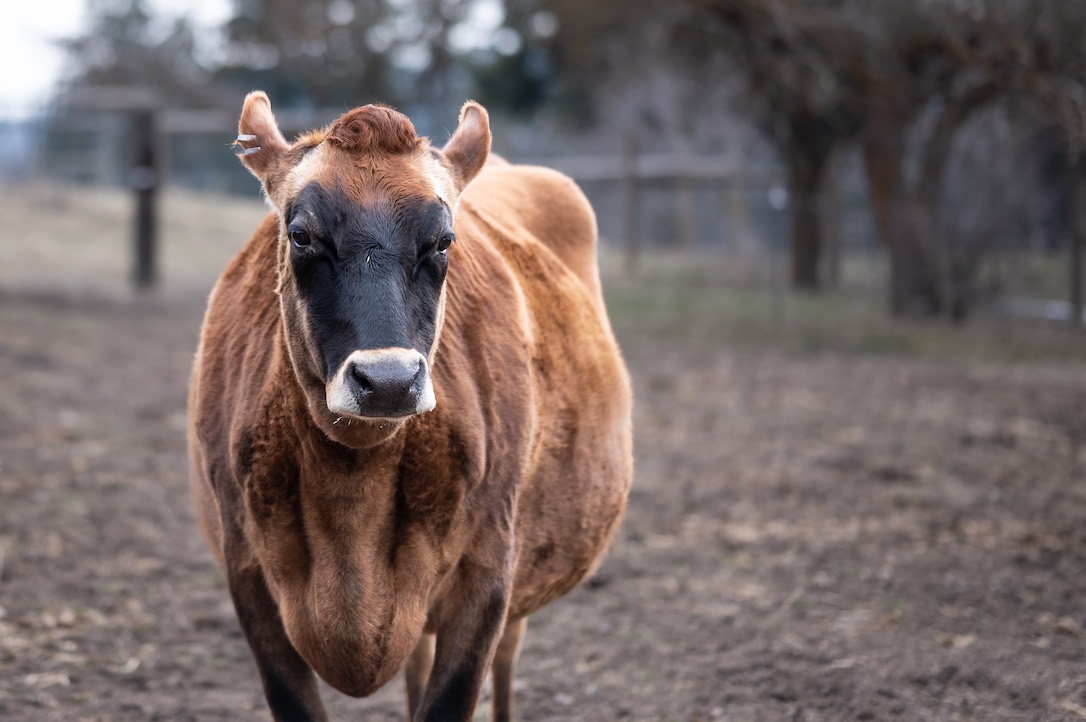
Last week, I took some photos of the cattle enjoying a couple fresh bales of hay in their winter paddock.

Honey:

Betsy and Honey:

Nutmeg:

Meredith:

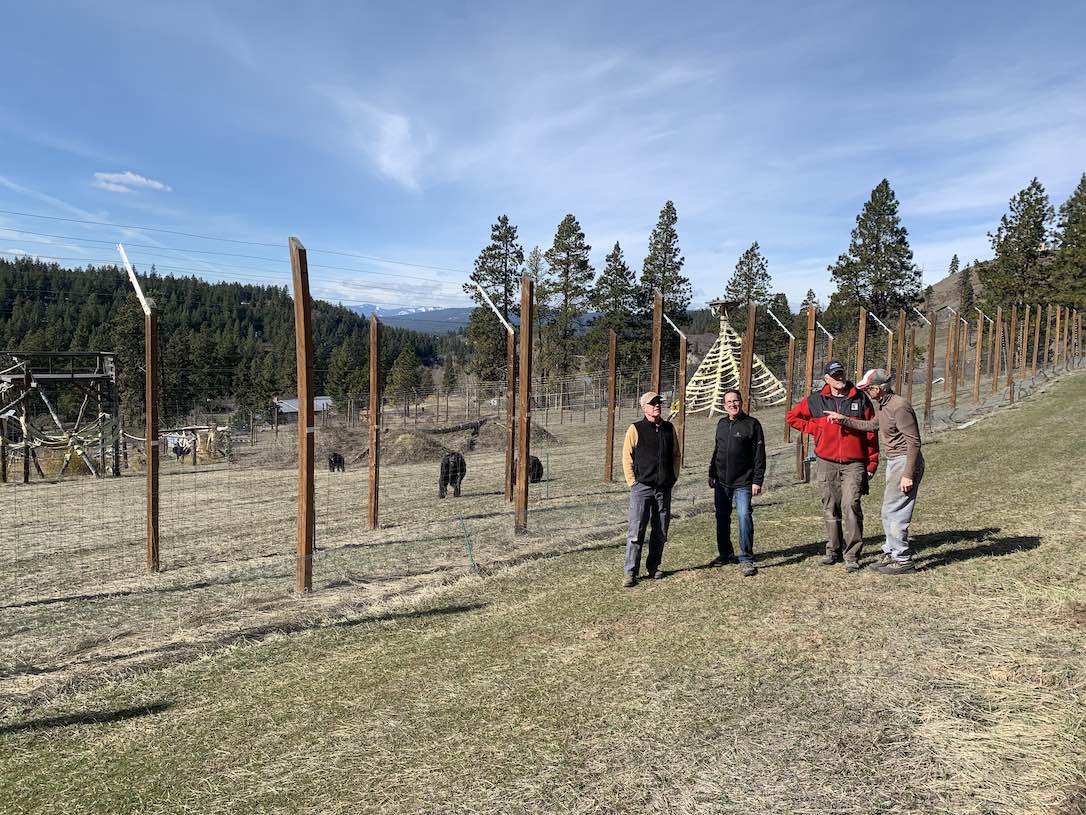
While the bovines have been serenely waiting for pasture, the chimps seem particularly excited about the human activity around Young’s Hill. This afternoon, J.B. hosted some familiar faces who have volunteered to help furnish the new outdoor areas. As is tradition, the tour was mirrored by a few curious chimpanzees. (Unsurprisingly, one of them had to scout out everyone’s footwear.)

Volunteers Tom, Greg, Steve and Brian, with Jamie Chimpanzee & Co. in the background:

This spring will be busy and challenging, but it’s exciting to utilize more of the property and give the chimps and bovines some new experiences!


Filed Under: Cattle, Construction, Farmed Animals, Honey (Cow), Sanctuary, Volunteers, Young's Hill Tagged With: animal rescue, Animal Welfare, chimp, chimpanzee, chimpanzee sanctuary, Chimpanzee Sanctuary Northwest, chimpanzees, Sanctuary

The Secret Life of Barn Kitty

February 28, 2022 by Anthony

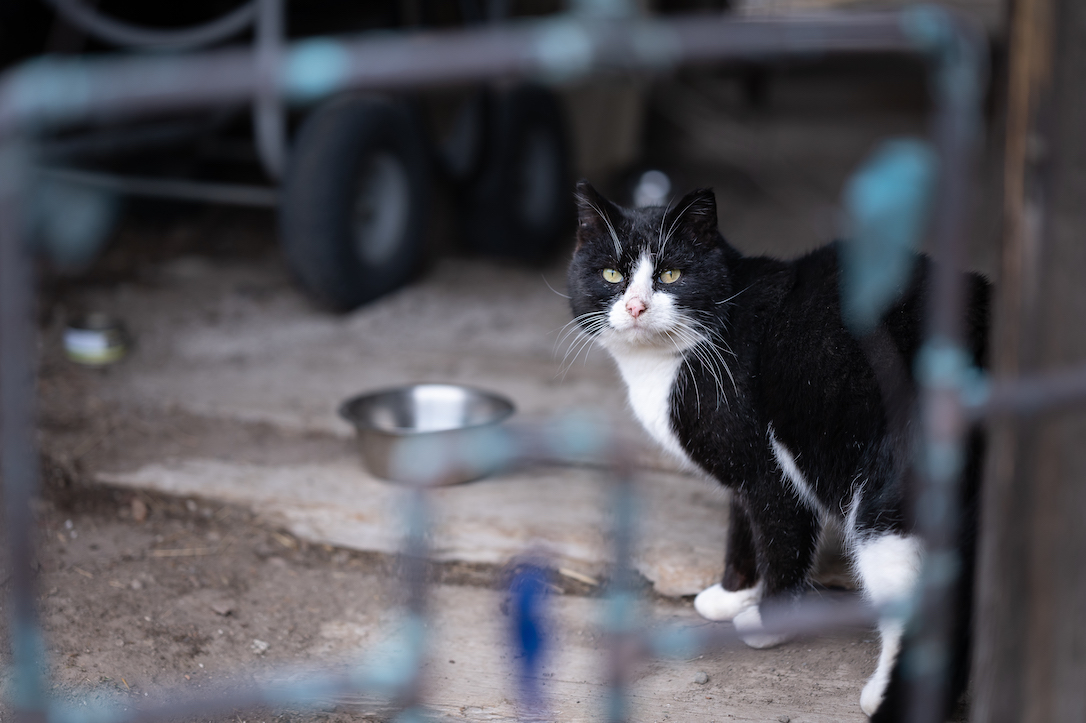
In last Tuesday’s post (Twosday), Sofia mentioned that Barn Kitty has returned to the sanctuary.

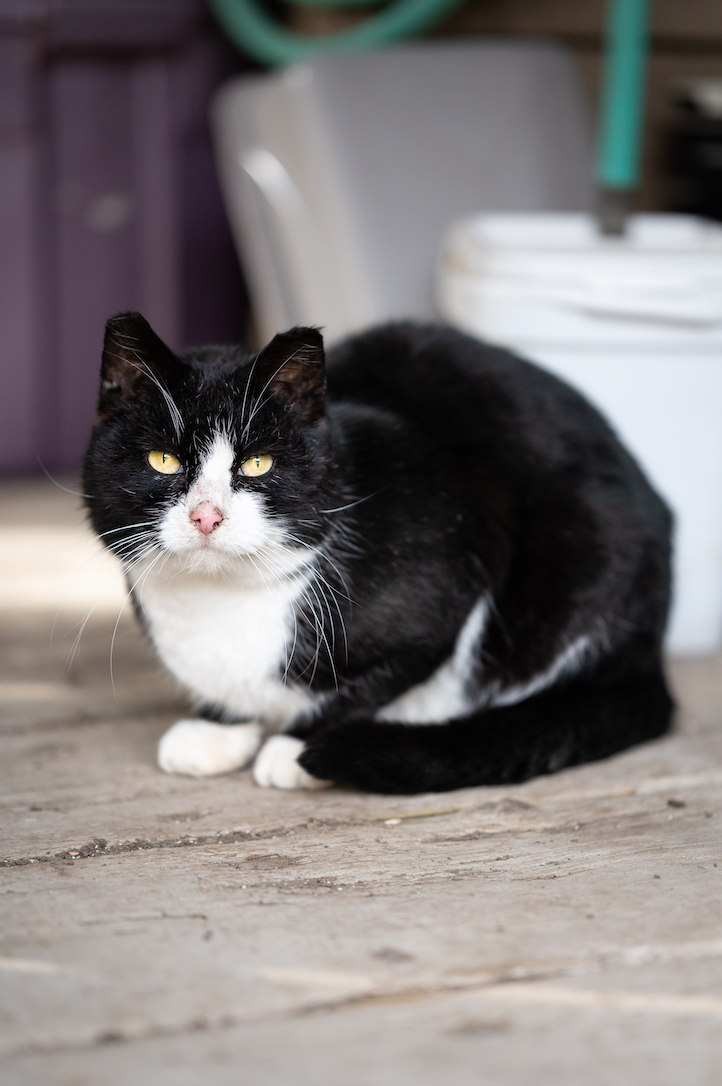
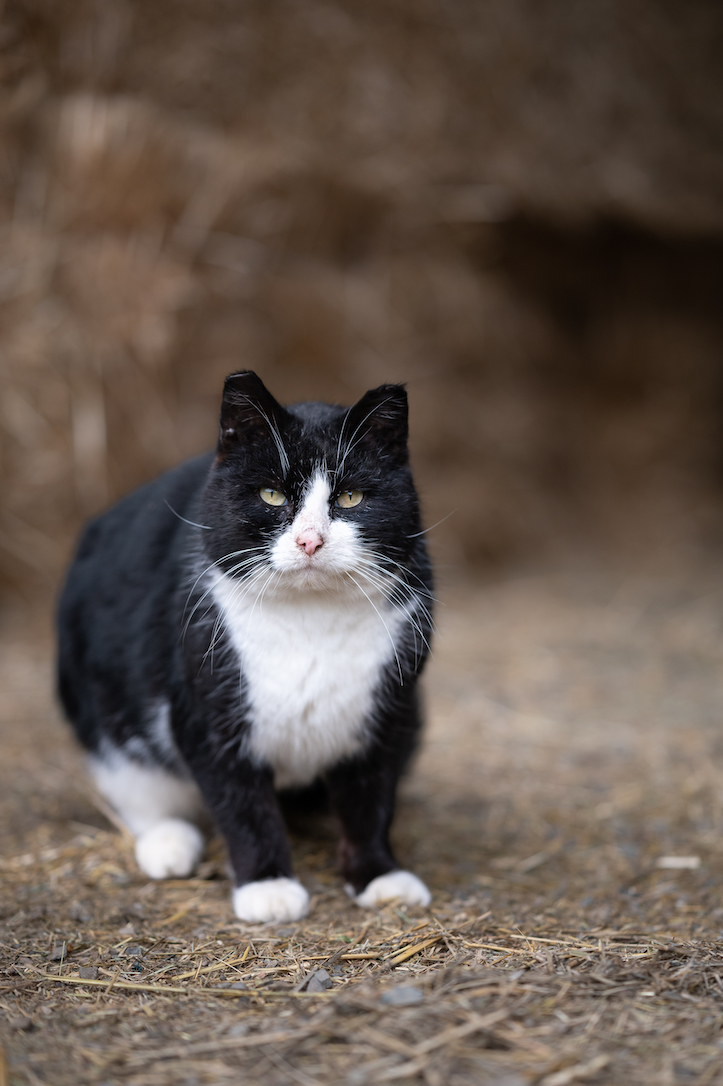
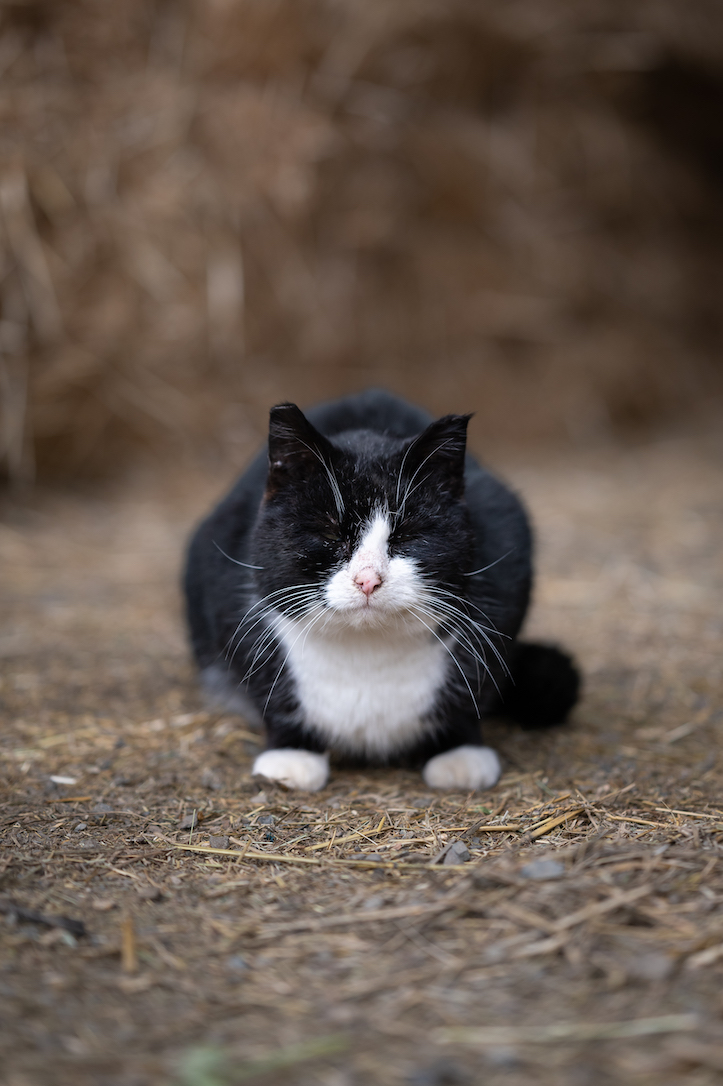
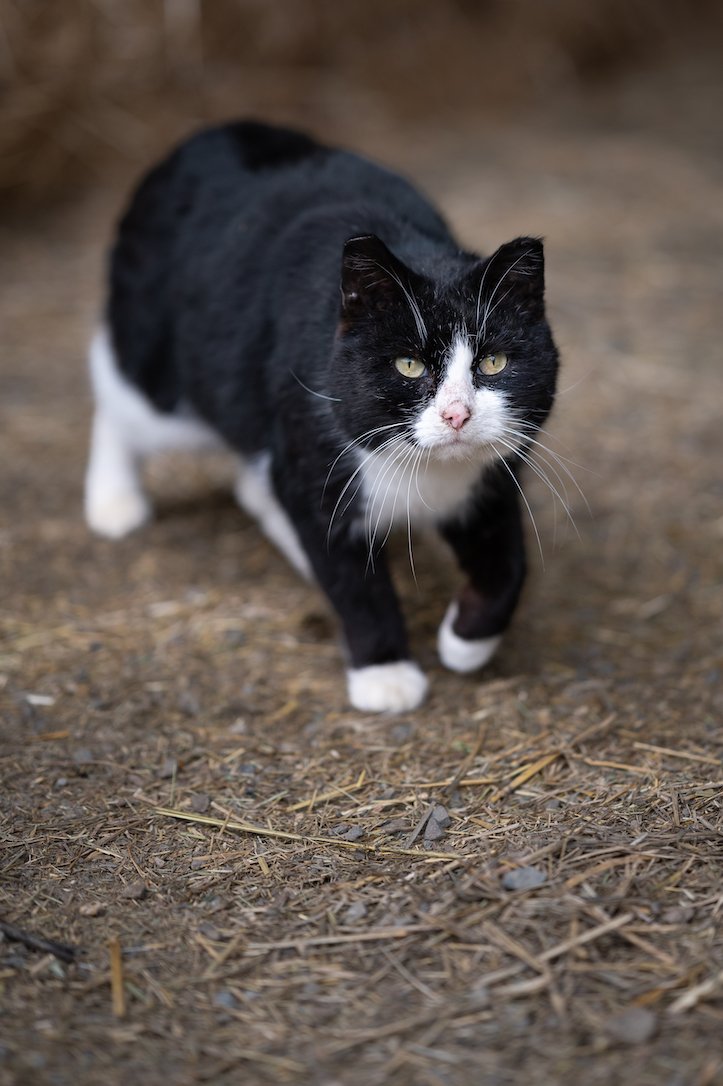
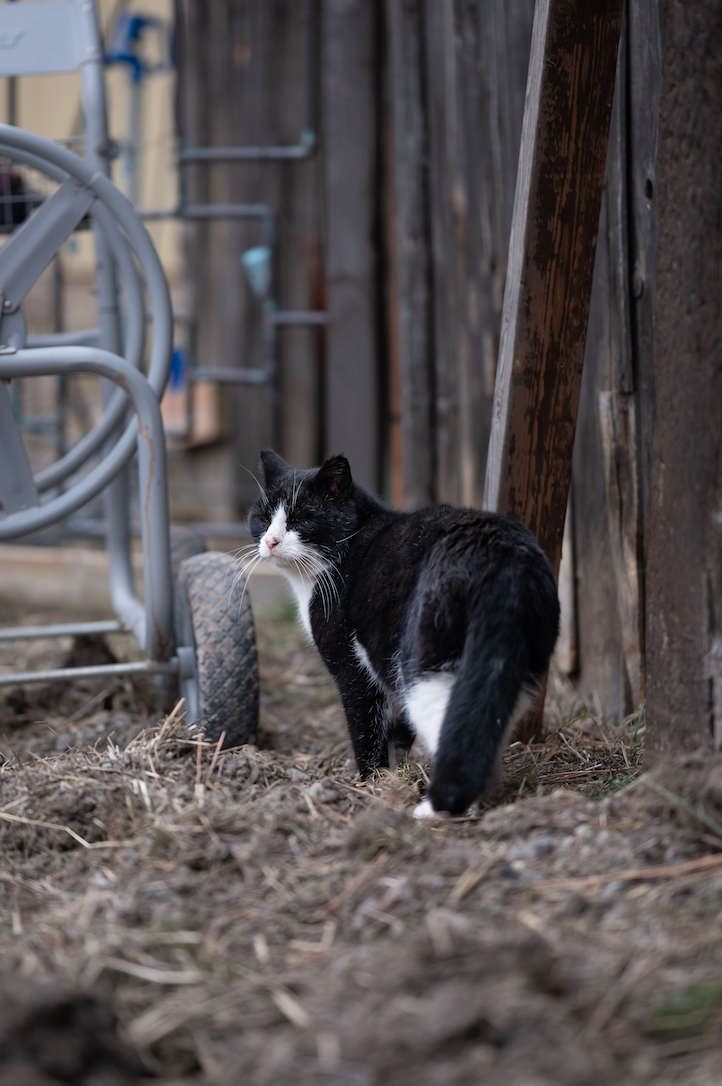
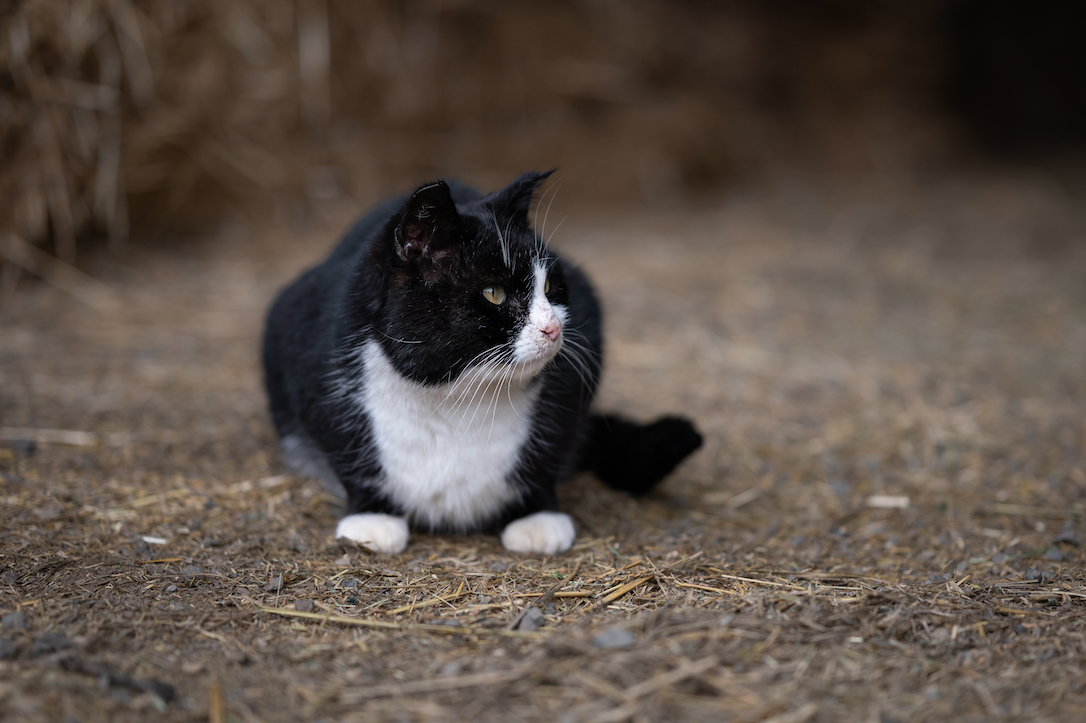
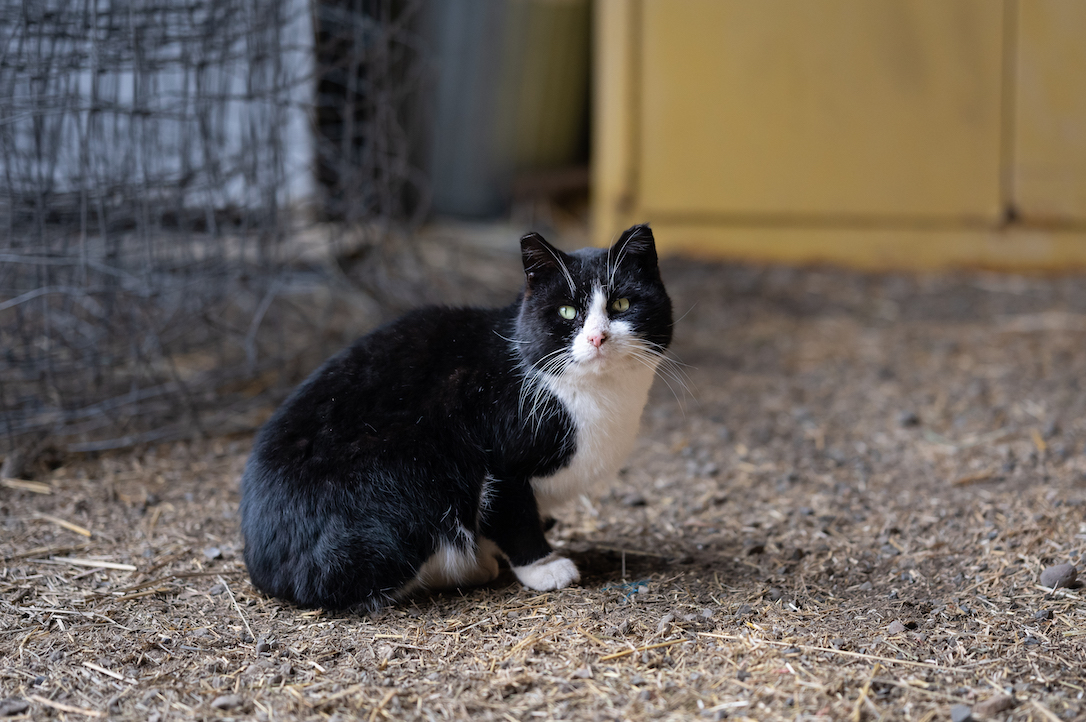
For those of you who may not be aware, Barn Kitty (“B.K.”) is a free-ranging domestic cat that prowls the patchwork landscape surrounding the Chimp House. It’s believed he divides his time between the sanctuary property and the neighboring ranch, but we have no way of monitoring his whereabouts in real time. We don’t even know with certainty whether Barn Kitty is a true feral (born and raised apart from humans), a homeless stray, or just a particularly independent outdoor “barn cat” from next door. Sometimes, he disappears for months at a time before casually returning. He’s a mysterious lad.

I absolutely love living with cats (and can’t imagine the internet without them), but the existence of stray and feral cats is problematic for various reasons.

For one thing, the historical relationship between humans and house cats is mutually beneficial but not codependent. In many ways, this species was never fully domesticated and differs only slightly from its African wildcat ancestor. Importantly, cats all remain adept hunters and prolific breeders regardless of whether we supplement their diets or not. This self-reliance allows them to subsist indefinitely without much assistance from humans (besides the occasional voyage across an ocean or piggy-back ride across national borders).

The unfortunate loser in this transaction is biodiversity. Many native species, especially birds and small mammals, cannot reproduce fast enough to compensate for the addition of a new predator on the landscape. A 2013 study by Smithsonian researchers estimated that house cats kill billions of wild animals annually in the U.S. alone and individual cats have been observed to kill hundreds of birds and rodents in a single year. Their effect is especially devastating on islands where native species haven’t adapted defenses against land predators and there are no larger carnivores to keep the newcomers in check. This isn’t to say that domestic felines are objectively bad– ecosystems are constantly in flux and most species will do what they can to exploit available niches- but their spread has definitely had a substantial impact on fragile ecosystems during a massive extinction crisis.

A second problem with domestic cats living outdoors is that they’re susceptible to a plethora of factors that can negatively impact their own welfare. In places where native predators such as coyotes and cougars exist, house cats often become a widespread and easy meal. Free-ranging cats are also at risk of accidents such as vehicle collisions and rarely have access to veterinary care when sick or injured, shortening their average lifespan. Without routine vaccinations, feral cats are also largely responsible for the spread of infectious diseases such as FIV.

Of course, a counterargument can be made that feral cats are relieved from the constraints of living in a human home and don’t suffer from the complications of a captive lifestyle: boredom, artificial diets, separation anxiety, overfeeding, etc. While many stray cats can happily return to indoor living, ferals tend to remain fearful of humans for their entire lives.

In areas where free-ranging cats have grown to be particularly bothersome, veterinary professionals will often work with wildlife agencies to curb their impacts. The simplest method of control- culling them outright- is ecologically effective but understandably controversial. Fortunately, less drastic interventions (e.g. trap-neuter-release programs) can yield long-term results while remaining palatable to the general public. The cats can keep living outdoors and hunting, but they lose the ability to reproduce and eventually disappear from the landscape.

In B.K.’s case, we decided long ago that he is welcome here at the sanctuary with one stipulation: that he doesn’t sire any more tuxedo’ed killing machines. Last year, Dr. Erin and Sofia made this official by neutering him while tending to a concerning leg injury. B.K. made a full recovery and, despite being more wary of us, seems to spend just as much time hanging around our barn as he did before. It’s not uncommon to see him lounging on a sun-drenched patch of grass or stalking mice in the nearby thickets. With reliable access to shelter, cover, food, water, and health care, one could argue that Barn Kitty is better off than most free-ranging cats

Caring for animals requires a never-ending series of compromises; the most tenable policies and effective solutions are usually those that balance compassion and logic. I like to think that we’ve found something like that for the furry enigma that we call Barn Kitty.

~~~~~~~~~~~~~~~~~~~~~~~~~~~~~~~~~

P.S. Yesterday, B.K. followed me back and forth around the hay barn as I did chores, so I risked my skin to take some closeups for you all to enjoy.


Filed Under: Farmed Animals, News, Sanctuary, Veterinary Care, Wildlife Tagged With: animal rights, Animal Welfare, cat, chimp, chimpanzee, chimpanzee sanctuary, Chimpanzee Sanctuary Northwest, Cle Elum Seven, csnw, domestication, feline, feral cat, Sanctuary

Rayneception

February 21, 2022 by Anthony

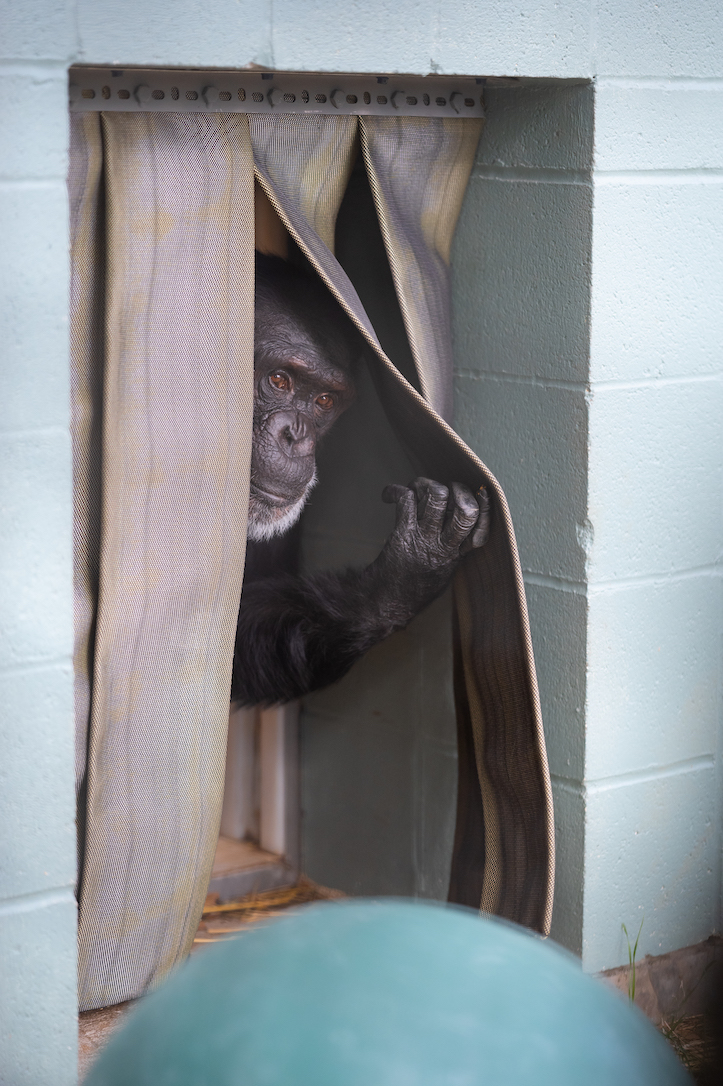
For weeks now, I’ve been bringing my camera with me when I walk between the two new greenhouses (Oakwood and Riverview) in hopes of catching someone looking through the canvas flaps that separate those areas from the indoor playrooms. The concept formed when I saw Rayne pause there a while back and thought the rectangular doorway framed her face nicely. Sadly, I did not have my camera with me at the time, but Rayney had already inspired (or incepted?) the idea into my mind.
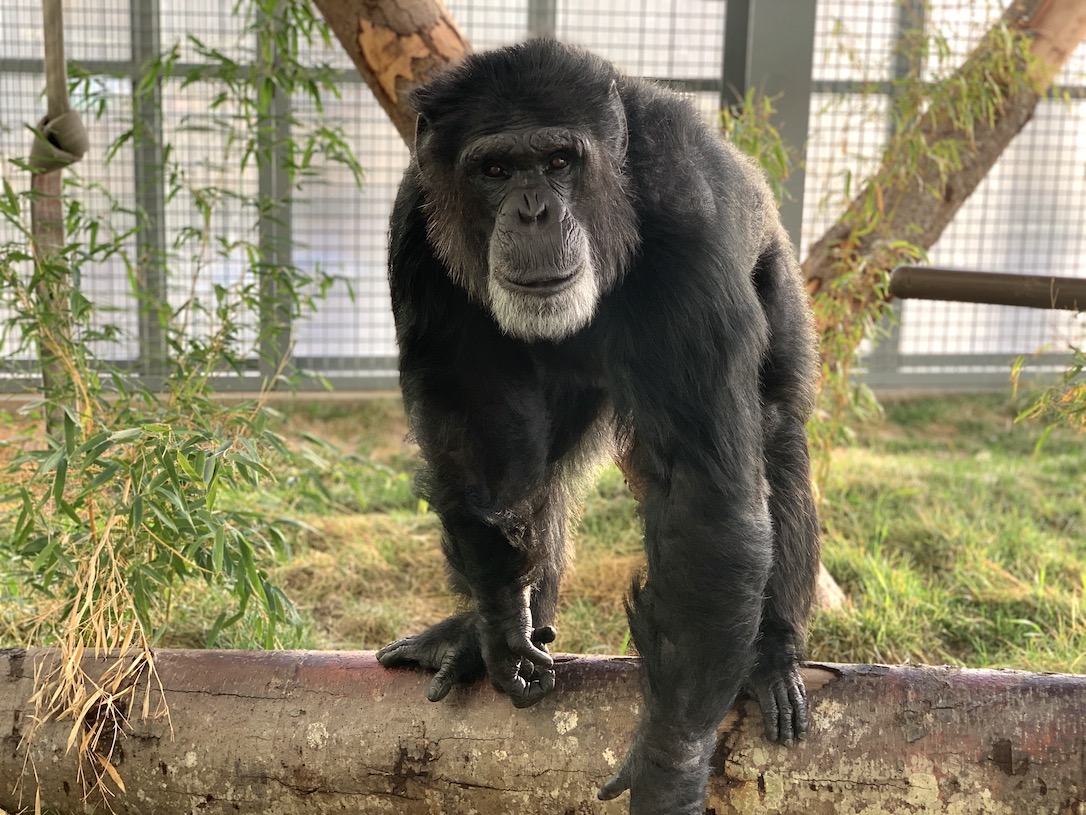
This afternoon, Rayne unknowingly made me a happy photographer. (I’d say she made me a happy caregiver, but she does that everyday regardless.) I was walking by the greenhouses and trawling for blog material when she popped her head out to see what I was up to. Rayne calmly paused in the doorway, gently lifted the curtains, and peered out into the greenhouses to see if there was any activity worthy of her time. I cheerfully snapped a few shots, excited that my vision for a composition had actually manifested itself into a real photo. I might need to do a little editing to make the image look the way I think it should, but Rayne clearly did most of the work here.
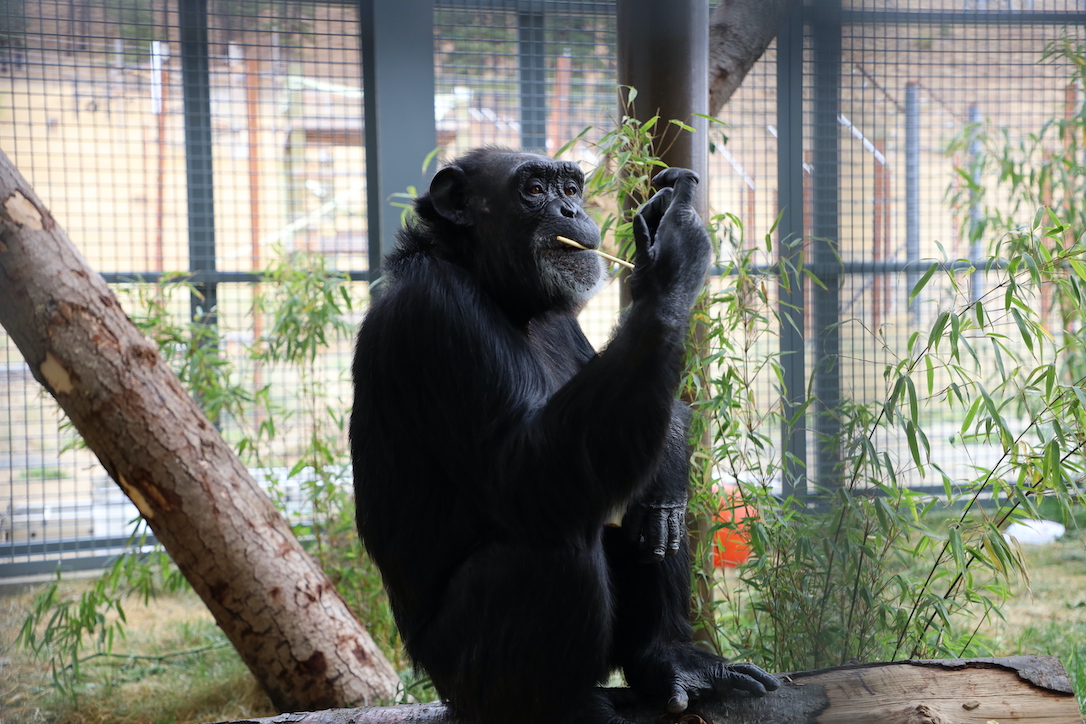
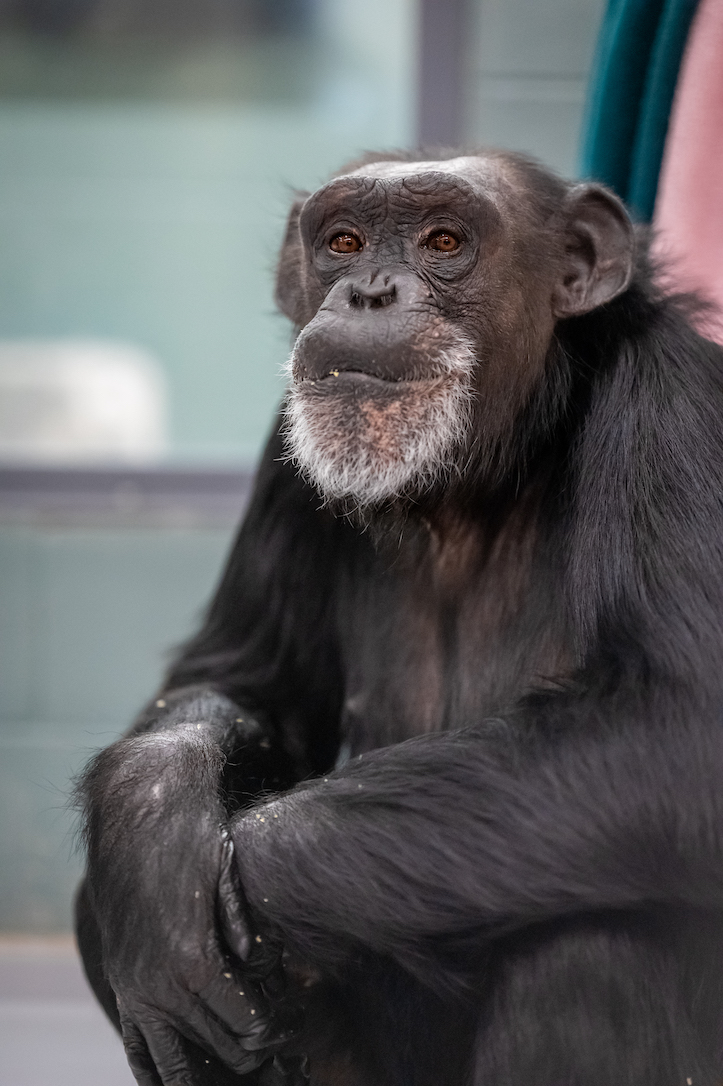
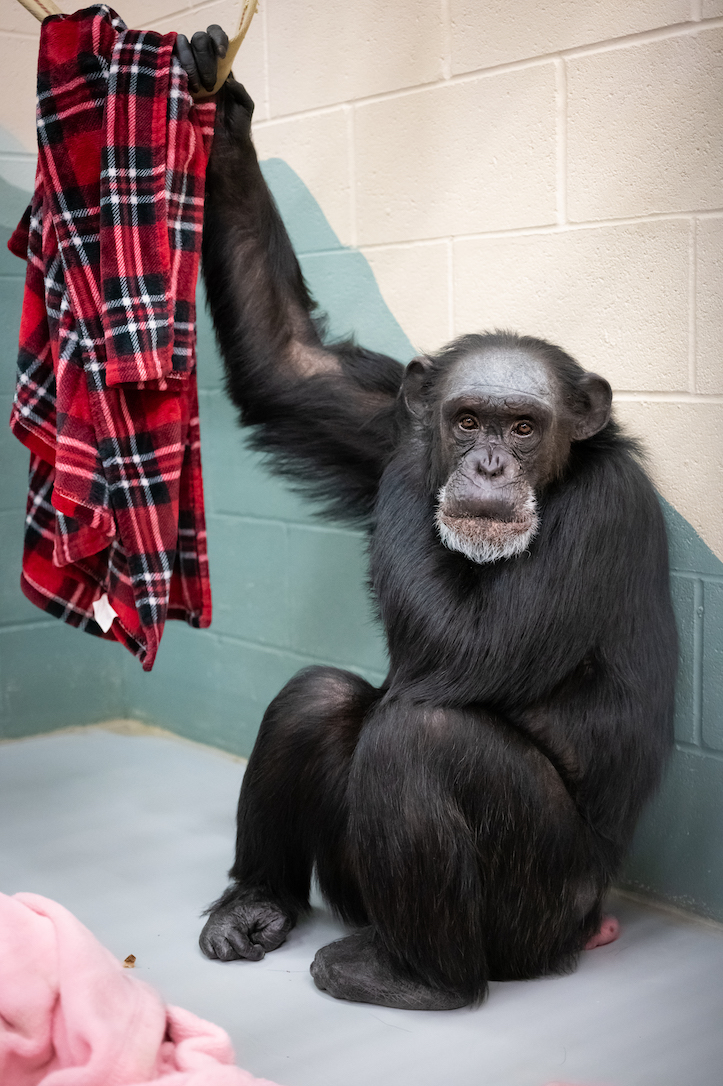
As I was transferring the image file to the desktop computer we use for blogging, I found some other photos of Rayne that I don’t remember sharing here before. I hope her tender, inquisitive demeanor comes through in the photos!


Filed Under: Caregivers, portrait, Rayne Tagged With: animal rights, Animal Welfare, chimp, chimpanzee, chimpanzee sanctuary, Chimpanzee Sanctuary Northwest, chimpanzees, northwest, Sanctuary

Studio Logs

February 7, 2022 by Anthony

Taking portraits of chimpanzees isn’t easy, but knowing how they move around their home makes it a lot easier to catch them at the right moments.

In the past, we’ve described Front Room 4 as “The Portrait Studio.” This small indoor enclosure has three pneumatic doors that allow the chimps to move freely between their greenhouse, playroom, and other front rooms. The area is notably furnished with a couple of wall-mounted platforms, the lower of which provides the perfect bench for curious chimpanzees to look out the window or down the caregiver hallway. When a chimp is sitting in that precise location, the diffuse natural light from the window illuminates their face while softening the background with an effortless vignette. In short, the lighting is ideal for easy portraits.

If you want to see some content from the studio, I recommend checking out these posts featuring the chimps who reside in that wing of the Chimp House: Annie, Burrito, Foxie, Jamie, Jody, Missy and Negra.

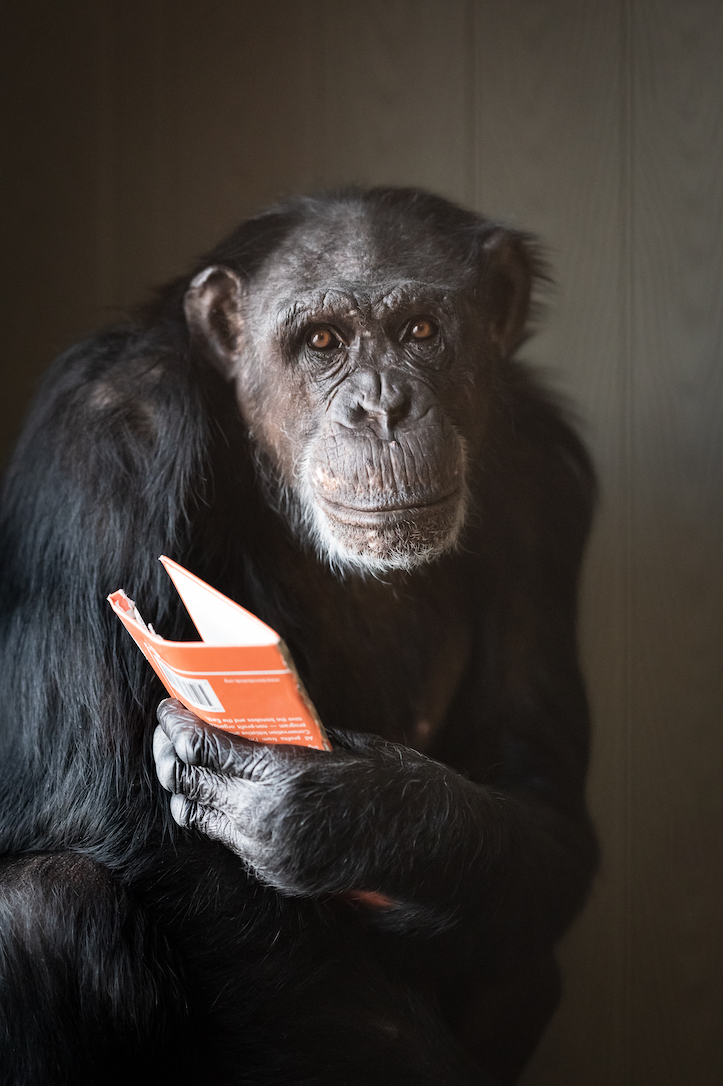
Last week, I encountered Jamie sitting serenely in the studio before breakfast. She was holding the crumpled remains of a hardcover book.

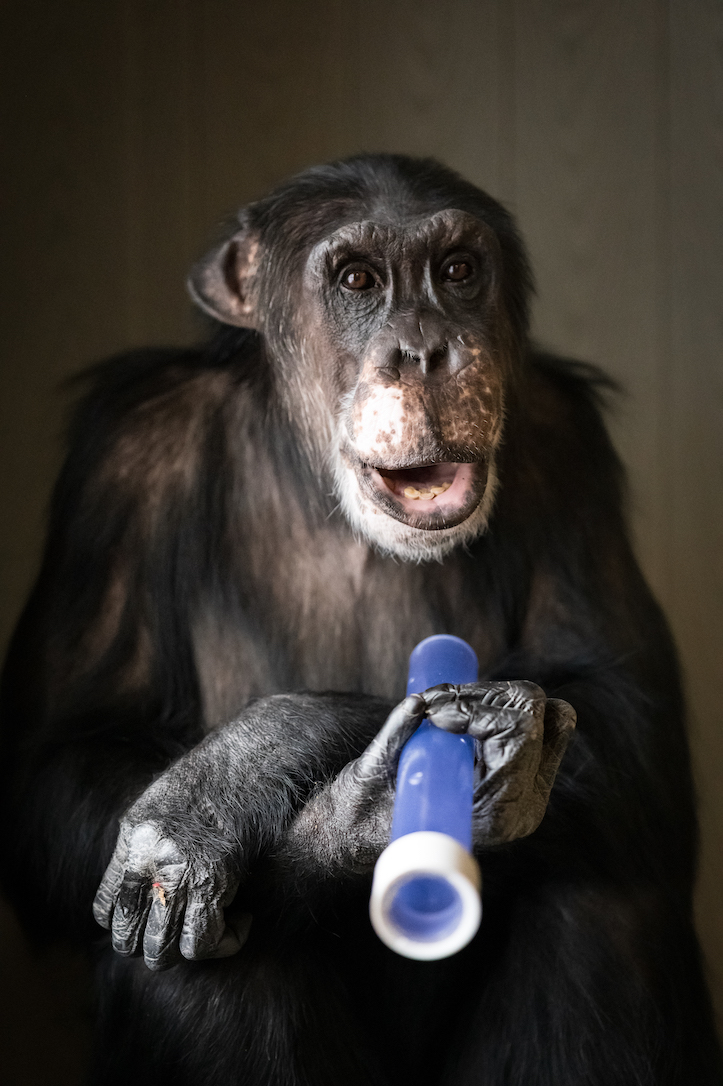
I saw Burrito sitting in the same spot later that morning. Instead of literature, however, Bubba was wielding a broken enrichment puzzle and showing it off like a trophy.

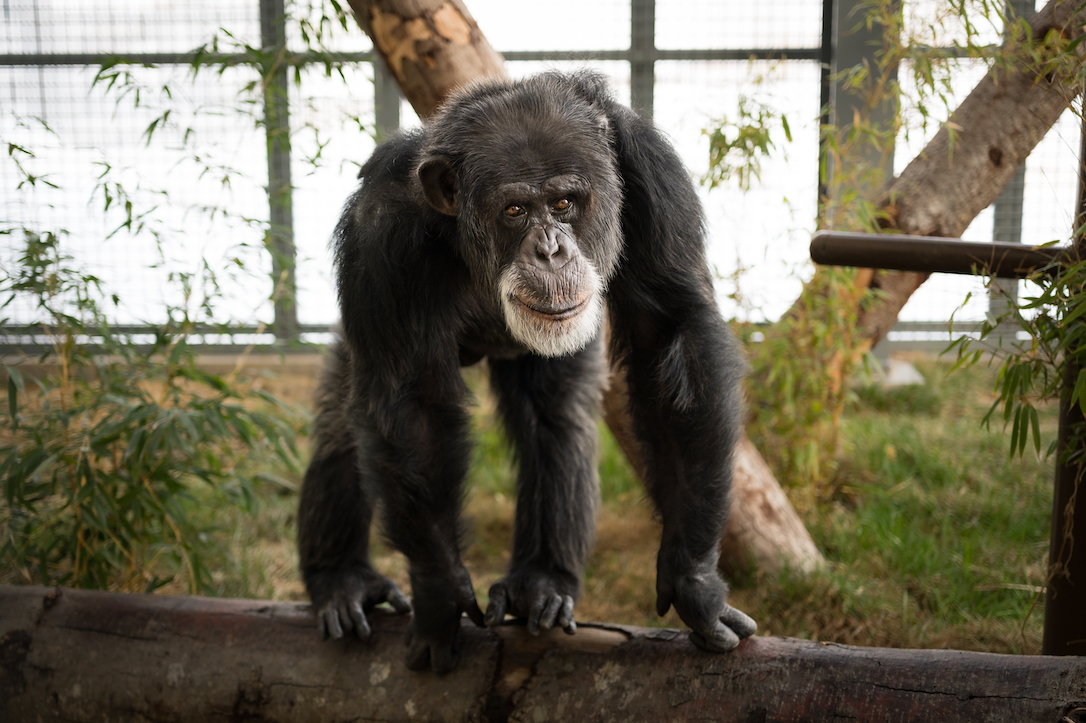
We caregivers have been searching for new ways to photograph and record video of the chimps in the new wing of the building, too. Although there isn’t an exact replica of the Front Room 4 studio on that side, we’ve discovered that the new greenhouse enclosures provide some unique perspectives. When an individual is perched on one of the closer logs, for example, they’re at the perfect height and distance for mid-range portraits. Gordo graciously modeled for the camera in this exact location yesterday afternoon.

We have Gary of Sage Mechanical to thank for these natural enrichment structures. The Sage crew ferried these heavy tree trunks all the way from Gary’s coastal property to the sanctuary with the new greenhouses in mind. They have asked us for pictures and video of the chimps utilizing the logs as bridges; I hope they’re proud to see that the logs are an integral part of our newest photo booth, too.

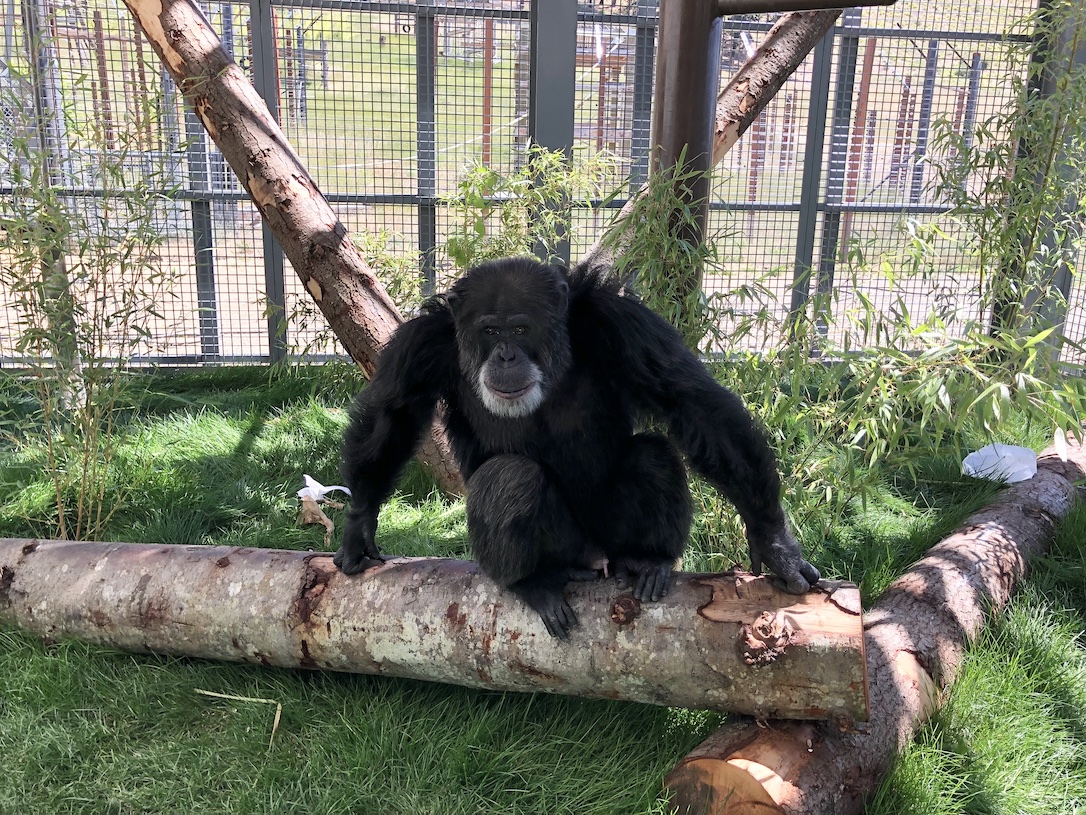
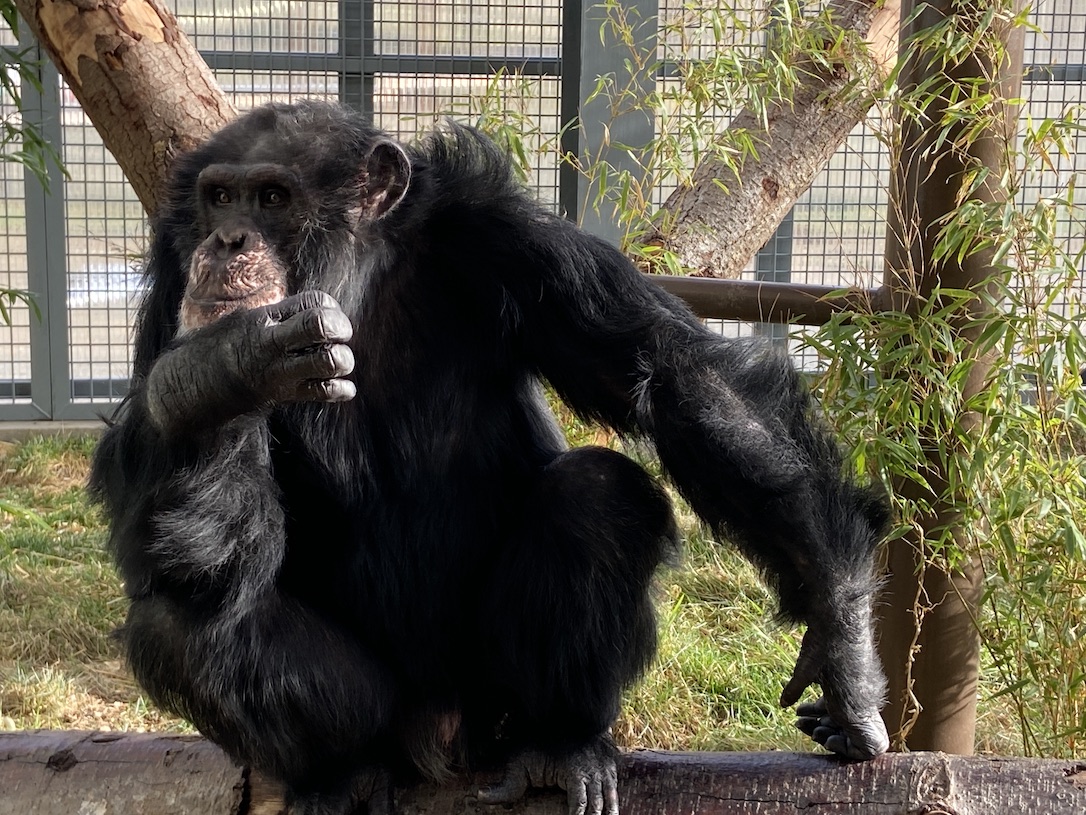
In case you missed them when they were originally posted, here are some other staff photos of the chimps sitting on the studio logs.

Cy (by J.B.)
Rayne (by Sofia)
Gordo (by Sam)
Terry (by Chad)
Honey B (by Sofia)
Mave (by Chad)

Filed Under: Construction, Enrichment, portrait Tagged With: animal rescue, Animal Welfare, chimp, chimp sanctuary, chimpanzee, Chimpanzee Sanctuary Northwest, chimpanzees, Enrichment, Sanctuary

Hoarfrost

January 31, 2022 by Anthony

It’s been a snowy, cold, gloomy January. It’s hard to believe that we had clear weather and bare ground at this time last year (see: Winterspring).

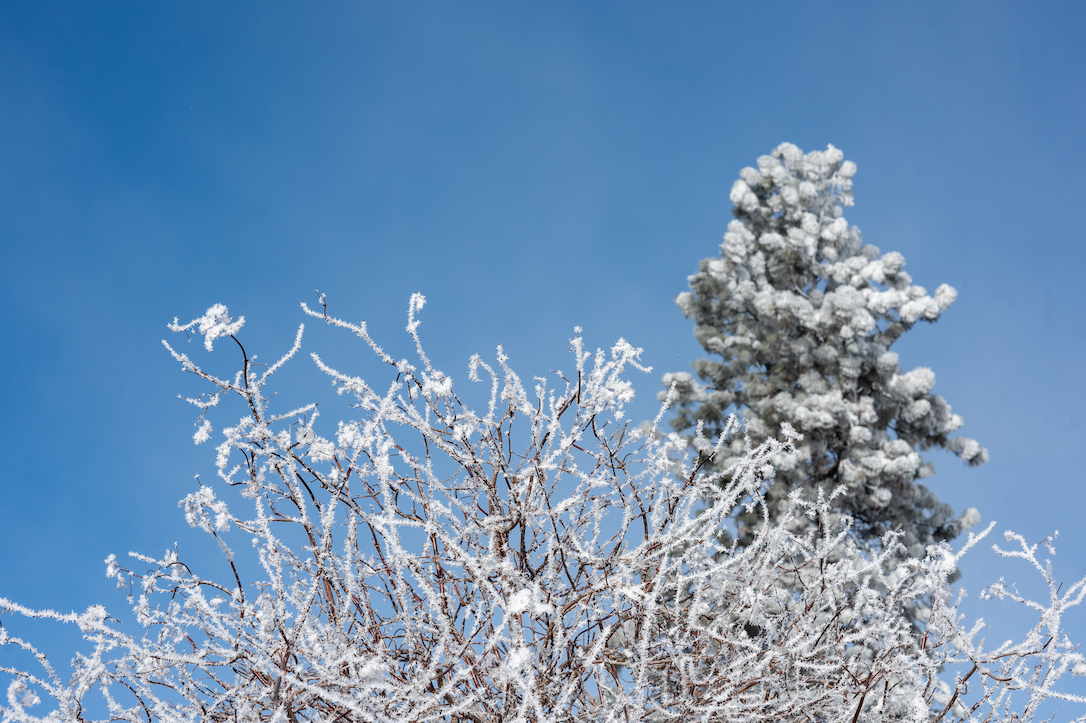
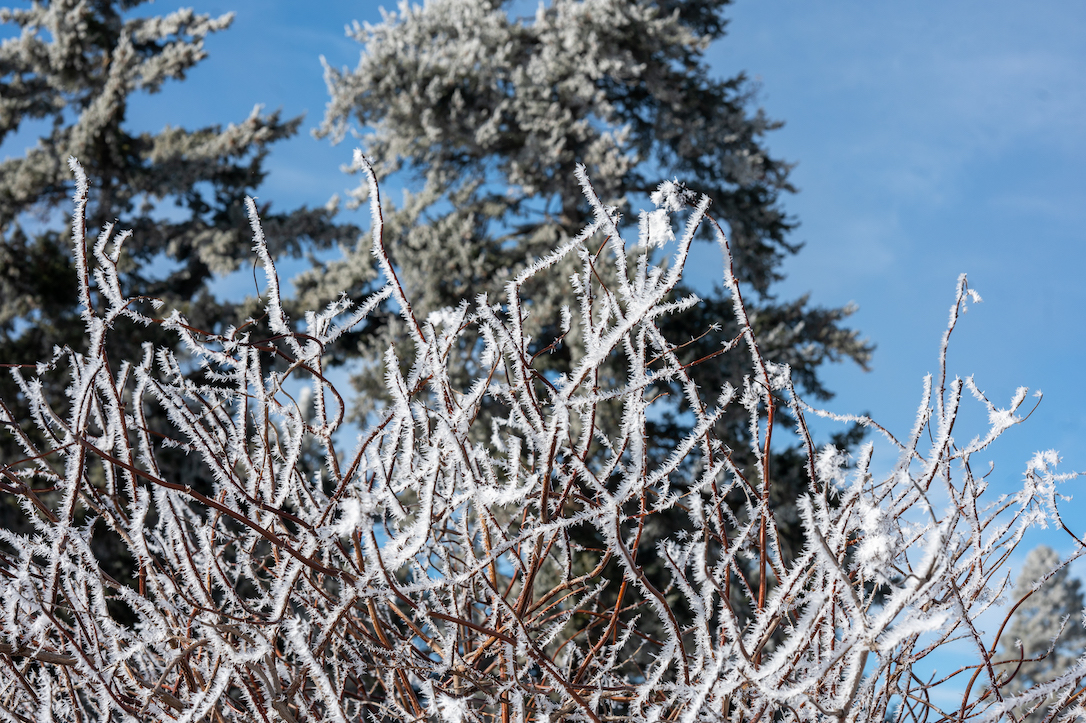
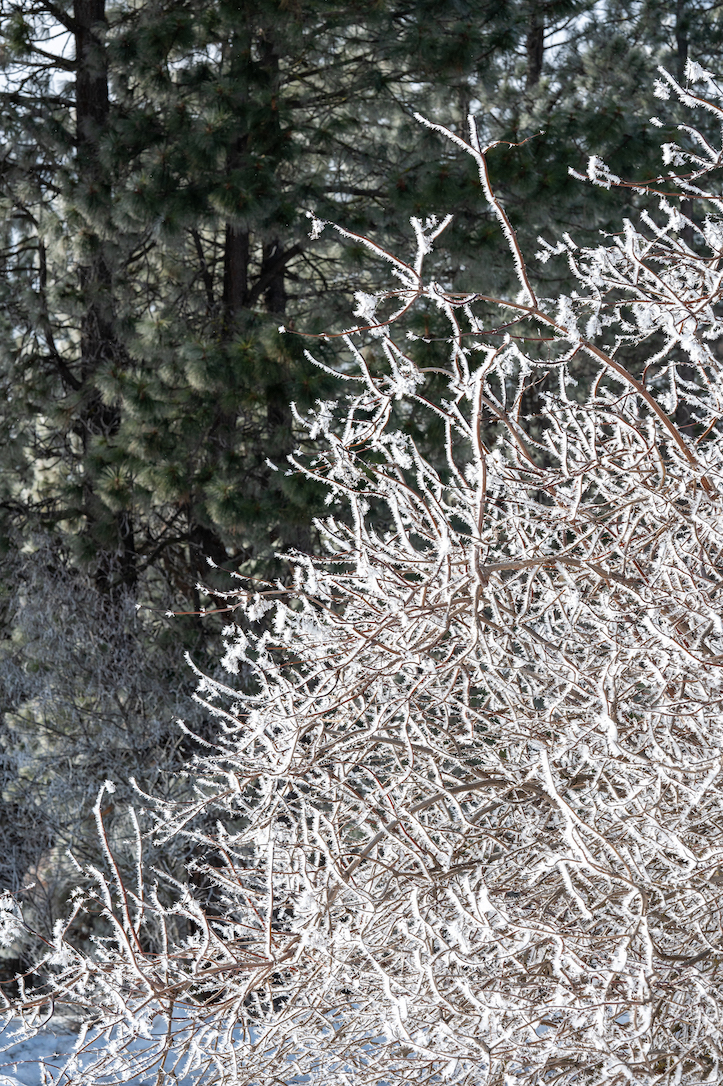
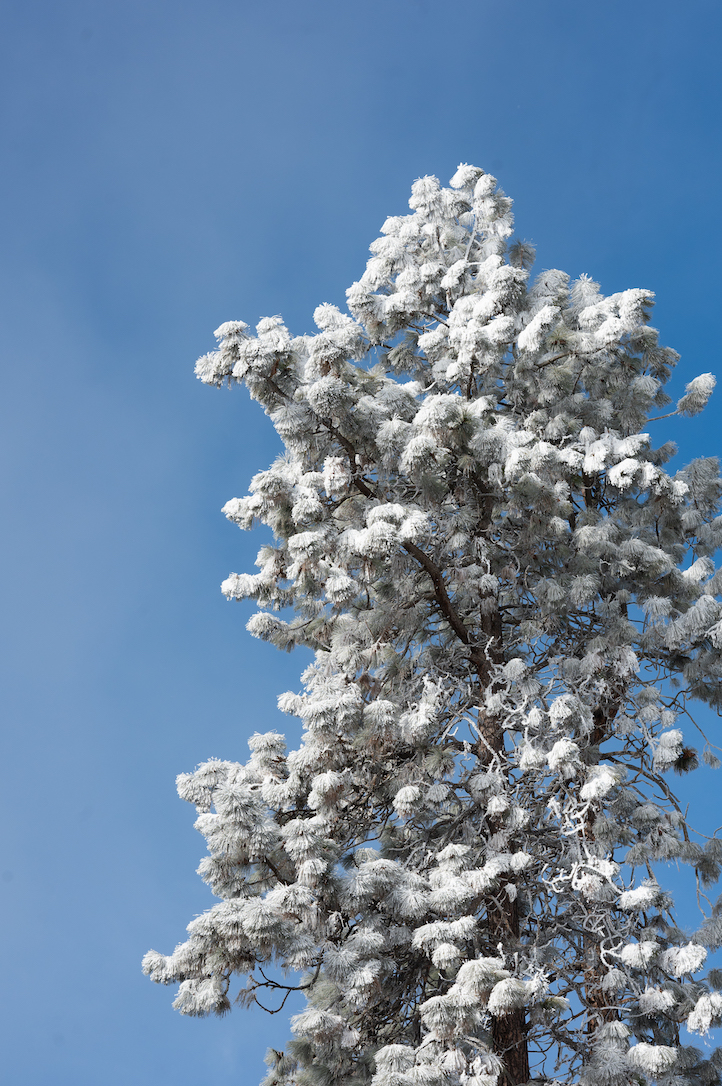
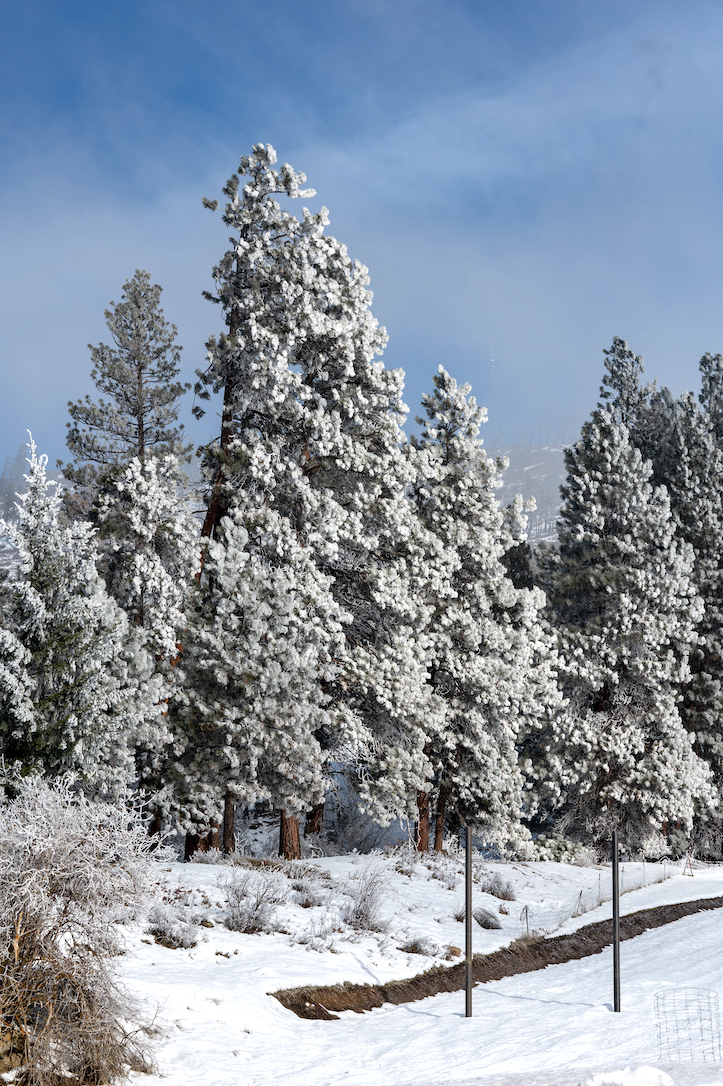
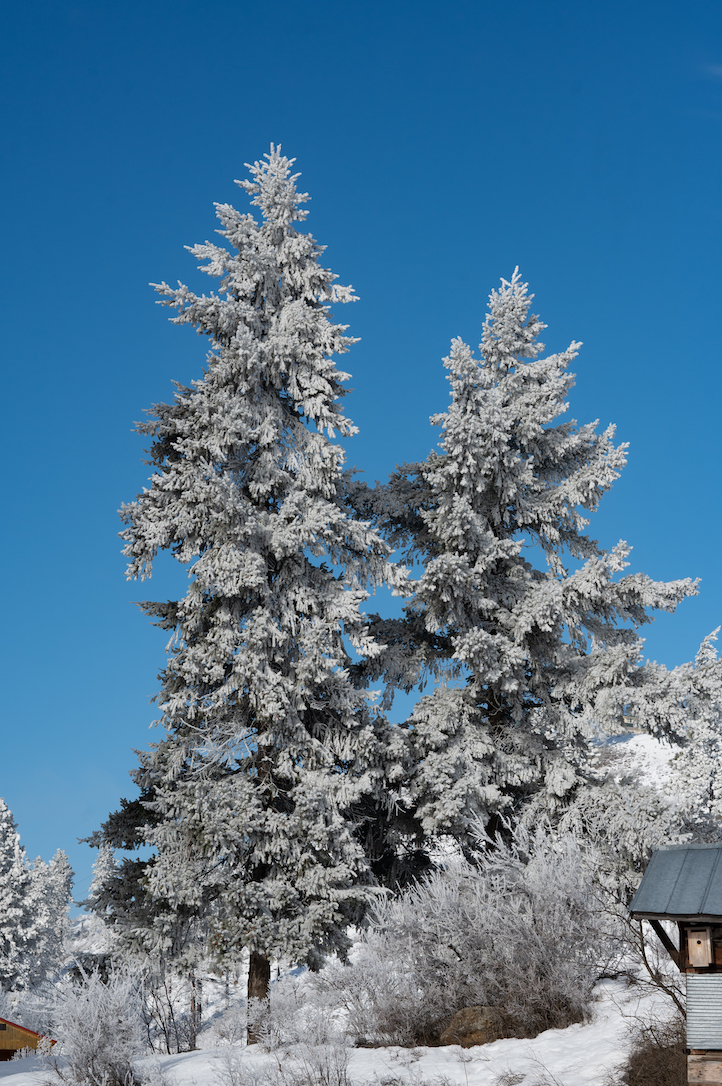
While I love the unpredictable moodiness of Northwest winters, the sporadic windows of sunny weather are welcome reassurances that the valley will eventually see pleasant days again. Last Monday, the sanctuary was lucky enough to get a glimpse of the clear blue beyond for a few minutes, drenching the frozen tundra in warm sunshine.

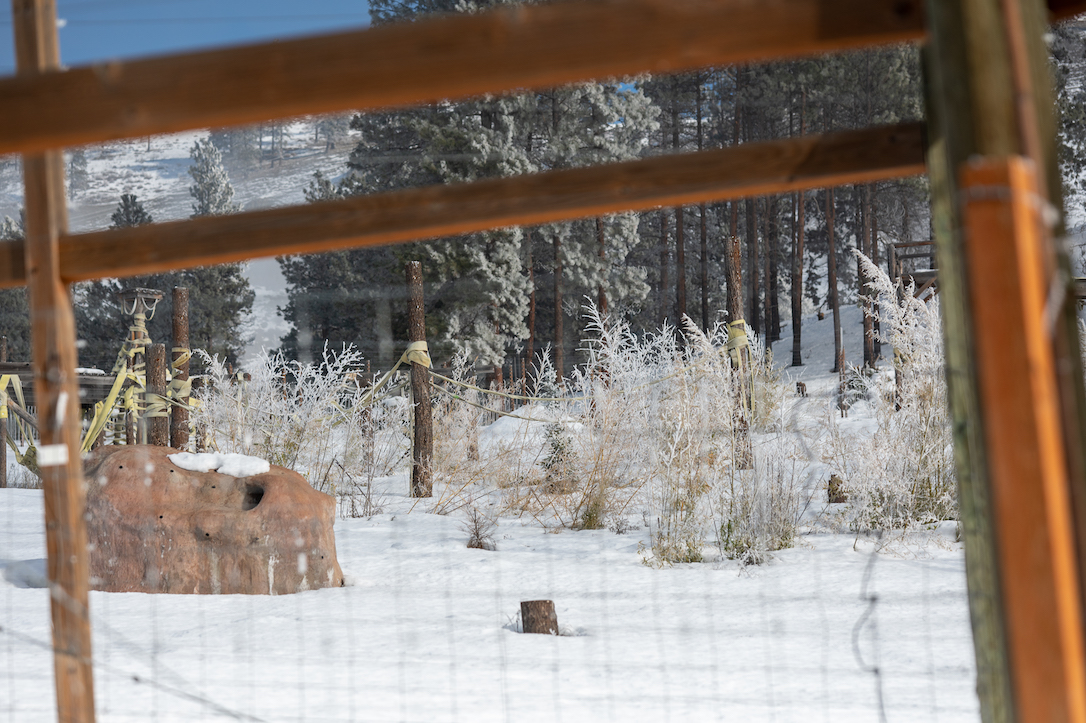
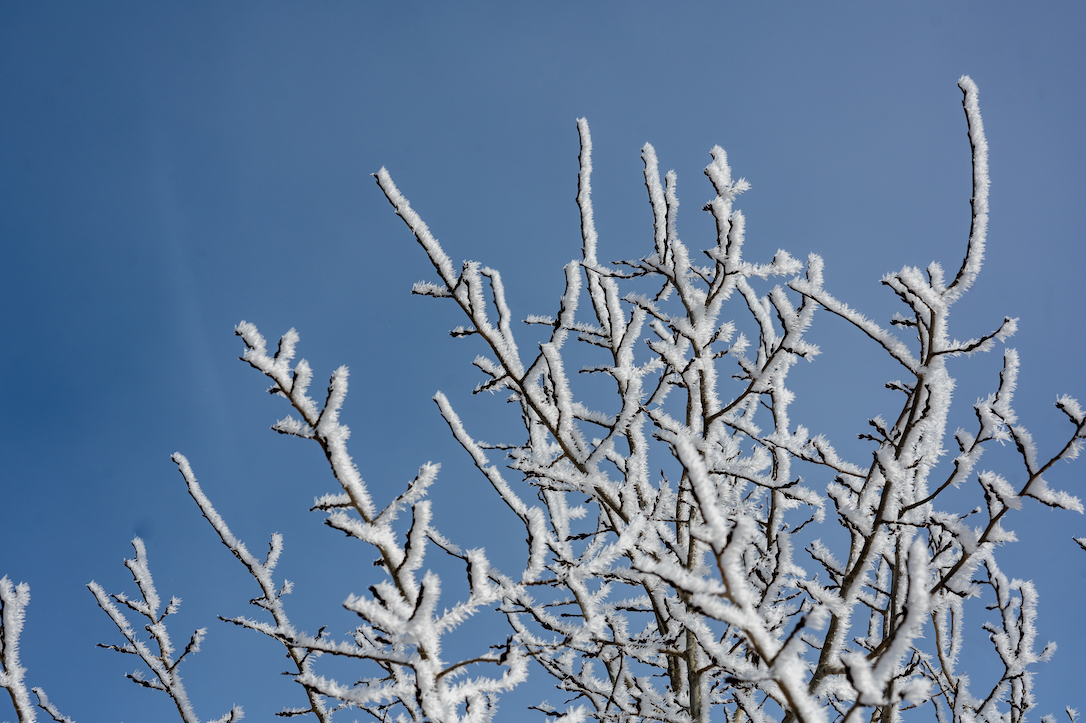
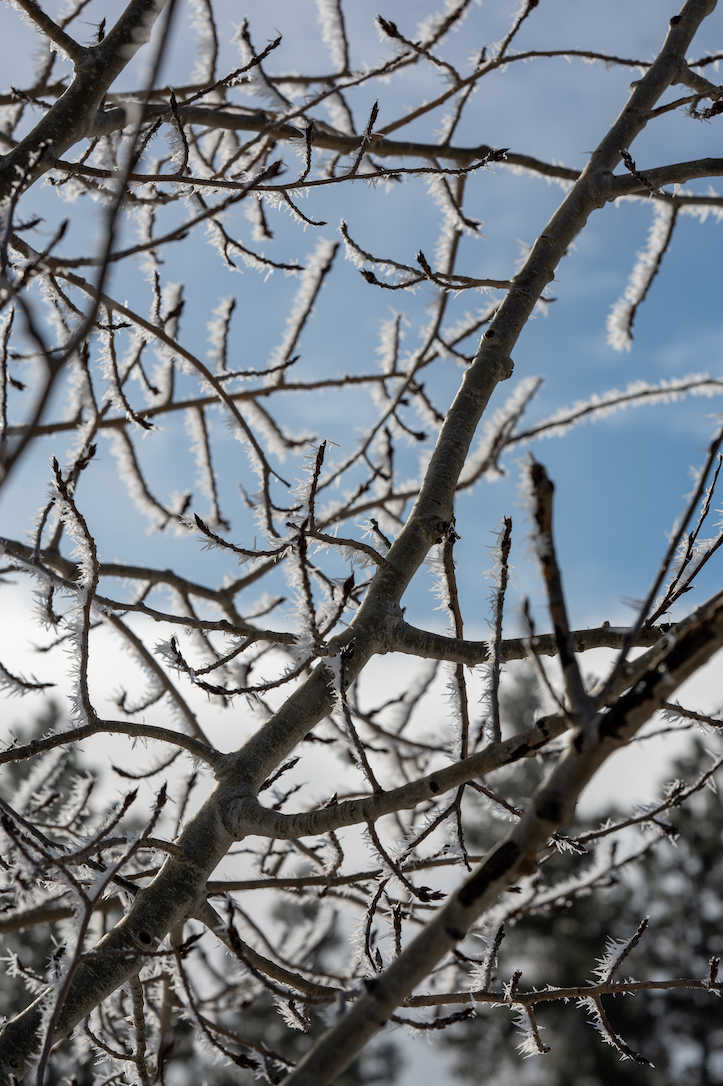
At the time, the entire sanctuary had been coated with hoarfrost for several days. These feathery deposits of ice are created when fog freezes on cold surfaces, thereby giving them a “hairy” appearance. The phenomenon looks absolutely amazing when illuminated by sunlight and outlined by turquoise skies, and the property’s numerous Ponderosa pines are particularly stunning when adorned with the frosty spikes.

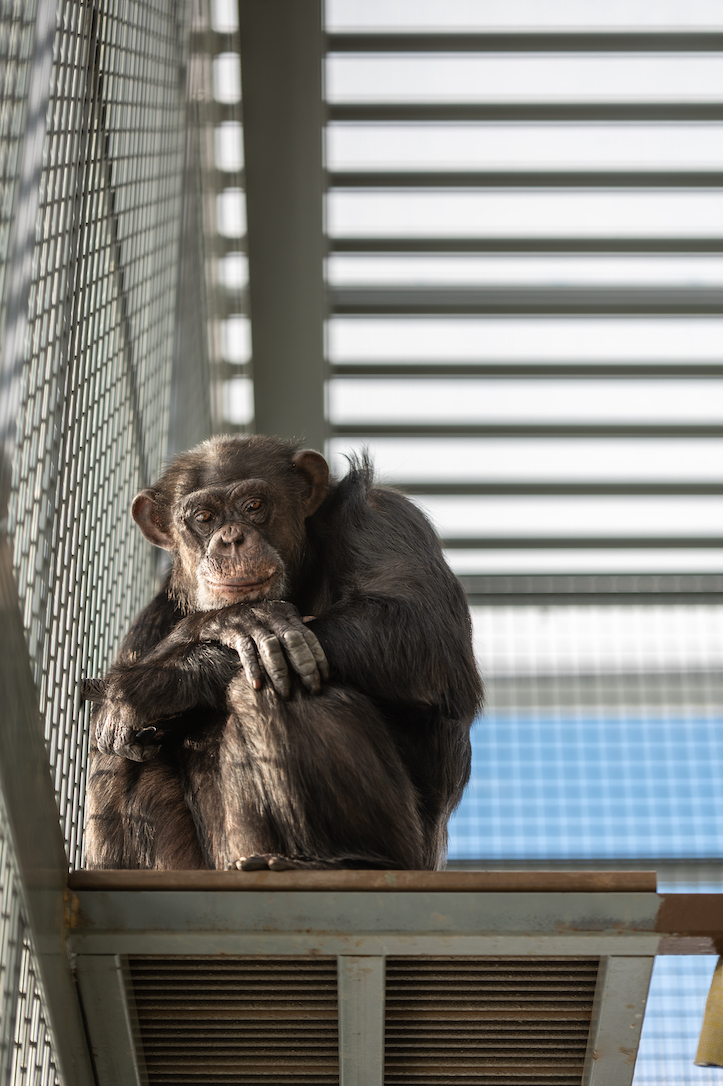
I don’t know if the chimps appreciated the hoarfrost as much as I did, but they definitely seemed to enjoy the sun’s rays. When I went to see what the chimps were up to that afternoon, I found most of them lounging on the elevated platforms in their respective greenhouse enclosures, grooming and snoozing the hours away. Only Dora was interested enough in my presence to shift her gaze, studying my camera and nodding approvingly before rolling back over for another nap.

Filed Under: Dora, Sanctuary, Weather Tagged With: Animal Welfare, chimp, chimp sanctuary, chimpanzee, chimpanzee sanctuary, Chimpanzee Sanctuary Northwest, chimpanzees, Sanctuary

  • « Go to Previous Page
  • Page 1
  • Interim pages omitted …
  • Page 4
  • Page 5
  • Page 6
  • Page 7
  • Page 8
  • Interim pages omitted …
  • Page 27
  • Go to Next Page »

Primary Sidebar

Subscribe To the Blog and Get Notified of New Posts First!

Archives

Calendar of Blog Posts

June 2026
S M T W T F S
 123456
78910111213
14151617181920
21222324252627
282930  
« May    

Categories

SUBSCRIBE TO OUR NEWSLETTER

Footer

PO Box 952
Cle Elum, WA 98922
[email protected]
509-699-0728
501c3 registered charity
EIN: 68-0552915

Official DDAF Grantee

Menu

  • The Chimpanzees
  • Blog
  • About Us
  • You can help
  • Resources
  • Contact
  • Donate

Proud Member of

Connect With Us

Search

Copyright © 2026 Chimpanzee Sanctuary Northwest. All Rights Reserved. Site by Vegan Web Design