• Skip to main content
  • Skip to primary sidebar
  • Skip to footer

Chimpanzee Sanctuary Northwest

Hope. Love. Home. Sanctuary

  • Our Family
    • The Chimpanzees
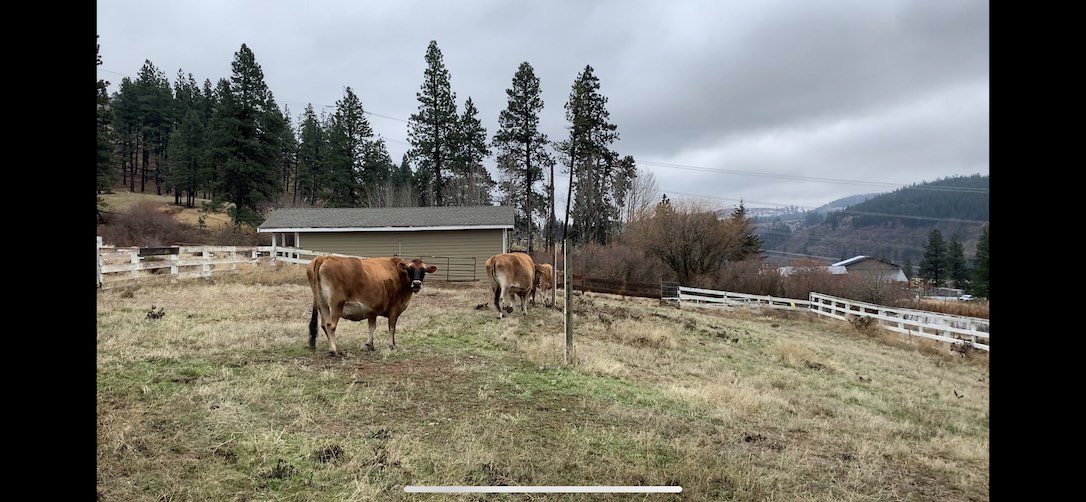
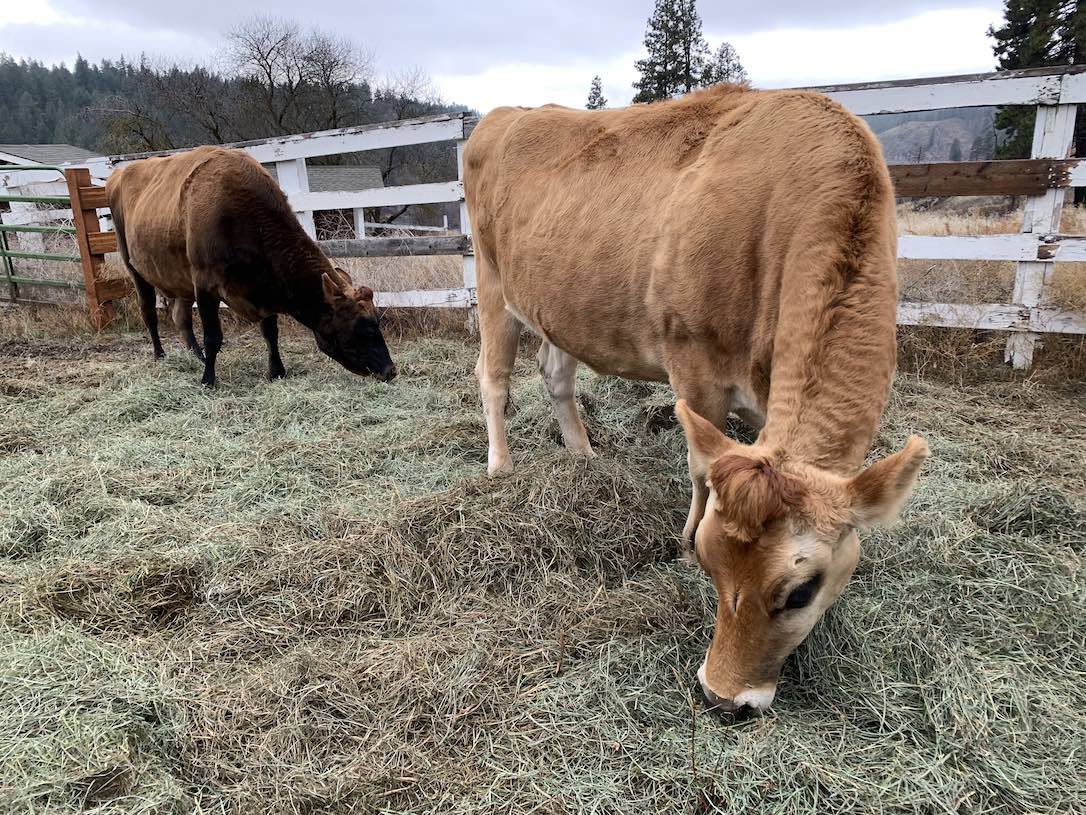
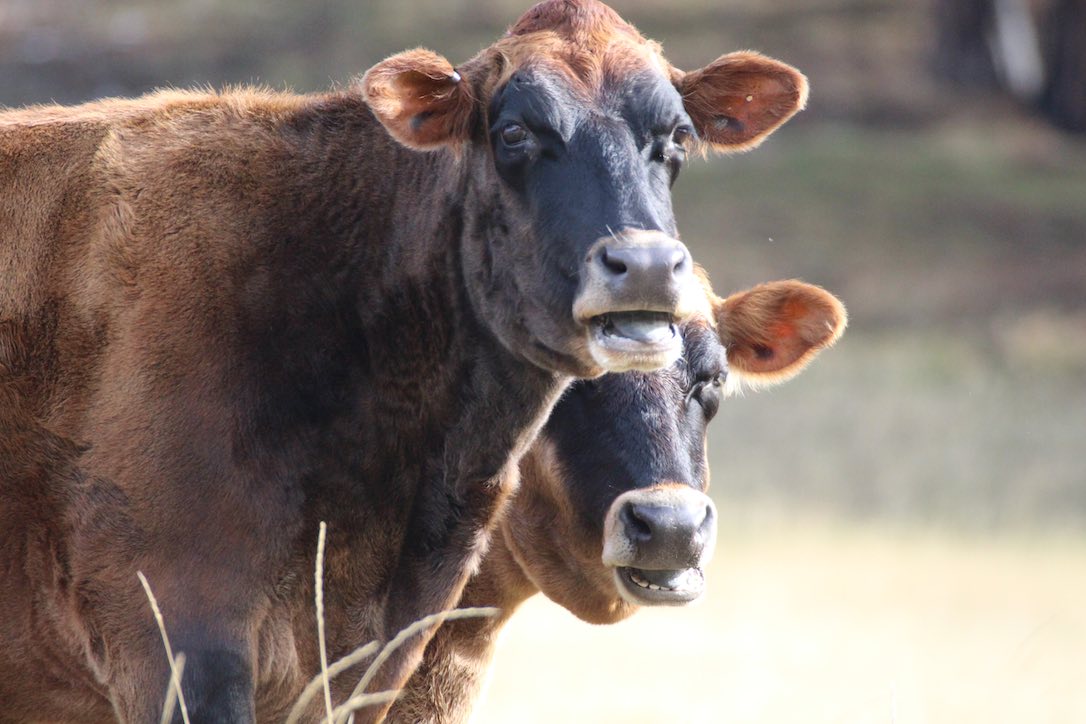
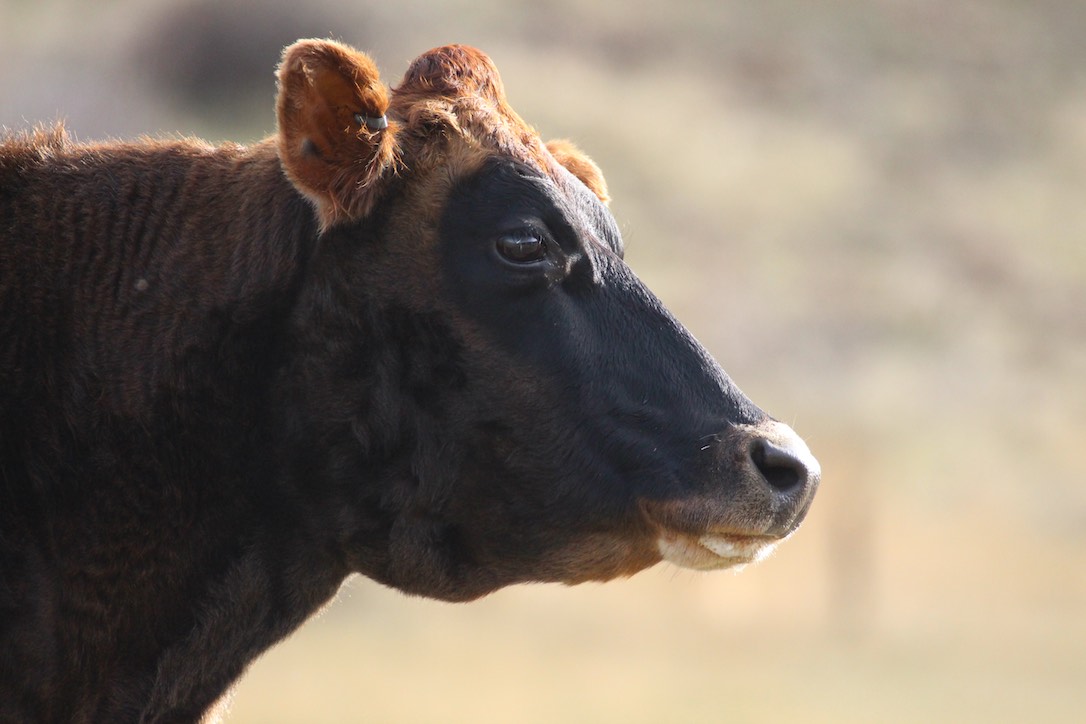
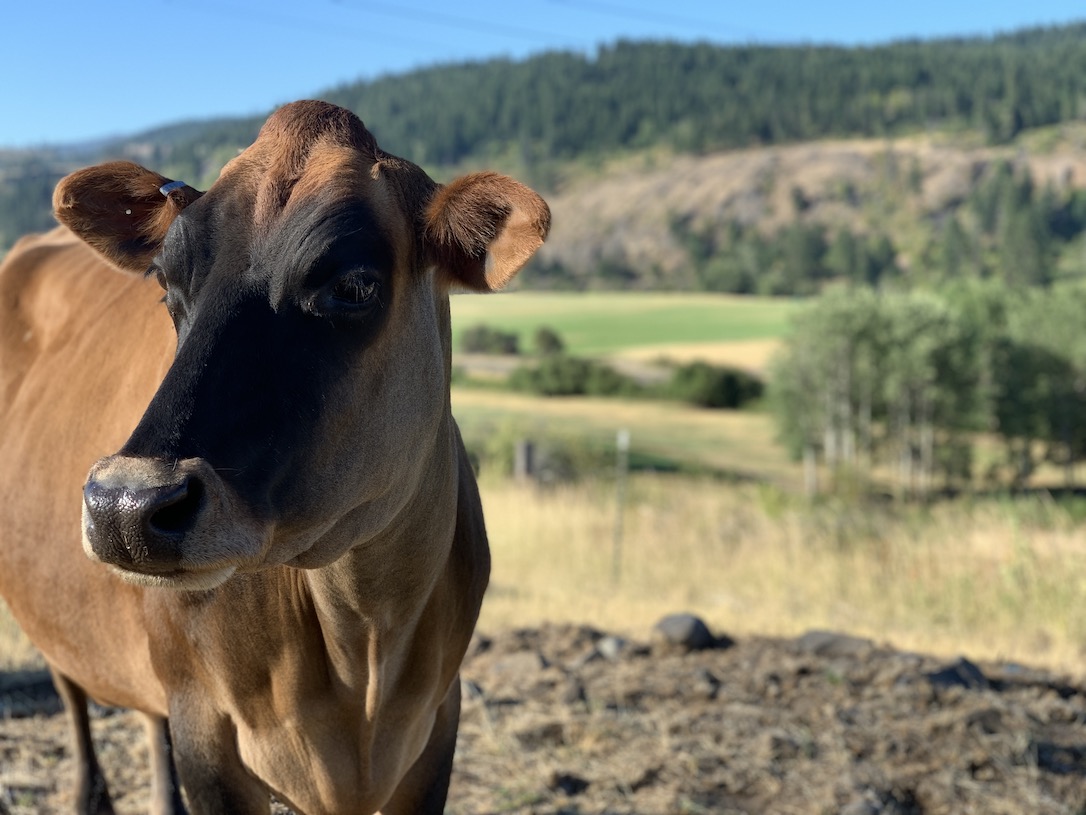
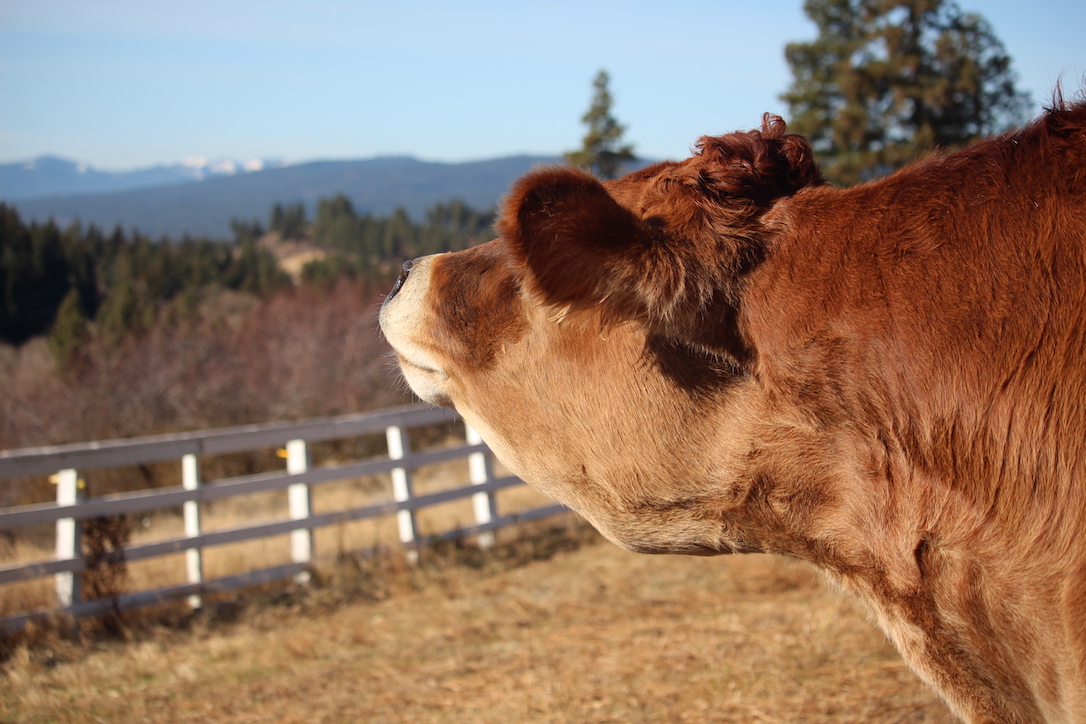
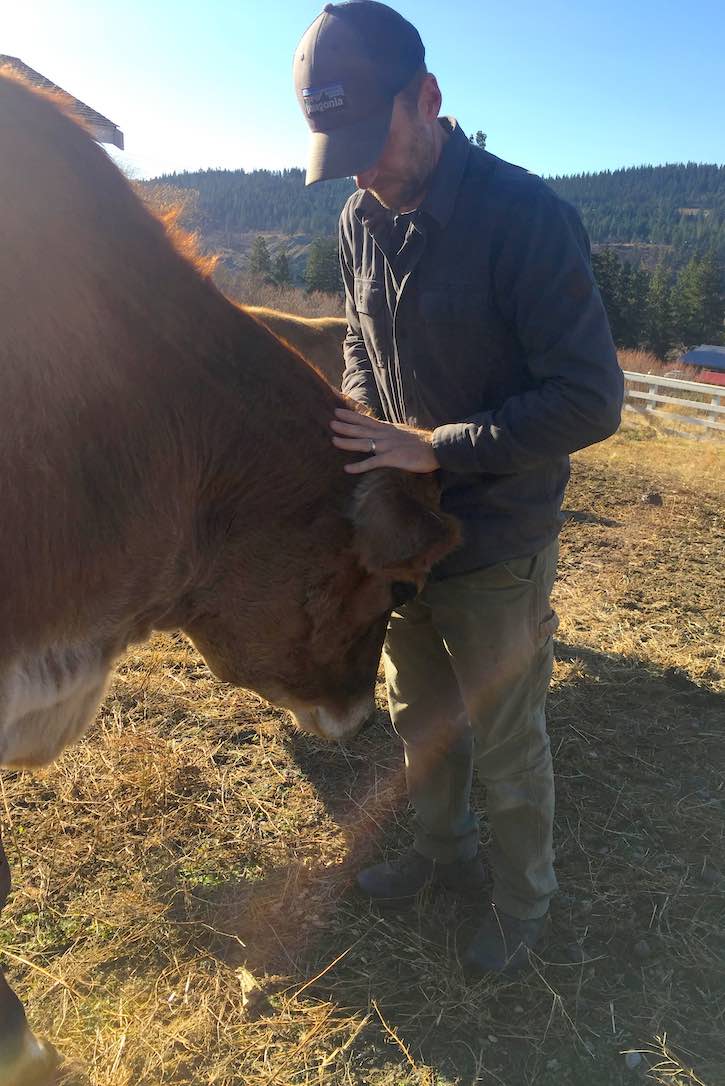
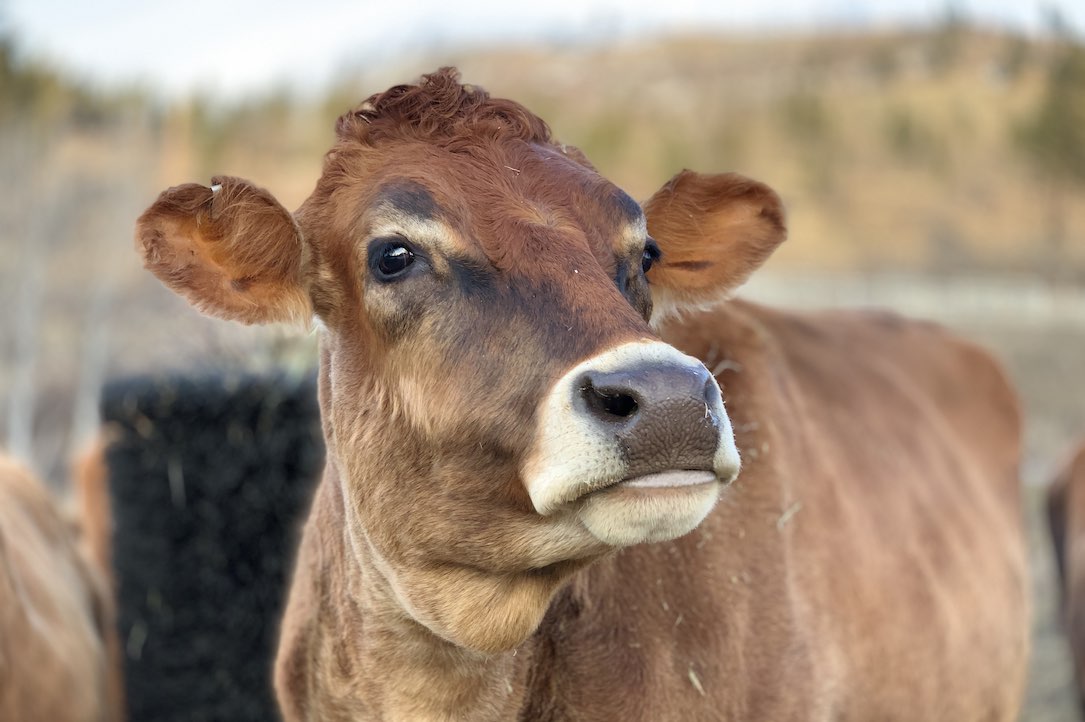
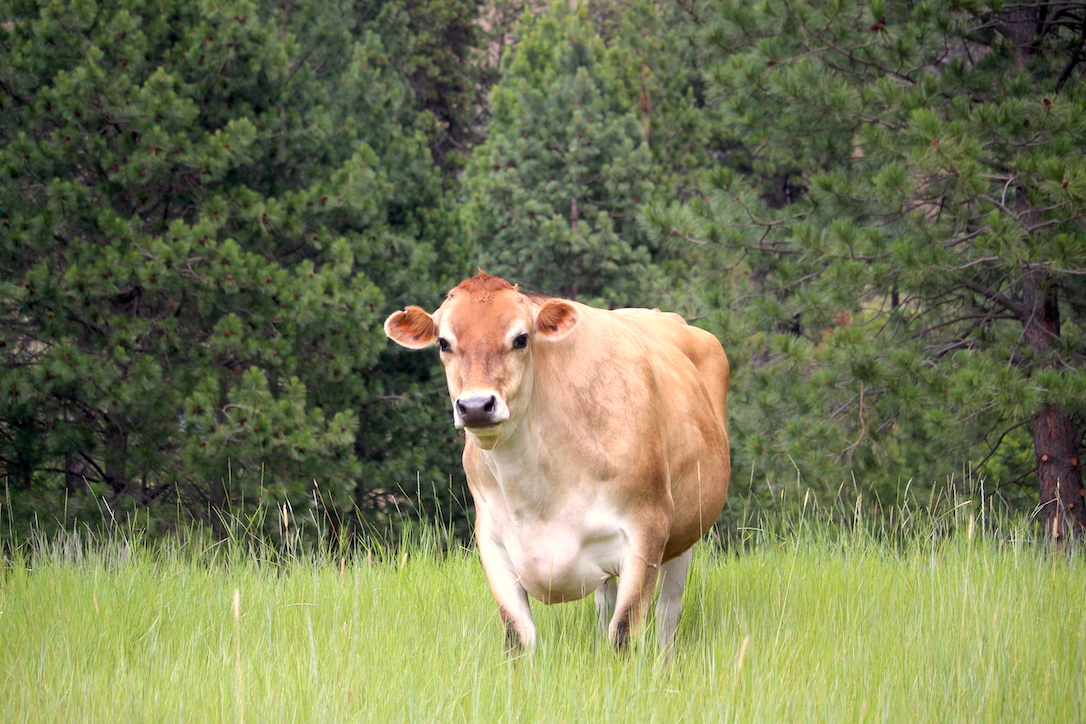
    • The Cattle
  • Blog
  • About Us
    • Visiting the Sanctuary
    • Philosophy
      • FAQs
      • Mission, Vision & Goals
      • Privacy Policy
    • The Humans
      • Staff
      • Board of Directors
      • Founder
    • Annual Reports
    • The Future of CSNW
    • CSNW In The News
  • You can help
    • Donate
      • Become a Chimpanzee Pal
      • Sponsor A Day
      • Transfer Stock
      • Be A Produce Patron
      • Be a Bovine Buddy
      • Give from your IRA
      • Personalized Stones
      • Bring Them Home Campaign
    • Leave A Legacy
    • Employment Opportunities
    • Volunteer
    • See Our Wish List
    • Events
  • Resources
    • About Chimpanzees
    • Enrichment Database
    • Advocacy
      • Advocacy Action Center
      • Apes in Entertainment
        • Trainers
        • Role of the AHA
        • Greeting Cards
      • Chimpanzees as Pets
      • Roadside Zoos
      • Chimpanzees in Biomedical Research
      • Conservation
        • African Apes
        • Orangutans
  • Shop
    • Merchandise Store
  • Contact
  • DONATE NOW

cows

The Bud Box

November 22, 2020 by Anthony

Primates and Bovines

Most of our staff were, at one point or another, either primatology students at nearby Central Washington University (CWU) or interns at the university’s Chimpanzee and Human Communication Institute. People are often surprised to learn that CWU students can specialize in primate behavior at the undergraduate, graduate, or professional certificate level. It’s quite the niche.

We sometimes joke about our research-oriented backgrounds whenever we catch ourselves doing strange tasks around the Chimp House (like fishing stray troll dolls out of the septic tank filter, perusing Amazon for Jamie’s next favorite picture book, or shoveling chimp-size paths through the snow on Young’s Hill). Irony aside, the people who use their Primate Behavior degrees exclusively for studying primate behavior are the true anomalies. The skills developed while studying primatology are widely applicable to a variety of different career paths, and most of us end up doing things we never even dreamed of when we were students.

This point was reiterated when I remotely interviewed for a caregiver position at CSNW. One of the topics that came up was that of cattle care, which is quite different from the other Chimp House duties and may have turned off some candidates. When J.B. asked if I had any familiarity with bovines, I responded that “I have never cared for cattle.” The phone went awkwardly silent for a second, and I quickly realized my strange wording suggested I didn’t like cows. Of course, I actually meant that I had literally never worked with them before, and I tried my best to convey that I was in no way prejudiced against cattle. In fact, I knew little about bovine health or behavior but was super stoked to learn.

Shifting For Safety

In some respects, taking care of chimpanzees is vastly different from managing domesticated animals such as cattle. Sometimes, though, the overlap is considerable. From my perspective, one similarity shared by all species is the tendency to not go where you want them to, making their care more difficult.

We’ve recently discussed the challenges of shifting chimps around the building so that we can safely unlock areas for cleaning. In some cases, such as Willy B’s epic filibusters in the Courtyard and the chute, we can make alternate plans that align with the chimps’ preferences. However, we don’t always have that luxury. On rare occasions, we encounter situations when we need the chimpanzees to leave an area for their immediate safety. These improbable events may be related to extreme weather, enclosure maintenance, or dangerous wildlife. In these critical moments, confused chimpanzees tend to pay less attention to their caregivers and are less likely to cooperate.

One example is that of Burrito’s rattlesnake encounter in Young’s Hill back in September. On that day, the chimps voluntarily came inside, letting us administer antivenom to Burrito and remove the snake from the habitat. In the weeks after, we prioritized recall training. To execute a recall, we invite the the chimps to return to the building, letting us close the doors in exchange for high-value treats. In a couple of cases, this proactive cooperation helped us to humanely relocate non-venomous snakes that had mistakenly found their way into the chimps’ outdoor enclosure. Once the warm weather returns in the spring, we will surely resume this training.

Note: We are frequently asked whether we intervene in fights by splitting the chimpanzees up. We usually do not. Separating a frenzied group of chimps during an altercation is extremely difficult since they are so focused on each other during these moments. They almost always resolve the conflict and reconcile without our assistance.

Other institutions do similar activities for the sake of their chimpanzee residents. At the closed Wildlife Waystation (from whence came Honey B, Mave and Willy B), caregivers are currently teaching the chimps to willingly shift into transport cages in case nearby wildfires threaten the facility again. This ongoing effort recently garnered some well-deserved media attention. As the sanctuary community works to re-home the remaining chimps, it’s good to know that their immediate wellbeing is still a top priority. When those chimpanzees make their way to accredited facilities like ours, hopefully they’ll be like Honey B and bring their cooperative attitudes with them.

The Bud Box

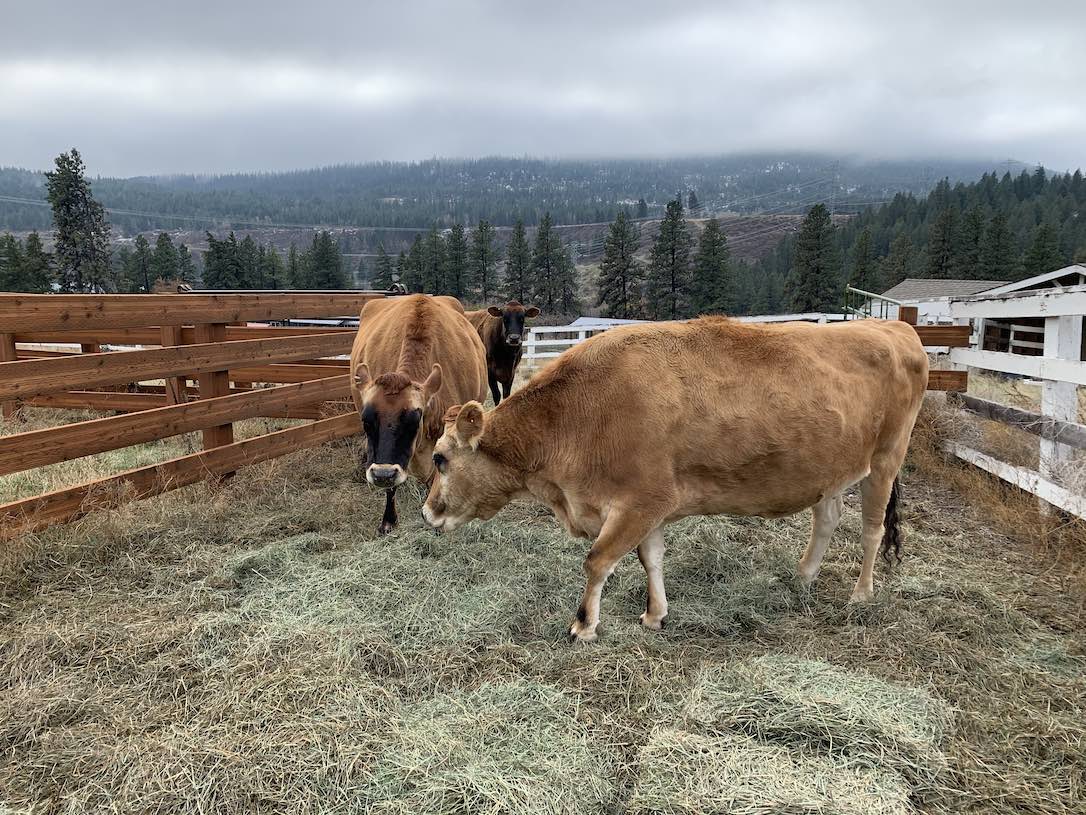
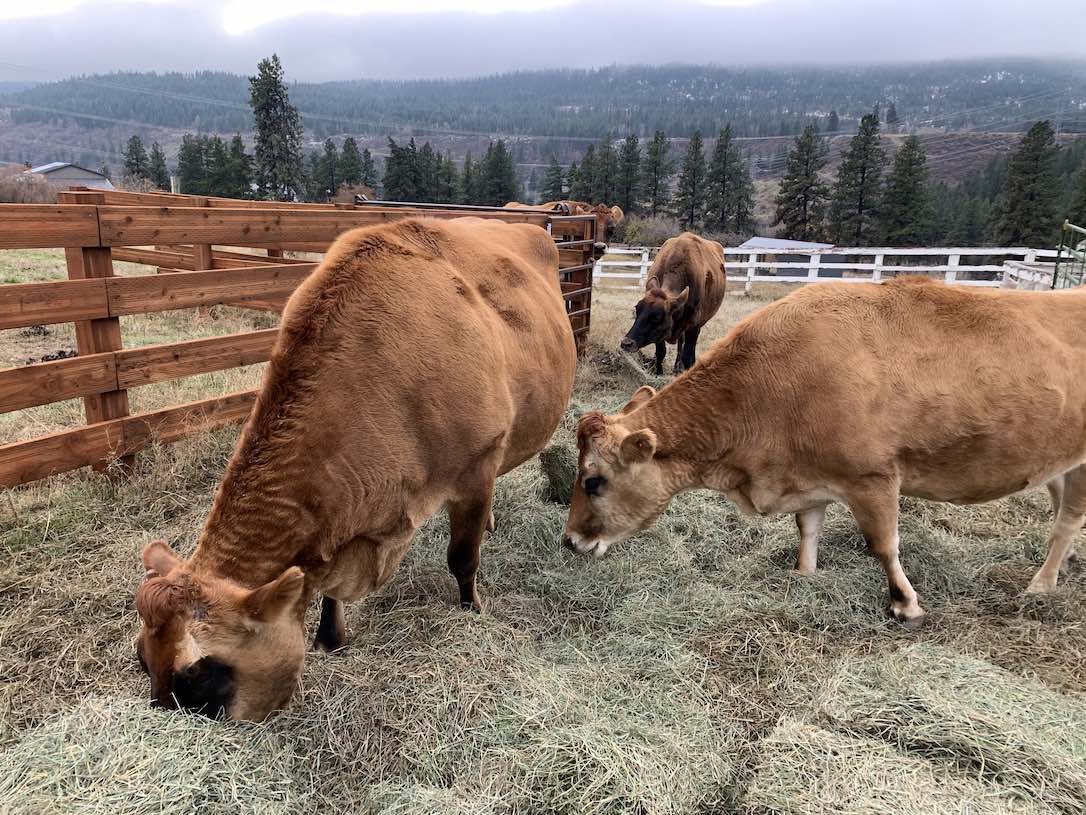
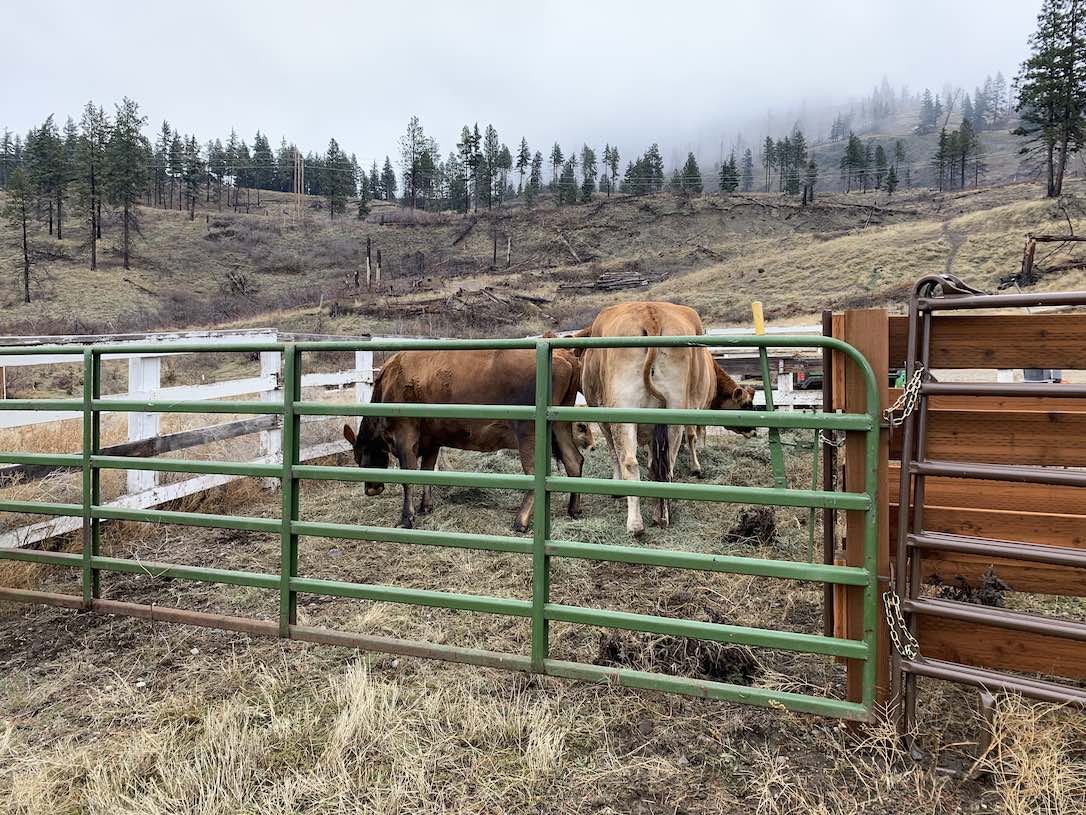
Of course, the chimpanzees aren’t the only CSNW residents who need this kind of training. The sanctuary’s four cattle are also managed using positive reinforcement, and training them to voluntarily enter a smaller corral is one of our top priorities. Plausible scenarios in which we would need to confine the cattle would be to address individual health concerns, to make repairs to the pasture fences, or to evacuate the herd due to a nearby wildfire. We also use a similar process to isolate them for their annual hoof trims and vaccinations. In all of these cases, the first step is to get them out of the larger pasture and into a smaller corral. From there, we herd them into an even smaller pen and then into a narrow chute that allows for safe handling. Cattle are naturally skeptical of anything that seems different (and for good reason), so anything we can do to familiarize them with this process has a positive effect on their welfare.

The key to all this is the Bud Box. Although it sounds like a monthly subscription service for cannabis enthusiasts, the Bud Box is actually a type of cattle pen named after its late inventor, Bud Williams. Bud’s design was (and remains) quite simple: a rectangular enclosure that has one or more outflows located near the main entry gate. Cattle will often turn back once they encounter a dead end, at which point they easily divert into a narrow chute for veterinary care or transport. This relatively cheap design is wildly effective and popular. J.B. built our sanctuary’s Bud Box shortly after the cattle arrived, and it’s already proving to be worth all of his hard work.

Source: Michelle Proctor, University of Missouri

As the above diagram shows, the Bud Box is designed to keep the cattle “flowing” into the chute without much human participation or promise of reward; their aversion to containment drives them through. Ideally, all the human operator has to do is close one gate and open another. Still, it can work better if the animals are familiar with the pen and relatively relaxed. Training is one way to achieve this.

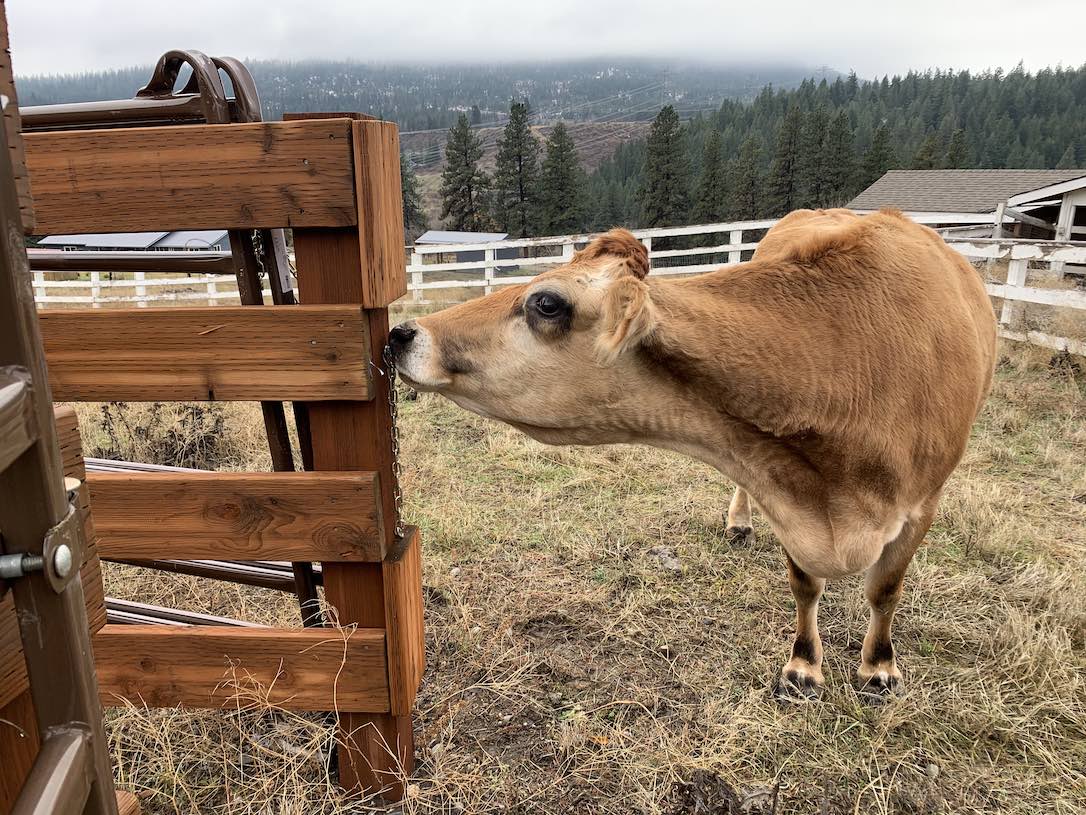
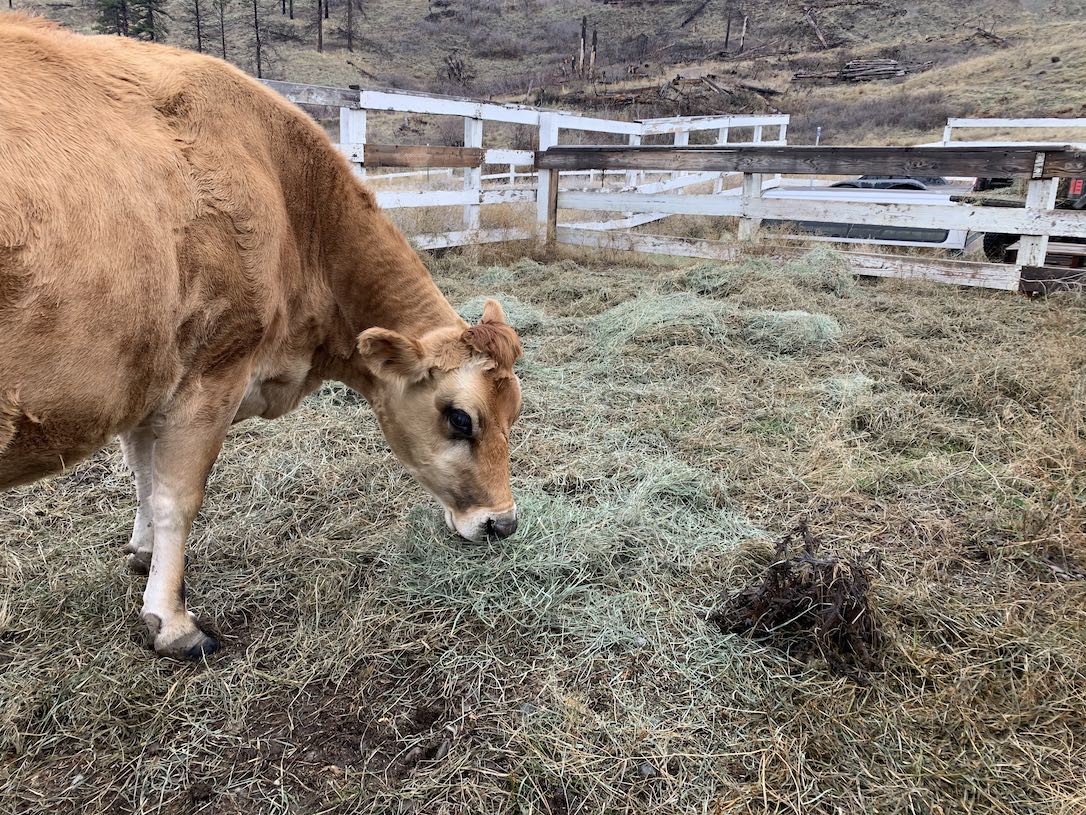
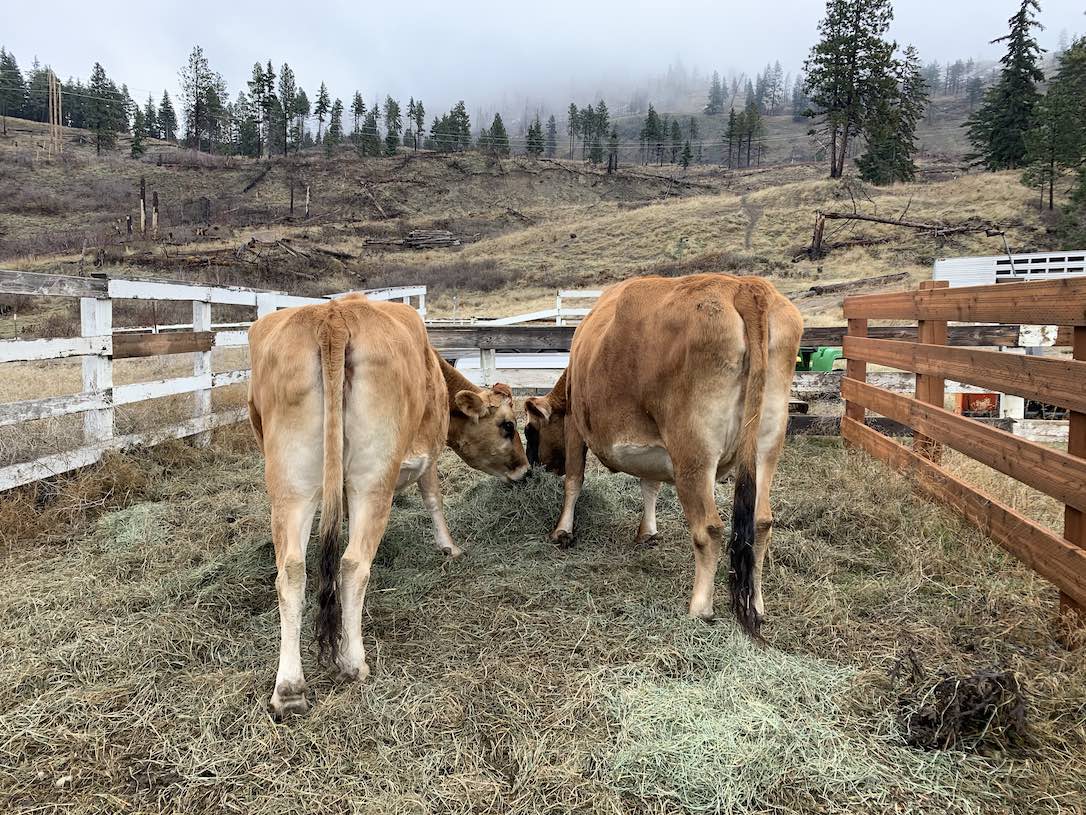
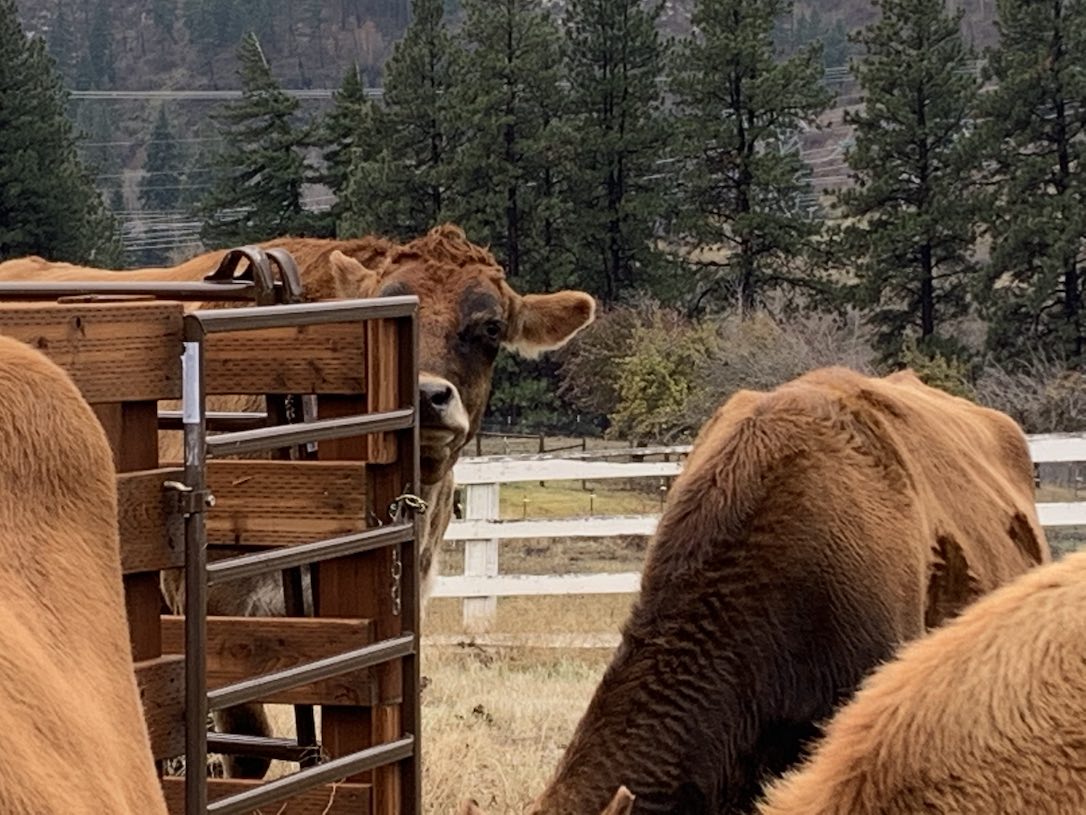
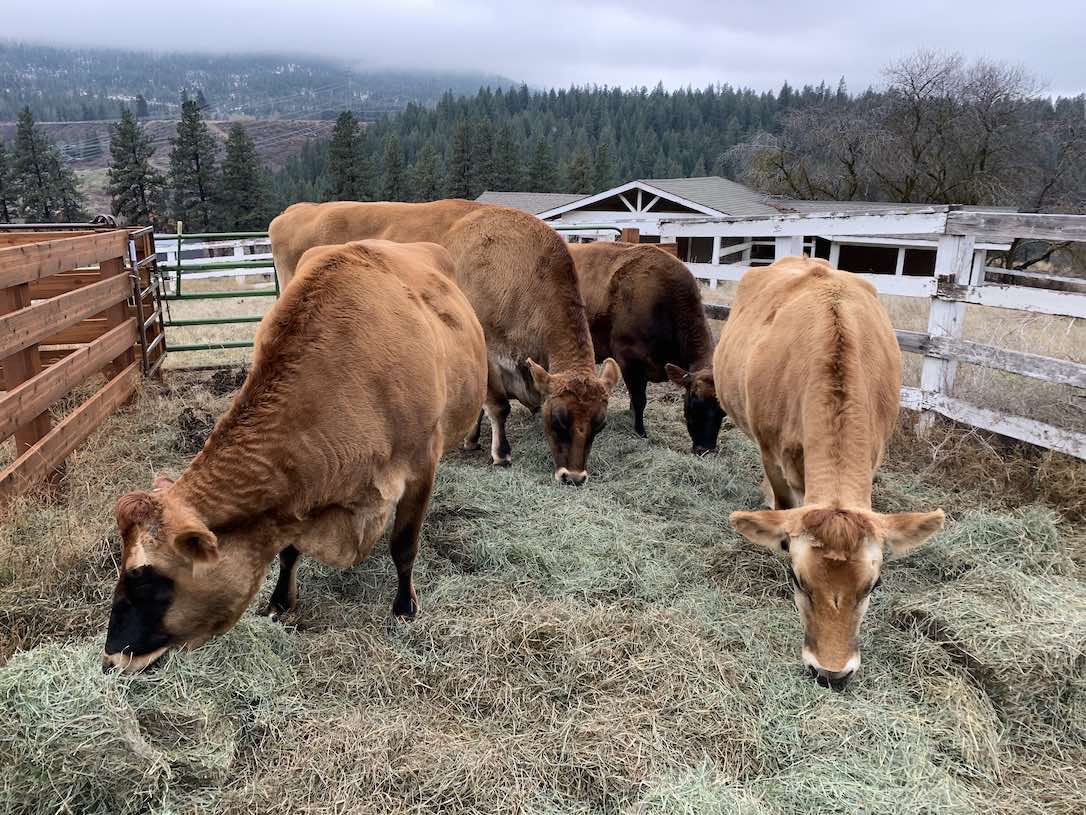
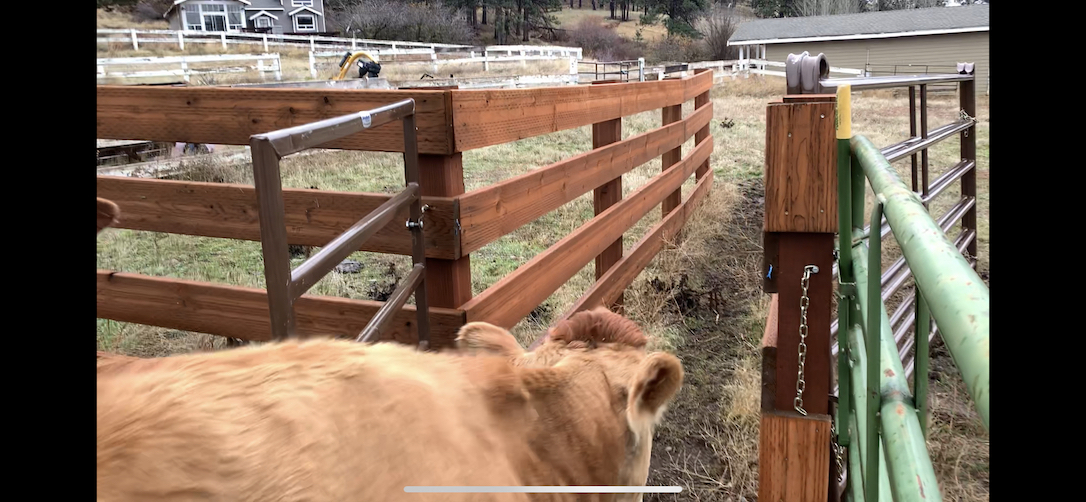
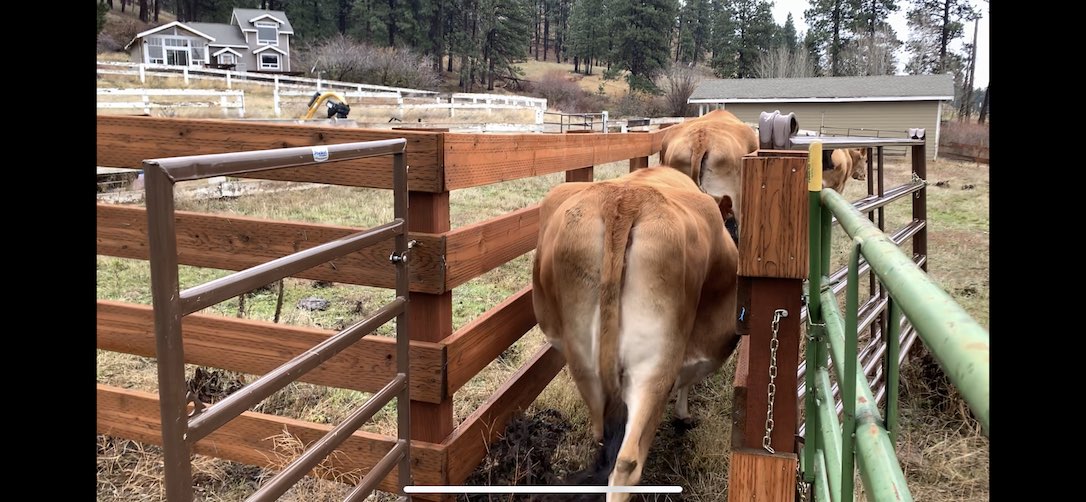
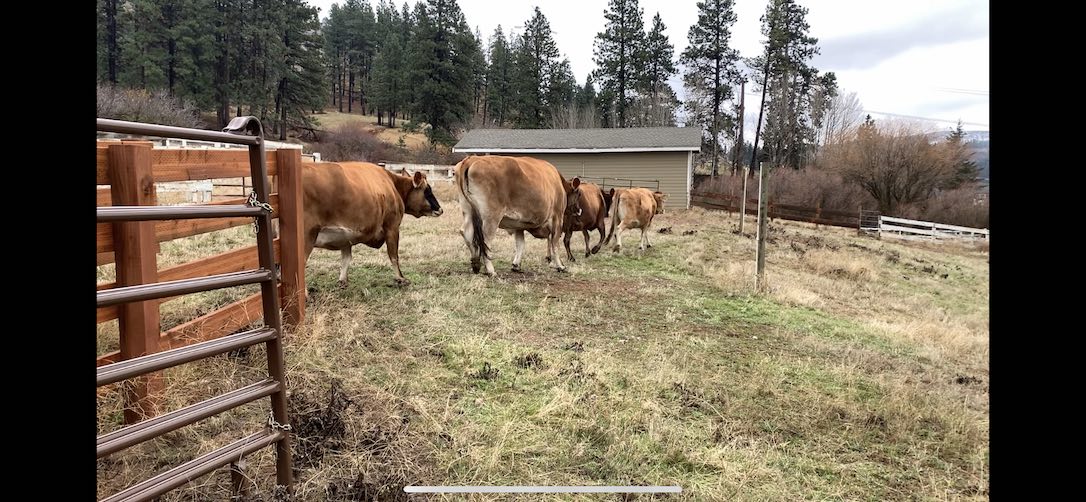
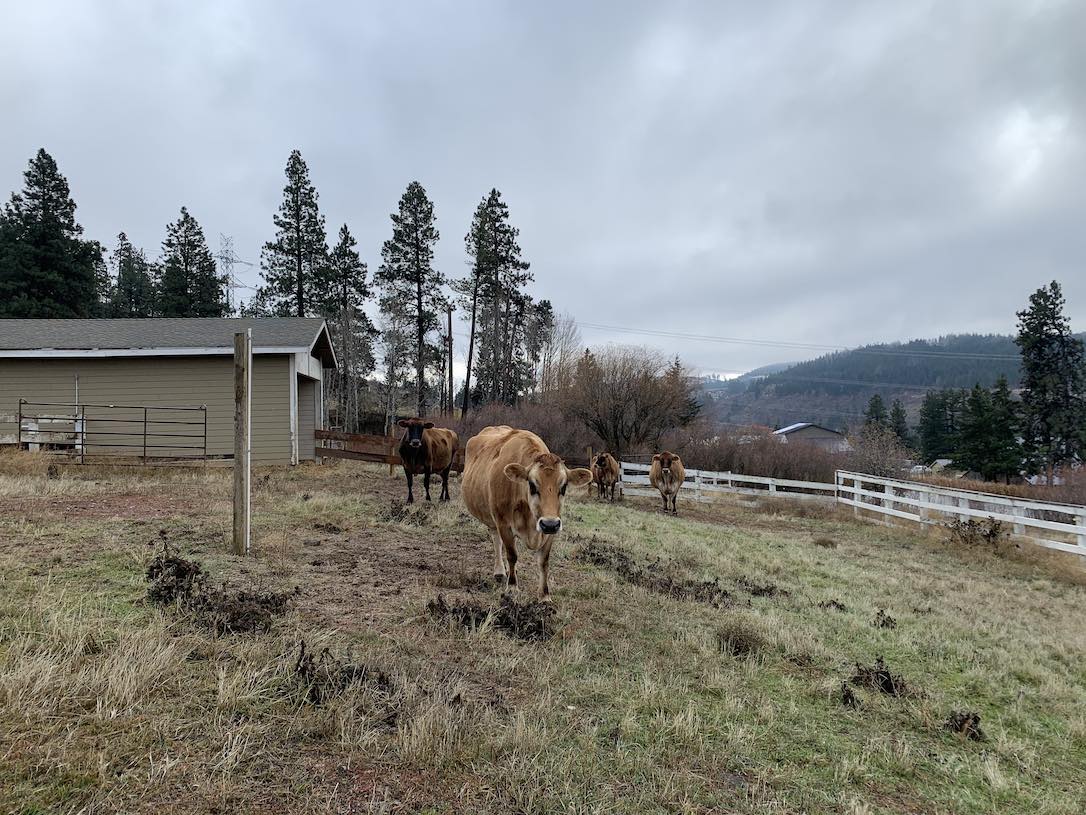
Erin and I have been doing some Bud Box training recently. During these sessions, we put some of the bovines’ regular hay into the box and then briefly close them inside. Then, we open the side gate so they exit through the corresponding chute, receiving the rest of their hay as a reward. Afterwards, we leave the swing gate wide open so that they can re-enter the Bud Box for any leftovers. The following photos show a step-by-step record of the entire process (in case you want to try it with your beloved Jersey cattle at home).
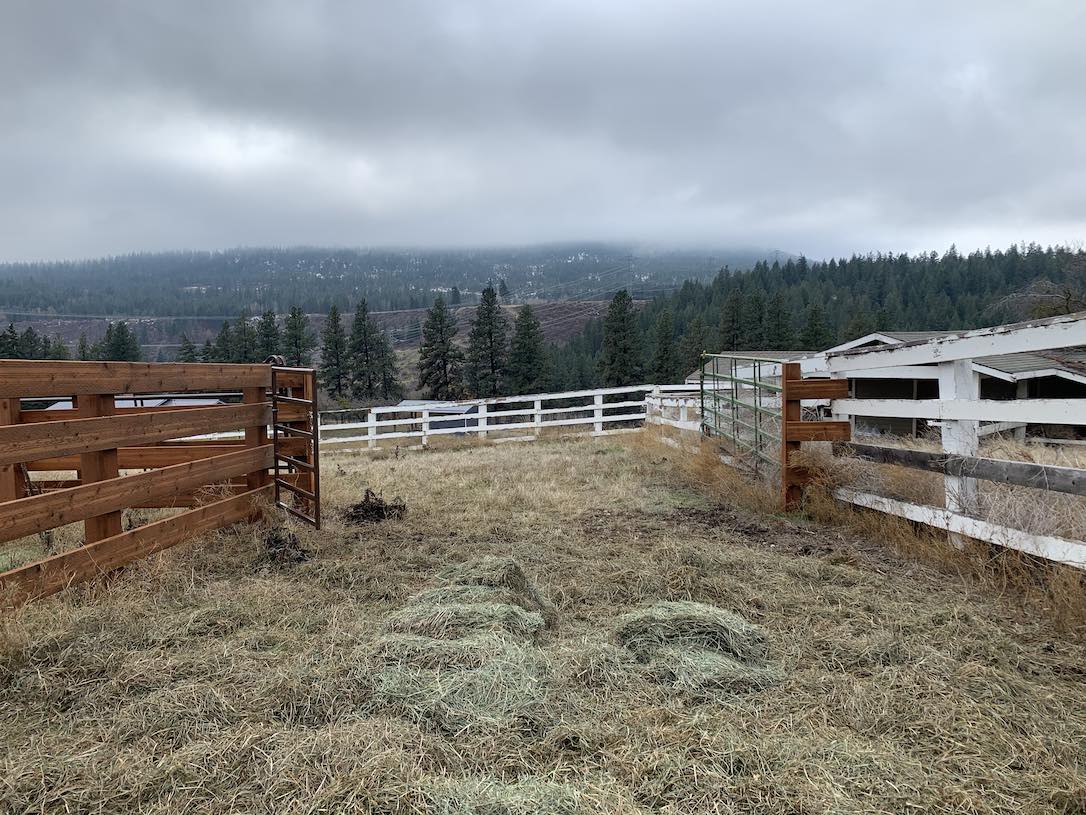
1. With the swing gate open and the chute gate closed, we place an alfalfa/grass hay mixture into the Bud Box and call the cattle over.
2. The cattle come into the corral voluntarily and slowly walk toward the Bud Box. We close the pasture gates behind them.
3. Honey is the bravest. She takes a good sniff of the Bud Box before entering.
4. Honey settles and begins to forage.
5. More skeptical individuals tend to hang back. Meredith need a moment to observe her mother eating safely.
6. The number of cattle in the Bud Box suddenly doubles as Meredith joins Honey inside.
7. Betsy comes over, too.
8. Betsy begins to eat. Nutmeg is the last one to arrive.
9. Nutmeg needs to lick things.
10. With the cattle happily filling their bellies, I close the swing gate behind them.
11. Nom nom nom nom nom
12. Once they’ve eaten a bit, I open the side gate so they can exit via the chute.

13. Although they eagerly leave the Bud Box, they soon decide to go back to it and scarf down the remaining hay.

Our plan is to continue this training on a weekly basis until the cattle calmly enter the Bud Box and exit via the chute with only a tiny bit of coaxing. It may seem like a lot of work now, especially for a bunch of primatology nerds like us, but this training could prove invaluable if we ever have to round up the cattle in a hurry.

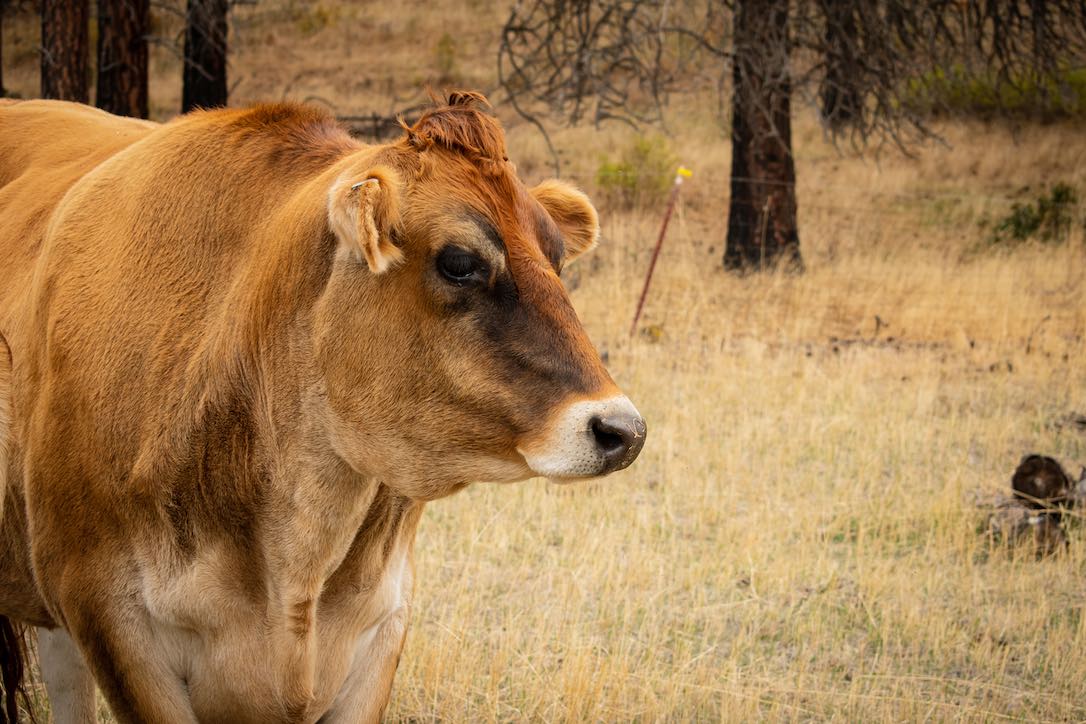
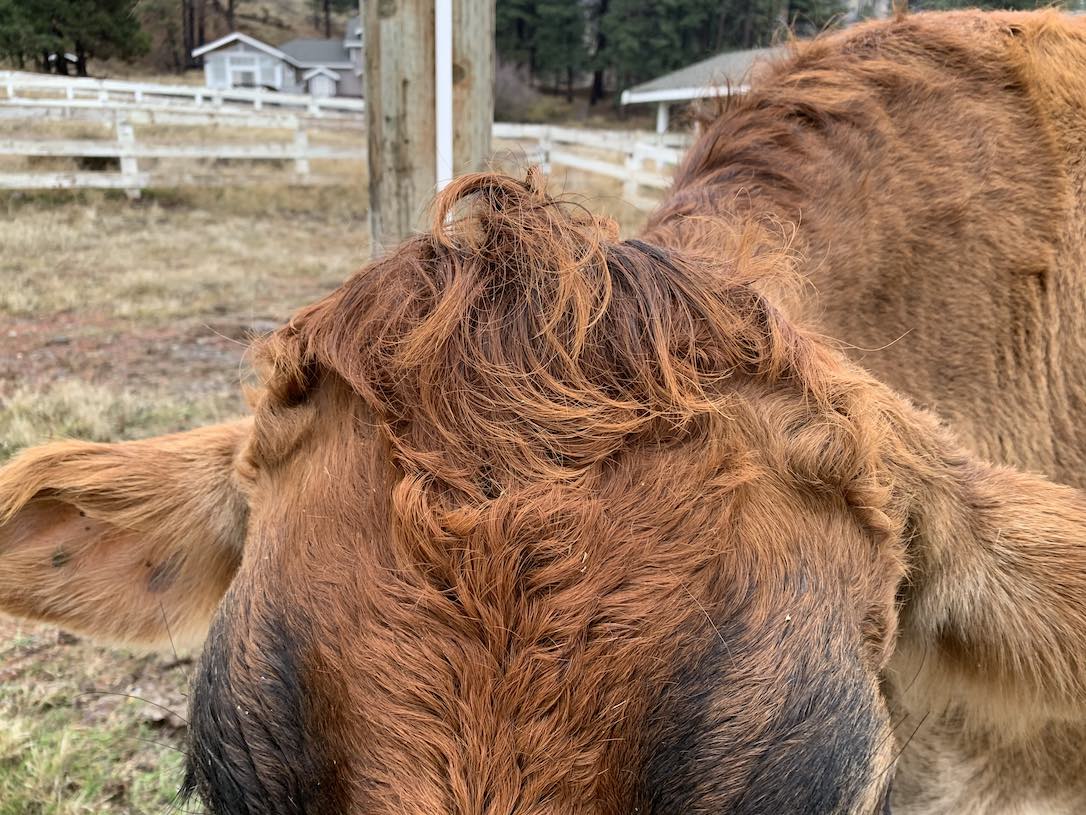
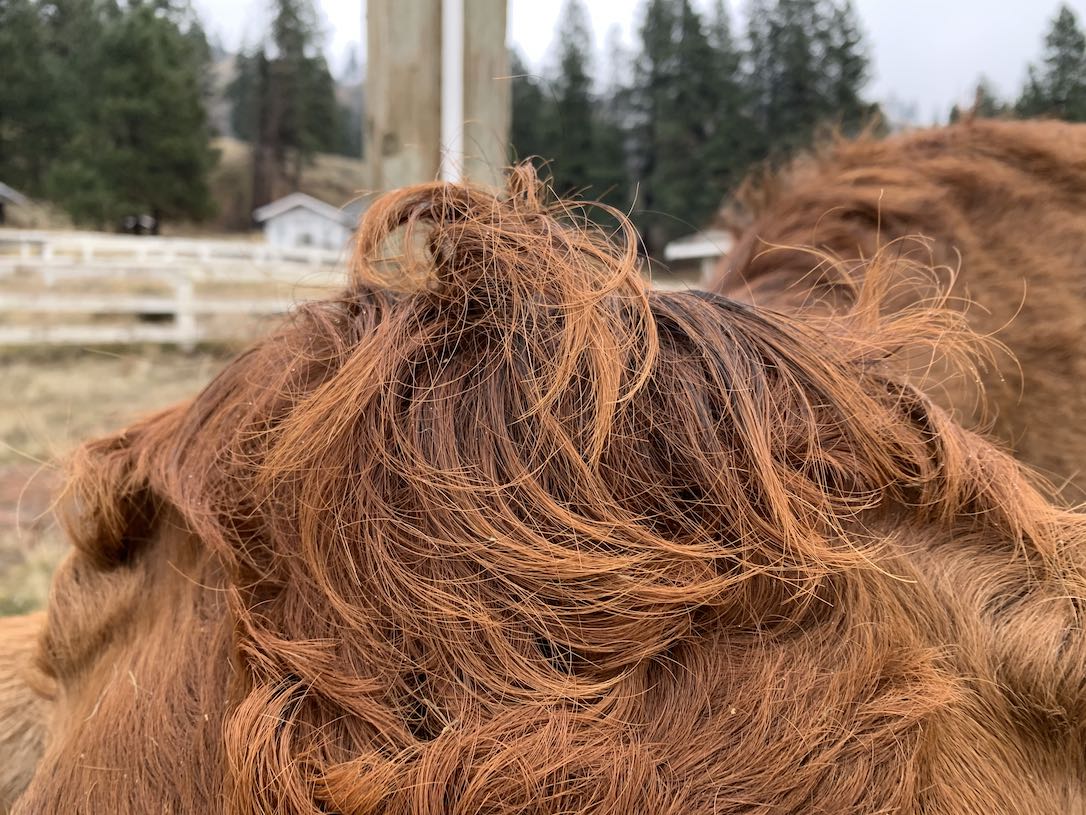
In the meantime, I think we all need to appreciate how awesome Nutmeg’s hairstyle is. This anatomical feature is actually an occipital protrusion called a poll, but I think it looks more like a messy man-bun. Either way, he rocks it.
Filed Under: Cattle, Farmed Animals, News, Training, Weather Tagged With: animal behavior, animal rights, animal training, Animal Welfare, animals, bovines, bud box, cattle, chimpanzees, cows, emergency management, jersey cows, livestock, positive reinforcement, ranching

let’s hear it for the bovines

November 14, 2020 by Diana

If you are not in the mood to read words at the moment, watch the video above and scroll down for some photos.

Yesterday was my day to muck out the cattle barn and feed the bovine family.

The staff person assigned to “cattle care” for the day generally carries out this task after the morning duties in the chimp house – mainly serving the chimpanzees breakfast and doing a lot of cleaning.

J.B., Anna, Kelsi, and I got done with the chimp house cleaning pretty early, and I decided to finish up some donor thank yous before heading out to give the cattle their hay.

Because it’s winter, the cattle are given hay in their barn, which is on the side of the property where our home office is located. (side note: during the summer months they graze the pastures, helping with fire protection, and do not need supplemental hay.)

I tried not to look out the window too much, but I could feel them staring at me as I was finishing the thank yous. They are quite aware of the schedule and they are not shy to remind us when we are behind.

One funny thing – they had hay leftover from yesterday; they almost always do, but that does not matter. They want the new hay and they want it delivered on time.

Thank yous complete, I went to the old barn on the property and wrestled a half-opened bale of hay into our gator (utility vehicle). I was quite aware as I was struggling to do this that if anyone had been watching they may have thought I was attempting to perform some sort of slap-stick comedy routine; at one point I laughed out loud at myself.

I finally triumphed over the bale of hay and was able to deliver the good stuff to the bovines.

As Chad described earlier this week as part of wishing her a happy birthday, Honey is the sassiest of the bunch and does not put up with any nonsense from the humans. As they were all contentedly eating from the hay feeder, I went around to each one and pet them, even sneaking in a hug of sorts with Betsy and Nutmeg, who very graciously put up with my affection.

When I got to Honey, she looked at me askance. I touched her head gently and she flipped her head up to remove my hand. I did it again, and she repeated her head flip, but with a little less enthusiasm. And then, rather than backing away or trying to get me to back away, she returned to eating. This was progress in our slowly developing relationship, so I left it at that and left her in peace while I mucked the barn.

Four cattle leave a surprising amount to muck.

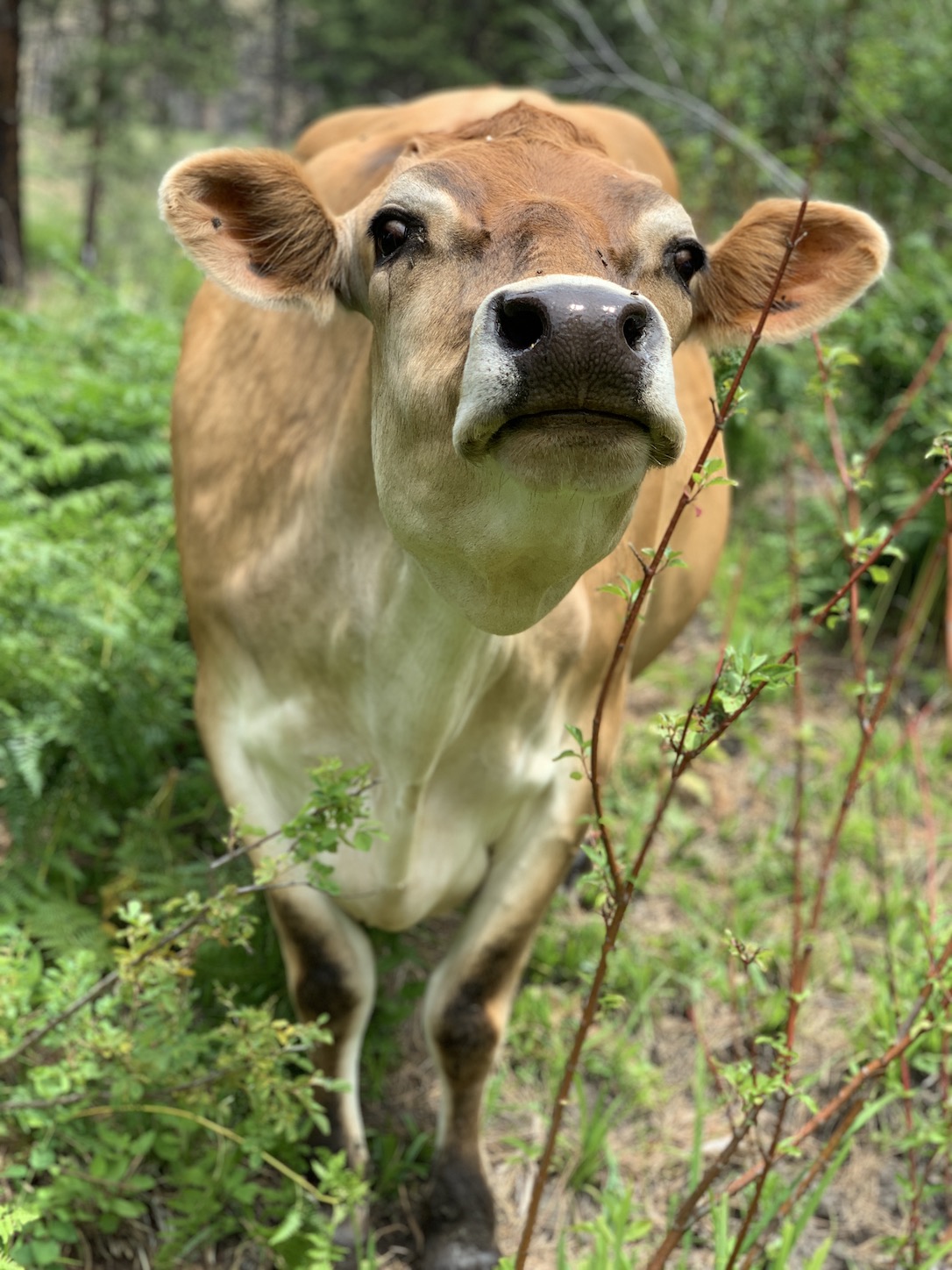
One other side note that might answer a question you have: we often use the term cattle or bovines because there are technically just three cows in the group: Honey, Betsy, and Meredith. Nutmeg is a steer (of formidable size but mostly gentle spirit), not a cow.

I finished up, luckily did not get the gator stuck in mud, and went back to the office after changing my shoes and jacket. Then I grabbed the mail to take to the post office.

As I was driving to town, I noticed that I smelled of hay and perhaps a bit of manure, and I thought to myself that this is why I love living where we do. No need to put on any airs, you know what I mean?

I reached up to scratch my head, a piece of hay fell into my lap, and my finger got stuck in what I quickly realized was smoothie.

I had served Mave, Willy B, and Honey B breakfast earlier. Honey B likes to hang on to her smoothie cup herself. She had stopped drinking from it and I reached for it, thinking she was done, and she proceeded to spit a mouthful of smoothie on my forehead. Honey B could also be described as sassy; maybe there’s something in the name.

So, for the second time that day, while all alone, I laughed out loud at myself.

What a very strange and enchanted life I have, going to the post office with chimpanzee-spit smoothie in my hair and smelling of cattle.

Truly, it is enchanted. Here’s that video which is also above. I took the first bit of this video last week and J.B. took the other clips today:

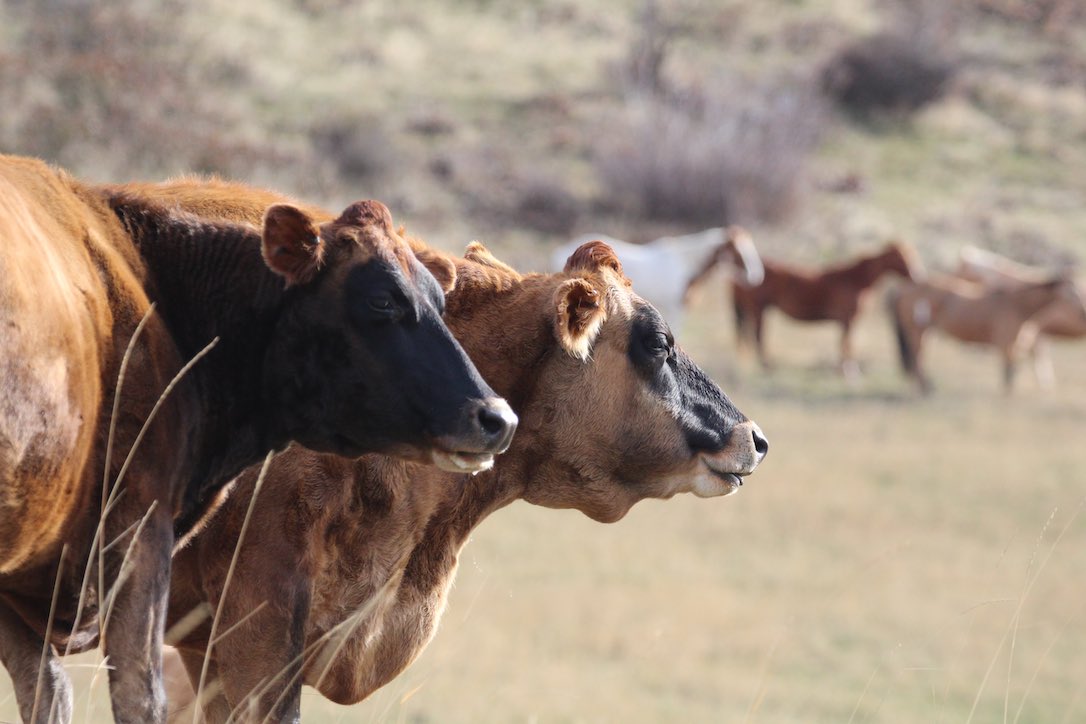
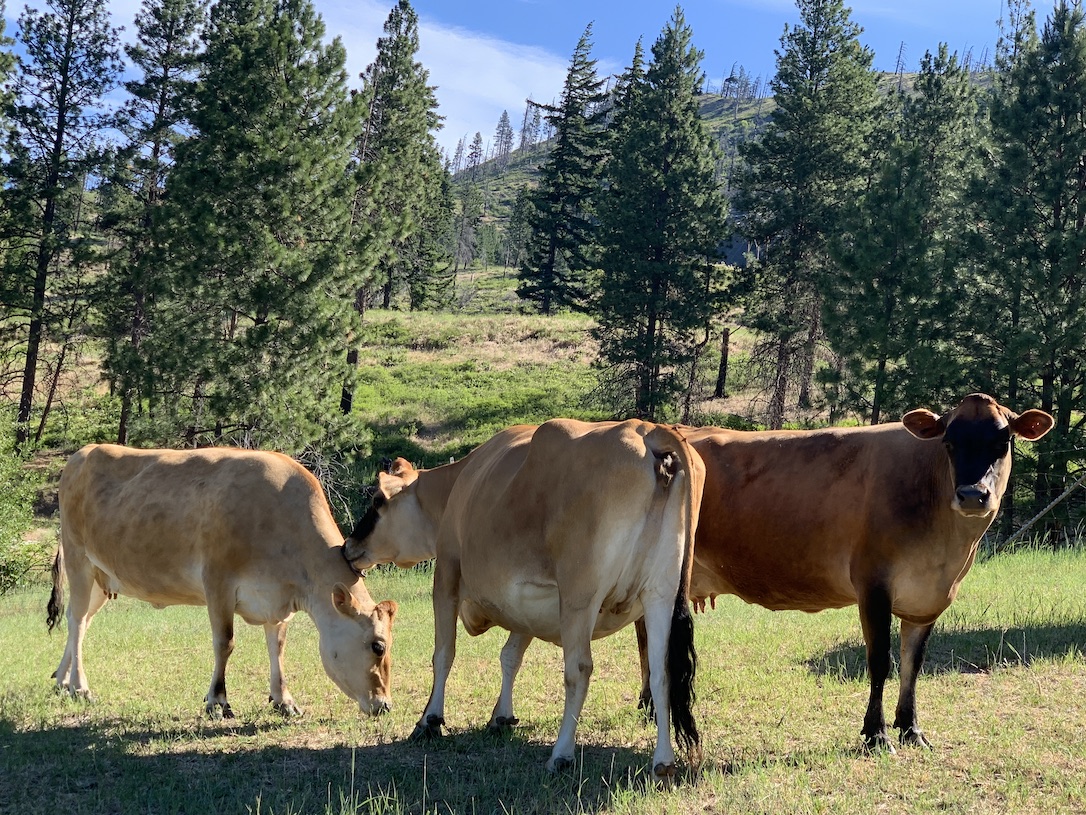
J.B. also got some great photos of Betsy and Meredith today:

Betsy (foreground) and Meredith behind her
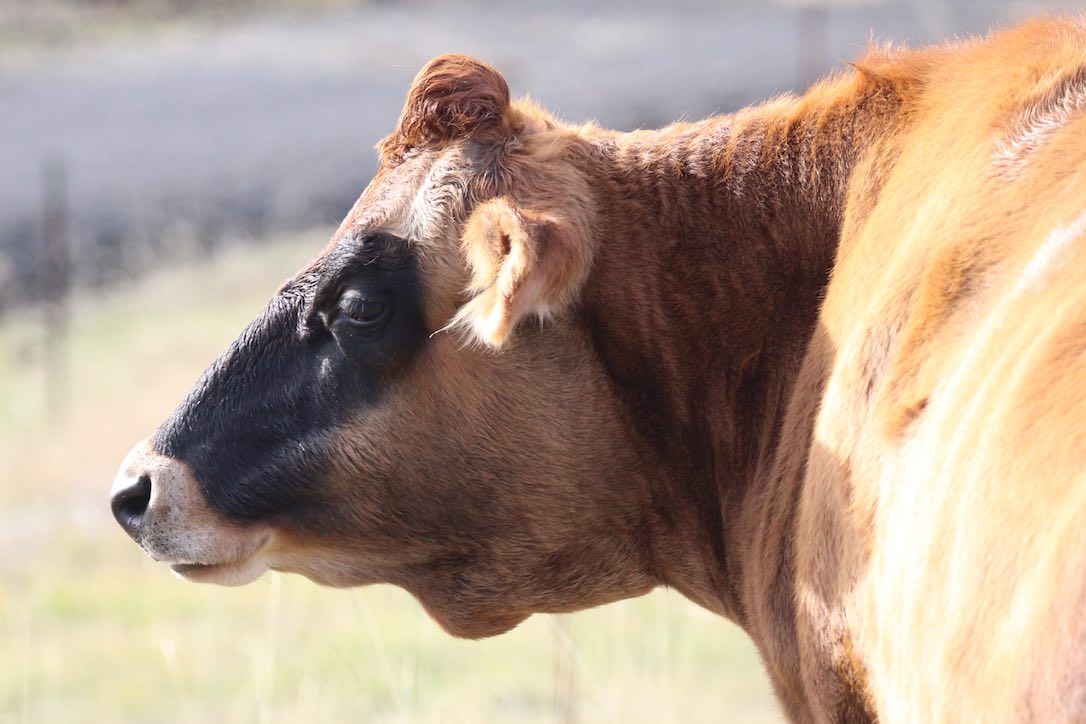
Betsy in profile with her thick winter coat
Meredith
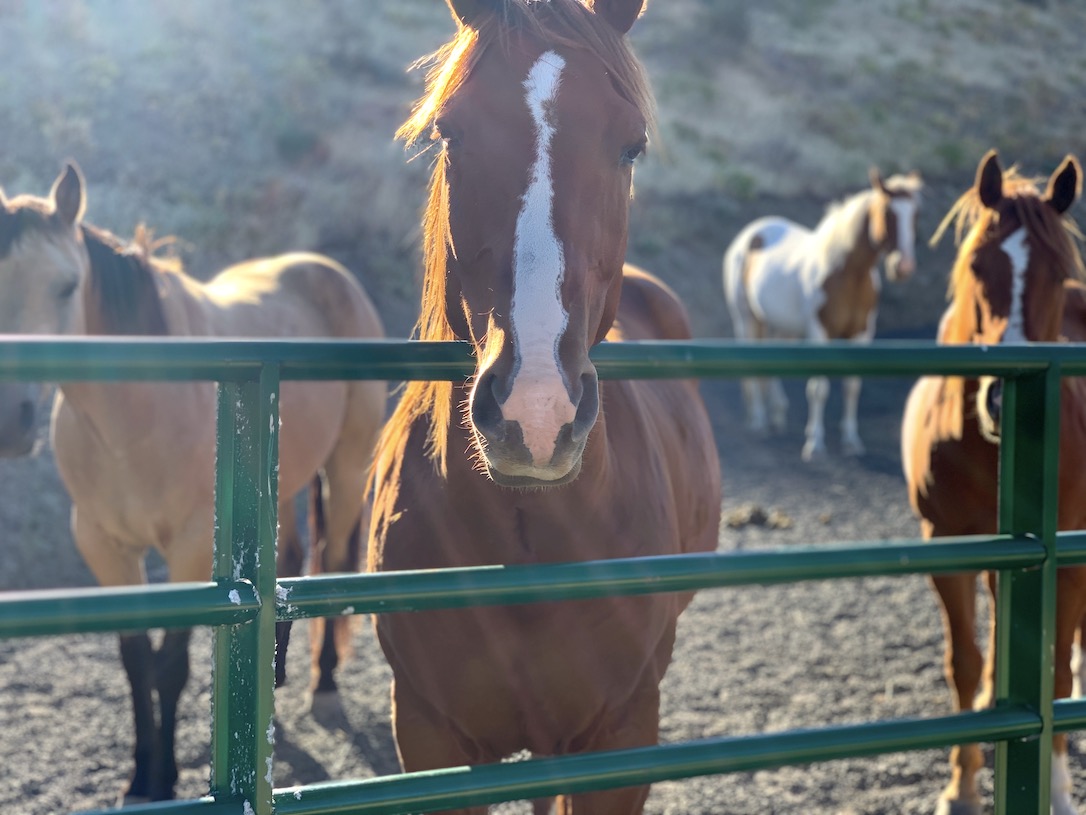
Betsy and Meredith with the neighbor’s horses in the background
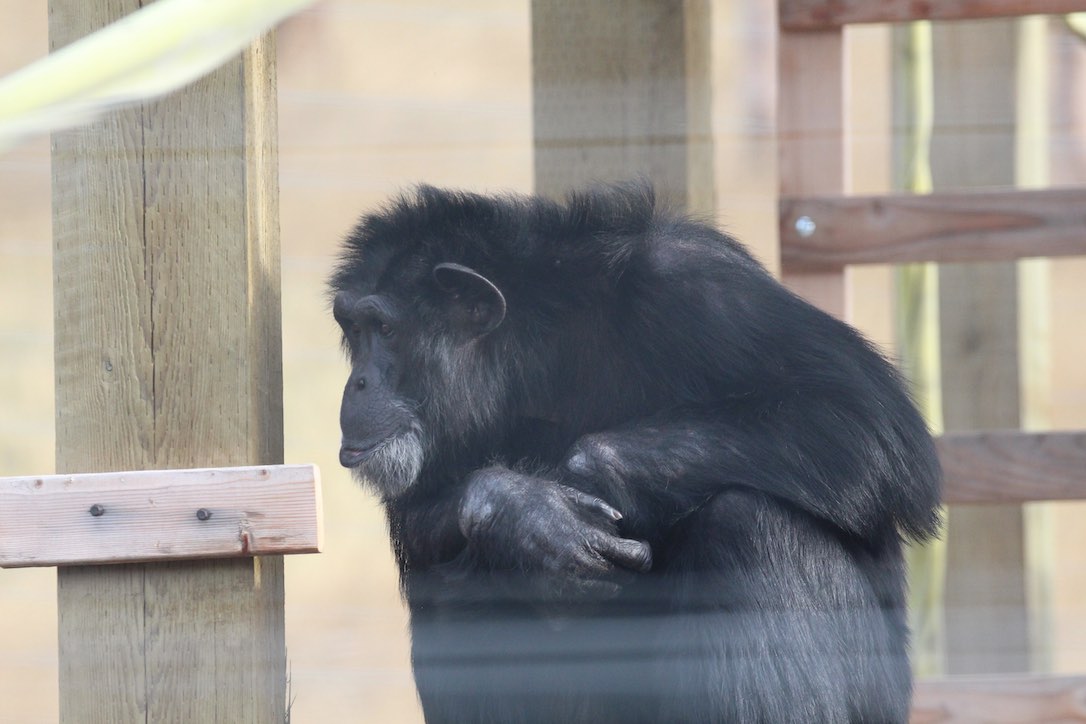
gratuitous photo of handsome Willy B by J.B.
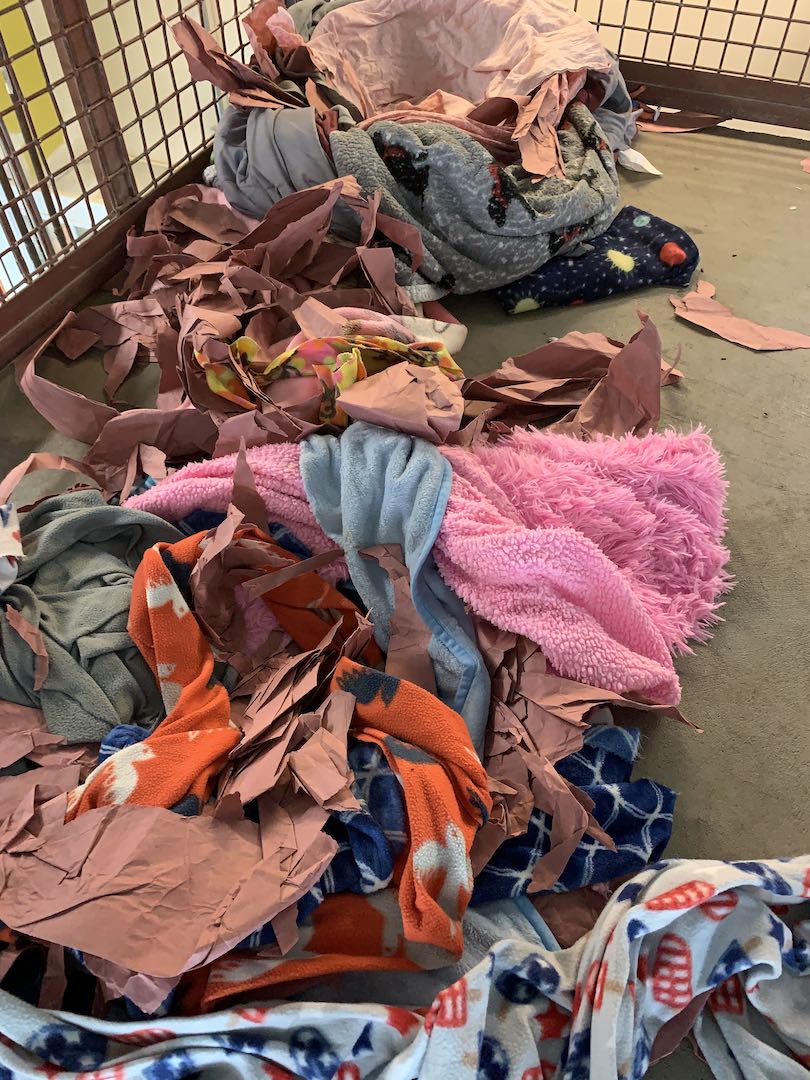
messy paper double chimpanzee nest found in the loft of the playroom this morning


Filed Under: Cattle, Enrichment, Farmed Animals, Latest Videos, Sanctuary, Willy B Tagged With: animal protection, Animal Welfare, cattle, chimpanzee rescue, Chimpanzee Sanctuary Northwest, Cle Elum, cows, farm sanctuary, interspecies

Back to normal

August 14, 2020 by J.B.

Last week, as he was leaving work for the day, Anthony noticed that Betsy was no longer with her group. It’s unusual for anyone in this herd to be alone, but even more so for Betsy. Diana and I joined Anthony to check on her and all three of us could see that she was favoring her front right leg. Her family had gone on their last trip of the day for water and she was unable to follow them.

So we each grabbed an end and carried her across the pasture to the stock tank. Just kidding.

Caring for chimpanzees is incredibly difficult, but cattle present some of their own challenges as well. In this case, we had to move the water to her, along with some hay and a mineral block, so that she didn’t have to try to walk. Dr. Erin immediately came out to evaluate her. I sometimes wonder if in the history of the profession a veterinarian has ever eaten an entire dinner with their family.

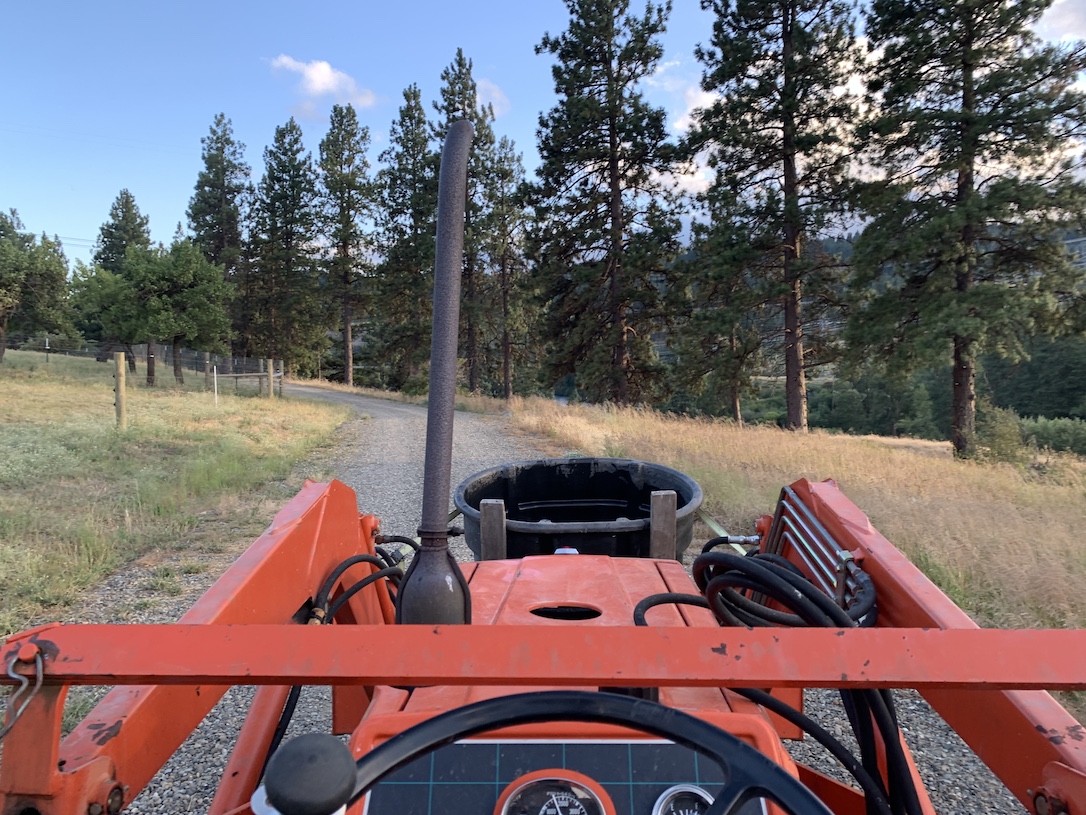
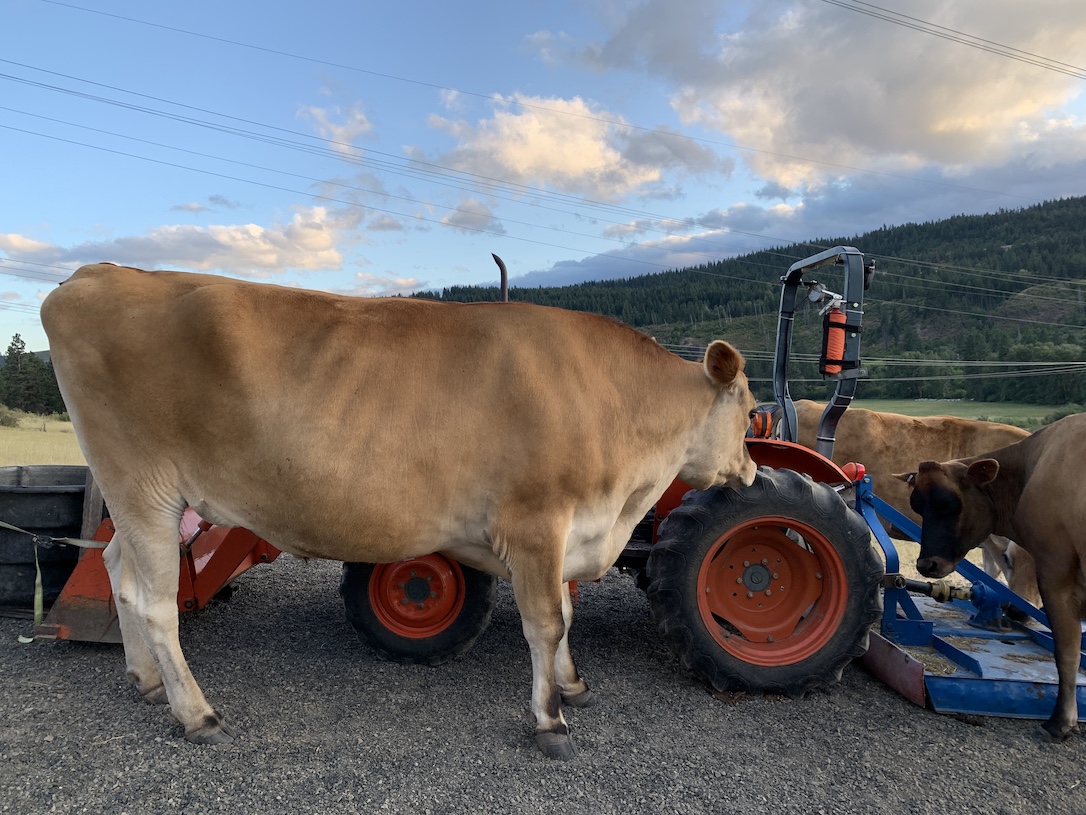
While I’m sure Betsy was grateful for the dinner service, Nutmeg was the real winner. That guy loves the tractor.

Dr. Erin decided that it was likely a minor sprain and that with rest and some pain meds she should recover soon. Did you know that cows can take one of the same pain medications we give the chimps? Except Betsy’s dose is 49 pills. Imagine what it would be for Nutmeg.

For a few days, Betsy and her family stayed in the south pasture. While she was up and grazing, she hadn’t walked more than a dozen yards or so from where Anthony had spotted her that first evening. But on the fourth morning, the cows were nowhere to be found. Not in the south pasture, not at the stock tank. If Betsy were feeling better, I knew exactly where she would go: To the stream that runs through the middle of the sanctuary.

Who wants to drink water from a tank when you can drink water fresh from a mountain spring?

We’ve been pretty fortunate so far when it comes to the cows’ health. Our biggest challenges have been keeping weight on Betsy while keeping weight off of her son. Thankfully this was nothing more than a brief scare and the cattle are now back to their normal routine.

Mostly normal routine, I should say. Because Betsy and the gang have some new neighbors. I’ve been meaning to meet them so I went out this morning to say hello.

Apparently Nutmeg has taken an interest in them, but when I walked out to the south pasture this morning the cows were keeping their distance. Betsy and Nutmeg were alternating between grooming and play fighting. They knocked their heads together, butting and bunting for dominance.

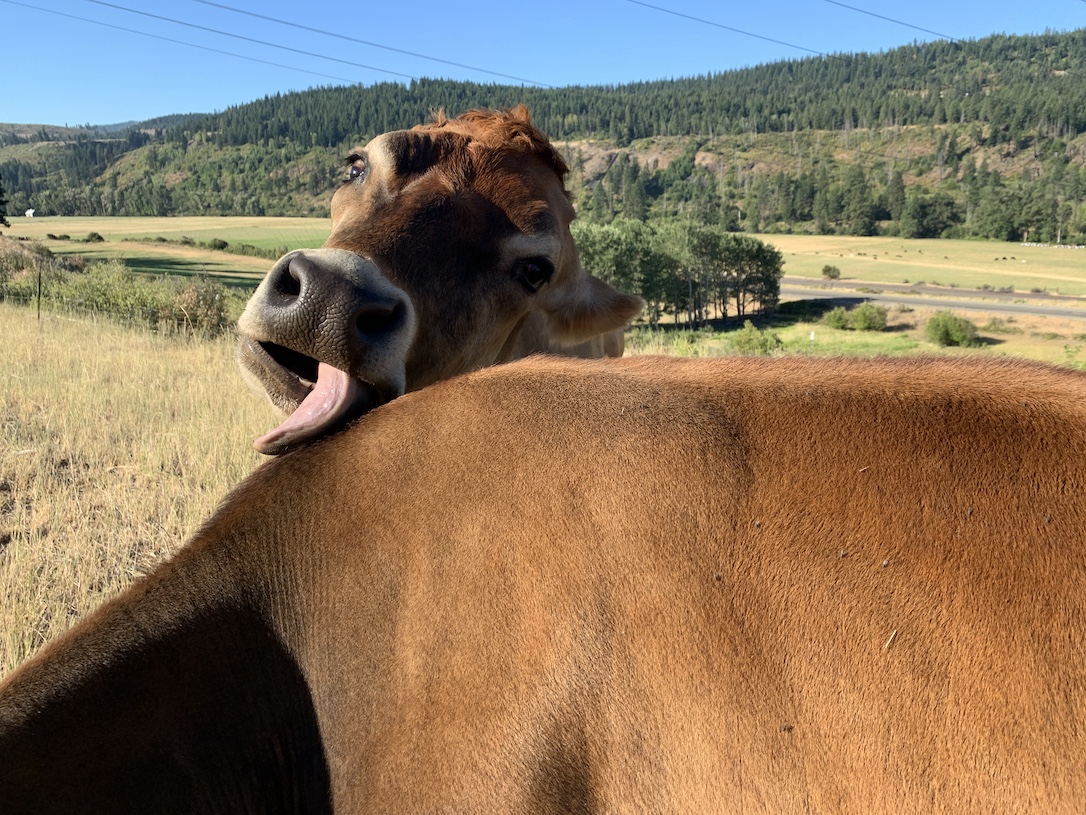
But Nutmeg isn’t interested in dominance. He just wants to groom his mom. As does every 2,000-lb Jersey steer, I would assume.

Before long, Betsy turned her attention toward me.

If you are going to visit the cows, be prepared to stay a while…and get thoroughly cleaned.

Filed Under: Cattle, Veterinary Care Tagged With: Betsy, cattle, chimpanzee, cows, Grooming, health, northwest, Nutmeg, rescue, Sanctuary, veterinary care

The Doll Days of Summer

June 26, 2020 by J.B.

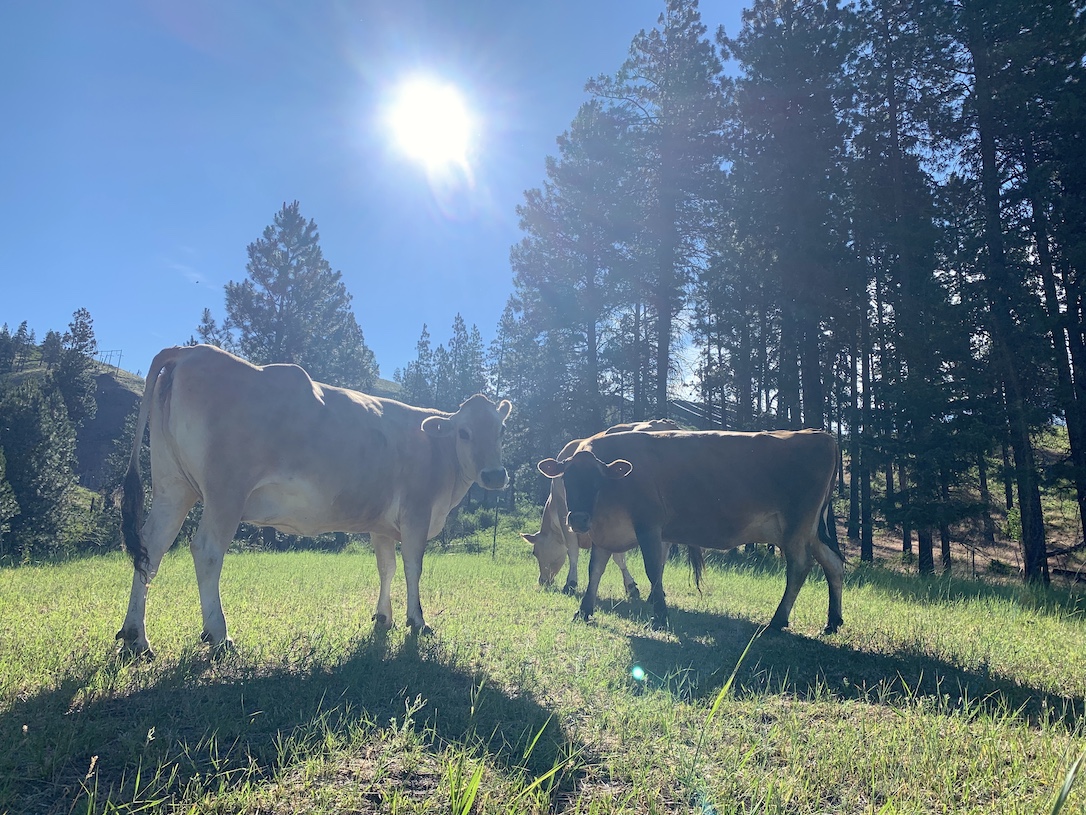
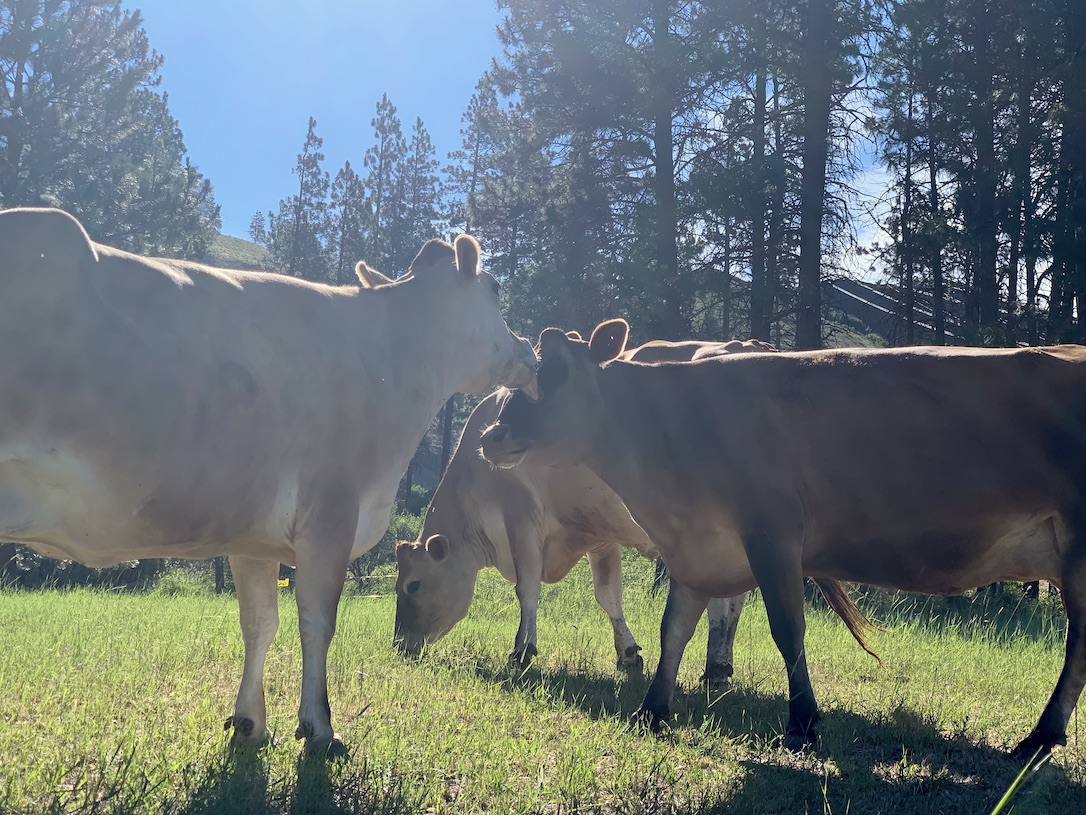
We start each day with a walk around the perimeter of Young’s Hill. This is done as a precaution to ensure that the fence wasn’t somehow compromised overnight, but it is also a great time to check on the cows. While they are constantly on the move, on summer mornings they can often be found just above the chimp enclosure where they like to sleep. As I walked by this morning, the girls were in the middle of a grooming session.

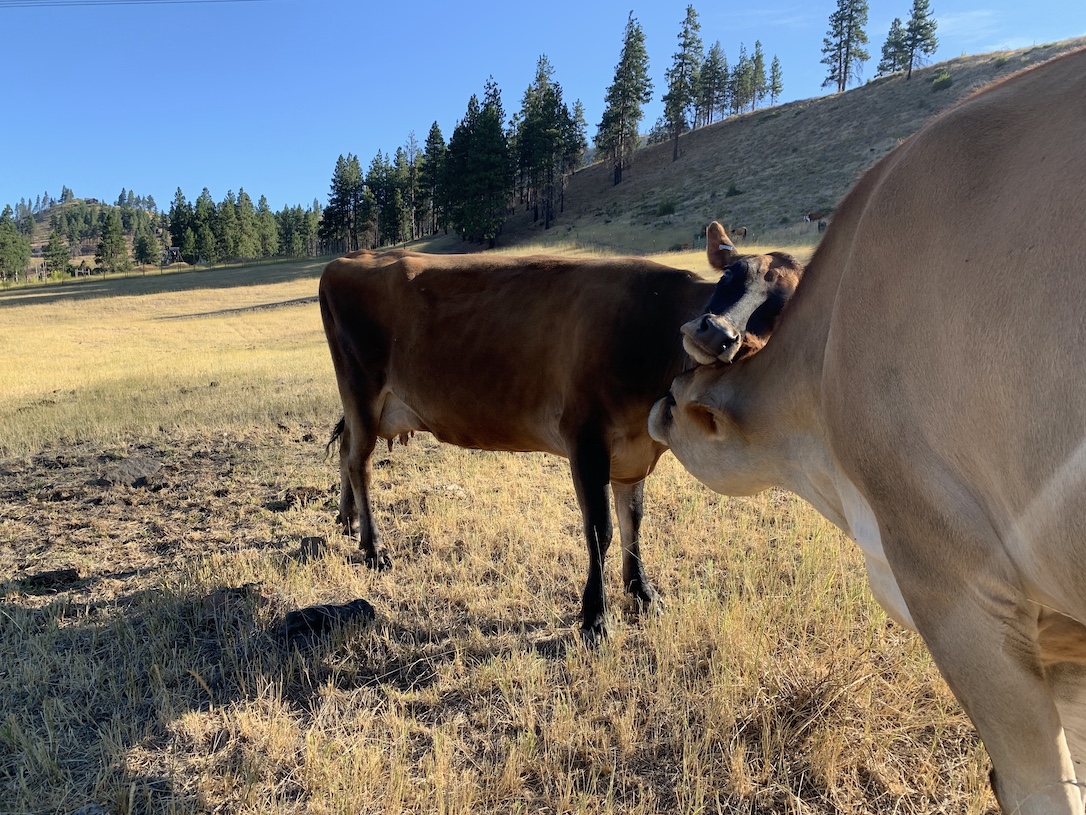
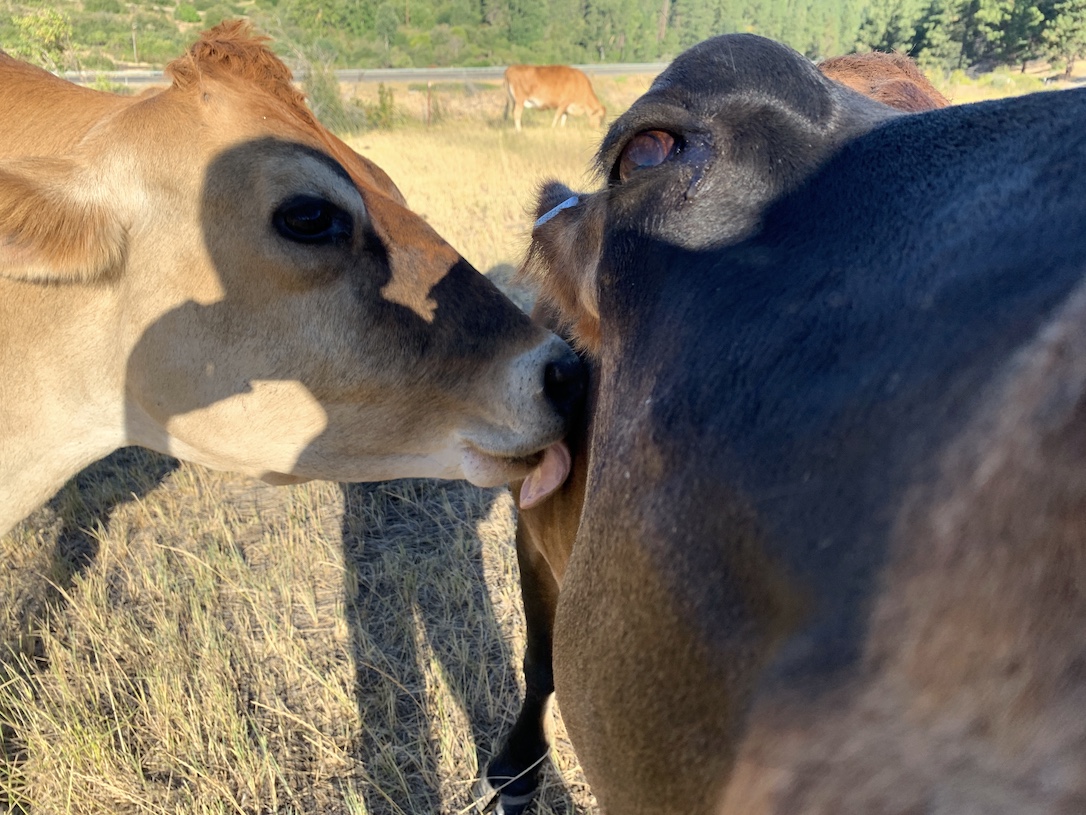
Honey grooms Betsy.
Betsy grooms Meredith.
Meredith grooms Honey.

Nutmeg didn’t get any of the love this time, but don’t worry – his mom always takes care of him. I did got photo of him the other day as he drank from the spring-fed stream that bisects that sanctuary property.

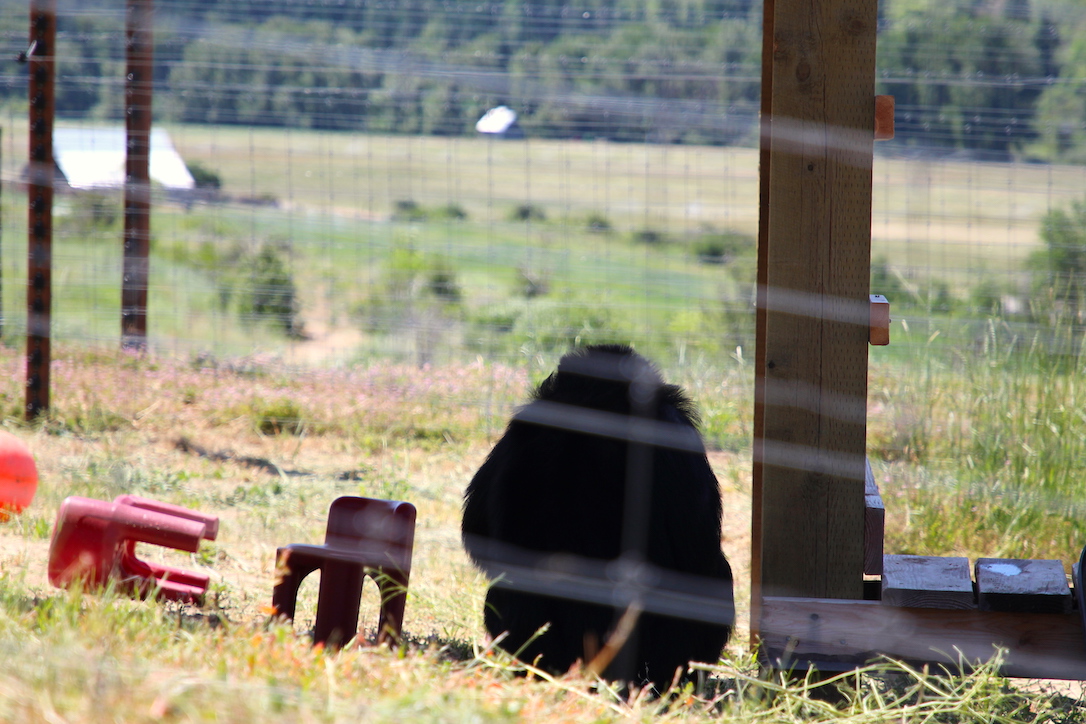
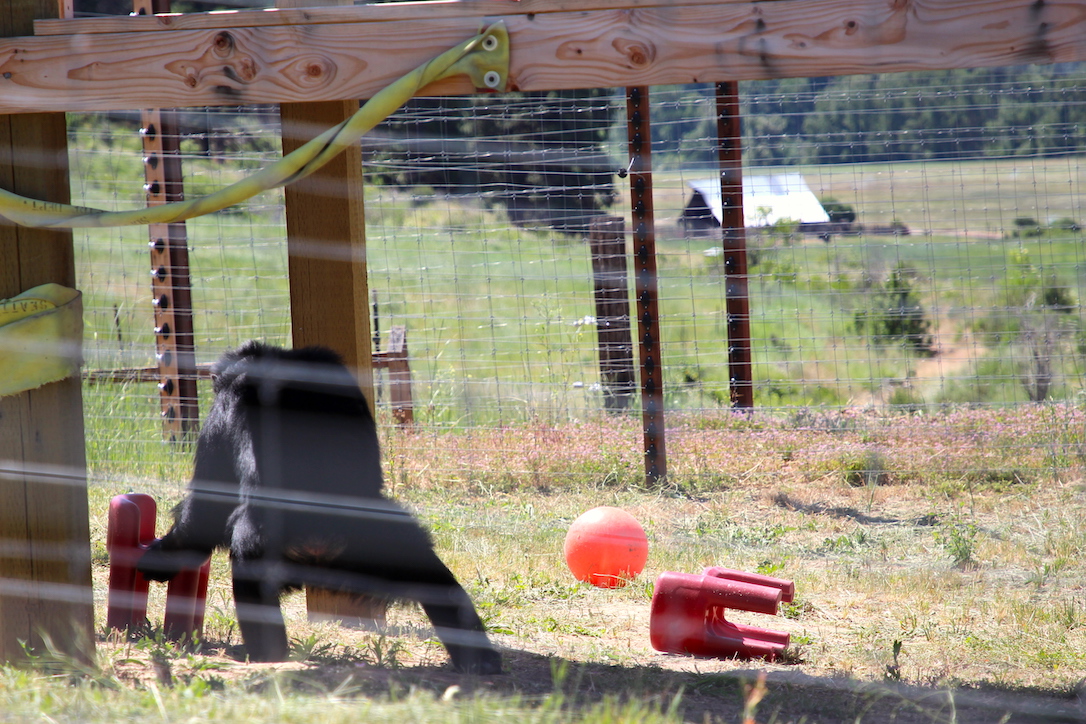
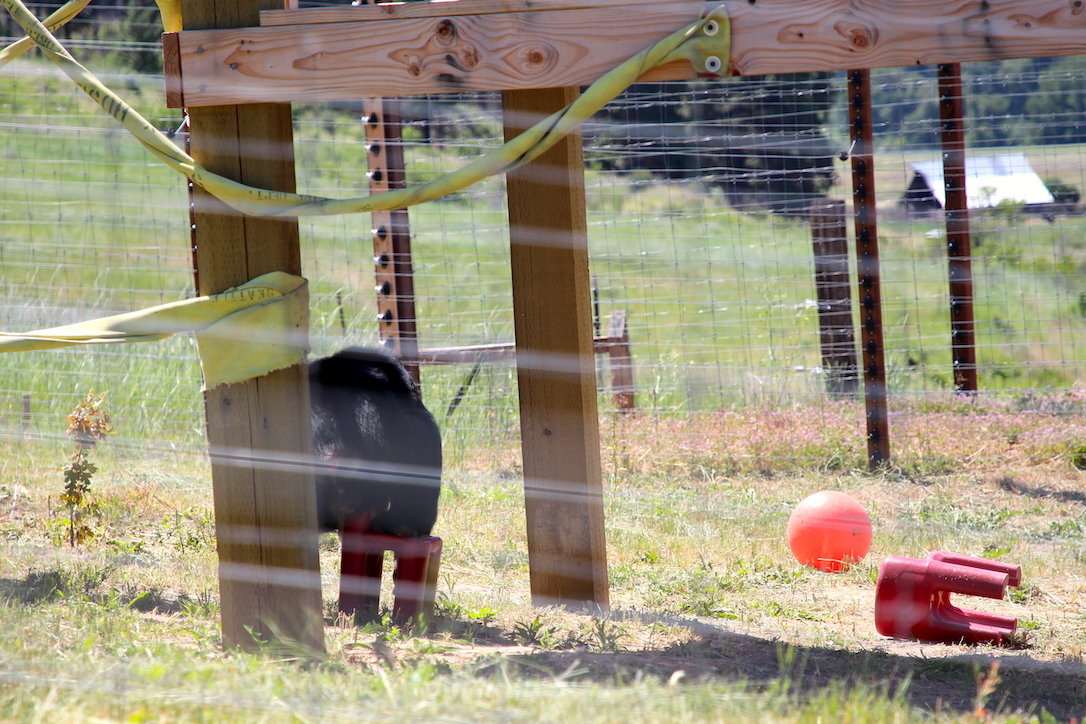
Willy B was feeling pretty adventurous again today. He’s getting pretty comfortable sitting on the grass if he is close to the structure.

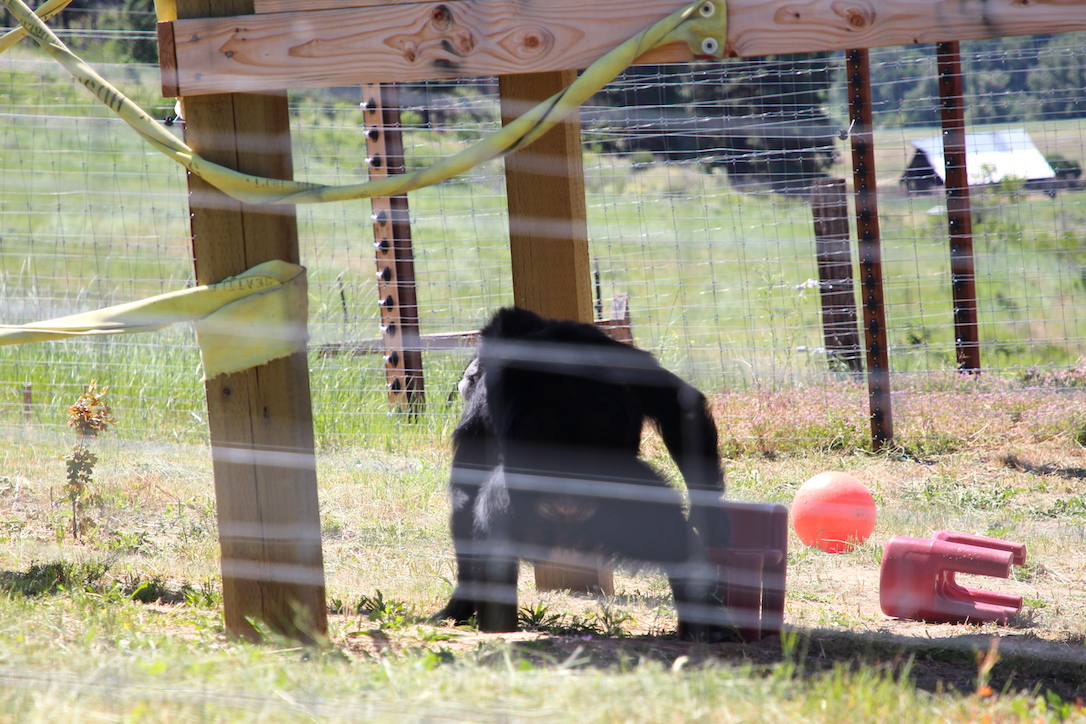
If he ventures any further, he brings a chair with him for a sense of security, or perhaps so that he can get his feet off of the ground at a moment’s notice.

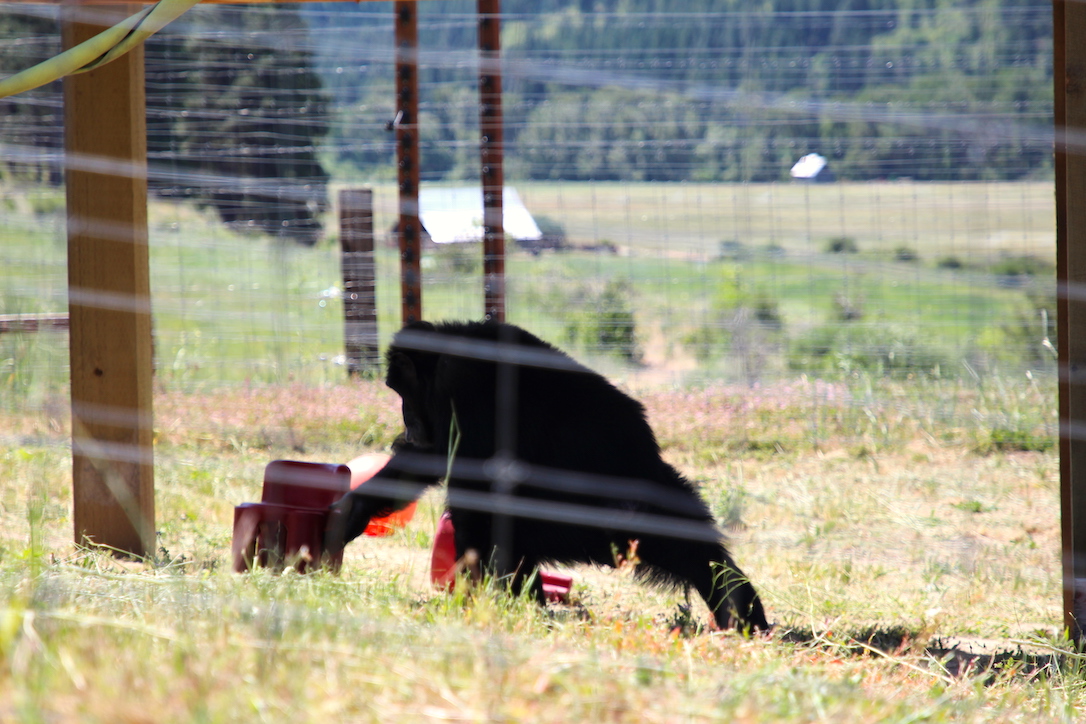
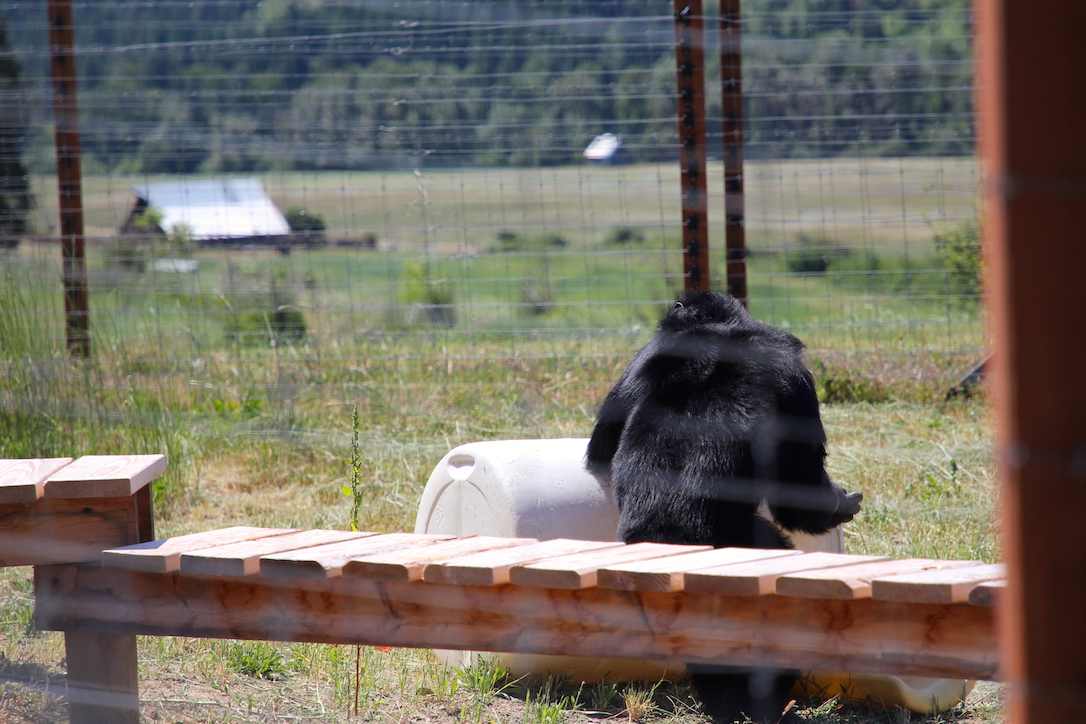
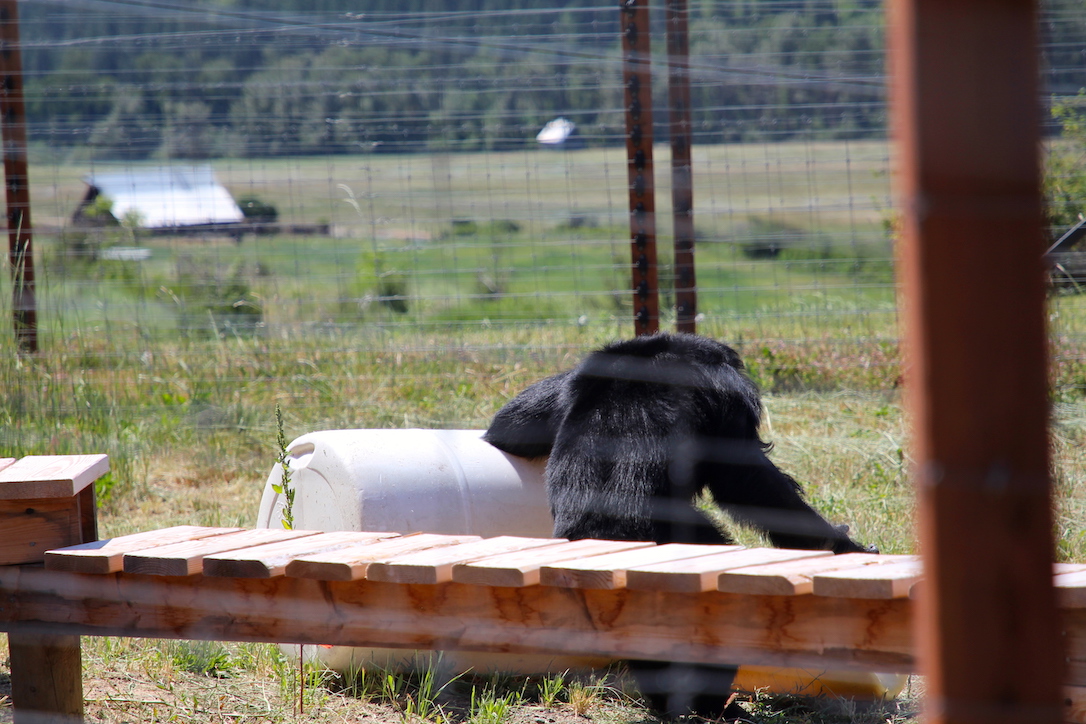
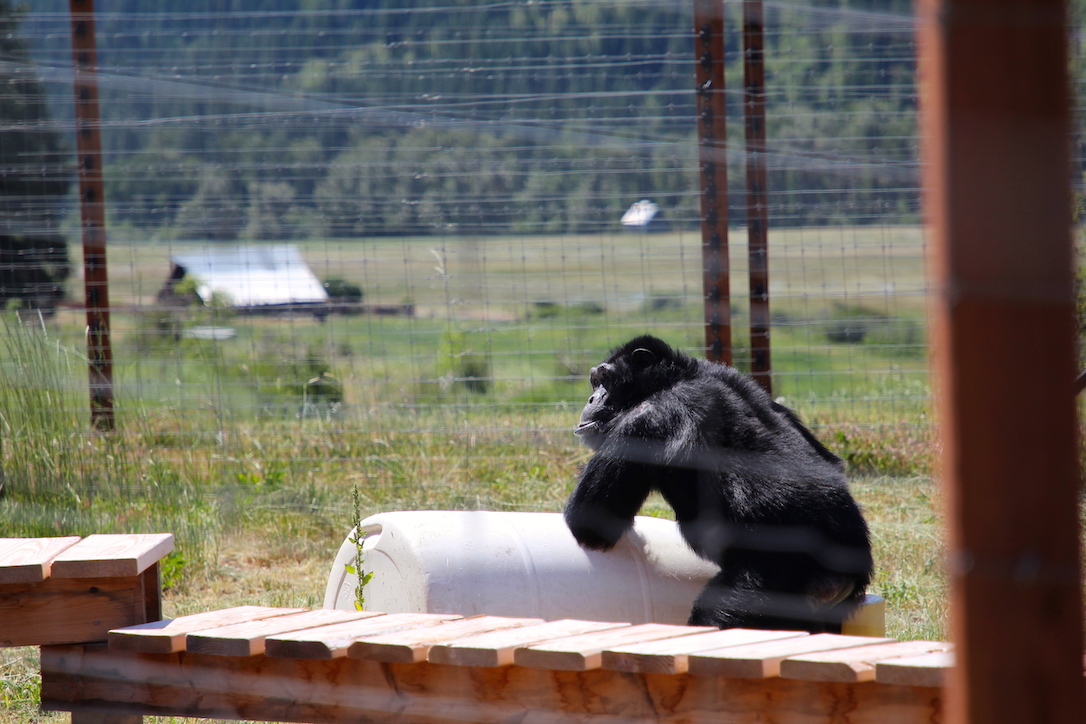
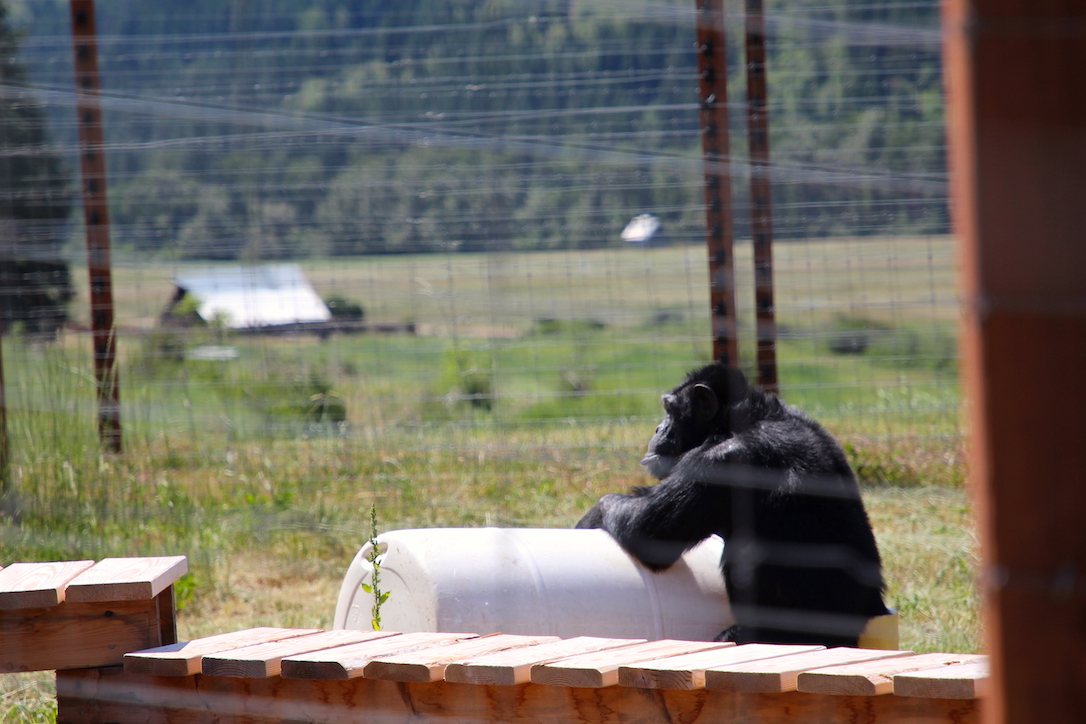
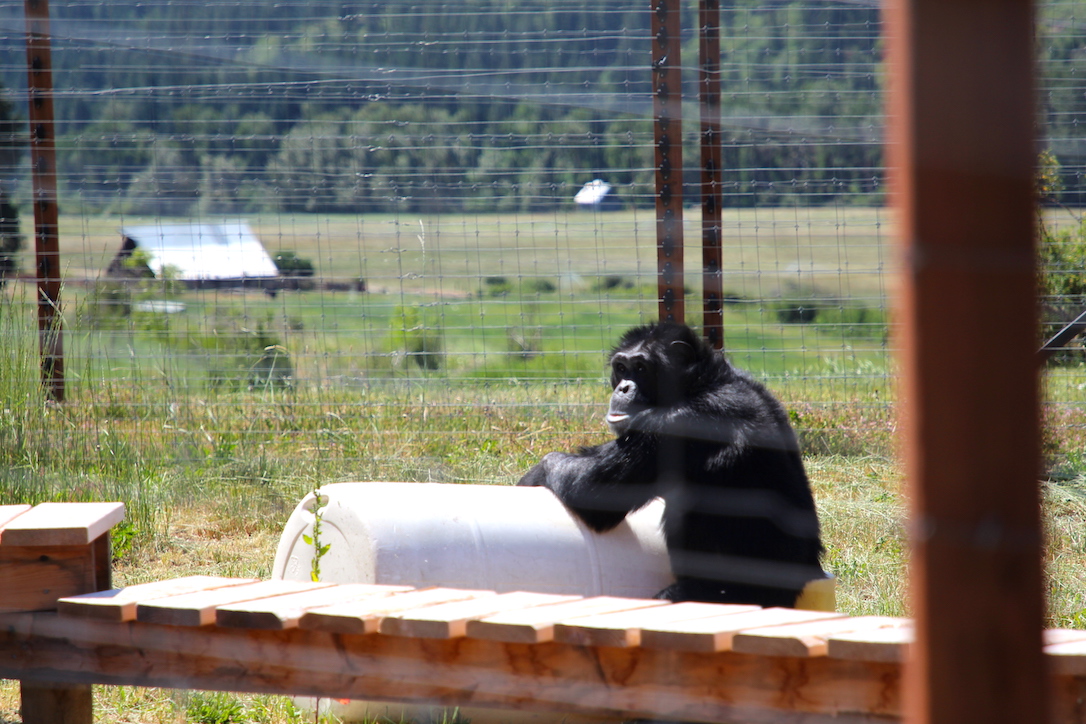
At one point, I saw him rolling the big white barrel away from the boardwalk. What on earth is he doing? Diana even called me on the radio to inquire as she watched from the mezzanine inside.

After pushing the barrel out into the courtyard, he pulled up a chair and sat down to enjoy the view.

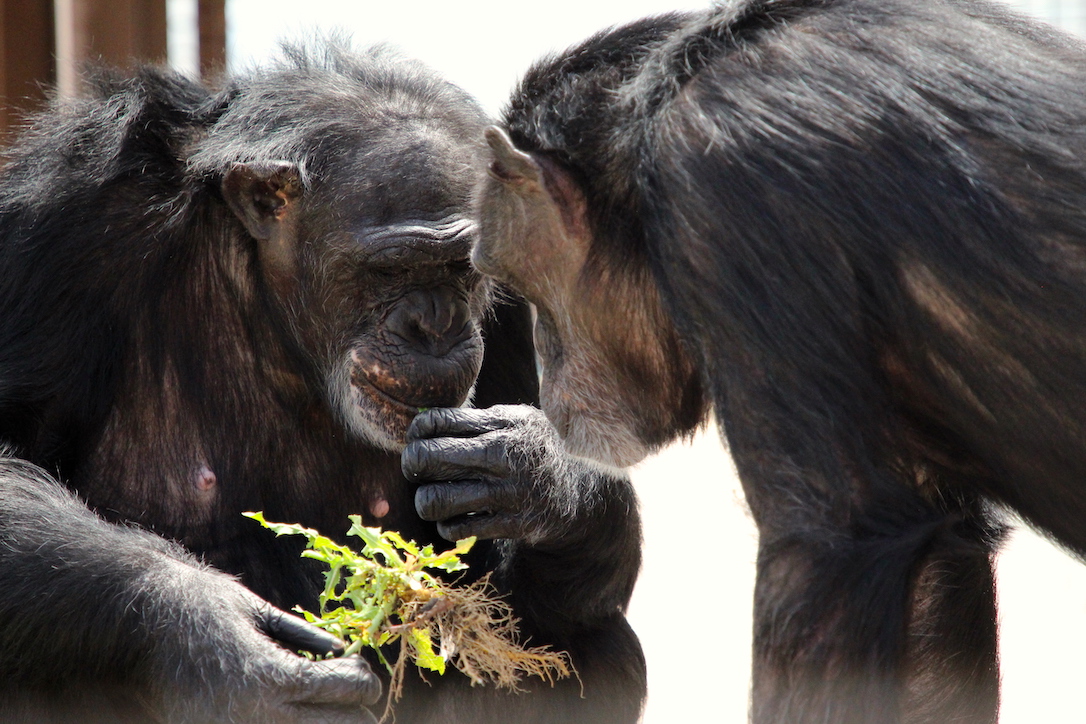
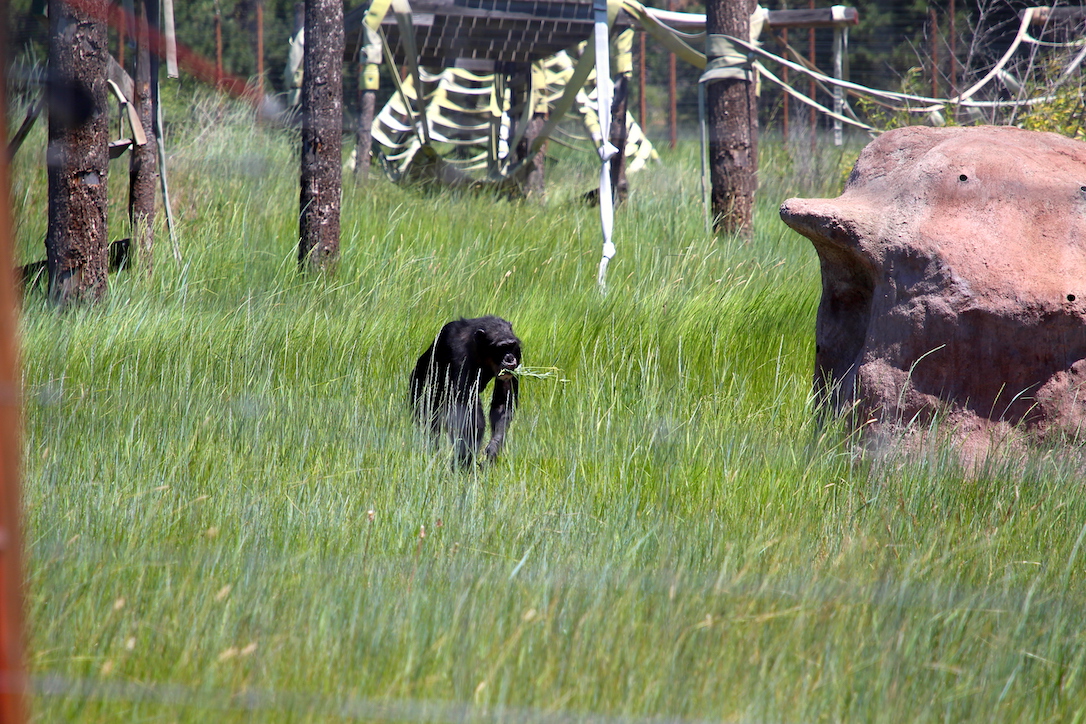
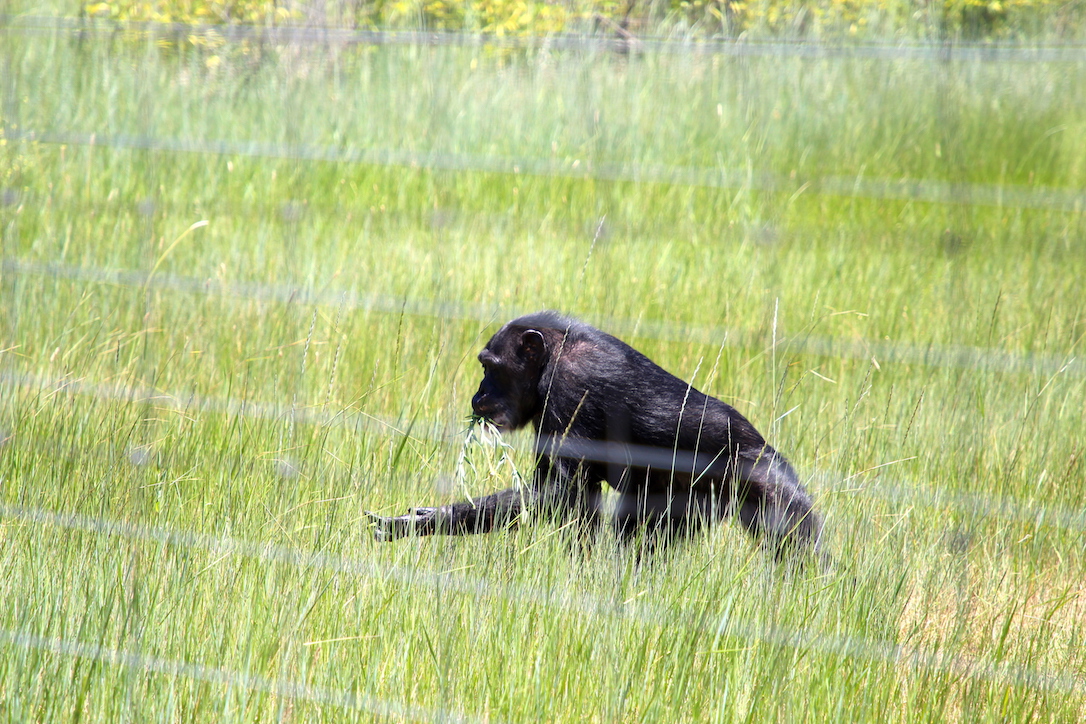
After lunch, Diana was weeding the garden by the Greenhouse and gave out some of the prickly lettuce that she had pulled. This is one of the chimps’ favorite weeds. They can pick as much as they want from Young’s Hill but I think it tastes better when someone else does all the work.

Missy wasn’t in the mood for prickly lettuce, though – she wanted goat’s beard – so she took off to Young’s Hill to find some.

I know we’ve mentioned this before, but the salt and pepper hair on Foxie’s arms is really starting to lose its pepper.

Thankfully, age has not slowed her down yet.

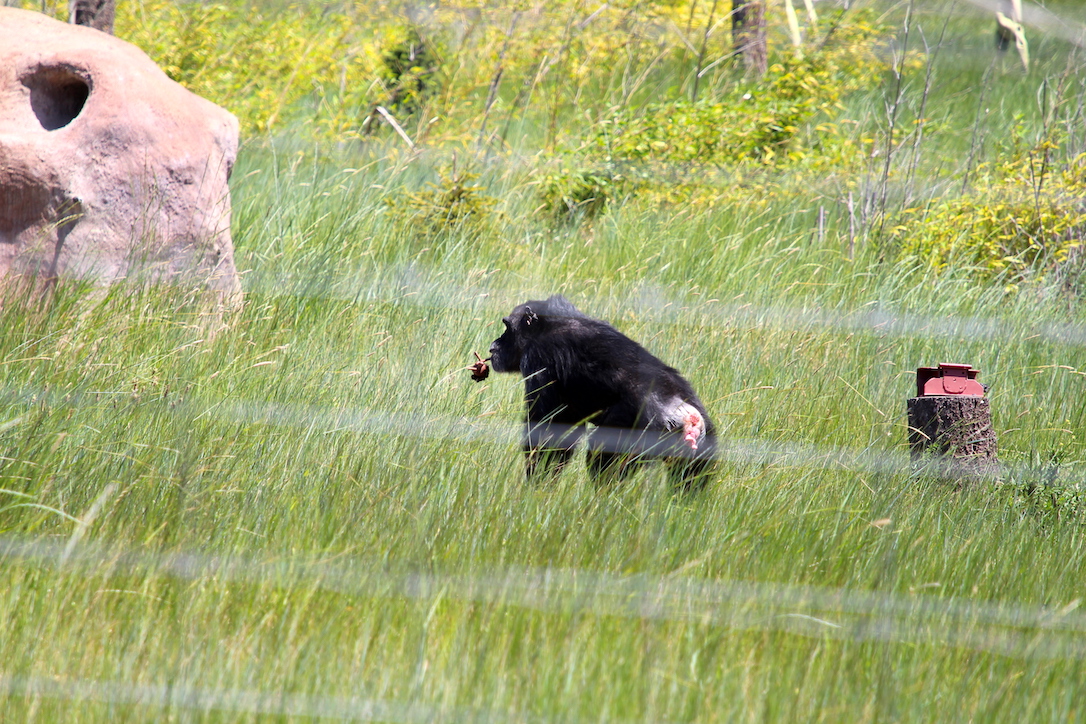
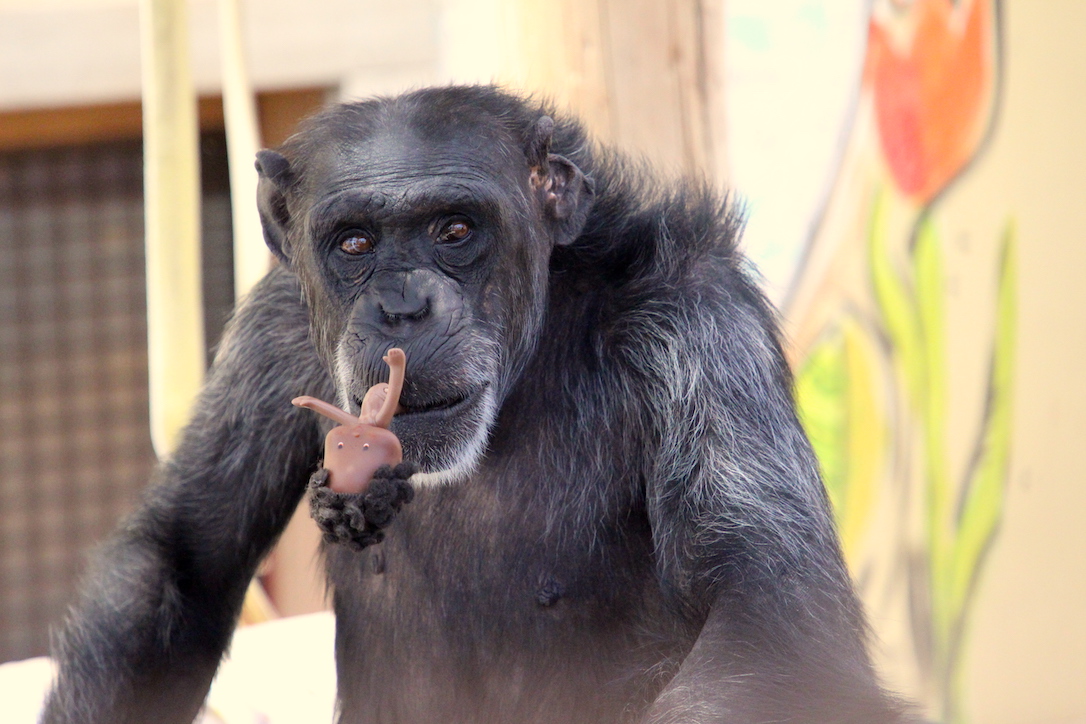
While Foxie’s love of dolls is unmatched, others in the group can be seen carrying dolls from time to time, particularly in the summer. Just like the waistbands, it’s a seasonal thing. You know who really likes Dora the Explorer lately? This guy.

Filed Under: Courtyard, Dolls, Willy B Tagged With: cattle, chimpanzee, cows, dolls, goat's beard, Grooming, northwest, prickly lettuce, rescue, Sanctuary

Another Few Steps, Another Adventure

May 3, 2020 by Anthony

The sanctuary has a relatively small staff, so each of us knows how to do the essential duties and can safely manage the sanctuary on any given day.

Still, we all have certain skills and interests that translate to specialized roles apart from the core caregiving responsibilities. Anna leads the volunteers and staff, Katelyn manages the office, Kelsi coordinates our outreach program, Chad curates the enrichment program and has a mustache, Dr. Erin is the dedicated veterinarian, and I have started focusing on projects related to animal health and behavior. At the helm of all this are the sanctuary’s co-directors who do most things as a team (although Diana is chiefly responsible for the development of the organization while J.B. primarily oversees the sanctuary’s operations).

It’s somewhat unusual for sanctuary directors to participate in activities like cleaning enclosures, maintaining the property and folding laundry. Anyone who knows Diana and J.B., however, won’t be surprised to read that they are still involved in various tasks around the sanctuary on a daily basis. For example, it’s not unusual to see J.B. play chase with Burrito, fly the drone, do hours of office work, hang up safety signs, drive to Wenatchee to pick up produce, help serve chimp dinner, weld together a Foot Box, and then mow the lawn in the span of a single work day. Diana and J.B. have regular shifts when they are scheduled to do chimpanzee care, but that doesn’t prevent them from helping out on most of the days in between. Sometimes, they even do things for the chimpanzee and bovine residents when we’re not expecting them to be working at all.

That’s exactly what happened this morning.

As Sunday’s lead caregiver (a responsibility we all share on a rotating basis), I pulled into the driveway a little before 9:00am. I always scan the surroundings as I cruise up the dirt road towards the Chimp House, but my heart skipped a beat this morning because there were cattle in a place where we don’t usually have cattle. Had anyone been sitting in the passenger seat, they would have heard me mumble “Oh, $#%&.”

Betsy, Honey, Meredith and Nutmeg were trotting around the expansive pasture which separates the chimpanzee’s outdoor enclosure from the neighboring ranch to the South. As of Thursday evening (the last time I was here), the fencing was incomplete and it looked like it might be a few more days, if not weeks, before the pasture would be ready for our herd of four rescued bovines. Some projects, such as giving the cattle their spring hoof trim and breaking ground on the new wing of chimpanzee enclosures, have been temporarily postponed due to the ongoing public health crisis. We had previously discussed hurrying the fencing project to give the cattle some more grass to turn into mass and gas, but it was unclear when we would get around to it.
Before accelerating up the driveway, I squinted at the distant fence-line and was both relieved and shocked to see that the posts were connected by shimmering aluminum wire. This wasn’t a jailbreak event and the cattle were still safely enclosed. Someone had finished securely enclosing the pasture.

I looked further up the hill and eventually spotted J.B. on the Gator, proudly watching over the three cows and one enormous steer-child. Sure enough, he had just finished enclosing the pasture by himself on a Sunday morning so that the cattle could have a full day to acclimate to their new digs. I probably shouldn’t be surprised by this sort of thing anymore. It’s become normal that the sanctuary looks like a slightly different place every time that I leave for a few days, and little changes can accumulate quickly. It really makes me appreciate how Anna can return from a three-month maternity leave and jump right back into managing the Chimp House during a global pandemic. To see such changes taking place, even in the most uncertain of times, is evidence of the slow but steady growth of the sanctuary.

That wasn’t the only big change to happen while I was away. We have recently been brainstorming ways to help Willy B, Honey B and Mave to adventure out into their section of Young’s Hill. On Friday, just two days after we all decided to start putting out more food on the boardwalk that extends out into the grassy enclosure, Willy B took his first steps out of the chute and into the open courtyard in order to retrieve some scattered food. Even though he appeared hesitant and calculating, it also clearly took some extraordinary guts. We’re not sure when the new three were last able to walk on real grass or go outside without caging overhead (if ever), so Young’s Hill must be a scary place for them. I wasn’t at the sanctuary on Friday, but I was happily bombarded by texts and videos from the staff who were working. Willy did it again on Saturday and I, once again, spent my afternoon smiling while watching the uplifting video over and over on my couch at home.

Today, I had the joy of seeing two amazing events first-hand: Willy going out into the courtyard for a third straight day and the cattle being brave enough to venture out into a new pasture. It’s strange to see how the two events parallel each other despite the obvious fact that cattle and chimpanzees behave quite differently. I’m ecstatic that the sanctuary’s residents are opening up to new experiences, regardless of whether they have hooves or big hairy feet. I’m also really proud of our sanctuary’s team (and community of supporters) for providing them with these opportunities to go beyond their past experiences. It gives me confidence to see us surging forward, one little unexpected step at a time.
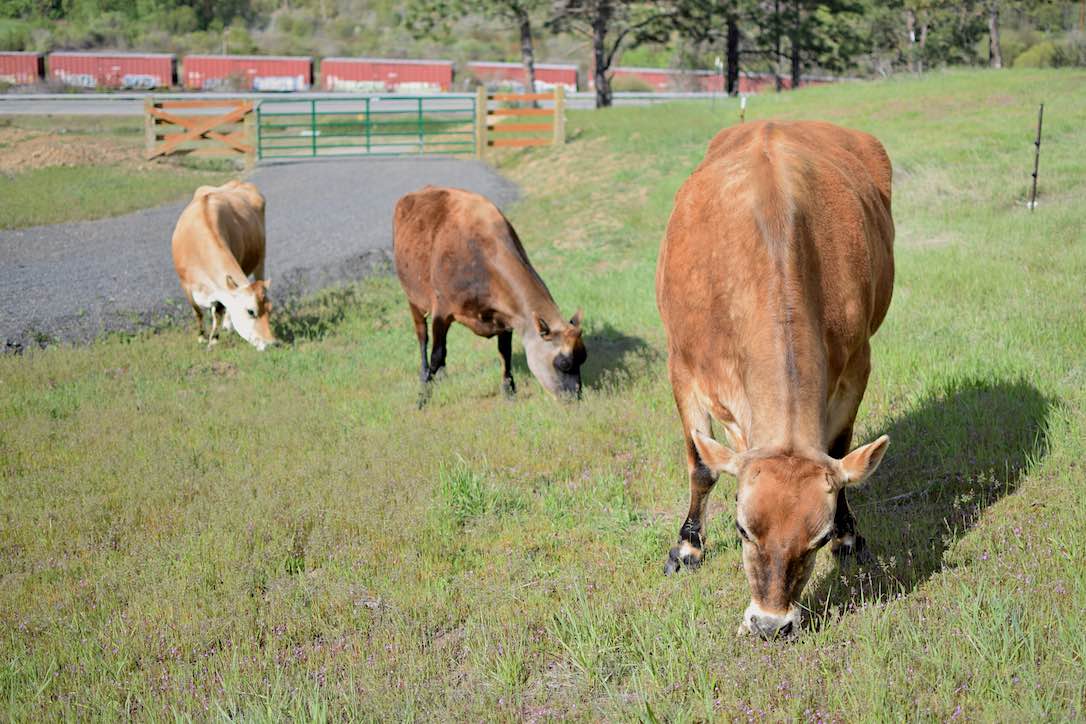
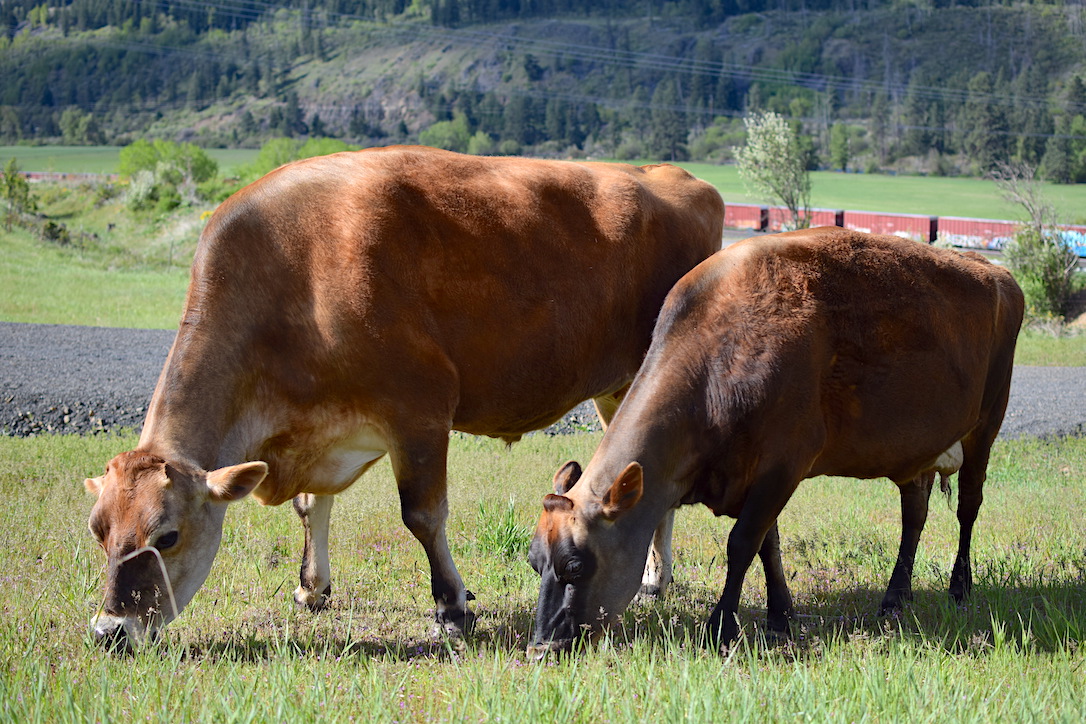
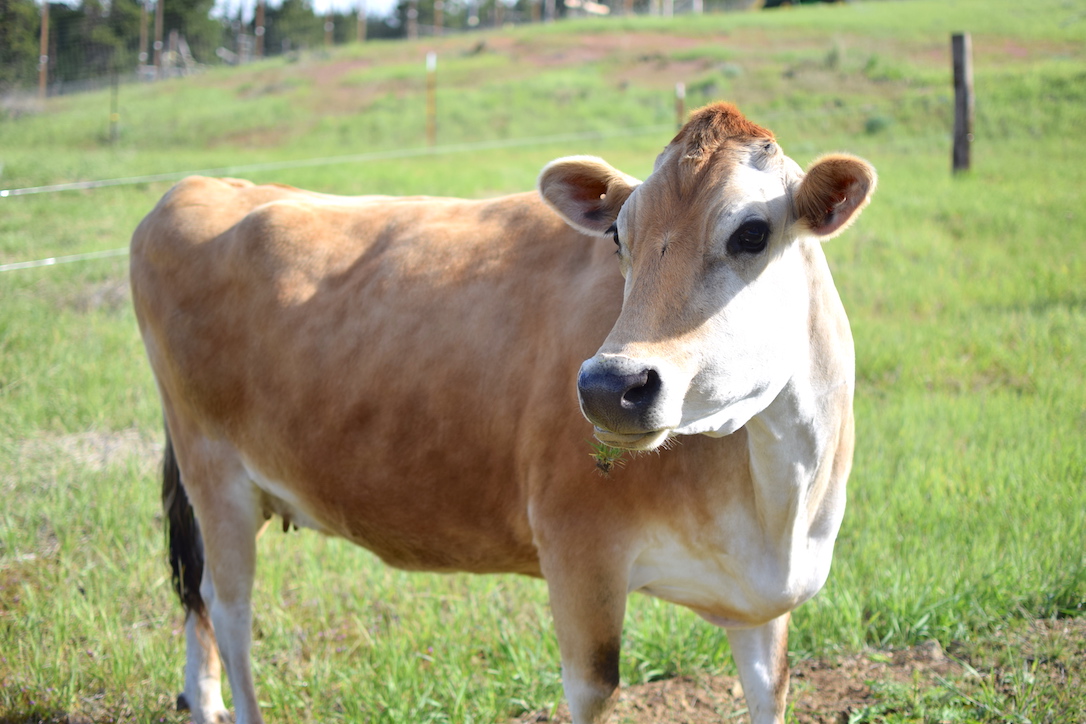
The Cattle
Betsy
Honey
Meredith
Honey (L), Betsy (C), Nutmeg (R)
Nutmeg (L) and Betsy (R) [Note that despite the obvious size difference, Betsy is actually Nutmeg’s mother]
Honey
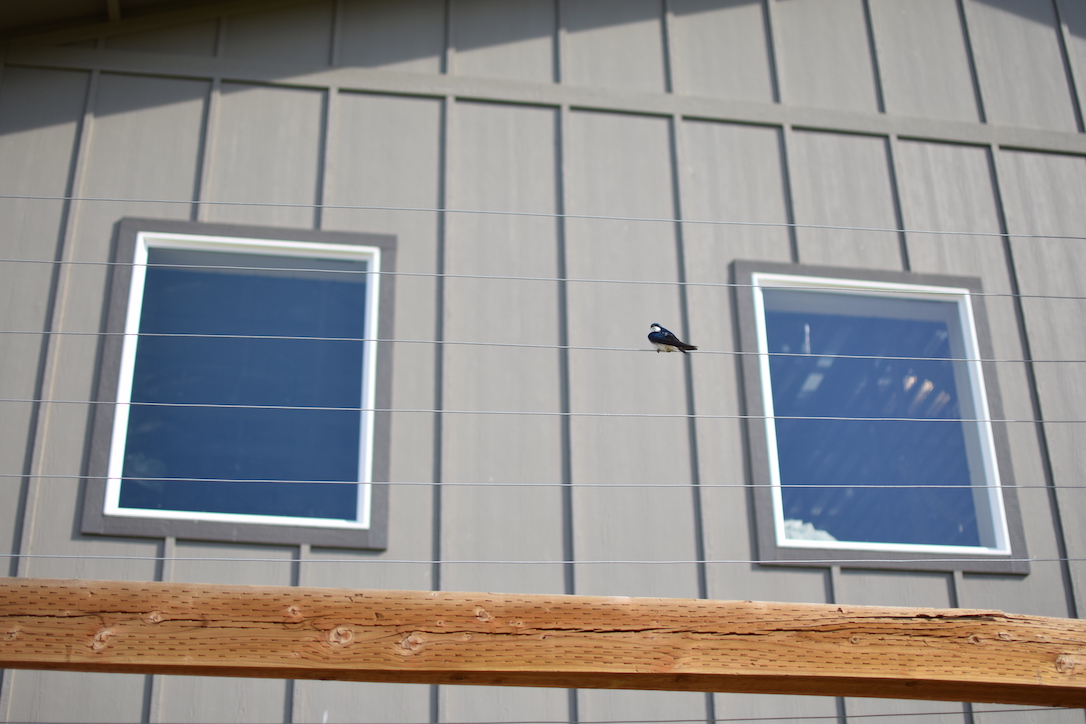
A swallow perched on the electric fence today
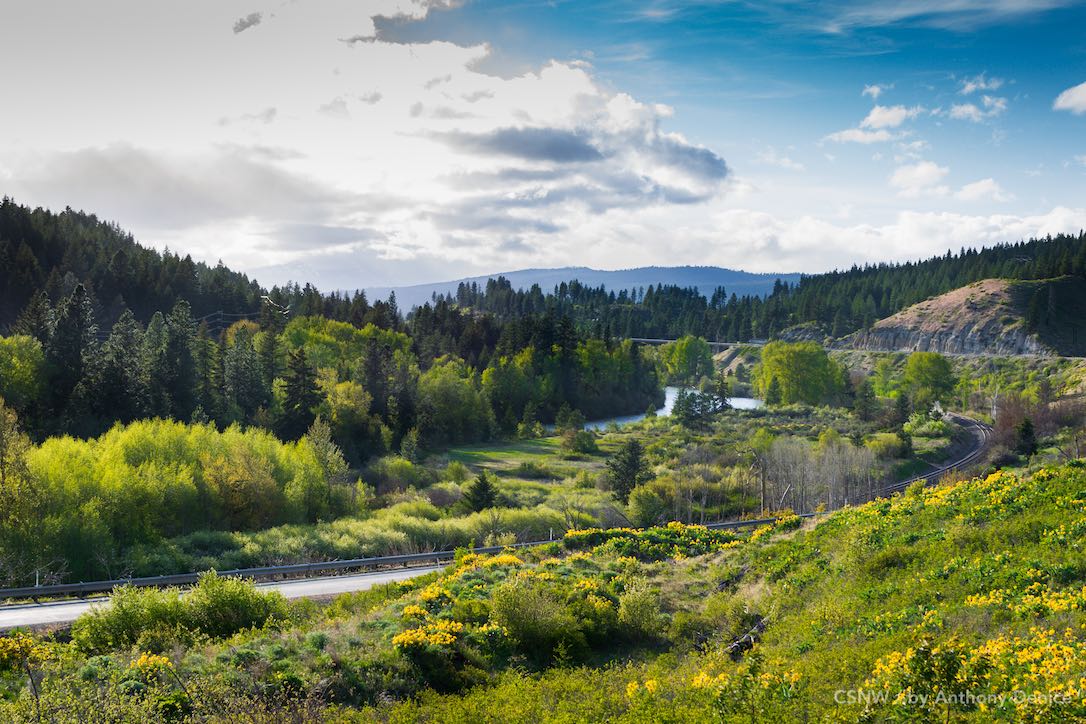
The view from the sanctuary during last week’s initial wildflower bloom
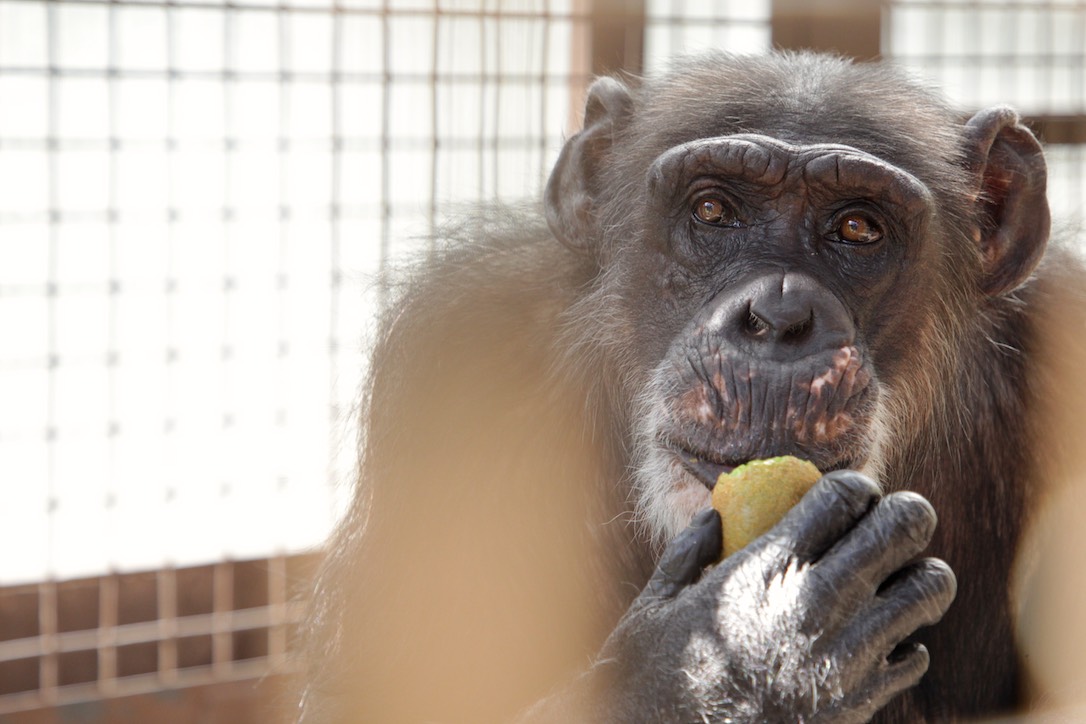
Missy eating a kiwi while watching J.B. drive around the pasture this morning

Filed Under: Caregivers, Cattle, Construction, Farmed Animals, Latest Videos, Sanctuary, Willy B Tagged With: animal rescue, animal rights, Animal Welfare, bovine, cattle, chimp, chimp enrichment, chimp sanctuary, chimpanzee, chimpanzee rescue, chimpanzee sanctuary, Chimpanzee Sanctuary Northwest, chimpanzees, chimps, Cle Elum, cows, csnw, farm animals, farm sanctuary, forage, northwest, Sanctuary, young's hill

On the Mooove

April 24, 2020 by J.B.

On Monday, Katelyn posted about the cows’ return to the summer pastures. Here’s a video version of the same event.

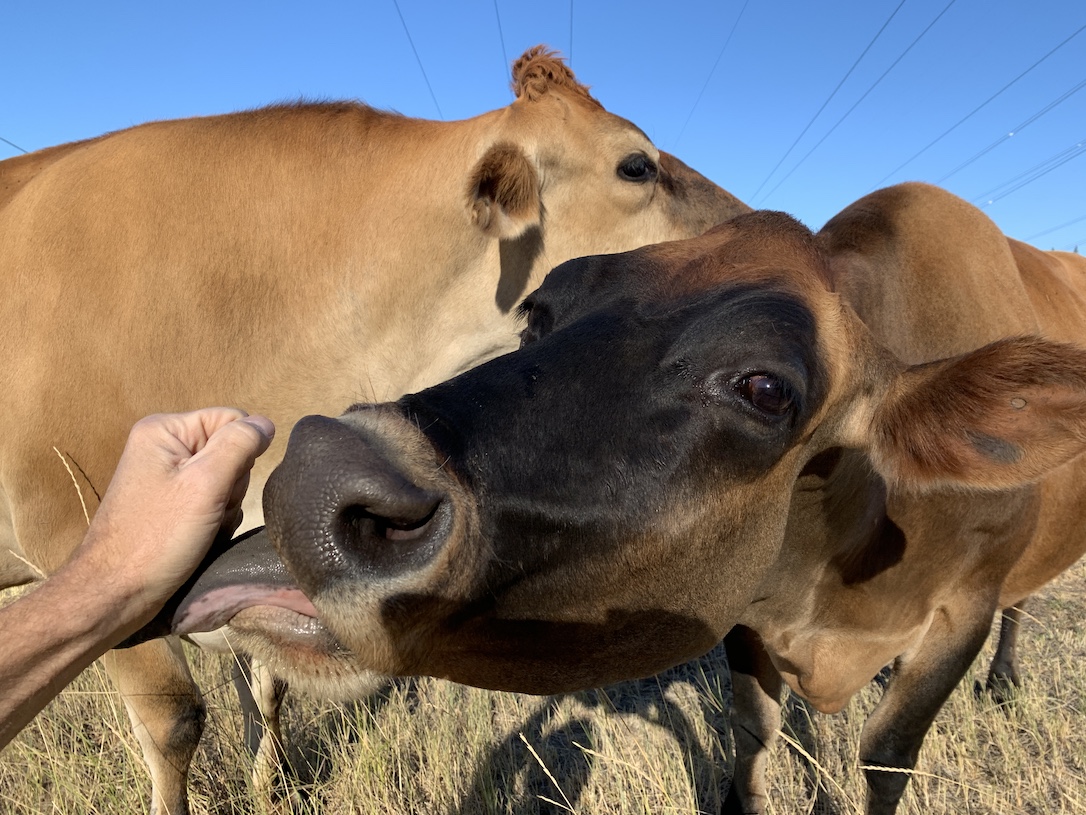
If you haven’t been around cows much, think of them as 1,000-2,000 lb. dogs, with every bit as much personality. Spring has always been a wonderful time of year, but seeing it through a cow’s eyes gives it even more profound meaning. Already they are choosing to forego sleeping in their barn so they can camp at their spot above Young’s Hill overlooking acres of green pasture.

Filed Under: Cattle, Jamie, Latest Videos, Young's Hill Tagged With: cattle, chimpanzee, cows, graze, northwest, pasture, rescue, Sanctuary

Celebrating Nutmeg’s 5th Birthday

February 23, 2020 by Anthony

This month, we celebrated the joyous anniversary of Nutmeg’s birth. Nutmeg completed his fifth trip around the sun on February 10.

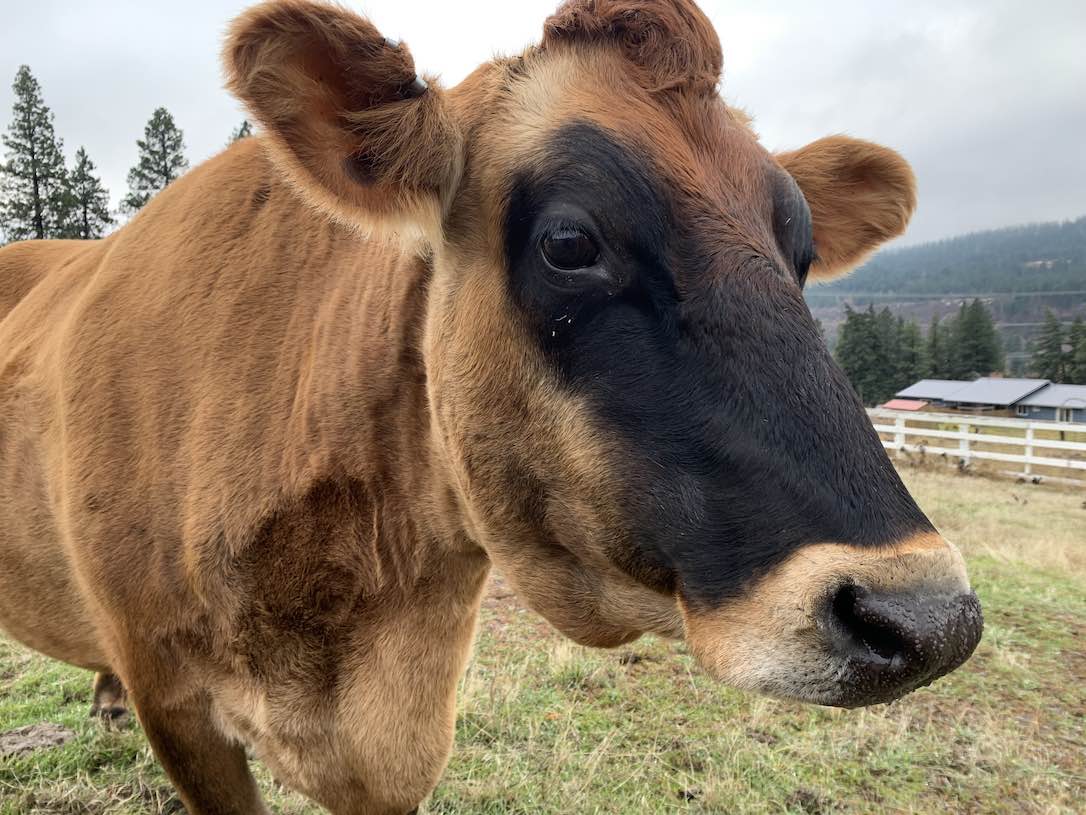
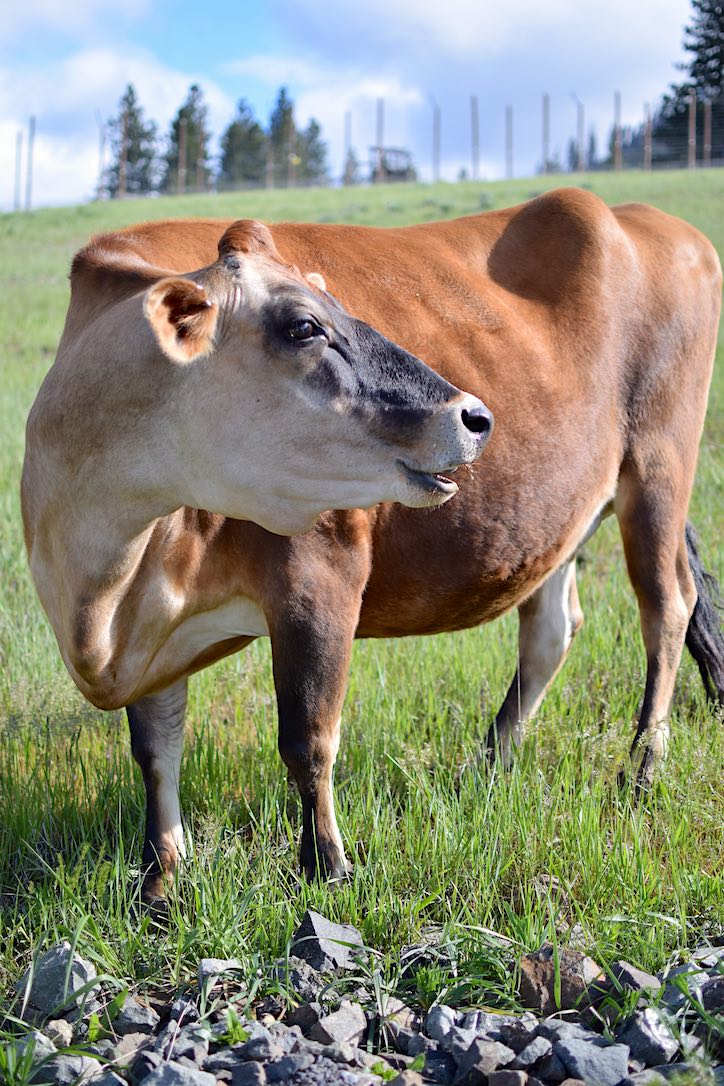
Nutmeg and his bovine companions arrived at the sanctuary in the fall of 2018 and have been inhabiting the spacious pasture ever since. Even though he weighs well over one-thousand pounds, this tawny giant is still a mama’s boy. Despite his attachment to his mother, Betsy, we’ve enjoyed watching him grow more independent, hardy, and adventurous over the past 15 months. He still likes to hang with the herd, but he’s been exploring the sanctuary’s farmland and learning to love the outdoors with the support of his bovine companions. He’s also slimmed down quite a bit, and now sports a thick winter coat that has proven quite handy in recent months.

Normally, the cattle graze and browse the surrounding landscape during the warmer seasons and then receive supplementary hay and alfalfa during the winter. We pay close attention to their conditions so they can maintain a healthy weight. Last week, to celebrate Nutmeg’s birthday, we gave the cattle a few scoops of something special. The birthday mix was a rare treat that contained alfalfa, beets, oats and minerals. Nutmeg practically inhaled his portion before slurping the last few handfuls of grain directly off the tailgate. He’s quite the food connoisseur and he seemed to appreciate the special event.

In addition to keeping the sanctuary protected from fires by removing fuel from the landscape, these quirky creatures are a charming addition to the CSNW family. We couldn’t be happier to provide a peaceful home for Betsy, Honey, Meredith and Nutmeg. As I mentioned in the video, Nutmeg and the cows are looking for Bovine Buddy sponsorships that help us to maintain a safe and enriching environment for chimps and cattle, so please visit this page if you are interested in contributing to their care.

Also, please enjoy the included photos of this handsome dude.

Happy birthday, Nutmeg!

Nutmeg

Filed Under: Cattle, Food, Sanctuary Tagged With: animal protection, animal rescue, animal rights, Animal Welfare, cattle, chimp enrichment, chimpanzee, chimpanzee sanctuary, Chimpanzee Sanctuary Northwest, chimpanzees, cow rescue, cows, csnw, dairy-free, farm animals, farm sanctuary, non-dairy, plant-based, Sanctuary, vegan

  • « Go to Previous Page
  • Page 1
  • Interim pages omitted …
  • Page 3
  • Page 4
  • Page 5
  • Page 6
  • Go to Next Page »

Primary Sidebar

Subscribe To the Blog and Get Notified of New Posts First!

Archives

Calendar of Blog Posts

June 2026
S M T W T F S
 123456
78910111213
14151617181920
21222324252627
282930  
« May    

Categories

SUBSCRIBE TO OUR NEWSLETTER

Footer

PO Box 952
Cle Elum, WA 98922
[email protected]
509-699-0728
501c3 registered charity
EIN: 68-0552915

Official DDAF Grantee

Menu

  • The Chimpanzees
  • Blog
  • About Us
  • You can help
  • Resources
  • Contact
  • Donate

Proud Member of

Connect With Us

Search

Copyright © 2026 Chimpanzee Sanctuary Northwest. All Rights Reserved. Site by Vegan Web Design