Every picture tells a story, but not always the one we intended.

We’ve written before about a 2011 study which found that attitudes about chimpanzee conservation were influenced by how chimpanzees are portrayed in the media. When participants viewed images manipulated to show chimpanzees alongside humans or in human settings, they were less likely to think that chimpanzees were endangered. While any interpretation of the study should be tempered by its inevitable limitations and lack of replication (to date/that I know of), it suggests that the use of chimpanzees in TV, film, and advertising harms wild chimpanzee populations by suppressing public concern for their conservation status. And by portraying chimpanzees as tractable, it may also help drive the trade of chimpanzees in the pet industry.
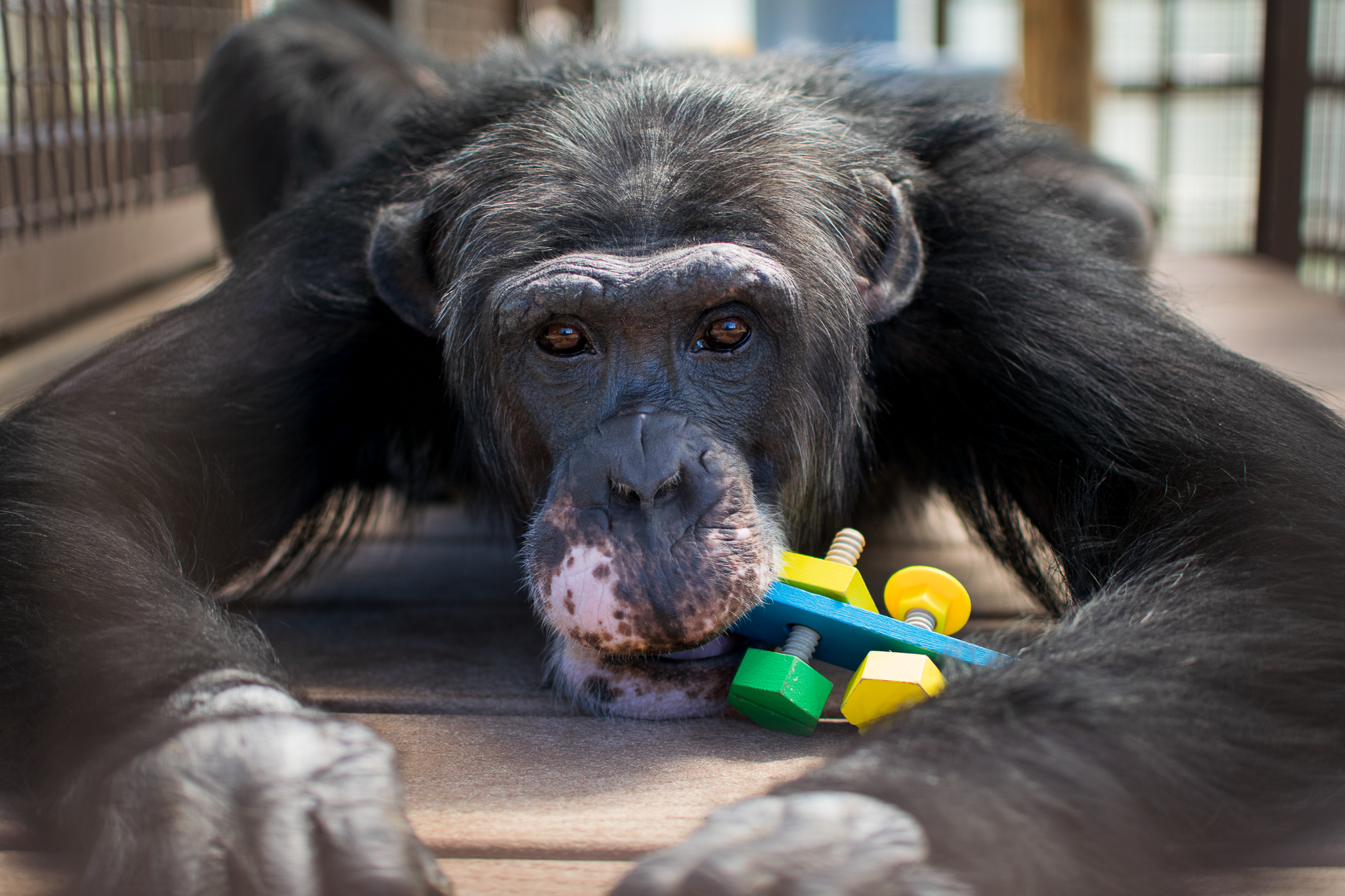
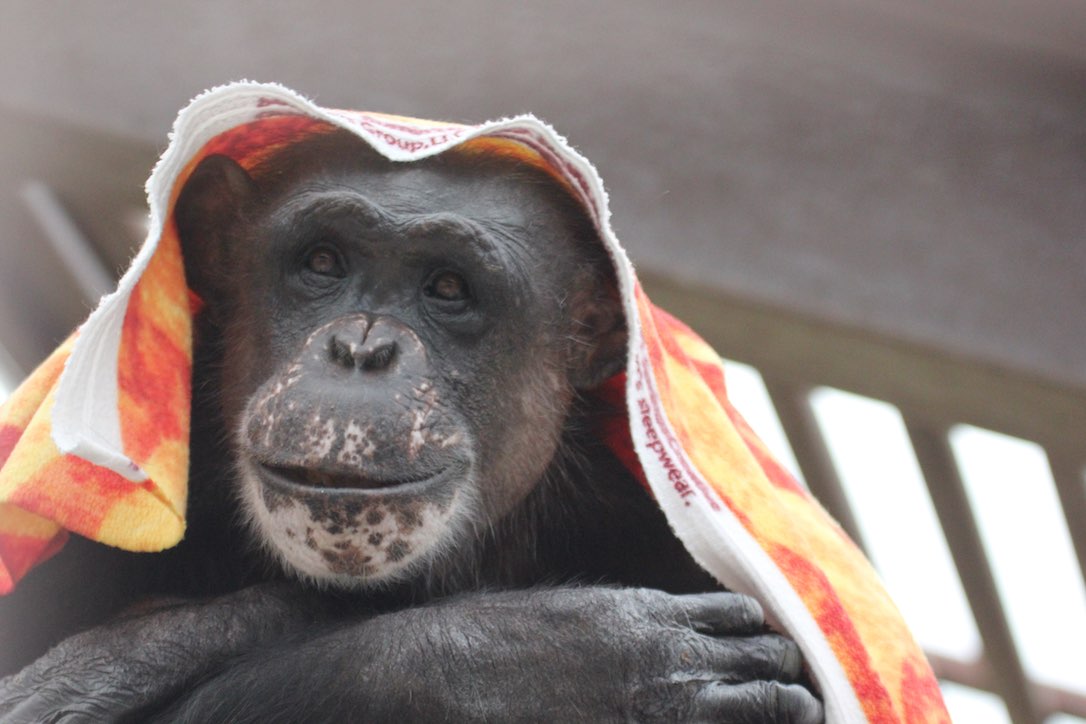
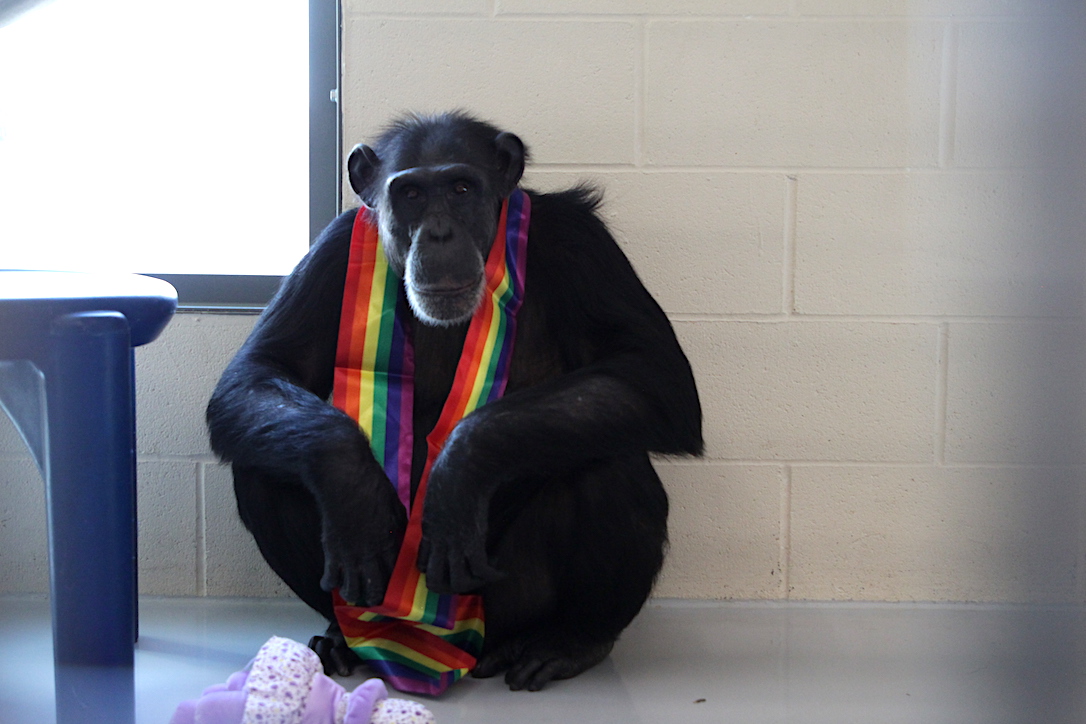
The results of this study are potentially quite profound and should serve as serve as yet another reason to end the unconscionable exploitation of chimpanzees and other primates in entertainment. But the implications are not limited to the entertainment industry; indeed, the authors suggest that their findings could even apply to images of field researchers working closely with their study subjects. It would stand to reason, then, that certain images from zoos and sanctuaries could elicit a similar response – images that show chimpanzees dressed in clothing or playing with children’s toys, for example. Which means that in promoting our work, we could be inadvertently harming our own cause.
I mention all of this not because I think there’s a simple lesson for sanctuaries like ours to draw from that study, though it did prompt us to engage in some difficult self-reflection. Instead, I think it illustrates just how complicated it can be to share the lives of those in our care. Because an image tells more than one story, and conservation is not our only concern. I am equally concerned about the whitewashing of captivity.
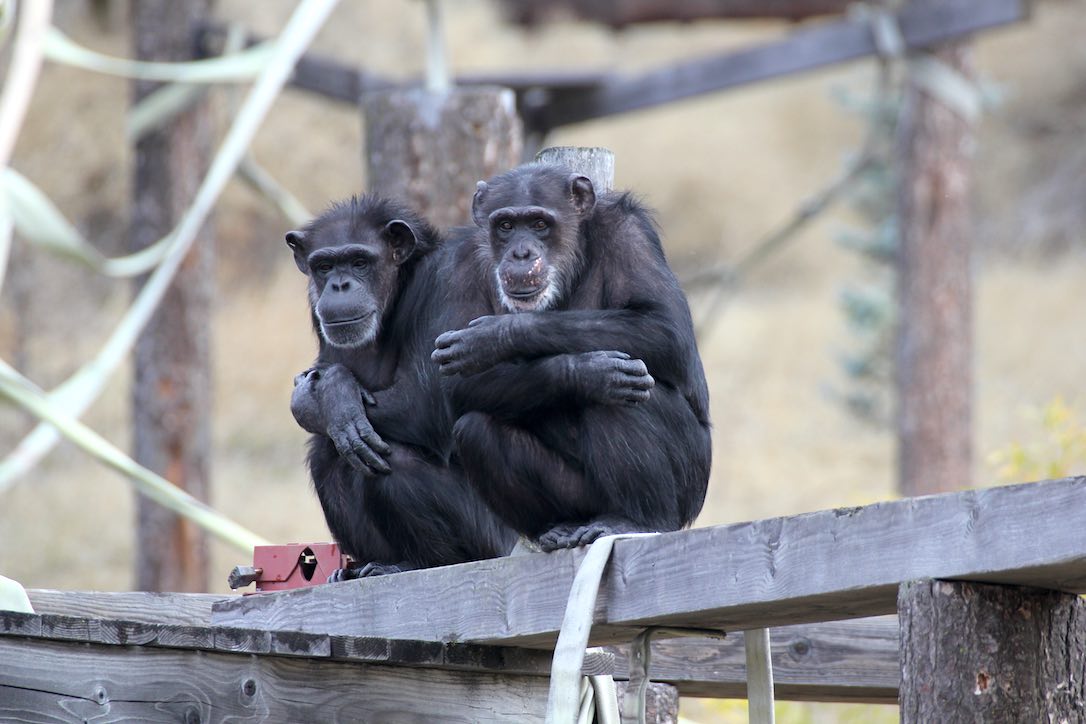
Earlier, I was out taking photos on this rainy but delightfully mild December morning. The chimps were patrolling the hill, walking through the bamboo groves, and climbing high atop the structures to survey the surrounding valley. When I got back to the chimp house I sifted through the photos to choose a few for the blog.
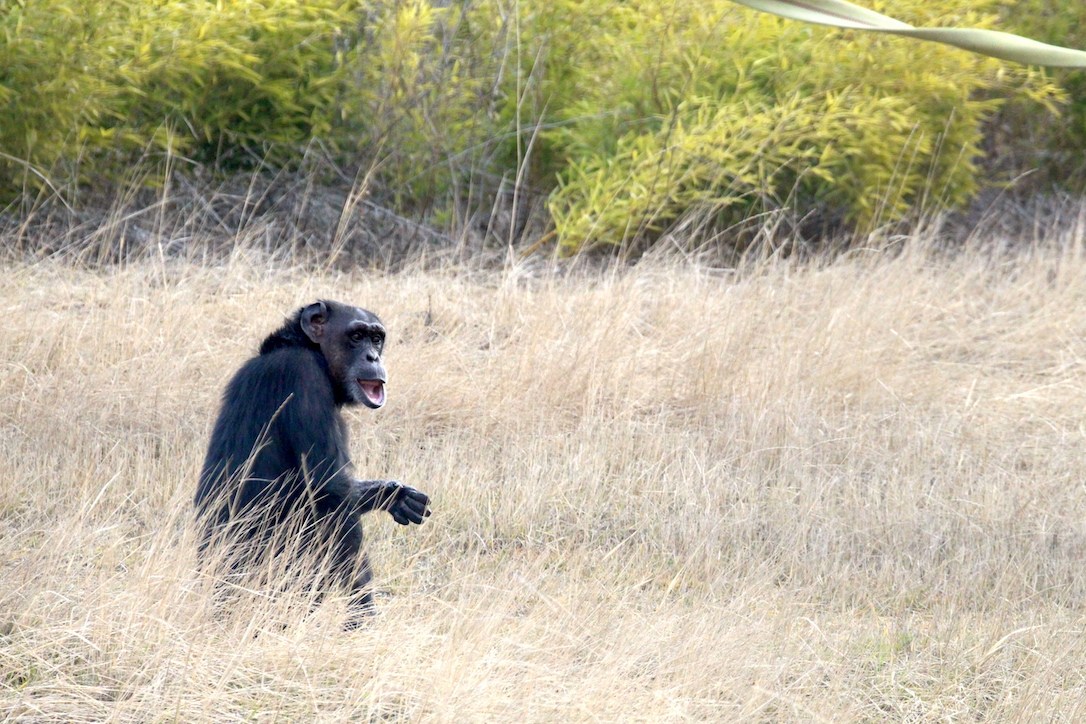
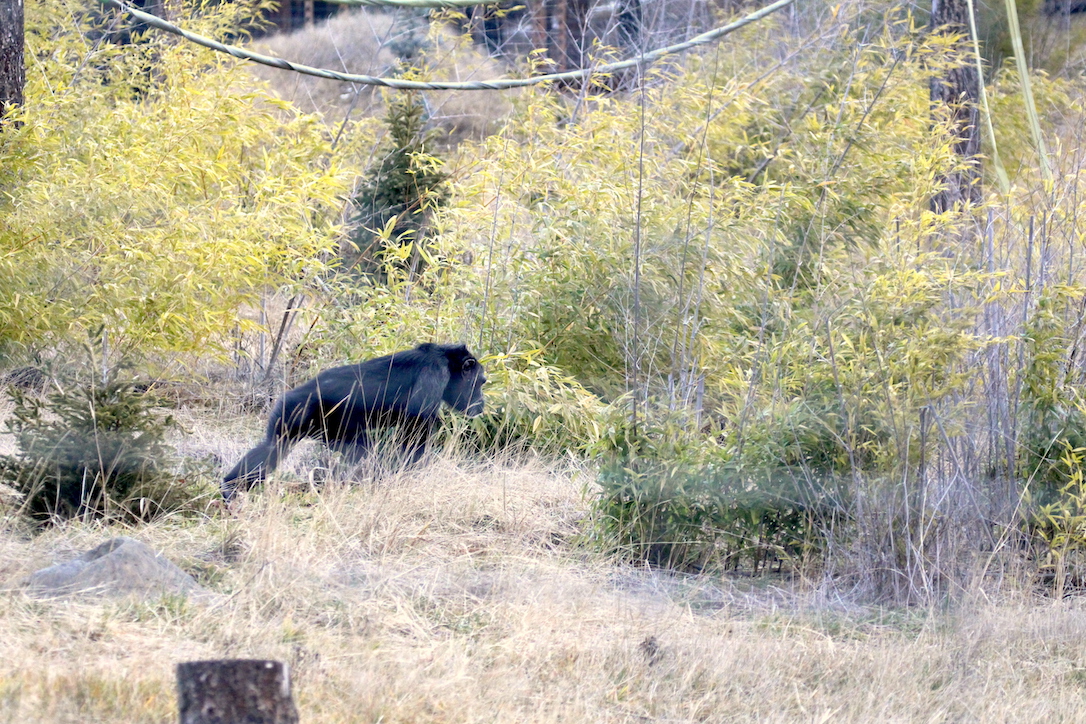
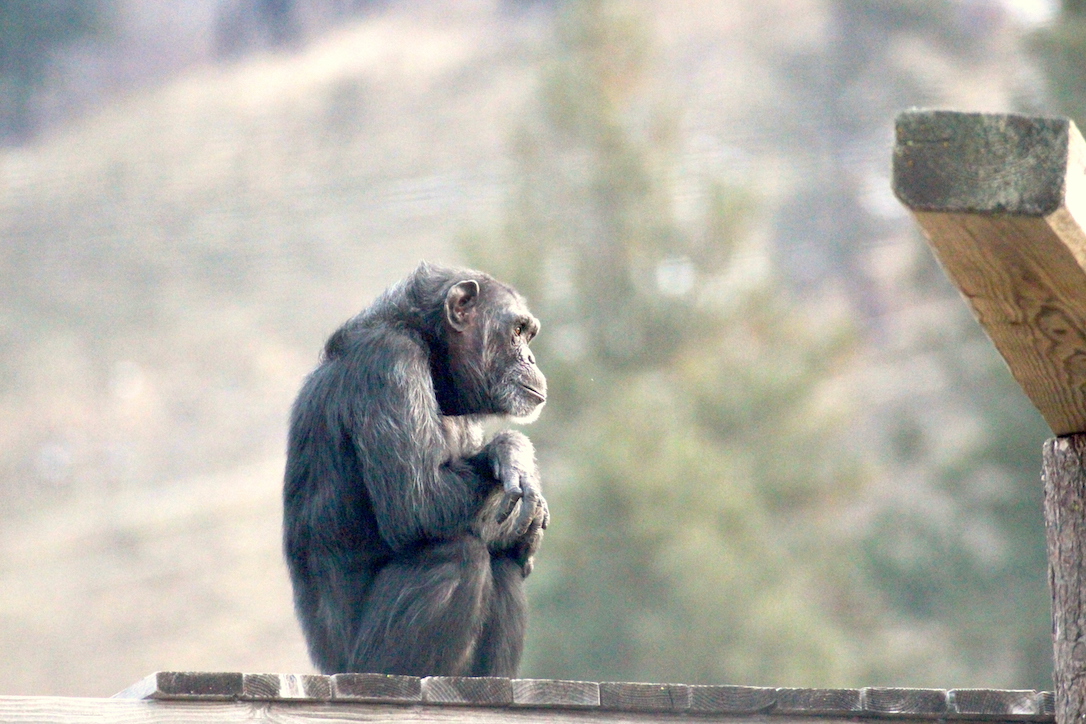
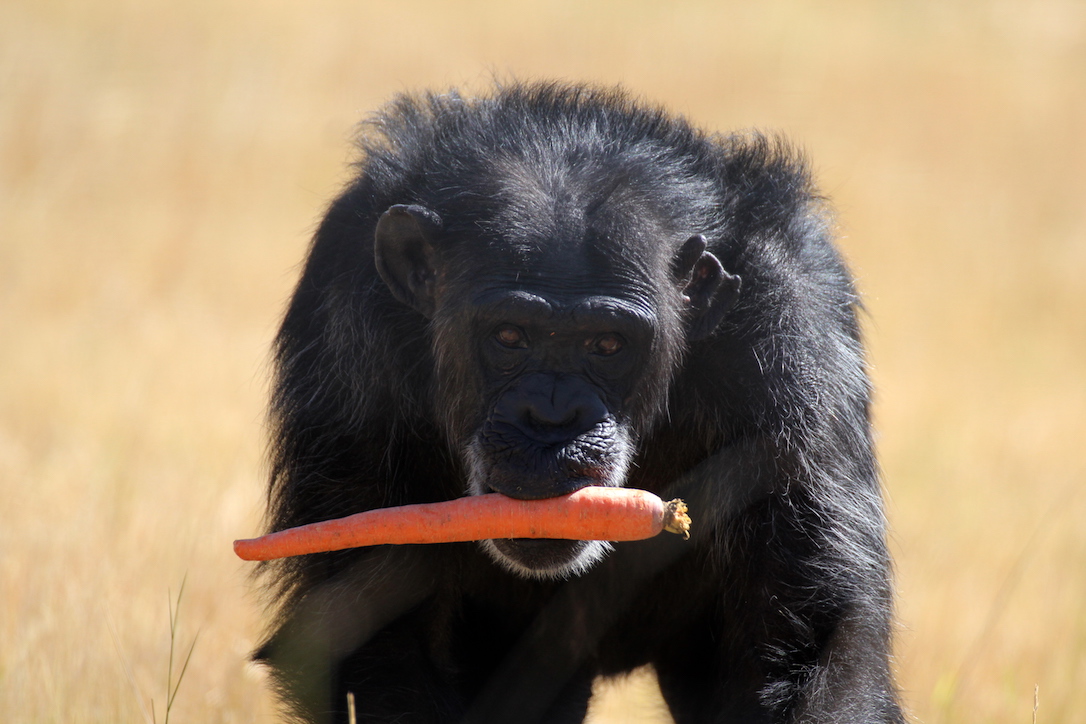
The chimps look as if they are free.
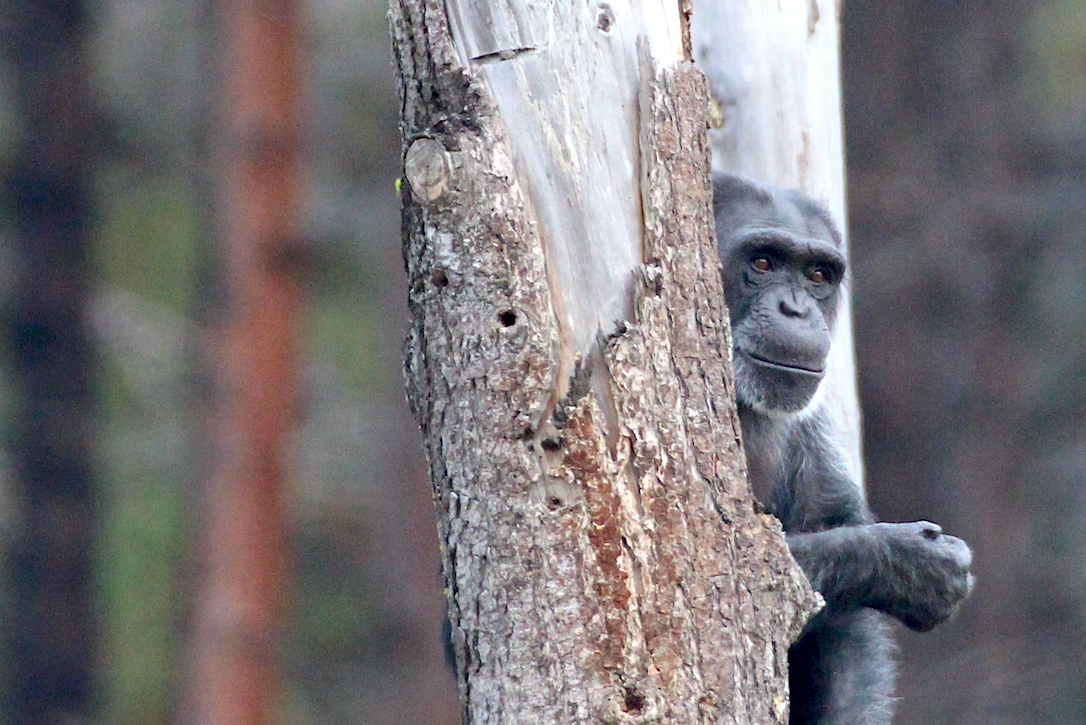
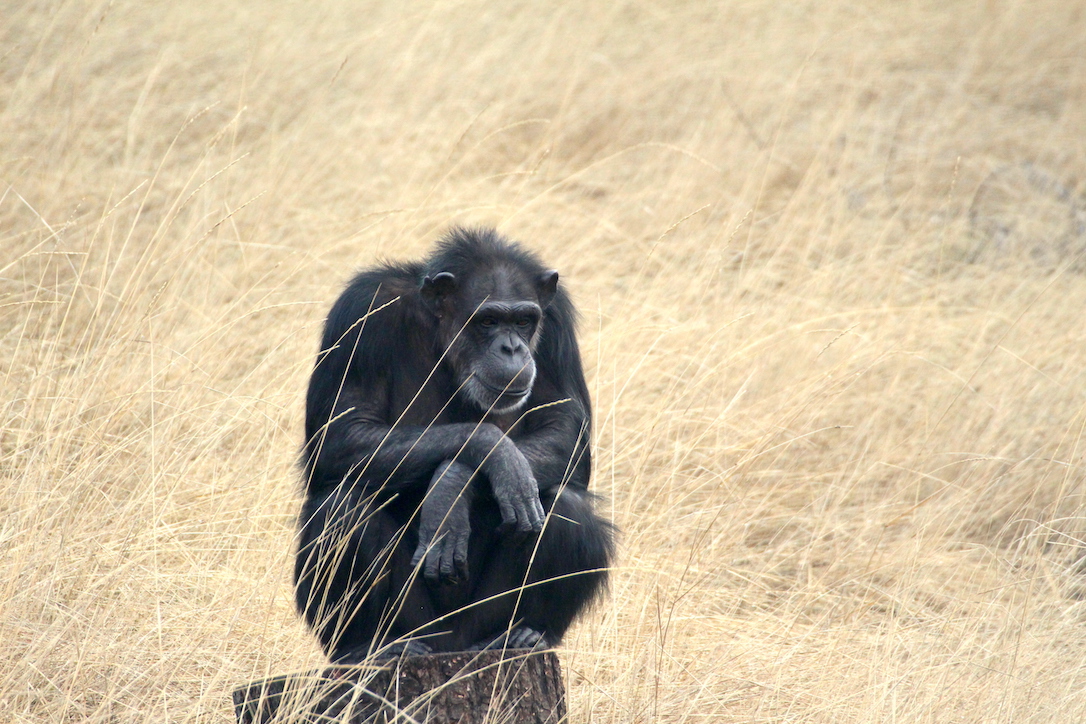
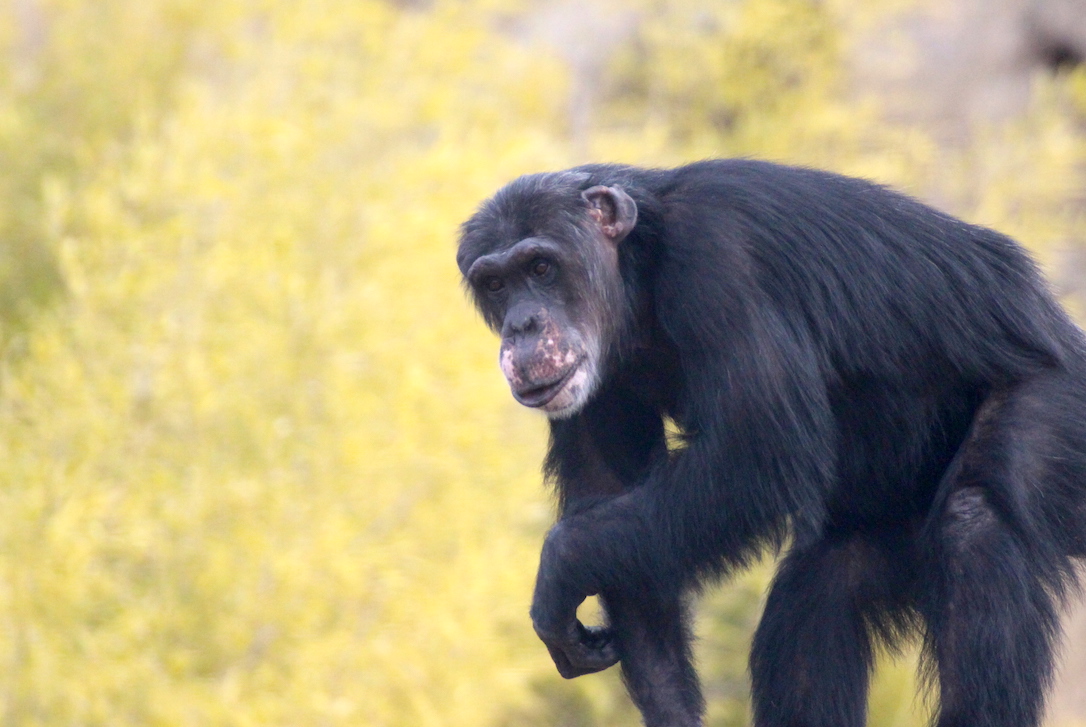
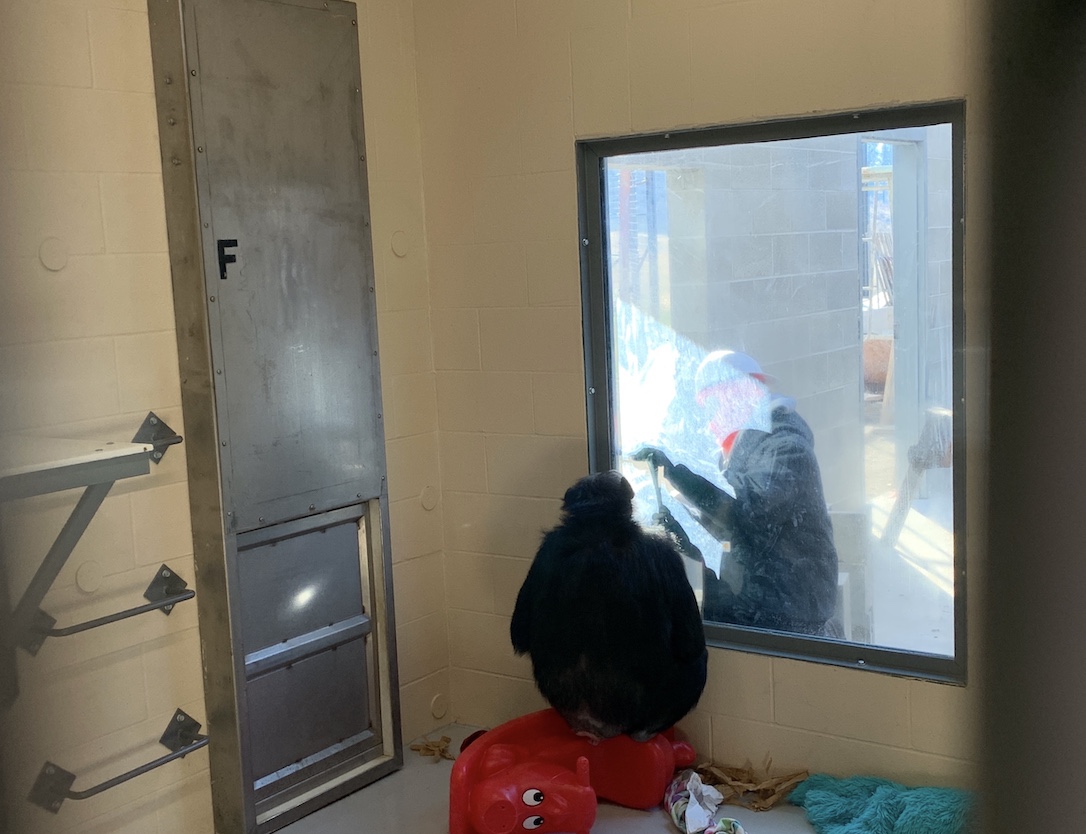
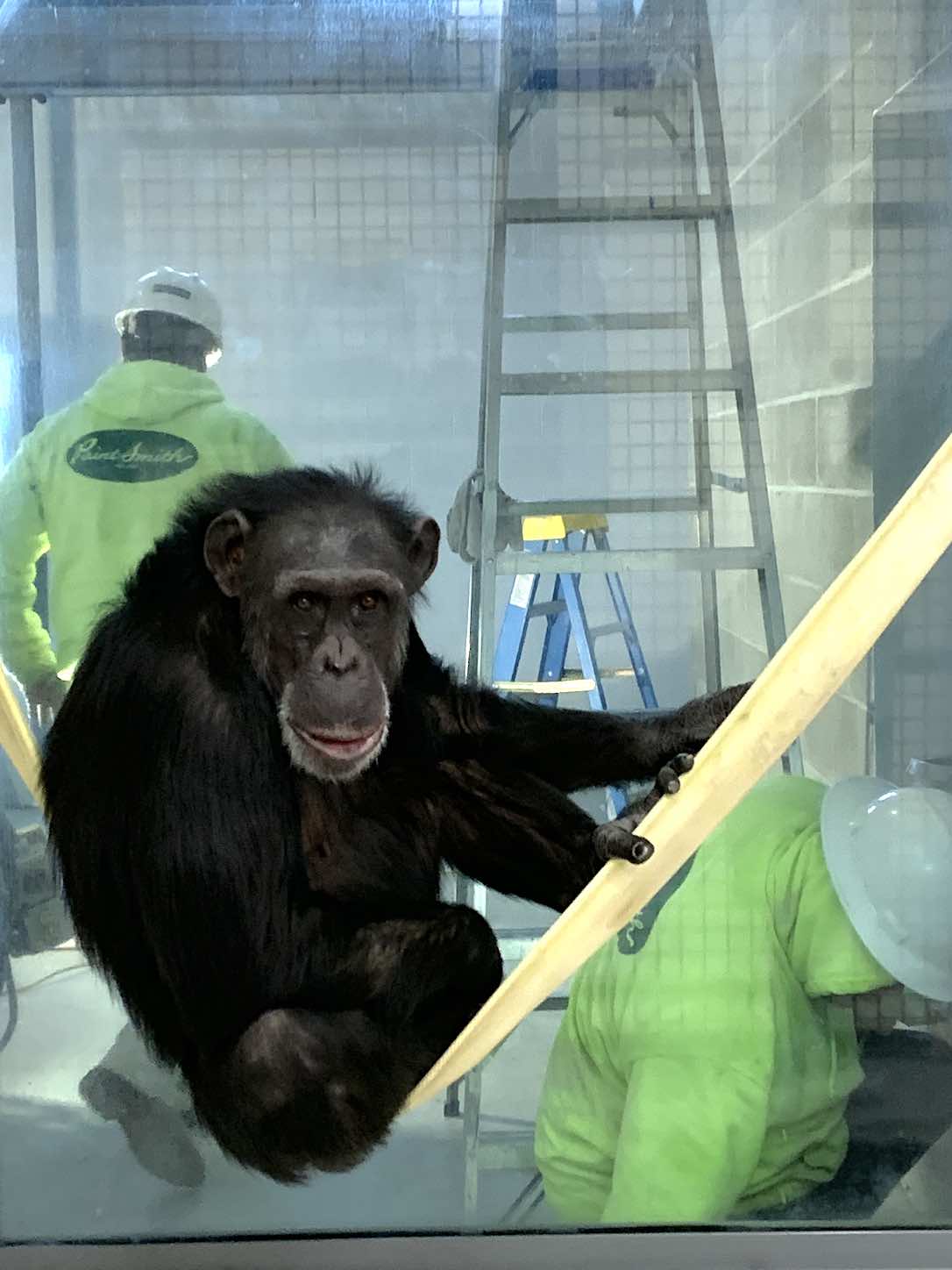
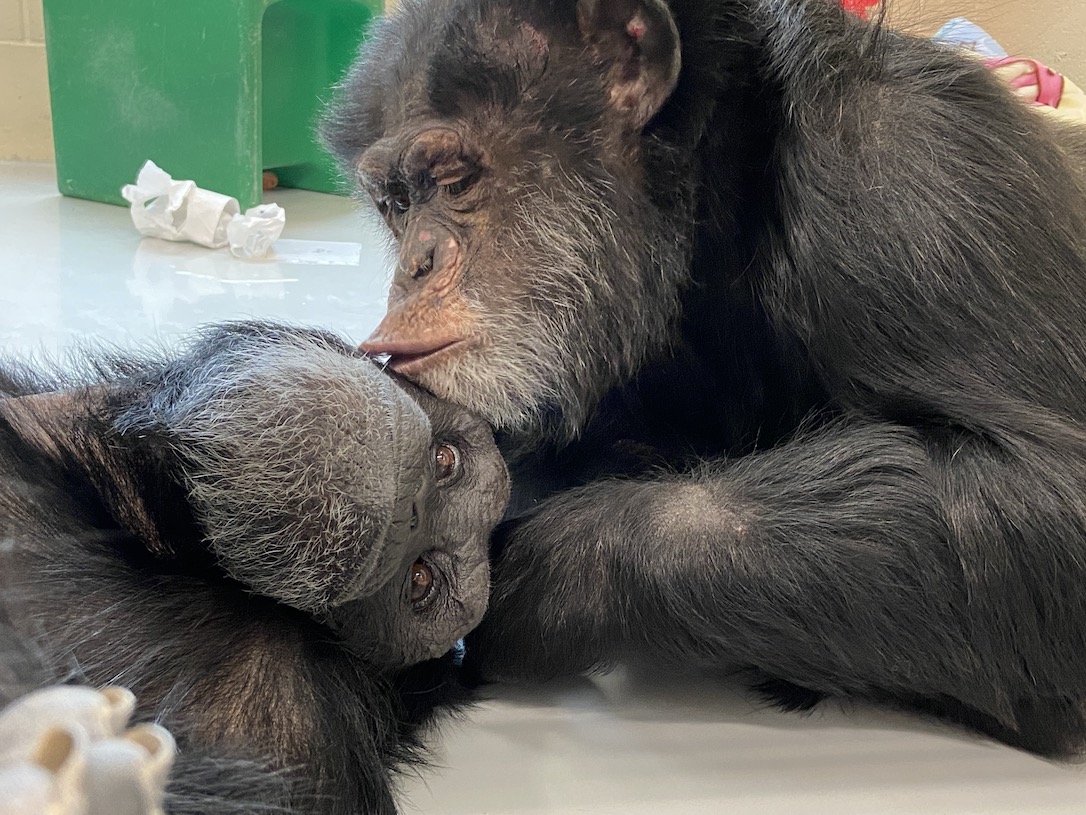
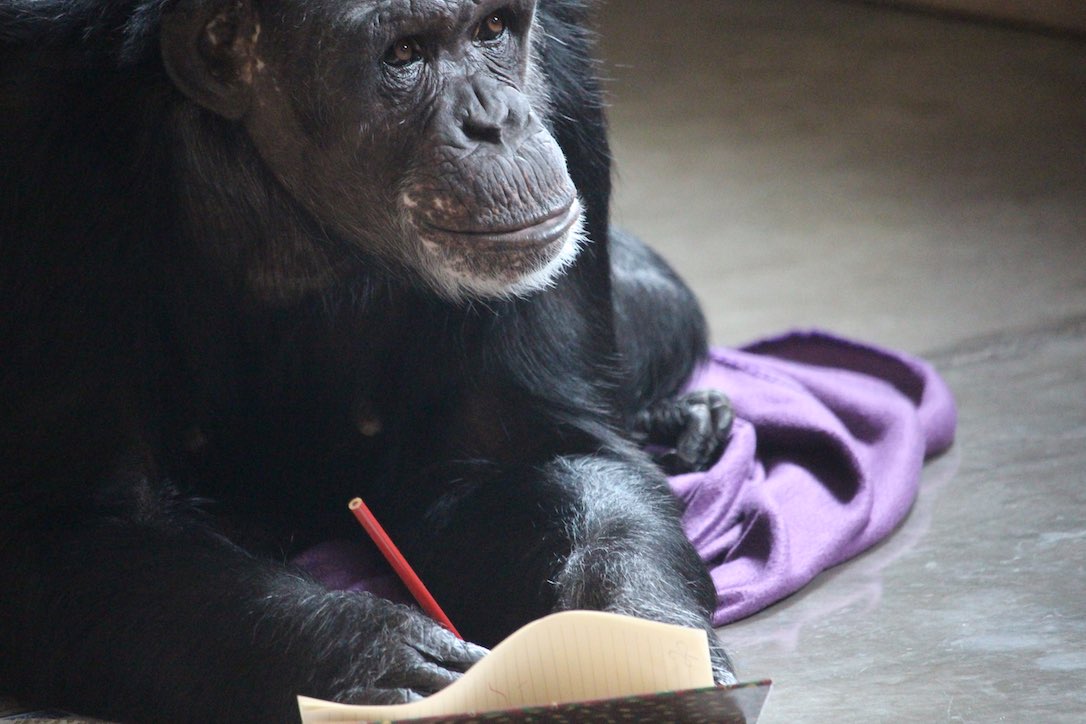
Every time we post to the blog or to social media, we make a choice about how to portray the chimps. There’s every incentive to give people what they want to see – chimps playing, walking outdoors, climbing trees – and to move the camera swiftly past whatever makes us uncomfortable. Showing chimps behind caging upsets some on social media. When chimps are shown laying on concrete floors, people think they are sad or bored. There’s certainly a deliberate, almost cynical aspect to this on our part. After all, LOOK HOW BORED OUR CHIMPANZEES ARE! is not a brilliant marketing strategy for a nonprofit. But it’s more than that. We as caregivers have those same unconscious preferences. But caging, concrete, and bullet-proof glass are all part of captivity, and we should know better. I guess even we want to believe sometimes.

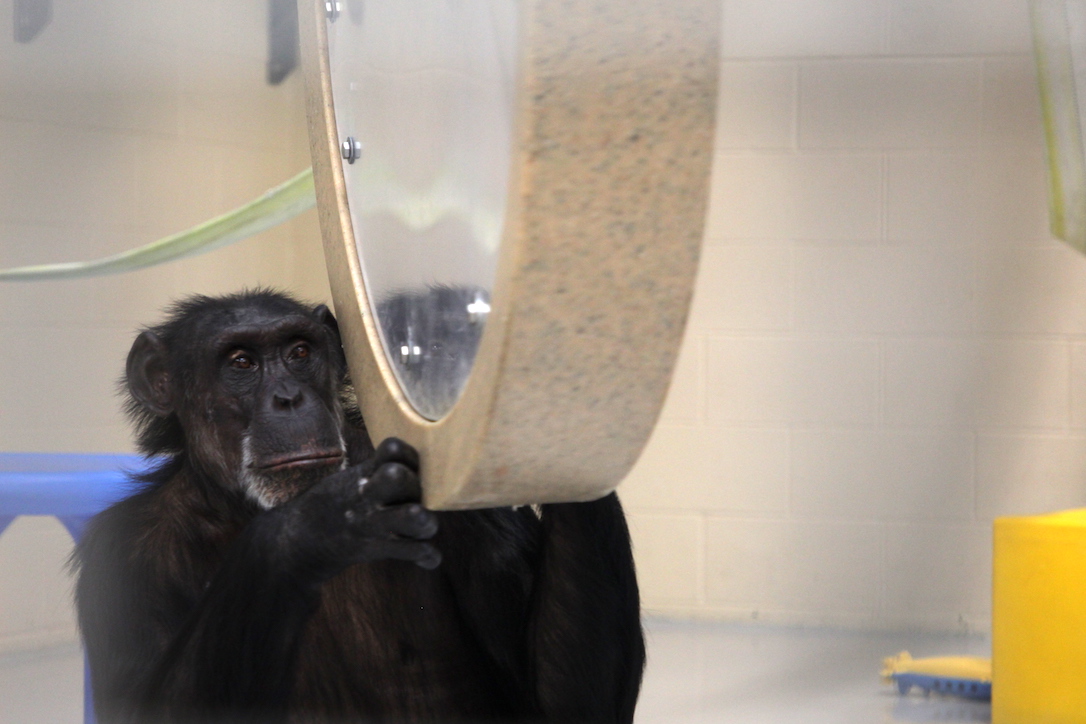
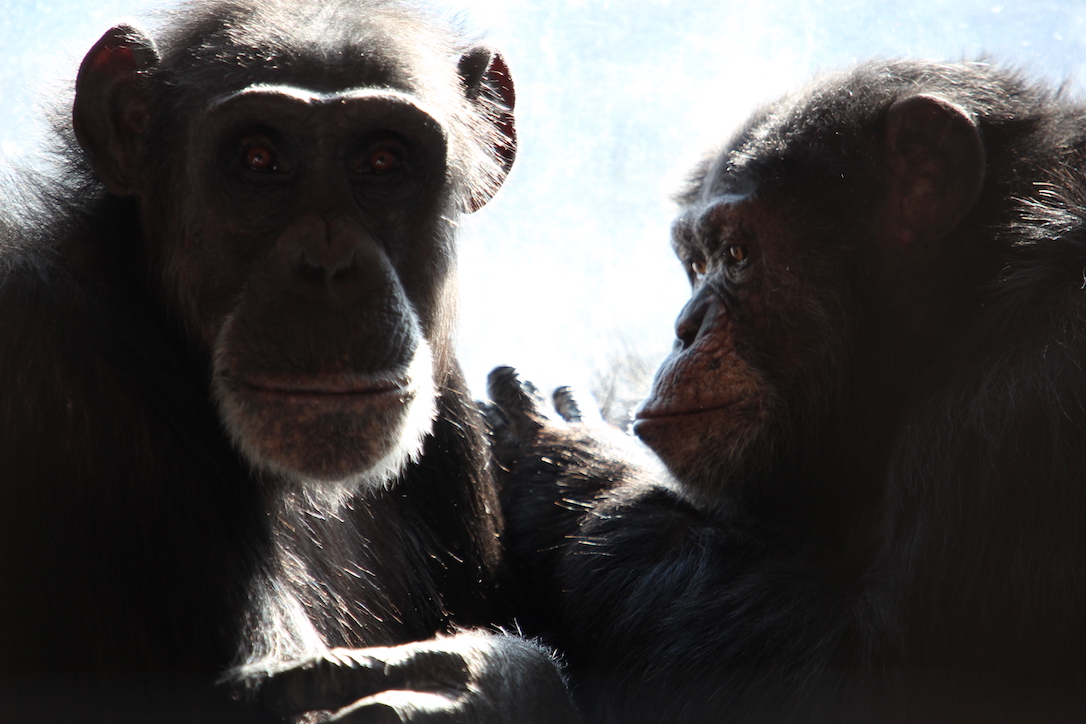
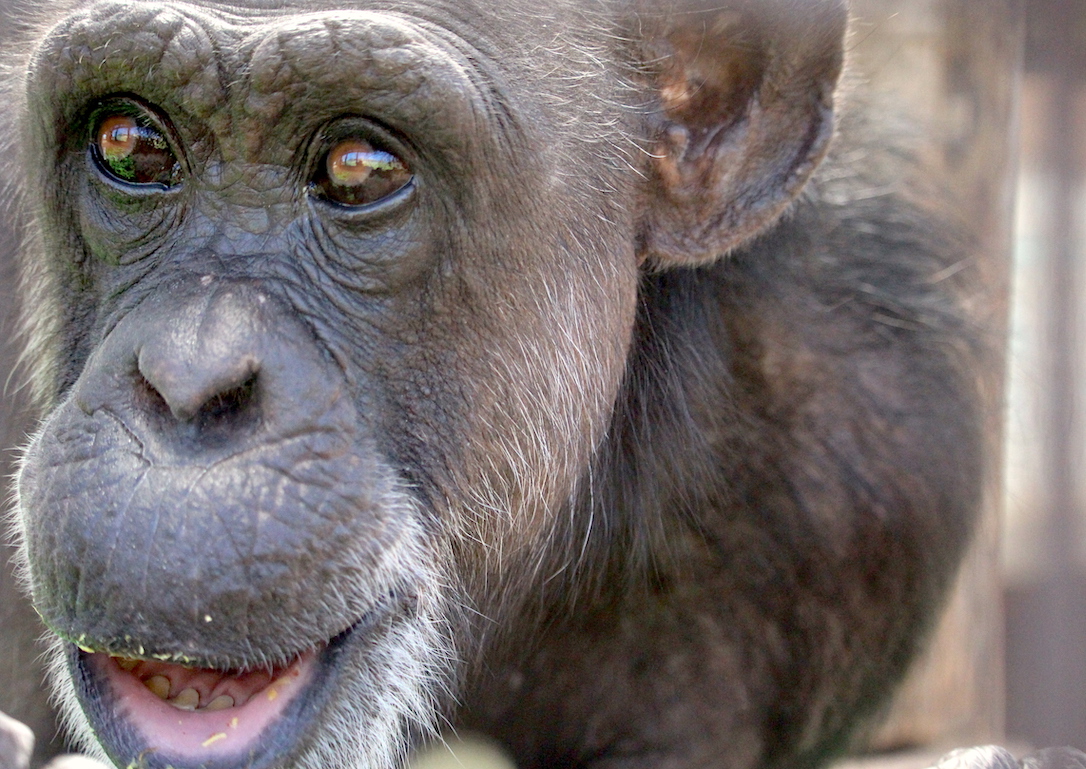
Beyond how they live, there’s also the matter of who they are. The chimpanzees in our care are not wild, nor could they be at this point in their lives. They carry troll dolls and cowboy boots, build giant nests from fleece blankets, and wear fanny packs. They drink warm tea from cups and insist that their carrots be peeled. At times they prefer the company of humans over that of their fellow chimpanzees. They are messy and complicated, fully chimpanzee but also not quite – a result of traumatic histories, for sure, but also an inevitable product of captivity. Ignoring the human-like aspects of their personalities ignores the very essence of their being.
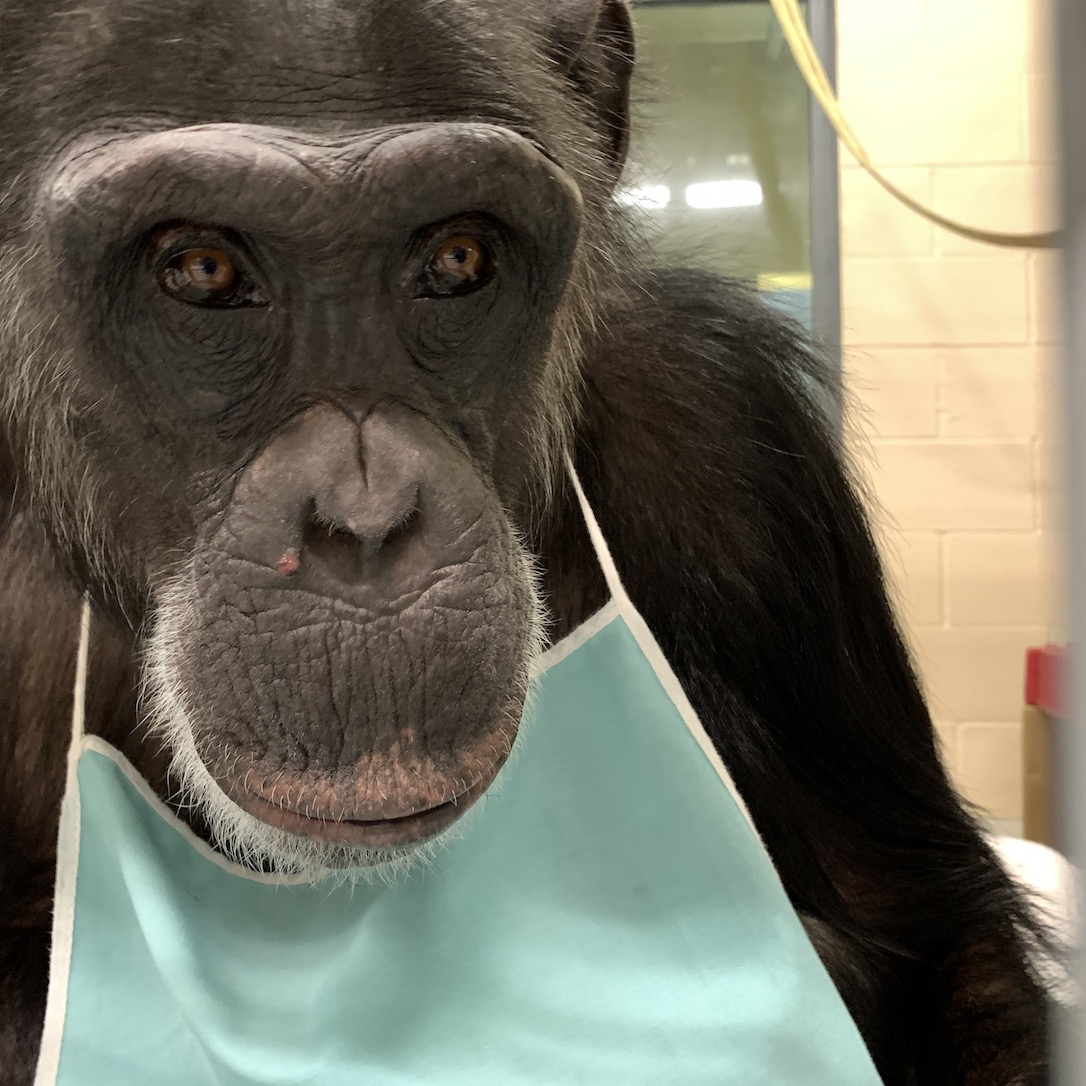
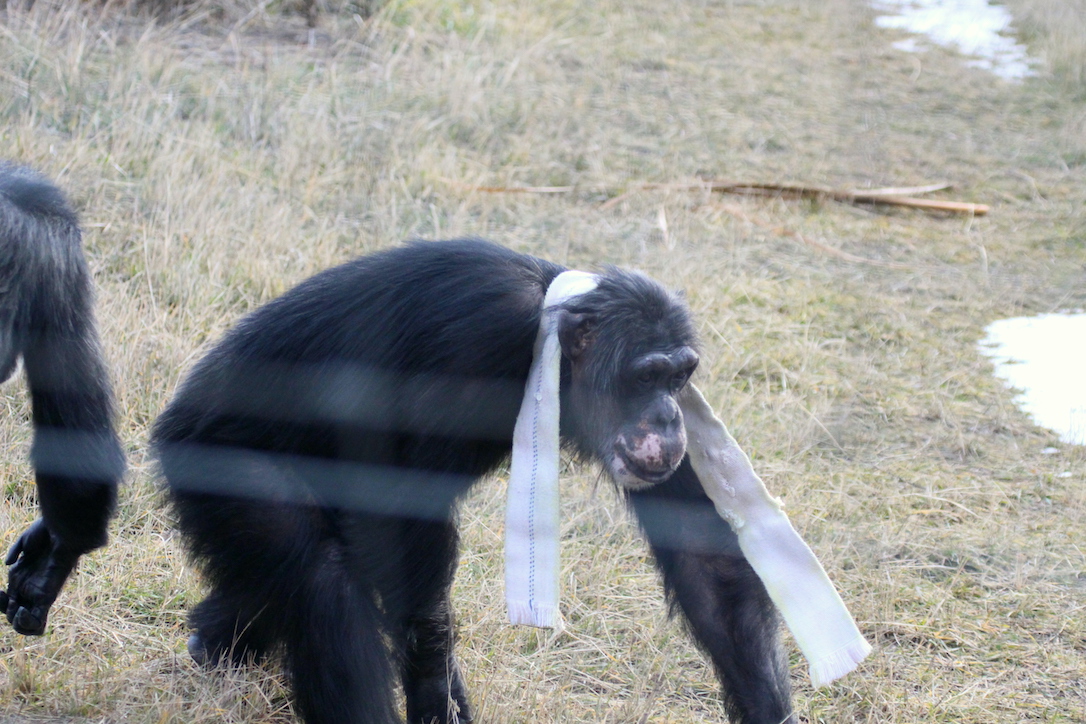
Sometimes I worry what effect our collective obsession with minimizing captivity has on animals. I’m concerned about what the faux naturalization of so many zoo exhibits, with their trees fenced off with hot wire and their concrete and metal walls painted to resemble forests, makes people think (or not) about how it feels to live within them. I wonder if our own reluctance to show caging and concrete in photos fuels the false notion that chimpanzees in sanctuaries are now living happily ever after. And I fear that if we censor ourselves too much, we risk diminishing the very individuals whose stories we are trying to tell.
Reconciling these various concerns is not easy. We made a concerted effort a while back to share fewer photos that show the chimps wearing clothing. It may be cute or funny, but it generally does little to advance the chimps’ cause and, as we have seen, may have unintended consequences. That said, if the clothes-wearing is incidental to some other activity or if it helps highlight the value of enrichment or tell a story about a chimp’s personality, then perhaps it has a place. Would you understand Honey B or Burrito at all if we didn’t share all of their peculiarities? And we try not to let caging, or concrete, or the size of the enclosure that the chimps have chosen to be in at the time dictate which aspects of their lives get shared. We shouldn’t intentionally promote a fantasy.
I hope this doesn’t sound too sanctimonious because I am constantly censoring the photos I share to tell a story – or in some cases to avoid a story. You may have noticed in Wednesday’s post that Jamie has been picking more of the hair from her belly. We don’t know why. Sometimes these self-directed behaviors are old habits, unconnected to a chimpanzee’s current state, but they can indicate stress. I’m sure I’ve scrapped a photo because of how prominently it displayed her growing bald patch, not wanting to broach the subject at that moment. In any case, caring for chimpanzees is difficult and not always straightforward, and that should be part of the conversation, too.
In the newspaper world, there’s a phrase that says a journalist’s job is to uncover “the best obtainable version of the truth.” I like this phrase because it acknowledges limitations without rejecting an objective reality. Zoos and sanctuaries are in the PR business, not journalism, which imposes its fair share of limitations. But perhaps we can at least aim for a better version of the truth.