• Skip to main content
  • Skip to primary sidebar
  • Skip to footer

Chimpanzee Sanctuary Northwest

Hope. Love. Home. Sanctuary

  • Our Family
    • The Chimpanzees
    • The Cattle
  • Blog
  • About Us
    • Visiting the Sanctuary
    • Philosophy
      • FAQs
      • Mission, Vision & Goals
      • Privacy Policy
    • The Humans
      • Staff
      • Board of Directors
      • Founder
    • Annual Reports
    • The Future of CSNW
    • CSNW In The News
  • You can help
    • Donate
      • Become a Chimpanzee Pal
      • Sponsor A Day
      • Transfer Stock
      • Be A Produce Patron
      • Be a Bovine Buddy
      • Give from your IRA
      • Personalized Stones
      • Bring Them Home Campaign
    • Leave A Legacy
    • Employment Opportunities
    • Volunteer
    • See Our Wish List
    • Events
  • Resources
    • About Chimpanzees
    • Enrichment Database
    • Advocacy
      • Advocacy Action Center
      • Apes in Entertainment
        • Trainers
        • Role of the AHA
        • Greeting Cards
      • Chimpanzees as Pets
      • Roadside Zoos
      • Chimpanzees in Biomedical Research
      • Conservation
        • African Apes
        • Orangutans
  • Shop
    • Merchandise Store
  • Contact
  • DONATE NOW

trauma

Still healing

August 10, 2018 by J.B.

Negra has always worn her trauma on her sleeve.

The first time we met her, she wouldn’t even show us her face. She hid behind a solid metal panel at the end of a bank of four cages in the windowless laboratory basement that had been her home for years. The only part of her that we really saw that first day was her hand as she reached upwards through the food chute to beg for handfuls of peanuts.
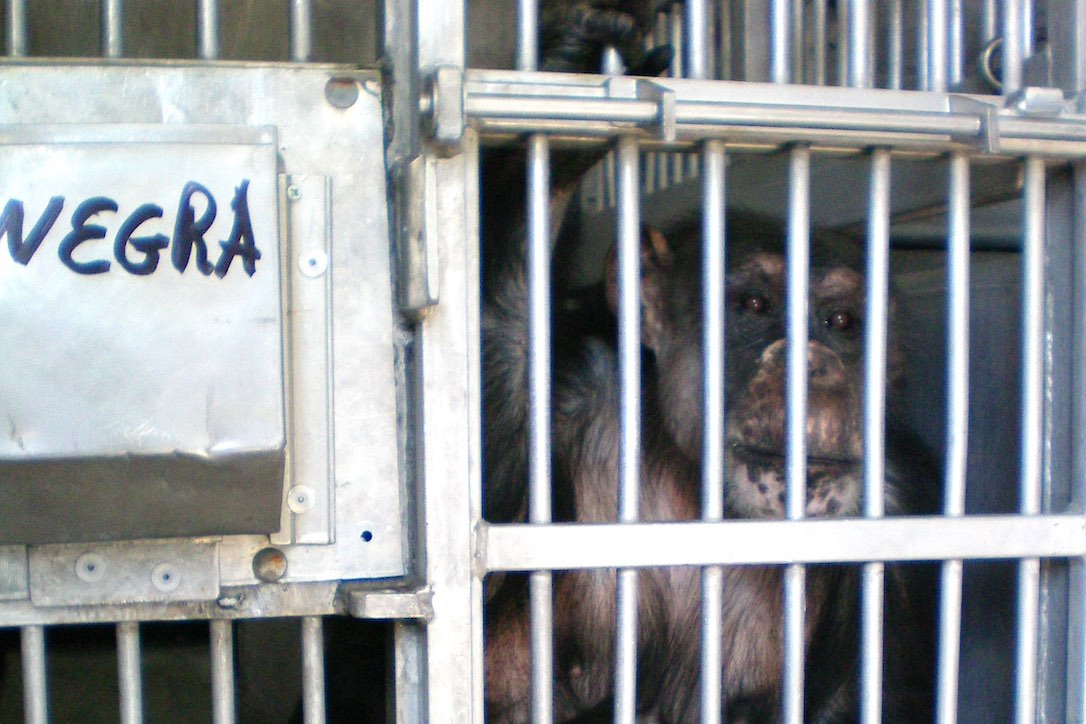
When she arrived at the sanctuary she was inactive and socially withdrawn. She could be anxious around her caregivers and was prone to overreaction when touched. When she finally had the opportunity to go outdoors, she was reluctant and would often become overwhelmed with fear when she ventured too far outside.
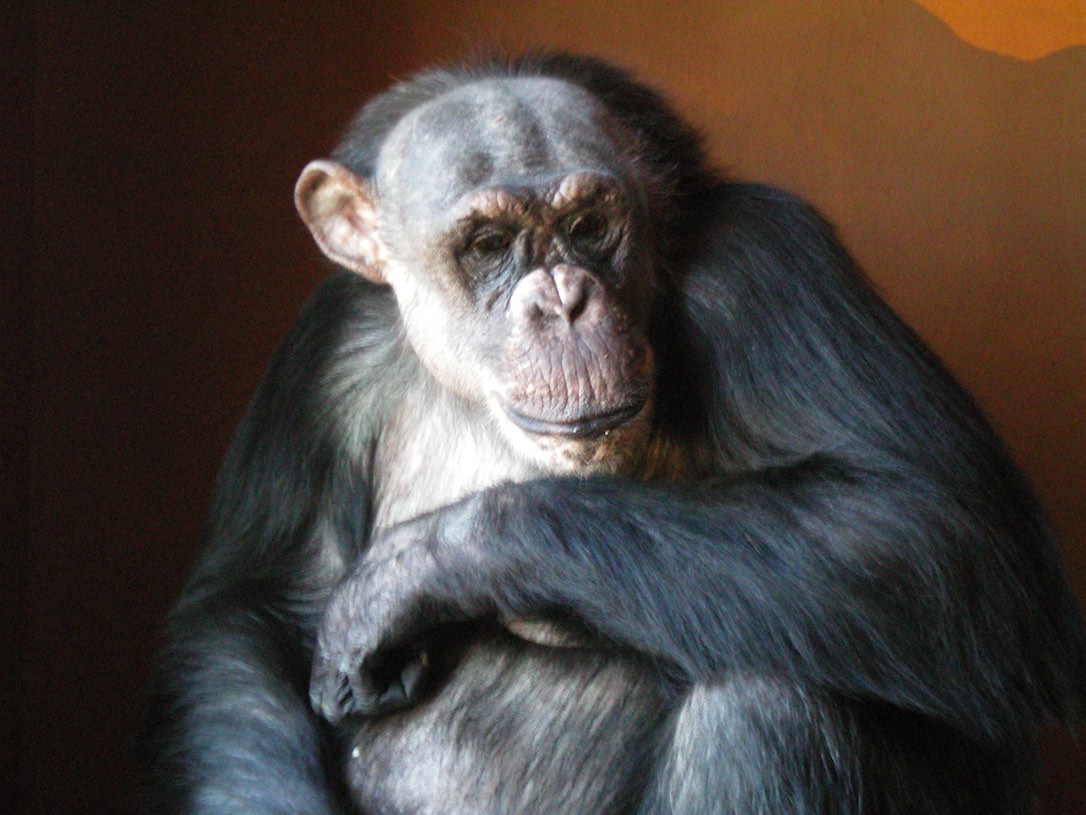
I hate to admit it, but we always had low expectations for Negra. Some chimps retain their fighting spirit against all odds. Negra was spiritless. If we could just give her a year in sanctuary, we thought, it will have been worth it. Maybe she wouldn’t take advantage of all the new opportunities available to her, but she deserved to finally have the choice. It was a low bar but we were still afraid she wouldn’t reach it.

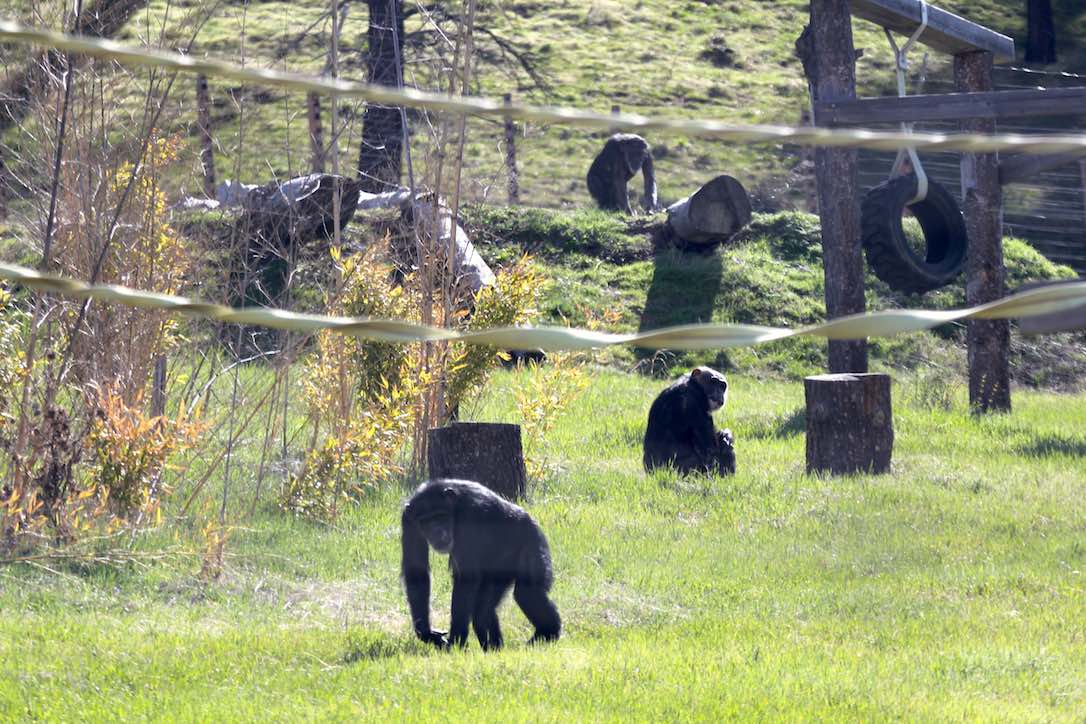
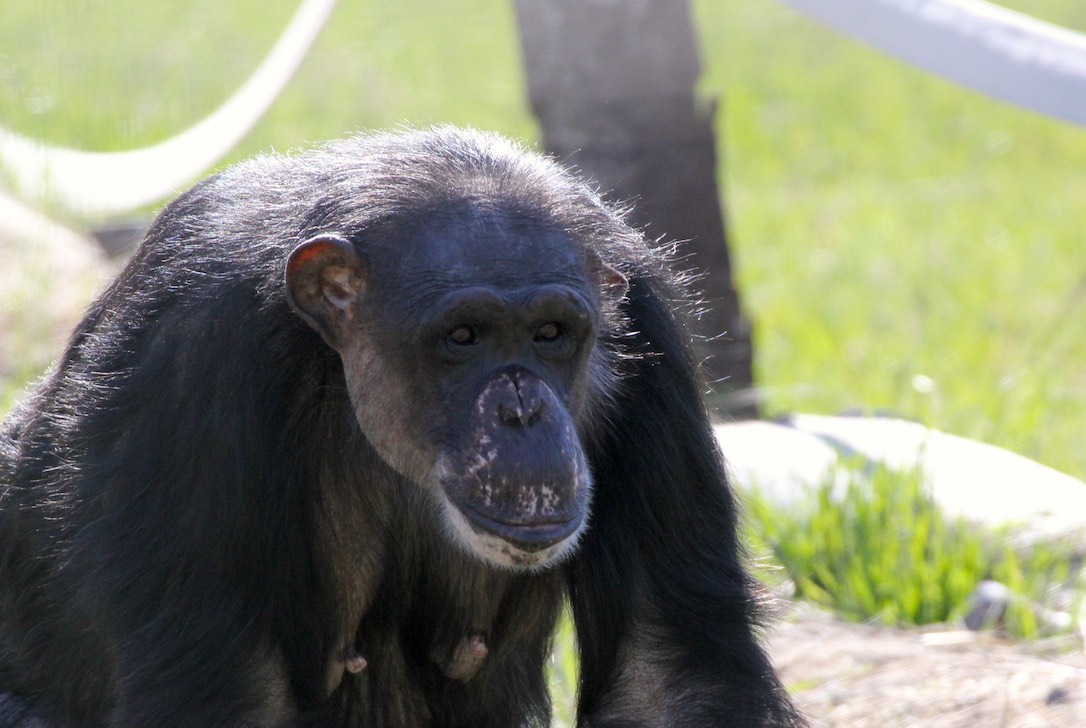
But she surprised us. Over the last ten years, she gradually became more social with her chimpanzee and human friends. She grew more accustomed to being touched, even allowing her caregivers to provide basic medical treatment. She has spent more time outdoors and ventured further and further into her habitat.

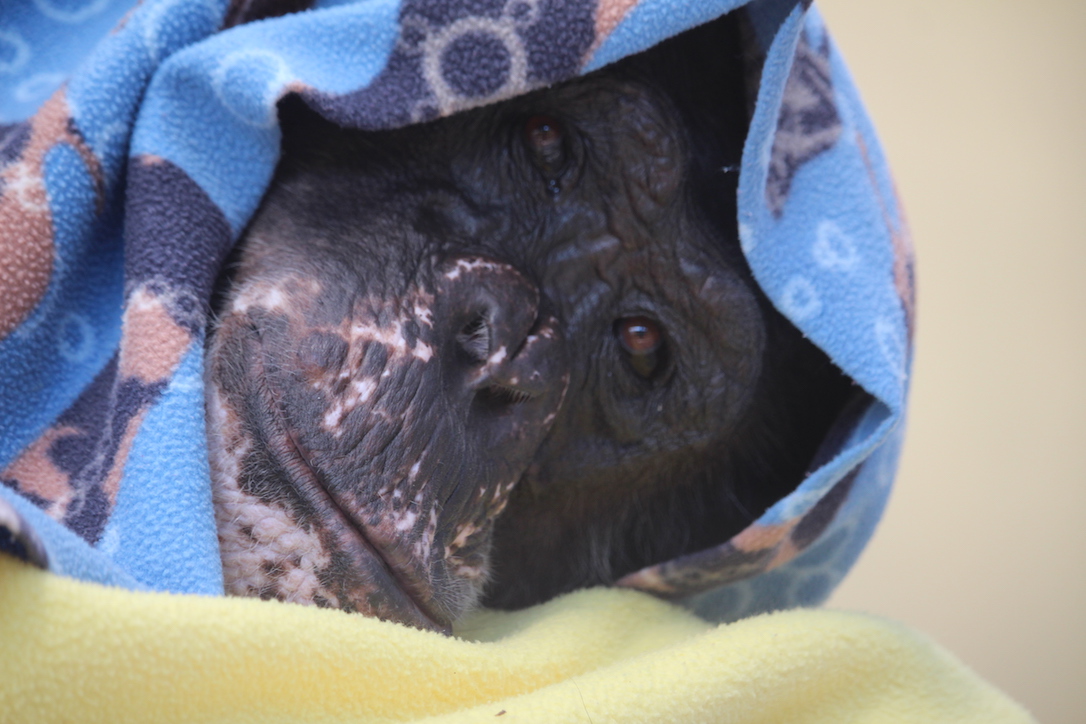
I don’t want to overstate the extent of her transformation. Negra still spends the majority of her time alone in bed, her head shrouded in a blanket for security. Negra’s progress, like Negra herself, has been slow.
But something unusual is happening right now. The pace of change has increased to the point where it seems like each day brings a new surprise, each one announced with excitement over the two-way radios:

“Negra was the first one outside this morning!”

“Negra is at the top of the hill!”

“Negra climbed to the top of the new structure!”

“Negra is wrestling with Missy!”

“Negra is playing with me!”

“Negra is spooning Jody!”

This morning, Diana called over the radio to say that Negra was playing with her in a way that was more typical of Burrito. See for yourself in the video above. This is the kind of thing we live for. Not because we enjoy playing with Negra (though we do), but because we’re excited to see her become more active, playful, and trusting. We love seeing her become more engaged with the world around her.

Why is this happening ten years after she arrived at the sanctuary?

There are a number of factors that enable chimps (and other animals, including humans) to recover from trauma. Things like agency, autonomy, a sense of safety and security, and a physical and social environment that allows for species-typical behavior are all critical. But one thing we mustn’t overlook is time. It took Negra 35 years to accumulate the traumas she experienced while being torn from her mother and her home, having her children ripped away from her again and again, being housed in tiny, barren cages, and being subjected to invasive experimentation. These memories, and the resulting patterns of behavior, can’t be undone overnight. And Negra will set her own pace.

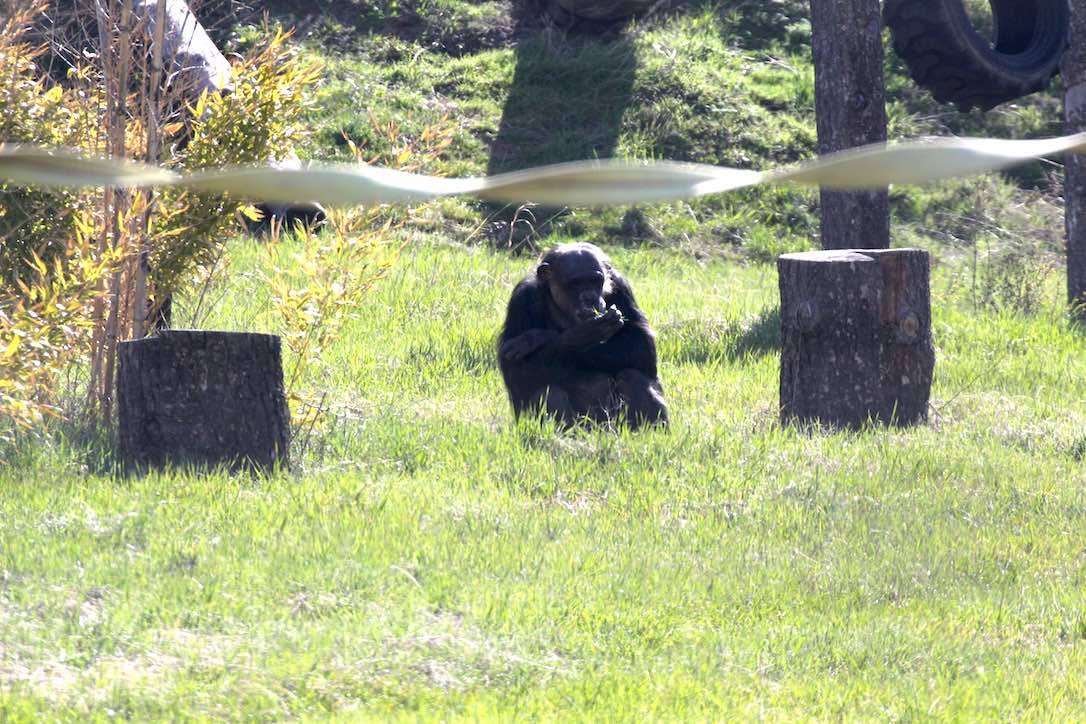
Will these changes last? We don’t know. Negra has come out of her shell before only to retreat again. But for now we are going to play as much tug-of-war with this silly, seemingly care-free Negra as we can. And more importantly, we are going to enjoy watching her socialize more with her chimpanzee family and spend more time foraging on Young’s Hill.

Filed Under: Latest Videos, Negra, Sanctuary Tagged With: anxiety, chimpanzee, depression, Negra, northwest, Play, ptsd, recovery, rescue, Sanctuary, trauma

The Phoenix

April 20, 2018 by J.B.

Diana and I recently had the pleasure of reading Phoenix Zones, a new book by a good friend of the sanctuary, Dr. Hope Ferdowsian. In it, Hope shares the lessons she’s learned about building strength and resilience throughout the course of her incredible career as a human rights physician and animal advocate. The book is filled with stories demonstrating how humans and other animals can recover from trauma and heal – a process known as the “Phoenix Effect” – if we attend to certain key principles such as love, dignity, justice, and respect for liberty. Phoenix Zones, by extension, are the places where these principles are put into practice, and where those suffering from trauma can rise from the proverbial ashes to find peace and hope.

One example of a Phoenix Zone that Hope discusses in her book is Chimpanzee Sanctuary Northwest. Her story focuses on Negra, who was stolen from her family and endured 35 years of unimaginable suffering but now exemplifies the power of Phoenix Zones promote healing and resilience in even the most traumatized individuals.

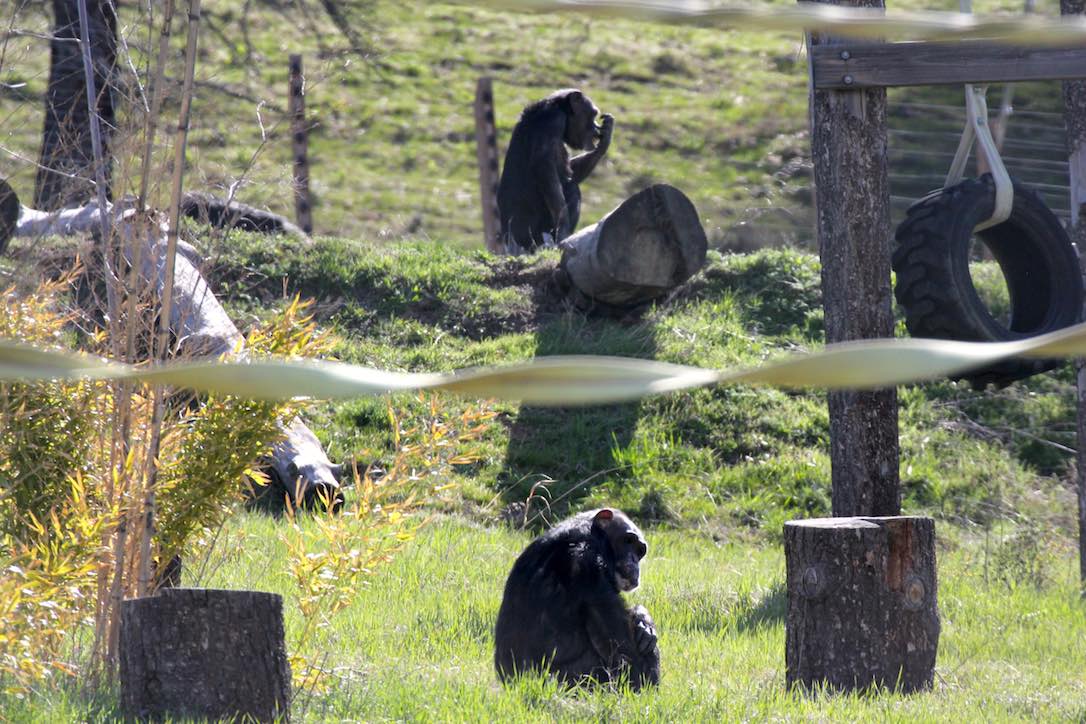
It’s easy to forget just how far Negra has come. This morning, we found her enjoying sweet spring grass near the top of the hill, a place that she had feared not so long ago.

A key message of the book is that physical and emotional recovery are only possible when we are free to make our own choices, when we are able to live with dignity, and, perhaps most importantly, when we have a sense of hope. Negra’s story should inspire hope in all of us.

Diana and I will be joining Hope for a discussion of her book at the Elliott Bay Book Company in Seattle on April 30th. If you live nearby, we hope to see you there!

Filed Under: Negra Tagged With: chimpanzee, hope, hope ferdowsian, Negra, northwest, phoenix zones, recovery, rescue, resilience elliott bay book company, Sanctuary, trauma

Primary Sidebar

Subscribe To the Blog and Get Notified of New Posts First!

Archives

Calendar of Blog Posts

June 2026
S M T W T F S
 123456
78910111213
14151617181920
21222324252627
282930  
« May    

Categories

SUBSCRIBE TO OUR NEWSLETTER

Footer

PO Box 952
Cle Elum, WA 98922
[email protected]
509-699-0728
501c3 registered charity
EIN: 68-0552915

Official DDAF Grantee

Menu

  • The Chimpanzees
  • Blog
  • About Us
  • You can help
  • Resources
  • Contact
  • Donate

Proud Member of

Connect With Us

Search

Copyright © 2026 Chimpanzee Sanctuary Northwest. All Rights Reserved. Site by Vegan Web Design